




A Senior Lecturer from Arts University Bournemouth (AUB) is exploring how communication design might help people develop different relationships with everyday rain by translating ideas from ecolinguistics into participatory public experiences.
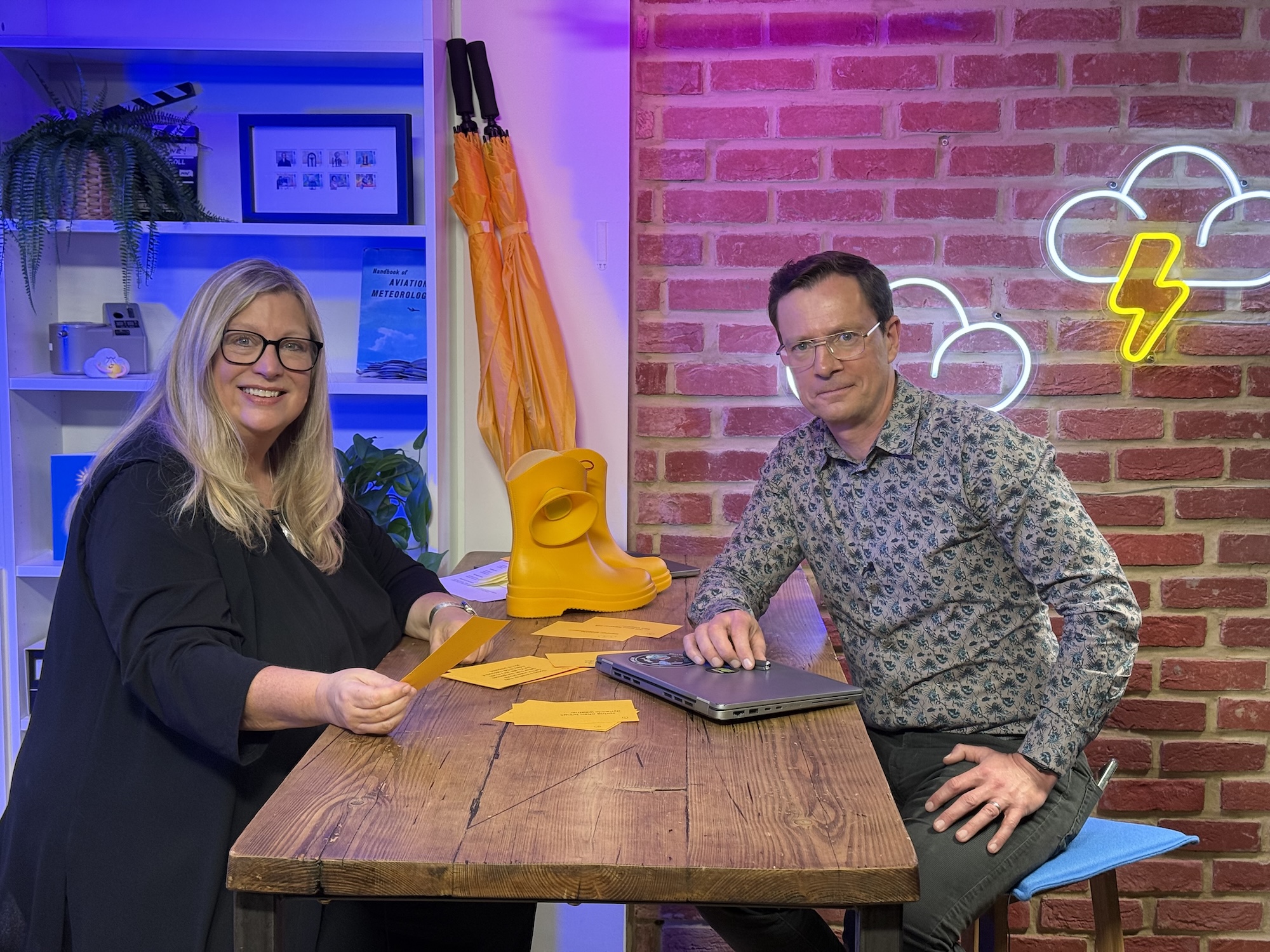
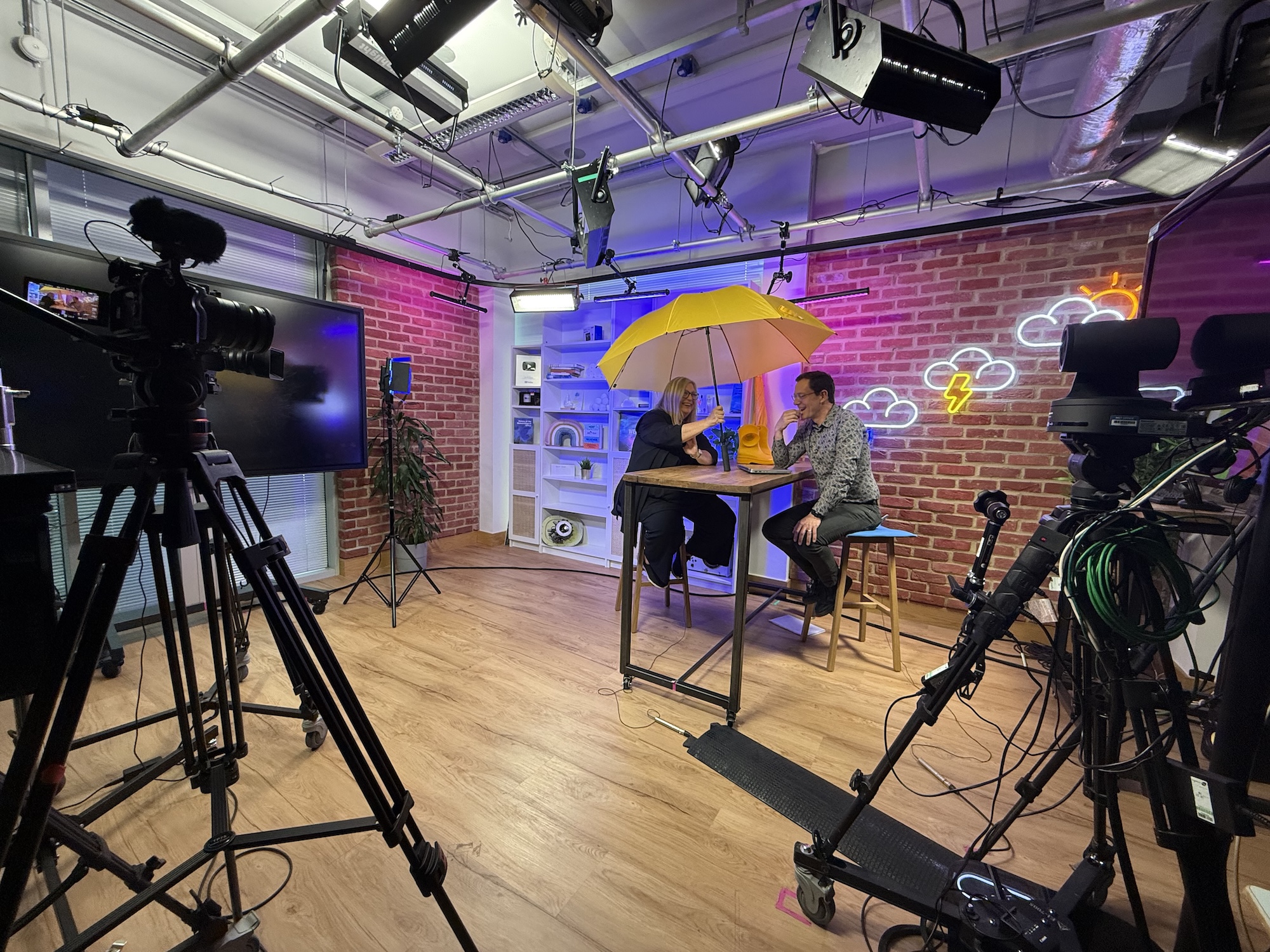
Alice Stevens, Senior Lecturer on BA (Hons) Graphic Design at AUB and a practice-based PhD candidate, appeared on the latest episode of the Met Office's Deeper Dive series.
Speaking with senior weather presenter Alex Deakin, Alice discussed her research, which sits at the intersection of communication design, British weather, creative technology and ecolinguistics.
Rather than contributing new theory to the field of ecolinguistics, Alice's work explores how its principles can be experienced through communication design, creating interactive and embodied experiences that allow people to engage with these ideas through participation, storytelling and everyday encounters with rain.
According to Met Office data, winters in the UK have become around 16% wetter over recent decades with projections suggesting they could become up to 30% wetter by 2070. Against this backdrop, Alice discussed Professor Arran Stibbe's identification of the UK's "only sunny weather is good" cultural narrative.
“The problem with having an 'only sunny weather is good' narrative is that it can leave us feeling dissatisfied with the weather we have in the UK," Alice explains. "It may also encourage people to seek winter sun abroad, with associated environmental impacts.”
Alice’s research explores how communication design can invite people to question familiar assumptions about everyday weather. Rather than automatically framing drizzle and rain as something negative, the projects encourage people to reflect on alternative ways of experiencing safely habitable rain conditions.
Through this approach, the research investigates how greater engagement with everyday weather might support wellbeing, strengthen connections with nature and encourage more time spent outdoors.
Drawing on principles from ecolinguistics, Alice creates interactive public experiences that combine storytelling, participation and creative technology to make ecological ideas tangible and accessible.
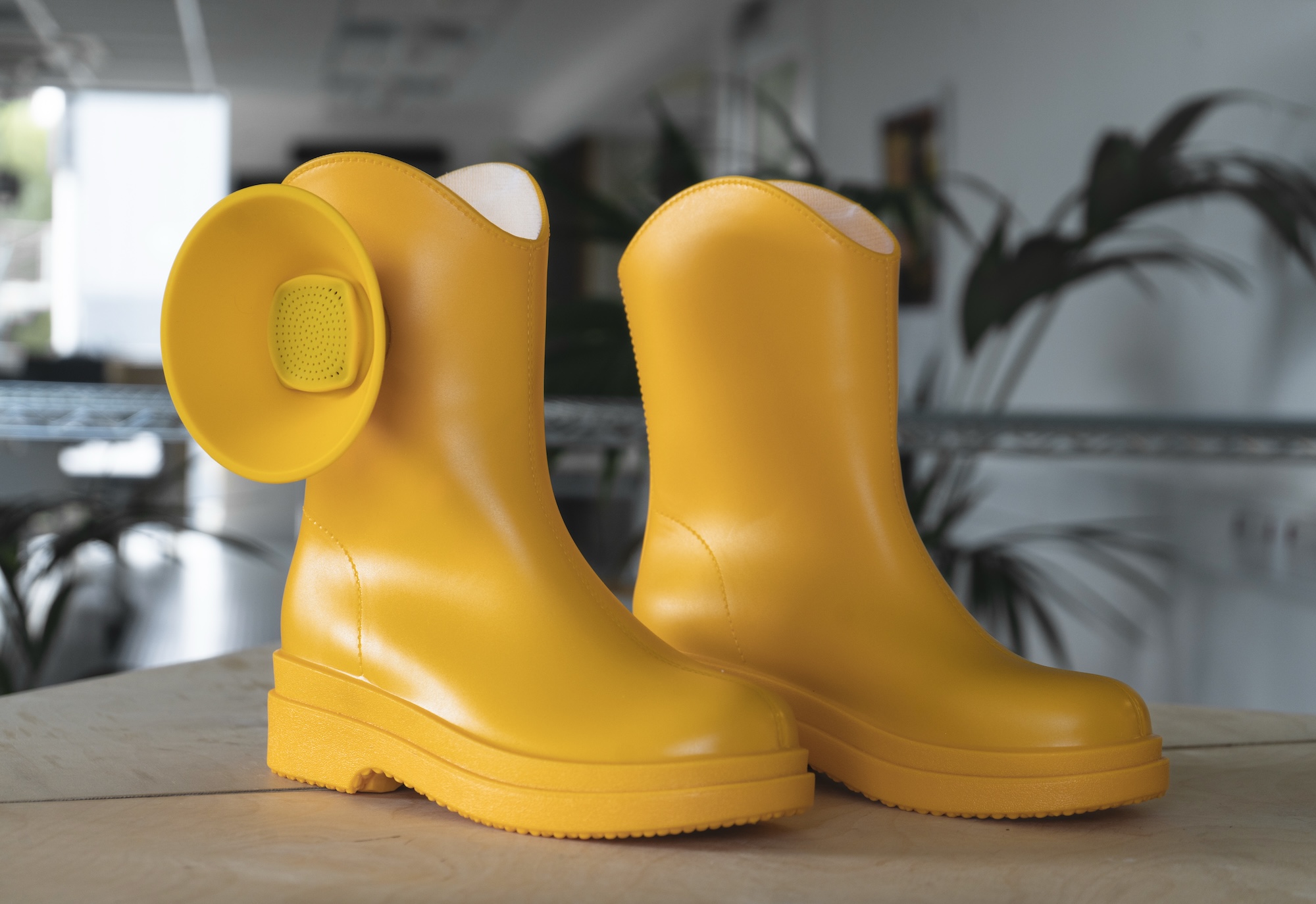
The first in a series of research projects, Welly Walks was developed in 2023 with creative technologist Mark Benson. The wearable technology project invited visitors to borrow pairs of weather-predicting wellington boots that used barometric pressure sensors to detect changes in atmospheric pressure, enabling them to anticipate approaching weather conditions.
As atmospheric pressure shifted, the boots played site-specific eco-poetry, encouraging people to notice and experience the weather in new ways while walking through the landscape.
Originally launched at the Inside Out Dorset festival at Dorset Wildlife Trust's Wild Woodbury rewilding site, the project featured poems written by Dr Zakiya McKenzie and AUB BA (Hons) Creative Writing graduate Ben Whittall, culminating in recordings by folk singer Kate Rusby. Welly Walks was later featured by NHS Dorset Innovation as an example of how creative practice can contribute to conversations around preventative healthcare and wellbeing.
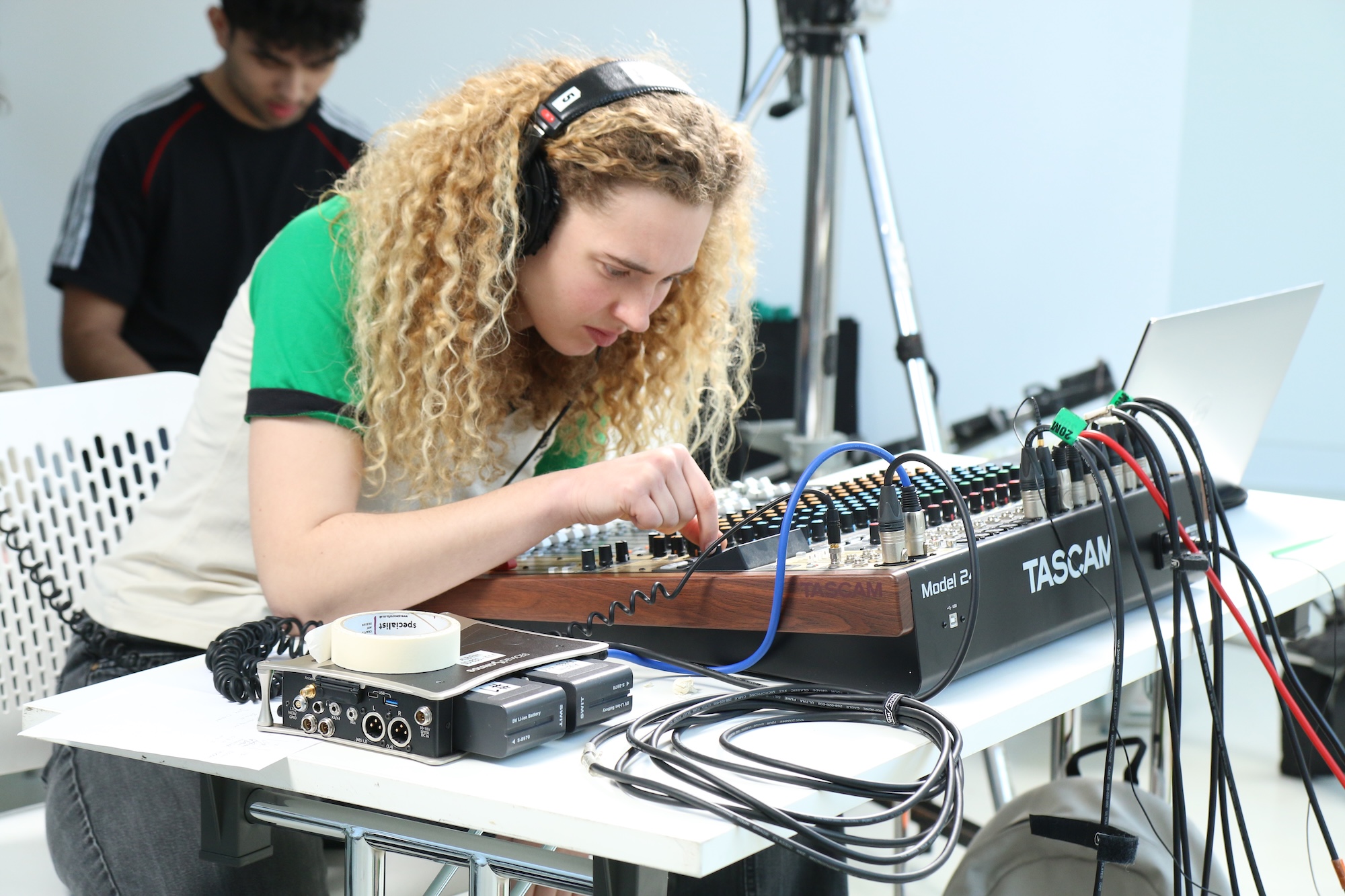
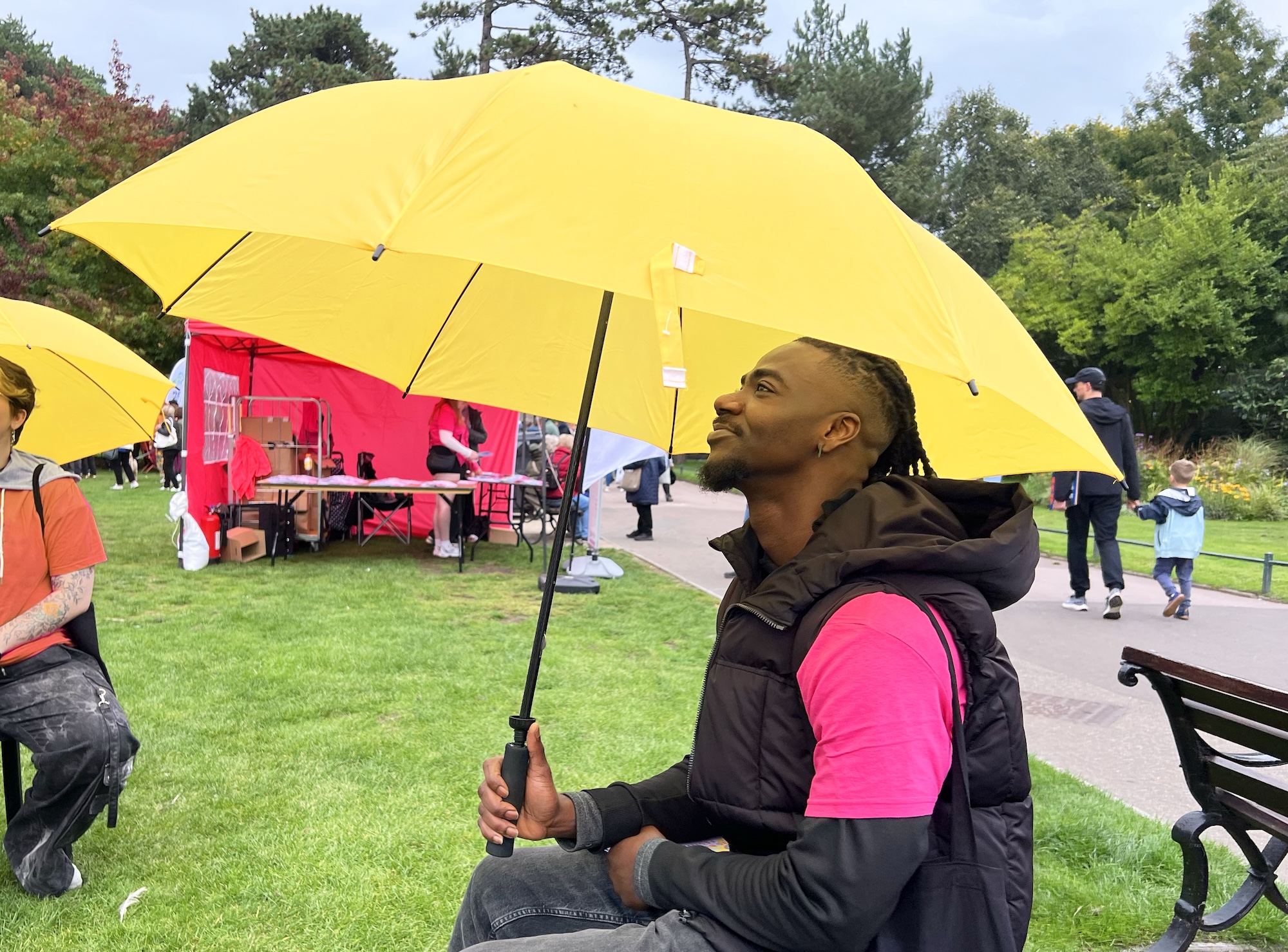
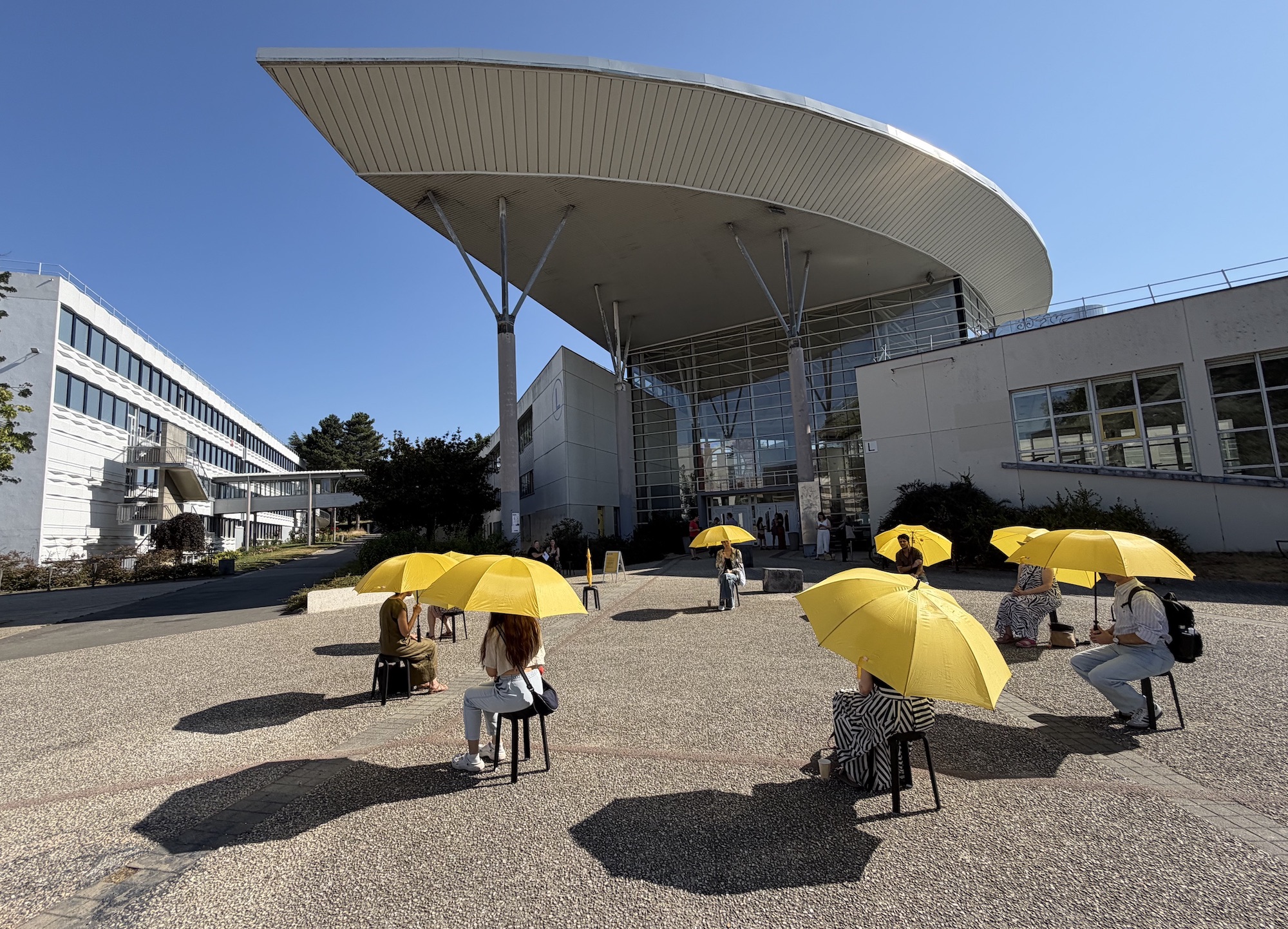
Building on Welly Walks, Alice’s most recent project, Pluvilore, takes its name from pluvia (Latin for rain) and lore (stories or knowledge), meaning "rain stories". The installation uses custom-built umbrellas to play recorded memories of rain shared by people from Bournemouth, including winter swimmers, students and residents. The technology was developed by creative technologist Mark Benson, while the immersive soundscape was created by audio artist Dr Tom Davies, who wove together the rain memories with recordings of rainfall.
Rather than communicating ecological ideas through words alone, Alice's projects invite people to experience them. By combining interaction, storytelling and communication design, they encourage people to pause, reflect on everyday rain and consider alternative relationships with the natural world.
First presented at the Arts by the Sea Festival in Bournemouth in 2025, Pluvilore has since been exhibited at the Met Office in Exeter and at the 8th International Conference on Ecolinguistics in Rennes, France, bringing the research to both public and professional audiences.
You can watch the full interview on the Met Office Deeper Dive YouTube Channel or read the interview on the Met Office's website.