















You are using an outdated browser. Most of this website should still work, but after upgrading your browser it will look and perform better.
- Home
- Postgraduate Courses
- MA Interior Design and Spatial Practice
- Course details
MA Interior Design and Spatial Practice
- Mode of study: Full-time
- Study location: AUB Campus
- How to apply: Apply directly to us
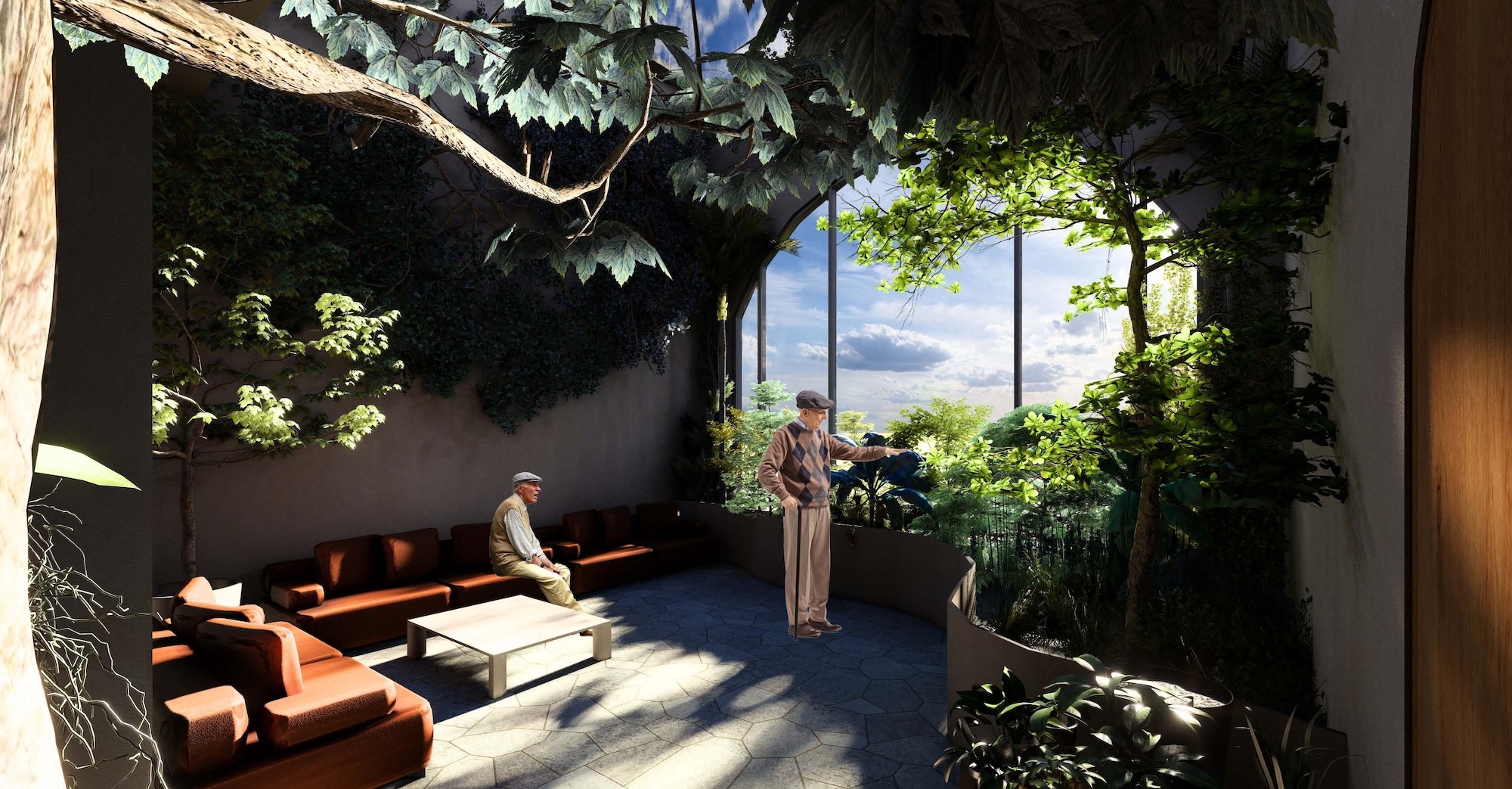
MA Interior Design and Spatial Practice course information
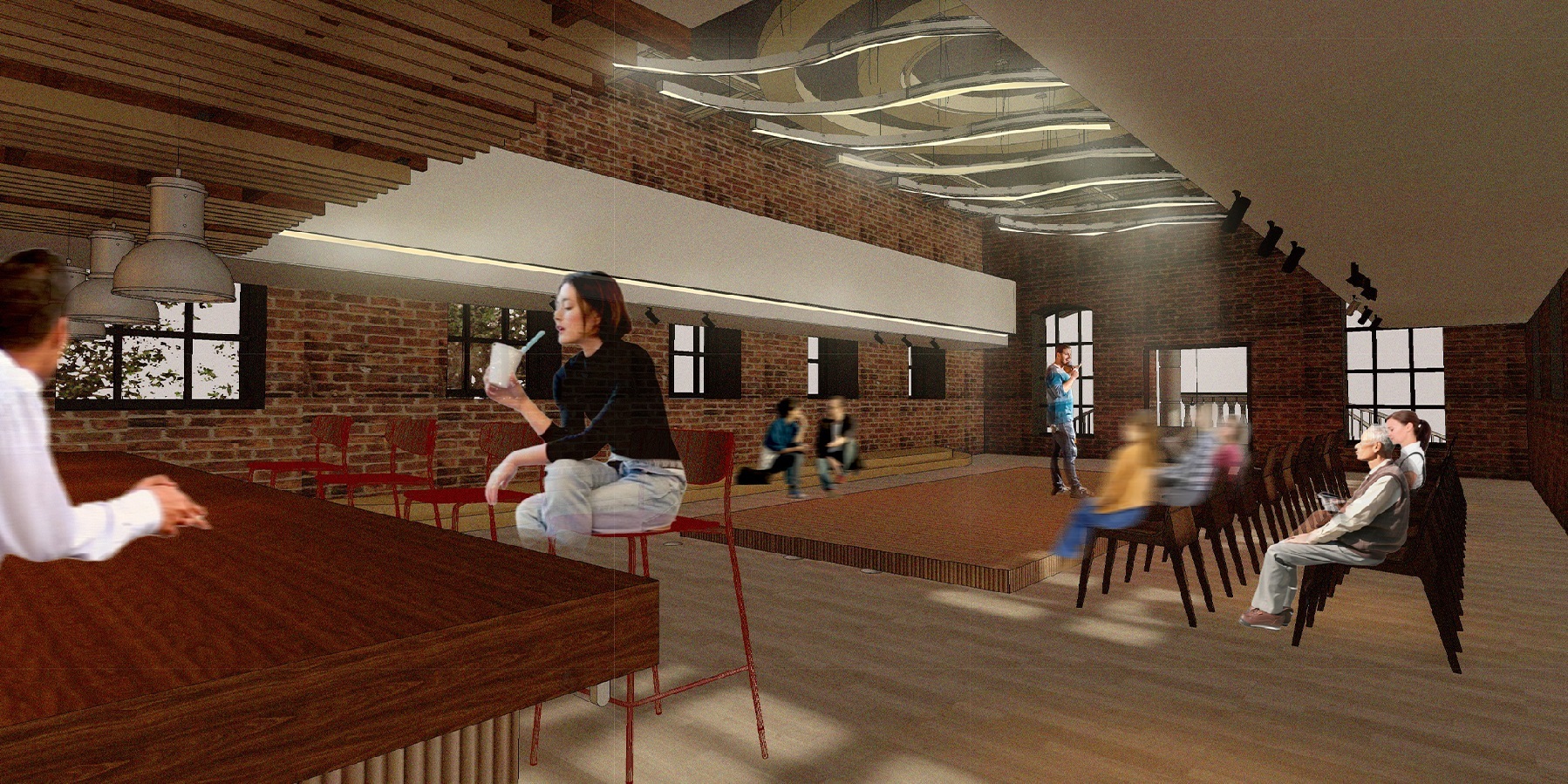
MA Interior Design and Spatial Practice offers an opportunity to challenge conventional approaches to interior design and explore the evolving relationship between people, places and spaces.
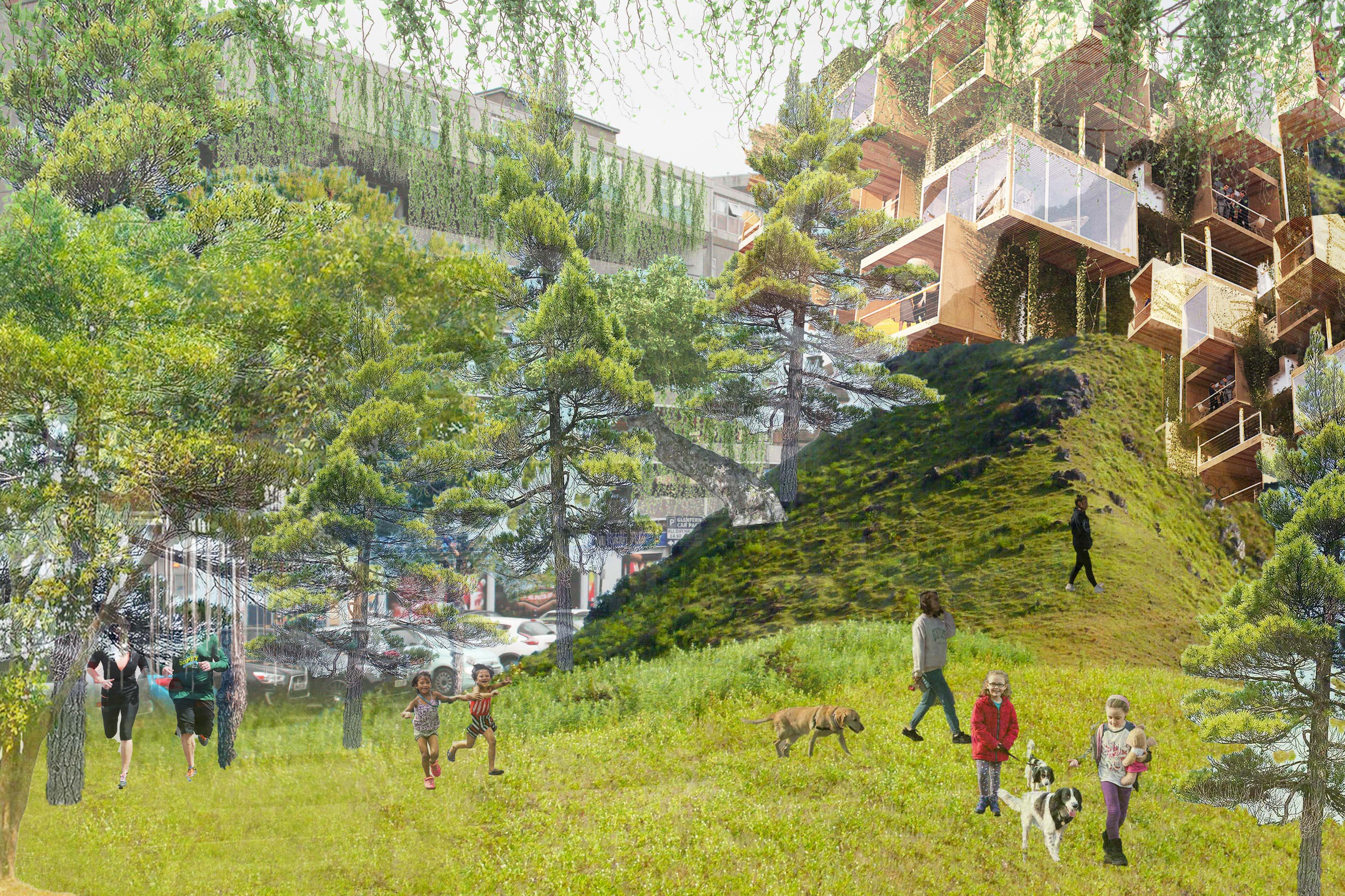
The course encourages you to develop a critical and experimental approach to contemporary spatial practice, responding to the social, cultural, environmental and technological challenges shaping the built environment. Through design-led research, creative experimentation and interdisciplinary enquiry, you'll investigate how interior spaces can be reimagined to support more sustainable, inclusive and meaningful ways of living and working.
Working across different scales and contexts, you'll explore themes such as adaptive reuse, material innovation, spatial transformation, wellbeing and the relationship between existing buildings and their future uses. You'll be encouraged to question established design practices, engage with contemporary debates and develop innovative responses to real-world challenges.
Combining independent research with practice-based projects and opportunities for professional engagement, the course will support you in developing a distinctive creative identity and a confident design position. You'll graduate with the critical thinking, research, creative and professional skills to contribute to the changing discipline of interior design and shape the future of the built environment.
Three reasons to study MA Interior Design and Spatial Practice at AUB:
- You'll explore how emerging technologies, digital tools and innovative design processes are transforming interior design and spatial practice. Experiment with new ways of visualising, communicating and developing design ideas, integrating digital technologies with material exploration and creative practice to imagine the possibilities of future environments.
- You'll experiment, question and push creative boundaries through design-led research and interdisciplinary practice. Develop an independent design position, strengthen your critical thinking and explore new approaches to materials, technologies and spatial experiences.
- You'll engage with contemporary design debates, professional practice and real-world contexts. Through research, collaboration and experimental projects, develop the confidence, knowledge and skills to become a forward-thinking designer, ready to contribute to the evolving interior design profession.
AUB's MA Interior Design and Spatial Practice course is founded on the belief that interior design has the potential to transform how we experience, inhabit and interact with the world around us. It promotes a critical, creative and exploratory approach to spatial practice, encouraging you to question established conventions and respond to the complex challenges shaping contemporary society.
We believe that the future of interior design lies in the ability to connect creative thinking with social responsibility, environmental awareness and technological innovation. Through experimentation, research and interdisciplinary collaboration, you'll be encouraged to explore new possibilities for existing and emerging spaces, placing people, wellbeing and sustainability at the heart of their practice.
Our philosophy is to nurture independent, reflective and forward-thinking designers who are confident in challenging assumptions, embracing new technologies and developing meaningful design responses. We aim to empower graduates to shape more inclusive, sustainable and inspiring environments, contributing positively to the future of the built environment and the evolving discipline of interior design.
Term 1
- Rethinking Interiors (40 credits)
You'll question the assumptions, methods and influences shaping your interior design practice. Through a set brief, you'll investigate relationships between people, space, materials and atmosphere, engaging with contemporary social, cultural and environmental debates. Spatial observation, drawing, model making and material experimentation support alternative approaches. Lectures, seminars, workshops, site investigations and tutorials connect critical research with creative practice. A portfolio communicates investigation, experimentation and reflection, supported by a 10-minute presentation. A learning agreement establishes a proposed direction for the Term 2 unit, Spatial Exploration.
- Future Creative Practice (20 credits)
Alongside your specialist interior and spatial design practice, you'll engage with Future Creative Practice, considering emerging technologies, audiences, contexts and opportunities that are reshaping contemporary creative practice.
Term 2
- Spatial Exploration (40 credits)
Building on the Rethinking Interiors unit, you'll develop your individual enquiry through experimentation with space, materials, technologies and design methods. They explore how interiors can respond to social needs, environmental challenges and changing patterns of occupation. Research informs an iterative process of making, testing and evaluation, connecting conceptual ambition with spatial experience. Workshops, critiques and tutorials support students in challenging conventions and developing their design position. A portfolio communicates research, experiments, design development and critical reflection. An updated learning agreement defines the ambition, context and methods for the Term 3 Major Project.
- Research and Professional Development (20 credits)
During this unit, you'll develop your professional direction, exploring future pathways aligned to their individual ambitions. This may include Industry and Professional Practice, Independent Practice and Enterprise, Leadership and Management, or Research and Advanced Practice. You'll refine your research questions, identify audiences and contexts for their work, and begin shaping the direction of your Major Project.
Term 3
- Major Project (60 credits)
In your final unit, you'll realise an ambitious independent interior design project that demonstrates a distinctive position within the discipline. Drawing on research and experimentation, you'll integrate spatial, material, environmental and experiential considerations into a coherent and resolved proposal. Independent practice, supported by tutorials and critiques, enables you to evaluate your project’s relevance to its users, context and wider society.
A final portfolio communicates development and resolution through drawings, models, visualisations and supporting research. Critical reflection enables you to articulate your professional identity and future direction, preparing you for employment, collaboration, independent practice or further research.

WE'RE HERE TO HELP
Whether you have any burning questions or you just want to find out more about our courses, you can book a one-to-one call with our course team at any time.

AUB SHOWCASE
We're proud of our alumni, and rightfully so.
Explore the incredible work of our graduates in our online AUB Showcase.
Browse work by course, student or theme.
Course costs
The fee you pay AUB provides the necessary equipment and training for you to complete your course.
In most cases, you don't need to buy any specific items of kit before you start the course. You may also choose to buy some items of personal equipment such as a laptop or tablet computer, but this isn't required – desktop and laptop computers are available for you to use in common study areas, including a loan system in the Library.
It isn't possible to be precise about the likely additional costs that you may incur, because this depends on the choices you make and the projects you undertake. The University provides some basic materials, and you'll be encouraged to work sustainably and to reuse materials where possible, but you should still expect to make some financial investment.
For more information, including costs relating to certain courses, visit our Course Costs page.