
You are using an outdated browser. Most of this website should still work, but after upgrading your browser it will look and perform better.
- Home
- Postgraduate Courses
- MA Animation (Stop Motion)
- Course details
MA Animation (Stop Motion)
- Mode of study: Full-time
- Study location: AUB Campus
- How to apply: Apply directly to us
MA Animation (Stop Motion) course information
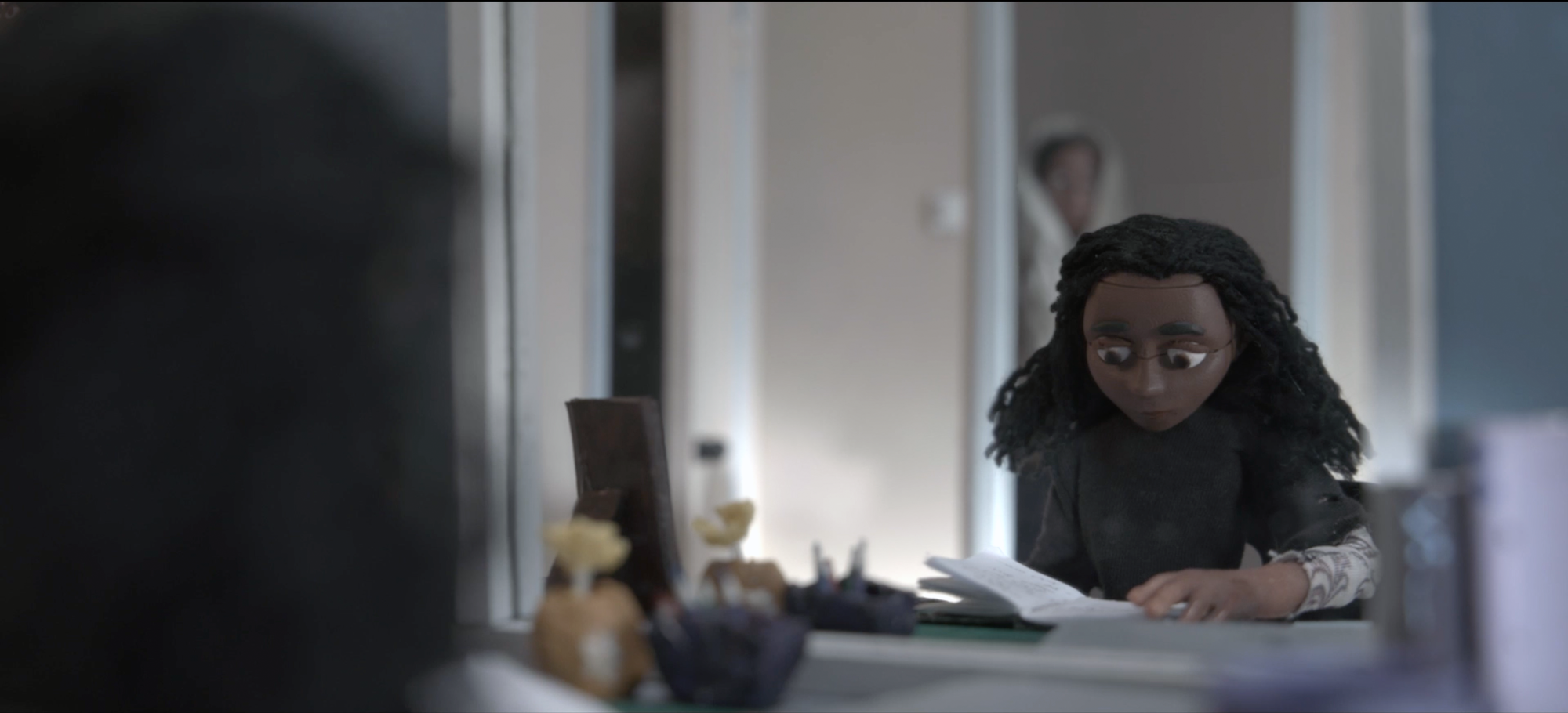
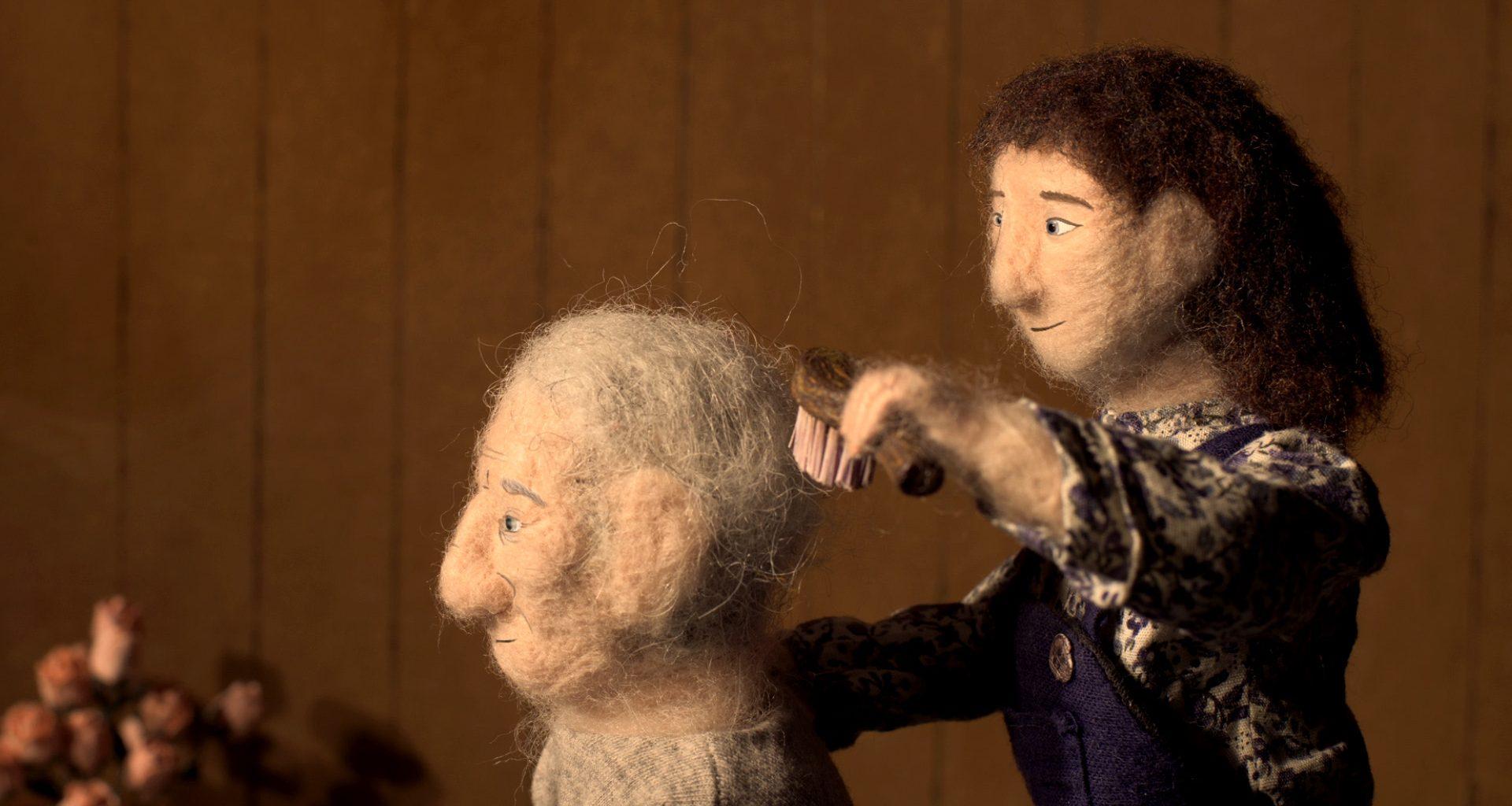
The course combines advanced animation practice with sustained enquiry into stop-motion animation, physical performance and frame-by-frame storytelling. You'll consider contemporary production cultures, historical and theoretical perspectives, and the opportunities and challenges associated with emerging animation methods.
You'll develop specialist expertise through specialist study while engaging with research, future creative practice and professional development through the AUB Creative Practice Lab.
Through individual and collaborative work, you can investigate stop motion performance, puppet and modelmaking, replacement techniques, hybrid physical/digital workflows and camera-based production. The course culminates in a substantial Major Project and reflective journal demonstrating original practice, critical awareness and professional direction.
At AUB, postgraduate study combines advanced specialist practice with opportunities to explore future creative practice, develop a clearer Professional Direction and undertake a substantial Major Project and reflective journal.
Through the AUB Creative Practice Lab, you'll work beyond the traditional boundaries of their discipline, connecting specialist practice with research, emerging technologies, external partners and contemporary creative challenges while remaining grounded in your chosen subject.
MA Animation (Stop Motion) develops advanced animation practice through creative research, analysis and purposeful making. You'll investigate puppet performance, character animation, set construction, lighting, cinematography, scale and tactile storytelling, bringing historical and contemporary animation thinking into dialogue with practical experimentation and the decisions of professional animation practice.
Through five units, you'll move from a self-defined specialist enquiry to the critical development of ambitious animation work. Specialist projects and the shared AUB MA core units foster experimentation, ethical awareness, collaboration and an individual professional direction, leading to a substantive Major Project.
Together, these experiences will help you deepen your expertise, develop your confidence and prepare for the next stage of their creative, professional or research journey.
MA Animation (Stop Motion) examines how animation is conceived, developed, made, evaluated and communicated. You'll connect technical and visual experimentation with histories, theories and changing cultural meanings of animation.
Advanced specialist practice may explore puppet and character fabrication, miniature environments, model animation, camera-based production and stop-motion compositing. You'll also question storytelling, performance, visual language, representation and the social and environmental responsibilities of animation production.
Practice is informed by independent enquiry, experimentation and critical reflection. Depending on your interests, you may explore hybrid analogue/digital methods, generative AI, real-time tools, immersive animation or speculative approaches to moving images, evaluating where these methods genuinely enhance creative intent.
Alongside specialist study, you'll engage with the AUB Creative Practice Lab, exploring future creative practice, research, emerging technologies and professional development in ways that are relevant to contemporary screen industries.
The course culminates in a substantial independent Major Project reflecting your individual specialist interests and professional direction. Outcomes may include a stop motion film, animated sequence, puppet or character portfolio, miniature environment, material experiments or hybrid animation research, supported by systematic research, careful documentation and critical evaluation.
The Major Project and reflective journal bring together advanced animation practice, sustained enquiry and a clear articulation of future professional or research ambitions.
Term 1
- Defining Practice (40 credits)
You'll define and investigate an advanced field of animation practice through research, design exploration, animation tests and critical dialogue. Attention is given to puppet performance, character animation, set construction, lighting, cinematography, scale and tactile storytelling. Seminars and workshops establish the conceptual and practical foundations for an individually directed creative project, with consideration of new technologies, authorship and sustainability.
- Future Creative Practice (20 credits)
Future Creative Practice is a shared unit across our MA courses. Through the AUB Creative Practice Lab, you'll encounter future-facing creative methods, emerging technologies, interdisciplinary perspectives and critical debates. You'll relate these ideas to stop motion animation through experimentation and reflective enquiry. An exploration of the ways in which animation history intertwines aesthetic and technological innovation will run alongside discussion of the ideas of pervasive and expanded animation. Emerging technologies will be explored from a 'craft' perspective. How does our perception of AI change, for instance, if it's approached as a craft, as opposed to a technique of rapid production or simulation? The precise brief, teaching and assessment arrangements will follow the approved shared unit specification.
Term 2
- Consolidating Practice (40 credits)
In this unit, you'll deepen your specialist practice through ambitious experimentation, technical refinement and critical evaluation. You may explore stop motion performance, puppet and modelmaking, replacement techniques, hybrid physical/digital workflows and camera-based production. Through tutorials, group critiques, iterative tests and research-informed decision-making, you'll refine the scope, methods and creative direction of your Major Project.
- Research and Professional Direction (20 credits)
This core unit is shared across our MA courses. You'll refine research approaches, critically position your practice within contemporary and professional contexts, and develop an informed professional direction. Activities support research planning, reflective evaluation and preparation for the Major Project. The precise brief, teaching and assessment arrangements will follow the approved shared unit specification.
Term 3
- Resolving Practice (60 credits)
In your final unit, you'll undertake a substantial, independently negotiated body of animation practice or research. This project will synthesise specialist methods, critical thinking, professional direction and a clearly articulated design or research proposition.
Outcomes might include a stop motion film, animated sequence, puppet or character portfolio, miniature environment, material experiments or hybrid animation research. A reflective journal documents the investigation, experimentation, evaluation and ethical decisions underpinning the resolved work.
APPLICATIONS ARE OPEN
Time to take your studies to the next level.
Apply directly to us to begin your postgraduate journey at AUB.
WE'RE HERE TO HELP
Whether you have any burning questions or you just want to find out more about our courses, you can book a one-to-one call with our course team at any time.
AUB SHOWCASE
We're proud of our alumni, and rightfully so.
Explore the incredible work of our graduates in our online AUB Showcase.
Browse work by course, student or theme.
Course costs
The fee you pay AUB provides the necessary equipment and training for you to complete your course.
In most cases, you don't need to buy any specific items of kit before you start the course. You may also choose to buy some items of personal equipment such as a laptop or tablet computer, but this isn't required – desktop and laptop computers are available for you to use in common study areas, including a loan system in the Library.
It isn't possible to be precise about the likely additional costs that you may incur, because this depends on the choices you make and the projects you undertake. The University provides some basic materials, and you'll be encouraged to work sustainably and to reuse materials where possible, but you should still expect to make some financial investment.
For more information, including costs relating to certain courses, visit our Course Costs page.