





















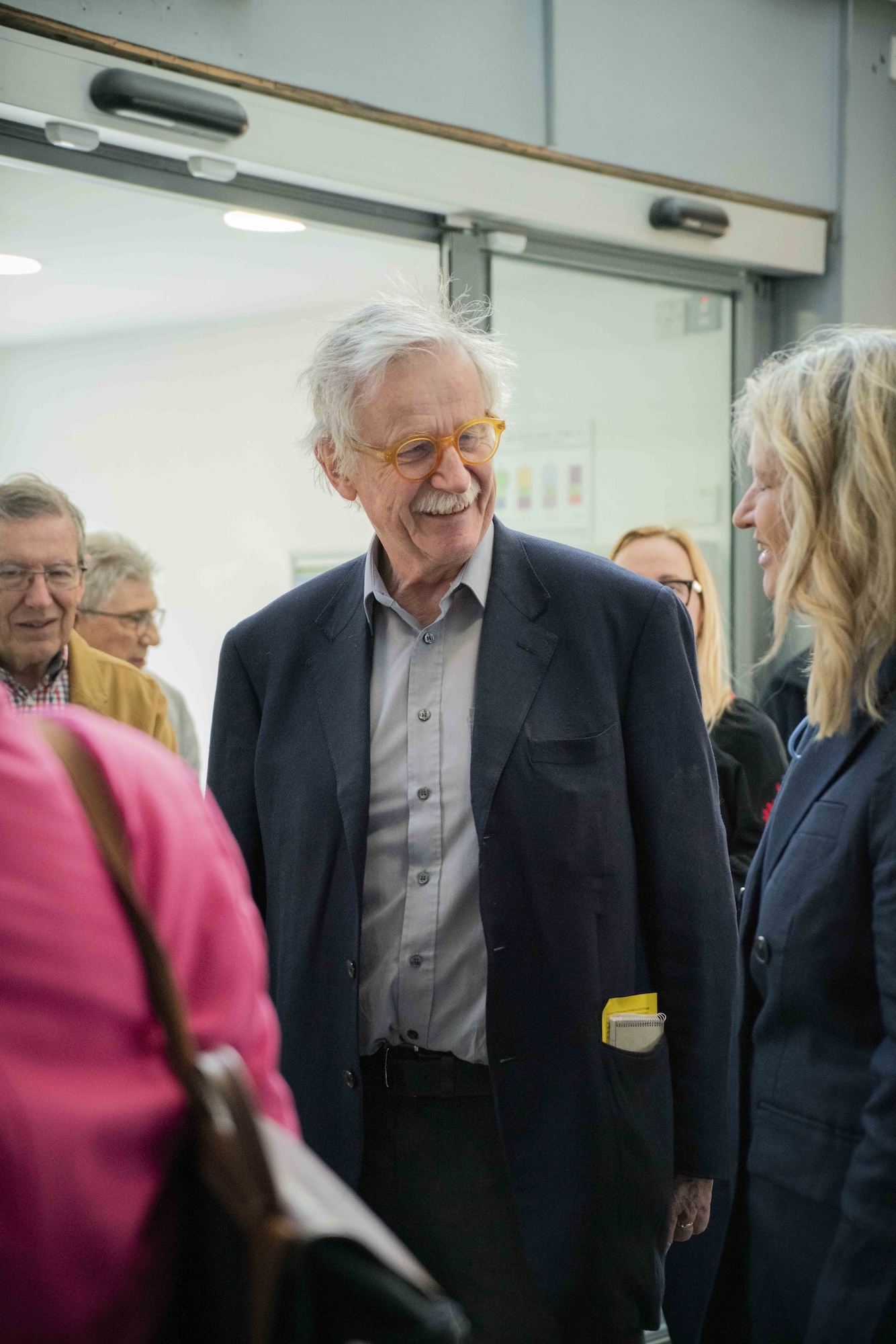
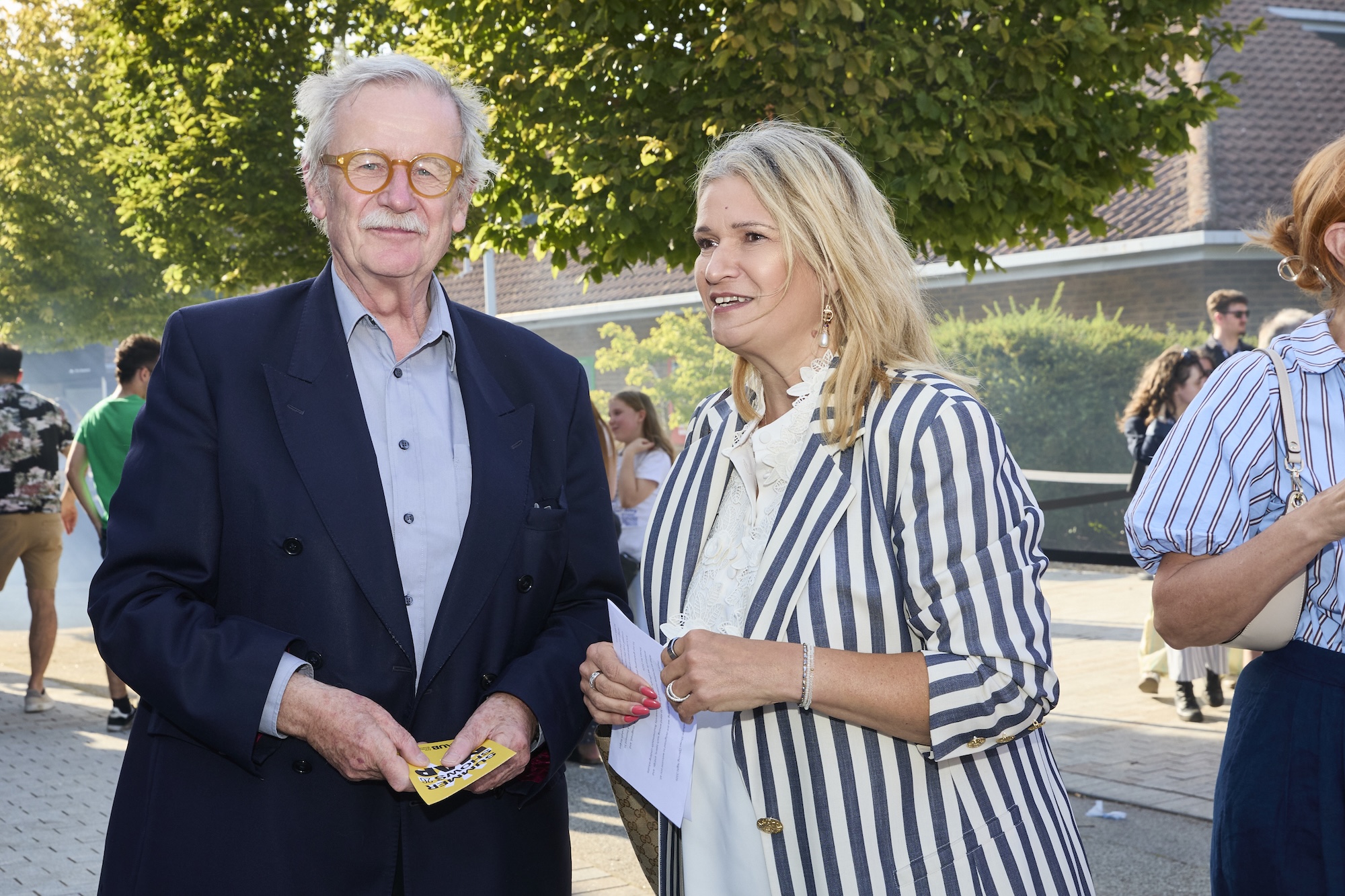
As Professor Sir Christopher Frayling steps down after 12 years as Arts University Bournemouth (AUB)’s very first Chancellor, we reflect on his tenure, the evolution of the campus, and why the small, specialist art school remains a vital "ideas factory."
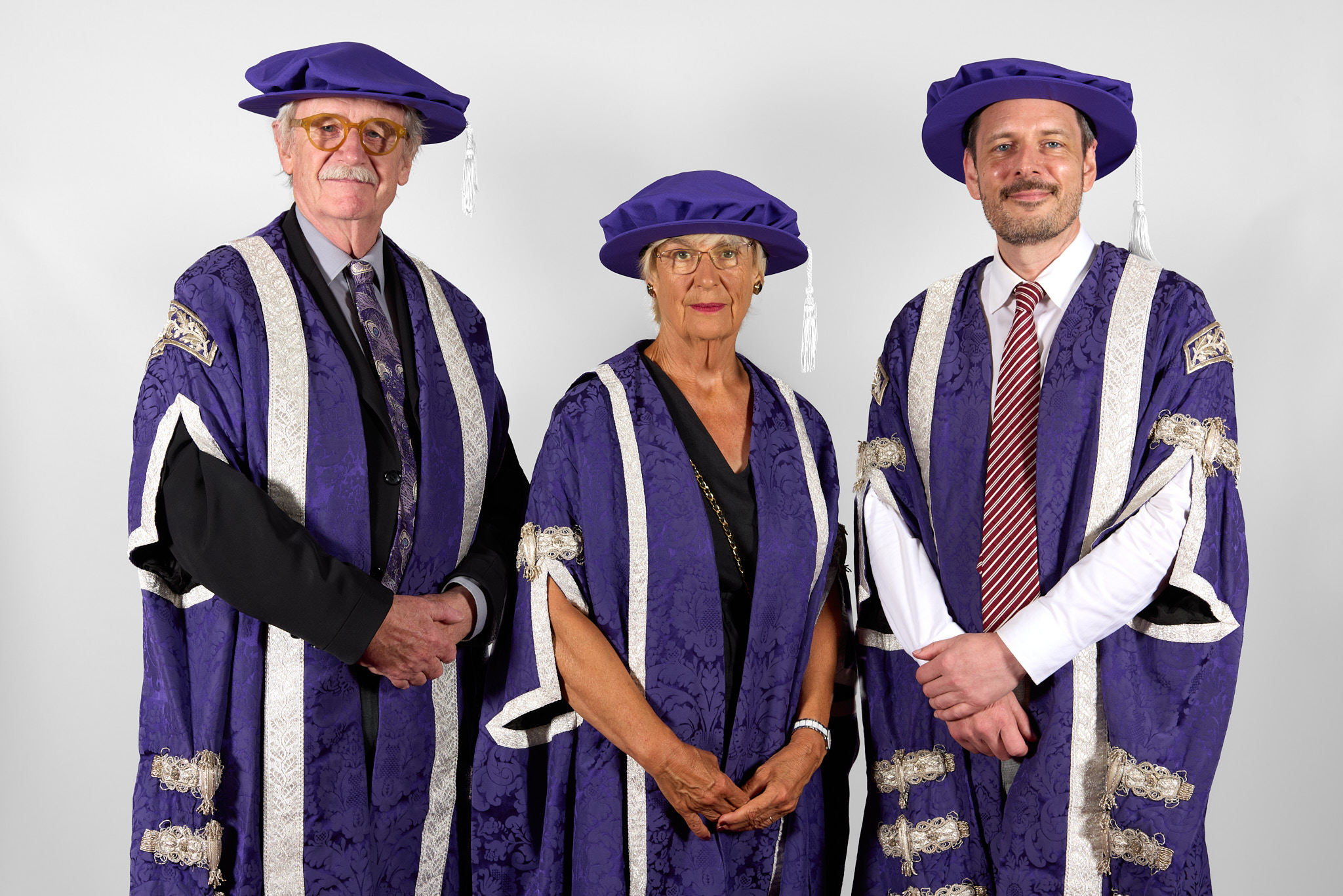
When Sir Christopher Frayling was installed as AUB’s inaugural Chancellor in April 2014, the event was marked by a procession through the centre of historic Poole to St James’s Church.
“There was much talk of the potential of Arts University Bournemouth,” he recalls. “This was a symbolic moment where it matured into a university. In my speech at the time, I recall saying how unusual it was to be at the beginning of an institution’s journey. I didn’t realise then that I’d be fortunate enough to see those beginnings evolve into what AUB’s now become, 12 years later.
“I always explain the role of Chancellor using a simple analogy: the Vice-Chancellor is like the Prime Minister – leading, inspiring and running the day-to-day management of the University – while the Chancellor is like the Head of State. It’s partly about being an ambassador and championing the institution as widely as possible, and partly about presiding over that vital symbolic milestone at the end of every student's journey, the graduation ceremony.”
Having spent much of his career at established, centuries-old institutions, including his celebrated tenure as Rector of the Royal College of Art, Sir Christopher was drawn to AUB’s unique structure and vision. For Sir Christopher, the decision to accept the Chancellorship from former Vice-Chancellor, Stuart Bartholomew, was rooted in a deep belief in specialist, campus-based creative education.
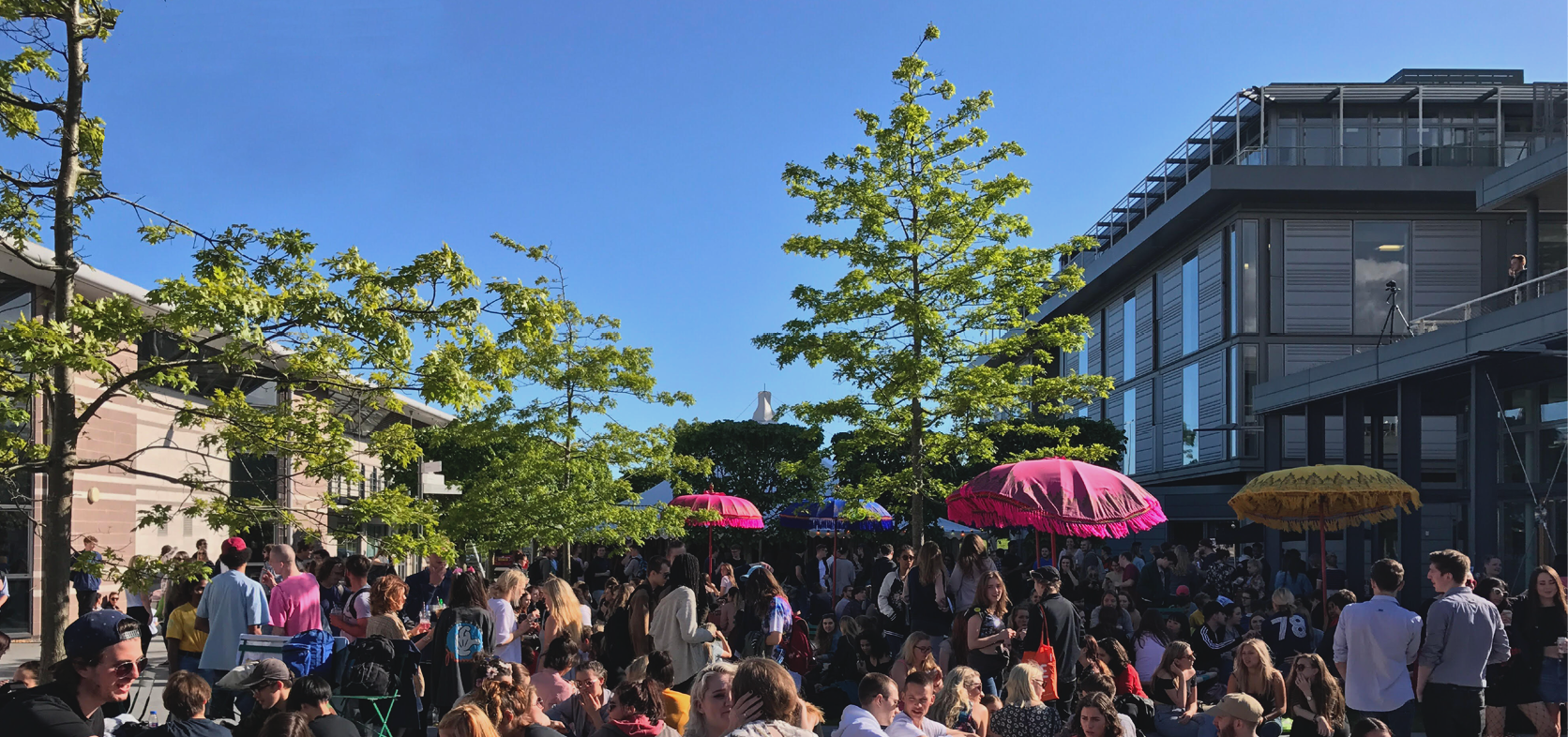
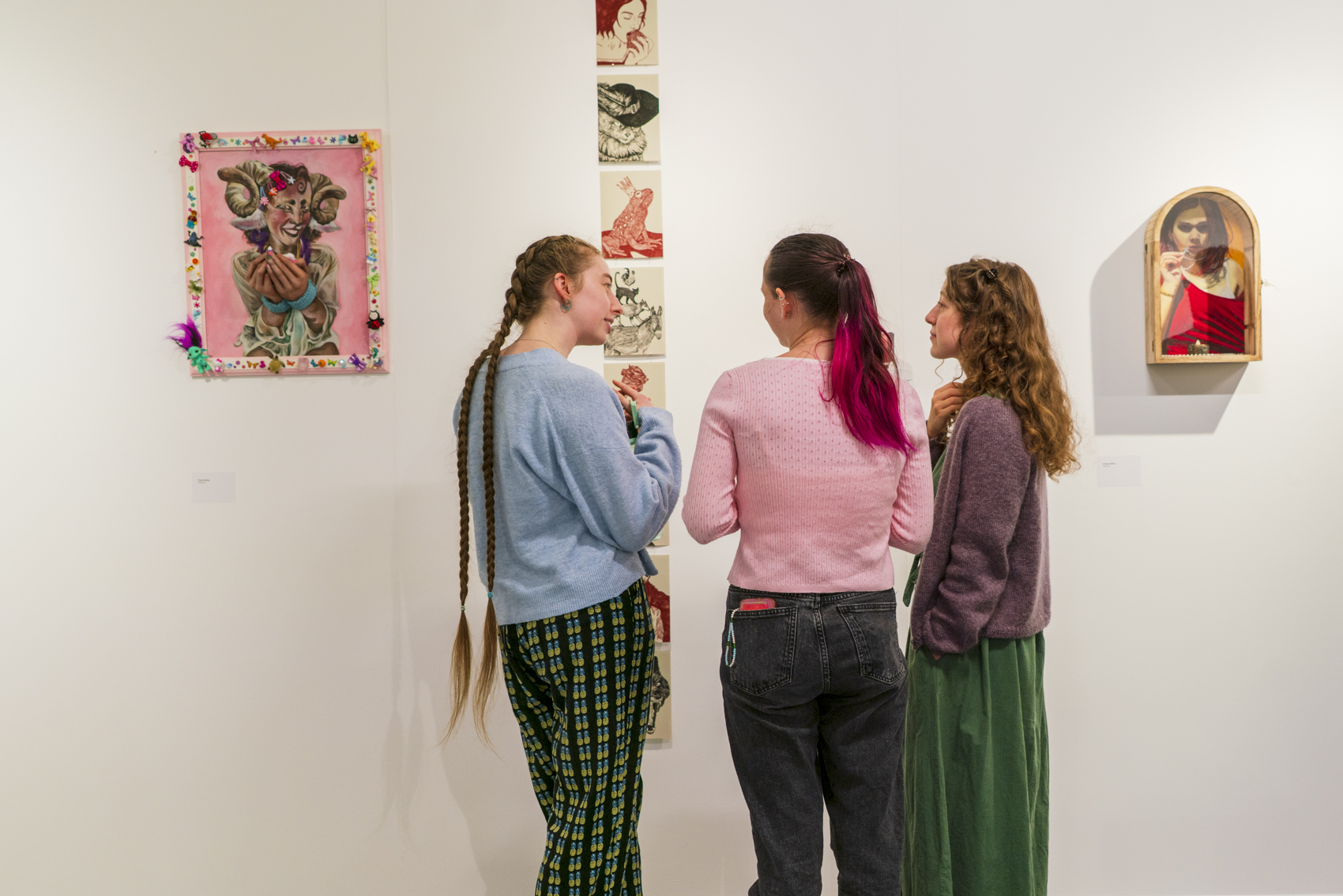
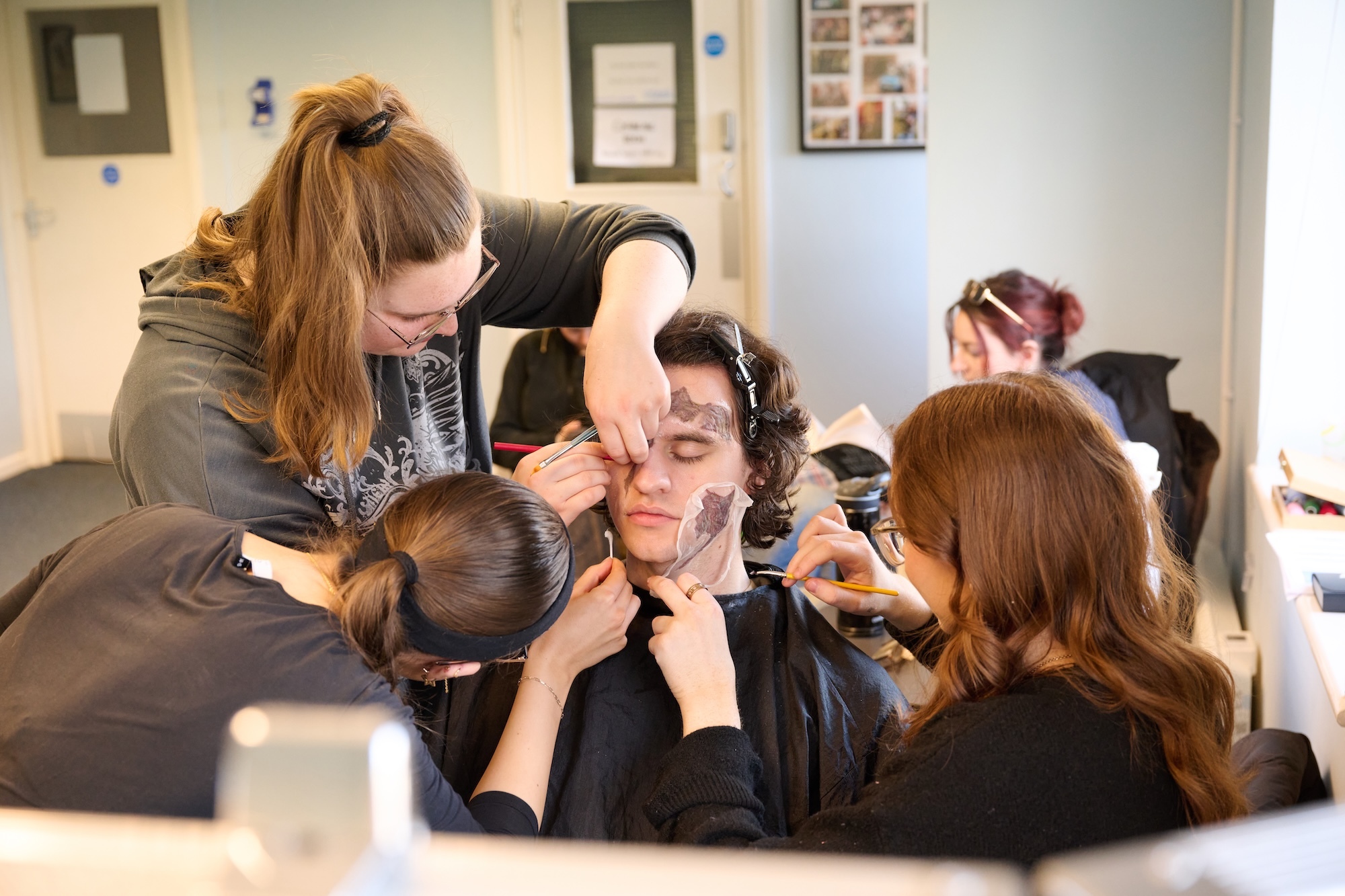
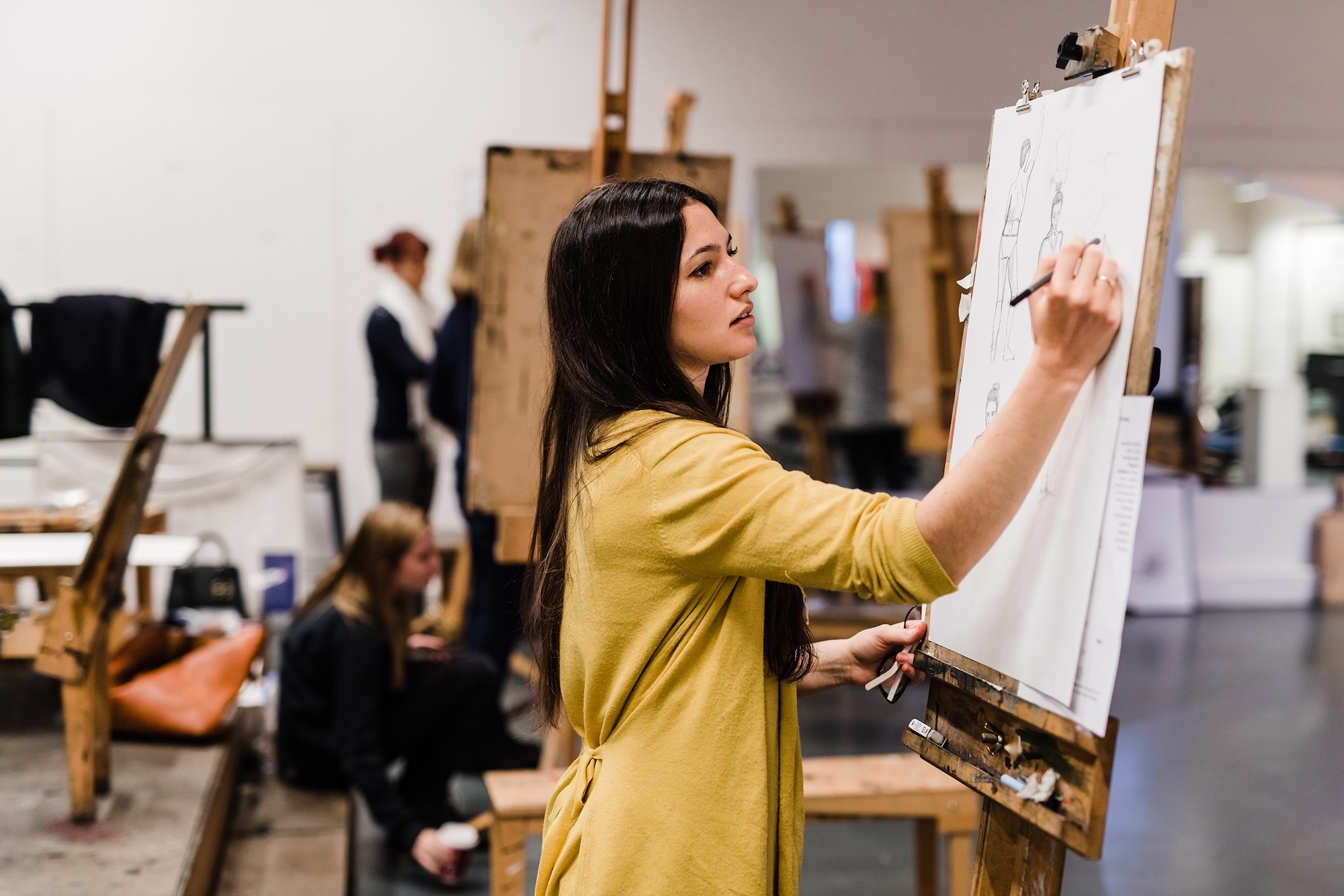
“I so firmly believe that a small, face-to-face environment, preferably on one campus, is like an ideas factory all in one place,” he explains. “It's by far the best way of teaching art, design, visual subjects and performance.”
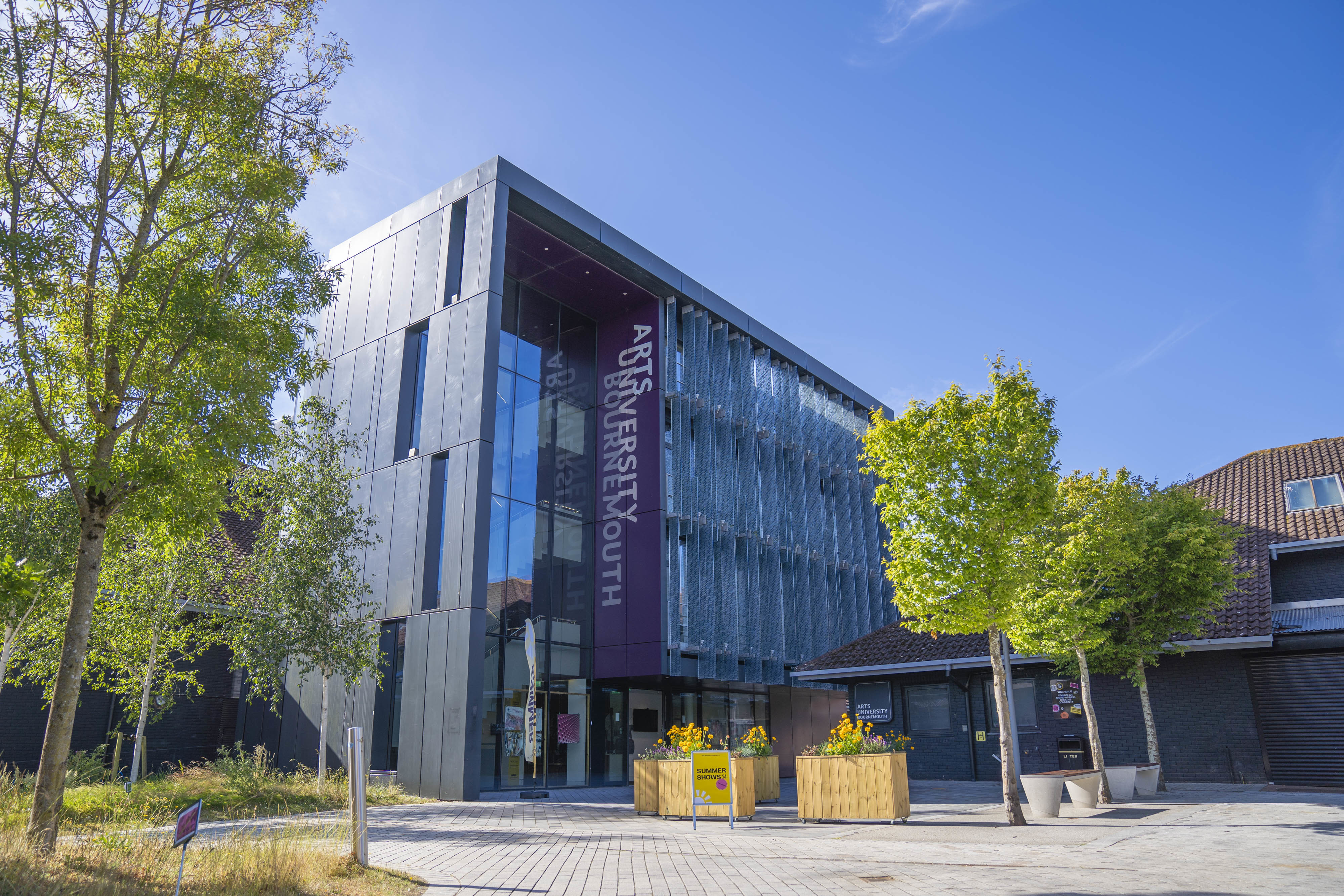
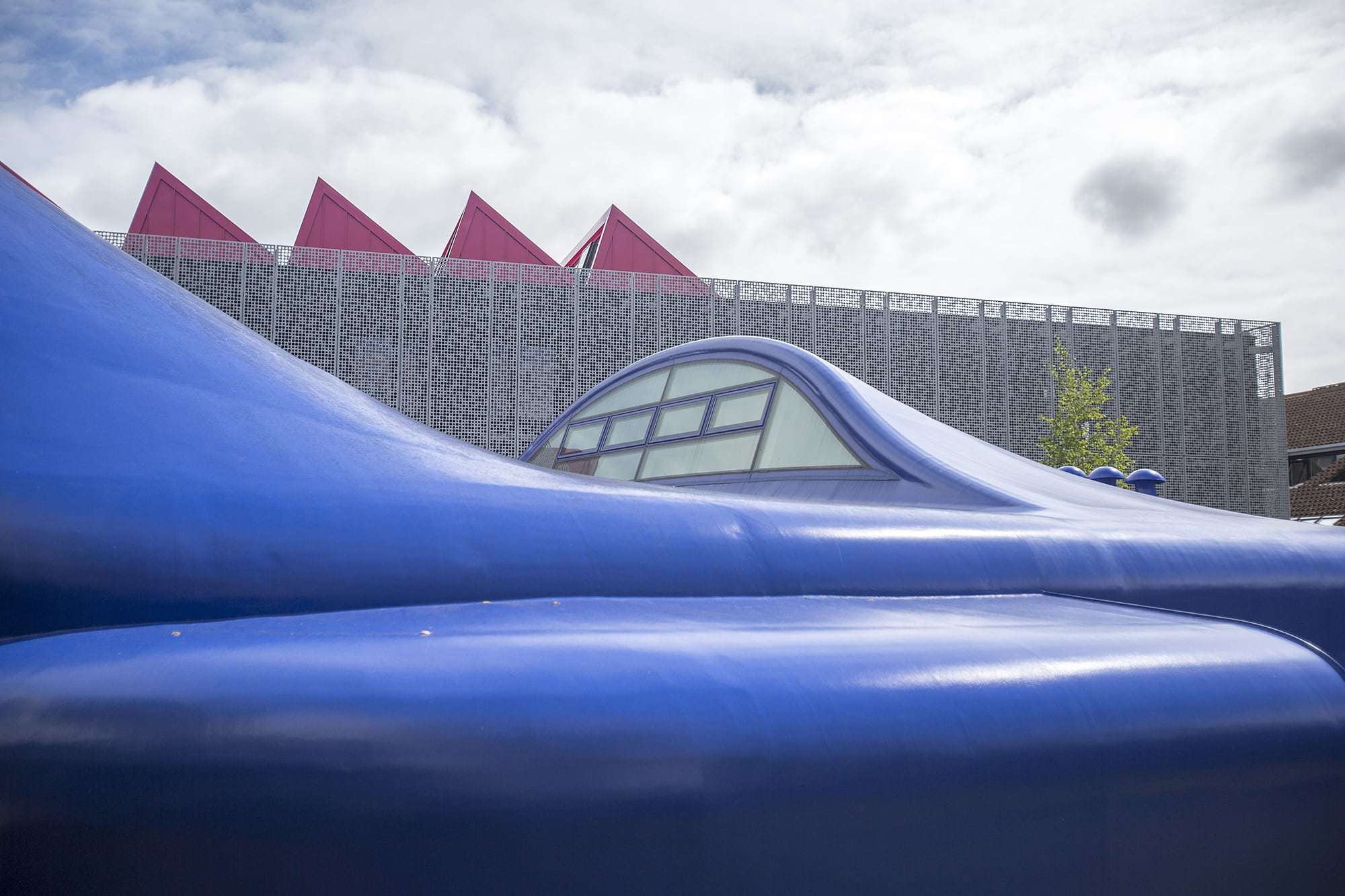
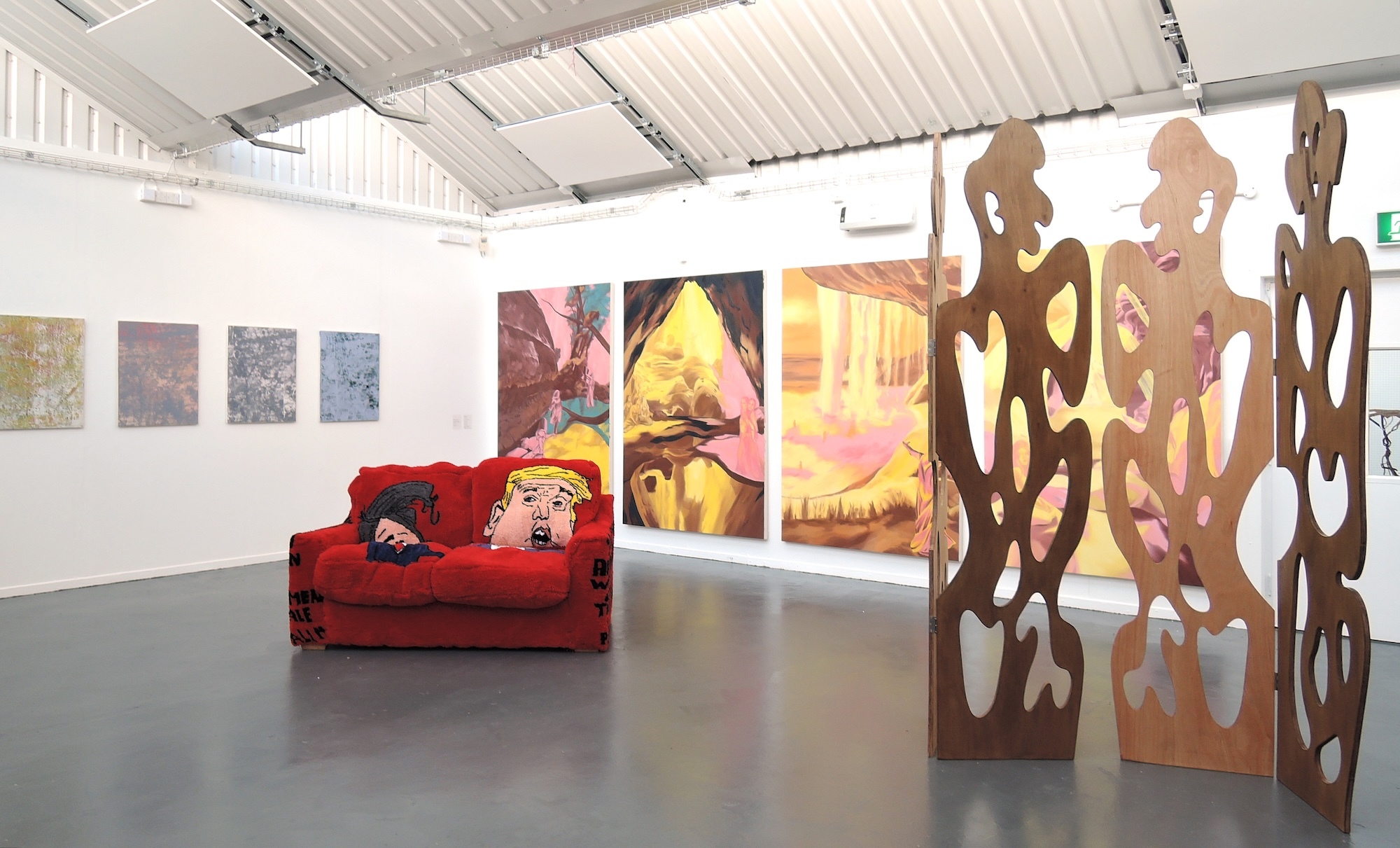
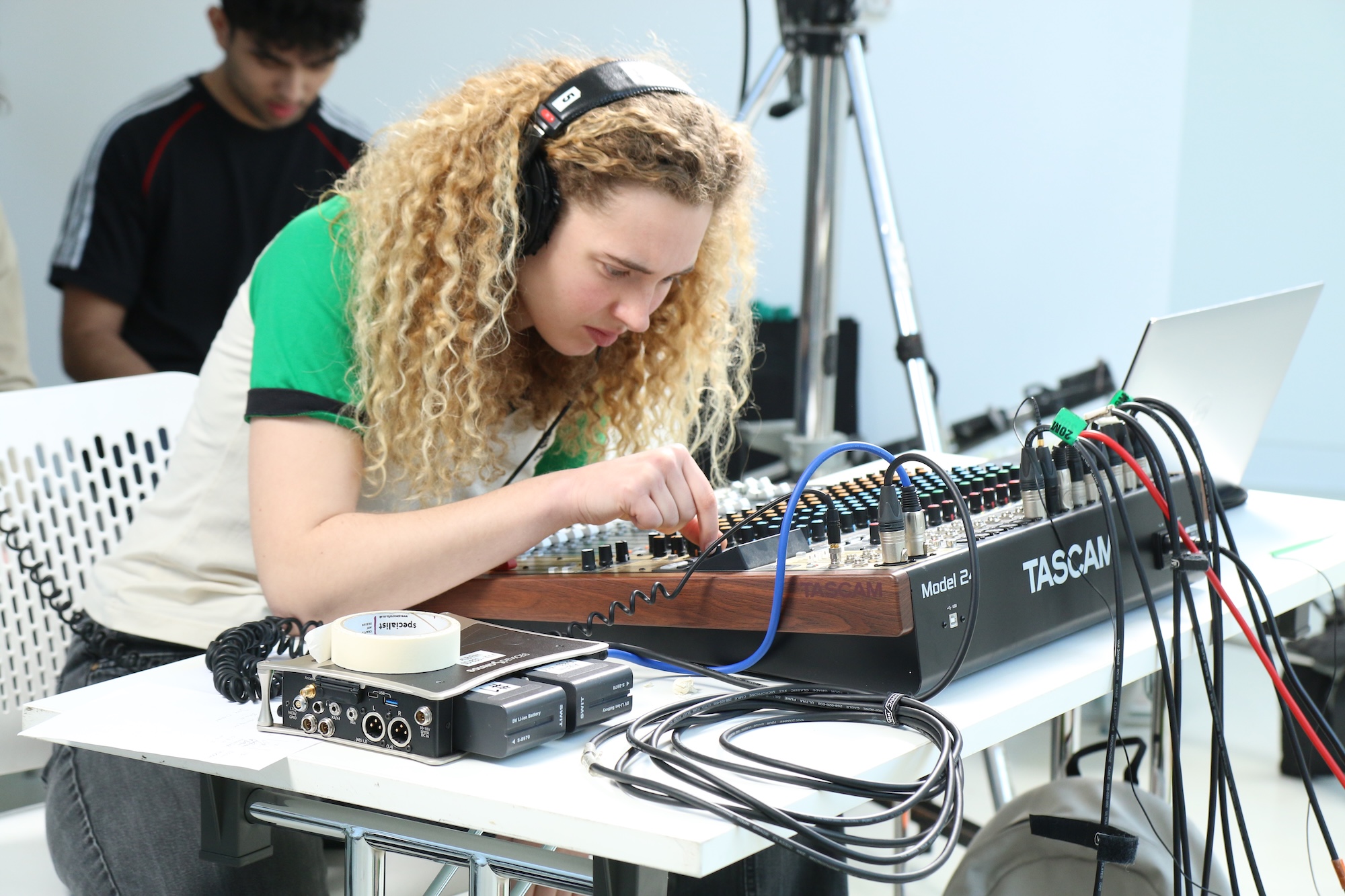
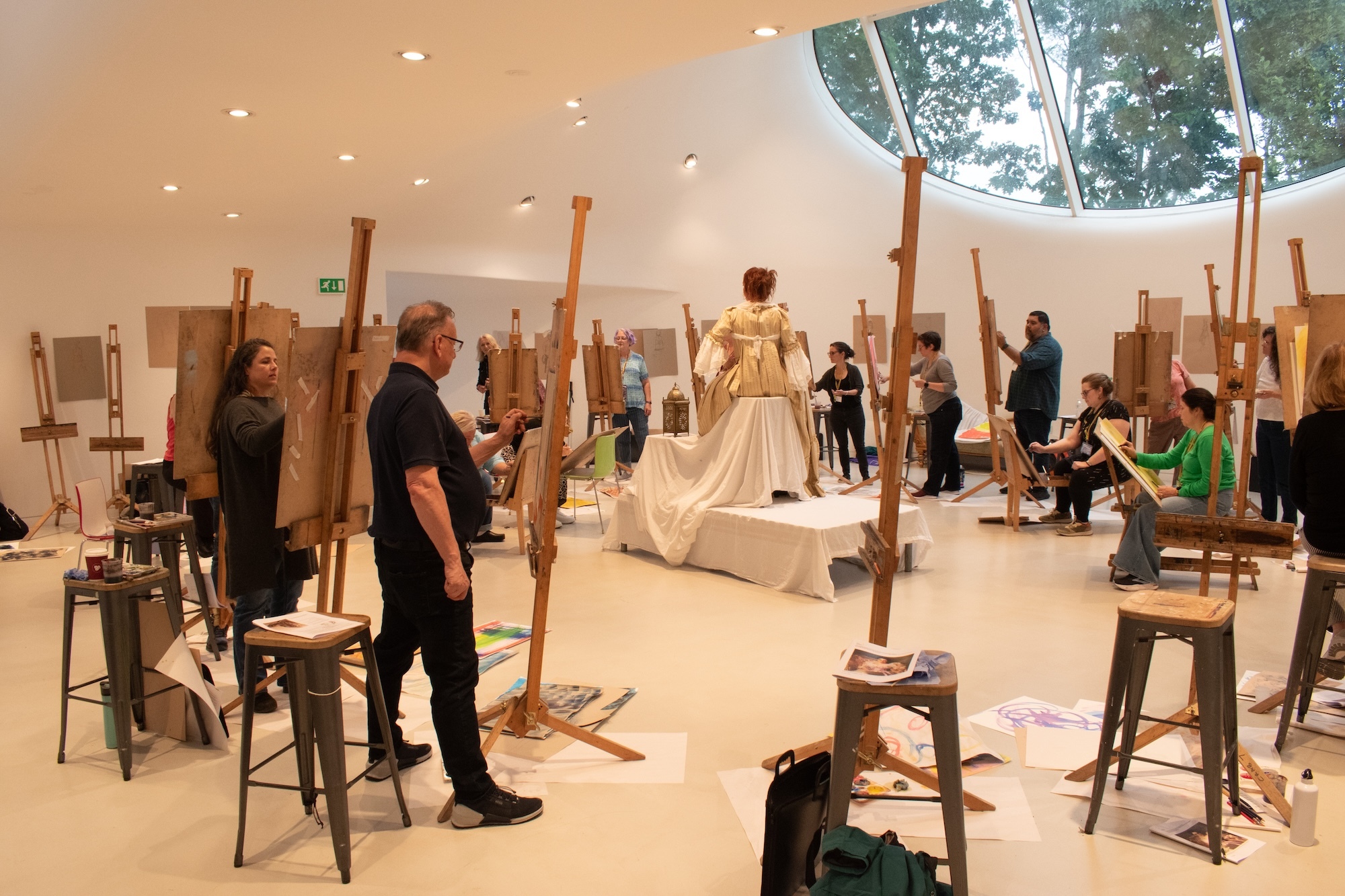
Over the past decade, as higher education moved increasingly toward remote models and massive campuses, Sir Christopher watched AUB double down on its commitment to high-contact, specialised learning. This development has manifested physically through the addition of world-class campus facilities, including the iconic Drawing Studio, state-of-the-art professional film studios, and an expanded Library that houses one of the most significant creative collections in the south of England.
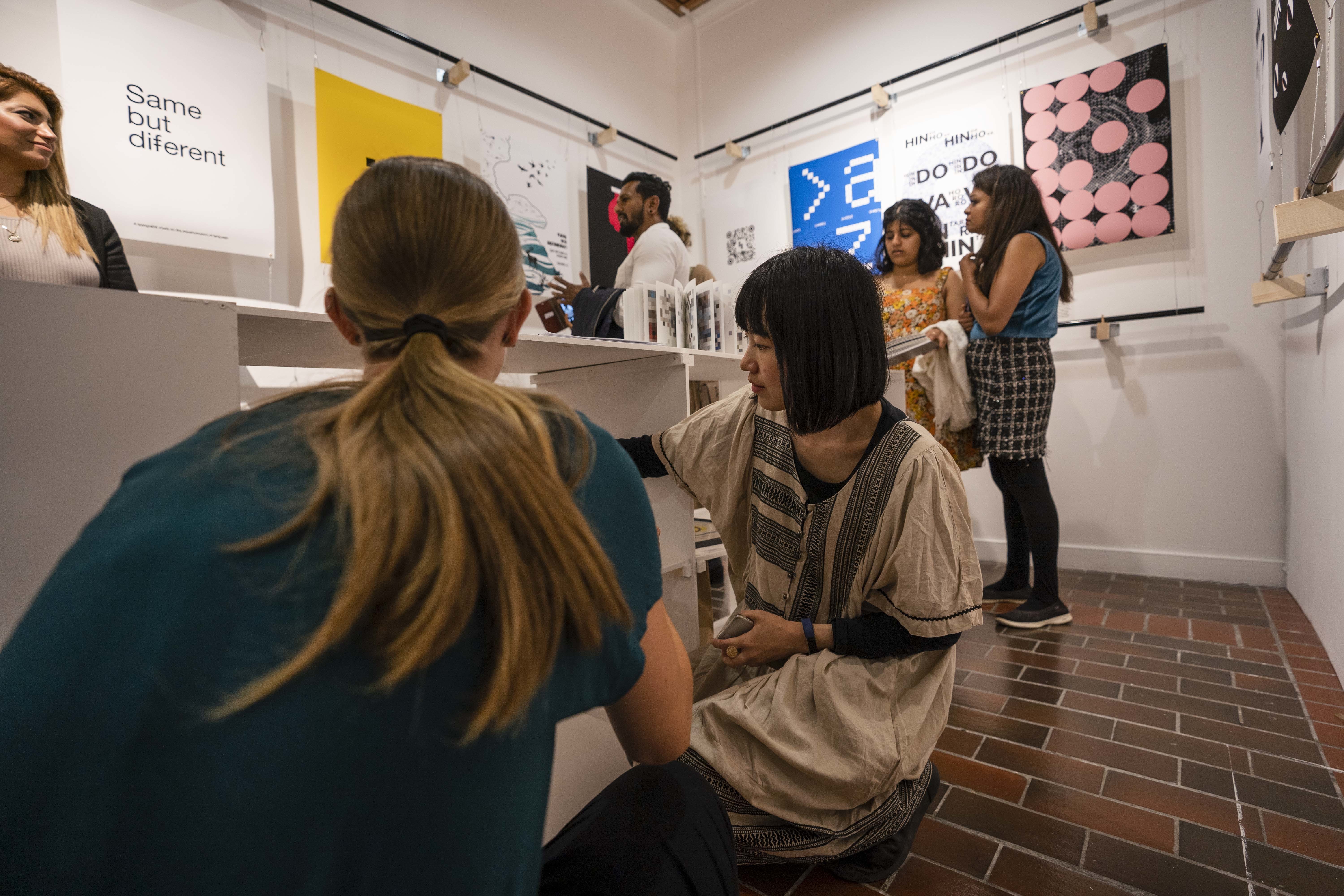
“It's very rare to have an environment that feels like art and design as you walk around it. Arts University Bournemouth is a congenial, concentrated environment to learn in,” Sir Christopher notes.
Academic excellence has matched this spatial growth, with quality assurance bodies consistently awarding the university 'Excellent' ratings, anchored by exceptionally high student satisfaction. Crucially, Sir Christopher’s tenure has also seen AUB strengthen its research and entrepreneurial footprint, launching its first dedicated, externally funded research centres, inspired by green shoots like the Museum of Design in Plastics (MoDiP), alongside launchpad business incubators and maker spaces for recent graduates.
“I was particularly pleased about AUB’s first externally funded research centre because of my long-standing connection with the Plastics Museum. I used to know the then curator, Sue Lambert, when she was at the V&A and I was a trustee there, so it was lovely to see that as one of the green shoots out of which research has come.
“As government funding tightens, developing our own fundable research specialisms across disciplines like film, modelmaking, photography, and design is the next chapter.”
Beyond his ambassadorial role, Sir Christopher has used his platform to advocate against the artificial divide between 'academic' and 'vocational' education.
“Politicians make the distinction between academic learning on one hand and vocational learning on the other,” he emphasises. “The whole point of an institution like AUB is that it does both simultaneously. It’s an academic environment in which vocational disciplines happen. Art schools fire on both cylinders.”
Having presided over 12 graduating cohorts and greeted thousands of emerging creatives across the Bournemouth Pavilion Theatre stage, Sir Christopher views the degree ceremony as a vital milestone in the life of the institution. Never treating his address lightly, he would clear his calendar for up to two weeks ahead of each ceremony to give his speech undivided focus, meticulously researching, writing, and refining every word.
Beyond the celebration of academic achievement, Sir Christopher highlights the ceremony's profound role as a ritual of public gratitude.
“I love that moment in the degree ceremony where the students stand up and applaud their parents, partners, and friends. The ceremony is an essential opportunity to say thank you to everyone that’s supported these students on their journey so far.”
Acutely aware of the evolving creative landscape facing new professionals, he often offers graduating talent his favourite piece of advice, “Be yourself, everyone else is already taken.”
That deep mutual connection culminated in a particularly emotional moment at his final ceremony as Chancellor, following a marathon run of four back-to-back addresses at the Pavilion. Caught entirely off guard, Sir Christopher recalls, “I finished my speech, and I don't know how the word got round that I was leaving, but the students all stood up and gave me a standing ovation. And then all the parents stood up... applauding to the echo. It was amazing, and I was absolutely unprepared for that. That was a very emotional moment.”
Looking ahead: 30 books and beyond
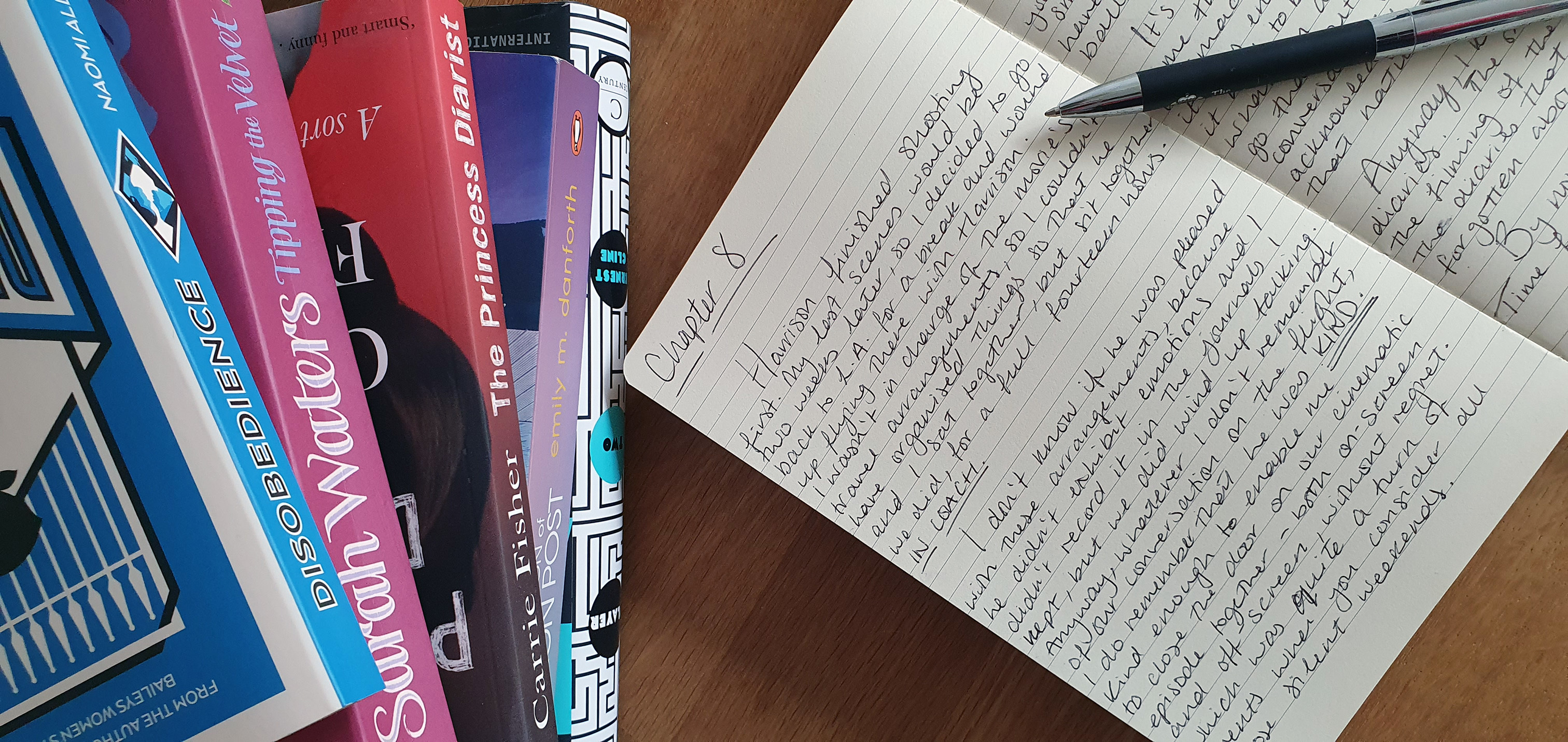
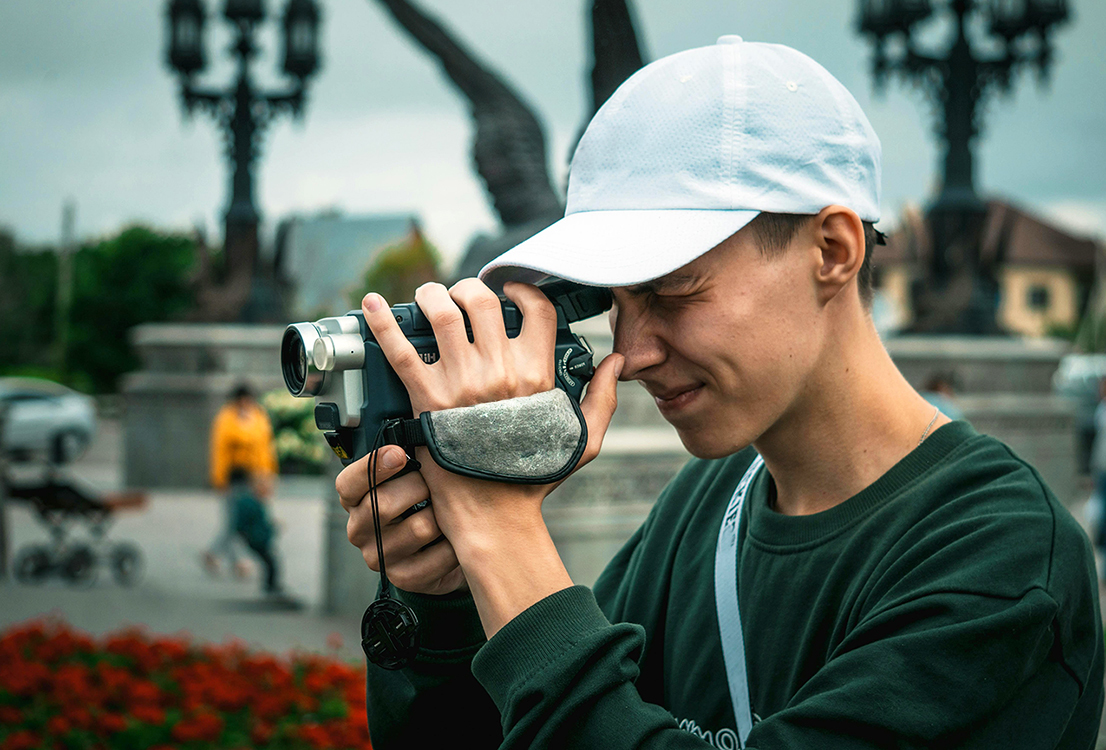
Even while fulfilling his duties as Chancellor, trustee, and broadcaster, Sir Christopher’s own scholarly output has remained remarkably prolific. His 30th book, The Hollywood History of Art, examines every sound-era Hollywood biopic of a real-life visual artist, tracing how popular cinema has shaped public perception of the creative world.
His research highlights how cinema inherited a 19th century romantic myth of the artist, moving away from the traditional 18th century definition of the artist as a skilled craftsman, and replacing it with the archetype of the fiery outsider.
Drawing on years of archival research across studio collections in the United States, Sir Christopher’s work bridges the gap between fine art history and popular culture, offering a fascinating look at how the world outside the art school views the creative mind.
As he completes his 12-year term, Sir Christopher leaves AUB well-positioned for its next chapter as a leading specialist university.
“To watch the institution turn from being an art school into a fully matured university over 12 years has given me extraordinary satisfaction,” Sir Christopher reflects. “Small specialist institutions are an endangered species, mostly absorbed into bigger corporate structures. AUB is one of the last, and I defy anyone to find a better way of teaching art and design.”
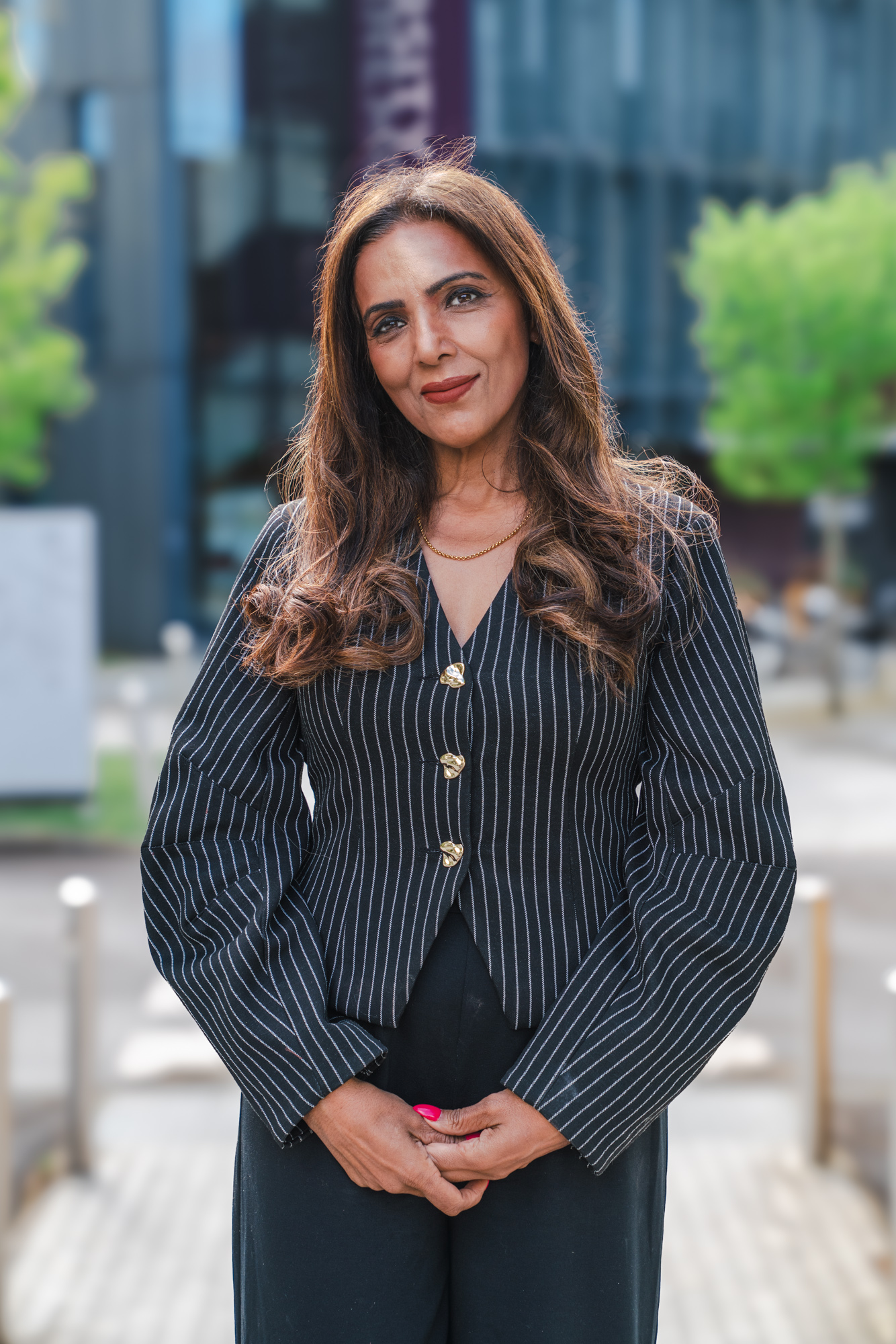
Paying tribute to his tenure, Vice-Chancellor and CEO Lisa Mann observes, “Sir Christopher has been an extraordinary champion for Arts University Bournemouth throughout his 12 years as our inaugural Chancellor.
“While my role as Vice-Chancellor focuses on directing AUB’s daily strategic path, Sir Christopher has served as a committed ambassador whose profound passion for specialist creative education, research, and culture has encouraged us to hold onto the spirit of where we came from, a small arts school, even now as we map a new and exciting future, we are maintaining much of the heritage skills and traditions.
“Sir Christopher's wisdom, generous spirit, and commitment to our students have left an indelible mark on our campus community, and we are immensely grateful for his legacy.”