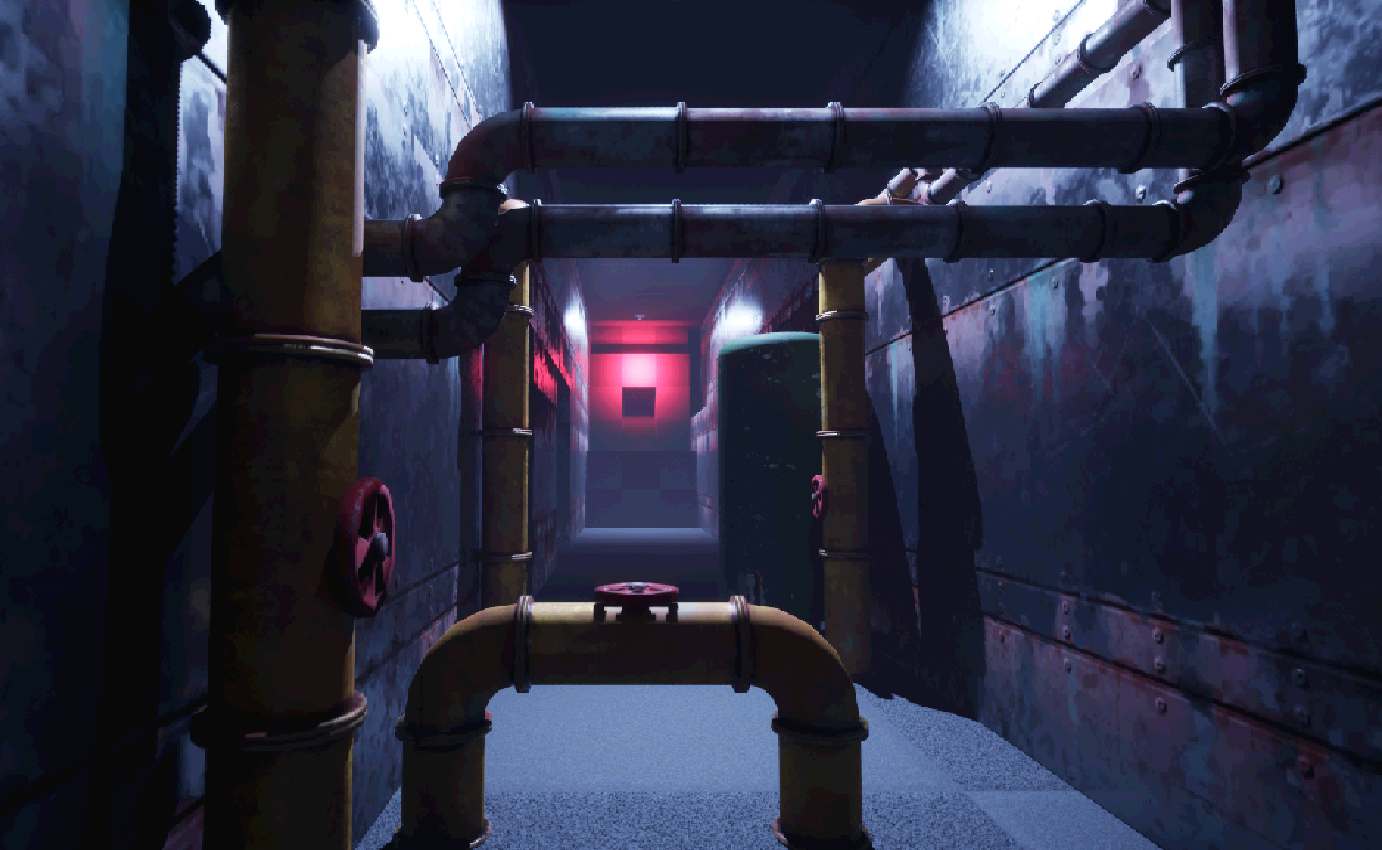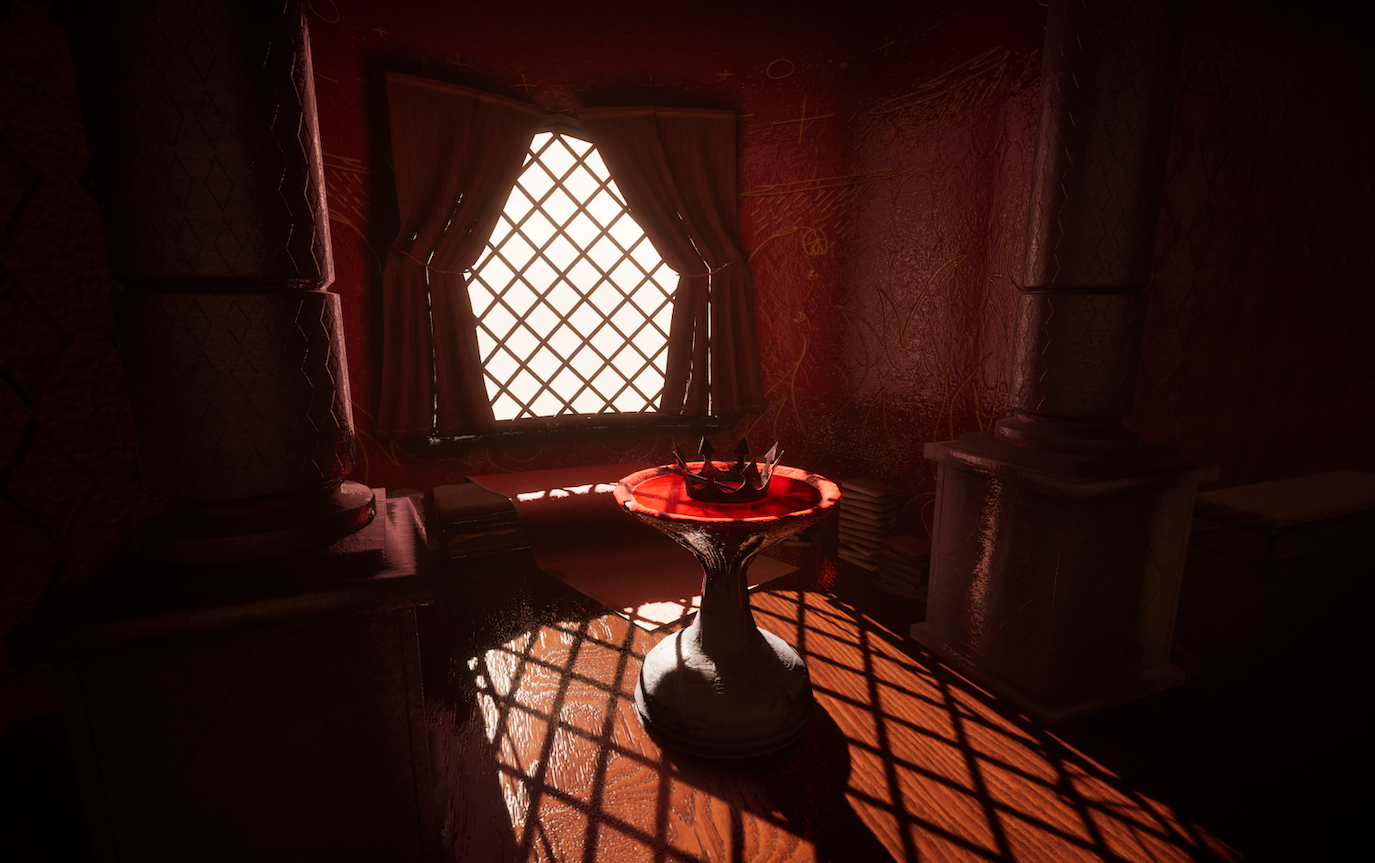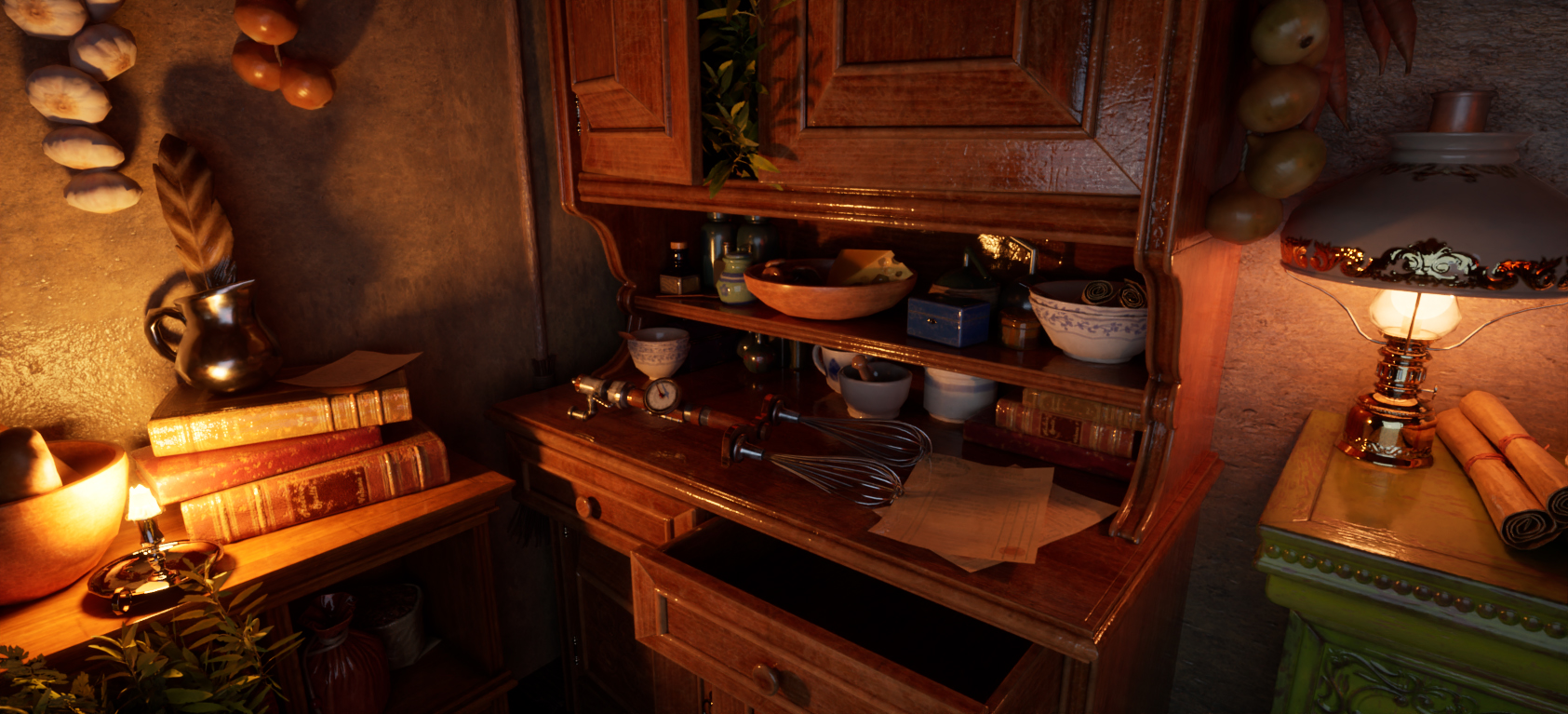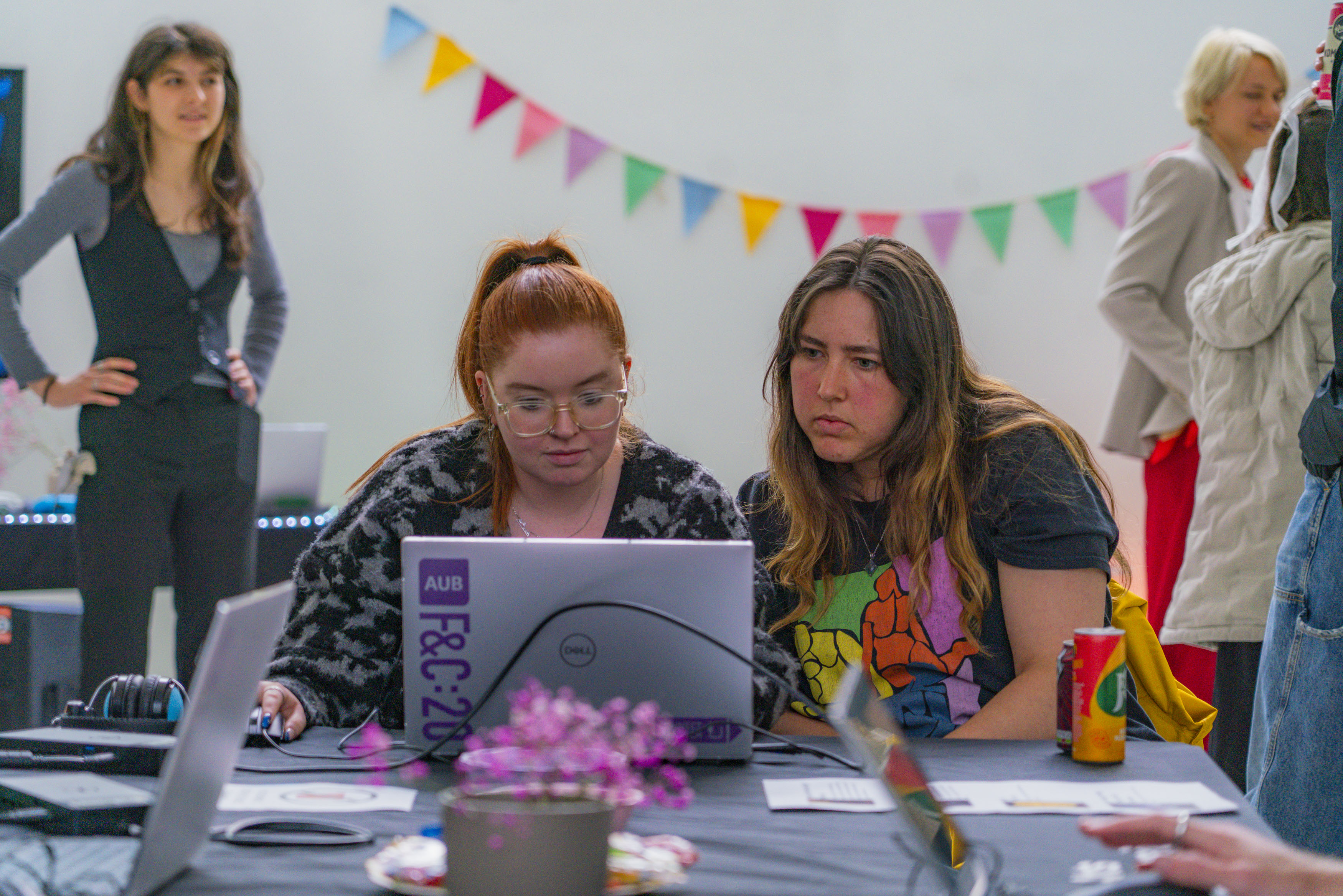

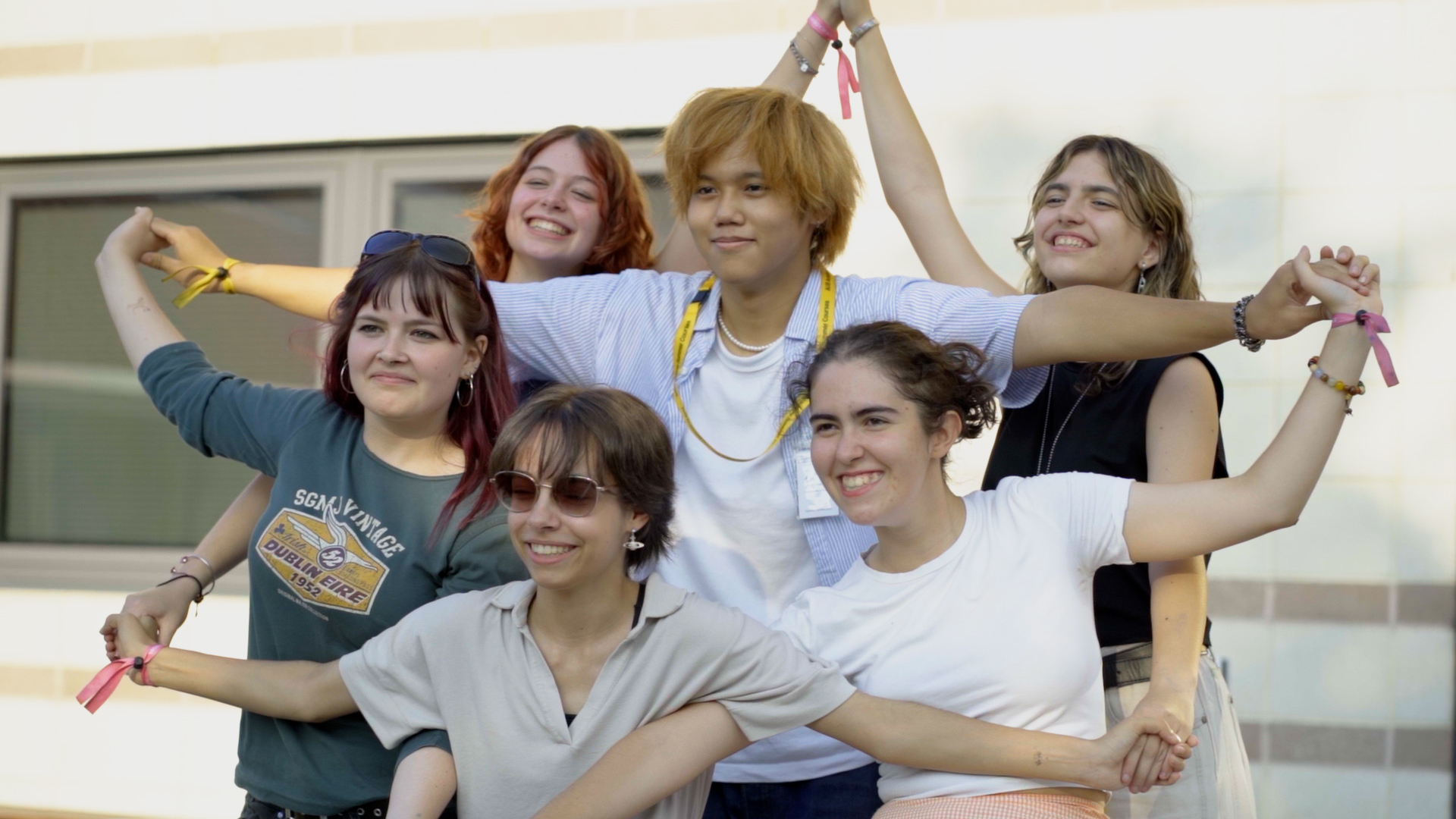
When I started BA (Hons) Games Art and Design at AUB, I wasn’t really sure what to expect. I came from a college where we were taught to do everything, from the initial concept and planning all the way through to rendering. While this gave me experience in lots of different areas, it could sometimes feel overwhelming. I didn’t always have enough time to properly focus on specific skills, such as environment or character design, and I wasn’t really given the chance to figure out which role suited me best.
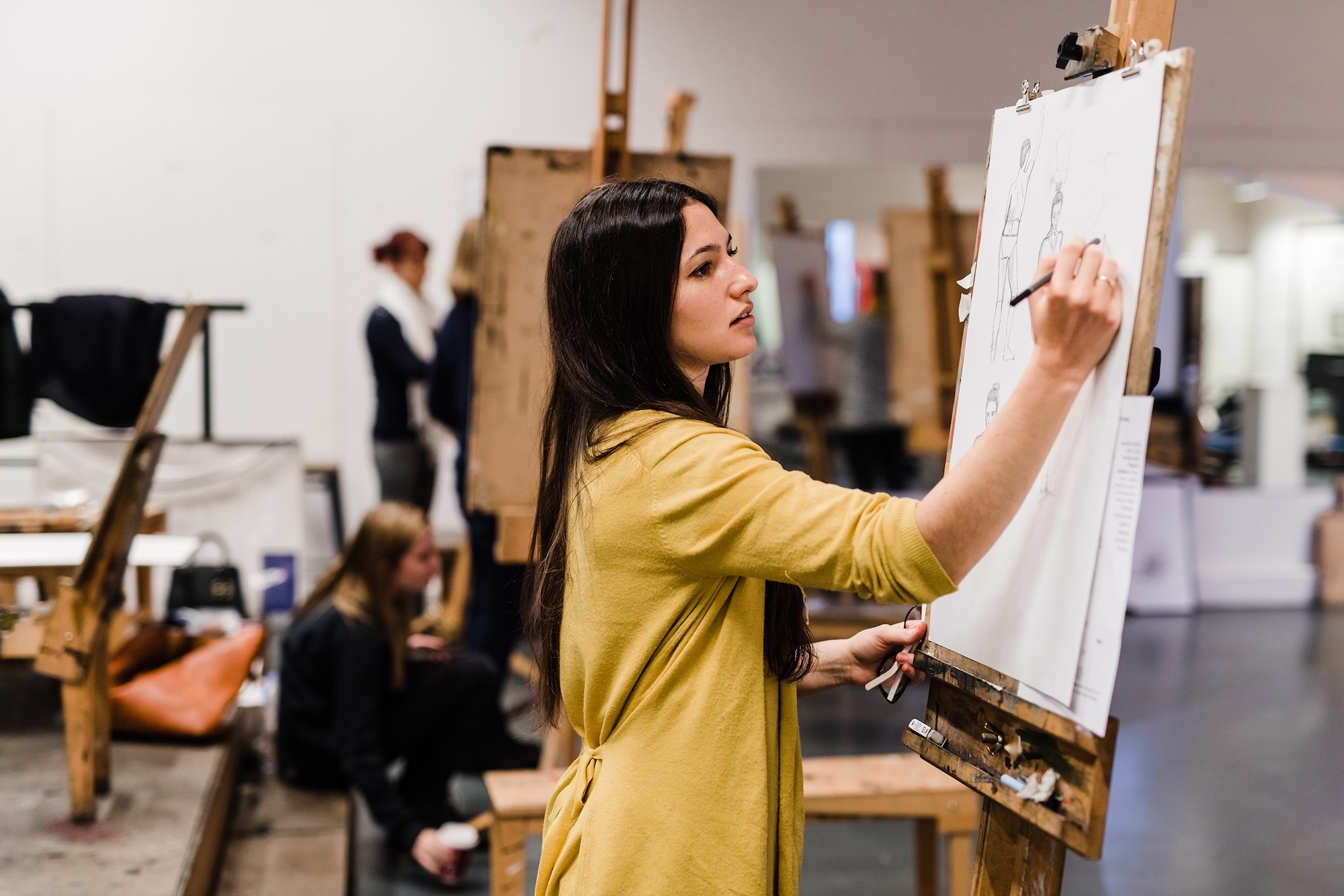
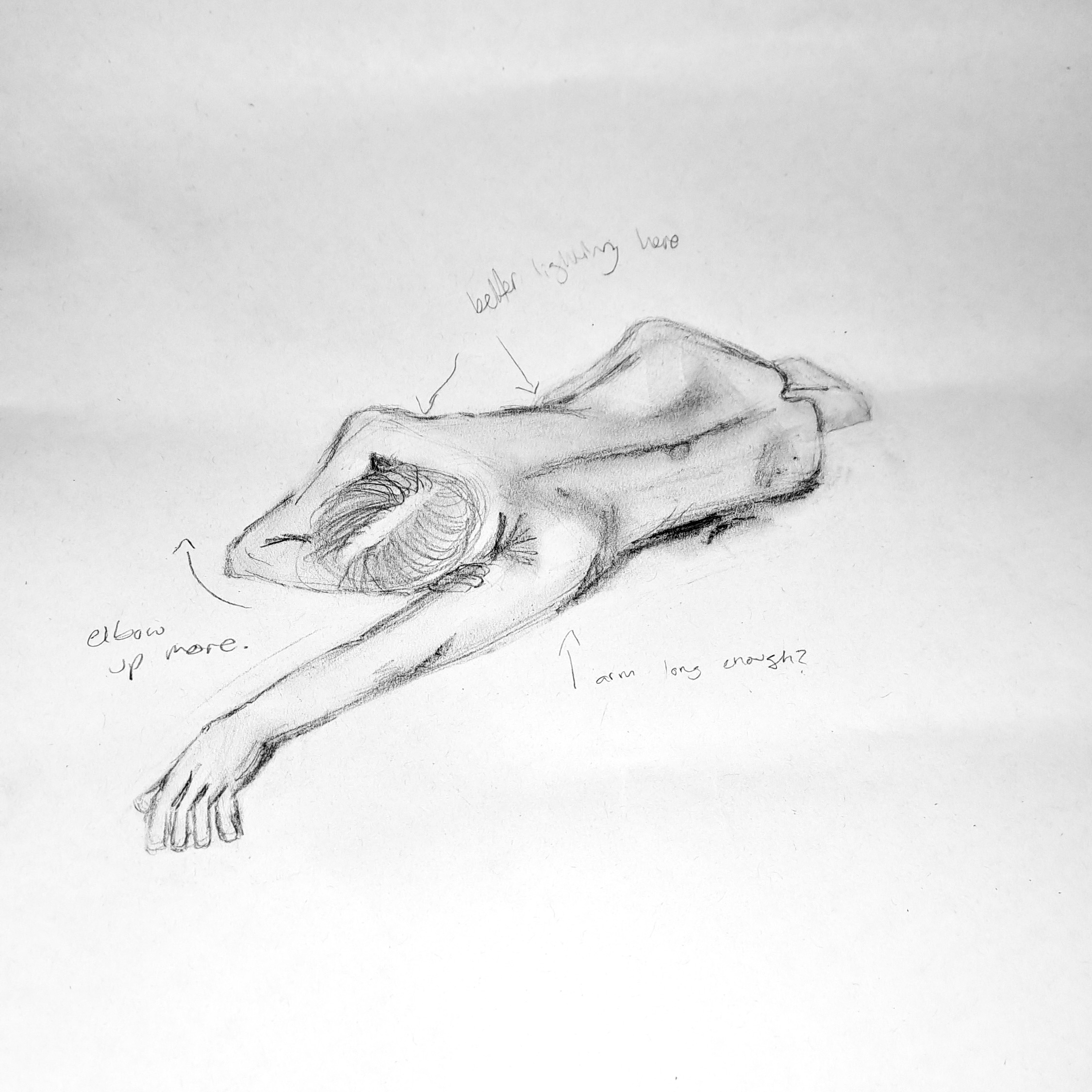
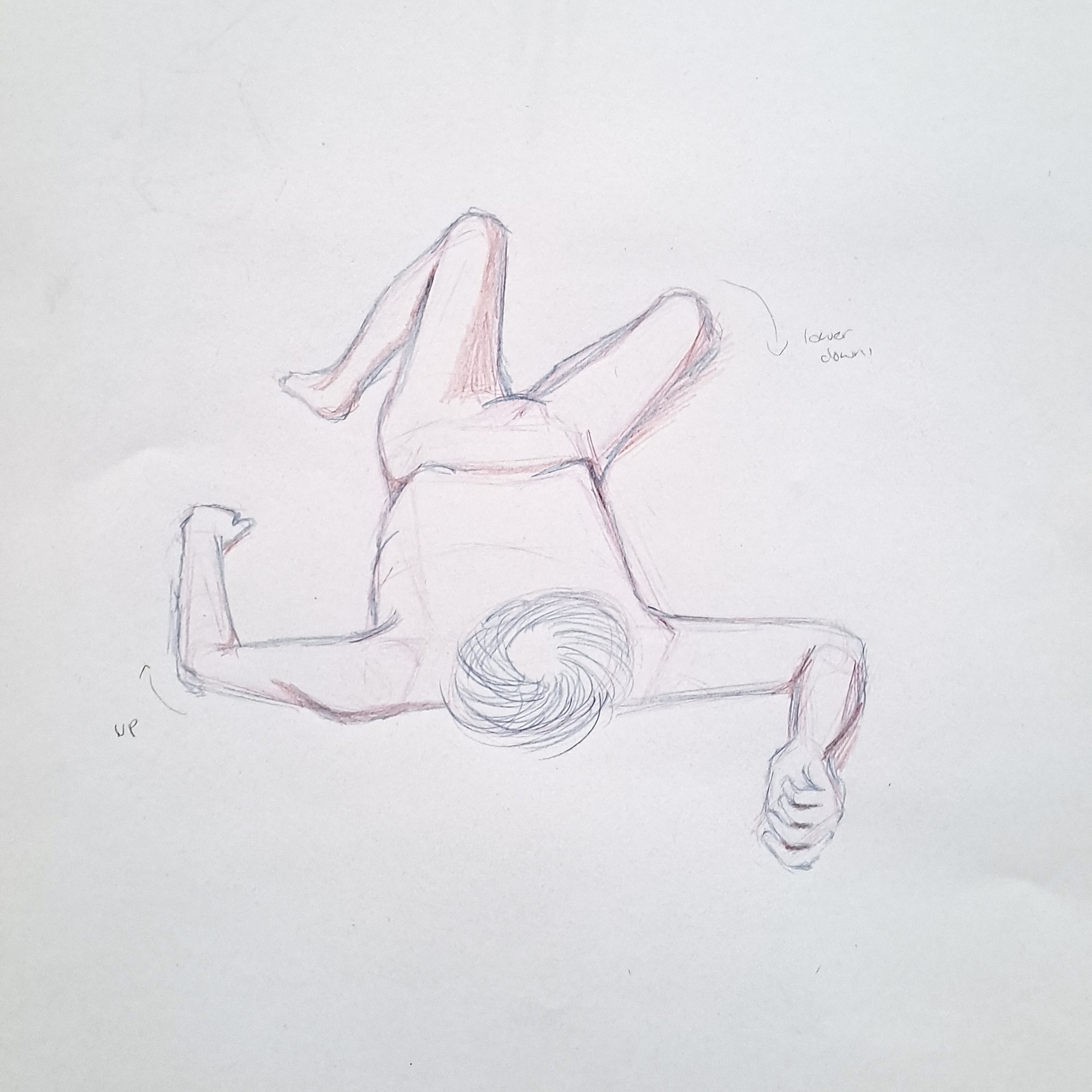
Joining AUB, I expected the course to be fairly similar. However, I was then introduced to life drawing. If you’re unfamiliar with it, life and still life drawing involve sessions where you draw from real-life subjects, such as a bowl of fruit, objects or a posed model. I knew that classes like these existed, but I’d never actually had the opportunity to experience one myself.
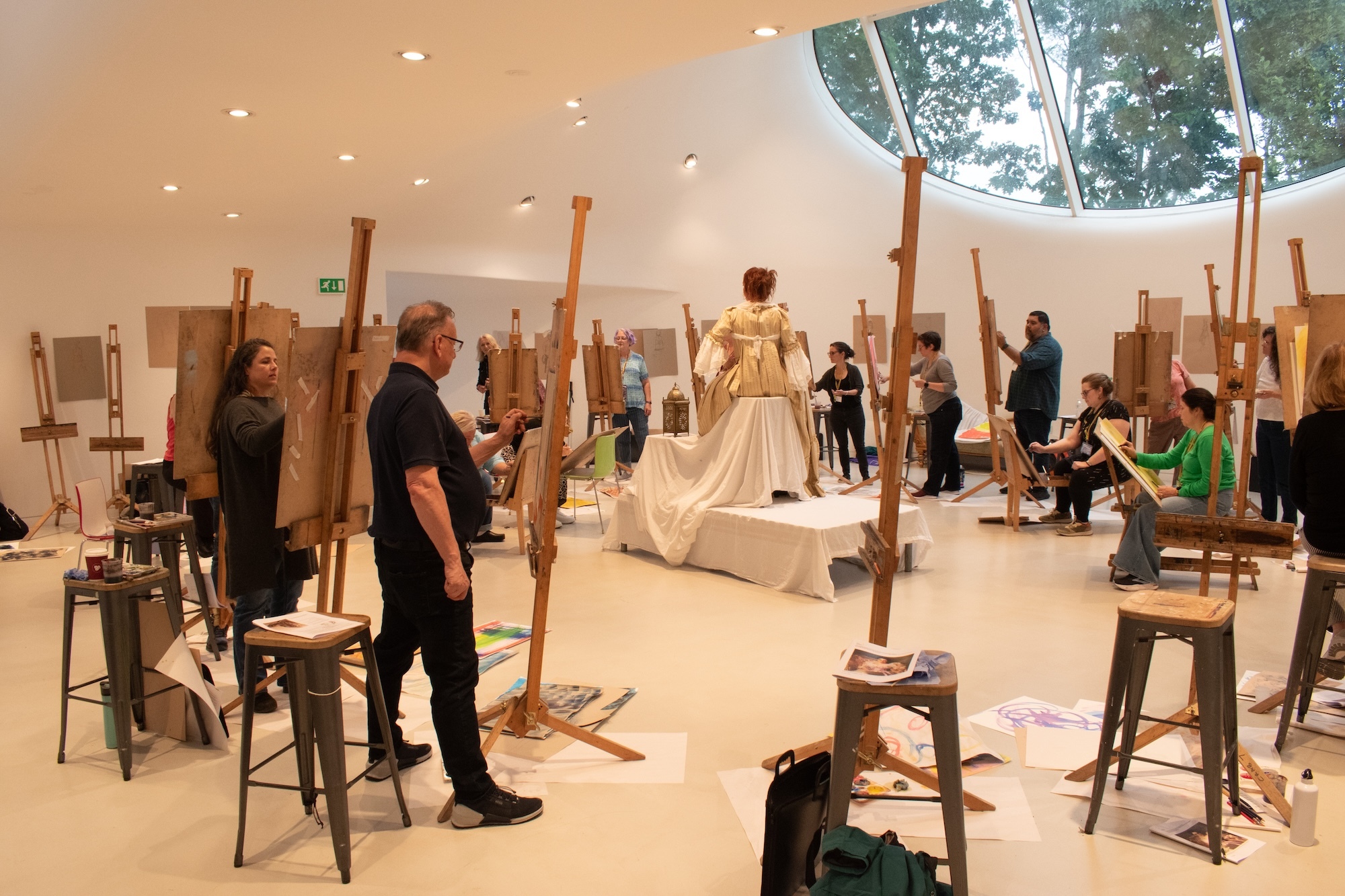
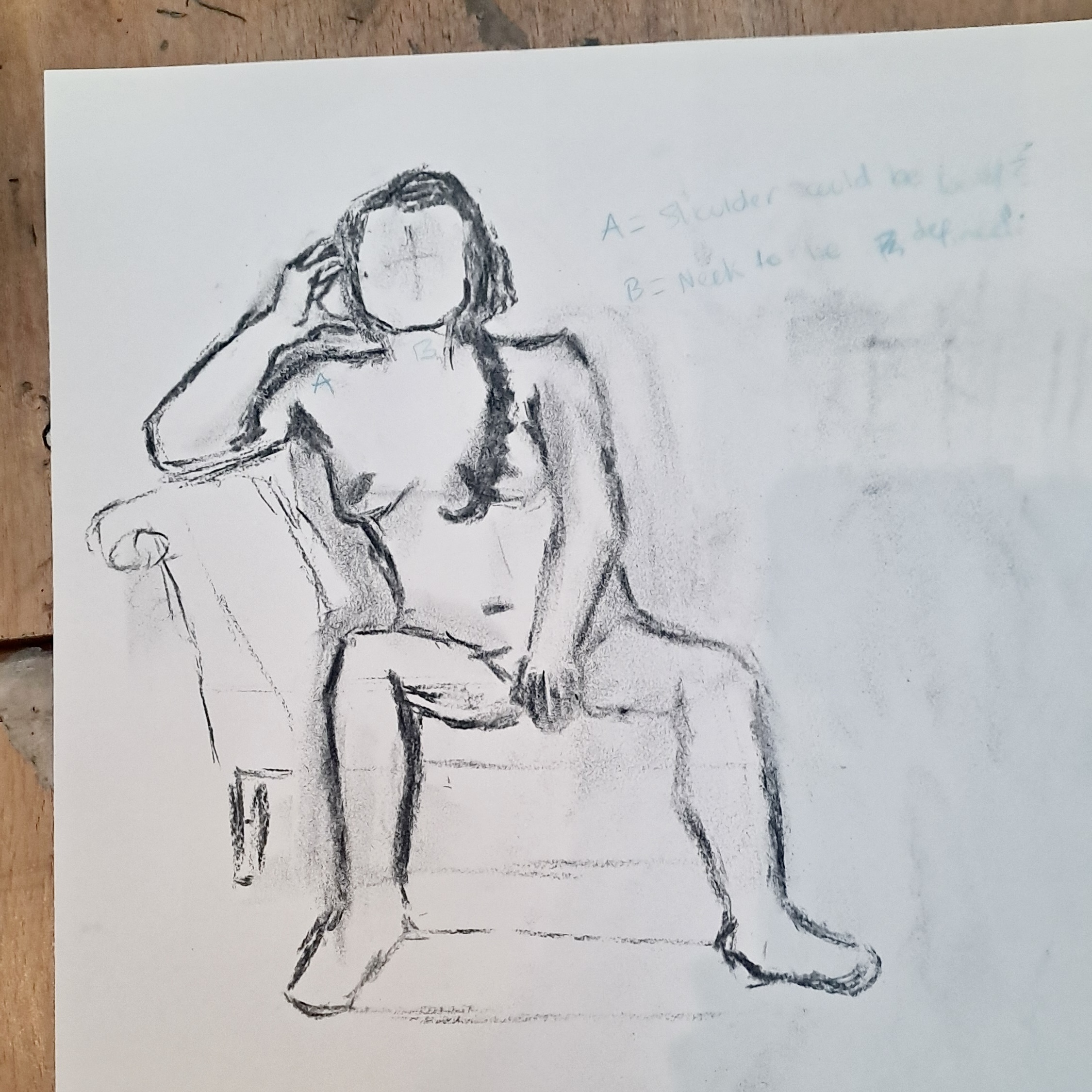
At AUB, life drawing takes place in the CRAB, a large, hall-like Drawing Studio where there’s enough space to view and draw the models from different angles. This was particularly useful for understanding proportions, perspective and the way the body sits in space. The sessions were held weekly, and over time, I could genuinely see myself improving.
Life drawing worked surprisingly well for me because it gave me the chance to completely immerse myself in drawing. Once I started, I could block out most of the other distractions around me and just focus on what was in front of me. All I really needed were my headphones, a playlist and my art supplies. I find that when I draw in more public spaces, or when I’m surrounded by lots of distractions, I can sometimes rush my work or feel like it’s missing some of the care and detail I would normally put into it. In life drawing, I had the time and space to properly look at what I was doing – almost like tunnel vision, in a way. I could clearly see where my drawing was going wrong, make adjustments and study the subject more closely. This helped me become much more confident when sketching and made me more aware of the small details that can make a drawing feel more realistic.
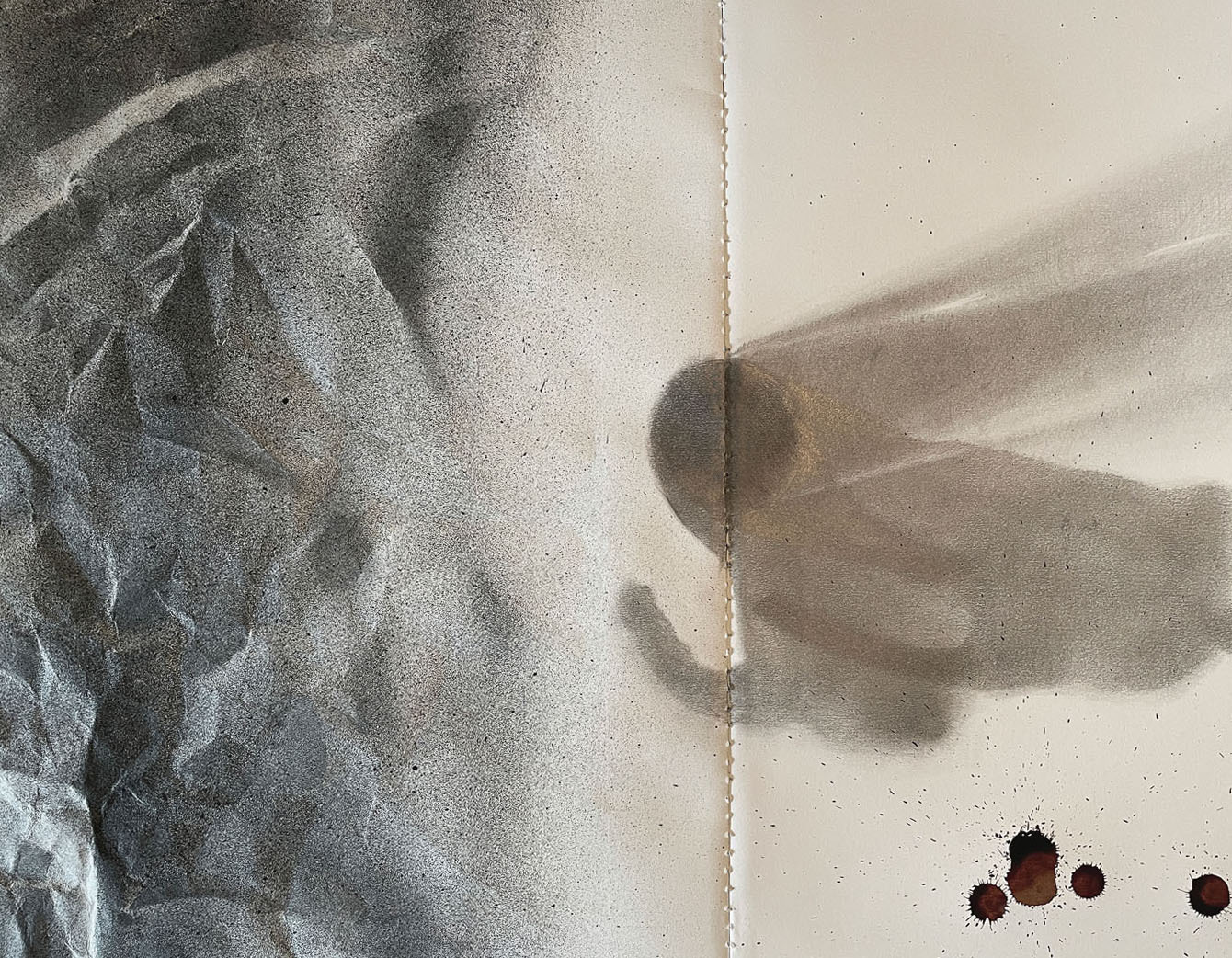
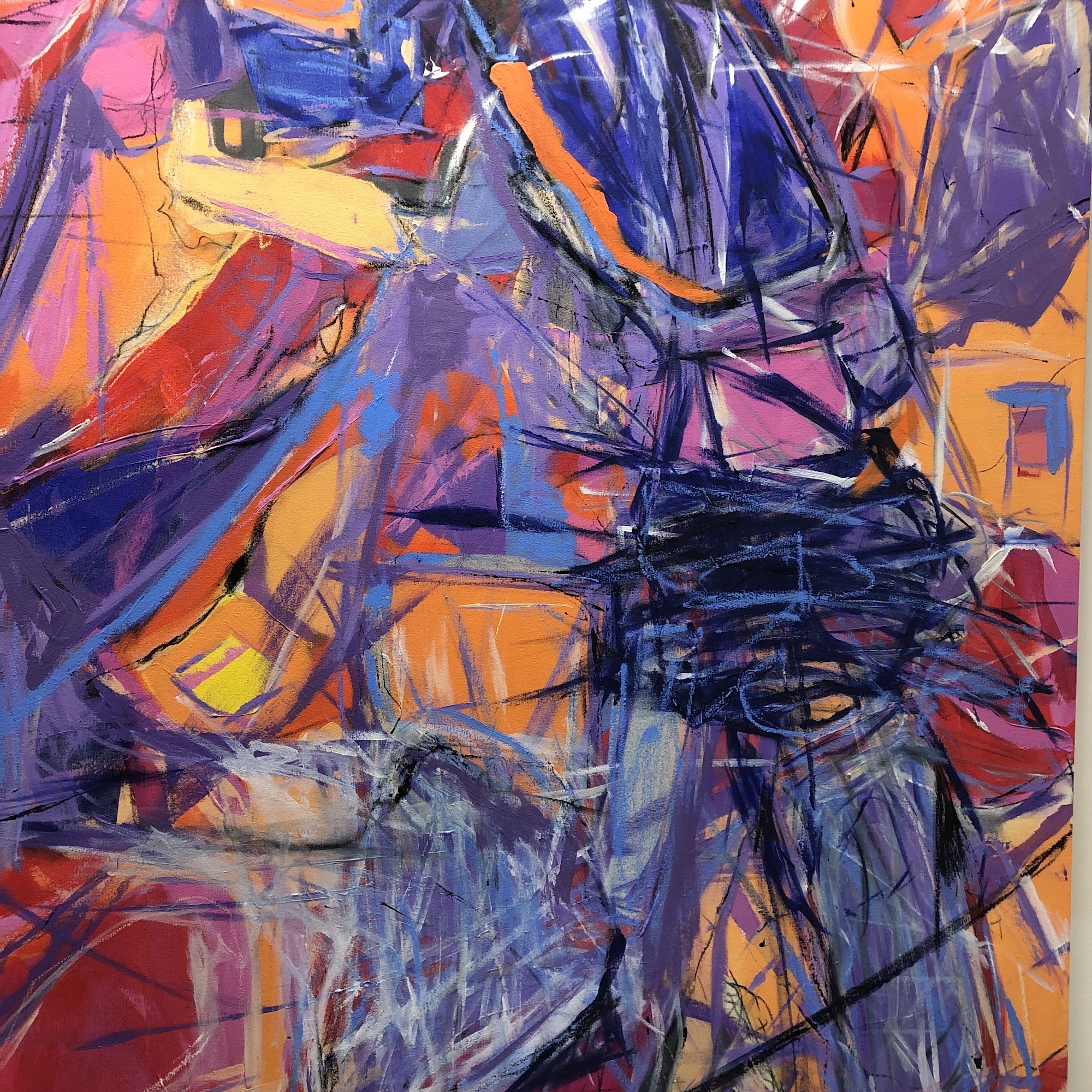
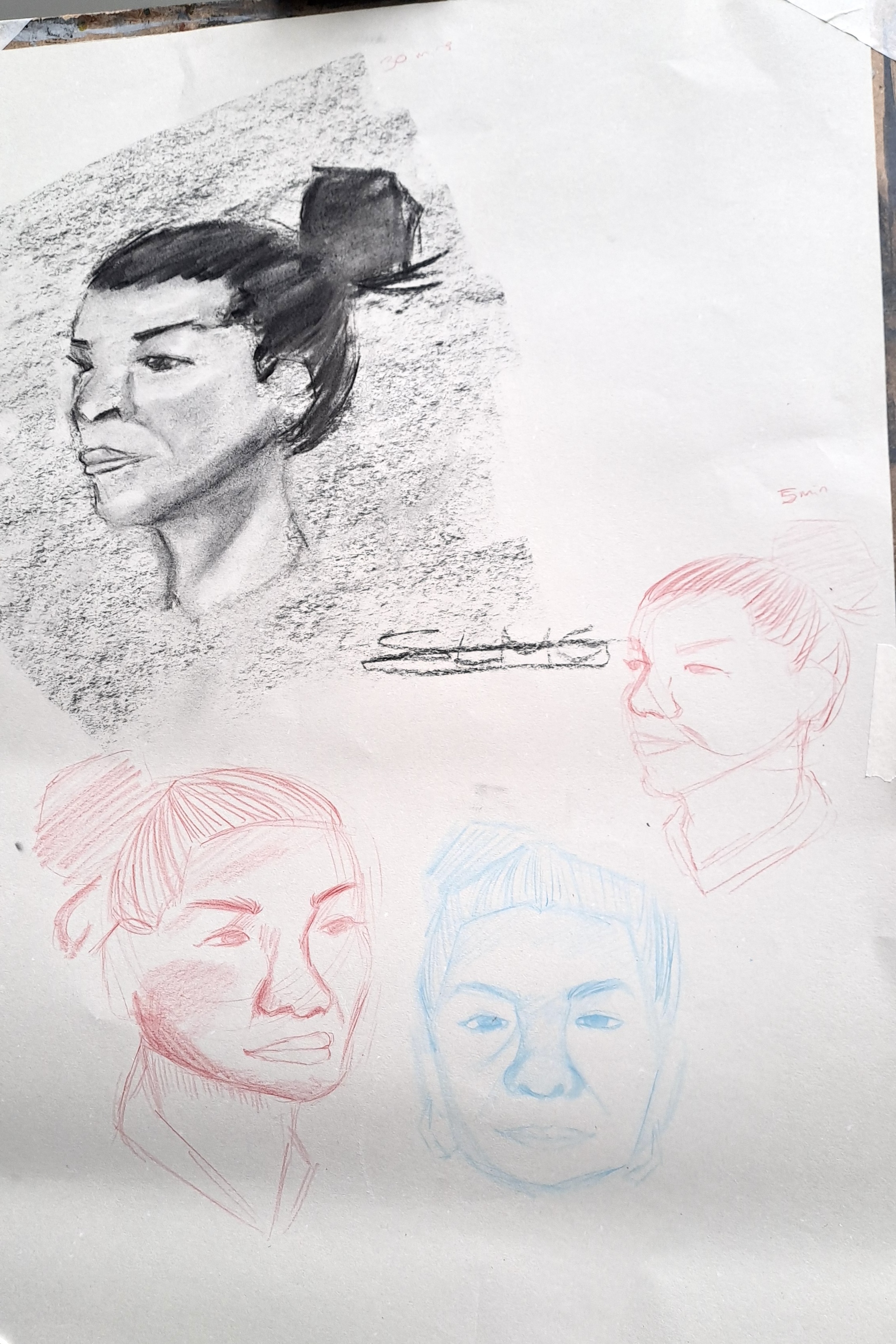
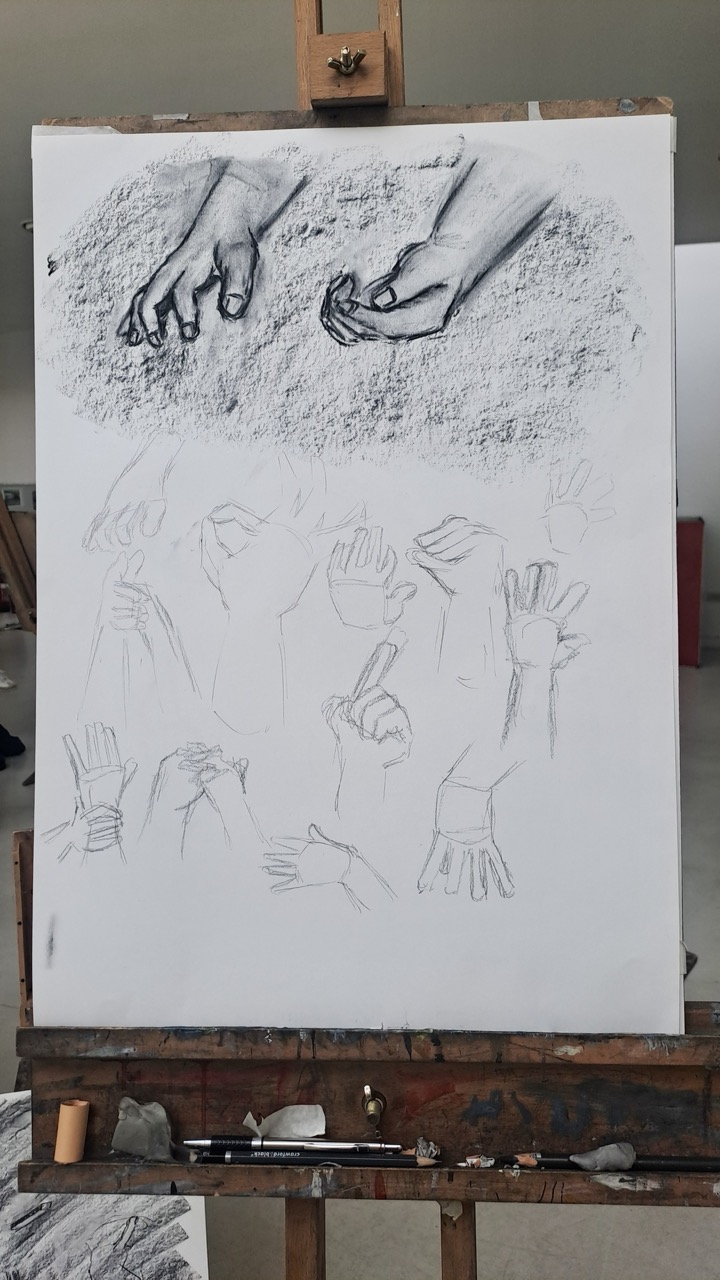
What was best about life drawing was the freedom we had with our materials. There were times when our tutor would give us a specific brief or technique to focus on, but we were often able to use whichever tools we felt most comfortable with. I enjoy experimenting with different materials, so I would sometimes use coloured pencils, chalk, or my usual HB sketching pencils. At the start of term one, I wasn’t particularly comfortable using charcoal. I found it difficult to control and I didn't enjoy the texture. However, after getting advice and guidance from my tutor, I gradually became more comfortable with it. I started to understand how to use charcoal to capture tone and contrast, and this made a noticeable difference to my work. I was able to create stronger shadows and highlights, which helped my drawings look more three-dimensional on the page.
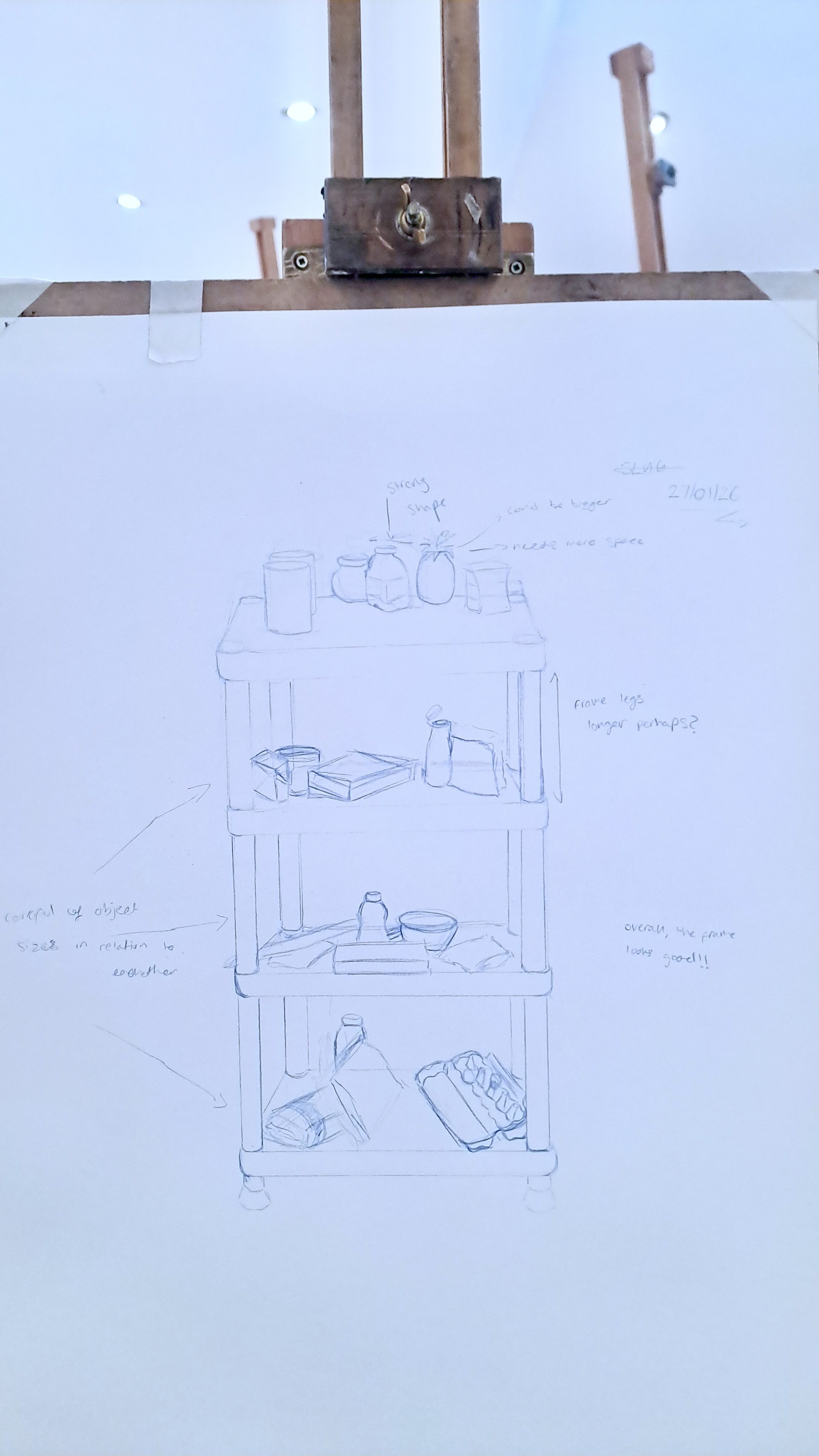
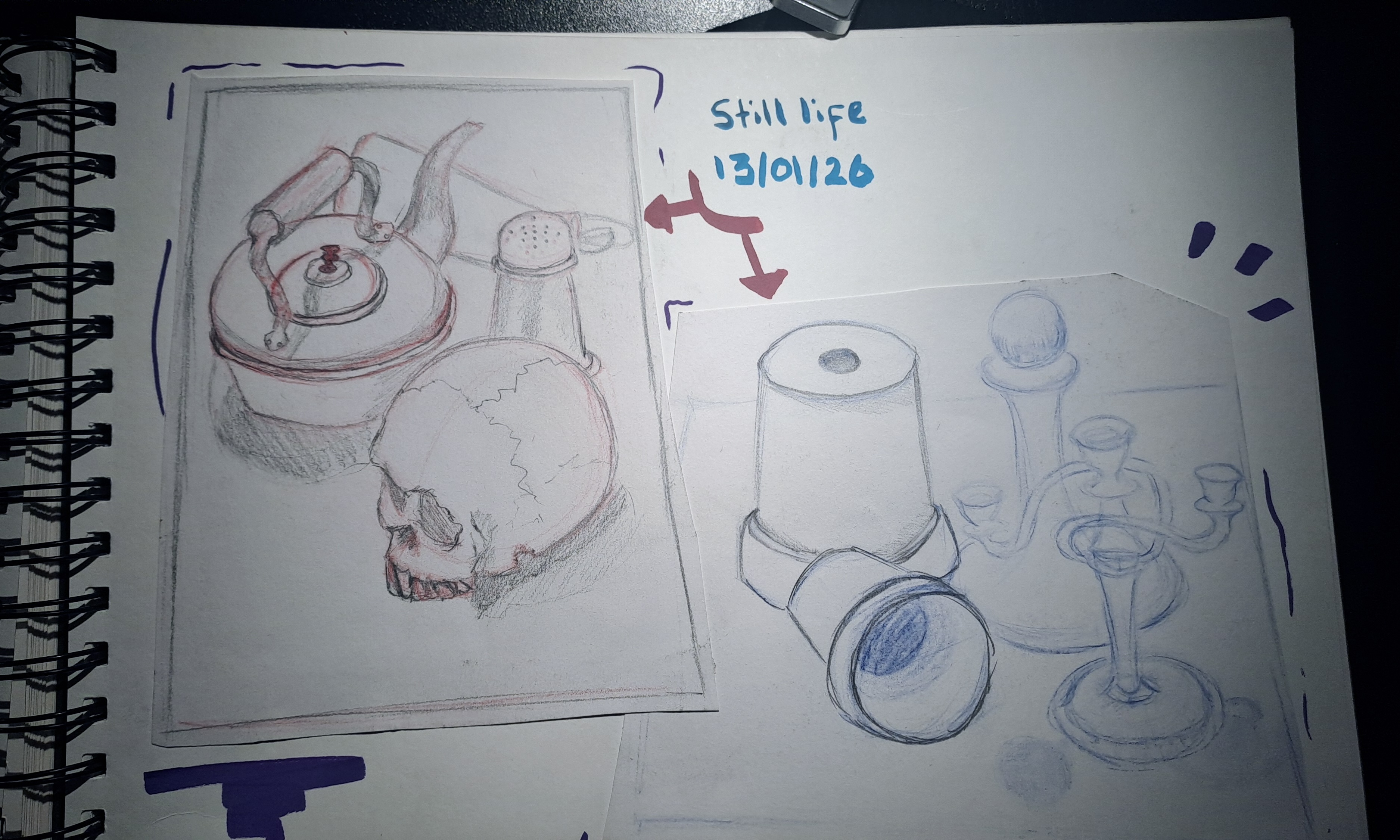
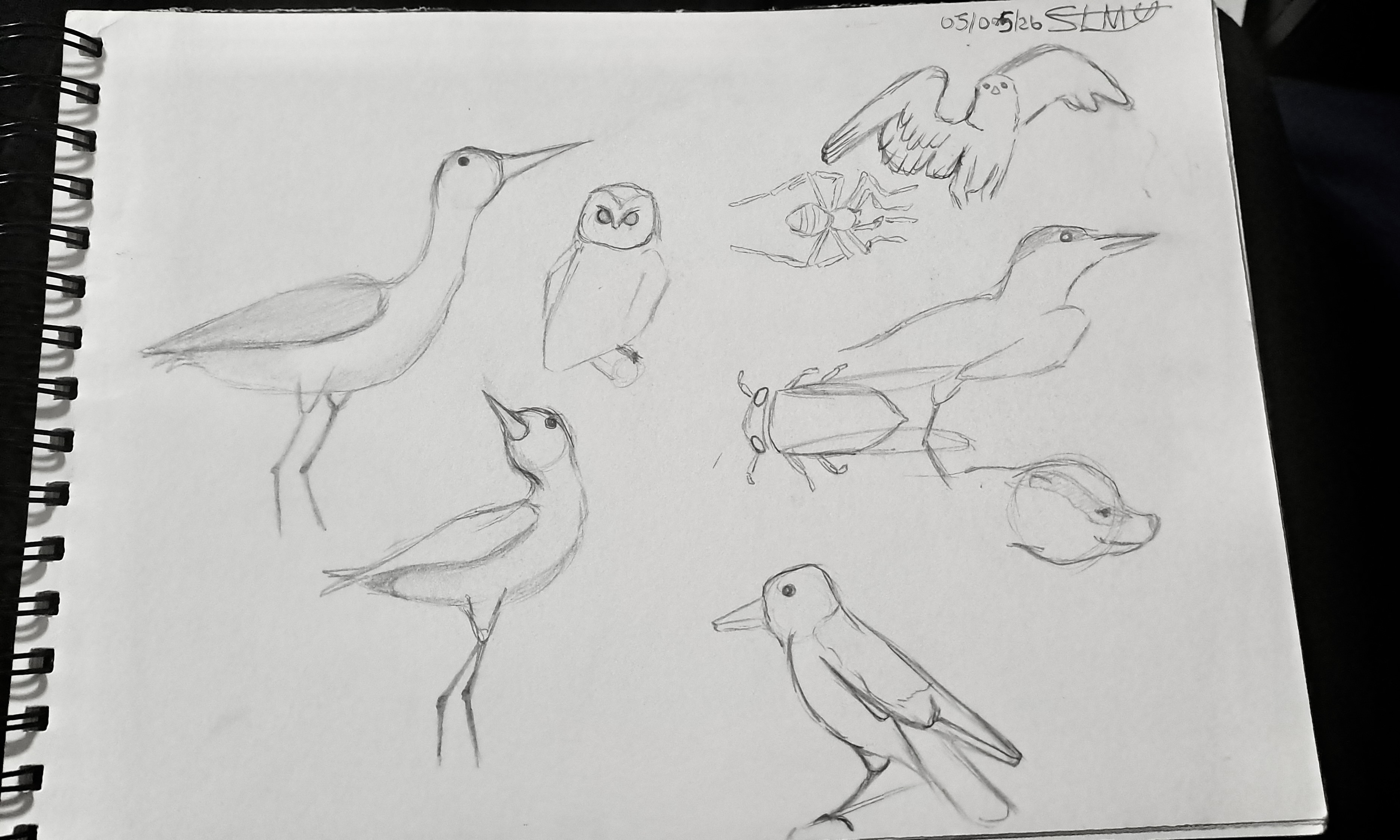
During the second term, we were also given the opportunity to go on drawing trips where we visited different locations around Bournemouth. Some of these included the Russell Cotes Art Gallery and Museum, the Bournemouth Natural Science Society (BNSS) and a local church. These trips gave us the opportunity to experience different environments and cultures while also challenging us to draw things we wouldn’t normally choose ourselves. I found this really useful because it pushed me outside my comfort zone.
One of the places that stood out to me was the BNSS, particularly because of the taxidermy birds. I don’t normally draw animals, so at first, I wasn’t sure how well I would be able to capture them. Instead of overthinking it, I broke the subject down into smaller skills and techniques that I already understood. I focused on proportions, shapes, shading and details rather than worrying about the fact that I was drawing something unfamiliar. By the end, I was genuinely surprised by how much I liked the result.
Life drawing became a space where I could practise without feeling judged. Every artist has a different style, learns in a different way, and has their own preferences when it comes to creating art. At the end of each session, I walked around and looked at the work my peers had created. Seeing how everyone could interpret the exact same subject in completely different ways inspired me.
There were also times when I didn’t particularly like something I had created, or I could tell that something felt wrong without being able to explain exactly what it was. However, someone else might look at the same piece and compliment something I hadn’t even noticed. Seeing my work from another person’s perspective helped me understand that not every flaw I saw was necessarily a problem. My tutor was also always direct and helpful with feedback, which made it easier to identify what I could improve without feeling discouraged.
Although life drawing was something I never expected to experience when I started Games Art and Design at AUB, it has become one of the parts of the course that has had the biggest impact on my art. It gave me the space to slow down, experiment, make mistakes and, most importantly, learn from them. It has improved the way I approach sketching and has helped me become more confident with both my skills and my choice of materials.
I would definitely recommend life drawing to any student who wants to try something different, challenge themselves, or simply have a space where they can focus on creating art.