- Home
- Student Stories
- Jessica Bock-Páez – how my Master's proj...
My educational background is in ecology, and I came to MA Illustration (Online) knowing that I wanted to focus mainly on nature and scientific illustration as my subjects.
The different modules, and the council of my tutors and peers, encouraged me to explore my voice and identity as an illustrator – the tools that would be best suited for the work I want to produce, the benefits of collaboration and research, and what my ideal professional practice might encompass post-graduation. When it came time to choose a theme that would guide the months of investigation and experimentation of my Master’s project, I knew at the core of it laid the question of what kind of creative practitioner I wanted to become.
The goal I landed on as the driving force of this project was to positively represent disliked and forgotten species, using art to create emotional connections in the viewer that would lead to appreciation of said animals. My interests lie with environmental education and conservation, and through my time on MA Illustration (Online), I came to fully grasp the power that illustration can have in communication. Illustration simultaneously creates control from the artist and interpretation from the viewer, allowing the artist to emphasise, construct and highlight while creating space for connection, emotion and dialogue with the audience.
I began by submerging myself in the contemporary field to see how art was being used for conservation messaging, and specifically for making an appeal for the most unloved animals. I found a gap when it came to presenting the worth of the animals in an anti-anthropocentric view. By this, I mean that the worth of a species was being judged in relationships to their appeal and usefulness to humans, rather than by a simple merit of being deserving and laudable just for being what they are. How could I present something as exceptional in its own merit to a viewer that isn’t used to thinking of it that way?
I researched positive rather than fatalistic environmental communication tactics and found that they are more resonant and successful with viewers. I also learned how impactful interactivity and reflection can be in capturing the attention of the viewer and encouraging introspection.
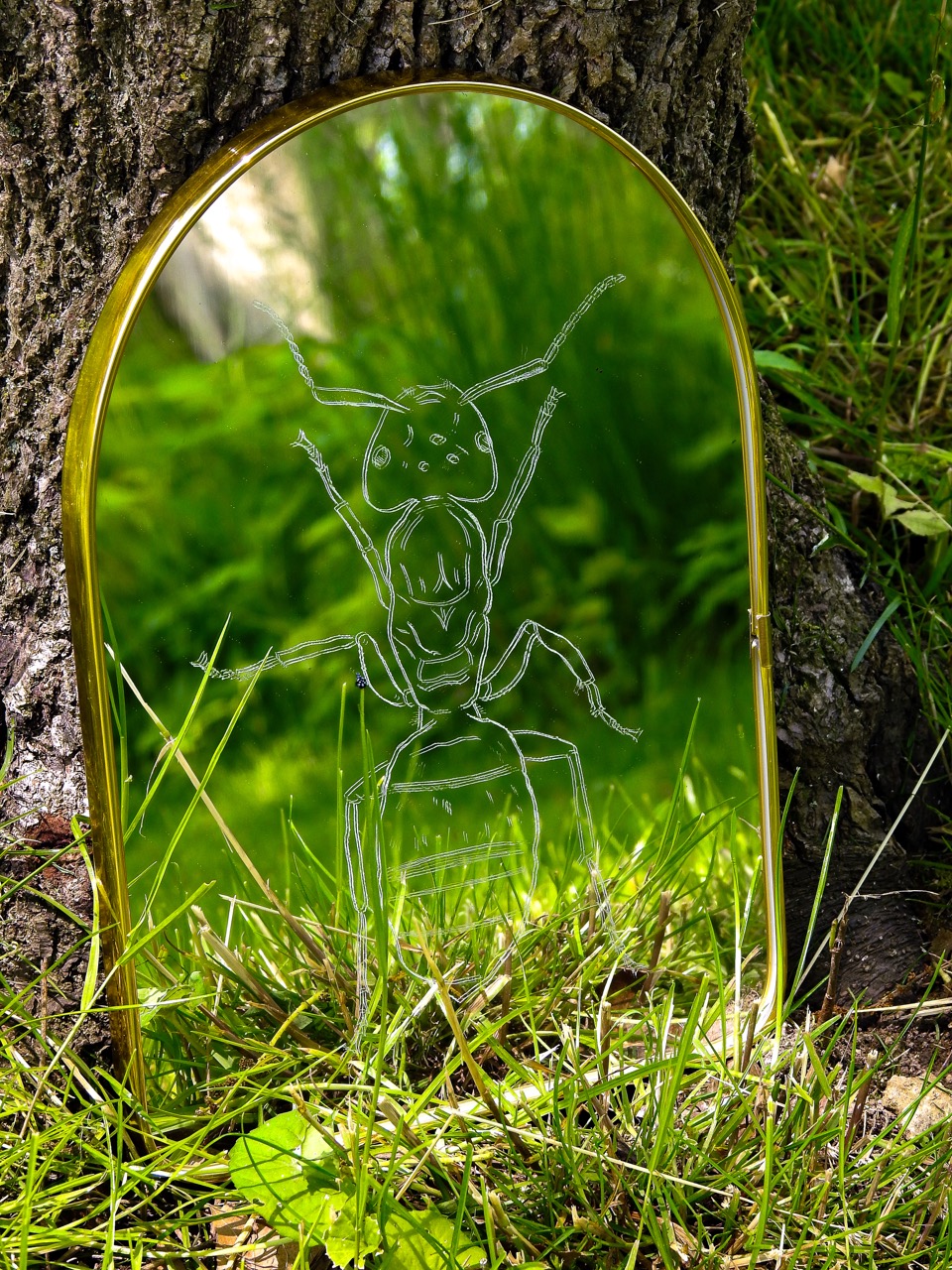
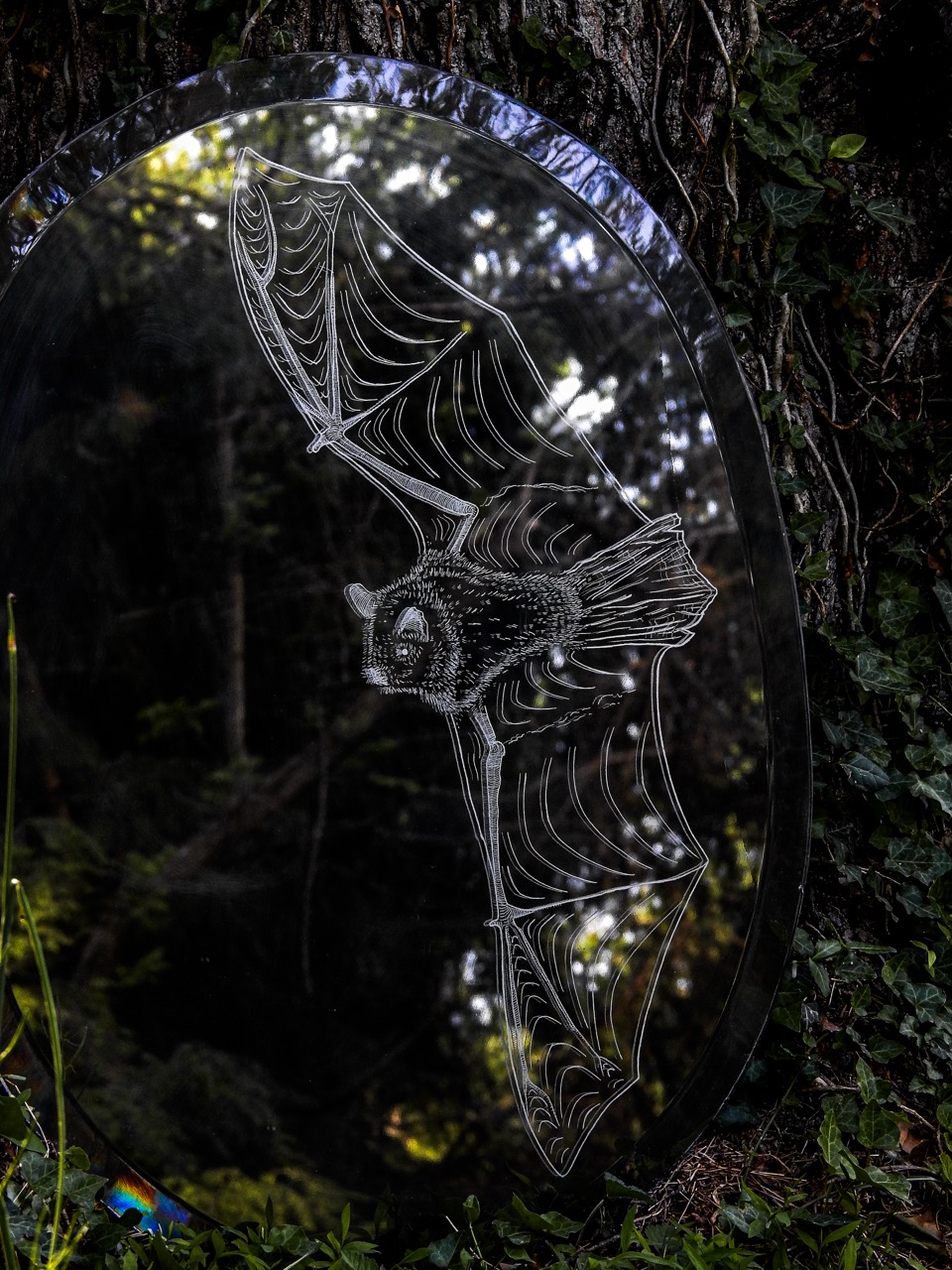
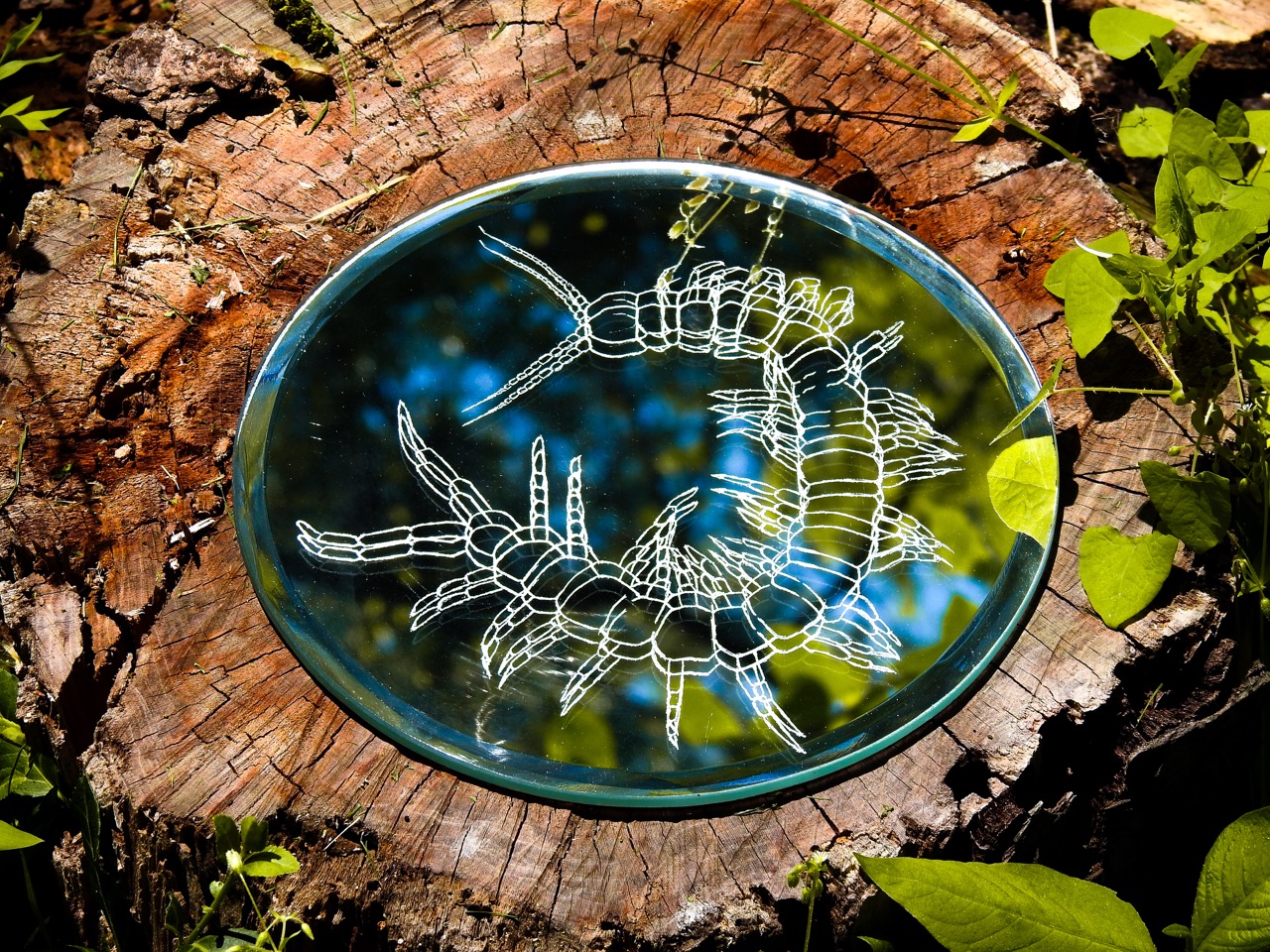
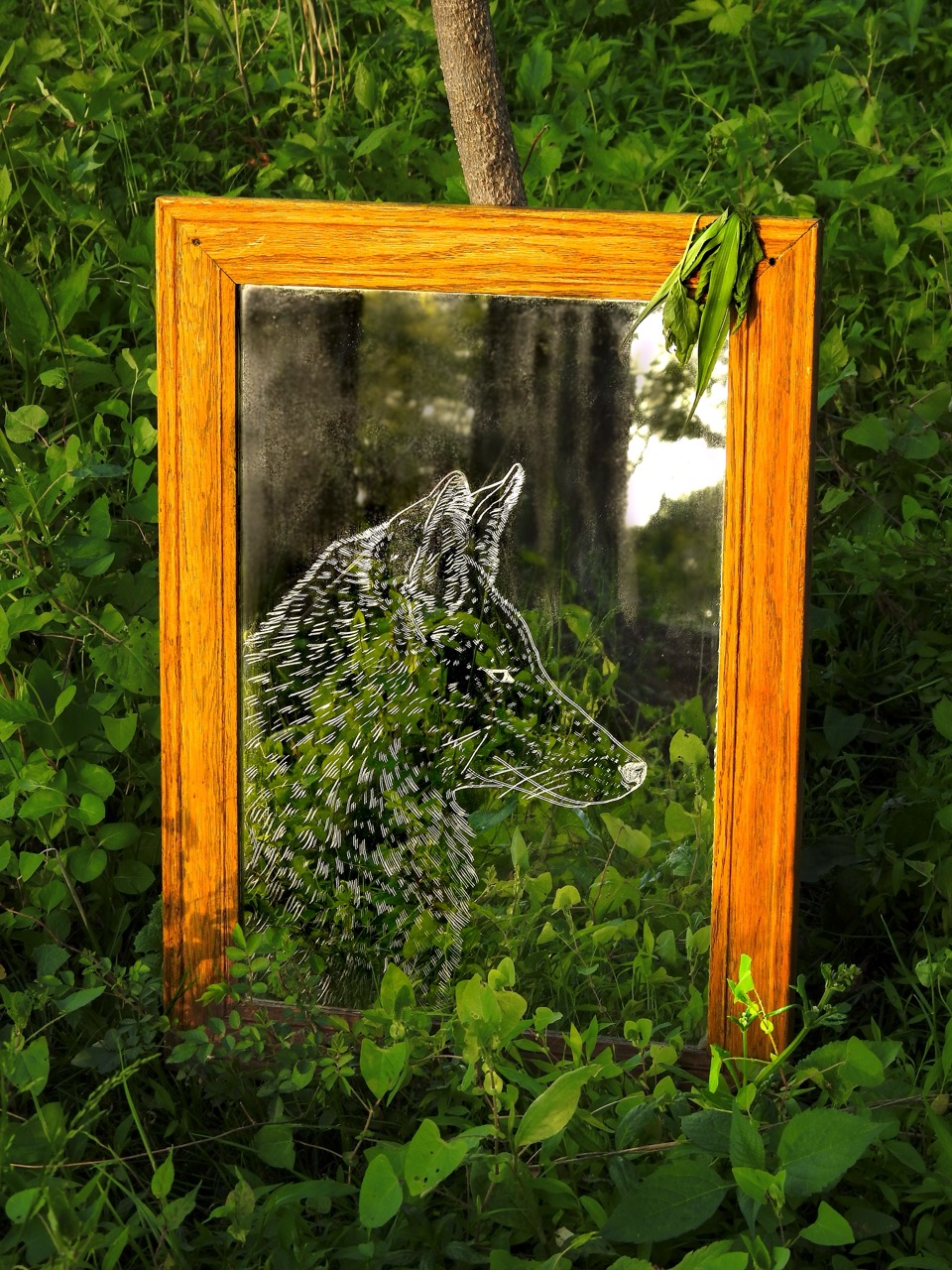
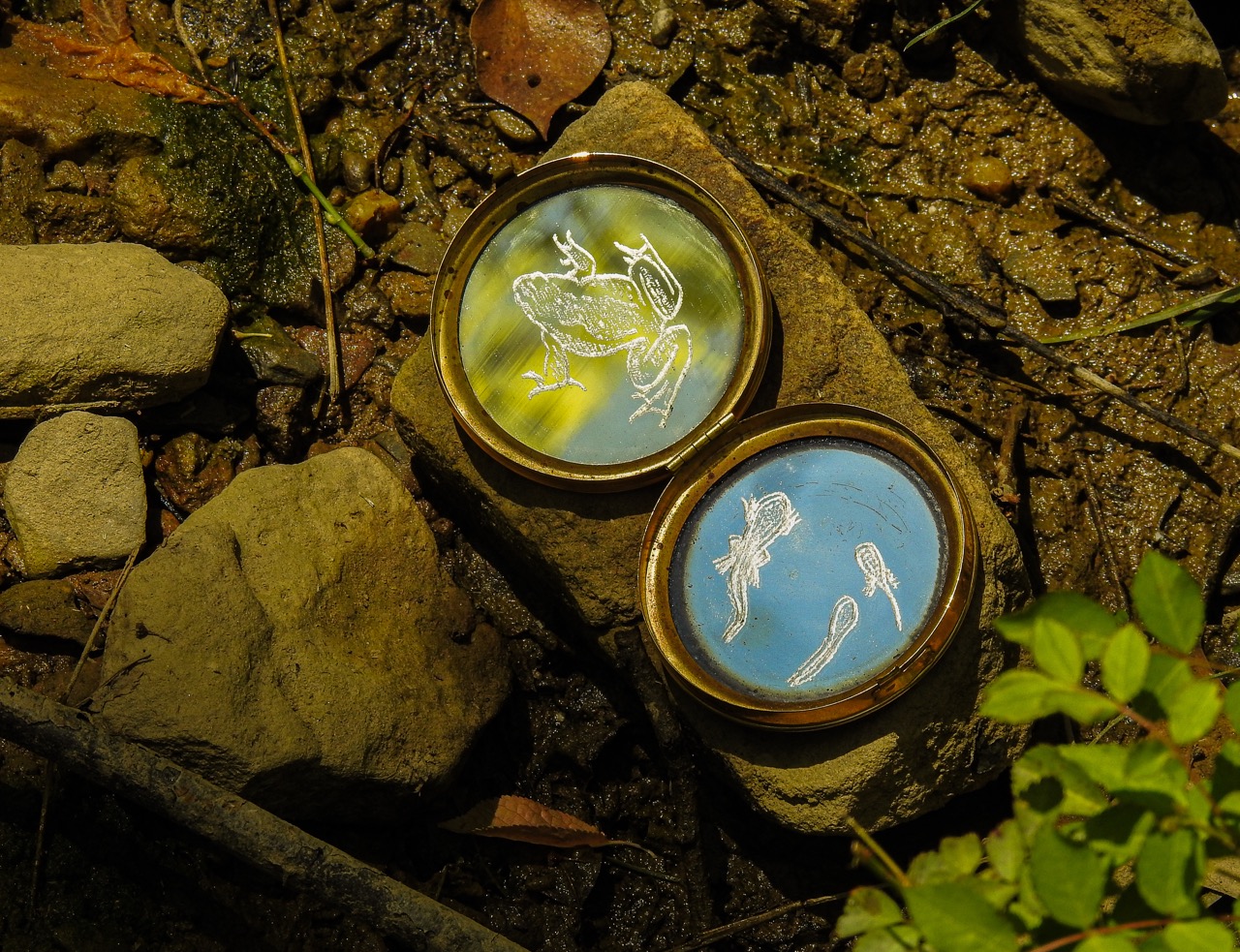
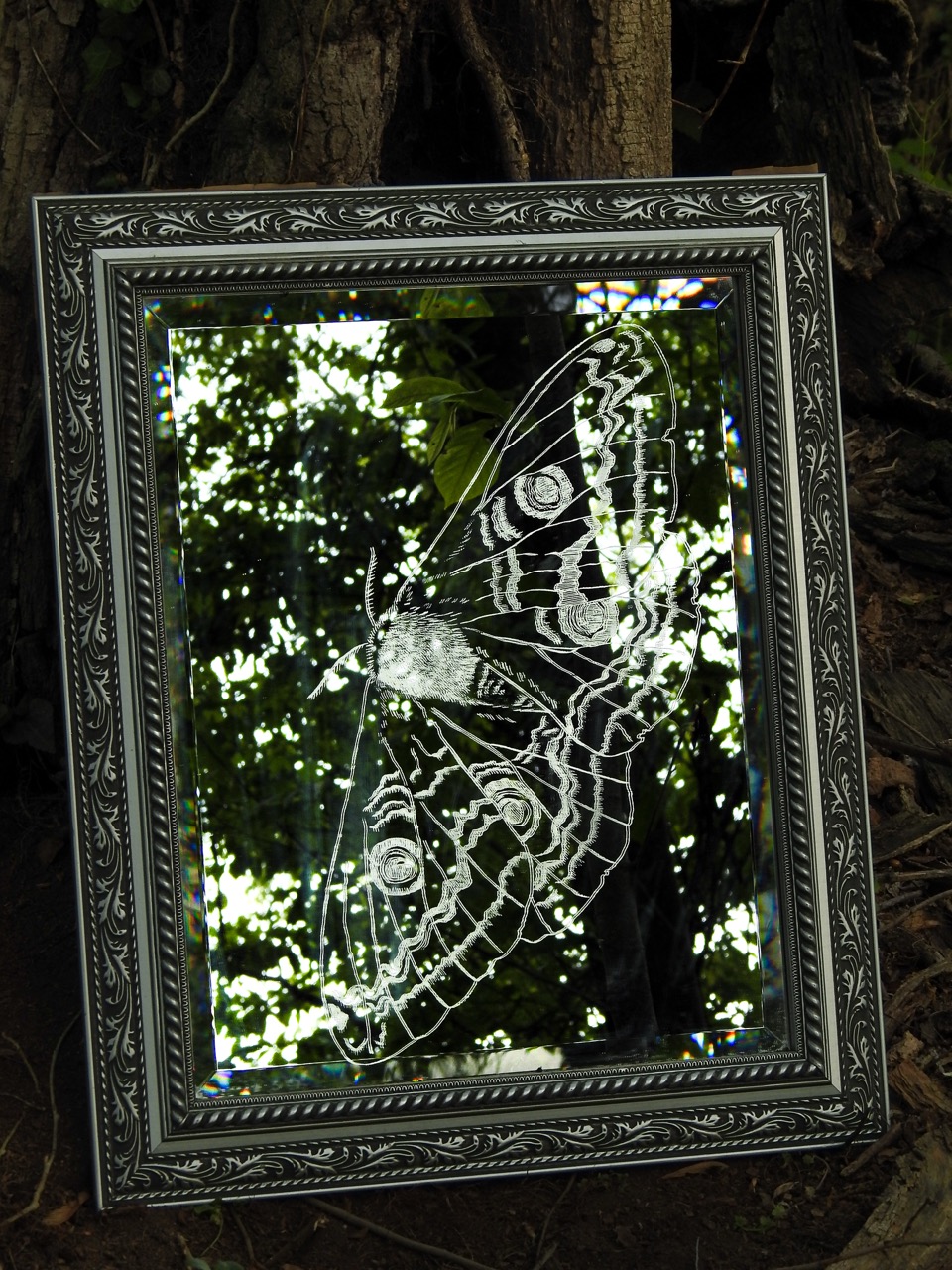
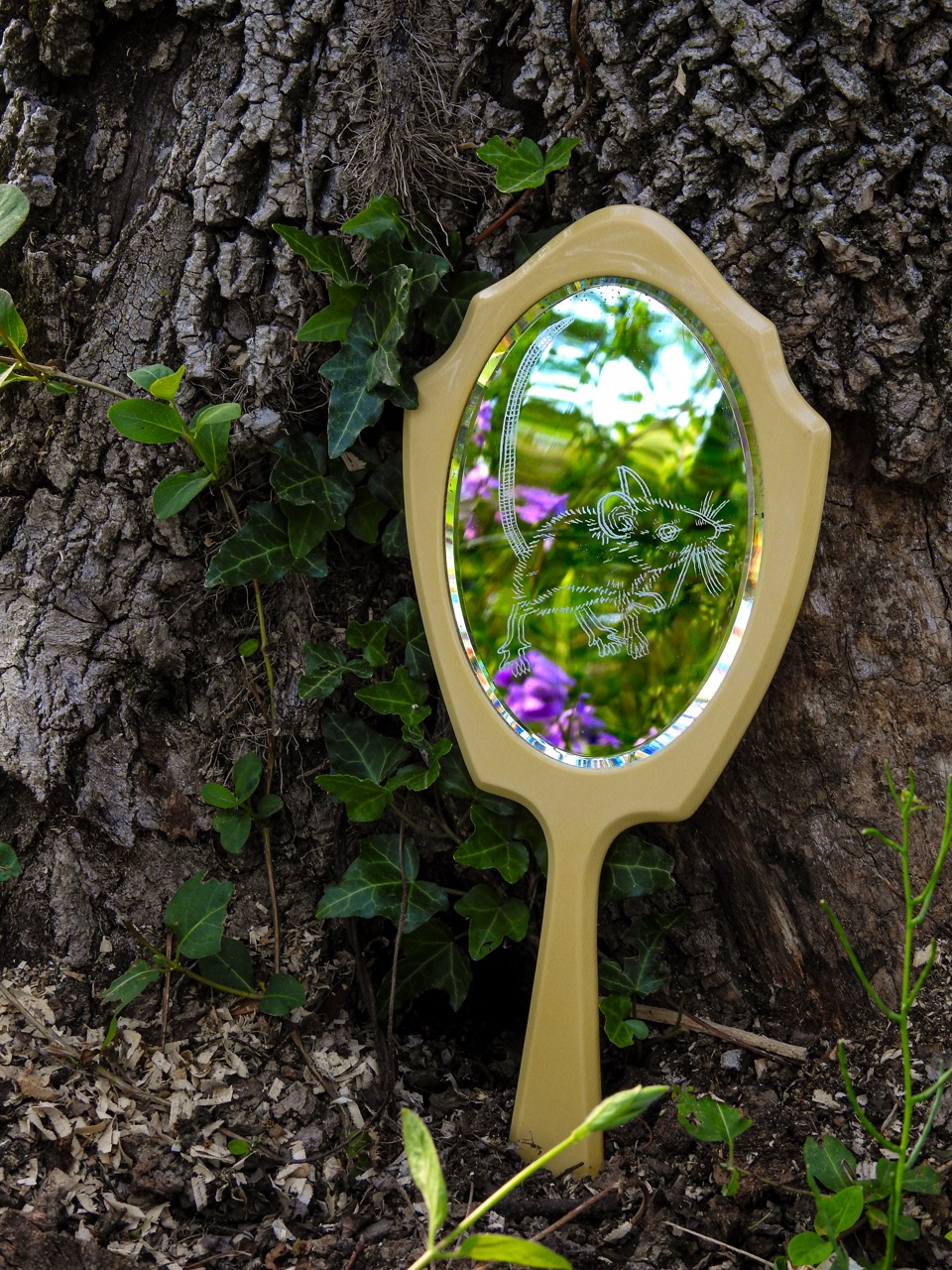
I experimented with many different mediums, styles and processes, looking for the right combination to aid my goal of changing internal prejudices, creating a cohesive body of work that prompts reflection, is interactive and provokes emotional responses. I considered how different mediums would impact viewers and interactivity, and debated on how singularity, replicability, engagement, physical connection, time spent with an object, and eco-friendly processes and materials could reflect the goals of the project.
A key breakthrough moment was seeing how decorative folk art was a tool in lifting something above the ordinary because of the embedded time and care, how ornamentation could guide attention towards qualities people might normally overlook. I asked myself if aesthetics could signal empathy, and tried my hand at frames, patterns, metaphor and repetition. I wanted to see if I could uplift both a subject and a physical object simultaneously through my work. By focusing on creating detailed, careful and complex illustrations, I hope to create awe-inspiring work that a viewer is willing to take their time to look at and ask themselves why so much effort was put into depicting said subjects.
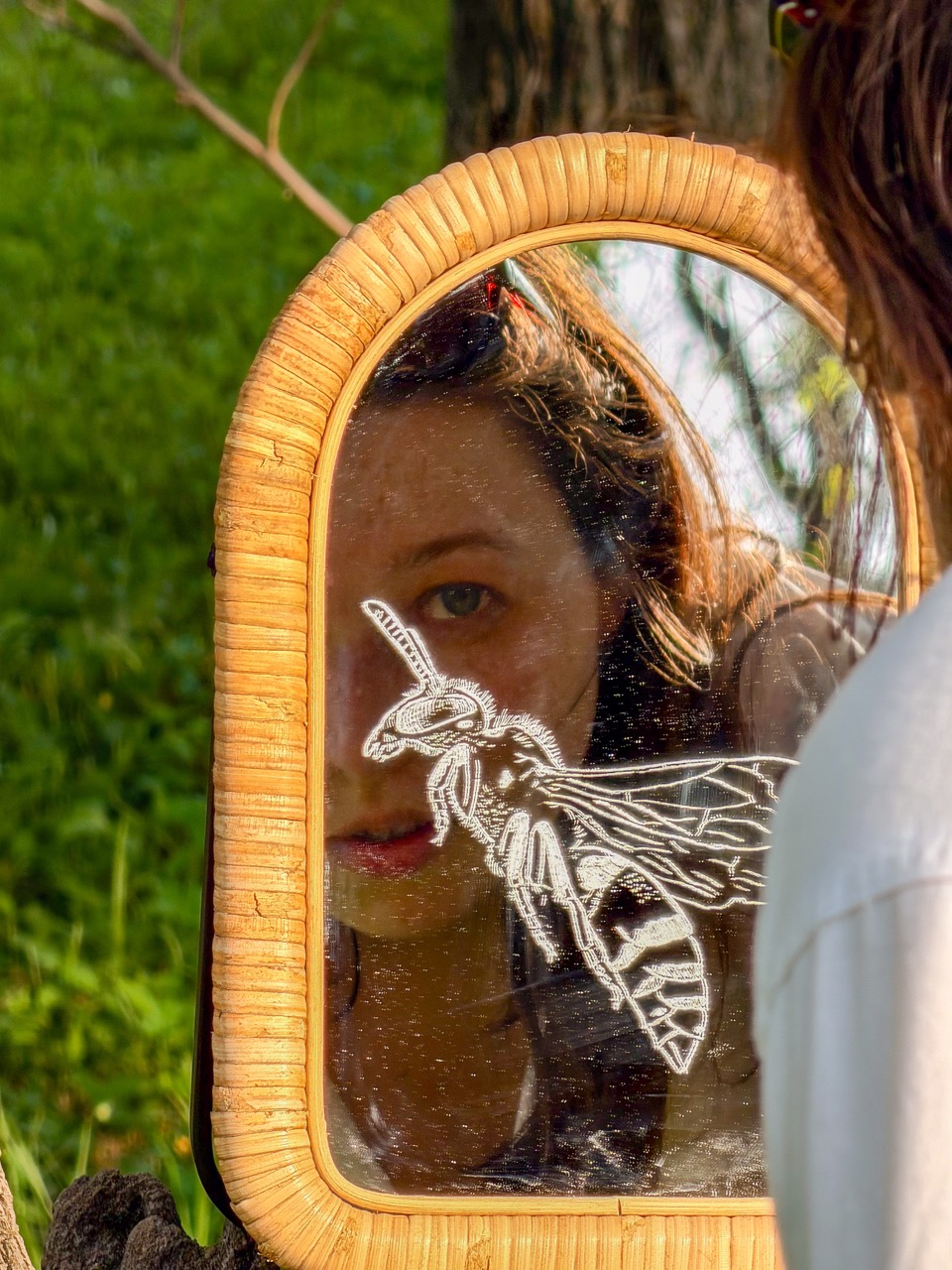
My plan became to acquire a wide array of different styles of mirrors. All of these would be thrifted, secondhand or recycled to emphasise the ideas of environmental consciousness and care towards the environment that the project centres around. By taking discarded materials and using illustration to create enticing and unique pieces of art, I would also elevate the disliked species before the eyes of the audience. I engraved the mirrors with a precise rotary tool, and in each I would design a composition for a different disliked animal. I would then host an exhibition and highlight the connection between the animal and the viewer, prompting understanding and showcasing the link that is already there.
Serving as the perfect metaphor for non-anthropocentrism, it asks the viewer to not only see themselves, but see what else is there with them and reflect on their relationship with the animals that inhabit the same space.
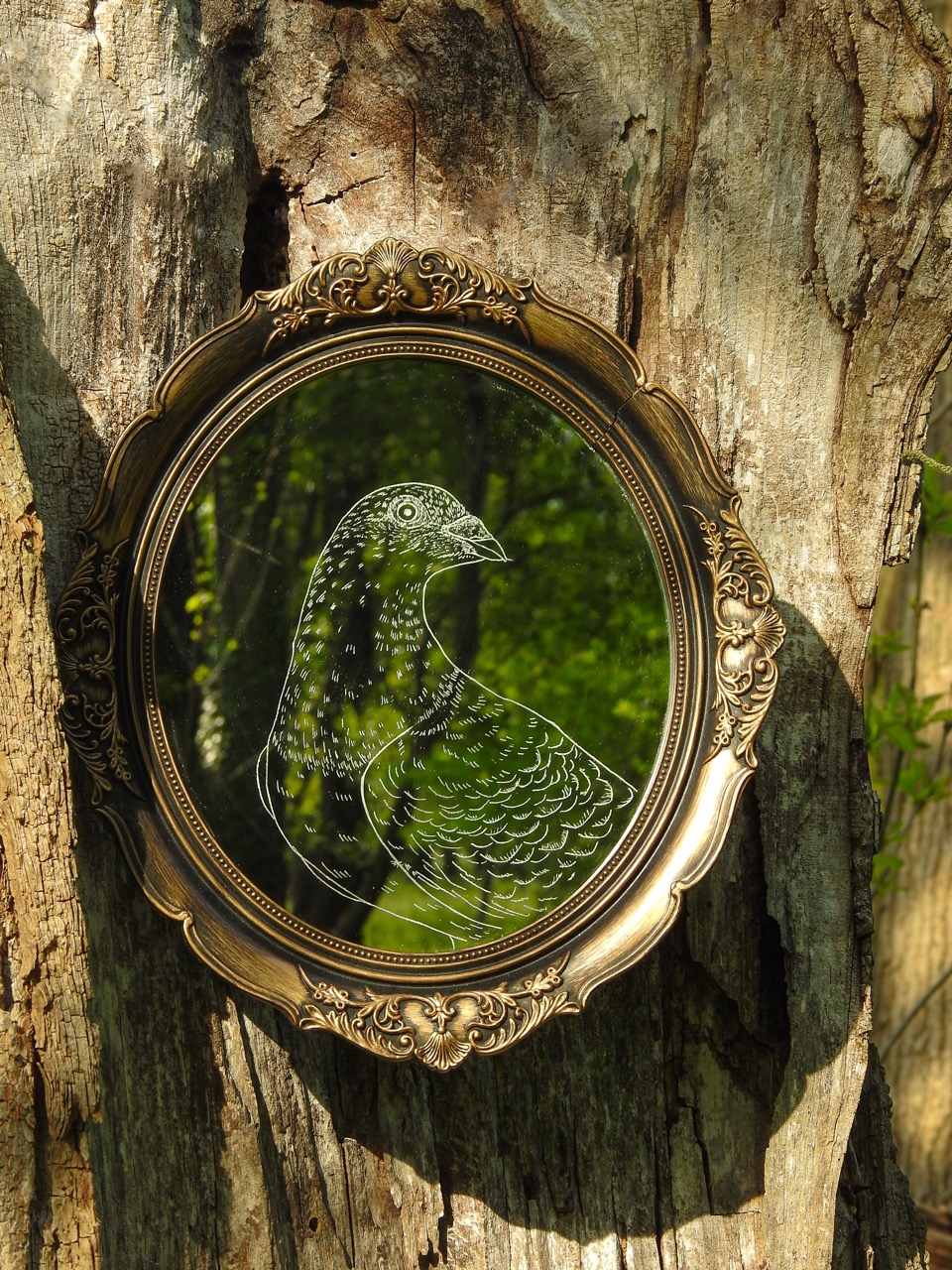
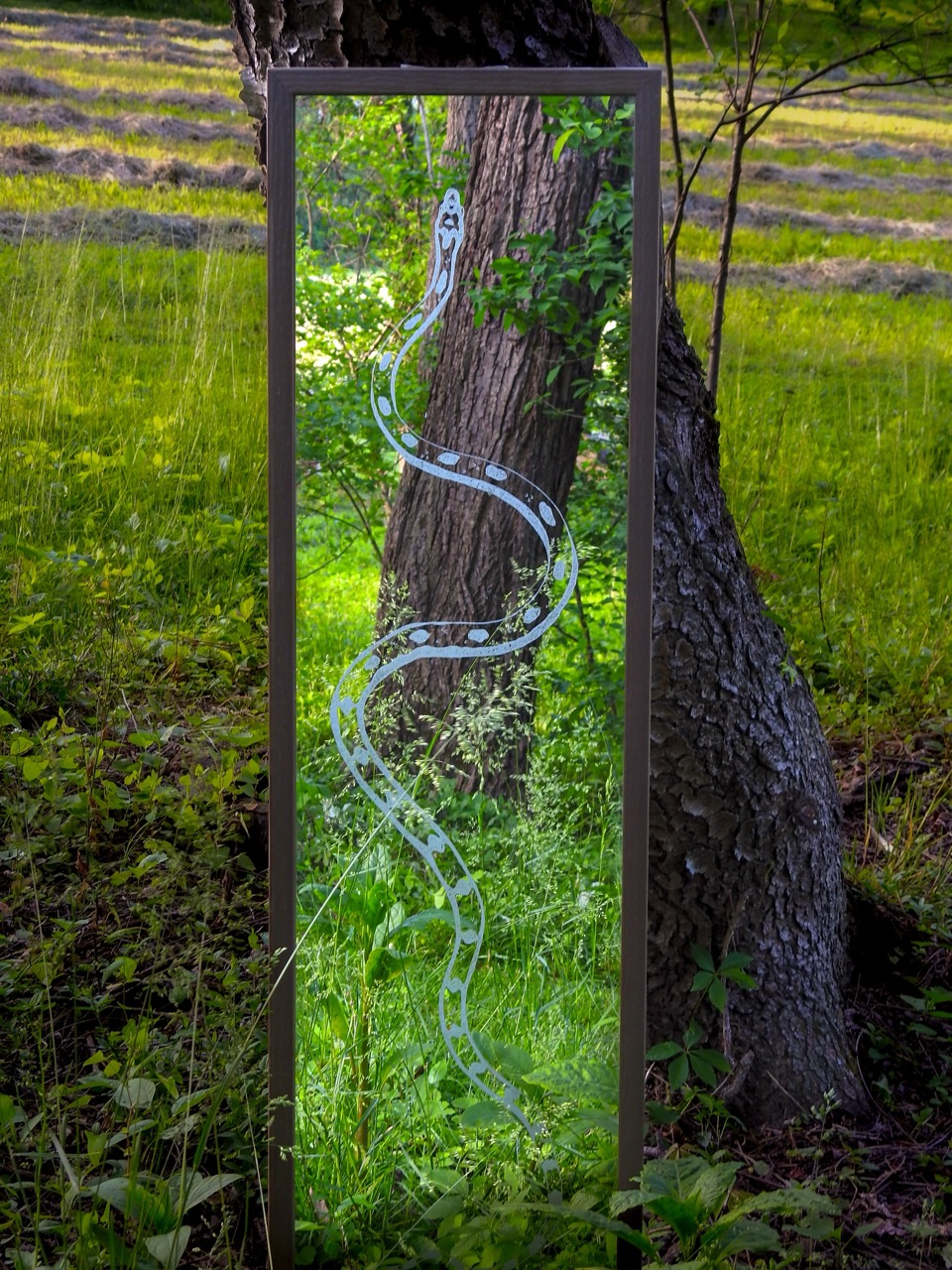
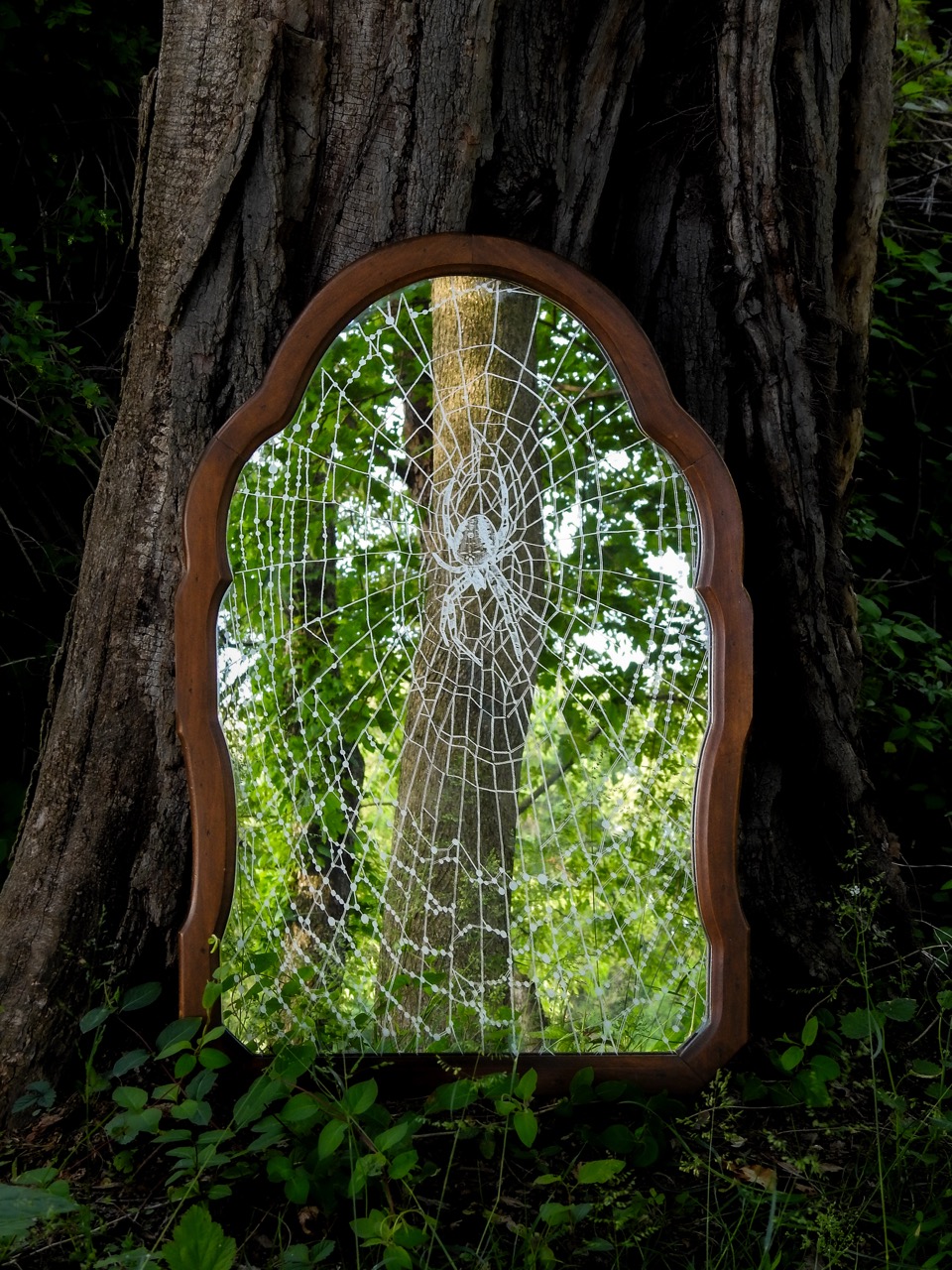
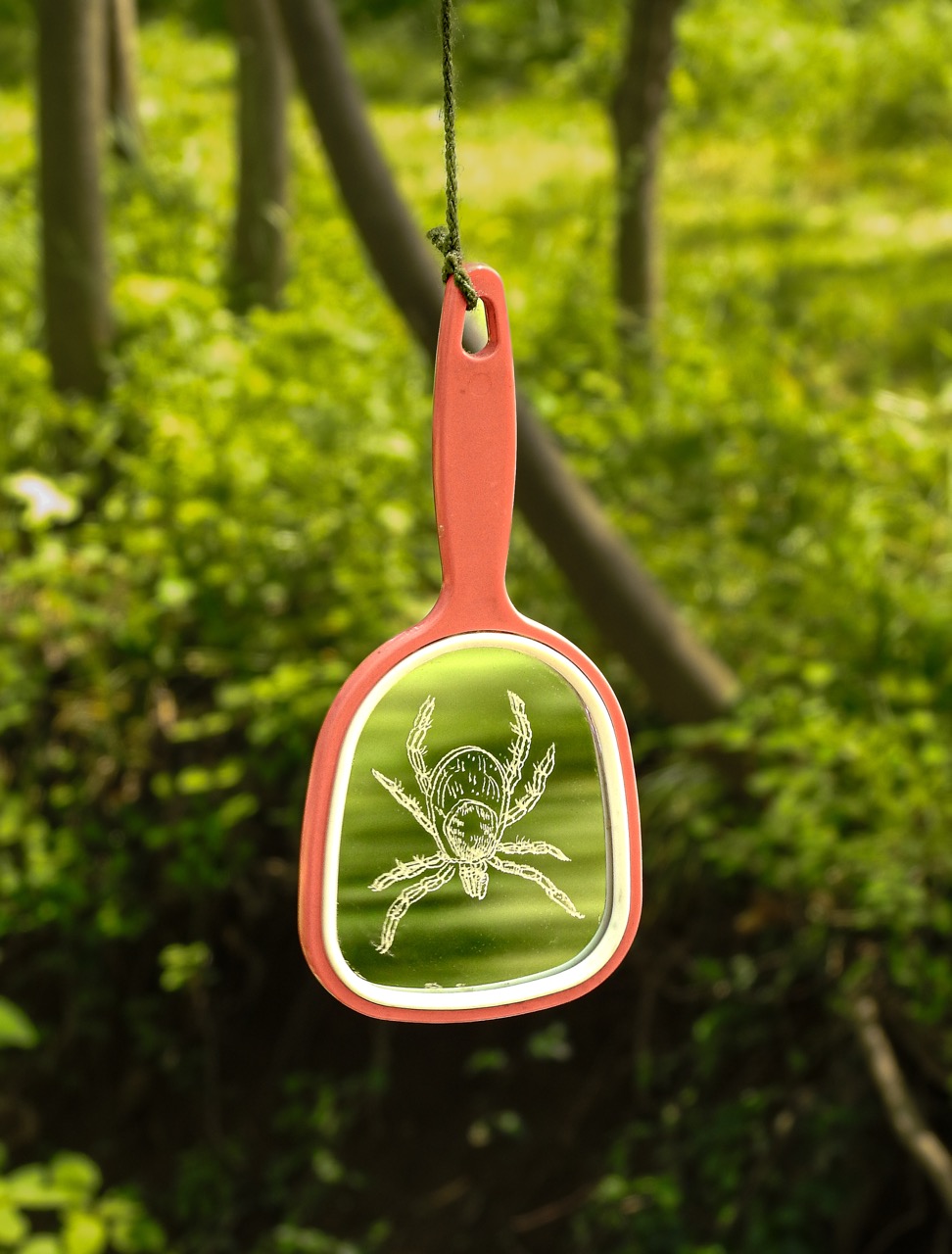
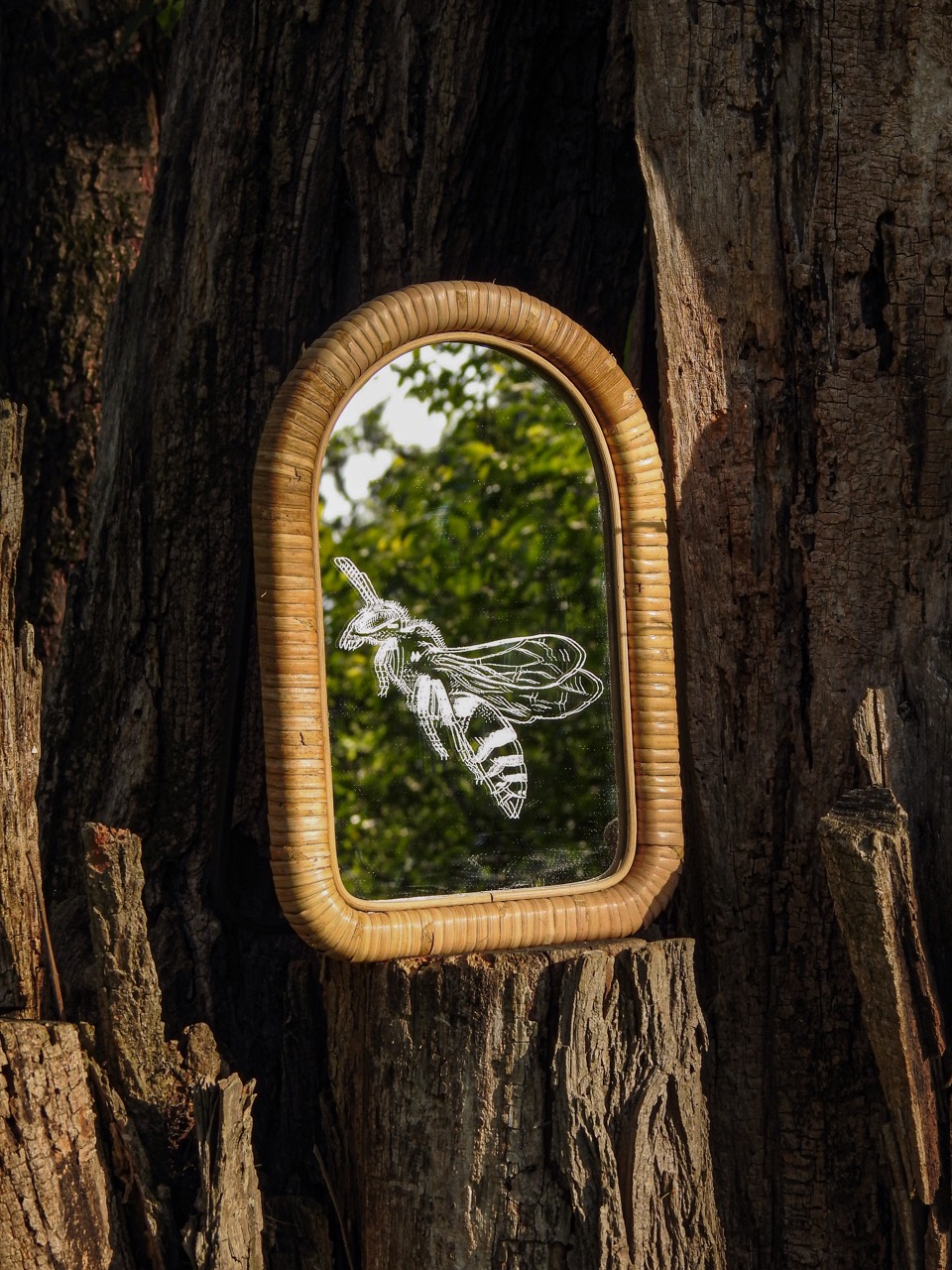
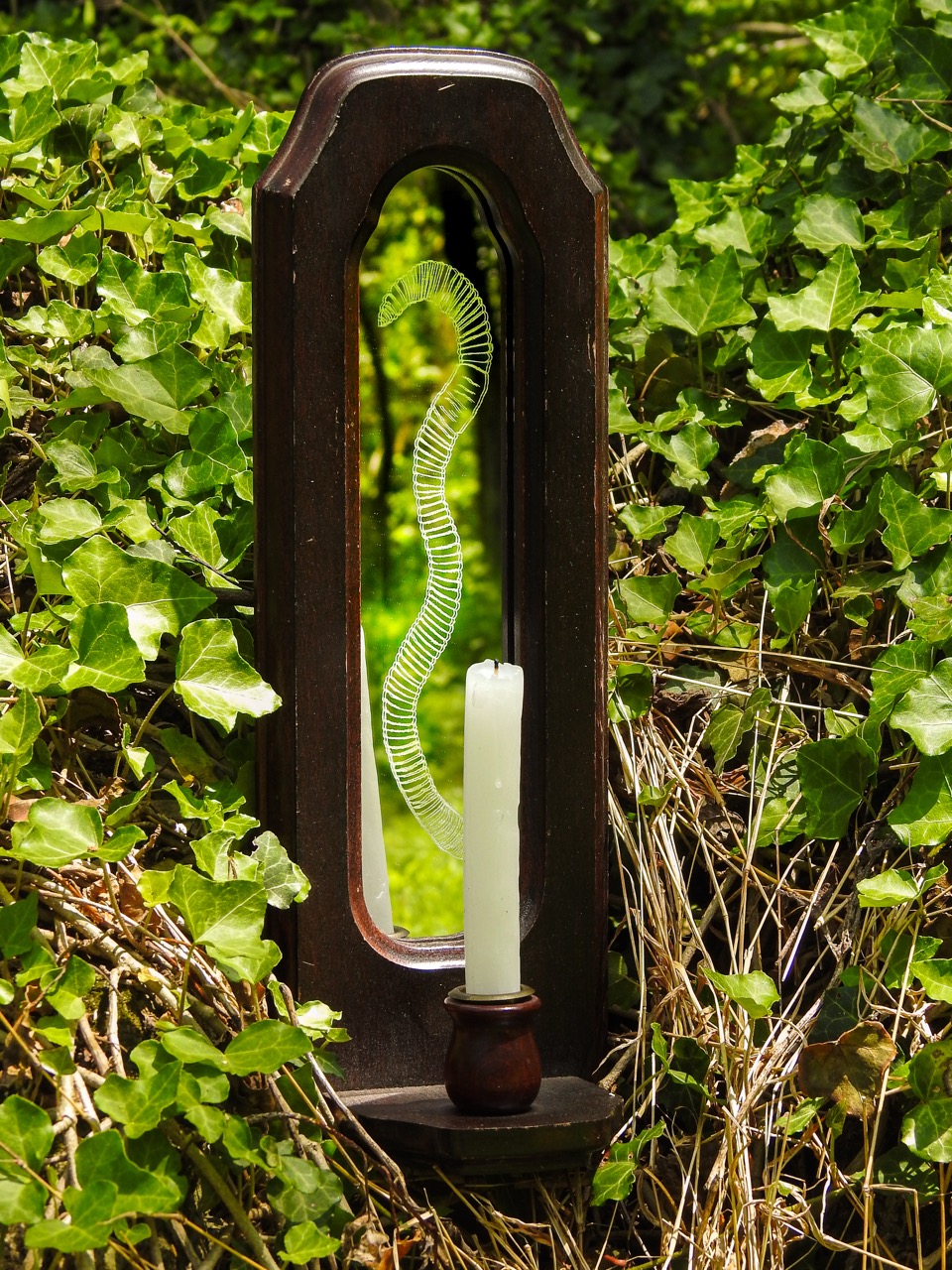
Mirrors were set up in a woodland setting, so each piece felt like a magical and special encounter. The goal was to present a gift rather than a lecture or admonishment, to re-frame encounters with any wildlife as something that can make your own life brighter. To learn to see how much there is to see and be all the better for it.
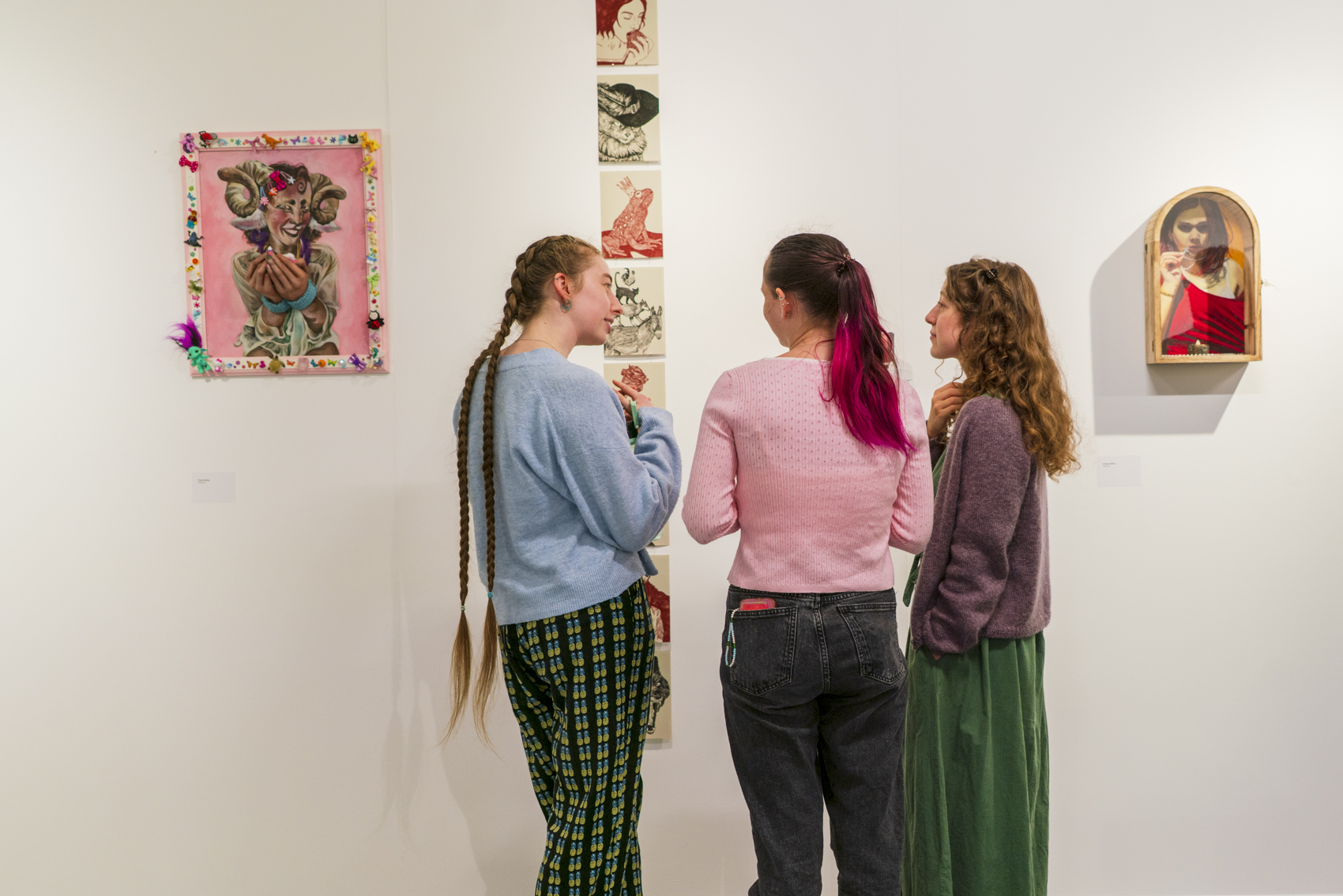
Overall, audience members agreed that seeing these animals in the context that they would naturally be encountered helped reframe their own internal biases on how those meetings could/should go. By presenting the exhibition almost like a scavenger hunt, I recreated the experience of walking amongst the woods and seeing native fauna. By making the reward finding the carefully constructed artefact glistening in the sun, I presented the animals as wonderful and special. I believe the natural setting helped get this point across more than could have been achieved in a traditional gallery setting, as it prompted more time spent considering and analysing each piece that was encountered by the viewer.
I believe this project accomplished what it set out to do by being in line with my own creative practice. It was inspired and guided by contemporary and historical artists and cultural fields, involving a lot of experimentation and focusing on the most fruitful directions and paths, as well as tackling original ideas and using illustrations for new concepts. Ultimately, it presents unpopular animal species positively in a manner that encourages the rethinking of biases and changes in perception and future behaviour in audiences.
When tackling new projects, I will now know how crucial it is to consider intention, audience, process and my own voice as an artist and scientist. AUB’s MA Illustration (Online) program has allowed for a lot of creation and fine-tuning of techniques, but the most valuable takeaway was in learning how to think and create as a conscientious and informed illustrator.
Since graduating this summer, I’ve landed a position as a substitute teacher, as well as a paid illustration internship with the Xerxes Society for Invertebrate Conservation.