








- Home
- Student Stories
- Hooke Park – a week with an artist
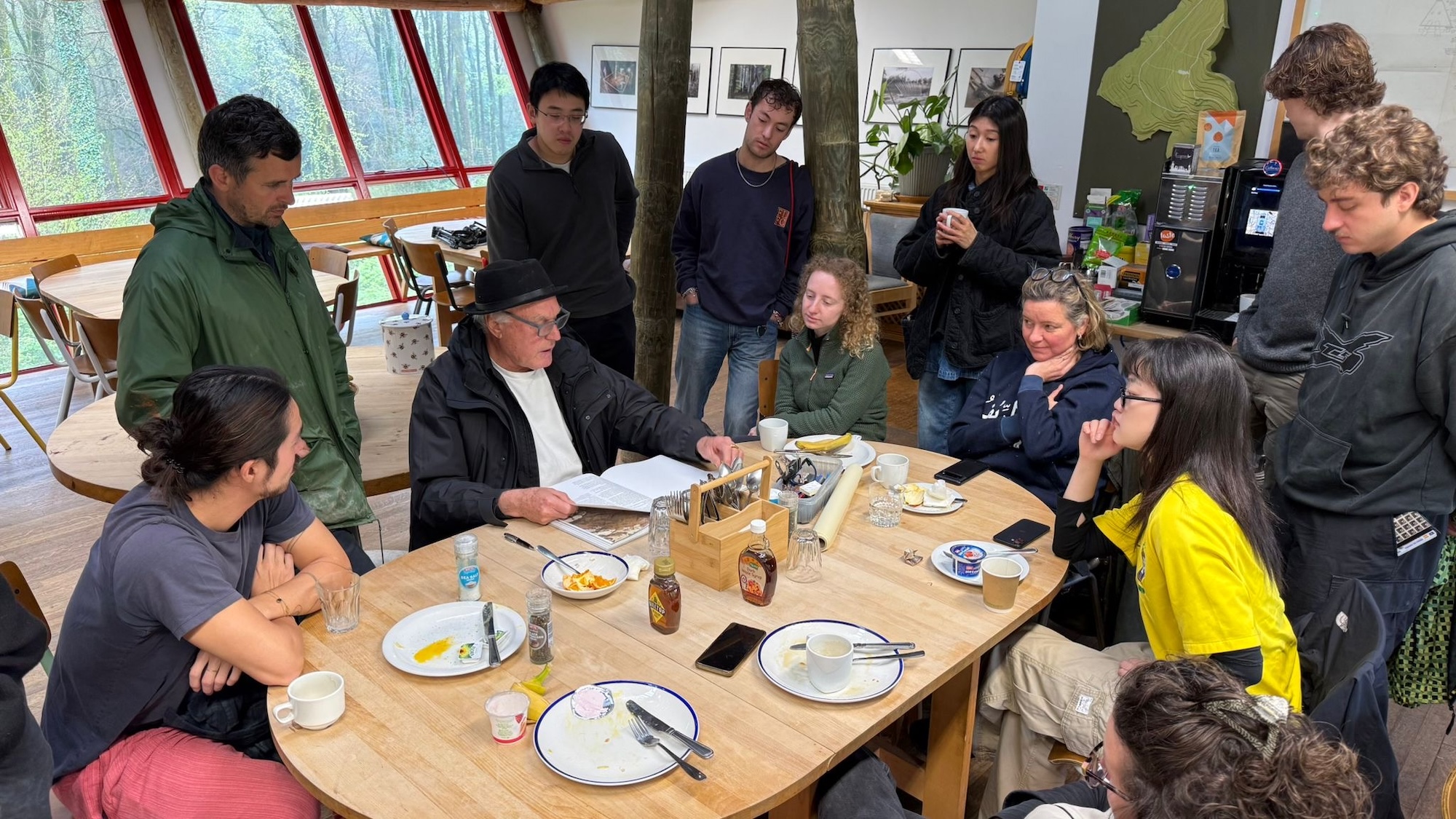
Through the Master of Architecture course at AUB, I had the opportunity to spend a week at Hooke Park, the Architectural Association’s woodland campus in Dorset, taking part in a residency led by Swiss artist and sculptor Not Vital.
Known for work at the intersection of architecture and art, he builds site-responsive structures that reflect both the local communities and the natural rhythms of their landscape. Living a nomadic lifestyle sees him divide his work across multiple international studios in Beijing, Rio de Janeiro and Sent.
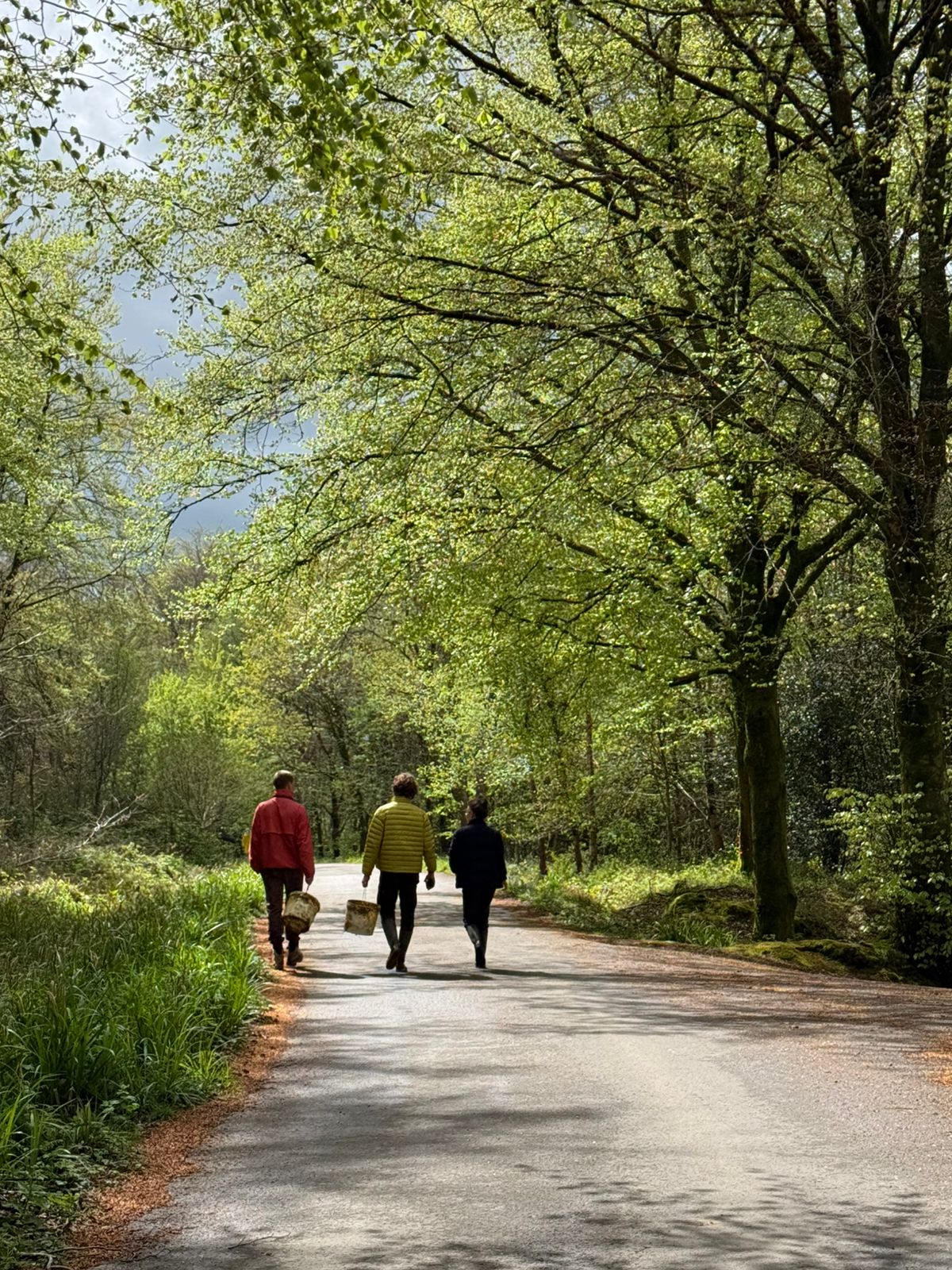
I joined roughly 10 other creatives from across the globe, spanning different backgrounds and career stages. Throughout the week, Not Vital guided us through a series of activities and exercises with a focus on an earth-bound approach to structure. His intuitive, open-ended approach gave us room to respond to the stimulus in unique ways, yielding fantastic and unexpected results.
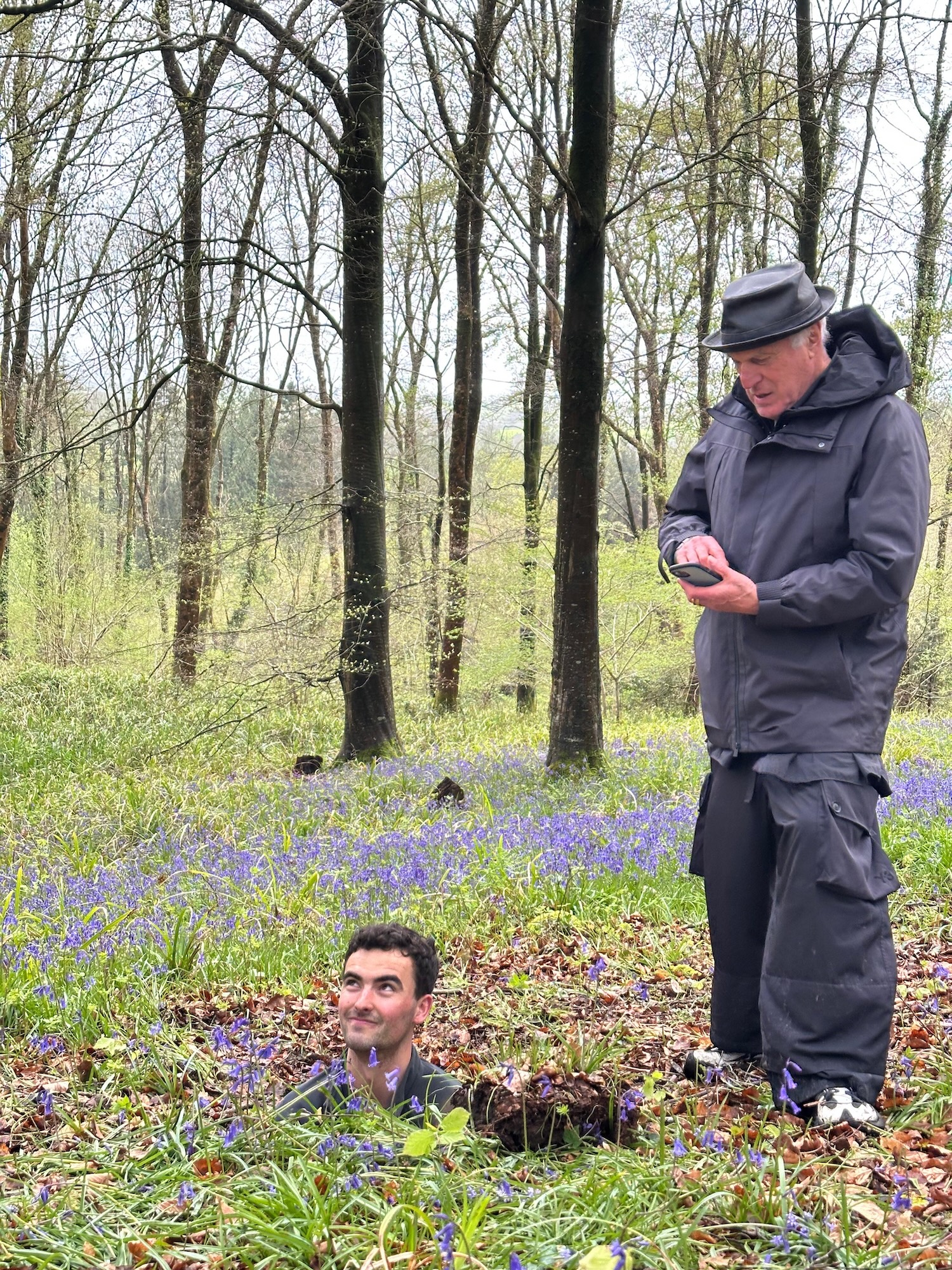
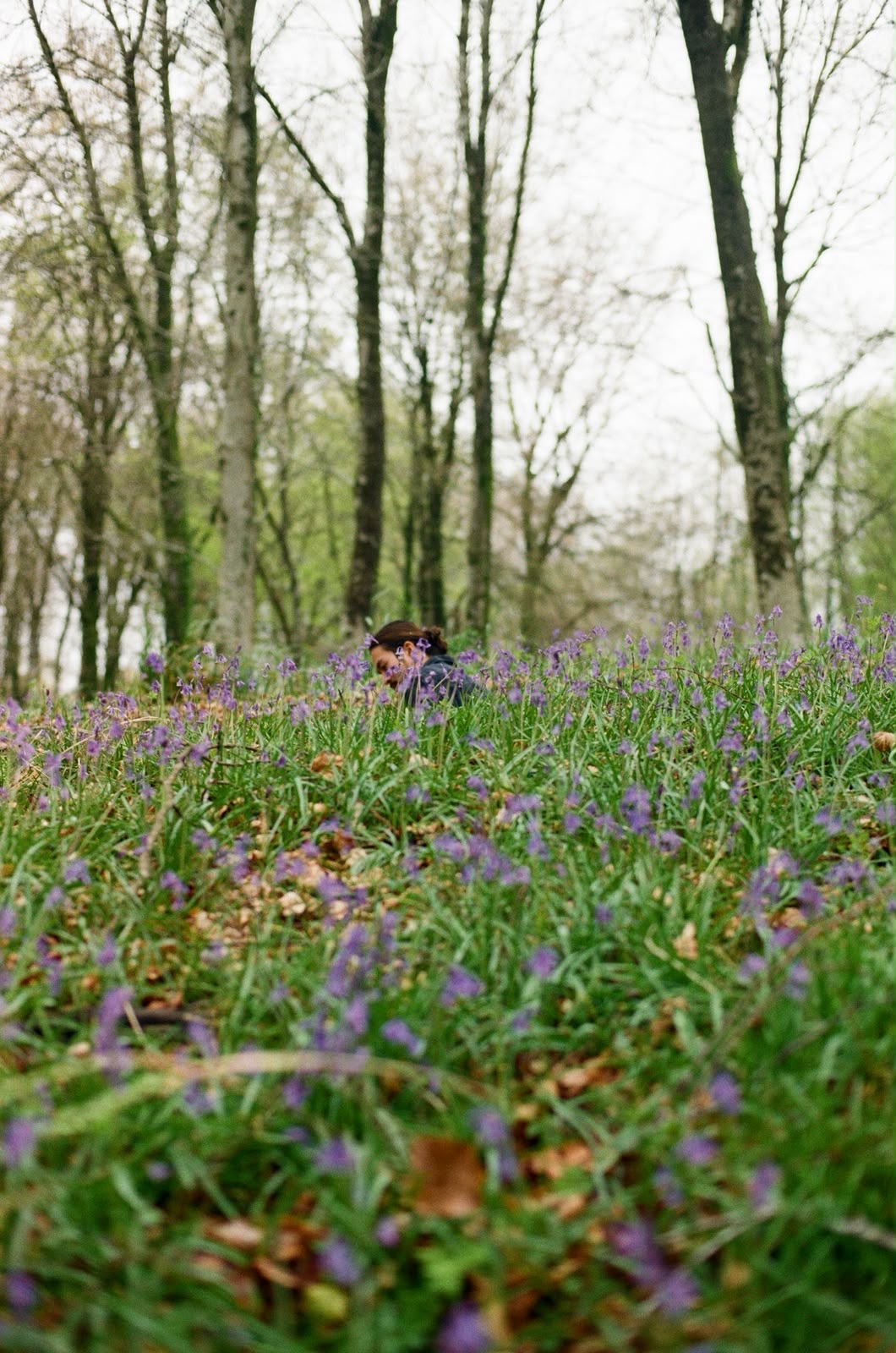
In one intervention, a number of us were half-buried in the soil, experiencing a literal, visceral connection to the land that reframed my perspective to match that of the surrounding fauna. An experience that was uncomfortable at first, but then became remarkably grounding.
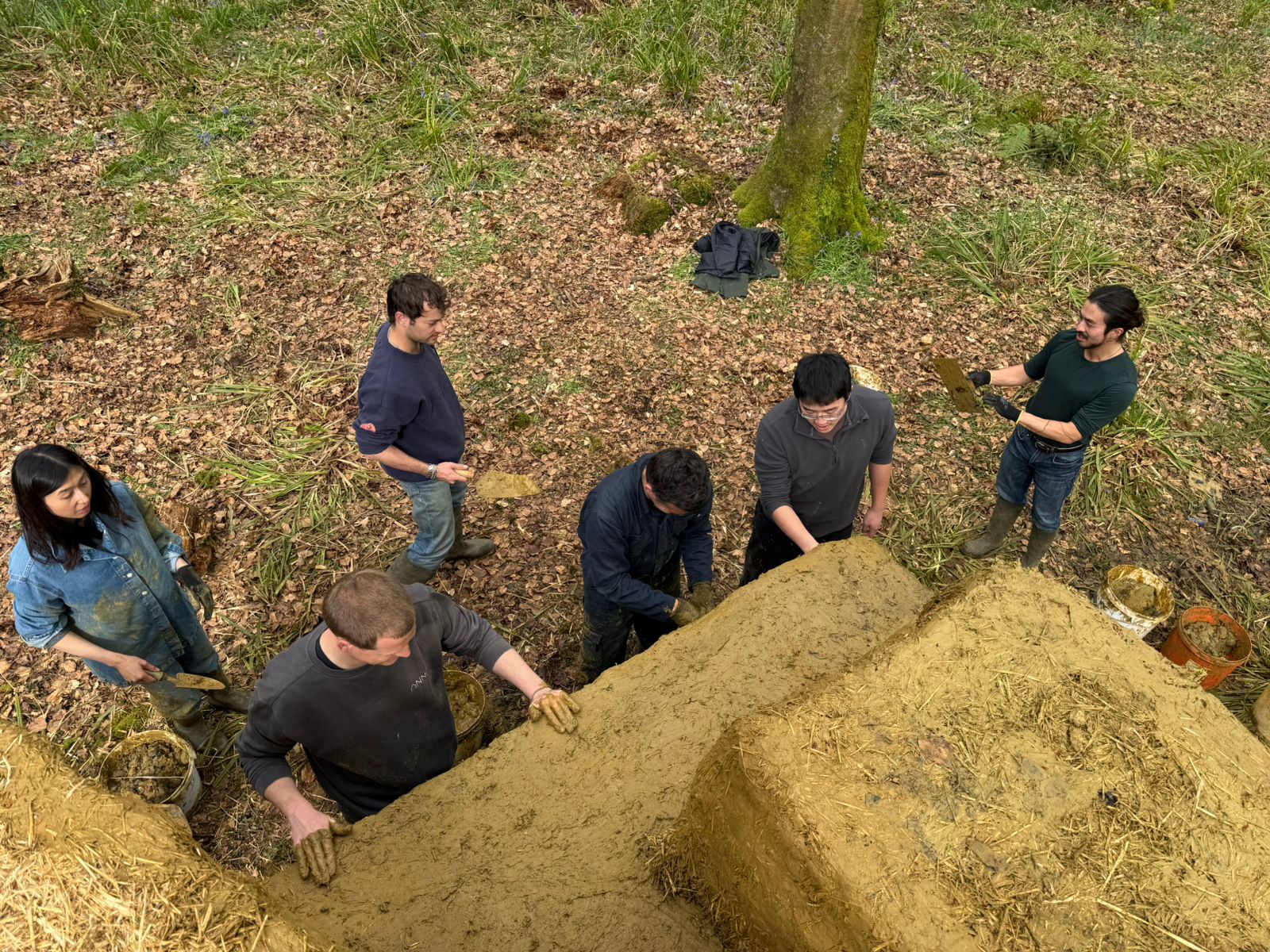
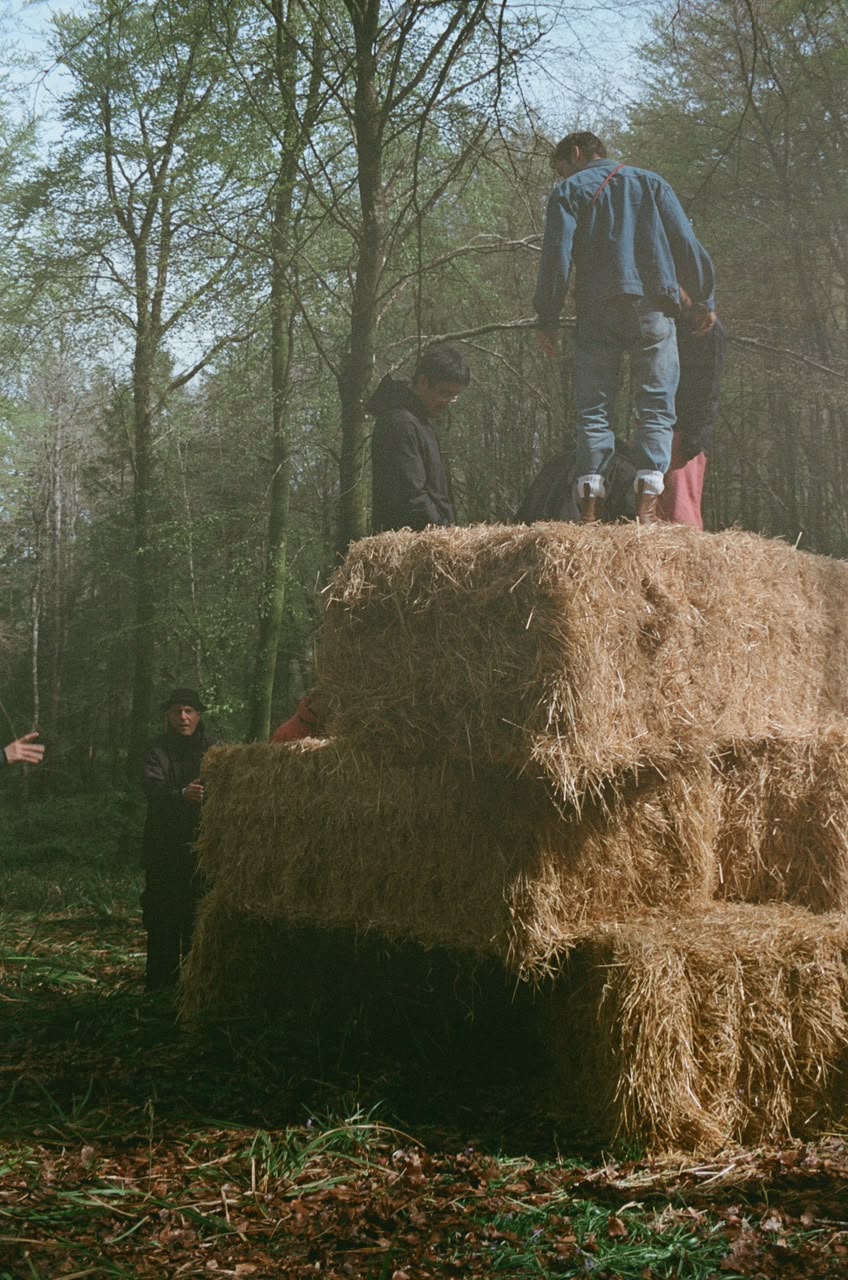
As a collective, for another intervention, we used straw bales and a natural render mixed from clay sourced on site and water to construct a temporary, organic structure within the woods, designed to weather, decay, and ultimately return to the earth over time.
We lived together on site as a group in a building called Westminster Lodge, which was designed by previous contributors and collaborators of the Hooke Park initiative, Edward Cullinan Architects, along with engineers Buro Happold. The building provides eight bedrooms clustered around a central communal living space fitted with a wood-burning stove.
This shared communal approach in both our work during the day and our living arrangements offered such a unique opportunity to connect with other like-minded creatives and real space for me to think about the direction in which I want to take my creative practice. I want to thank the University for supporting me with funding for this experience and for allowing me the time away from my regular schedule to take part.