













































- Home
- Student Stories
- From London to Bournemouth: How my appro...
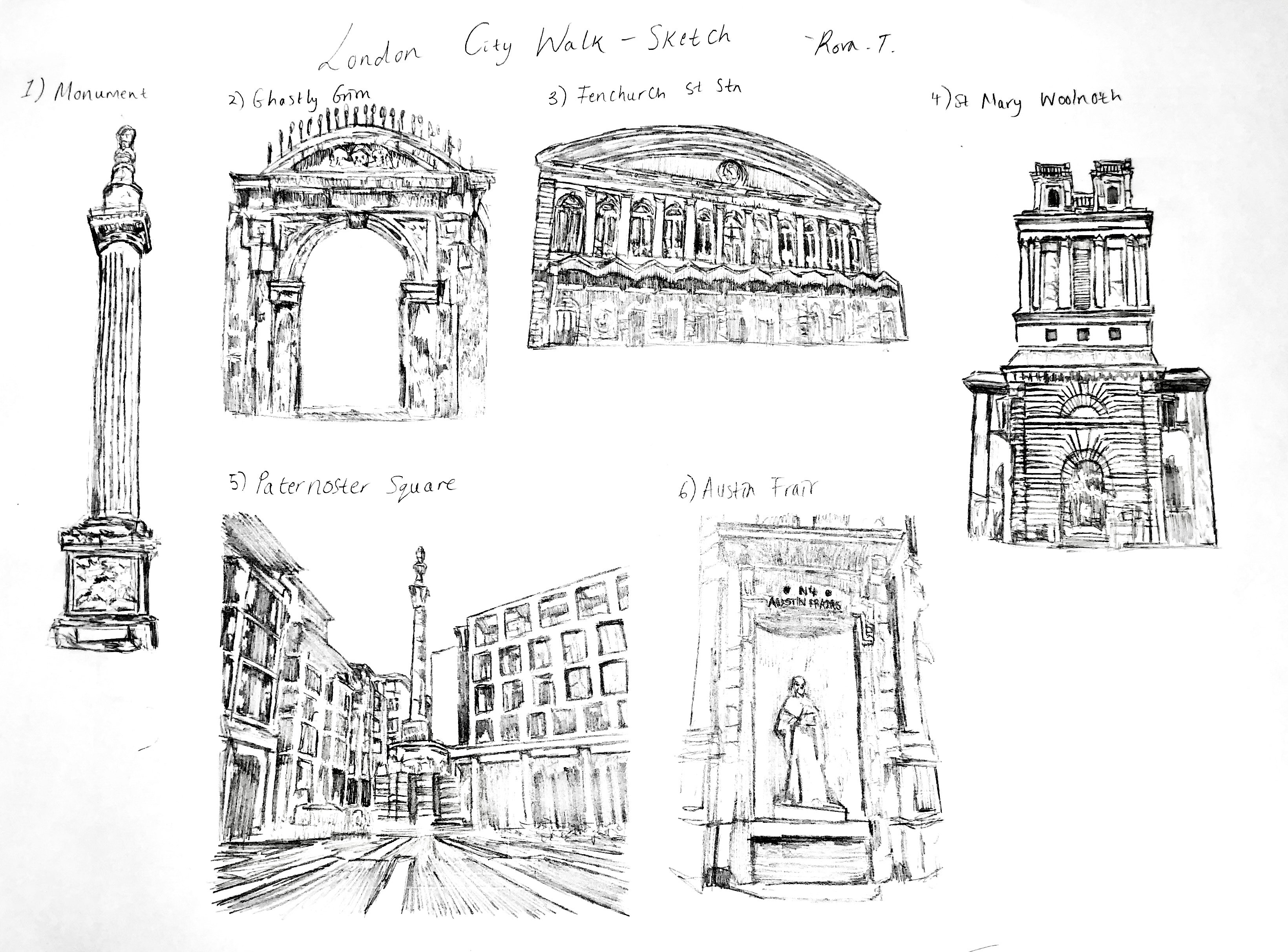
I started my architectural education in London, and that experience shaped the way I think, work, and respond to space in ways I didn’t fully understand at the time.
Studying in a city like London meant that architecture was never just something I encountered in studio, it was part of my everyday life. The city itself became an extension of my education. Every journey, every street, and every building contributed to how I began to understand space, scale and context.
University life in London was intense from the beginning. The pace of the city naturally carried into my studies. Long days in studio were often combined with long commutes, crowded public transport, and the constant background noise of the city. At times it felt overwhelming, but it also pushed me to become more independent and disciplined. I had to learn how to manage my time carefully and find focus within a fast-moving environment. That pressure, although challenging, helped me develop resilience and a strong work ethic.
What stood out most during my undergraduate experience was the constant exposure to architectural diversity. London offers a unique layering of history and contemporary design, where historic buildings sit alongside modern interventions. This contrast influenced how I began to think about context. I became more aware that architecture is not created in isolation, but as part of an existing urban fabric. My projects started to reflect this awareness, as I considered not just the building itself but how it interacted with its surroundings and the people using it.
Studio culture during Part 1 was also shaped by this environment. It was fast-paced and often competitive, with everyone working hard to develop their ideas. While this sometimes created pressure, it also encouraged growth. I learned the importance of iteration, feedback and persistence. Not every project was successful, but those moments of difficulty were often where I learned the most. I began to understand that architecture is as much about process as it is about final outcomes.
Moving to Bournemouth for my Master's marked a significant shift, both academically and personally. The contrast between London and Bournemouth was immediately noticeable. Where London was dense, loud and constantly active, Bournemouth felt open, calm, and slower in pace. At first, adjusting to this change was not easy. I was so used to the energy of the city that the quieter environment felt unfamiliar. However, over time, I began to appreciate the difference.
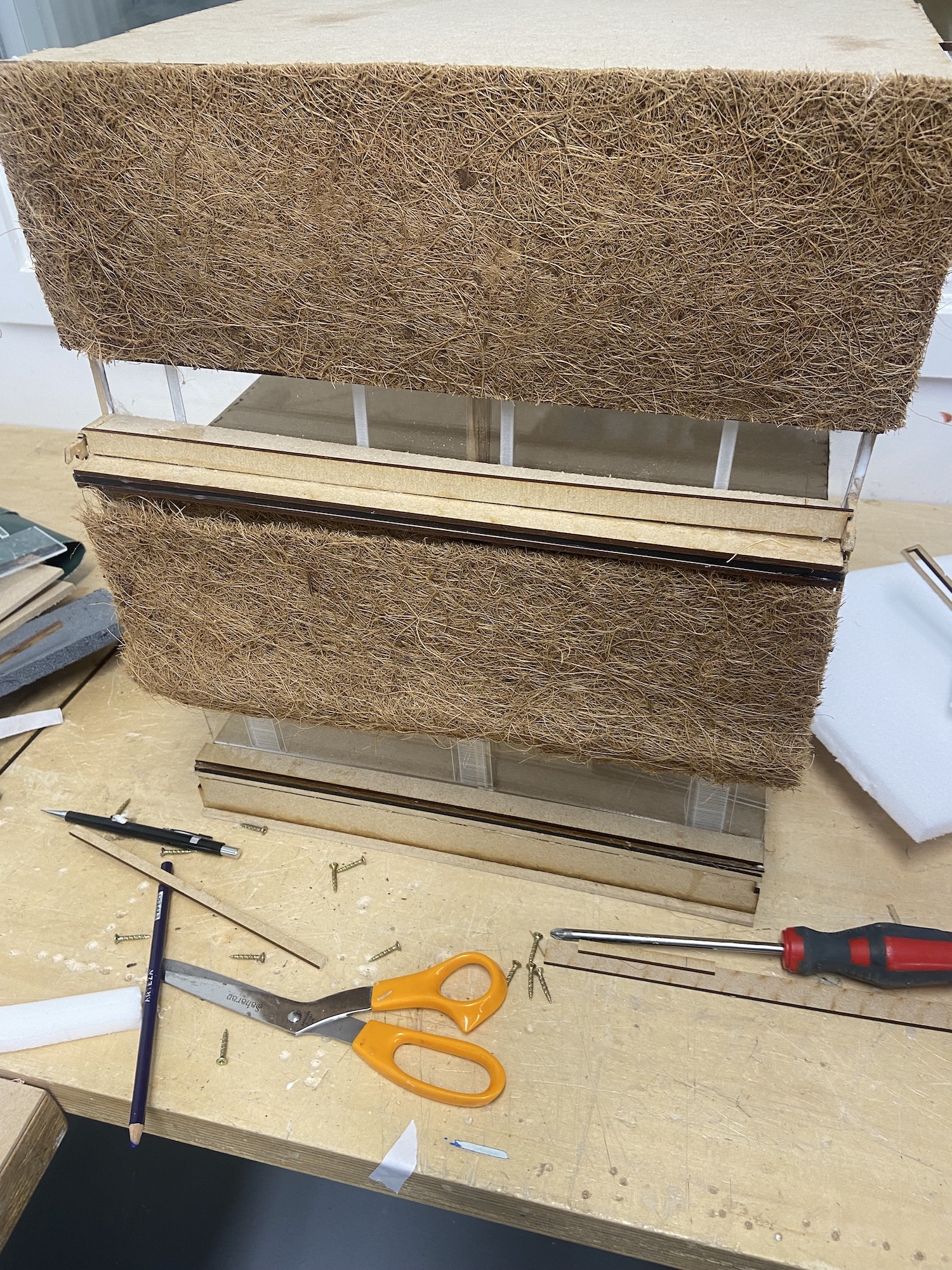
The slower pace of Bournemouth allowed me to approach my work in a more reflective and considered way. Without the same level of external distraction, I found it easier to focus on developing my ideas in depth. I had more time to think, test, and refine my designs rather than constantly reacting to deadlines and pressure. This shift has had a positive impact on the quality of my work and the way I approach design problems.
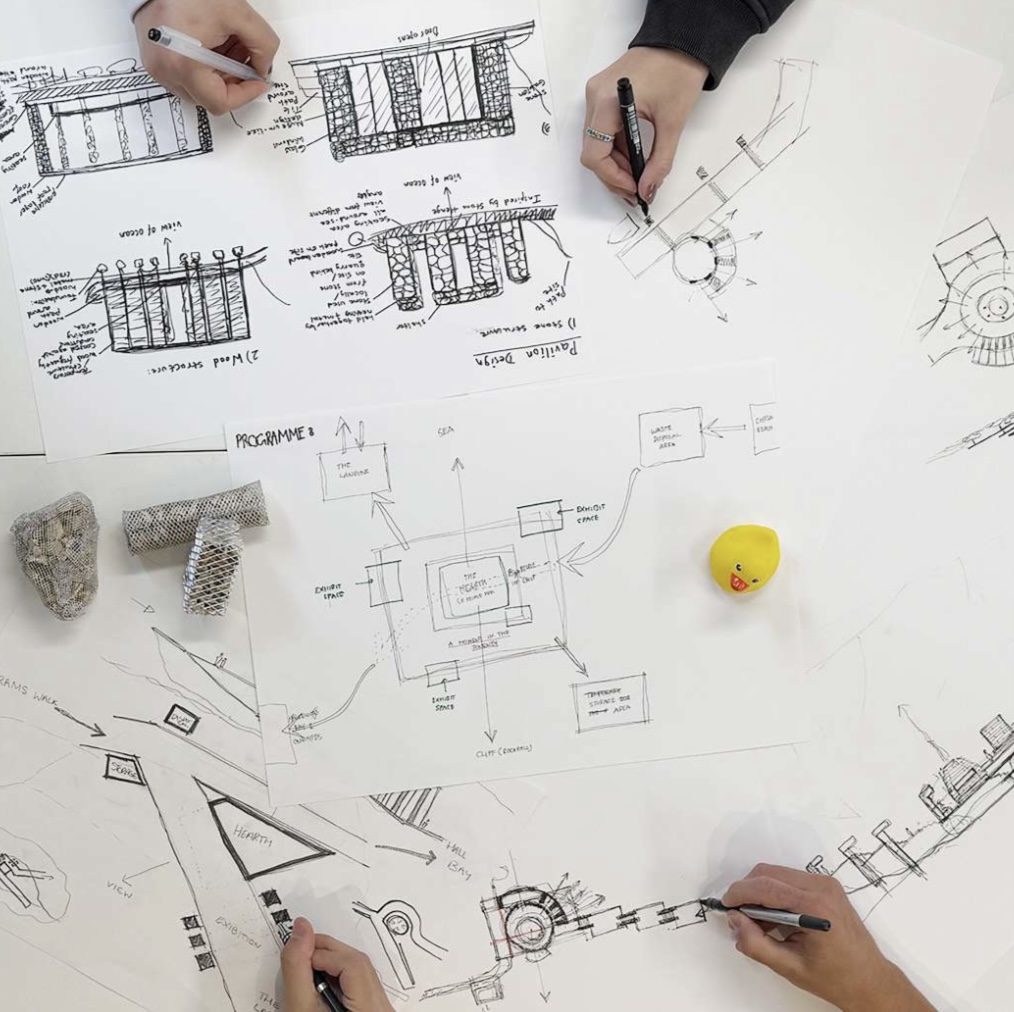

Academically, the transition from undergraduate to Master's also brought a change in expectations. There is a greater emphasis on independence, critical thinking, and self-direction. I am expected to take ownership of my projects and define my own areas of interest. This has been both challenging and rewarding. It has pushed me to become more confident in my decisions and to develop a clearer architectural voice.
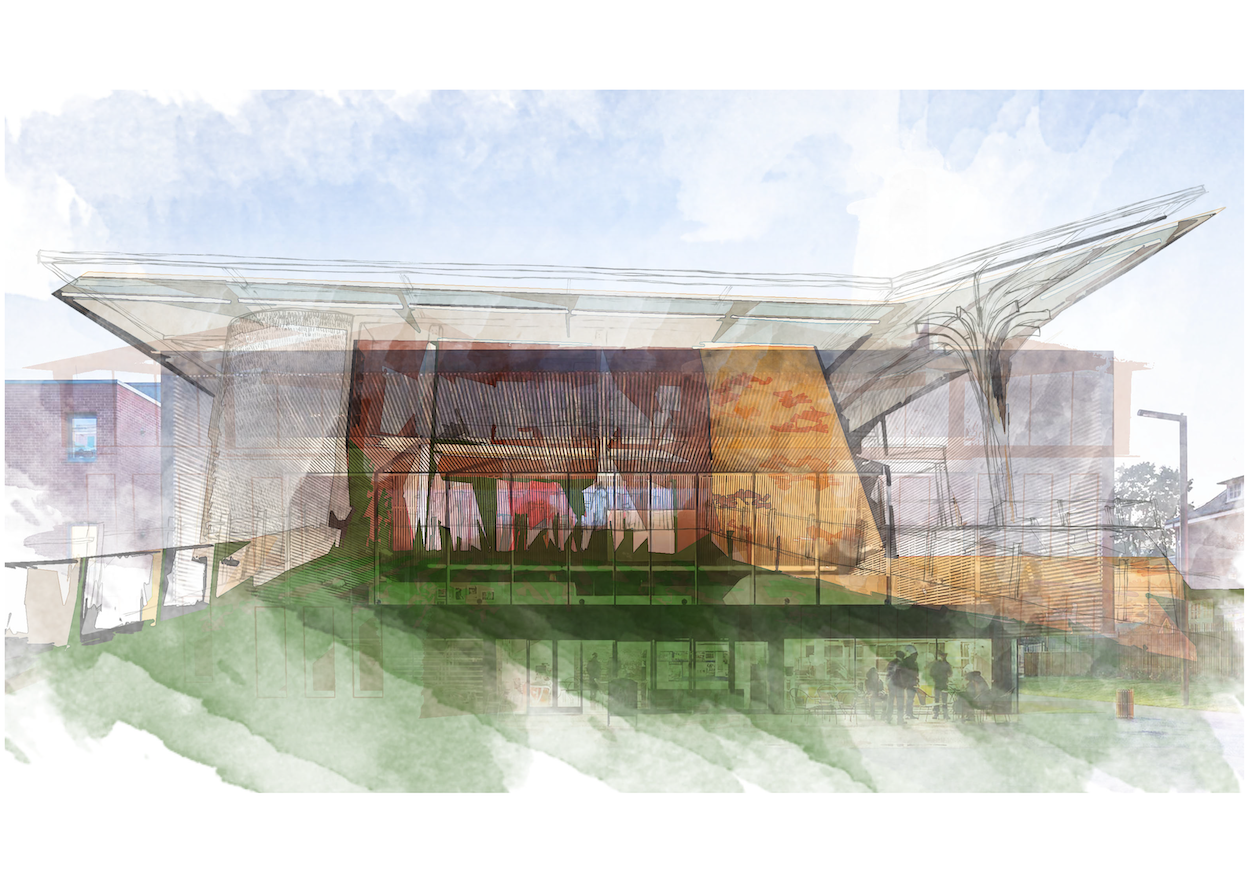
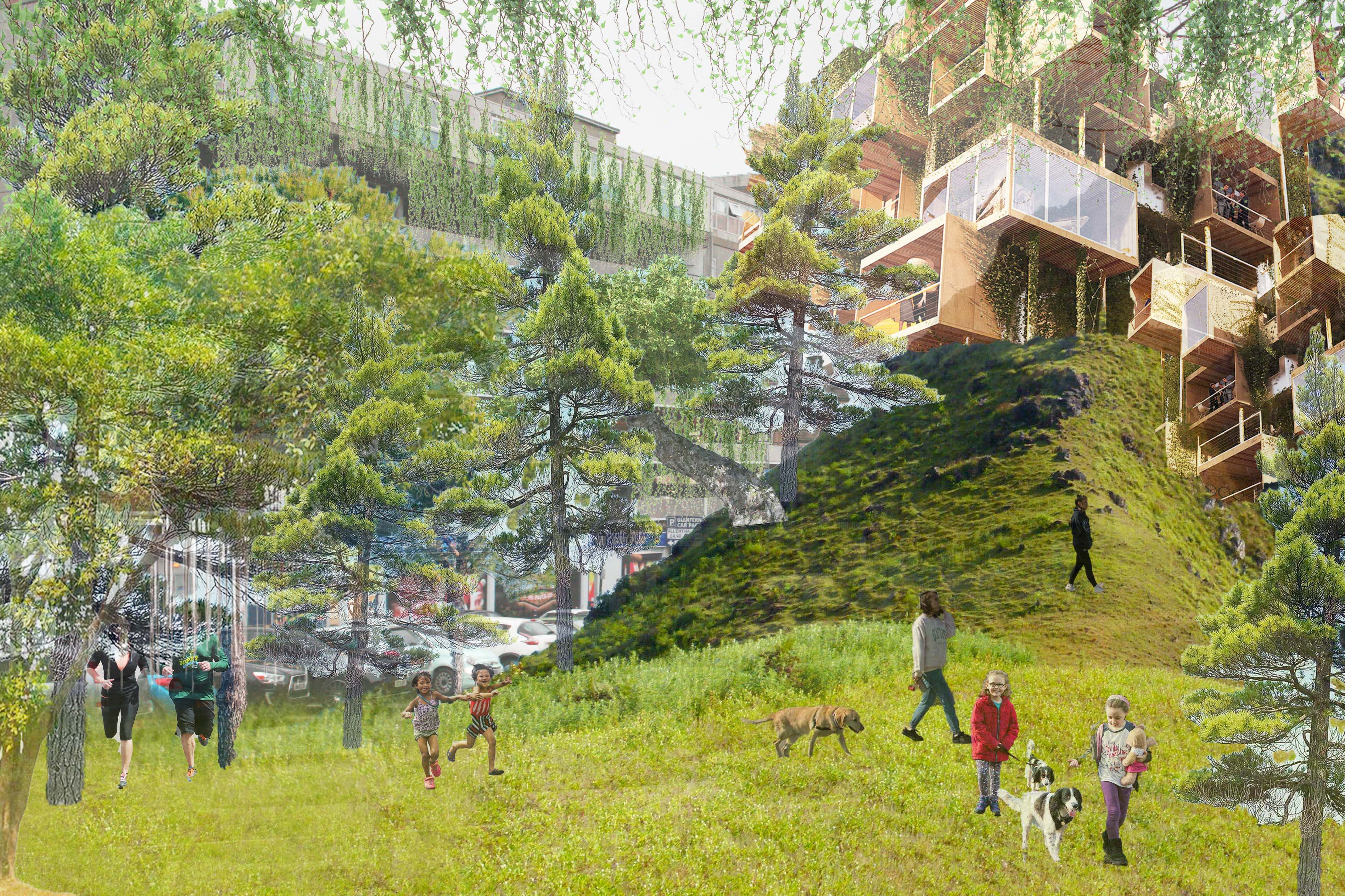
The environment in Bournemouth has also influenced my design approach. Being closer to natural landscapes has made me more aware of how architecture interacts with nature. My focus has shifted slightly from purely urban concerns to include atmosphere, materiality, environmental response and needs of the community. I have become more interested in how spaces feel and how they change over time, rather than just how they appear visually.
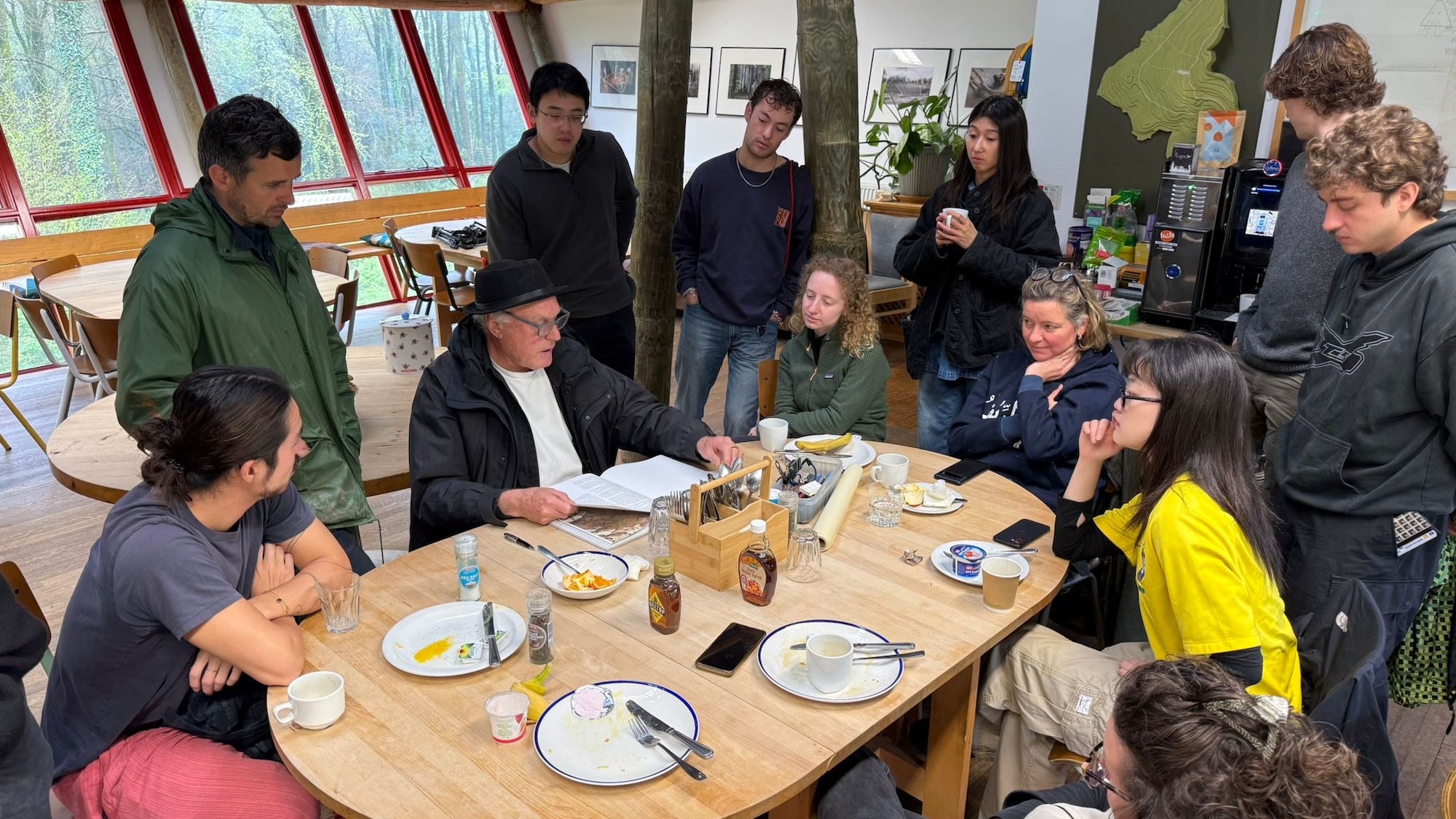
Another key difference has been the studio culture. Compared to the competitive atmosphere in London, Bournemouth feels more supportive and collaborative. There is still a strong work ethic, but there is less emphasis on comparison and more focus on individual development. This has allowed me to take more risks in my work and experiment with new ideas without the same fear of failure.
Socially, the experience has also changed. In London, it was easy to feel like part of a large system where meaningful connections could sometimes be limited. In Bournemouth, the smaller scale has created interactions that feel more personal, and this has contributed to a more balanced university experience.
Reflecting on both experiences, I can see how each environment has contributed to my development as an architecture student. London taught me how to work under pressure, respond to complexity, and draw inspiration from a dense urban context. Bournemouth has given me the space to reflect, explore, and develop my ideas in a more thoughtful and intentional way.
The transition between these two places has been one of the most valuable aspects of my education so far. It has made me more adaptable and more aware of how different environments influence the way I think and design. Rather than seeing them as opposites, I now see them as complementary experiences that have helped shape my approach to architecture.