







- Home
- Student Stories
- Graziella De Marco – Learning to ask bet...
When I started the MA Interior Design (Online) course, I was stepping into unfamiliar territory. My background had nothing to do with interior design. I was simply captivated by it. I spent hours scrolling through beautiful spaces online, saving images like little treasures, convinced I had a good eye. I thought interior design was mostly about appearances. Stylish lighting. Beautiful furniture. Nice colours. That was it.
The course quickly proved me wrong.
I learned that interior design is not just about how a space looks. It is about how it works, how it feels, how it changes over time, and how it affects the world around it. Suddenly, we were discussing adaptive reuse, sustainability, inclusivity, and material lifecycles. I remember sitting there thinking, this is much bigger than I expected. And infinitely more interesting.
One moment that stayed with me was during a sustainability lecture, when Mustafa Afşaroğlu introduced his project, Pit To Table, a material created from discarded olive pits. The idea was simple and brilliant. Take waste and turn it into surfaces. Circular design stopped being an abstract idea and became a practical reality. That lecture completely changed how I see materials. Before this course, I might have chosen a material because it looked right. Now, I find myself asking where it came from, who made it, how long it will last, and what will happen to it after.
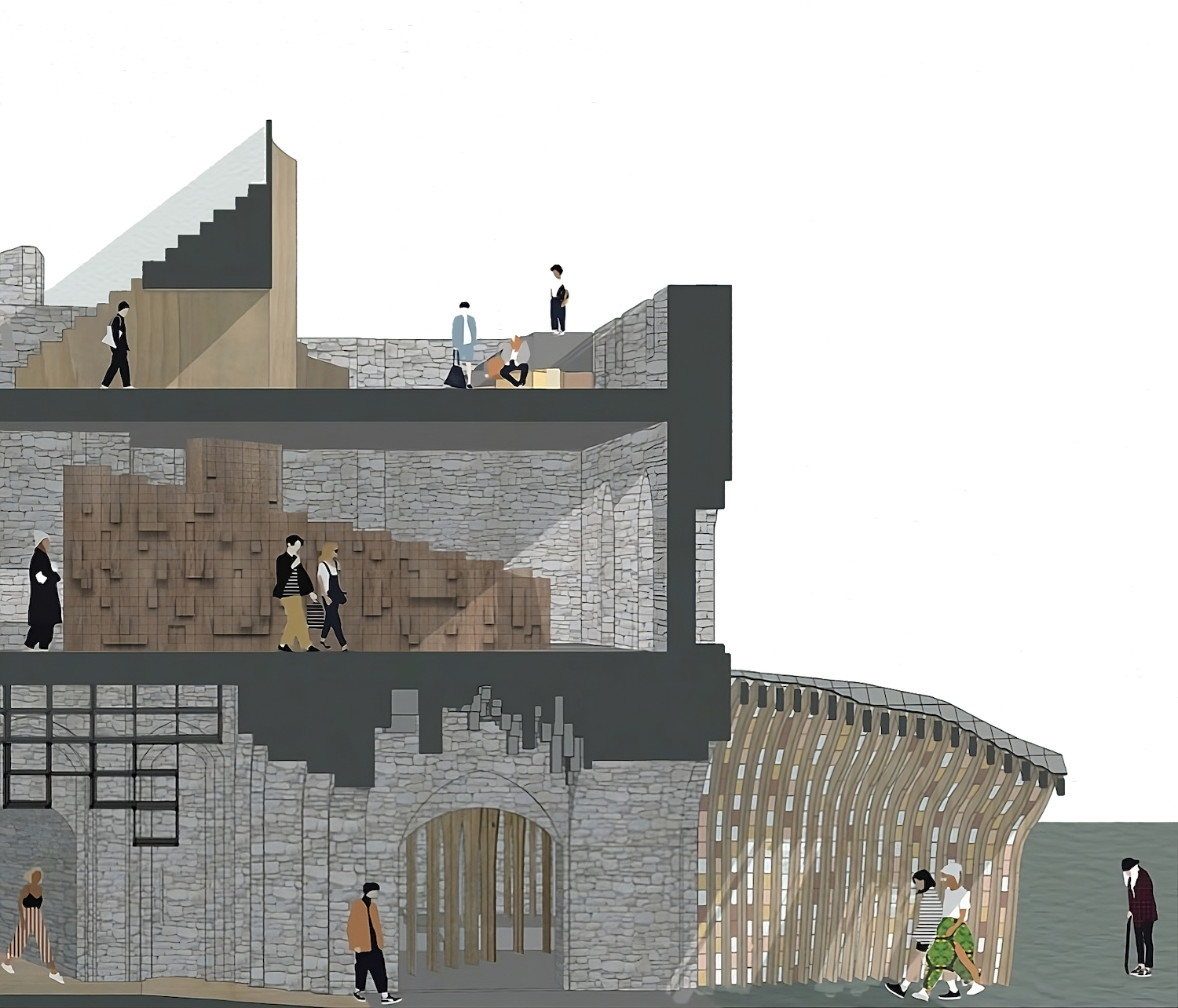
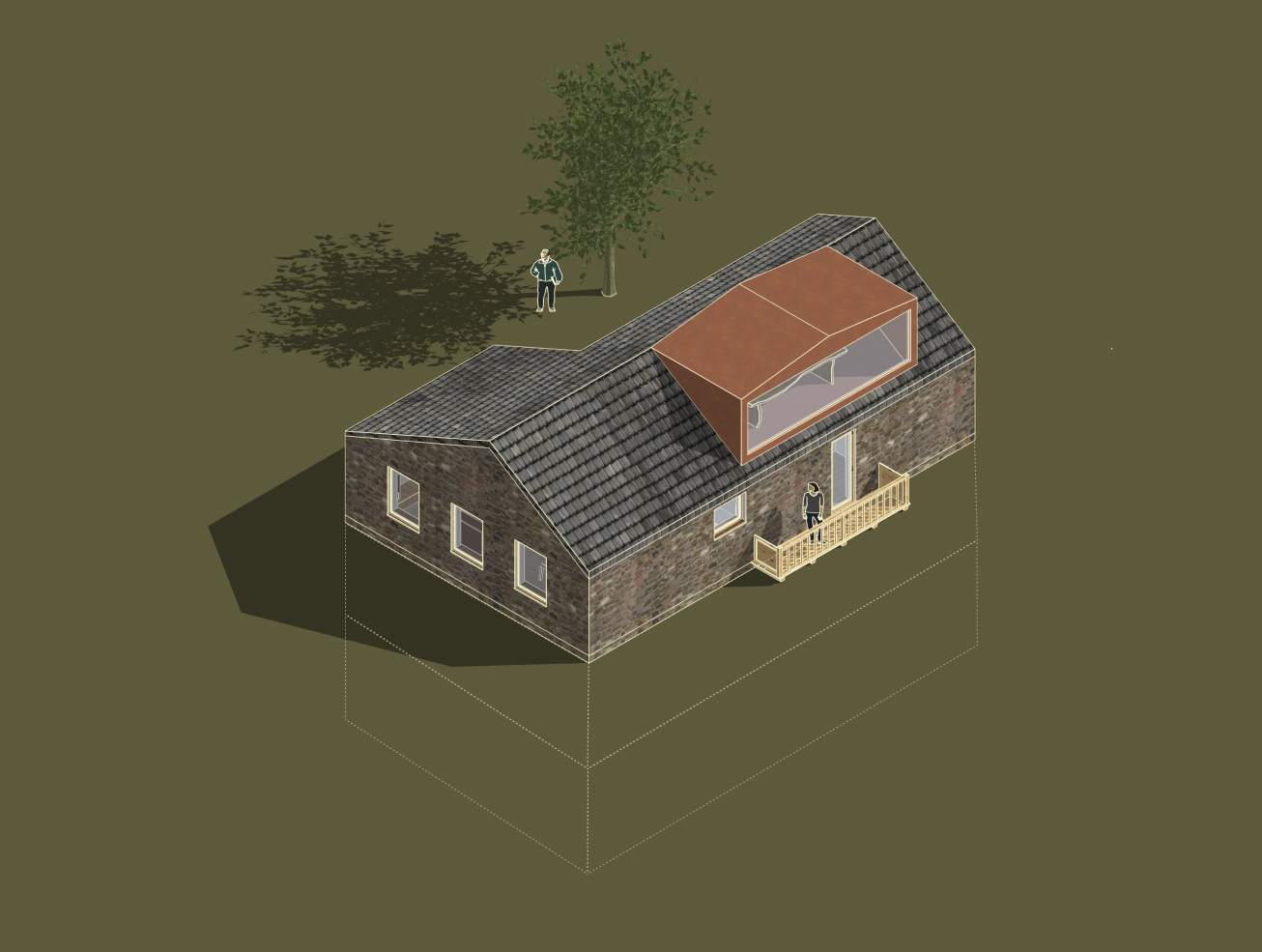
Another topic that became deeply important to me was adaptive reuse. I live in a small village in the Italian Alps, surrounded by old stone houses and former stables that are quite literally falling apart. I used to see these buildings as outdated, but the course changed my perspective, and I now see them as potential. Why demolish when you can reinterpret? Why erase when you can respond? The idea that design can protect memory while introducing something new felt meaningful to me.
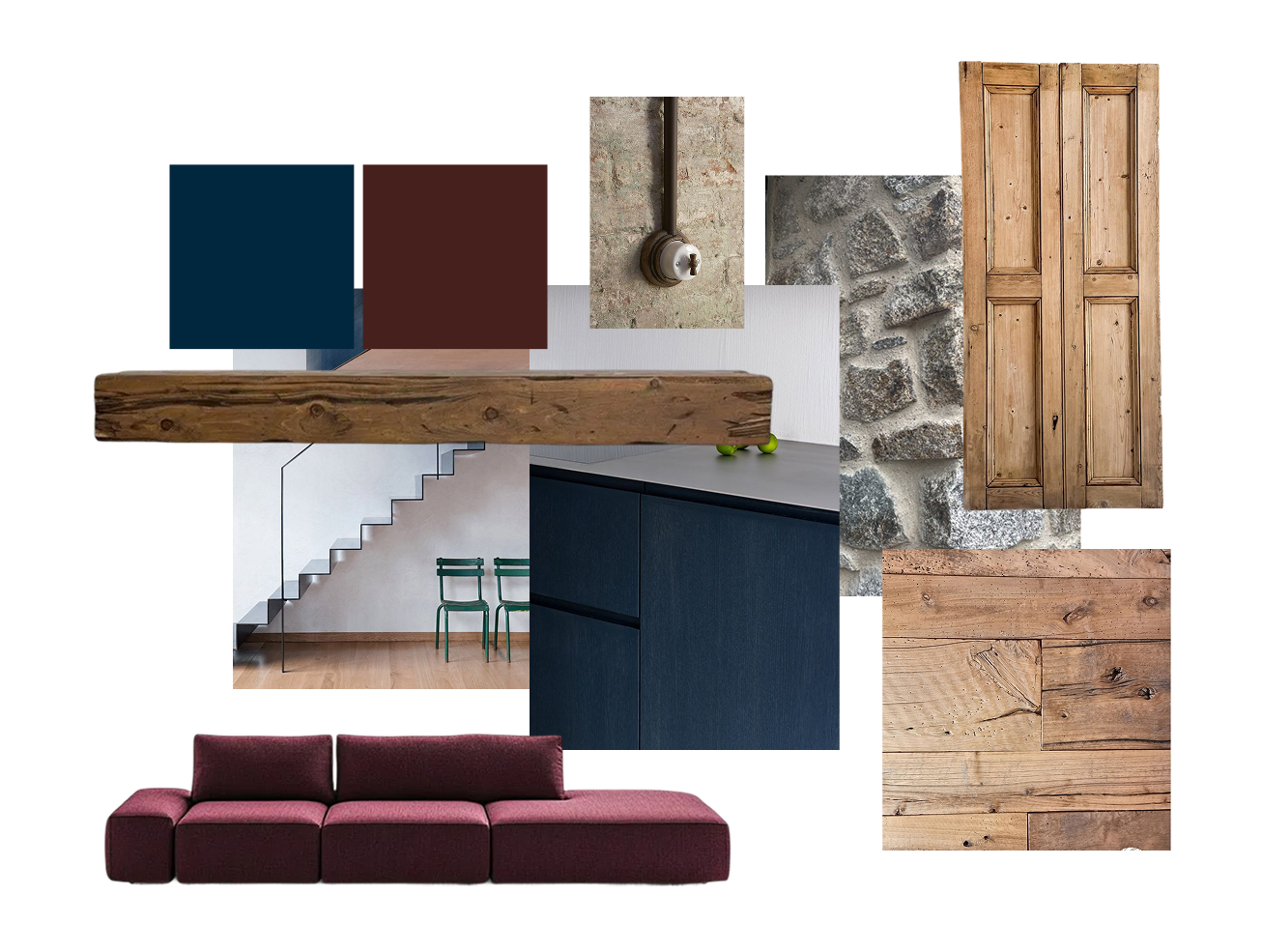
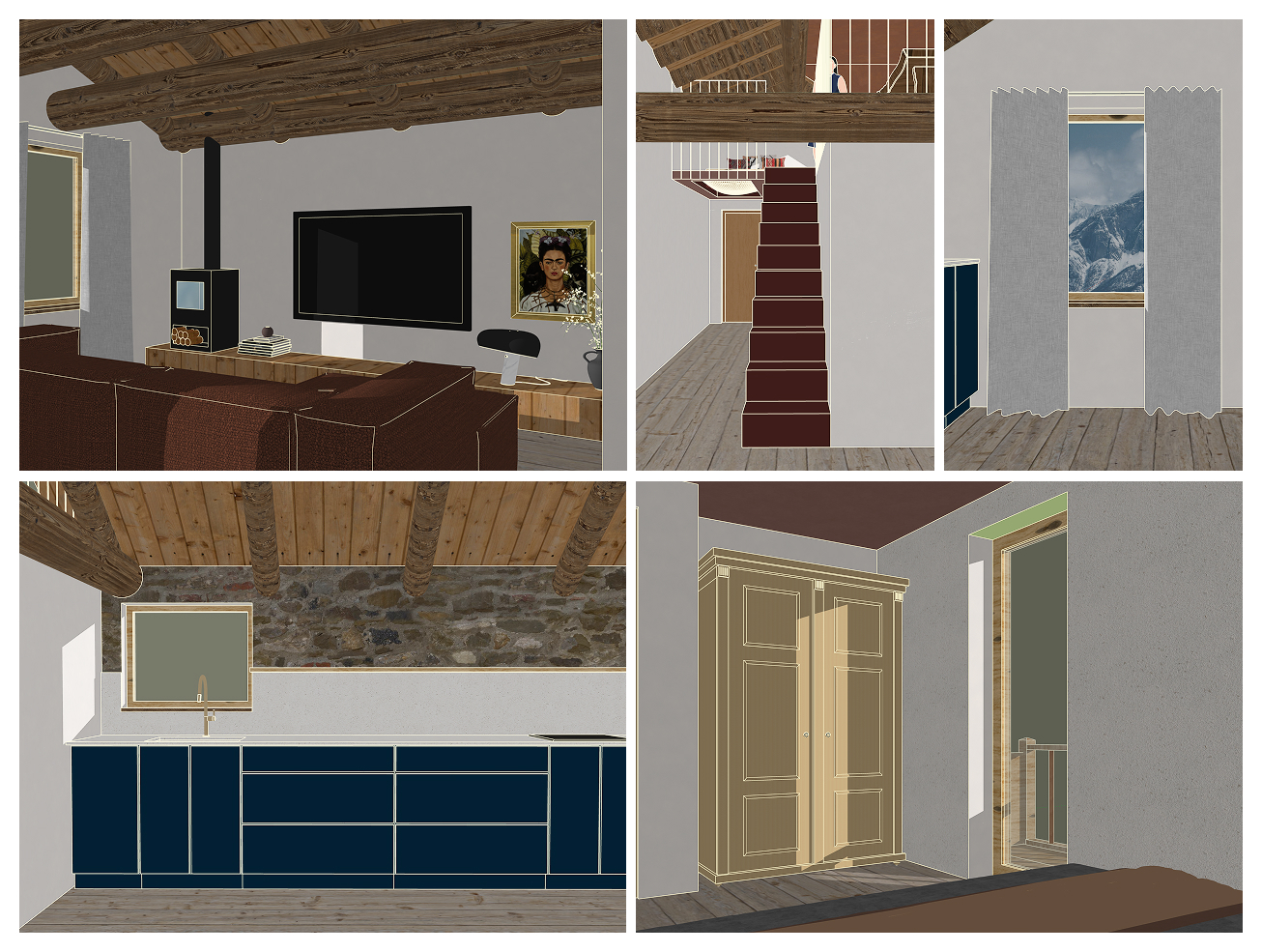
In the end, adaptive reuse became the focus of my final project. I explored how to transform an existing building without stripping away its character. The challenge was to avoid making it overly modern and instead make careful, thoughtful interventions that respected the stone, the history, and even the imperfections. It required patience, research, and many moments of self-doubt. But it felt connected to where I live and to the kind of designer I am becoming.
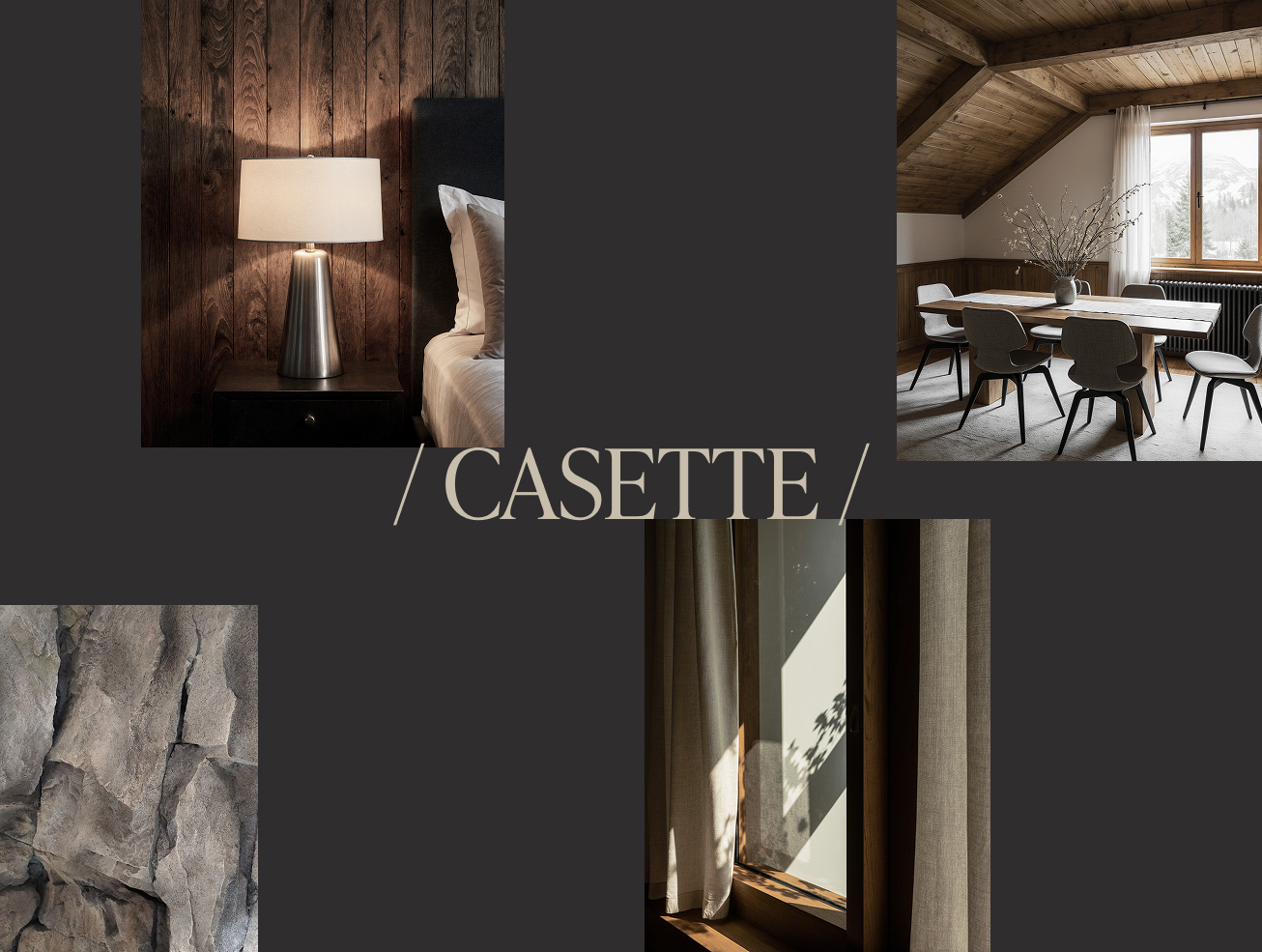
At the same time, the course had a big impact on my own practice, Casette. When I moved to the Italian Alps, I noticed that many homes followed the same formula. Wood and stone are used in predictable ways. The materials were beautiful, but often lacked imagination or a personal layer. Casette grew from that observation. I wanted to explore how contemporary design could sit comfortably alongside tradition and how local materials could be reinterpreted through colour, texture, proportion, and careful detailing. And the MA Interior Design (Online) course gave structure to that instinct.
Looking back, this Master’s changed something fundamental for me. It changed the questions I ask. Instead of asking, "Is this beautiful?" I now ask, "Why is this here?" What does it add? How will someone move through this space? How will it feel to live in it? How long will it last?
I am excited to see where those questions will lead me, both with Casette and in the future.