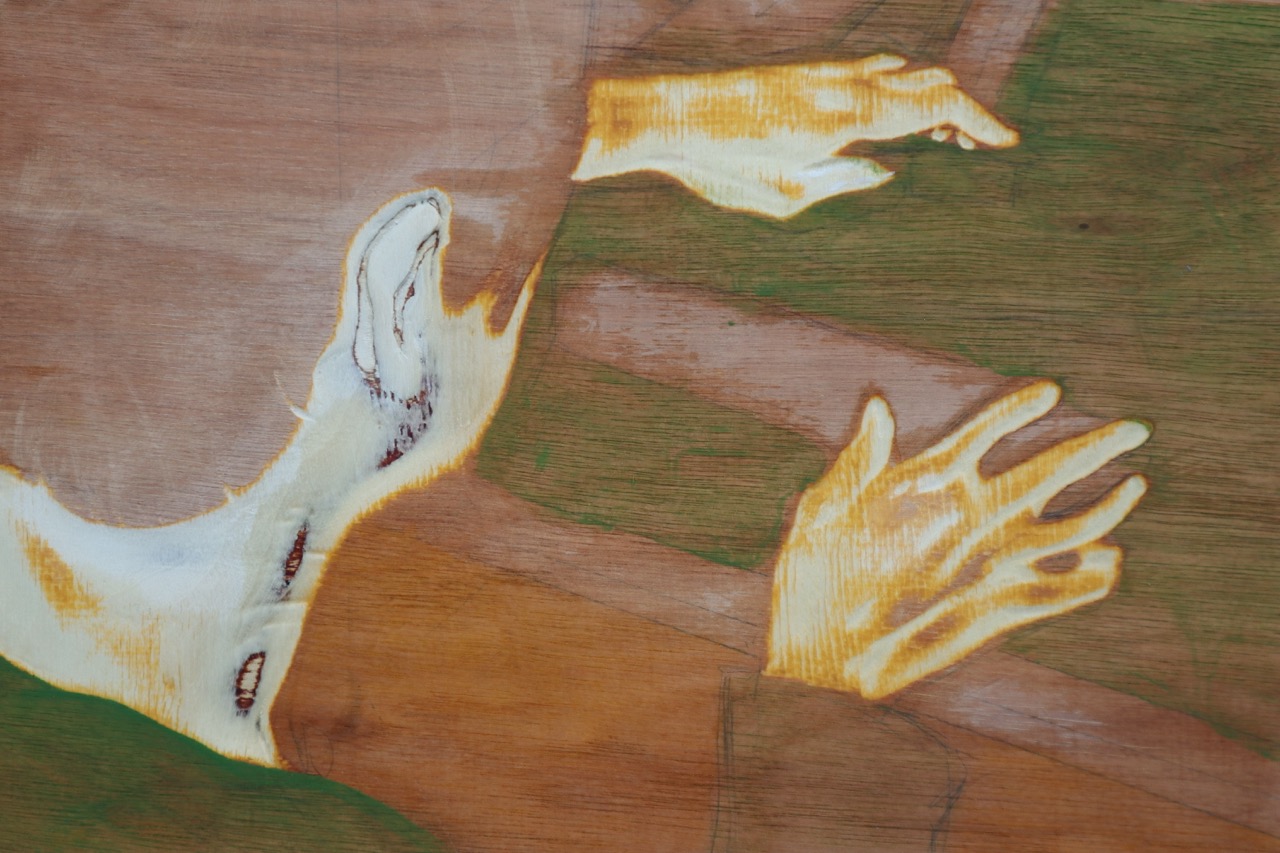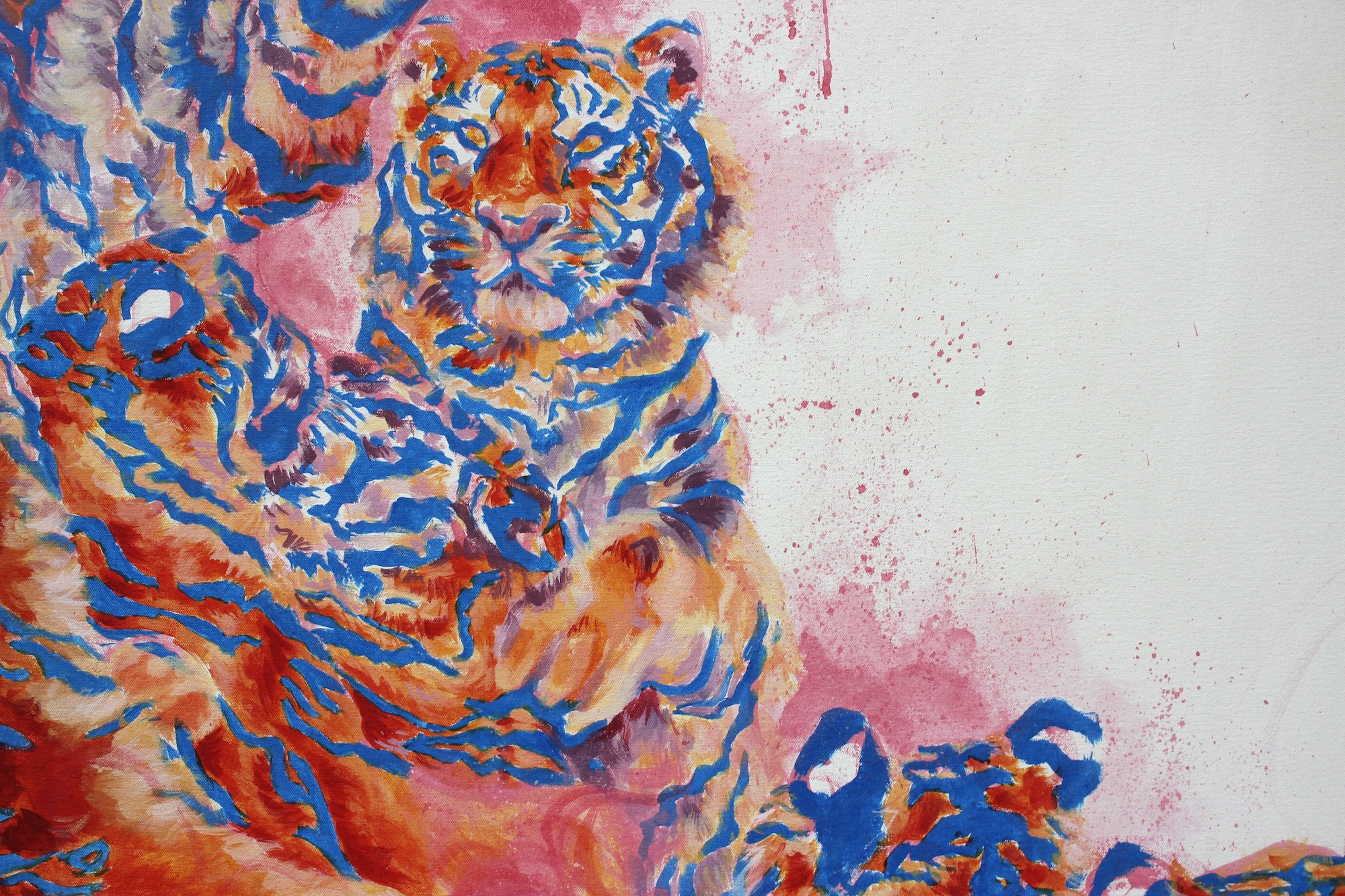
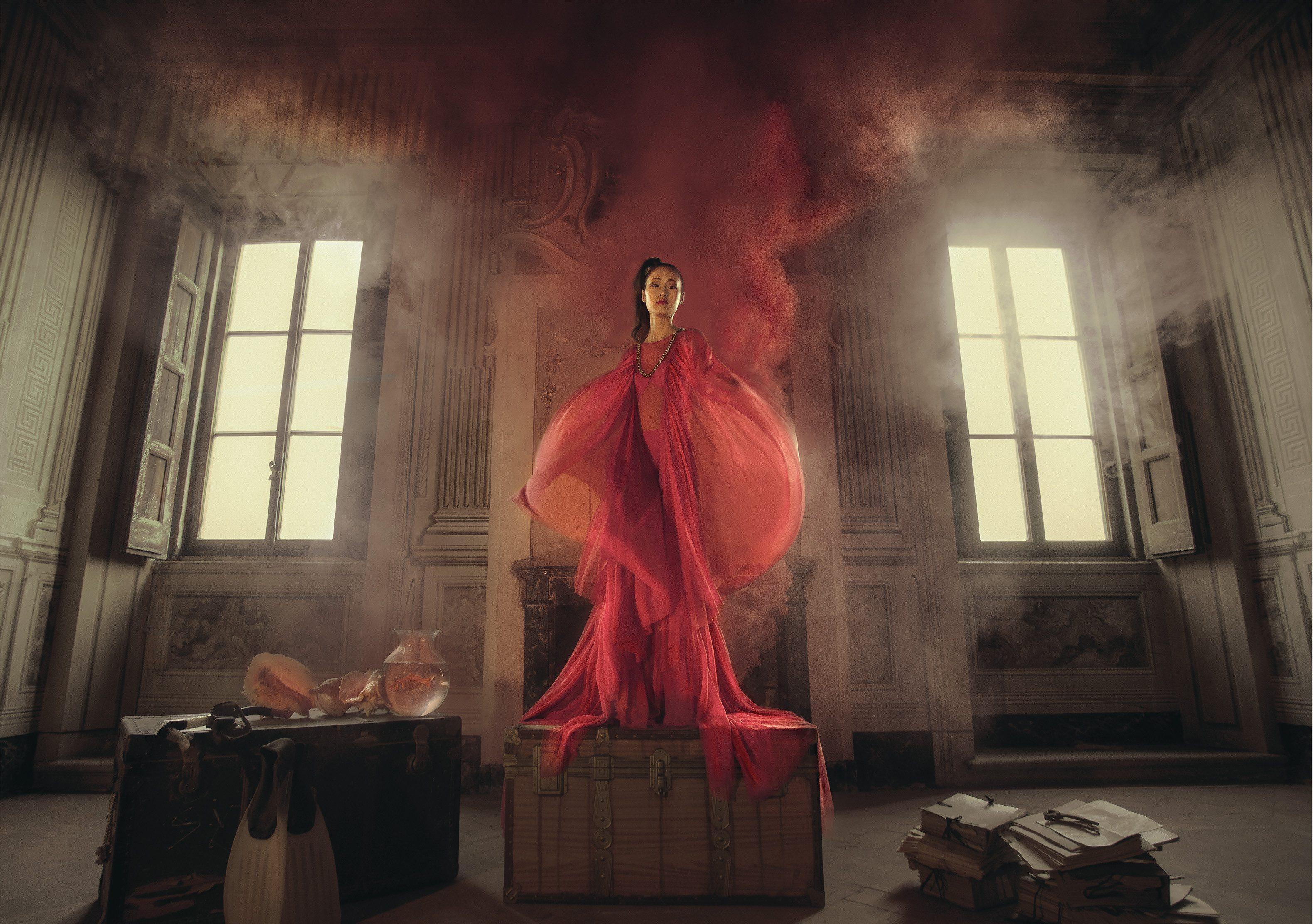
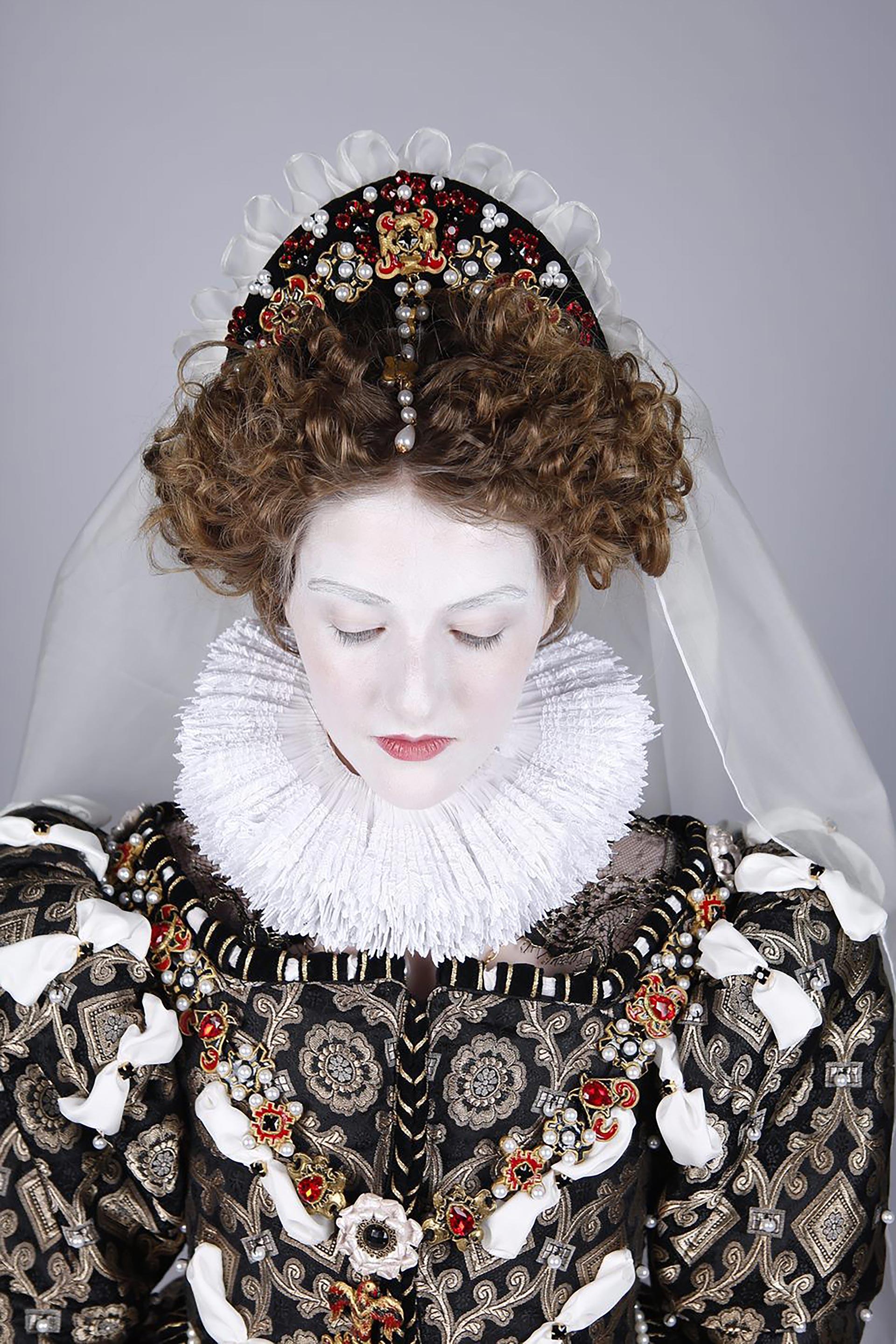
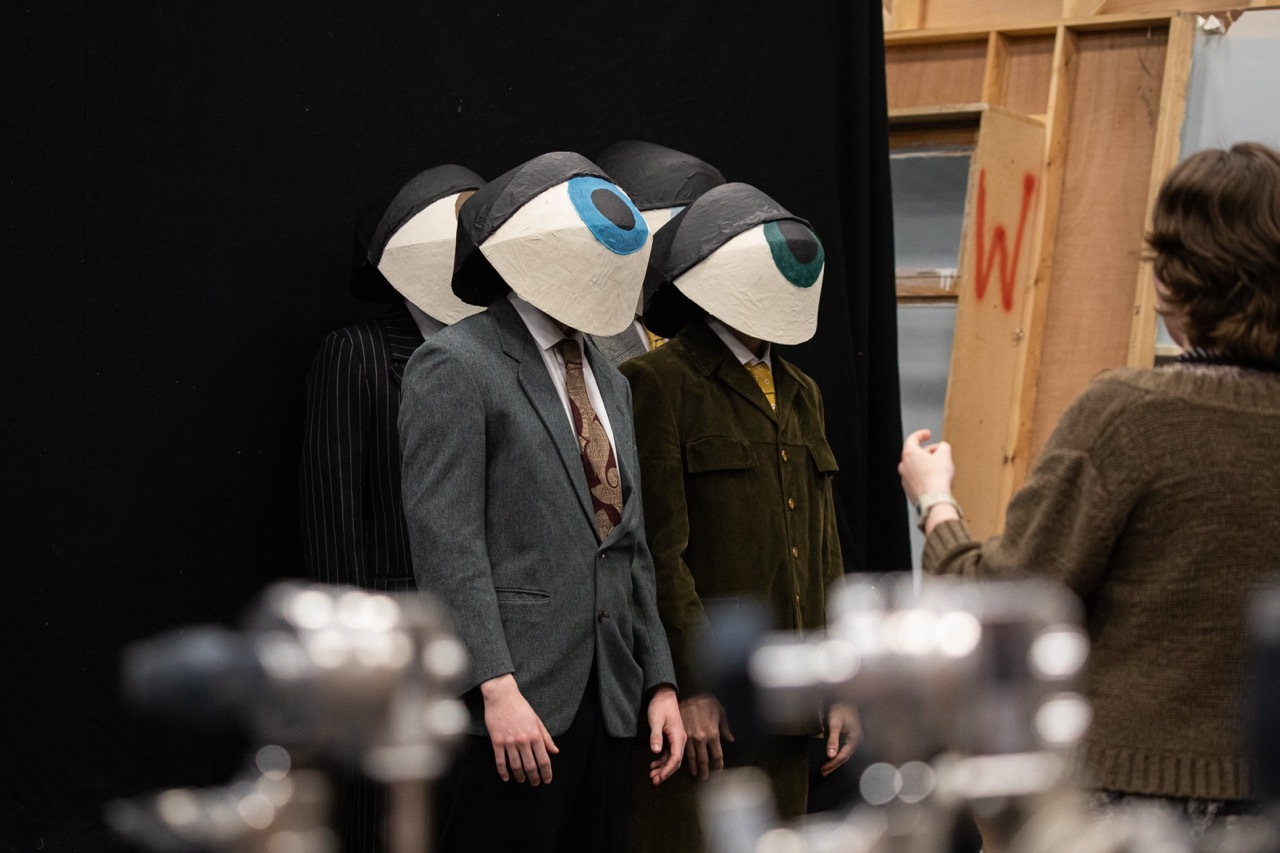
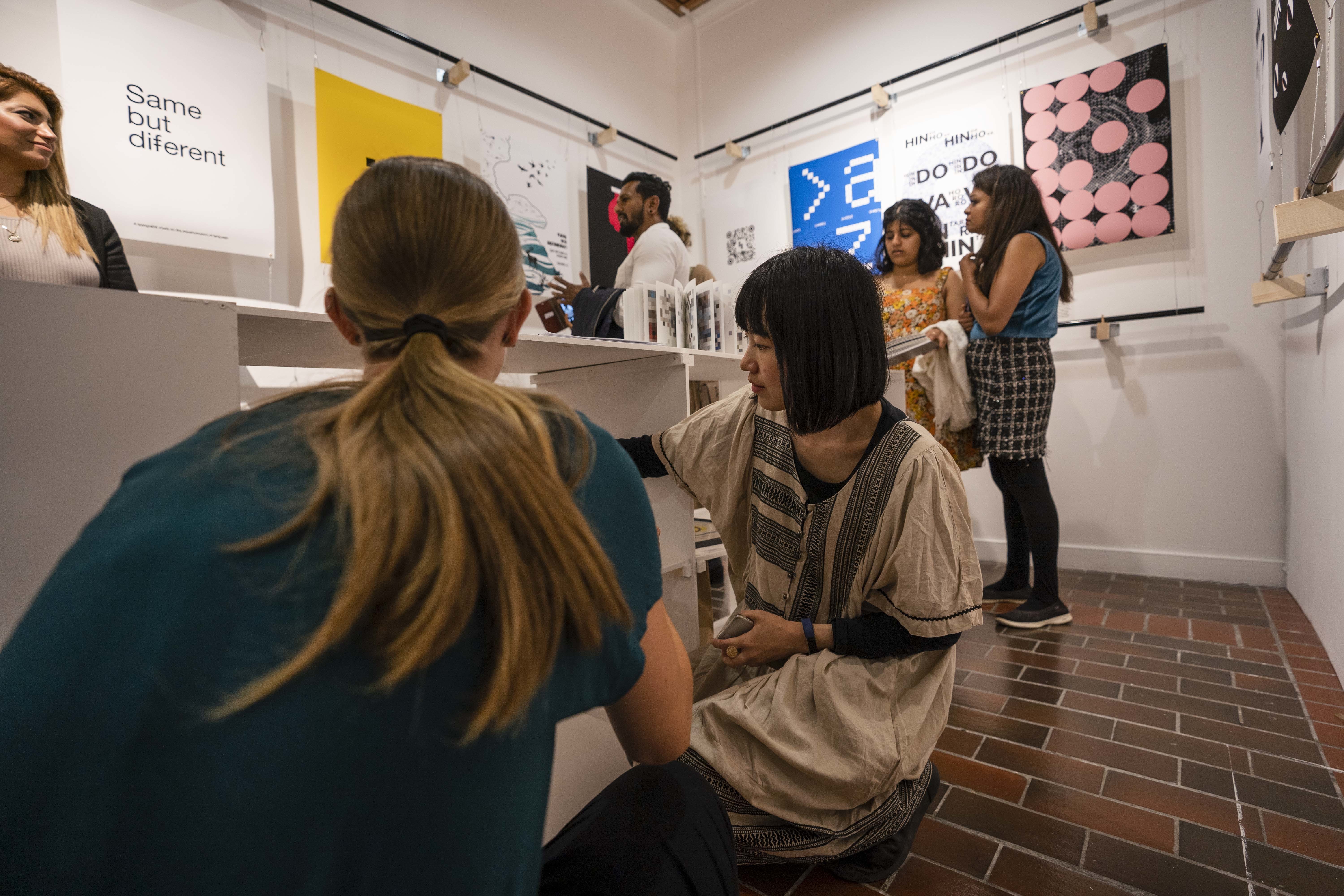
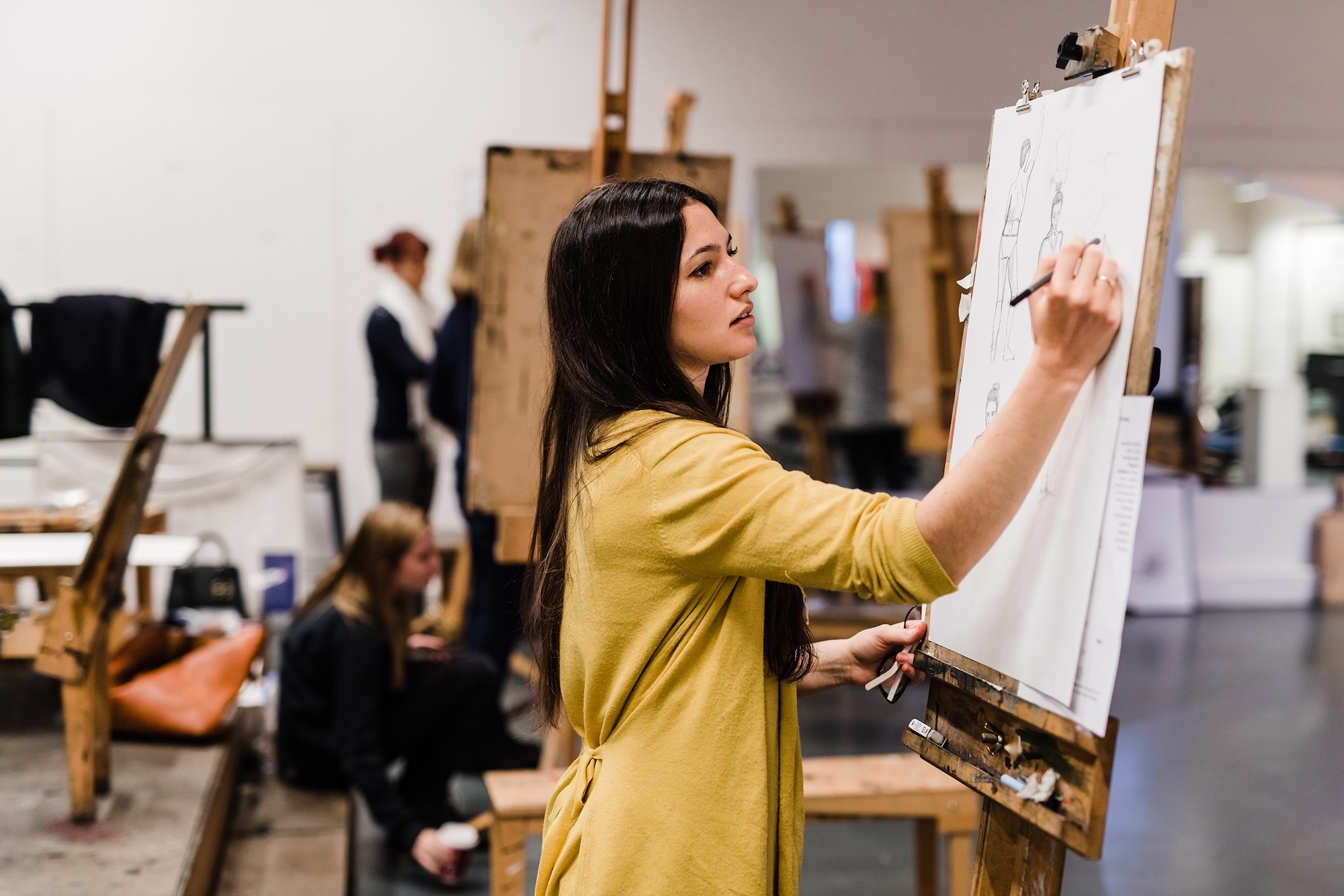
My first day visiting AUB was the reason I chose this university; I wanted to go there because when I looked at students' work, I saw that the artwork was freeing and student-led. There was no uniform style or predictable pattern dictated by a rigid curriculum; instead, it was obvious that everyone was being encouraged to find their own voice.
For the first time in my life, someone in a school setting had actually asked me what I wanted to create, and what I wanted my own artwork to do. It was a massive shift from my previous experiences, where the focus was always centred on what artists I could base my work on and what context others' work was in. Getting that kind of freedom felt like a total breath of fresh air, and it instantly made up my mind that this was where I wanted to be.
This was also one of the hardest challenges I faced when I joined AUB. Creative freedom was enlightening, but actually difficult to create, especially when educational art teaches you to value famous artists' works instead of your own. I had been conditioned to look outward for validation, relying on established historical frameworks and the safety of copying others to prove I was a good student. Suddenly being handed the keys to my own practice was pretty intimidating, I found myself staring at blank canvases, struggling to figure out my own artistic identity. Unlearning those rigid habits and building the confidence to trust my own creative gut required a pretty massive mindset shift.
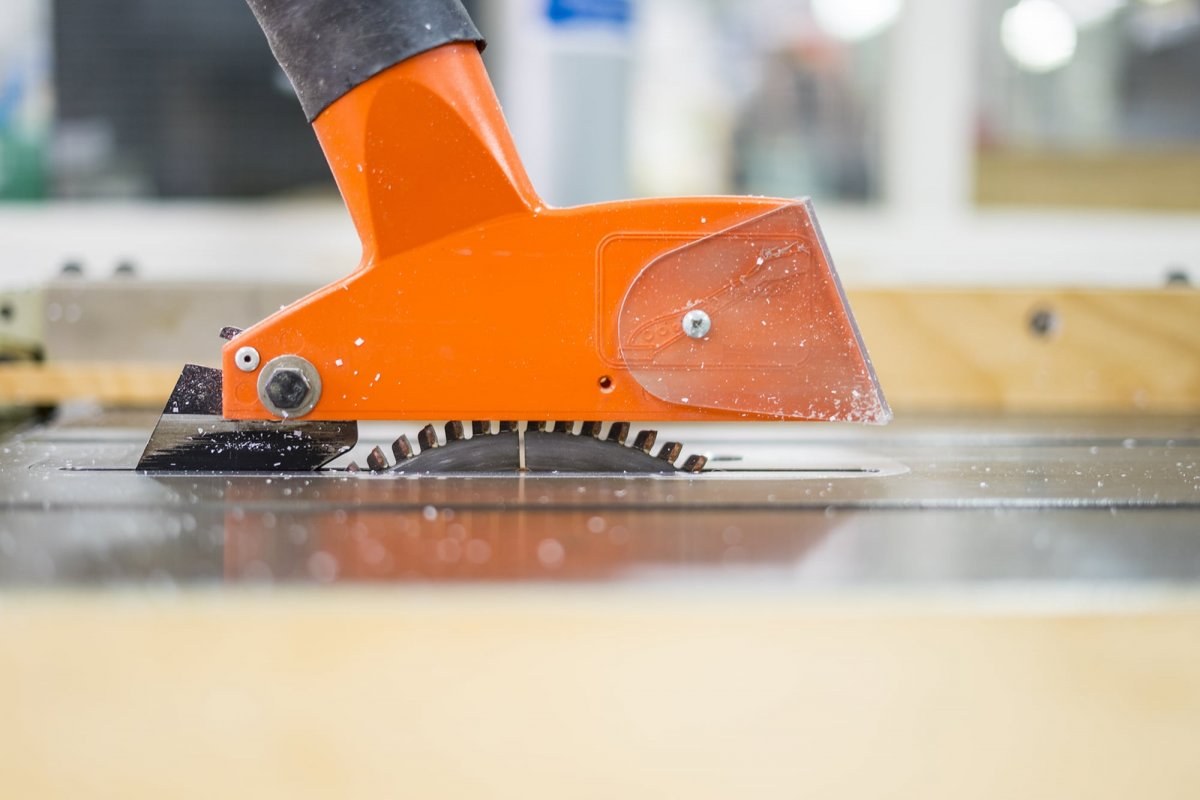
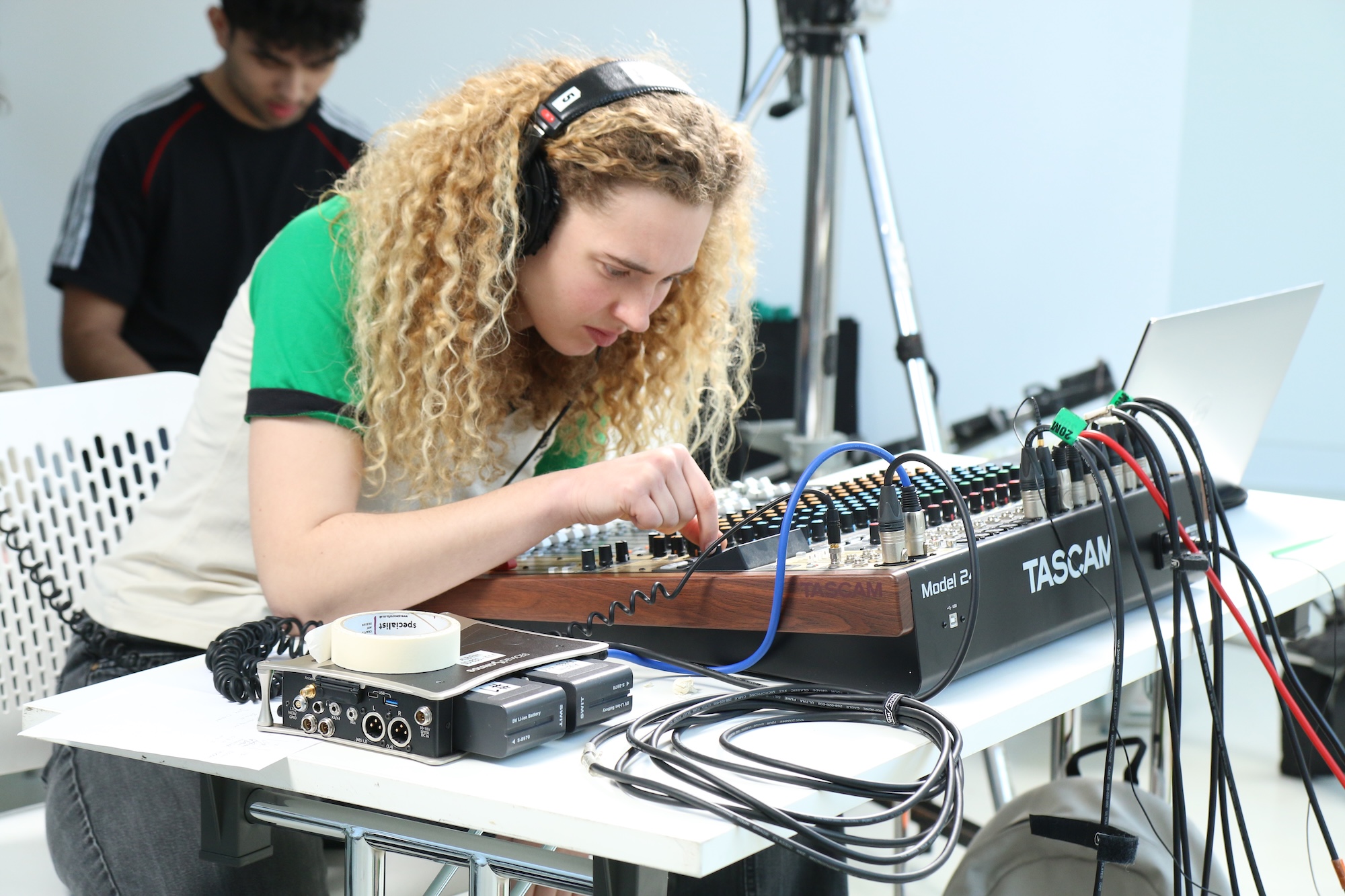
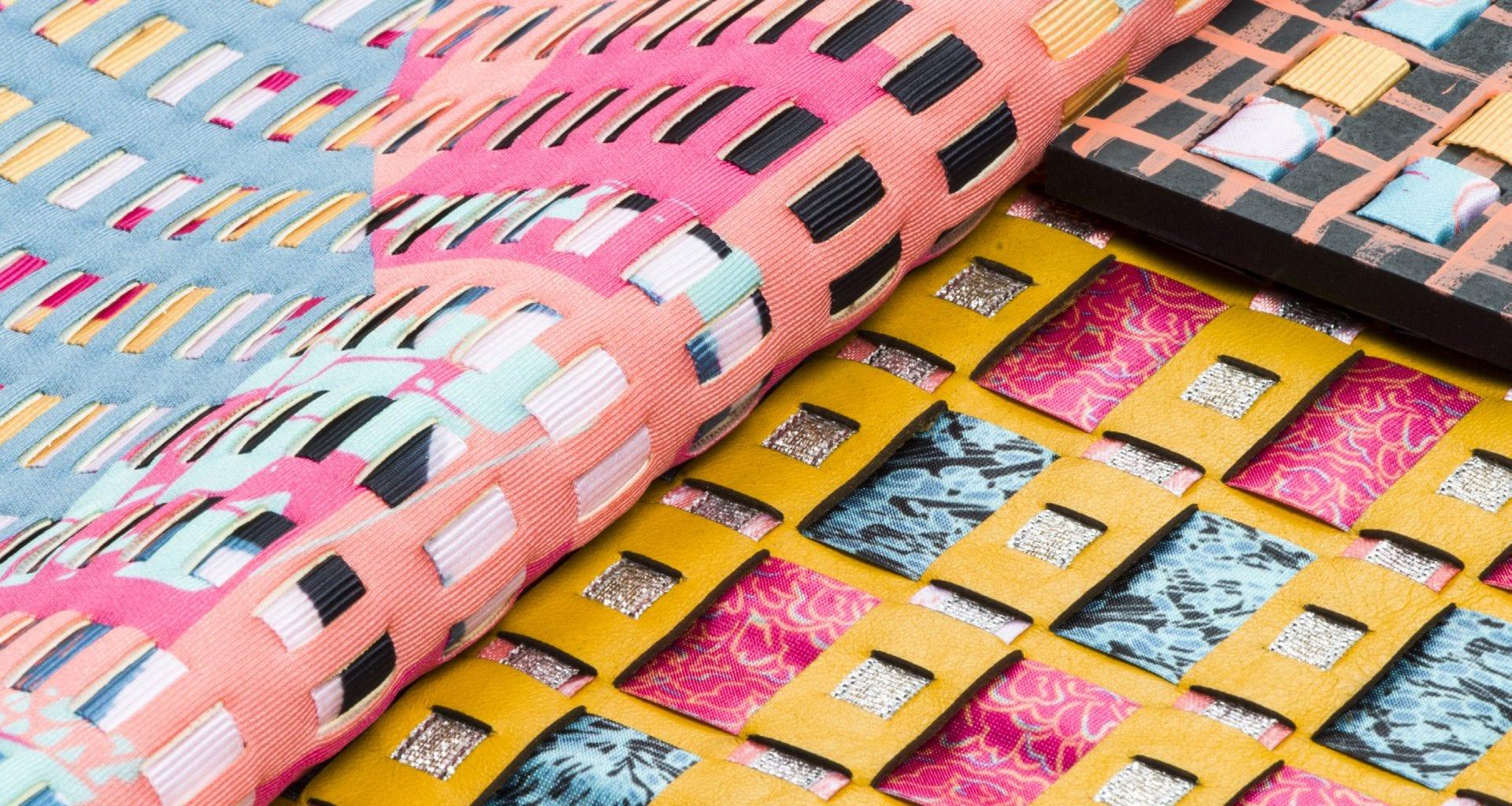
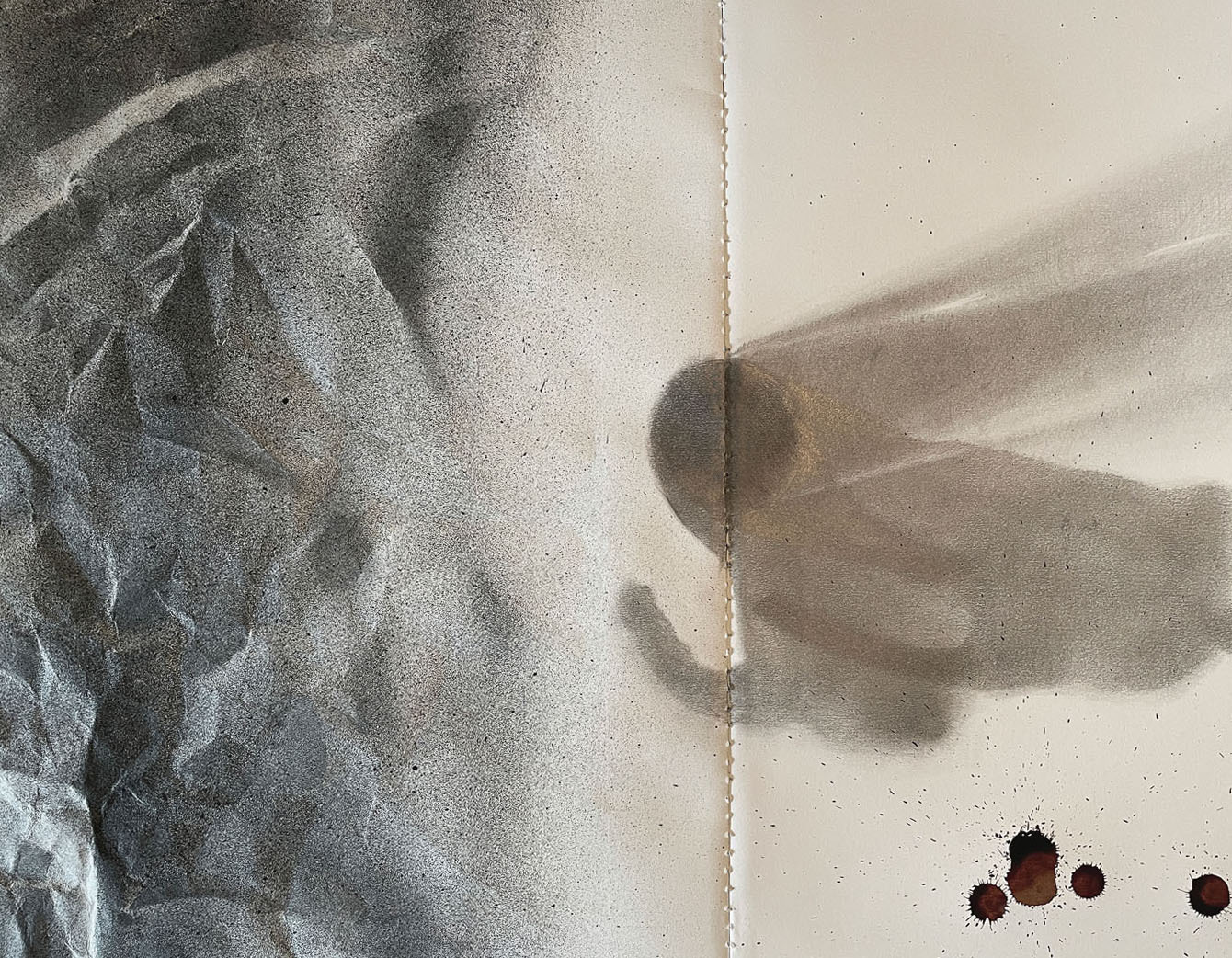
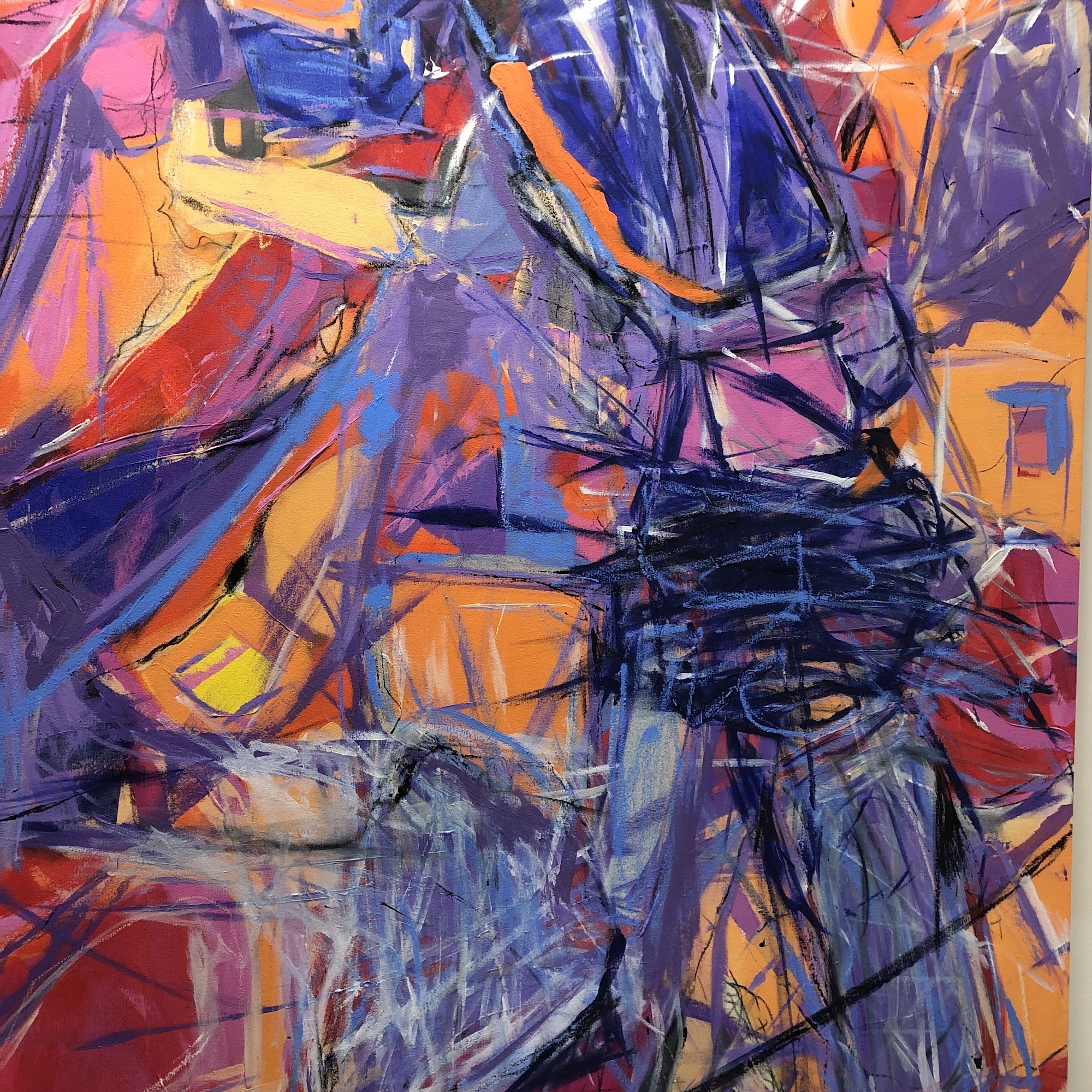
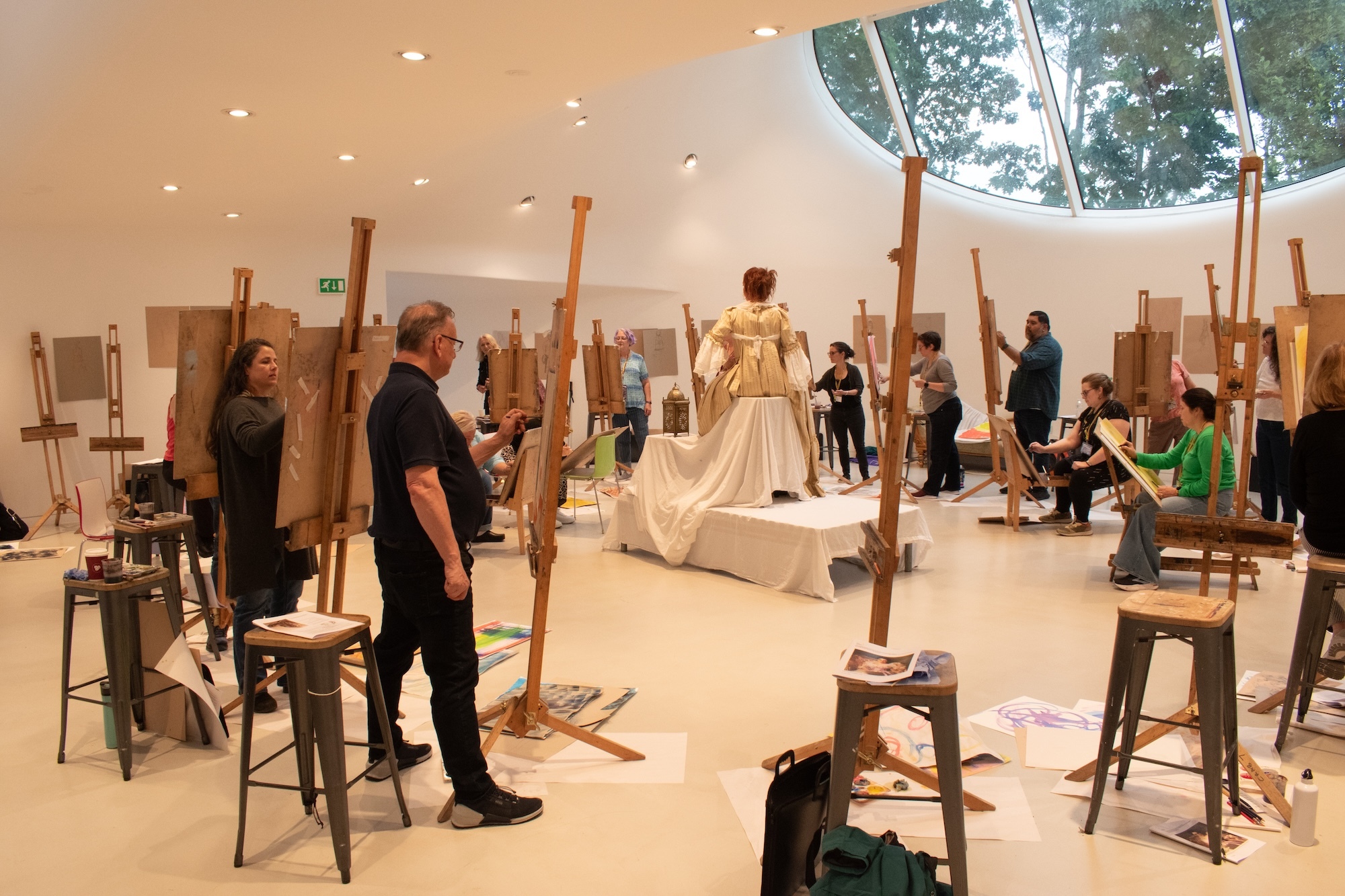
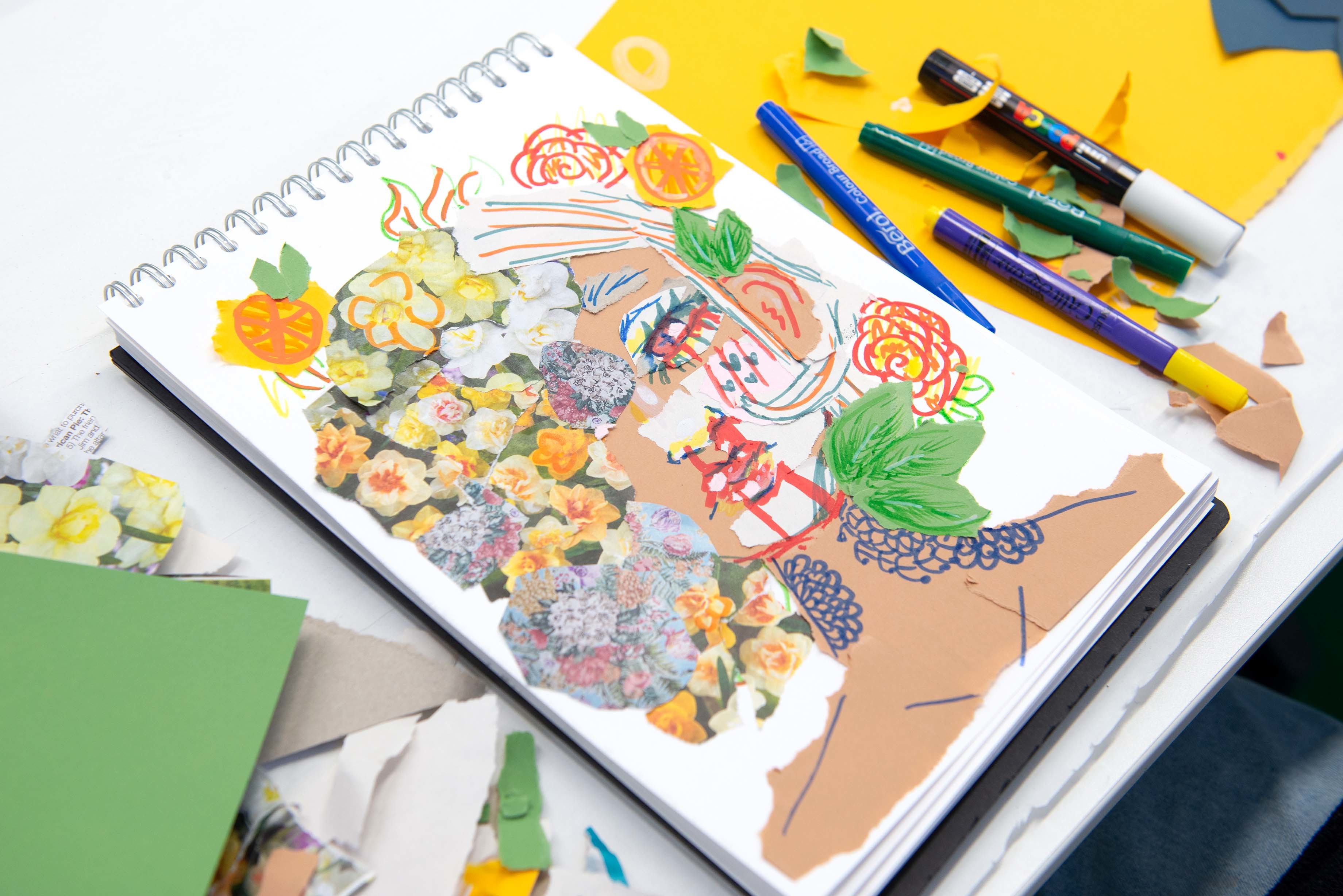
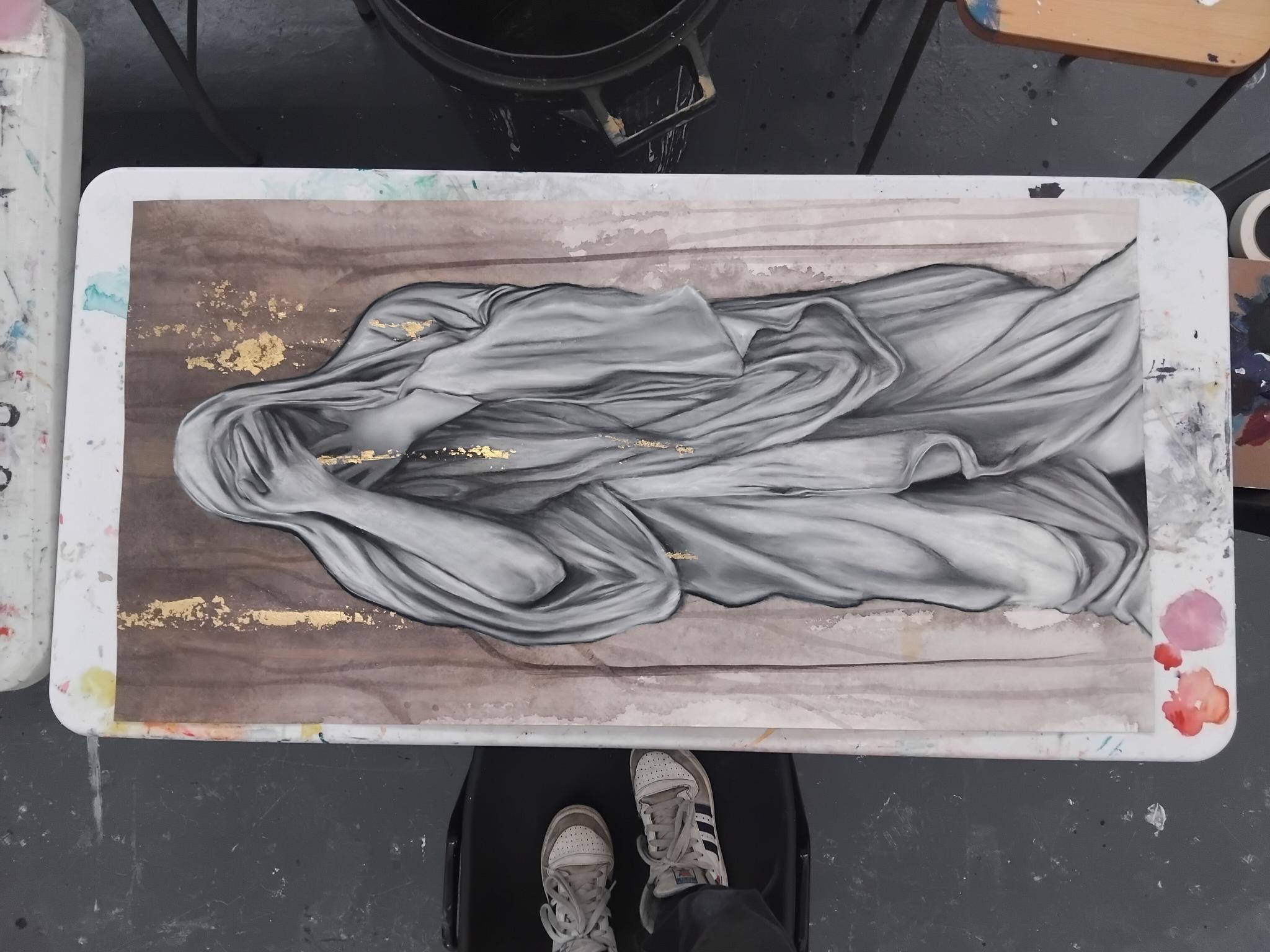
I came to AUB specialising in technical painting and have developed a love for contemporary mixed media; most, if not all, of my work now revolves around this. I only discovered this due to my tutors' and technicians' encouragement to create more freely without restraints. Whenever I hesitated or fell back on my old, safe habits of traditional painting, they were right there to challenge me. The workshop technicians showed me how to mess around with materials I had never even thought about using before, while my tutors pushed me to ask why I was choosing certain mediums and how they connected to my message. Their collective support permitted me to make mistakes, experiment wildly, and totally redefine my entire creative direction.
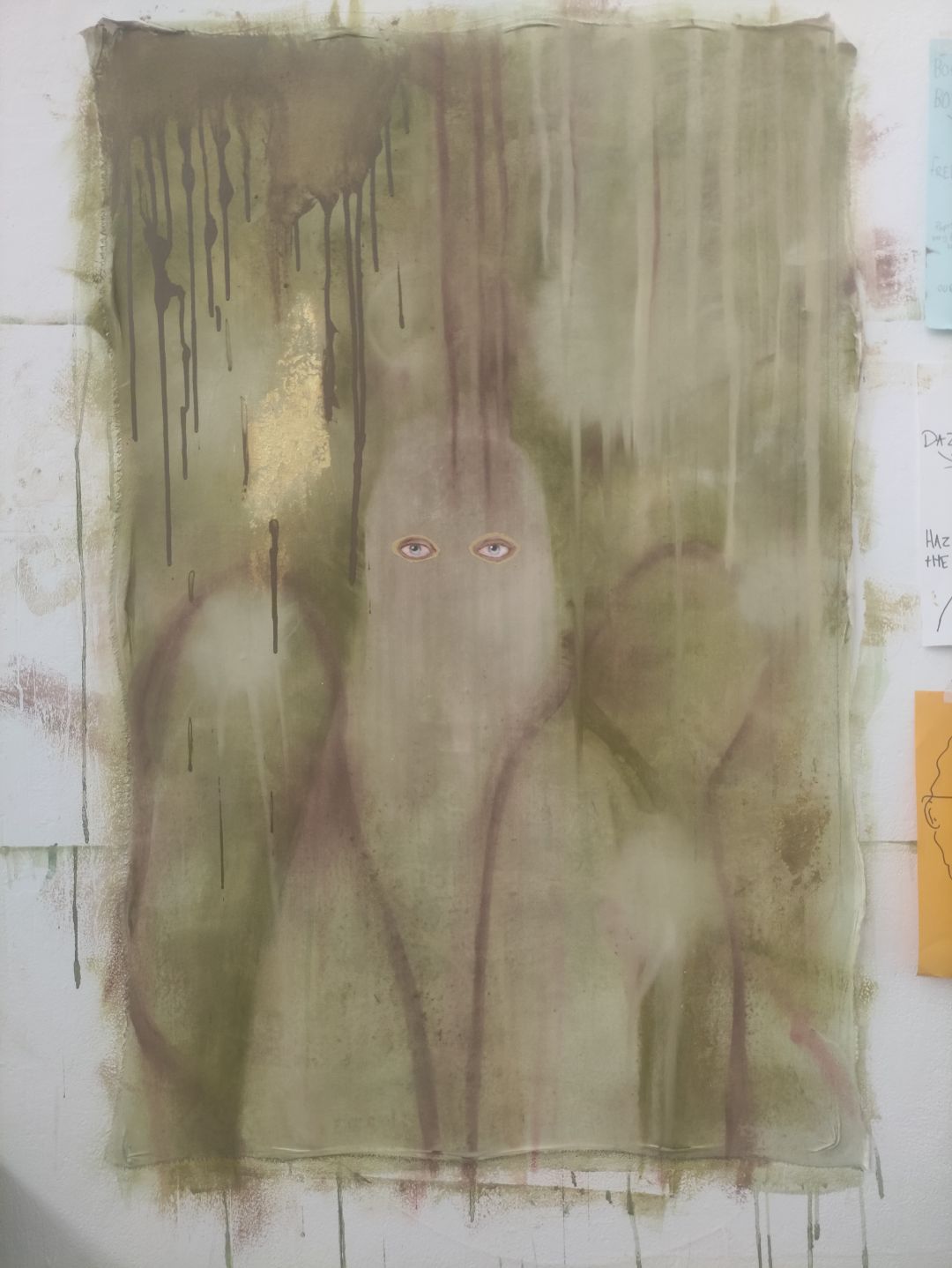
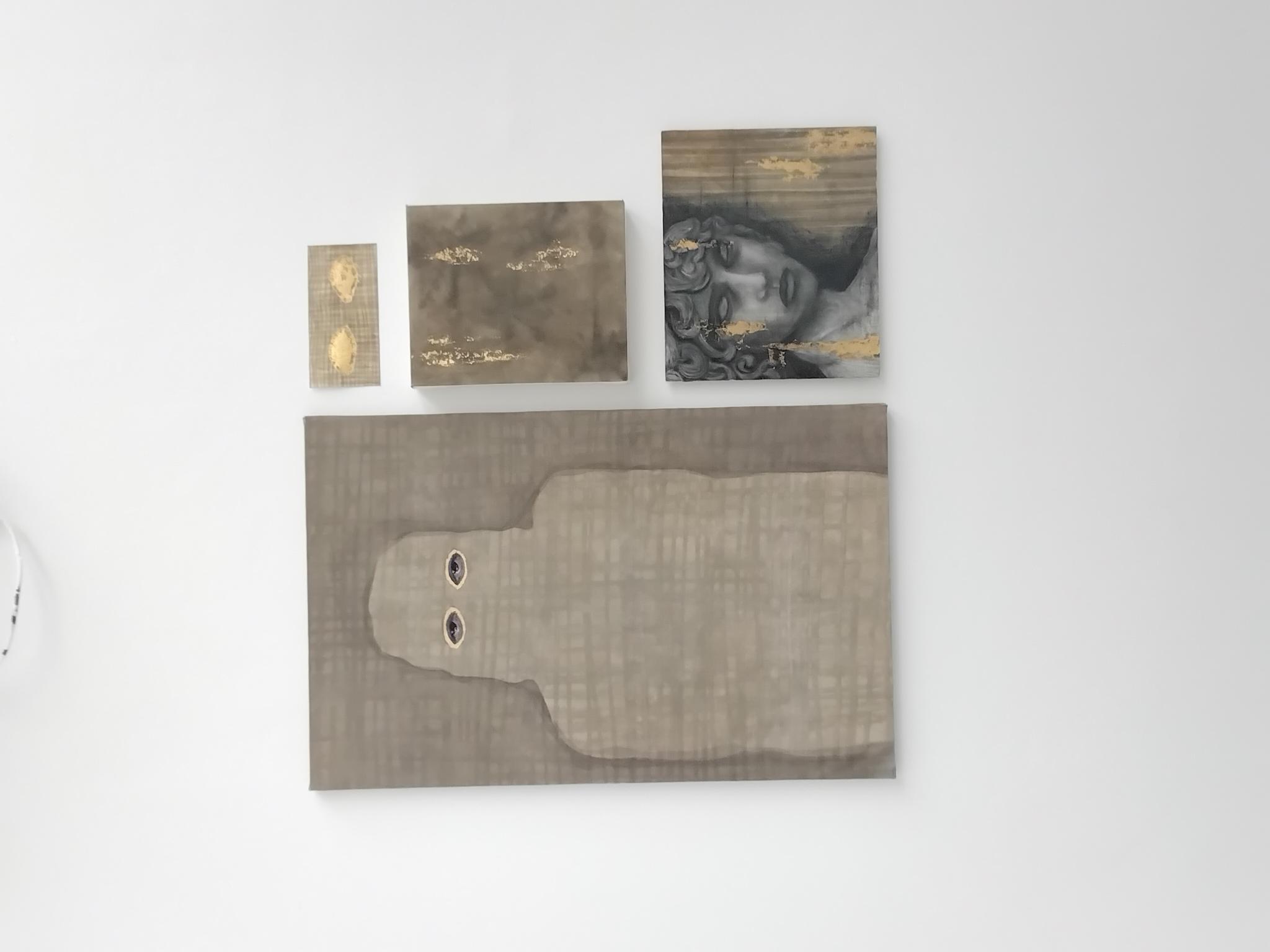
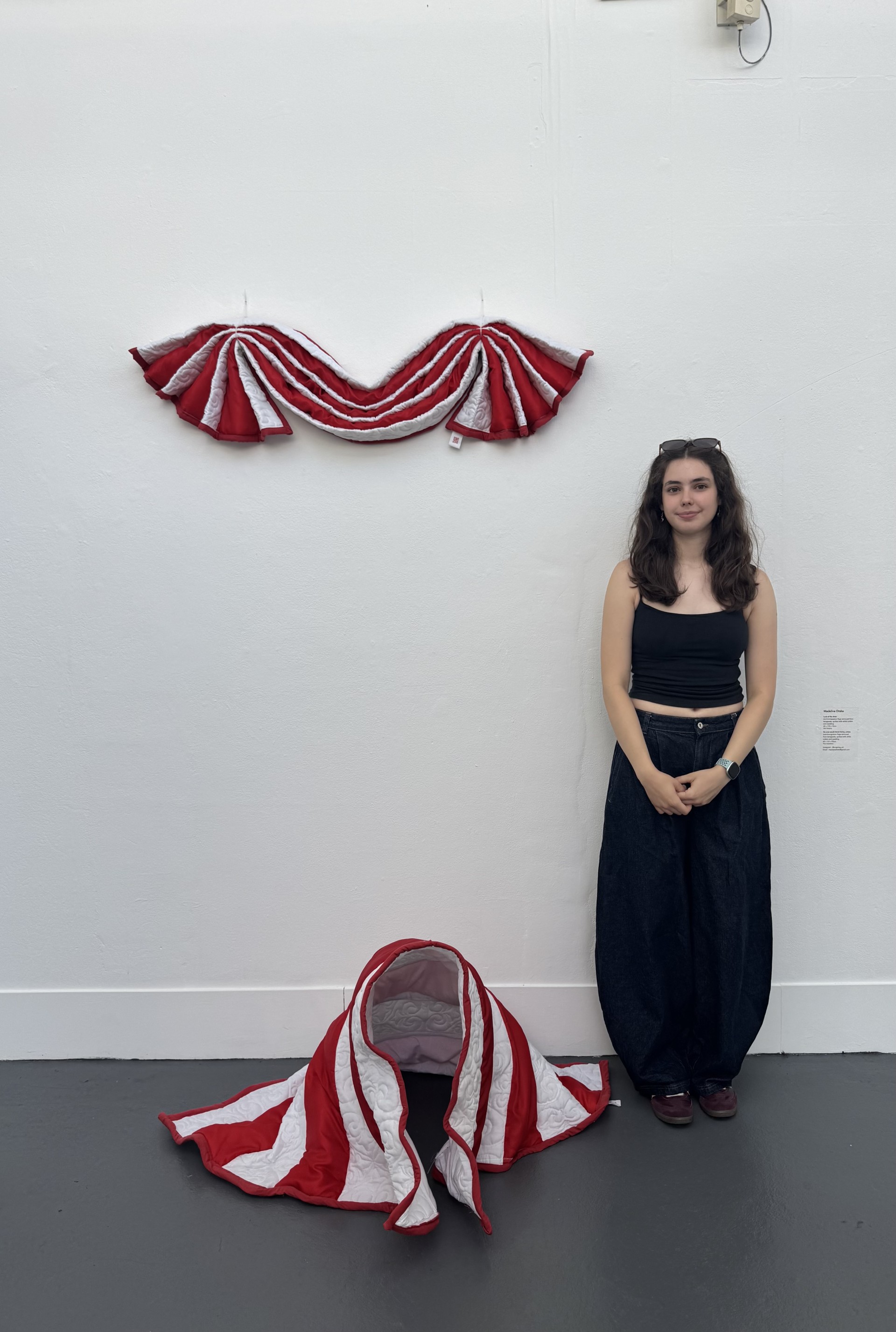
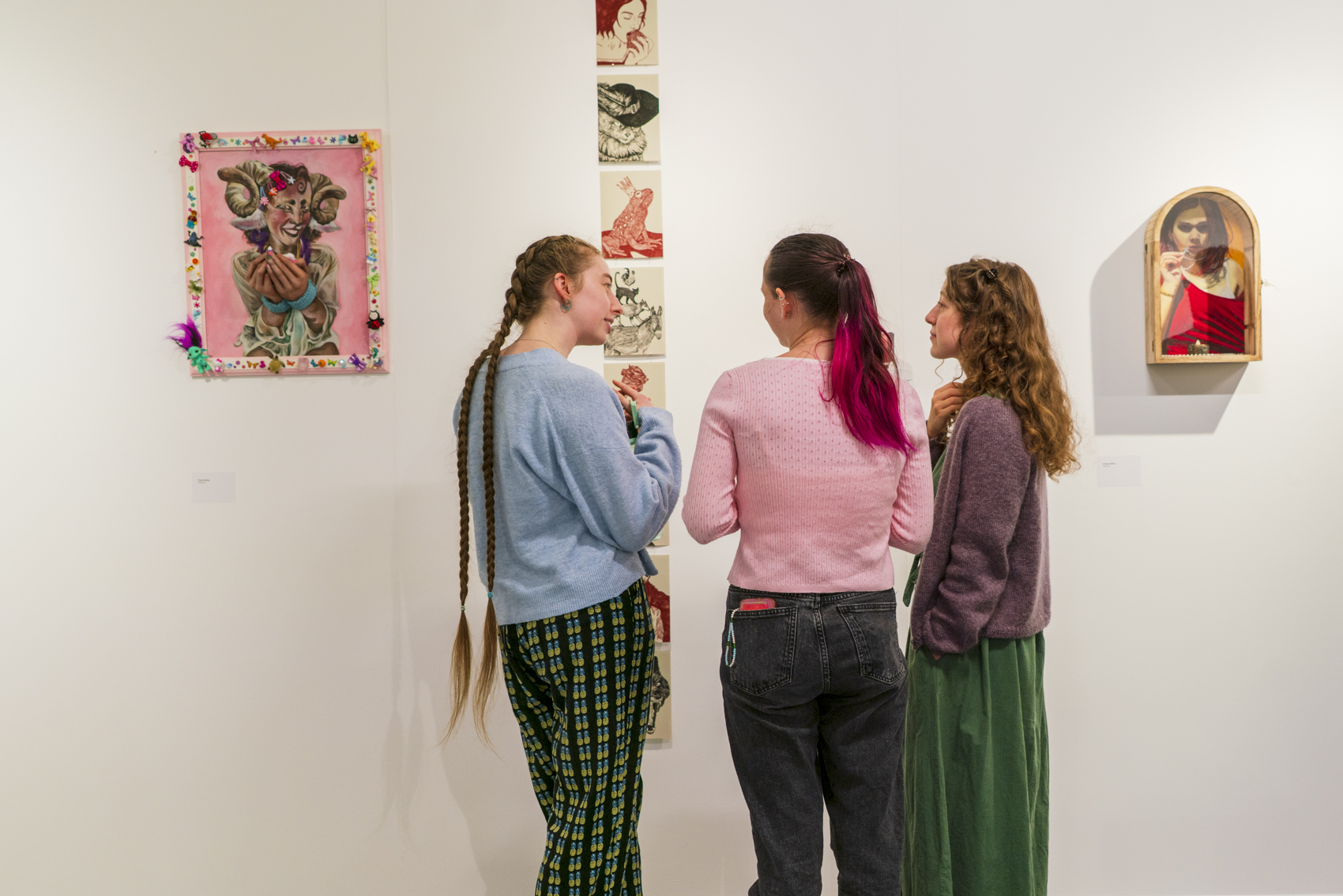
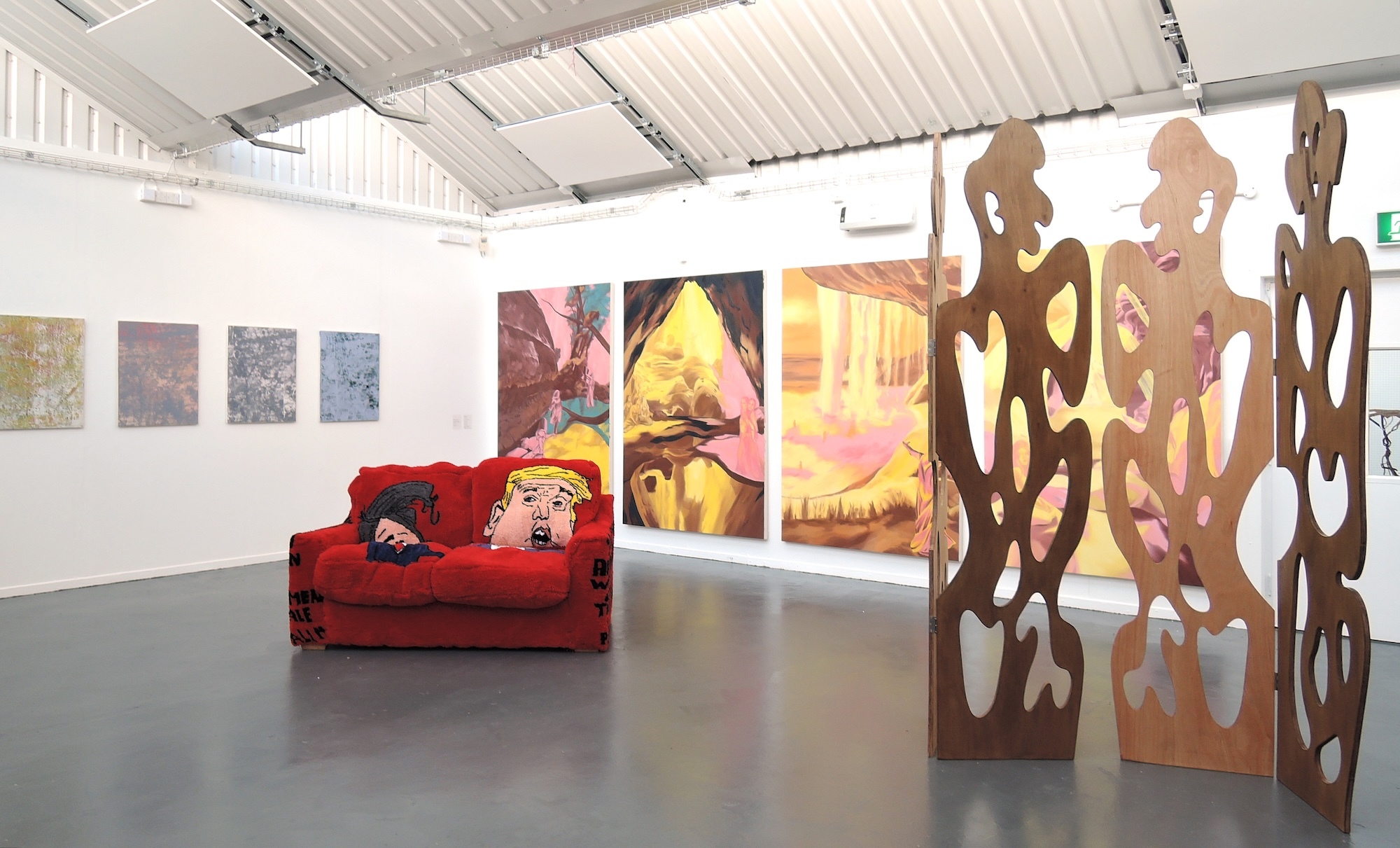
This year, my most memorable project would be my exhibition installation; through lectures, I learnt important things about curating I didn’t even know, like the golden rule when hanging paintings.
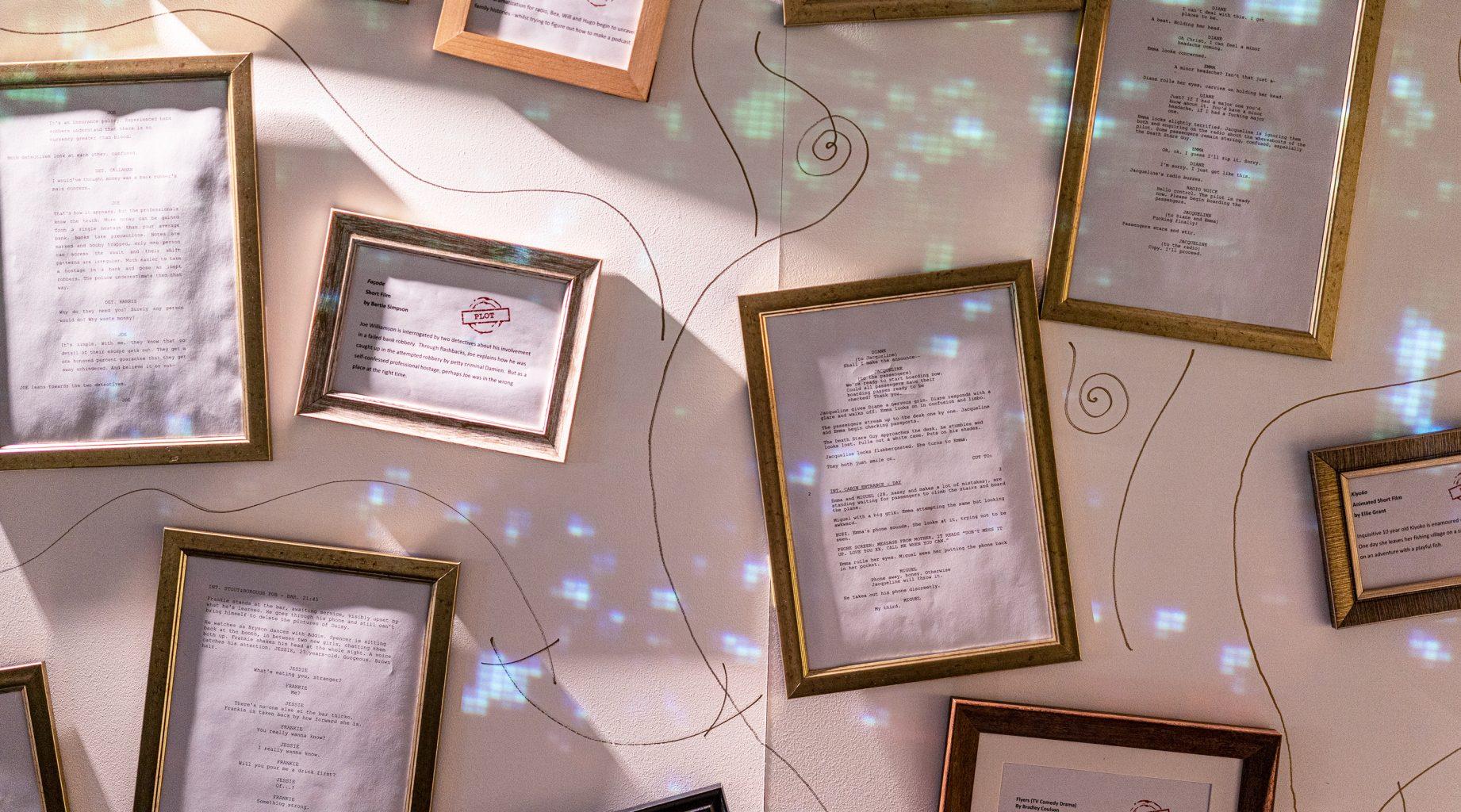
My tutor had taught me through crits that installation is a part of the work, not separate, and when installing, you should think about how the space emphasises your work, whether on the wall or floor. I realised that the gallery space isn't just a passive white room; it actually plays a huge part in how people experience the art.
Every single choice, like the distance between two pieces or how the gallery lights cast shadows across a messy, textured mixed-media surface, completely changes the story the artwork is telling. I want to research other artists who are pushing the boundaries of mixed media right now, dive deeper into art theory, and understand the cultural conversations my work connects with. By blending the technical painting skills I showed up with, the experimental mixed-media freedom I found here, and a much better understanding of curation and context.
Next year, I look forward to developing my skills further, to act as if I'm an emerging artist and to develop my contextual knowledge. Now that I have broken free from the constraints of my early education and built a solid foundation in contemporary mixed media, I really want to treat my final year as the start of my actual career. Acting like an emerging artist means taking total ownership of my studio time, keeping up a solid work ethic, and looking past the university bubble to see how my work fits into the wider contemporary art scene.