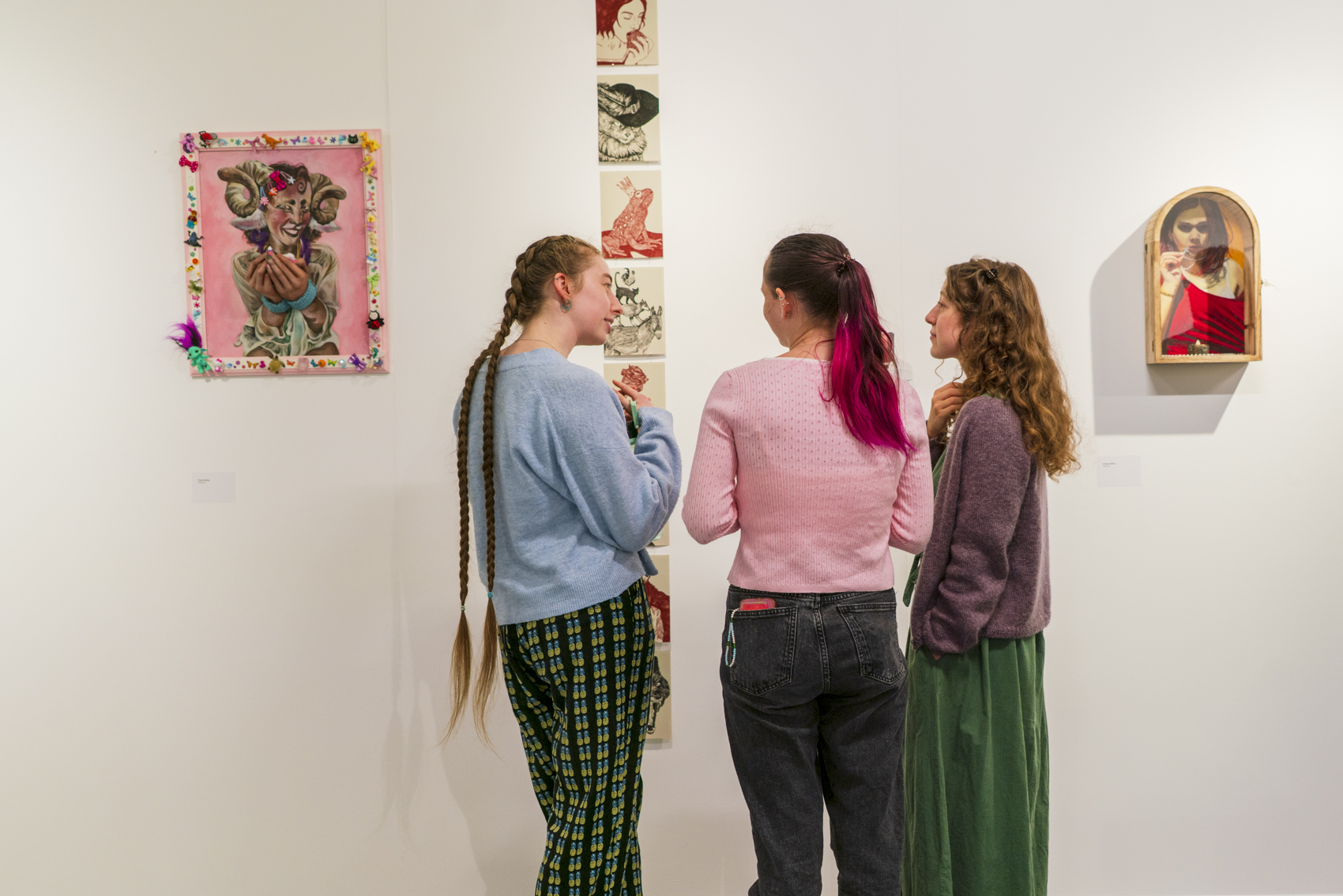
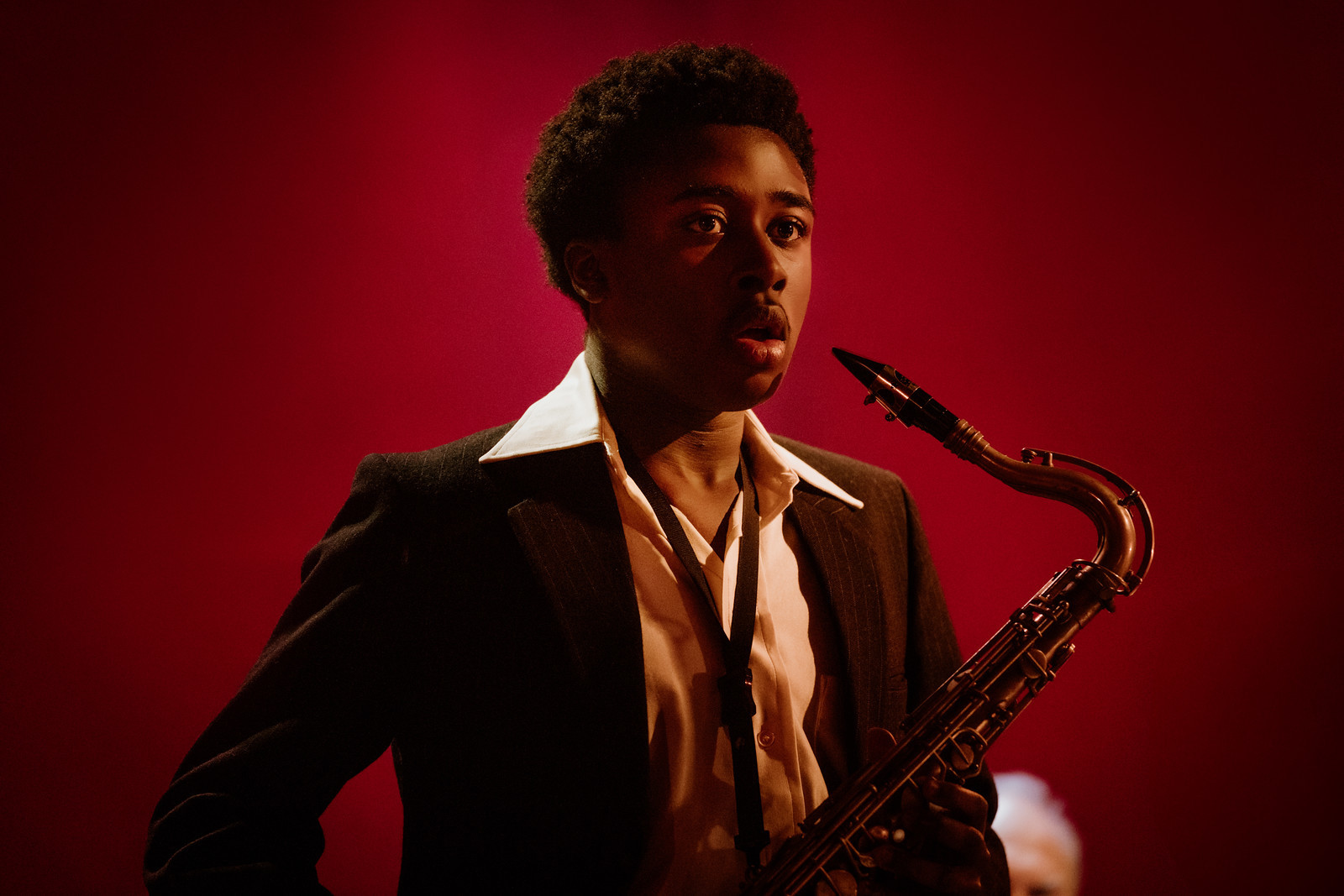
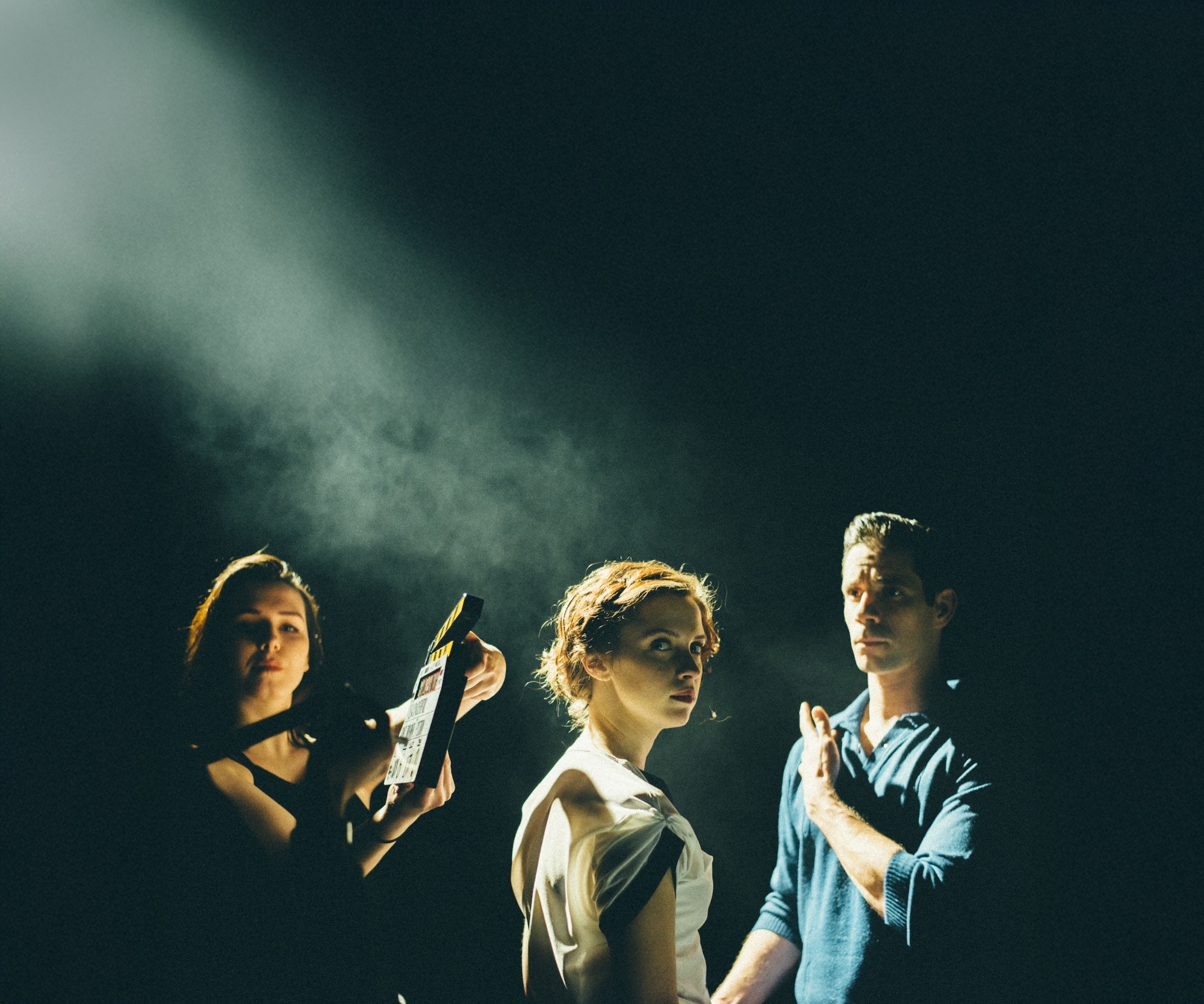
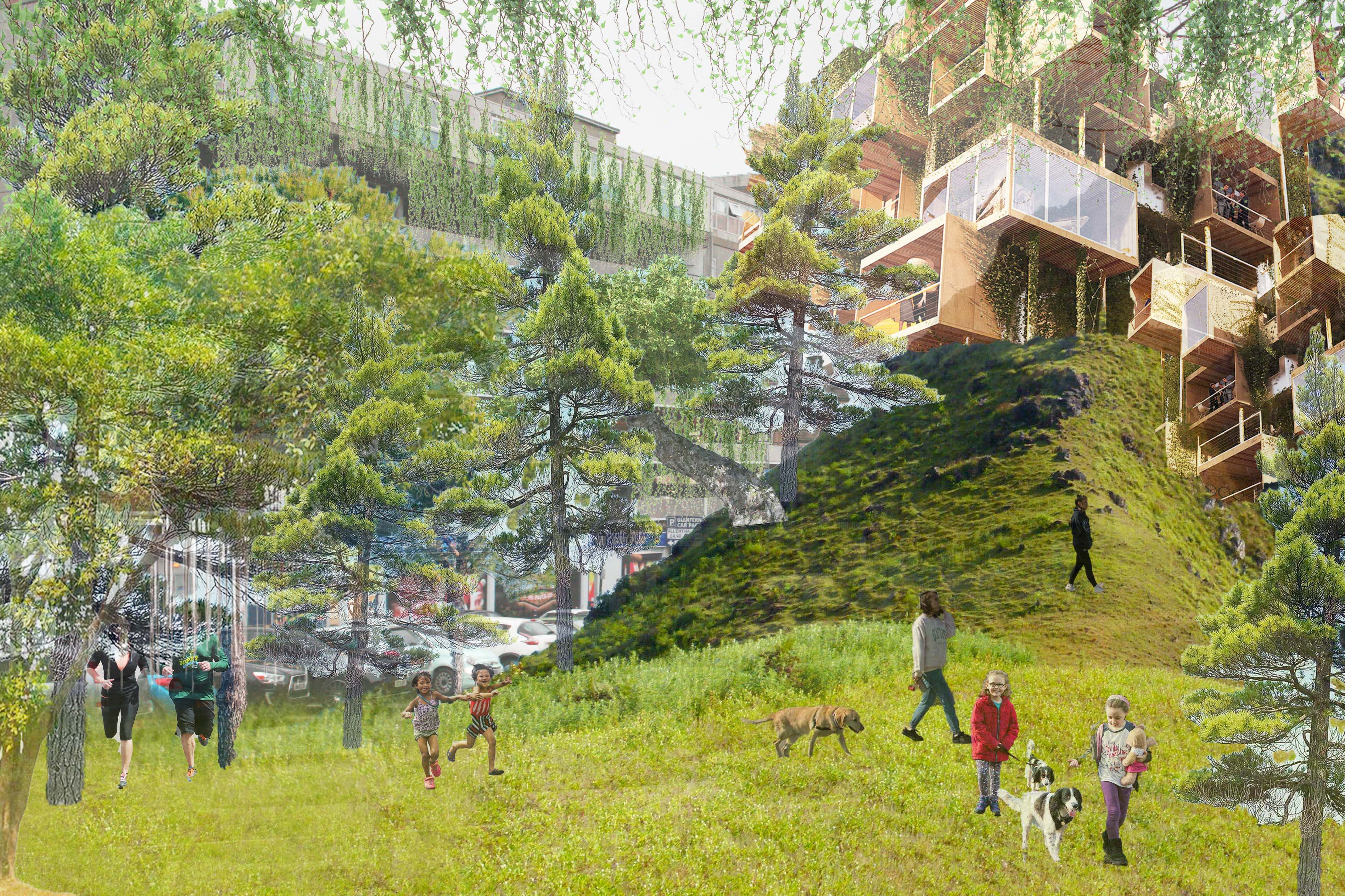
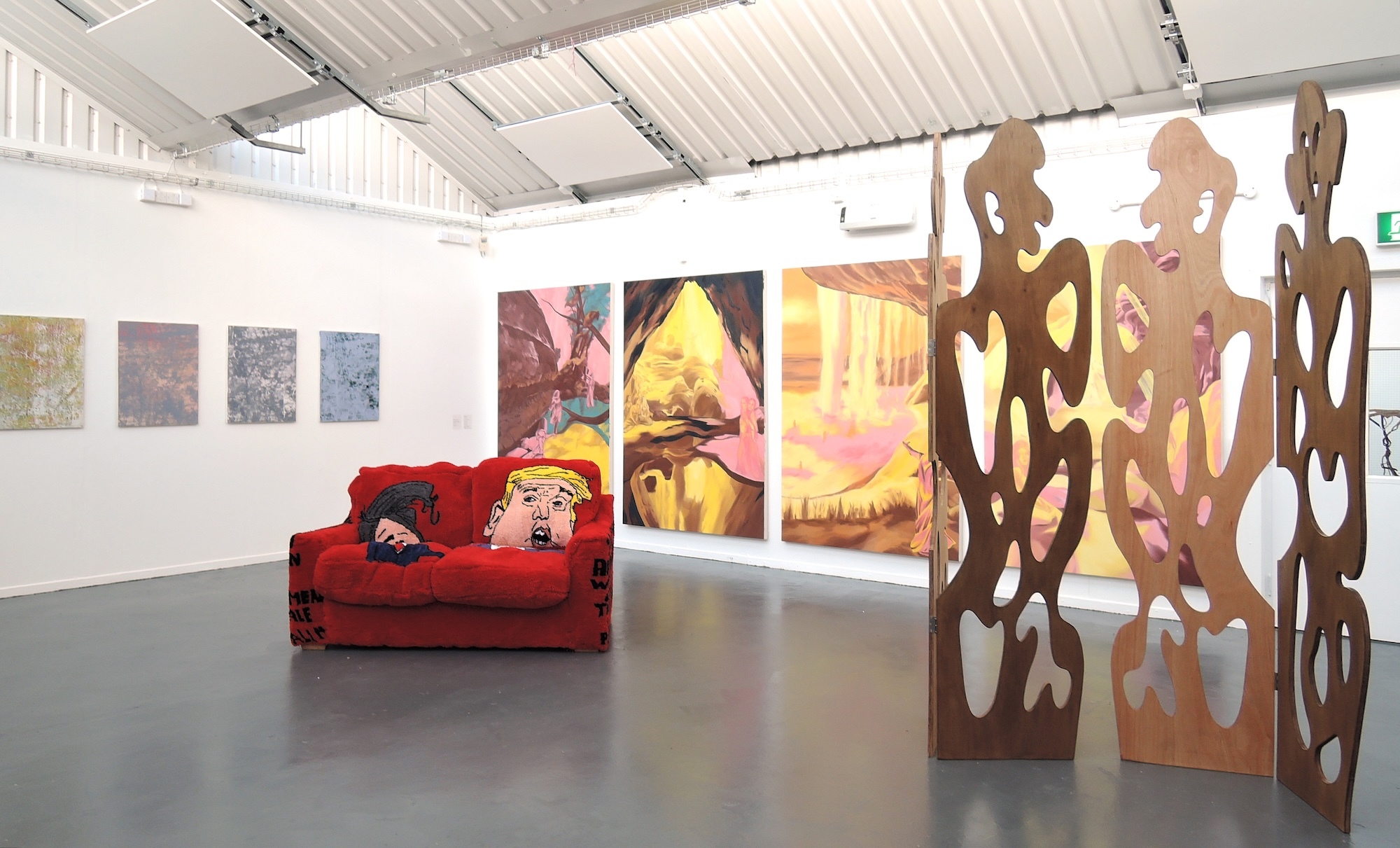
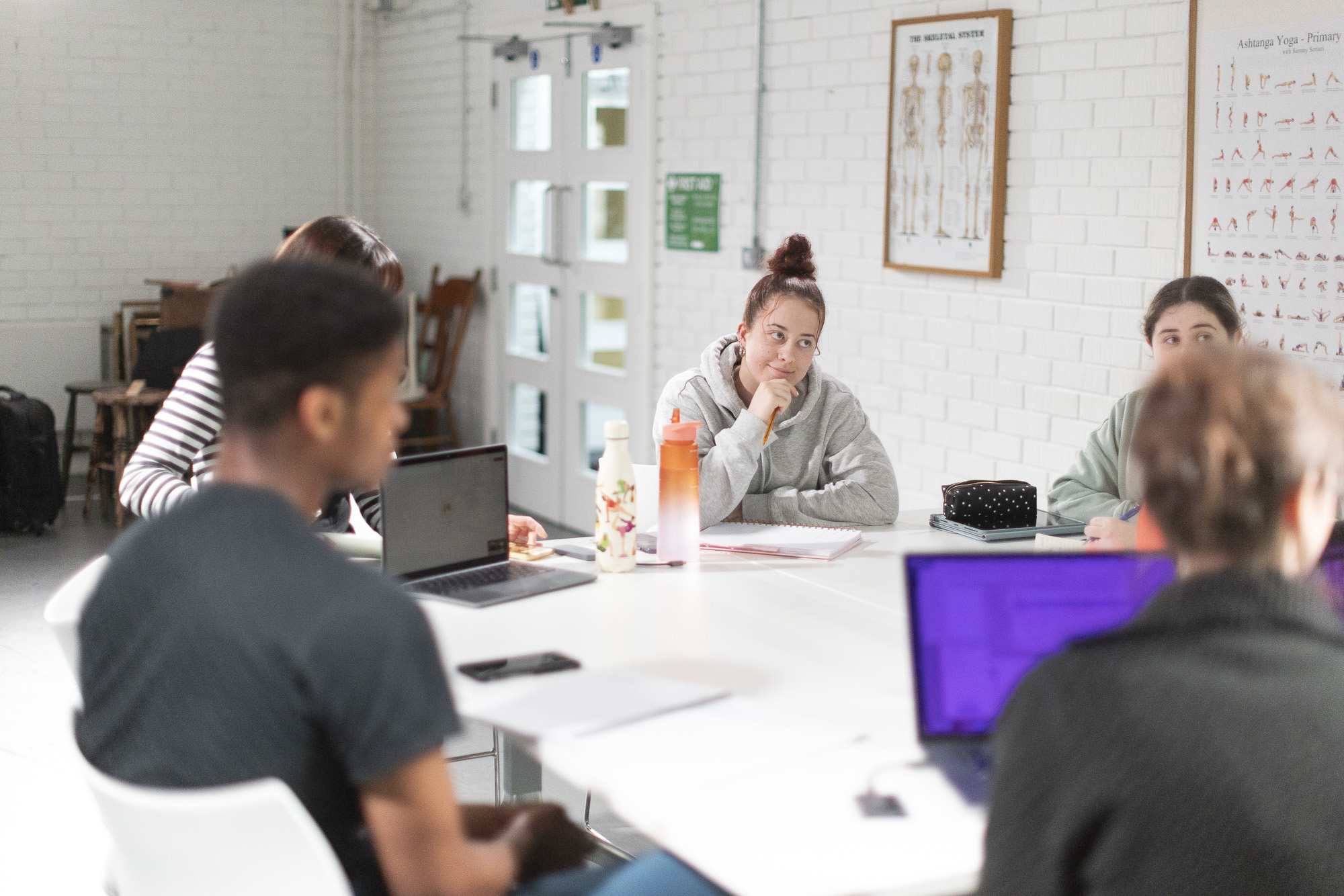
A new exhibition by BA (Hons) Fine Art students from Arts University Bournemouth (AUB) has opened in two locations in Bournemouth.
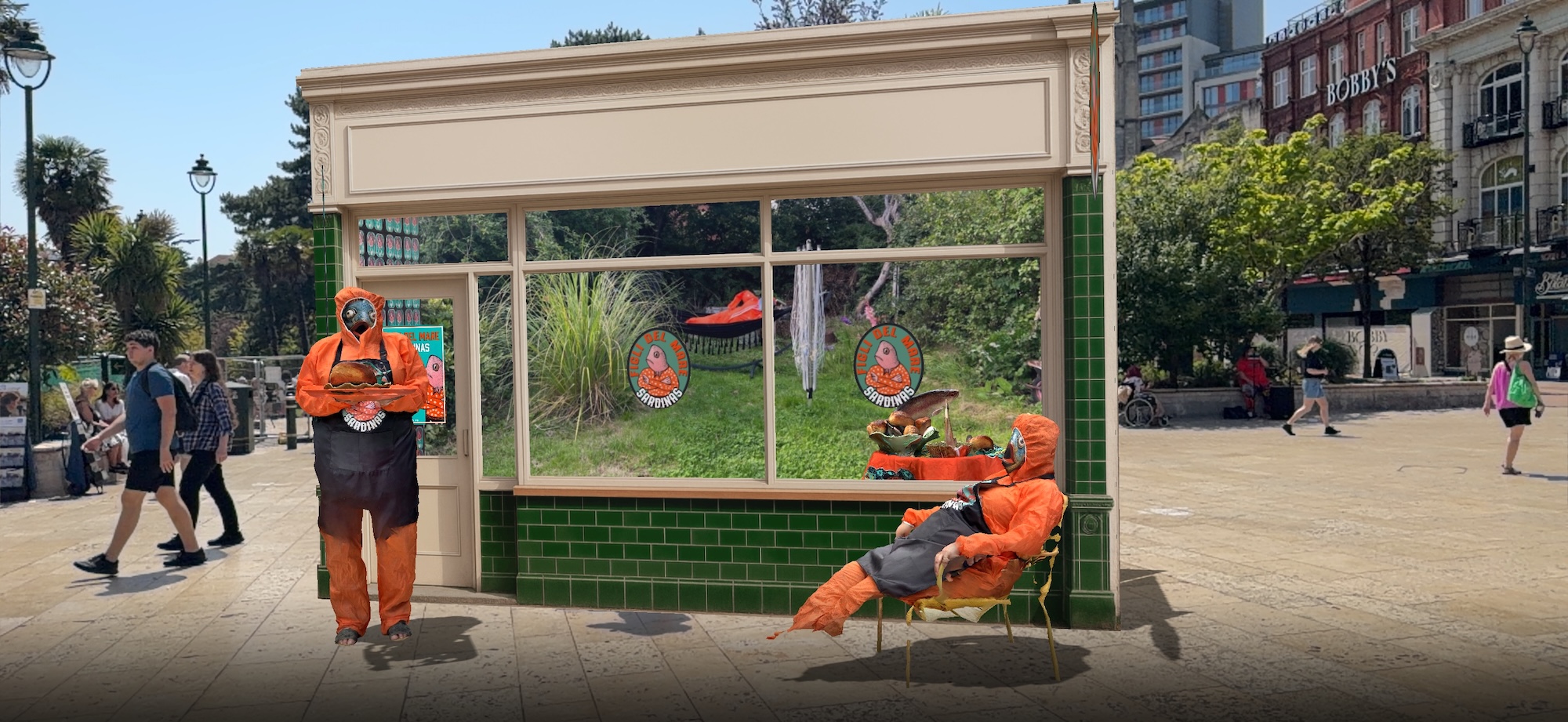
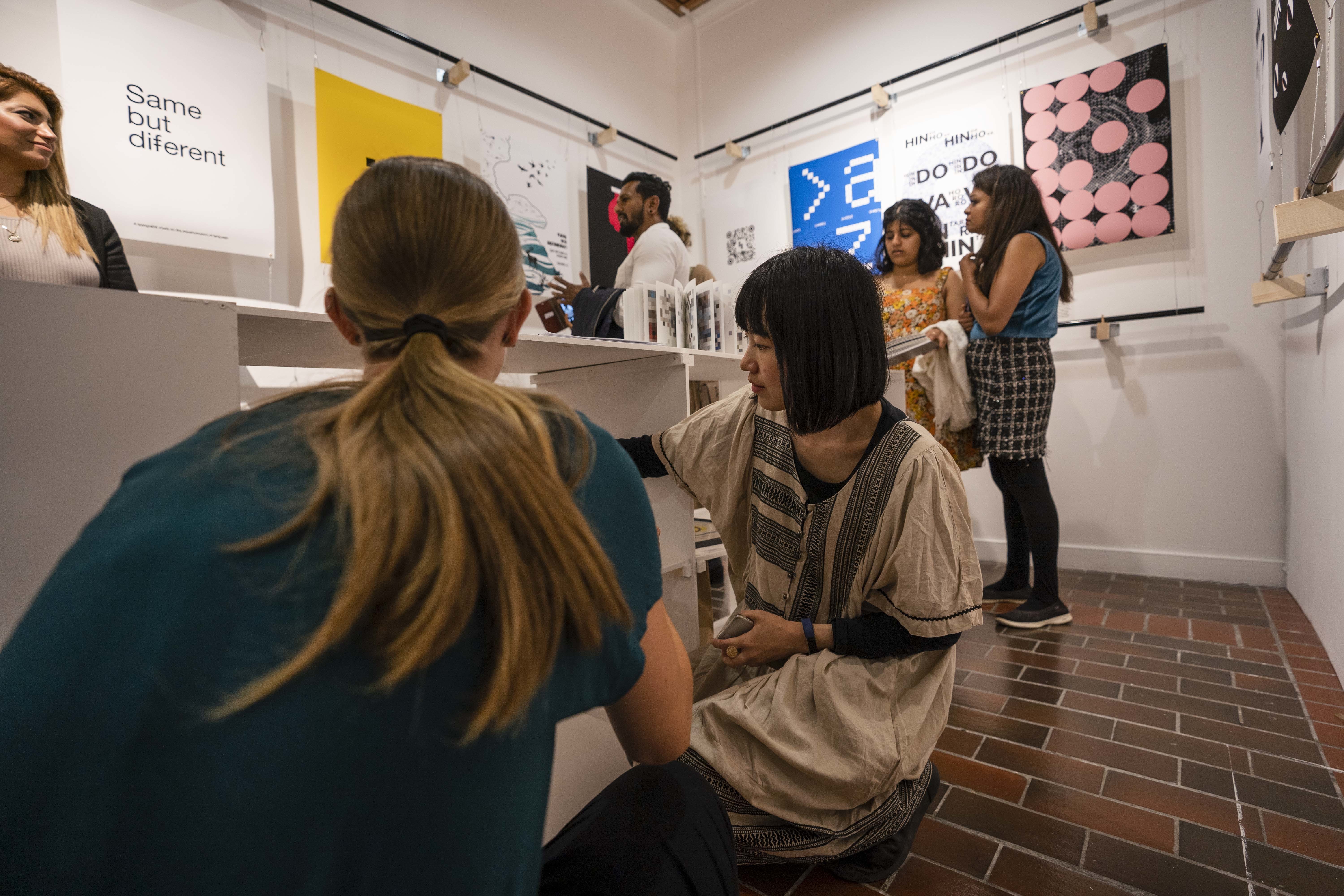
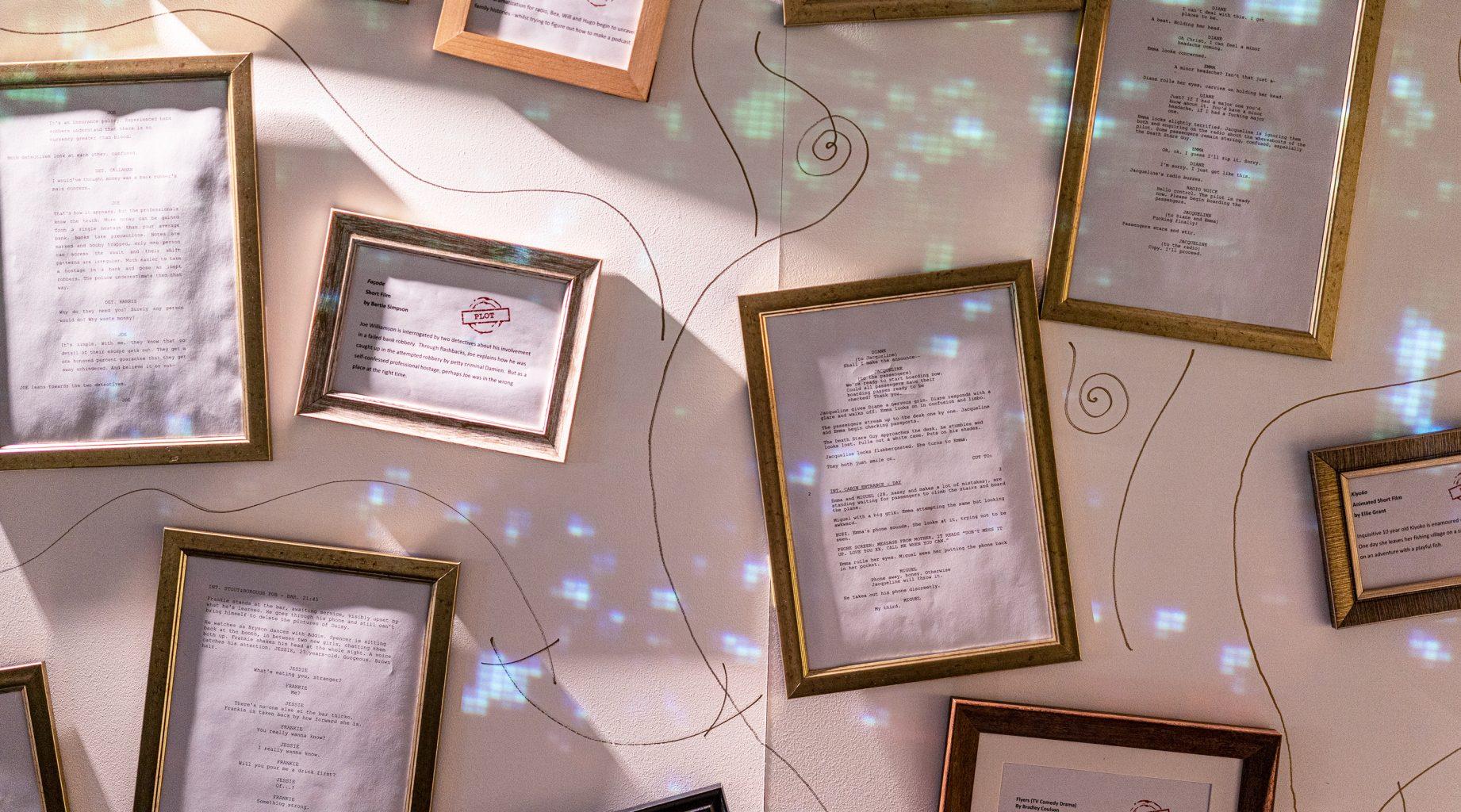
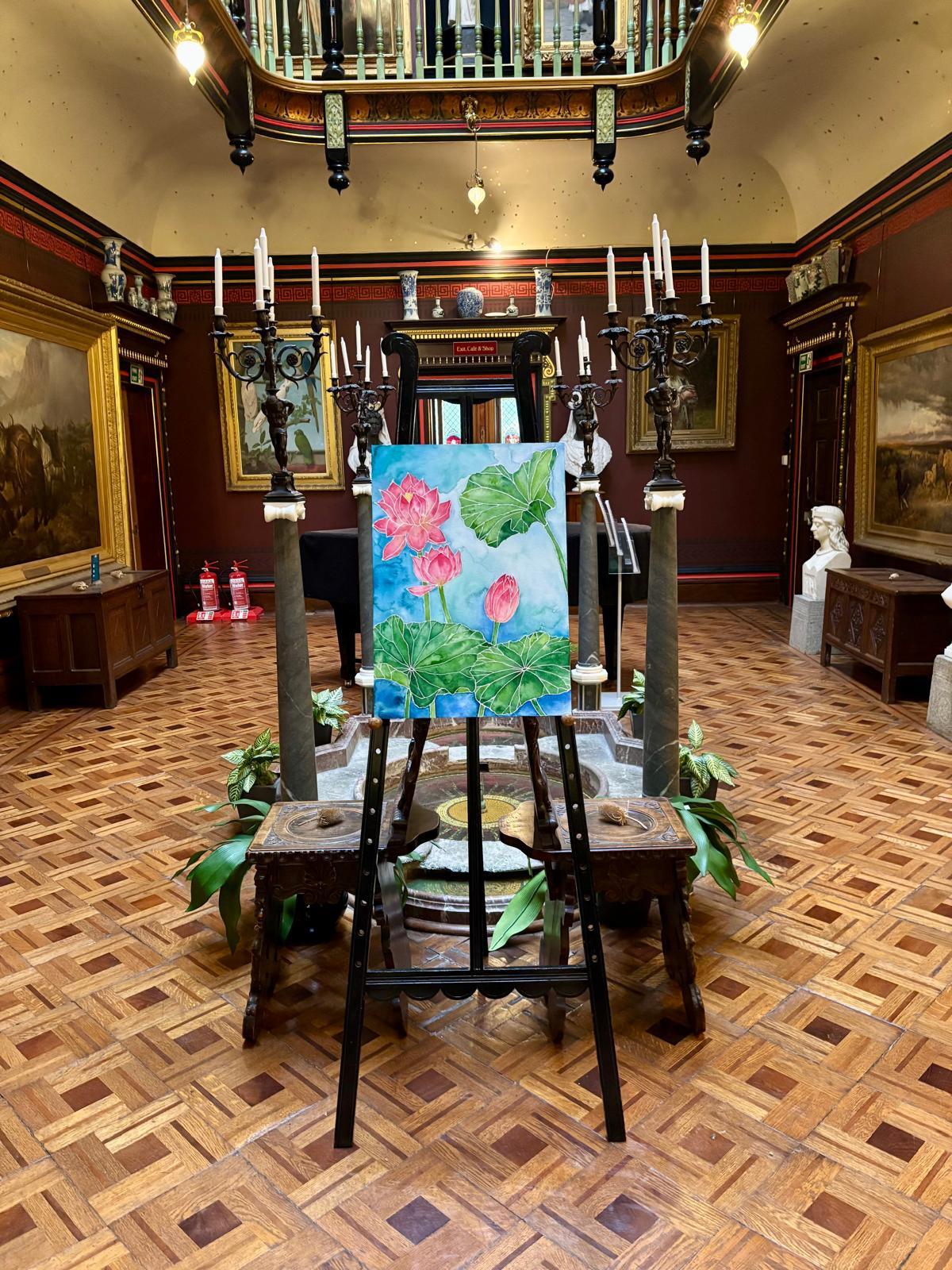
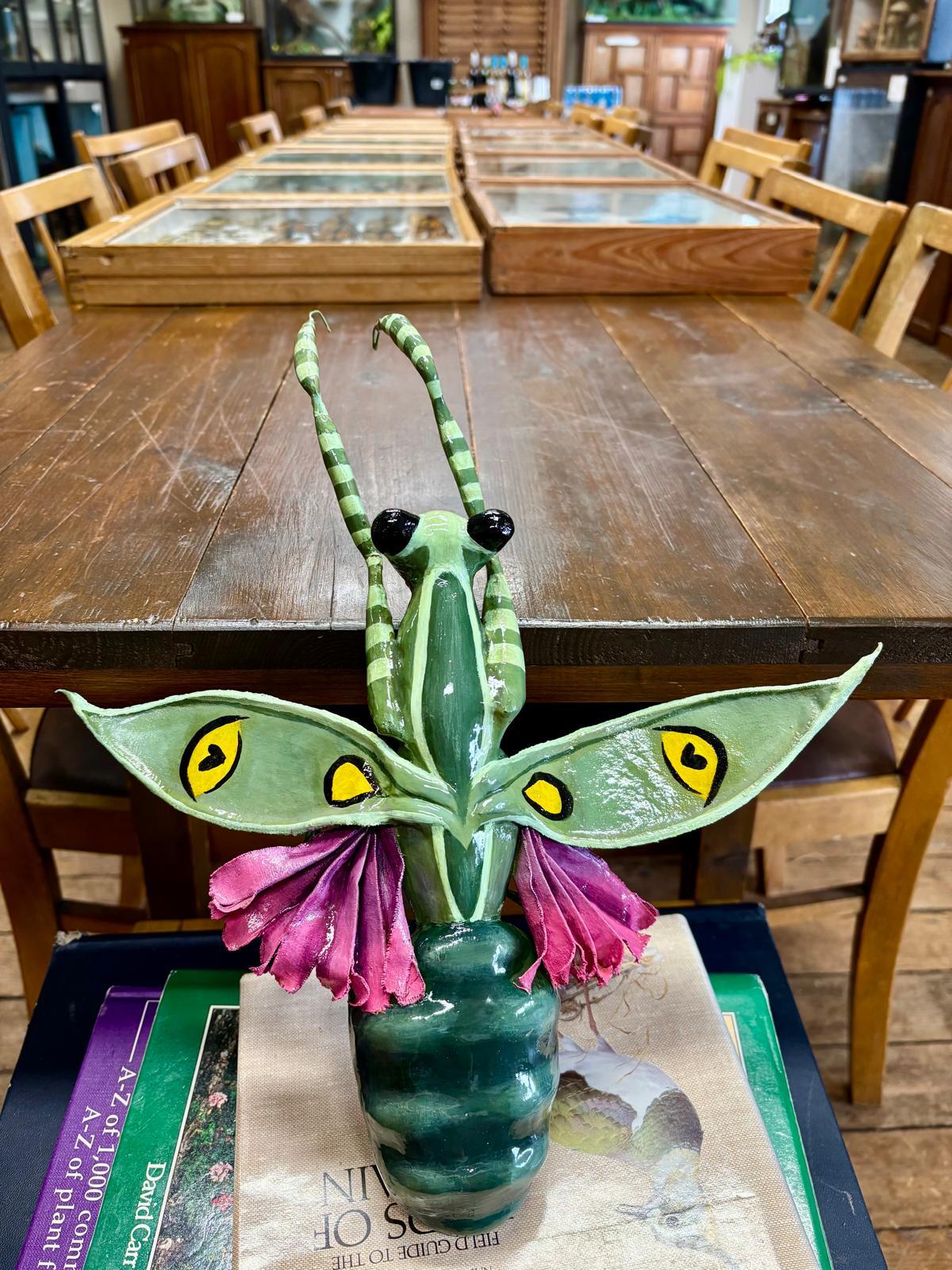
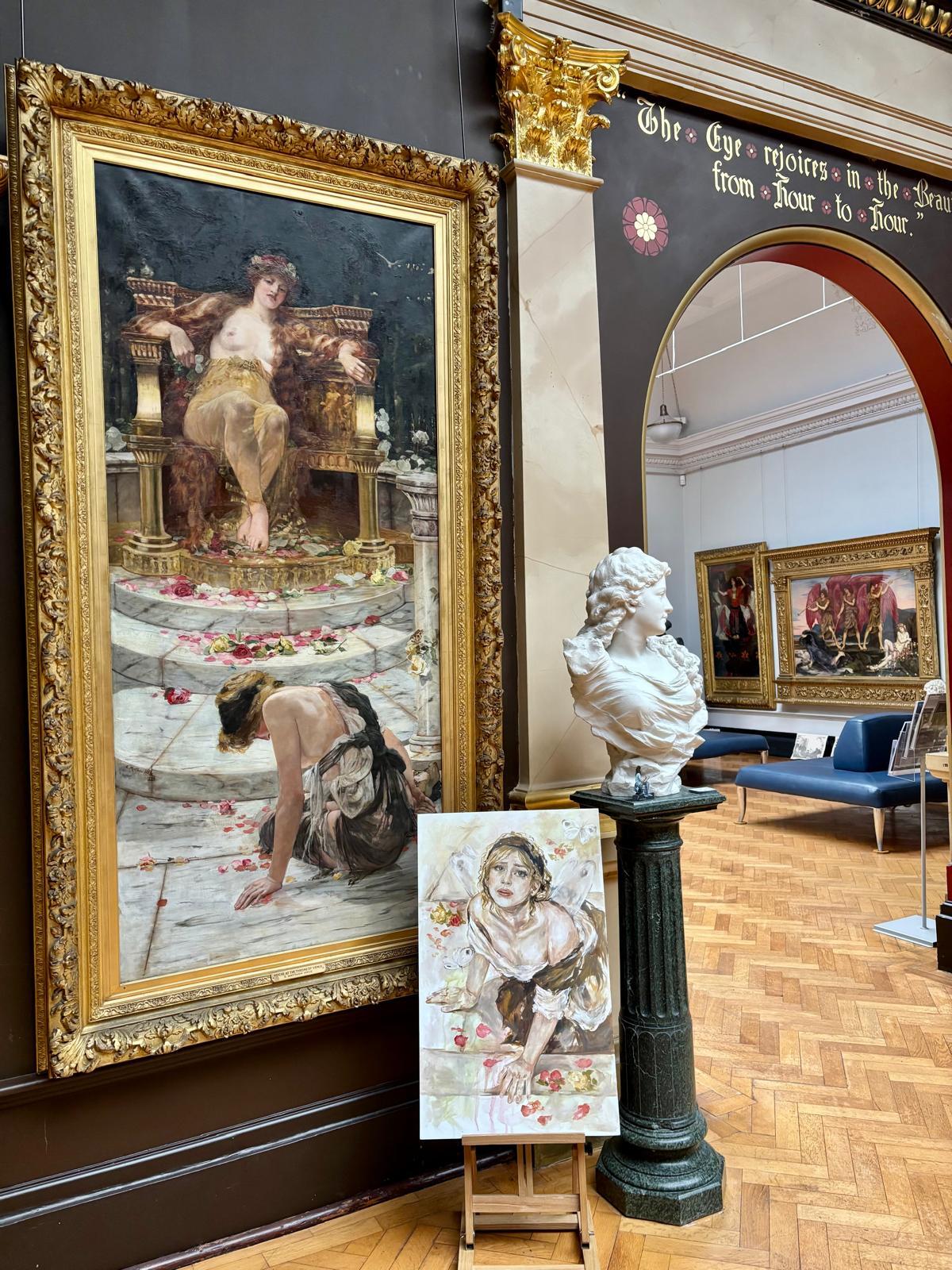
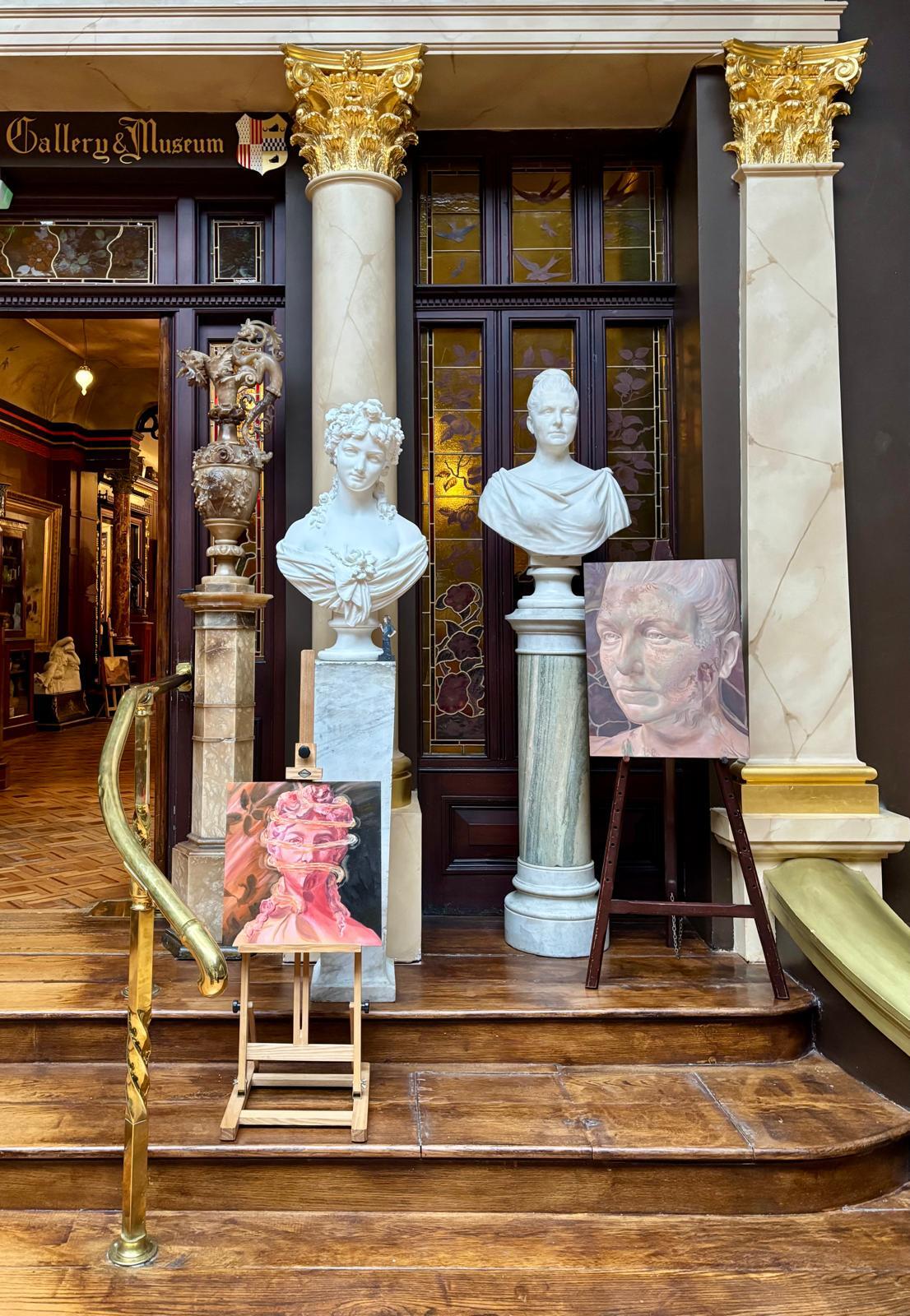
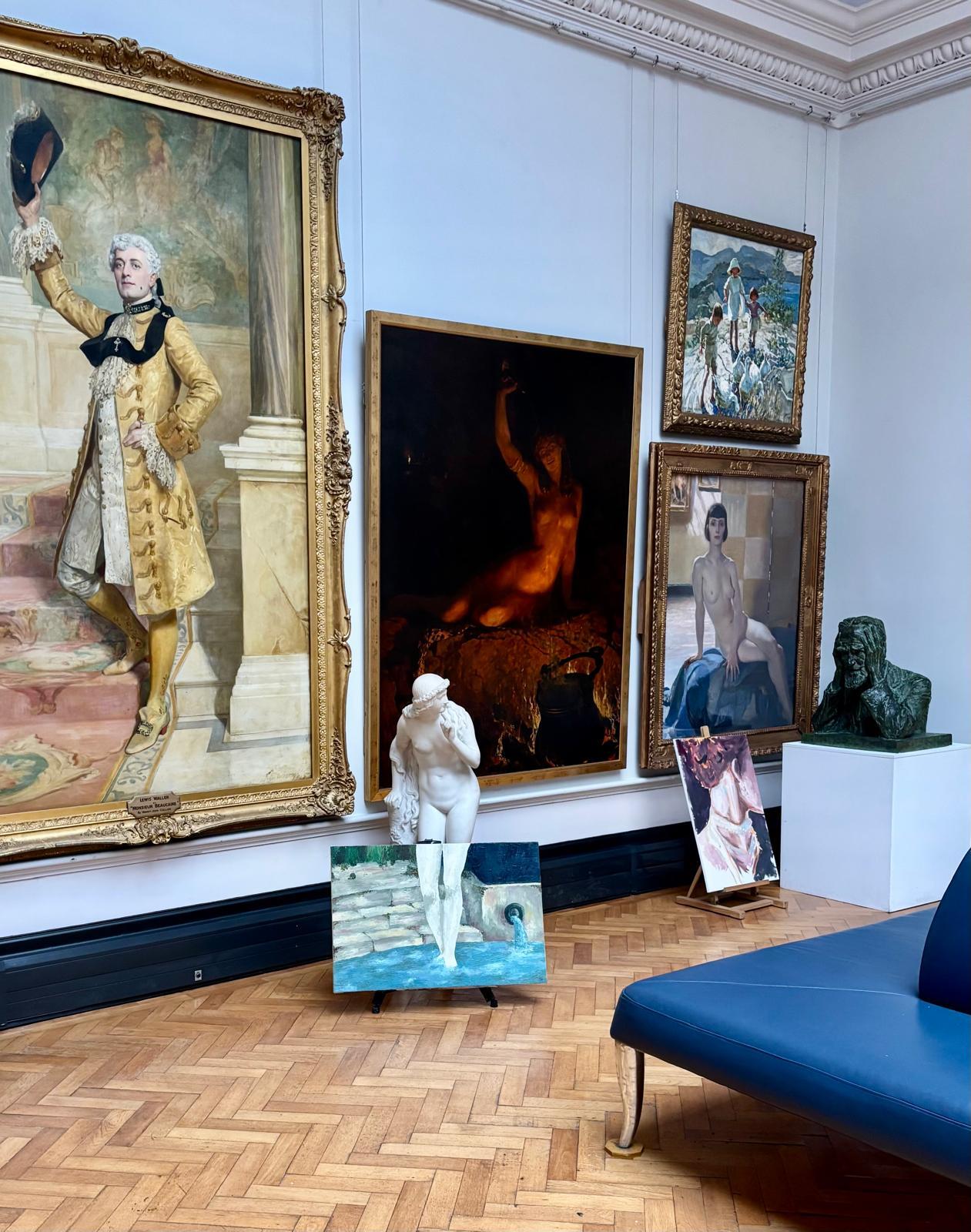
Opening on Tuesday 10 March, Hidden Interventions is a collection of work inspired by the two venues – The Russell-Cotes Art Gallery & Museum and the Bournemouth Natural Science Society (BNSS).
Rachel McRae, a lecturer on the BA (Hons) Fine Art degree at AUB, explains, “These two shows are an exhibition of site-specific works by our Fine Art students responding to the histories, collections, and architecture of these two landmark Bournemouth institutions.
“Both exhibiting cohorts come from the same second-year student class, where they all received the same brief. The students were asked to respond to the context of display at each venue in a way that was subtle and clever, and to work with the institution to uncover things that might be hidden or buried. Hence the title, Hidden Interventions.”
The students exhibiting at the BNSS predominantly worked in 3D and time-based media, while the cohort showing at Russell-Cotes worked in 2D media.
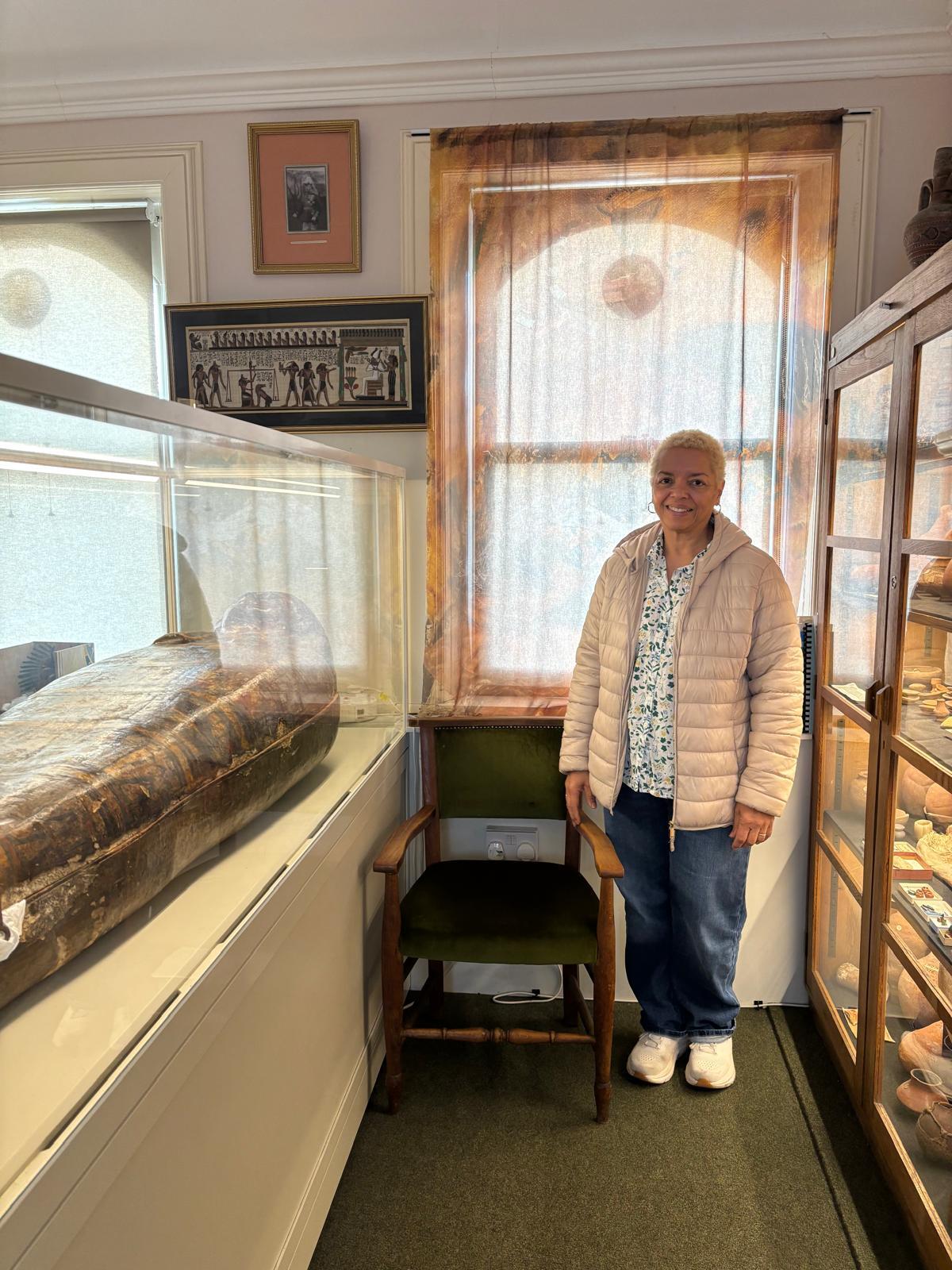
One of those exhibiting was Ana Thomas who was inspired by Tahemaa, a 2,700-year-old Egyptian mummified person who's been at the BNSS since 1922.
“As soon as I knew about Tahemaa being here, I was fascinated," Ana says. "I knew right away I wanted to make a piece of work about her.”
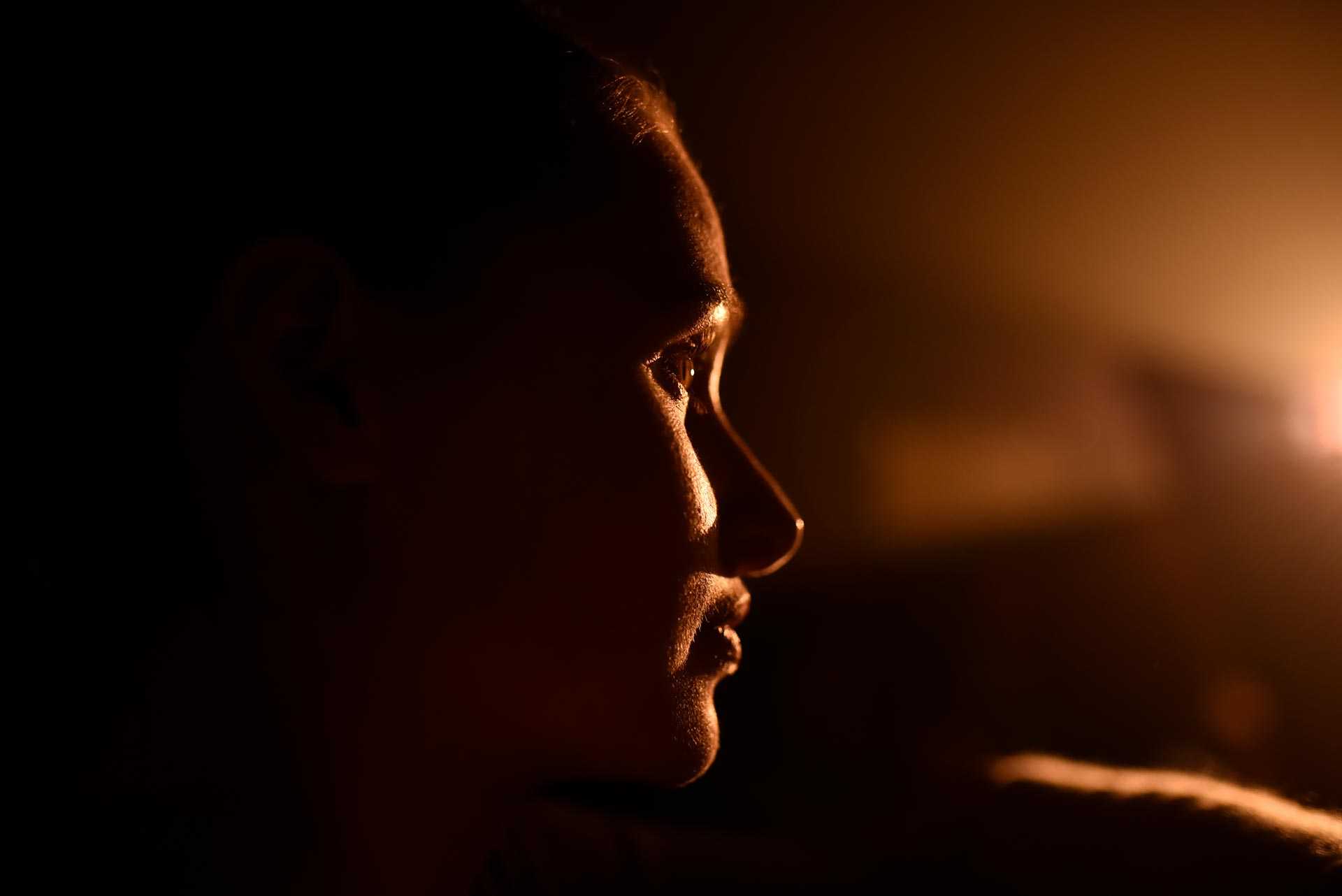
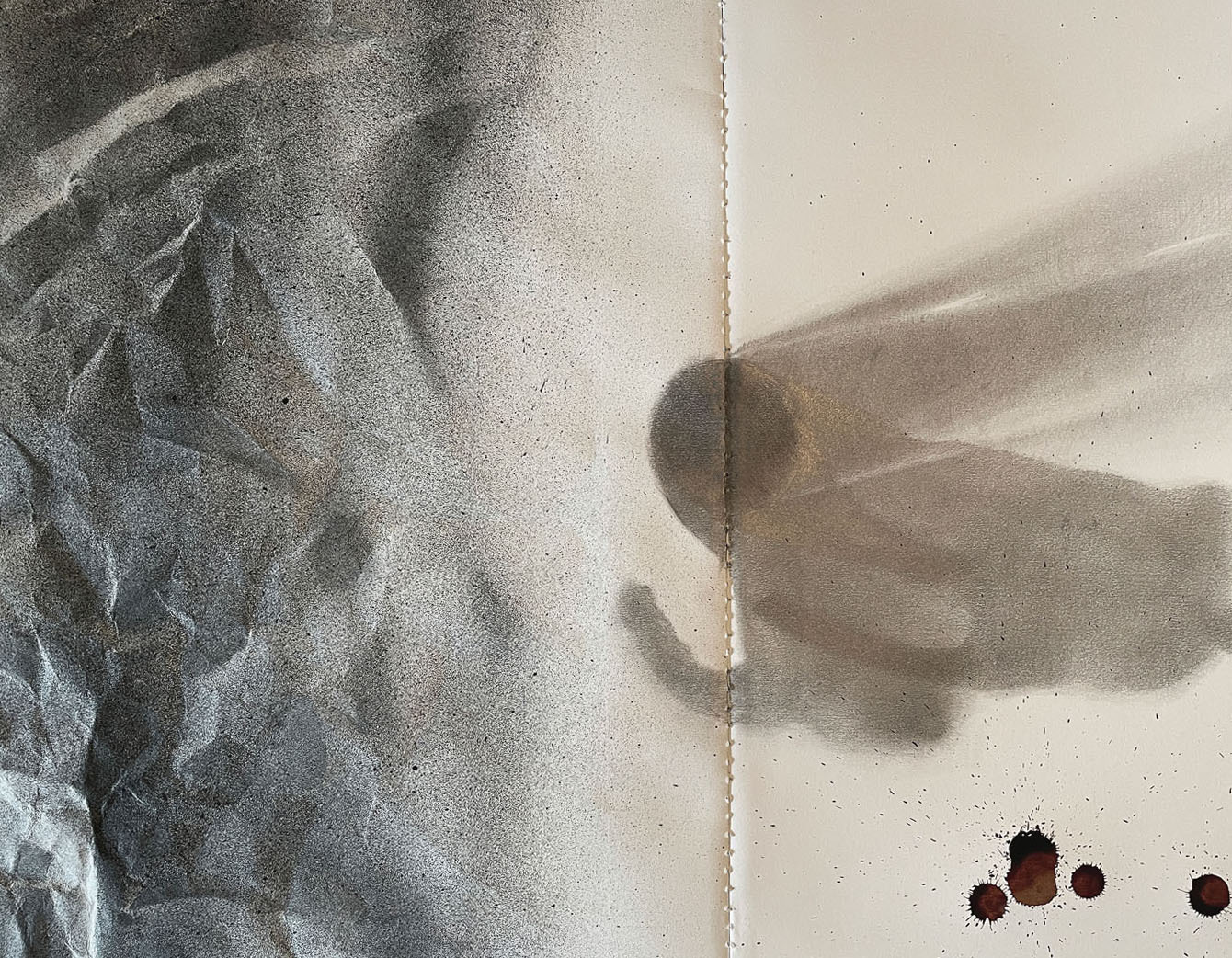
Her work, Honouring Tahemaa, is exhibited next to Tahemaa’s remains. An intricate piece of painted fabric with gold thread added, Ana explains how she came to make it:
“At first, I thought about 'bringing her back to life' by placing her in the here and now. But the more I researched how mummified bodies have been treated by the West, the more shocking it became.
“One of the most shocking things I found out during my research was that in the 19th century, mummified bodies were actually used to power locomotives during the creation of railways in Egypt. They were also ground up to make fertilisers and even medicines!
“The more I learned and understood, the more I realised that trying to represent her figuratively – trying to say what she looked like – felt like a violation. It felt like I was simplifying her and ignoring the context of her history. So, instead, I decided to focus on the colours and textures used on her coffin – the browns and yellows – and thought about bandages, fabric, and decay. The smoky, indistinct nature of the piece represents that decay and the 'fading' of a person through the passage of time.
“I also added two eyes. There’s a smaller one for Tahemaa’s eye with the added gold thread to symbolise her tears, and a larger one representing the 'societal eye' looking at her.
“The final piece is actually a series of different paintings that I layered together in Photoshop and then printed using a Mimaki digital printer at the Digital Hub. It’s all about the way she has been viewed and treated over the centuries, and I hope this can be a tribute to her that respects her privacy while acknowledging her history.”
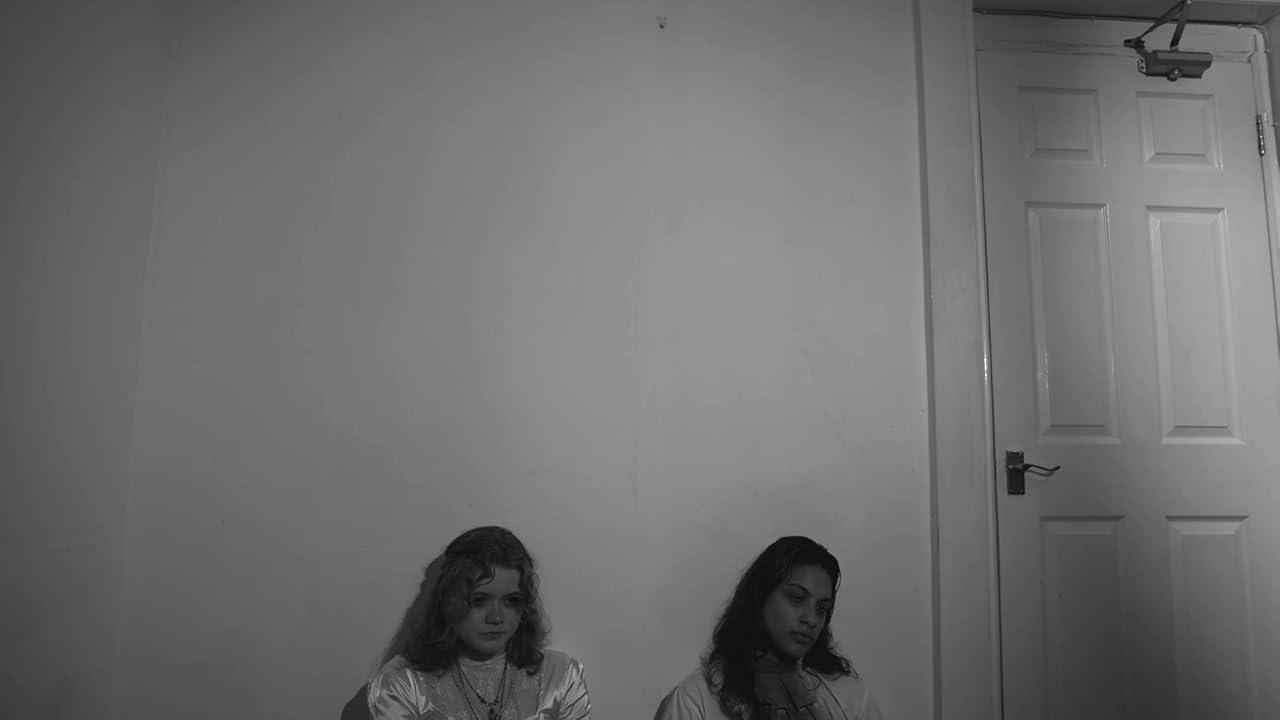
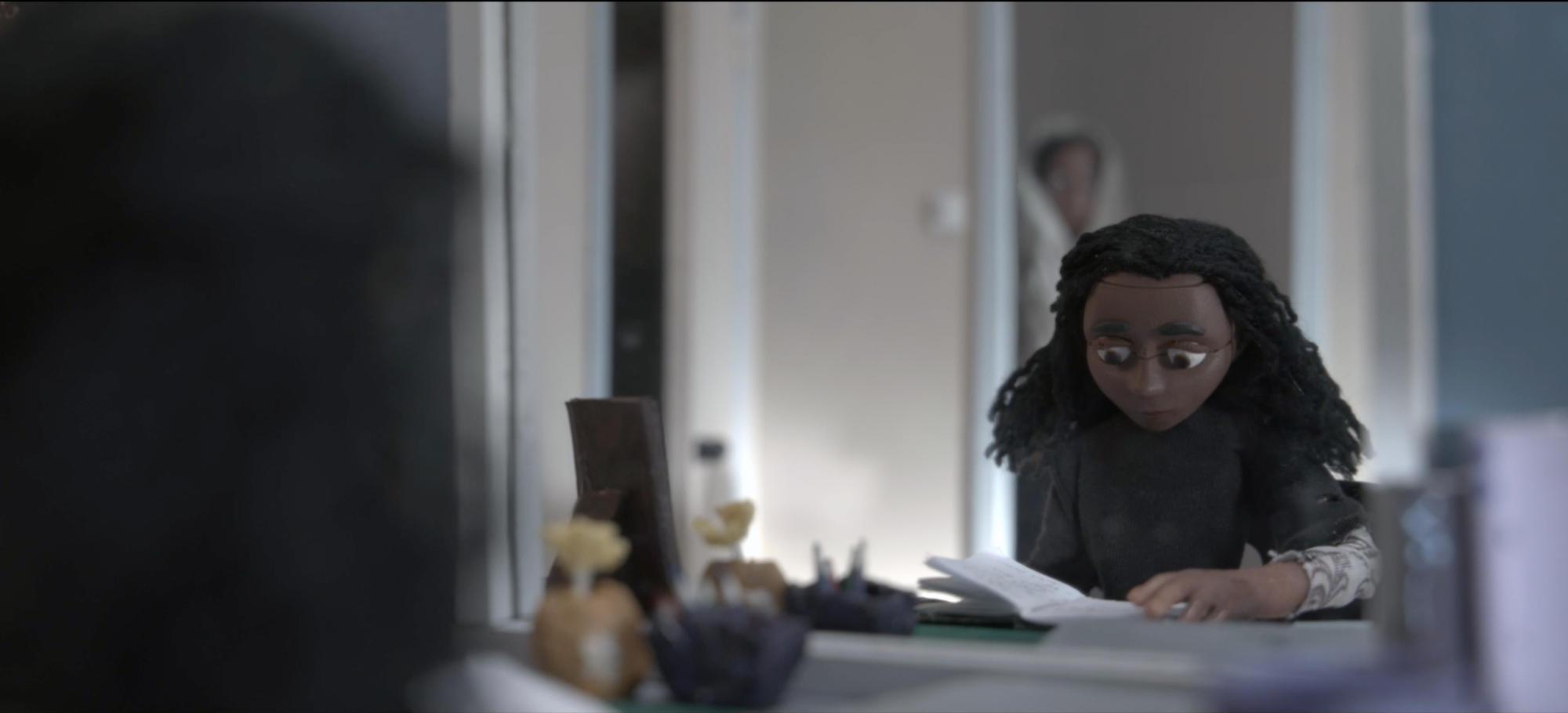
Also exhibiting at The BNSS was fellow student Finn Cook, with his mixed-media piece, Any Otter Person to Talk To. Finn shares his inspiration for the work:
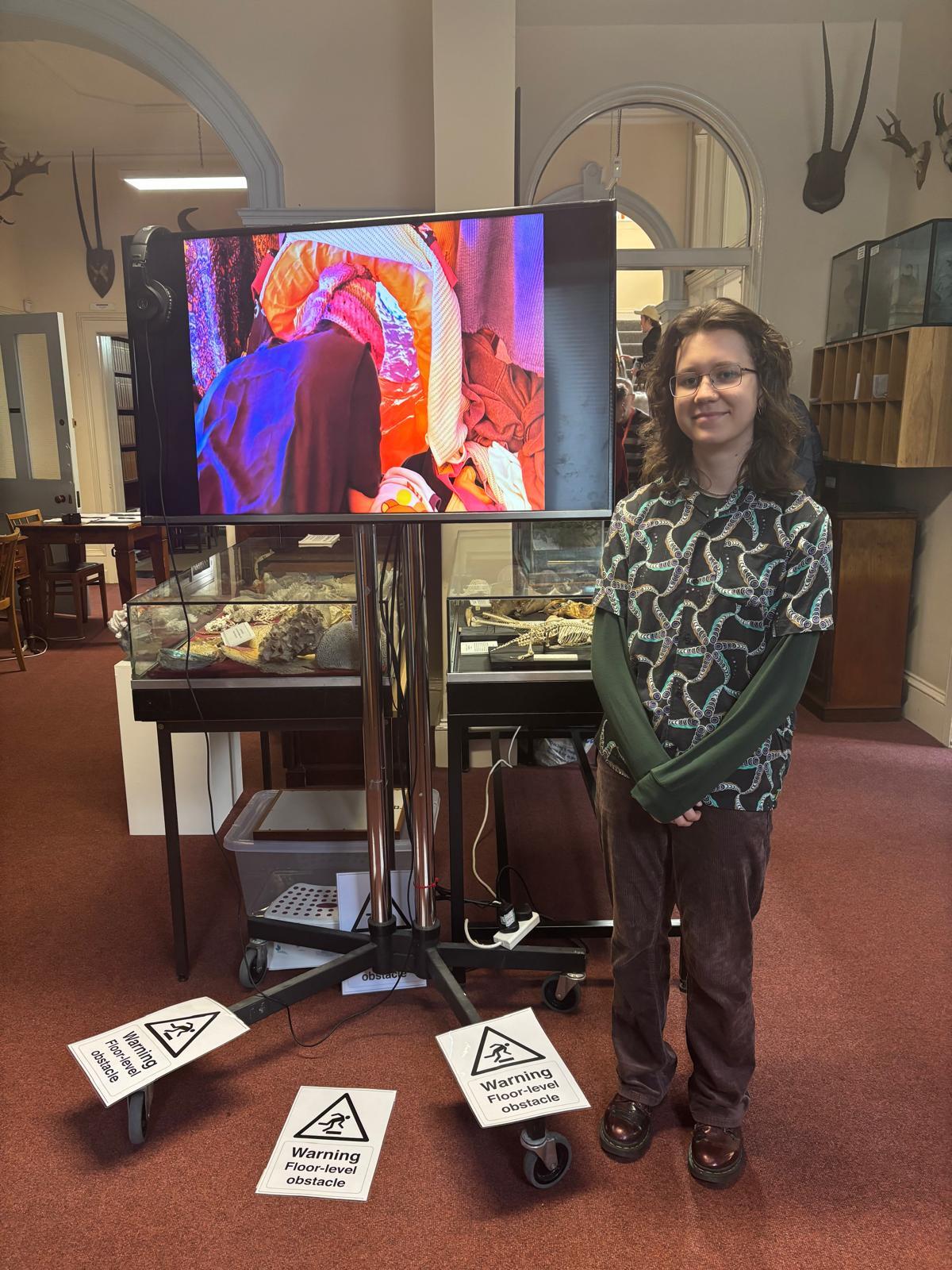
“While I was exploring the collection here at BNSS, I was drawn to the taxidermy – specifically an otter.
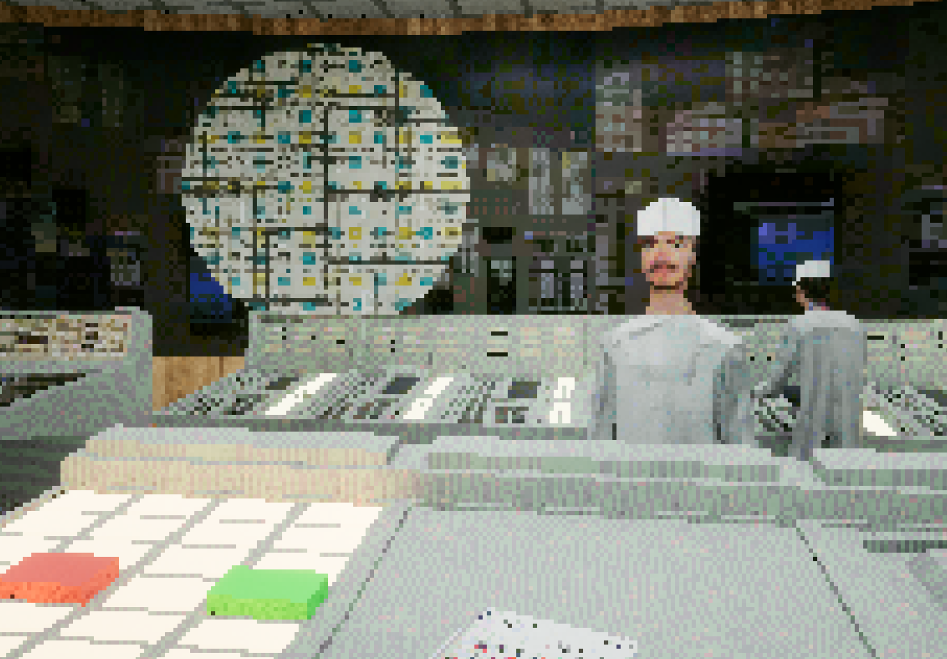
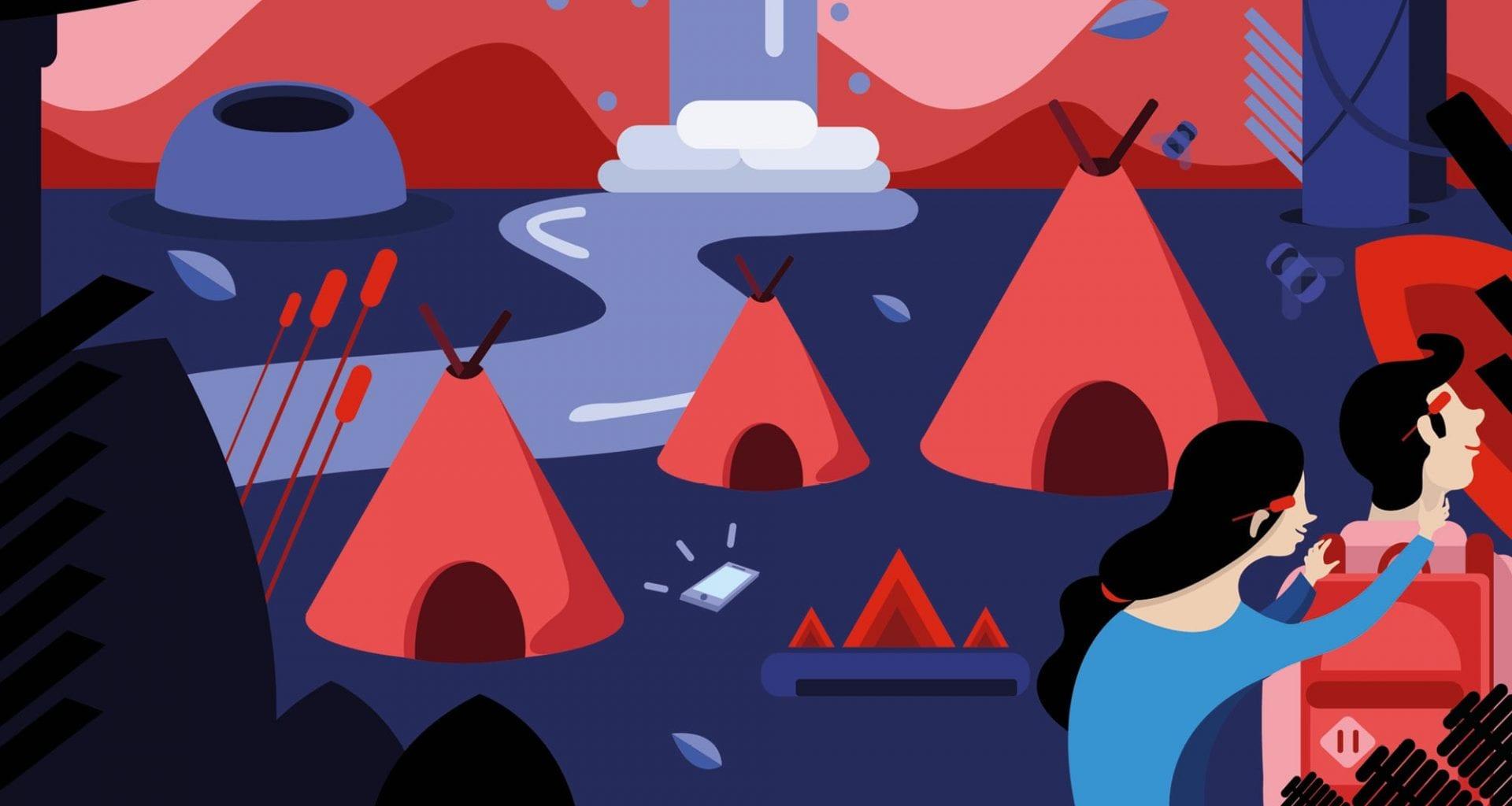
“The narrative of the piece centres on a fictional YouTuber and a main character who becomes obsessed with them. This obsession eventually leads the character through a portal into a digital world that exists as a separate plane of reality.
“The otter acts as a 'best friend' and throughout the film, it serves as the force that pulls the main character out of the digital world – which can be quite unpleasant – and brings them back from that alternate reality.”
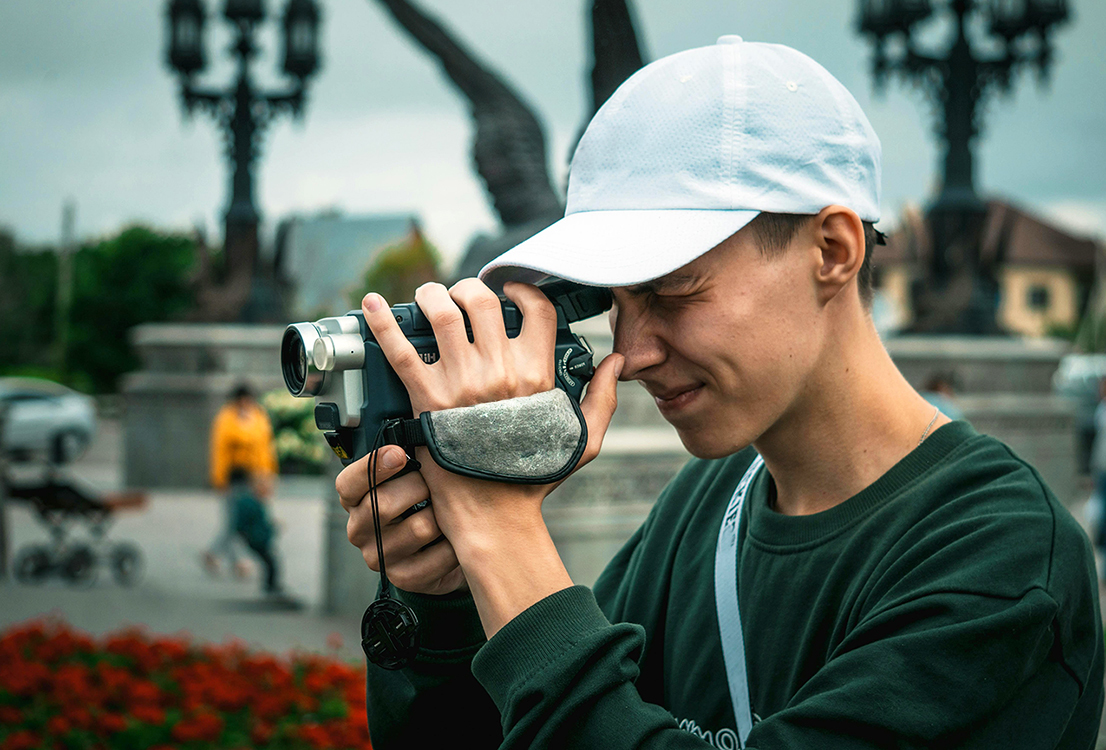
Exploring digital media was a first for Finn, as he’s previously focused on painting and sculpture.
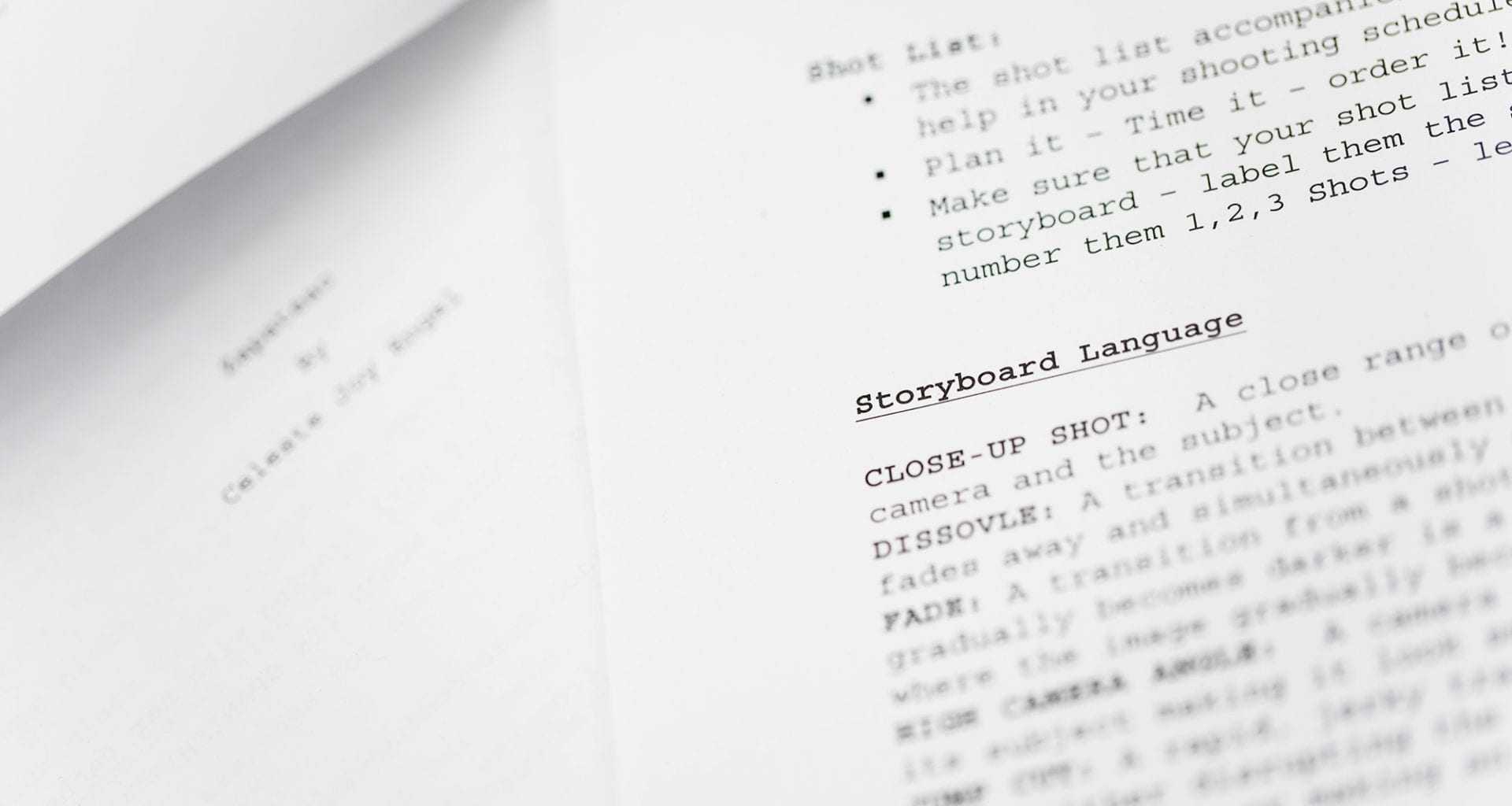
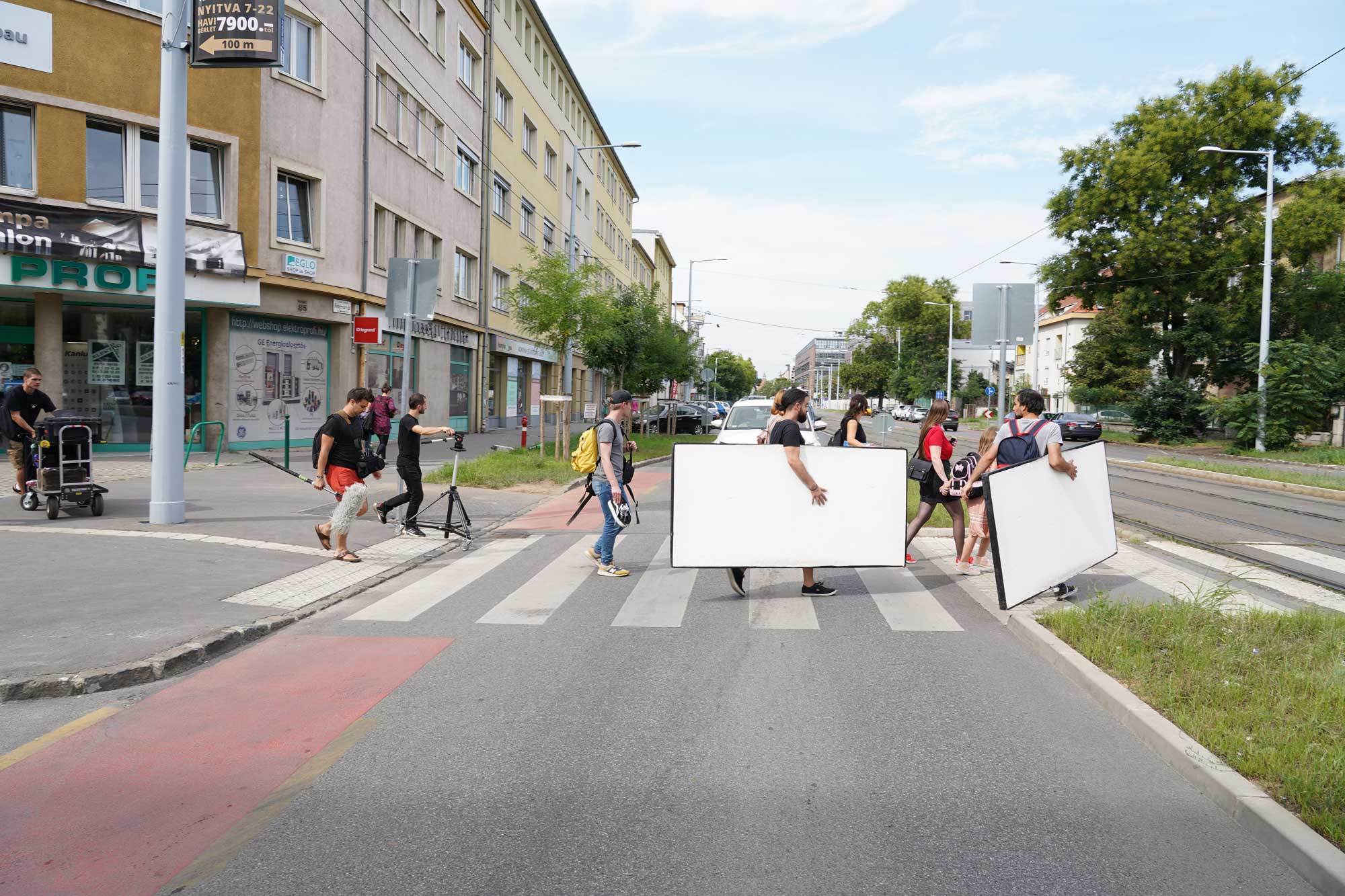
“It was all completely new to me. I didn’t really know where to start. It involved a lot of storyboarding and problem-solving. Most of it was filmed in my room, finding ways to make everyday spaces look like another world. The editing process was very time-consuming, especially creating the dream sequence and the voiceover.”
Finn went on to talk about some of the motivations behind his work:
“I knew I wanted to discuss para-social relationships through a comedic lens. I think humour is an important tool when talking about serious subjects.”
On exhibiting at the BNSS, he adds, “It was fascinating to think about how my work would relate to a space where everything is natural and ancient.
“I decided I wanted to contrast it with our contemporary relationship with technology, which involved a lot of thinking about how to make it feel as though it honoured the space and my own creative practice at the same time but I’m really proud of Any Otter Person to Talk To; I think it does justice to what I set out to do.”
The Hidden Interventions exhibition is presenting across the Bournemouth Natural Science Society and the Russell-Cotes Art Gallery & Museum, and will be on display during each venue’s regular opening hours, from Tuesday 10 March through to Sunday 22 March.