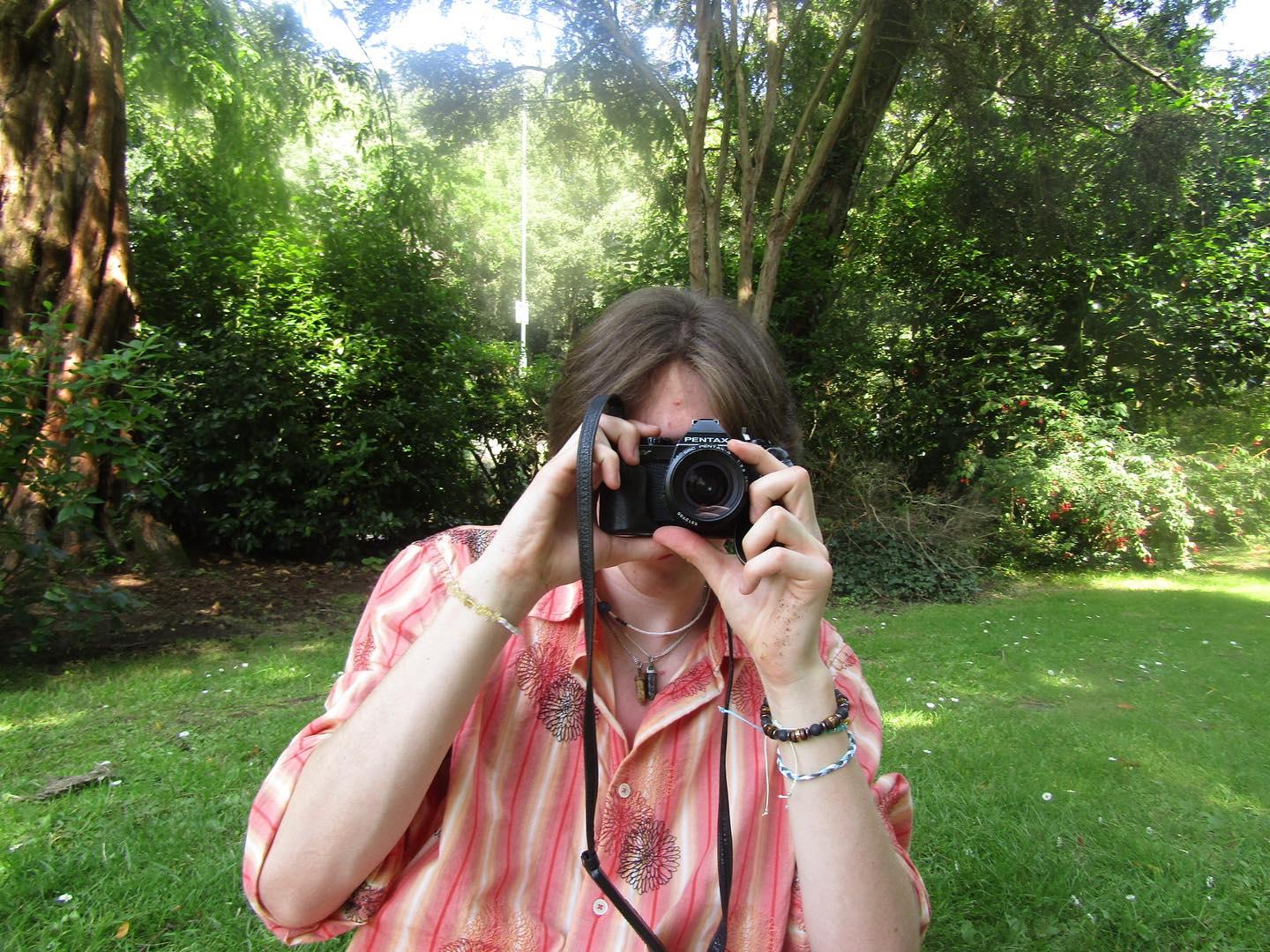








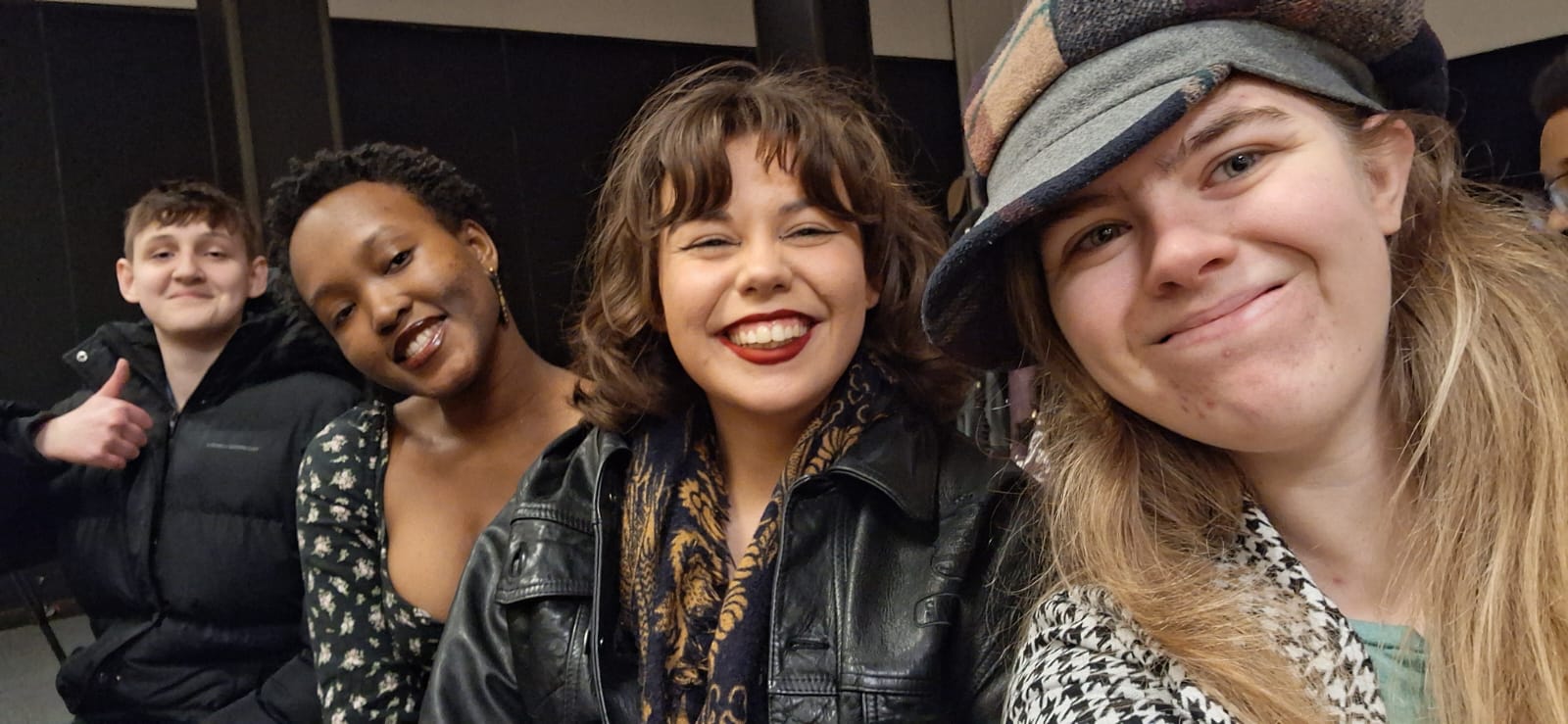
Hey, I’m Alex, a spoken word poet and BA (Hons) Creative Writing student at AUB, and I’m here to talk about how my experience at UniSlam changed my life.
I had the privilege of attending what has been fondly coined by the slam community as ‘poetry Christmas’. My team and I went into the weekend unsure of what it would entail, yet we emerged with new perspectives on performance poetry, a profound sense of gratitude for the community, and a newfound hope in the poets of our generation.
So what is UniSlam? It’s a weekend that occurs every year where universities from across the country send a team of poets to Birmingham, where they compete in four rounds: two preliminary heats, the semi-final and the final. Each team must perform four poems each round. These can be group pieces, duets, or individual pieces, but each piece must have a different primary author. Despite the competitive nature of being pitted against one another, the weekend itself did not feel inherently competitive. Essentially, it was an experience overflowing with poetry and the appreciation of it in a professional context. Passion, respect and love radiated from every smile and conversation exchanged.
UniSlam is a place where spoken word and performance poetry is taken seriously, and a space which is dedicated to supporting each and every member of its community and their growth as a poet. We felt this from the first day, where a panel of professional poets discussed their process and then facilitated insightful workshops designed to help us develop as writers and performers.
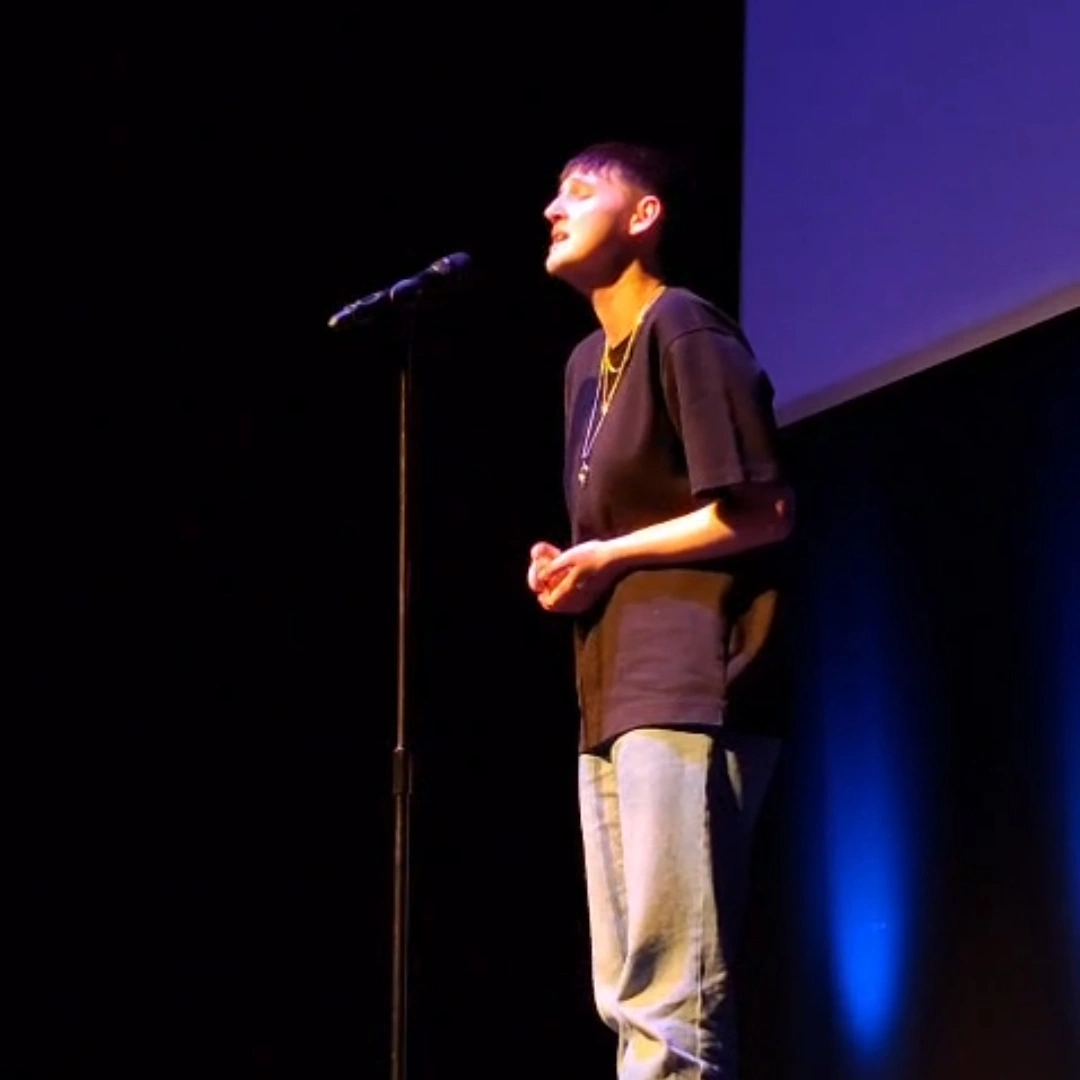
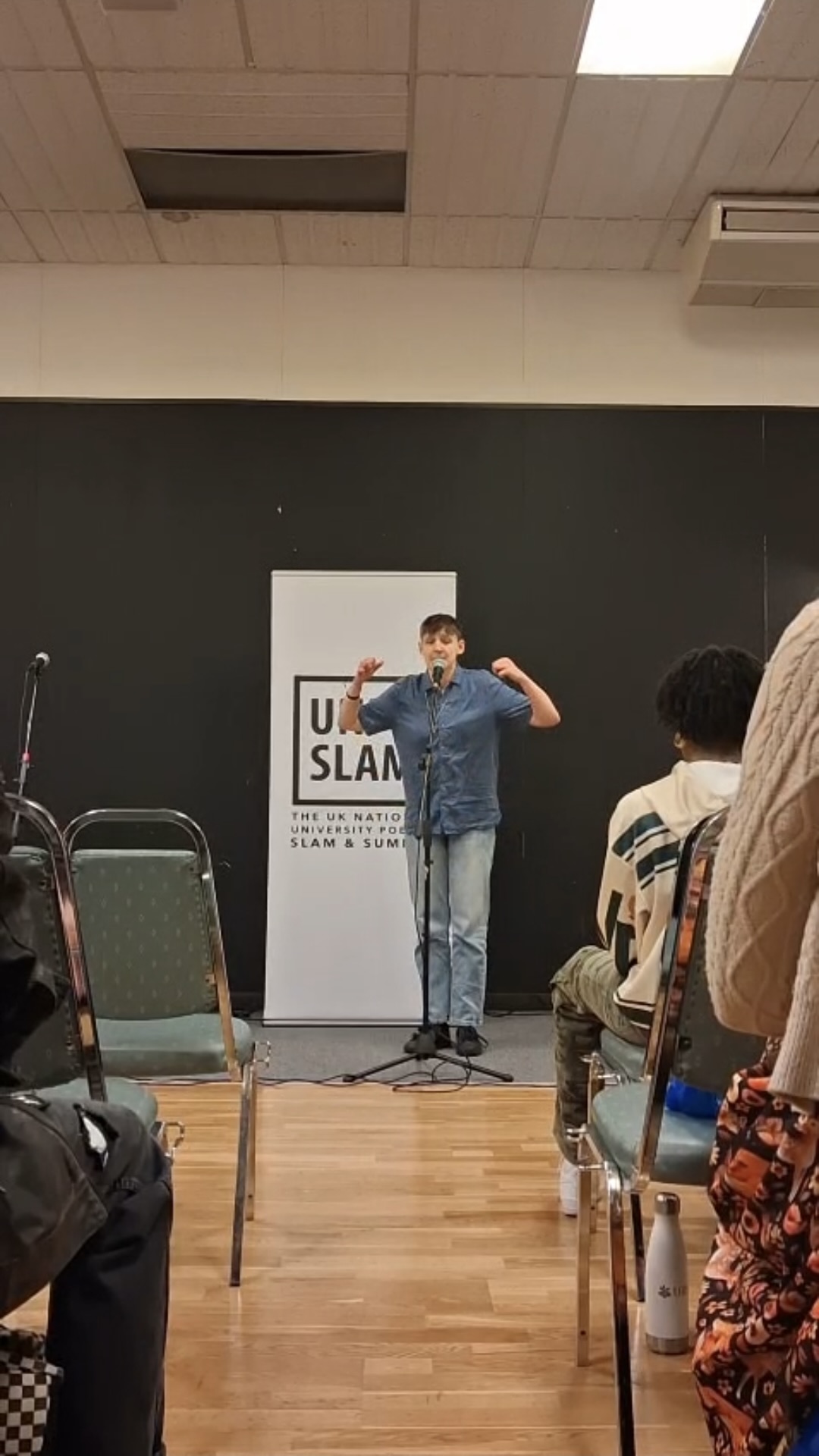
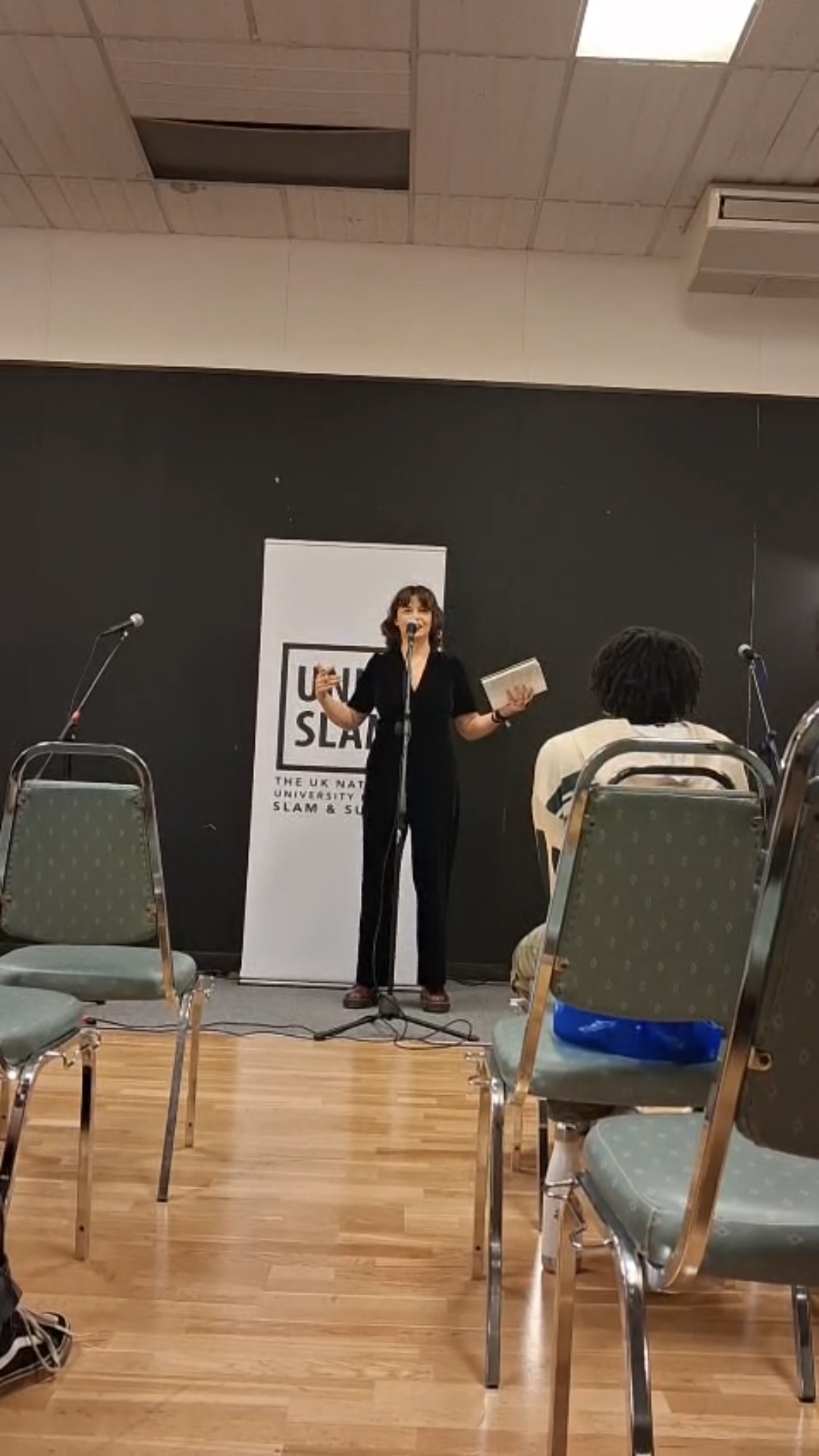
I attended Tobi Campion and Keisha Thompson’s workshops. Campion’s was based around lying your way to the truth, and Thompson’s was founded on pushing the boundaries of form. Both sessions framed my perceptions of crafting poetry differently. Campion’s encouraged us to separate the literal truth from the poetic truth, enabling us to lie about the literal to achieve a greater poetic truth. For example, if you were writing a poem about the death of your cat and it happened in the day, you could write as though it happened at night to instil a greater tone of grief within the poem. Thompson’s workshop demonstrated how we could experiment with form, showing us a poem she had written in the form of noughts and crosses. This was a form she had created herself to capture the specifics of the battles within her and her father’s relationship.
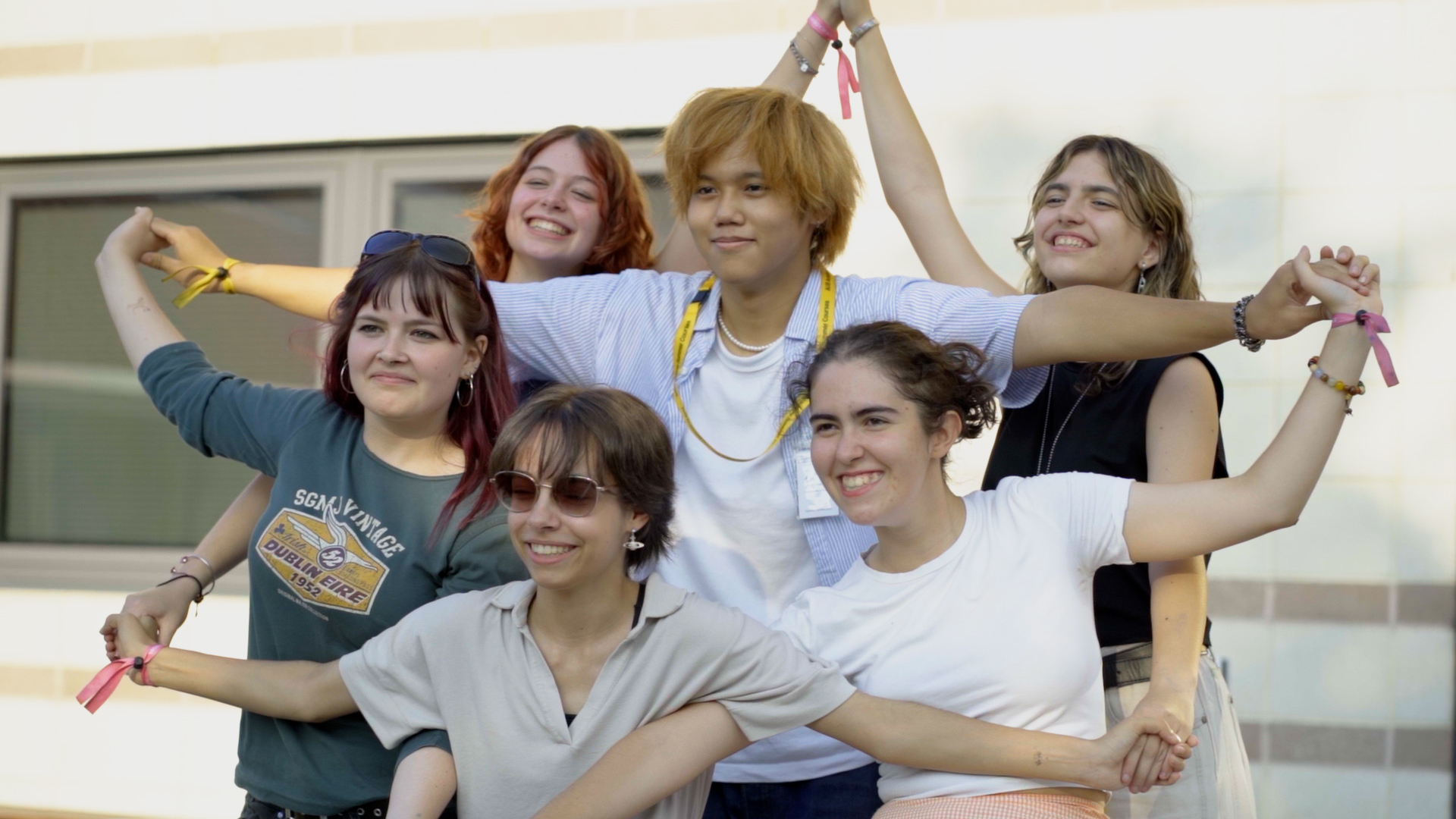
As the first team ever sent by AUB, we rocked up in my friend Lauren's car with no reserves, no coach, very little prep and no idea what to expect. But what we lacked in knowledge, we made up for in excitement and anticipation. Unsurprisingly, we came dead last in both our heats. Yet what stayed with us was the appreciation of our judges. They provided us with feedback detailing what our next steps could be and how we could progress, but also commended us on our craft and courage in the same breath. It truly felt as though both our writing and we as poets had real value. Not only this, but we were able to start forging a network of like-minded creatives through the social element of the trips to pubs after the timetabled days had ended.
A key message I took away from UniSlam is that not all poetry has to rip your heart out to succeed. The comedic poetry at the competition had me in stitches and in doing so reminded me that humour is a huge part of human experience and poetry is intended to encompass every aspect of human experience. This has definitely led me to explore less cathartic and more amusing poems, and to push myself into trialling various tones that I may not have had the courage to attempt before. I think that, as a poet, it can be easy to box yourself into writing what you know, and so the moment you get comfortable is the moment you should try something new.
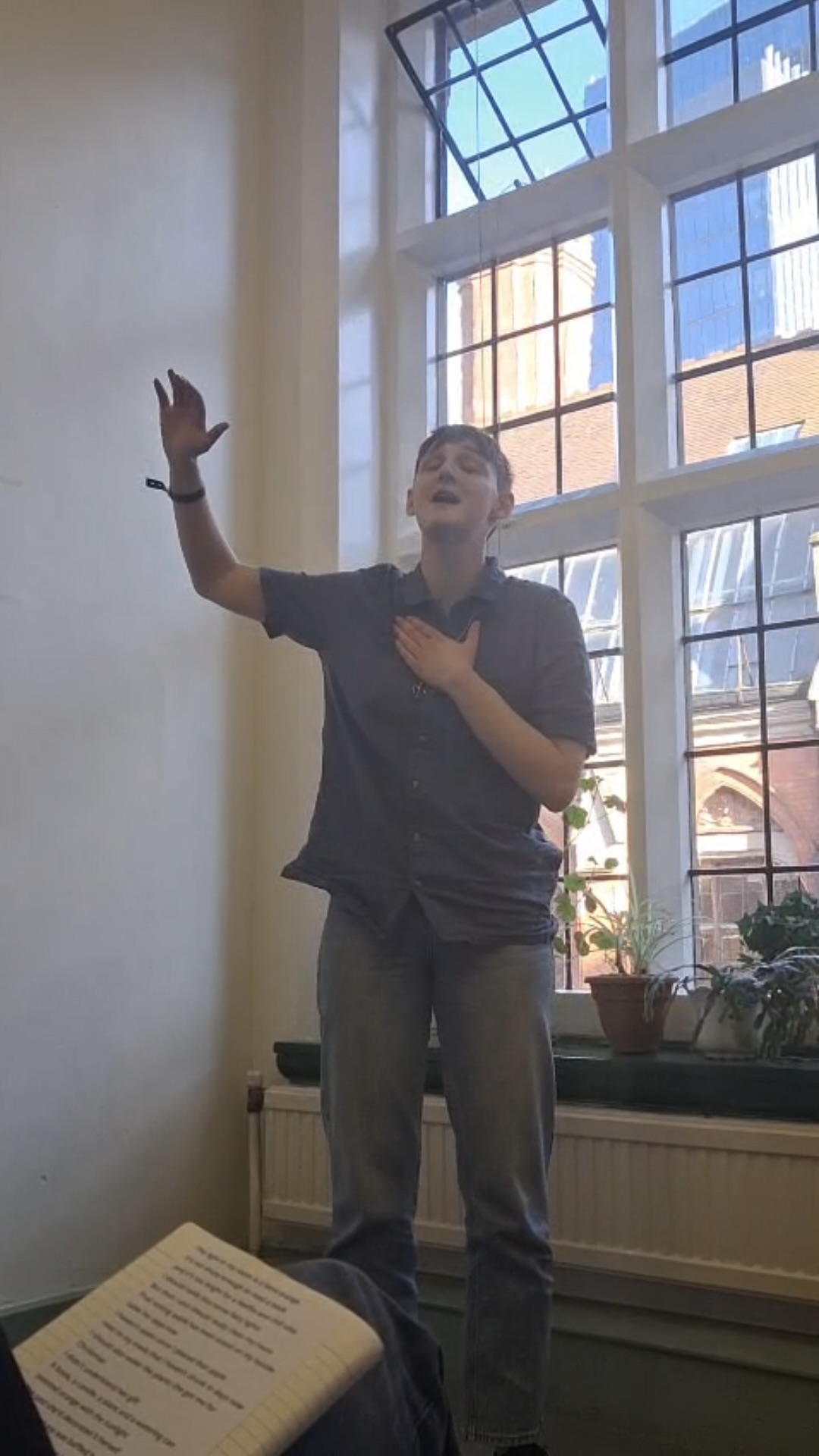
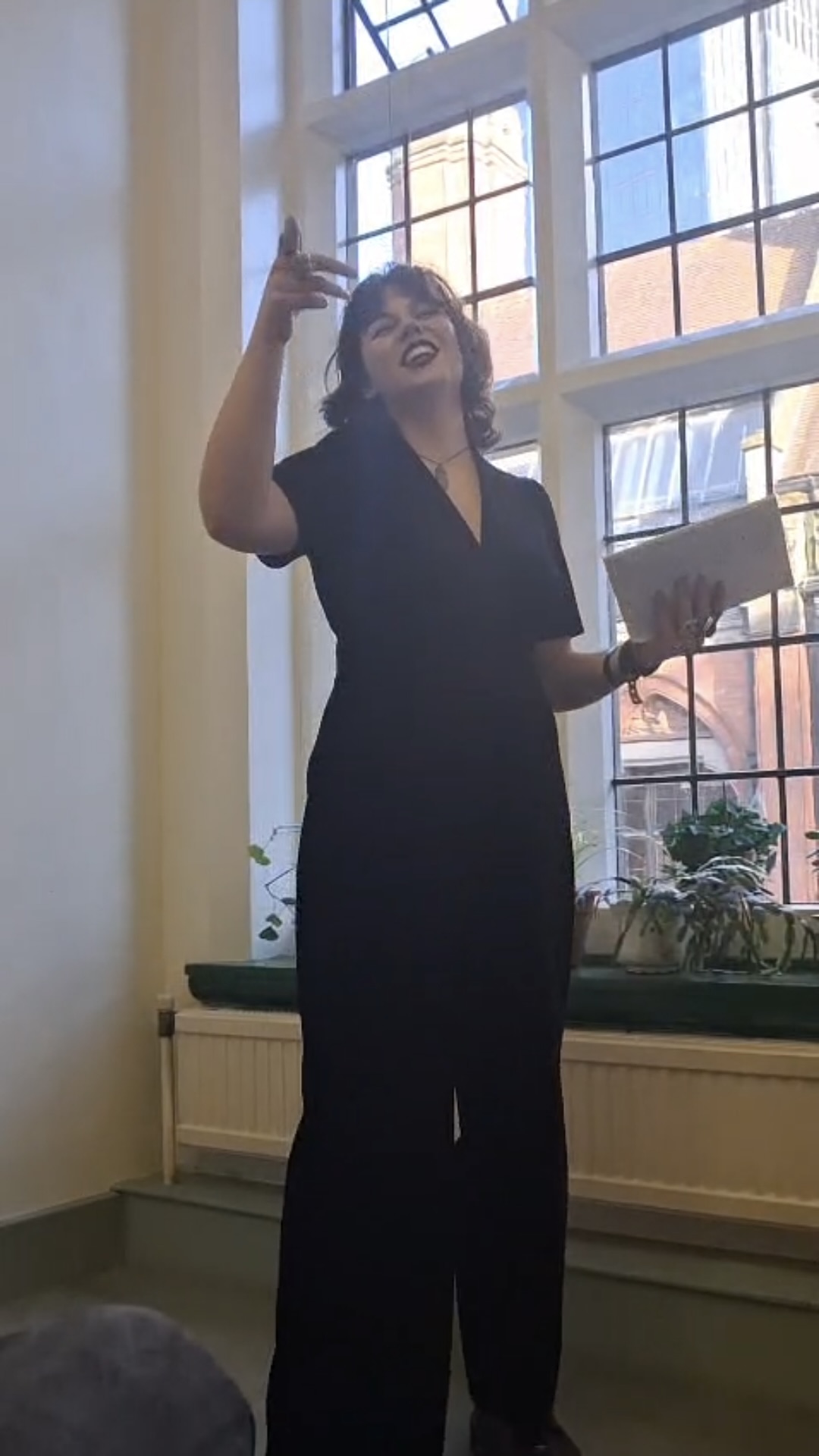
I have been writing since I was young, and in my gap year I started attending open mics. Since then, I realised I wanted to study creative writing at AUB and I’ve never looked back. It is only since coming to AUB that I have become much more considered in my process and in the editing of my poems. Poems used to come to me all at once and, once I’d captured them, I never changed them as it felt almost disloyal to the rawness of the poem itself. However, when I realised I wanted to take myself and my work into a professional context, my poetry began taking more thought before it developed. Now ideas stew in my brain for days, lines looping themselves through my head until the tapestry of a new piece has formed. And then I wrap myself in it, trying to decipher what wants to be said and how I can edit the poem to best present this.
Looking towards the future of AUB’s involvement in UniSlam, we may be founding a slam society next year, so if performance poetry or slam has ever piqued your interest, please do keep your eye out! I passionately believe UniSlam is a deeply soul nourishing and relevant experience for anybody to attend, which is evidenced in the fact that other universities teams were made up of students who were studying a full range of different courses. However, with this in mind, in attending the society, there will be no pressure to attend UniSlam itself, and all poets will be welcome.
Whether you're a seasoned open mic attendee, whether there is a collection of secret poems in your notes app (we’ve all been there), or whether you’ve never tried writing poetry or performing before, we would love to have you.
Long live UniSlam!
Want to see more of Alex’s work?
Check out their poetry Instagram, @veeringintochange