



















You are using an outdated browser. Most of this website should still work, but after upgrading your browser it will look and perform better.
BA (Hons) Music and Sound for Film, TV and Games*
- Duration: 3–4 years full-time
- Placement year: Optional 1 year
- Course code: To be confirmed
- Institution code: A66 (UCAS)
BA (Hons) Music and Sound for Film, TV and Games course information
This course equips you with the technical, creative and business skills and experience to take on a wide range of artistic challenges across film, television and games production, both before and after graduation. With these opportunities, you'll develop your own artistic style and professional identity, along with technical competence and stylistic awareness, as you use music and sound to shape narratives.
As musicians and sound designers, you'll have the opportunity to work on productions alongside your fellow creative students from other courses (including BA (Hons) Film Production and BA (Hons) Games Art and Design), building the communication and collaboration skills required for success in the film, gaming, television and music industries.
Alongside this, you'll build your theoretical, historical and cultural knowledge of scoring, sound design and soundtrack production, and apply this learning within your projects. You'll also learn to evaluate inclusive and ethical approaches to music and sound production, investigating debates around intellectual property, artificial intelligence, cultural awareness and social responsibility.
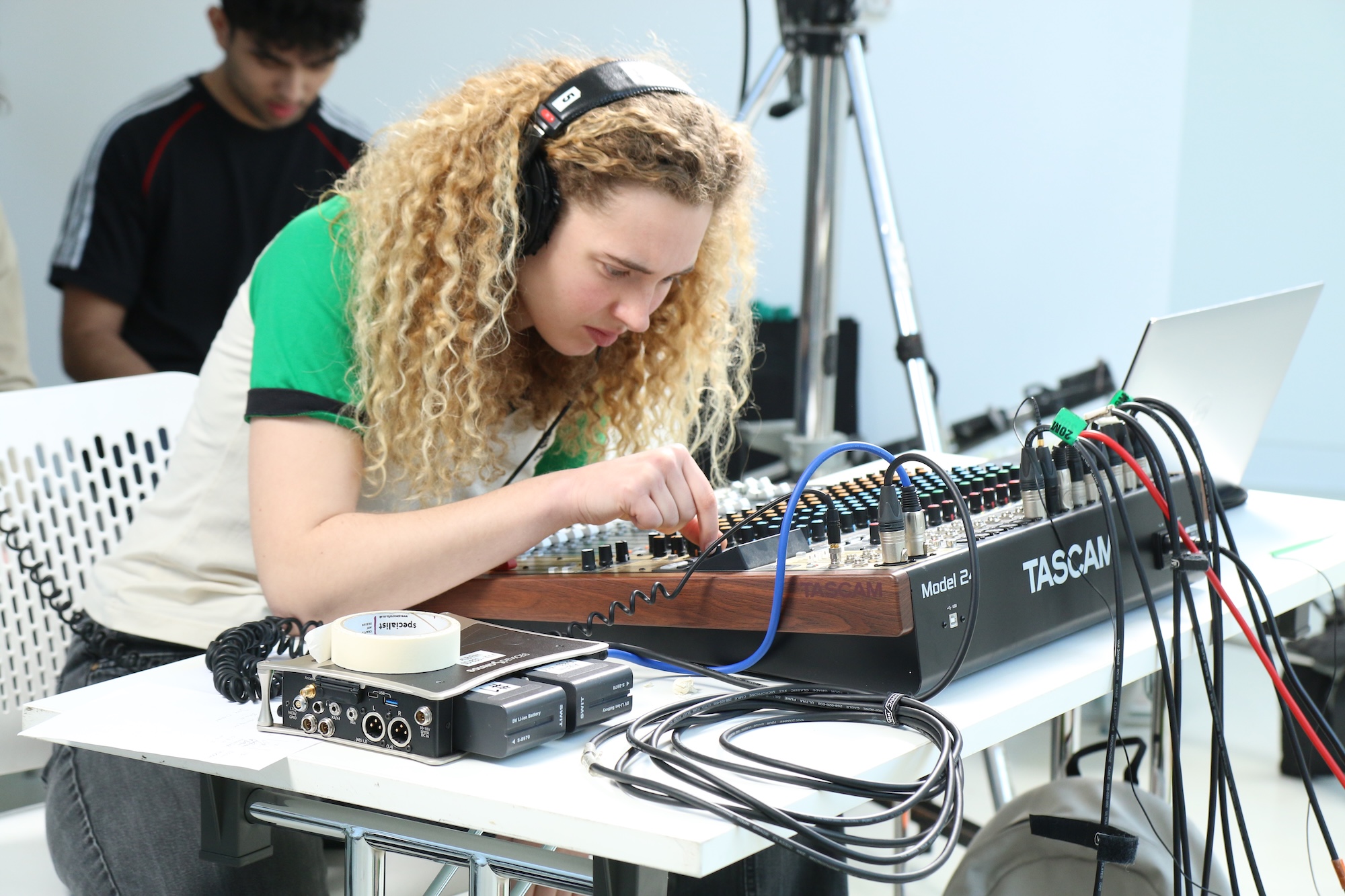
While studying at AUB, you'll have access to unrivalled resources, including industry-standard software and hardware, our Elliott Road Studios and our high-spec cinema located on campus. Opportunities won't be limited to film, TV and games; you'll have the chance to apply your skills to live performances and events either on campus or at external venues.
Placement year
All undergraduate courses at AUB offer an optional placement year, to be taken between your second and third years of study.
If you’re unsure about this optional placement, you don’t need to decide now. Once you’re here and studying with us, the course team will discuss the placement options with you, so when the time comes, you can make a decision that’s right for you.
Level 4 (first year)
Level 4 is designed to build the essential skills and experience relating to music and sound work for a wide range of media. In the first two terms, you'll learn about the classic techniques relating to music and sound production, analysing soundtracks, building confidence with industry-standard software and creating your own music and sounds for film, TV and games.
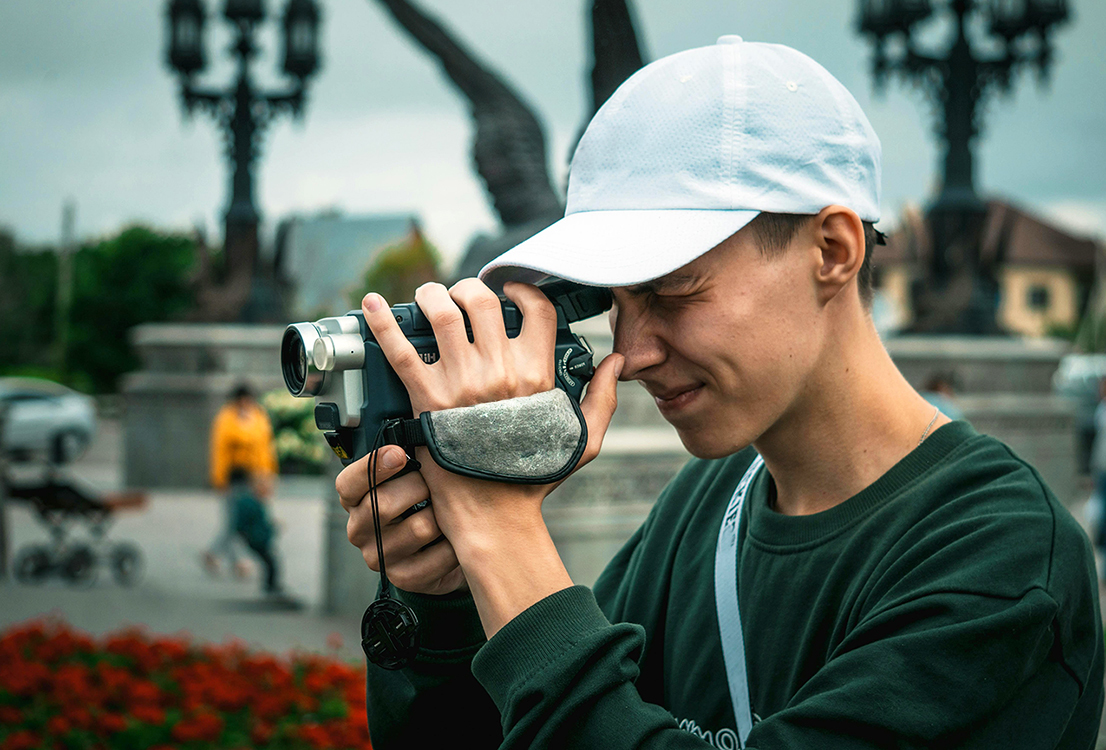
The summer term’s Short Film Project unit encourages you to work with your peers on other courses to contribute to a six-minute film. Meanwhile, a business-based unit will give you the essential knowledge to operate successfully in the music industry, such as understanding the ecosystem of record companies, publishers, PR companies and live agencies.
Study skills and research sessions are interspersed throughout, developing your theoretical and contextual understanding of each unit topic. You'll also be encouraged to work on your own compositions and sound designs outside class time, to better understand the key software and hardware used in professional settings.
Level 5 (second year)
Entering your second year, you'll be encouraged to learn more about film production and its associated collaborative workflows. You'll also learn about how film, TV and game composers arrange their work and write for different instruments and ensembles.
Collaborations through the year will encourage you to work to a brief, communicate with your fellow students and adapt your music or sound design style to a film. This process provides good preparation for your final year, throughout which you'll potentially work on several productions.
The year concludes with working on a live performance event. This unit gives you the opportunity to build a team, developing skills in both creative direction and event management.
Level 6 (third year)
Across your final year of study, you'll refine your specialist approach while continuing to collaborate with your peers. The curriculum is more flexible than at Levels 4 and 5 – you'll be focusing on specific topics of interest for two significant 40-credit units.
Firstly, the Creative Collaborative Project encourages you to work together on a shared entrepreneurial endeavour. This could take the form of an applied research project, business start-up, live event series, podcast season or short film.
Secondly, the Final Major Project allows you to create individual work based on rigorous research, taking the form of a musical or sonic artefact with an accompanying essay.
These projects sit alongside two shorter modules. One will provide essential knowledge of copyright and contracts relating to music and sound, while also focusing on how film, TV and games use synchronisation of existing music on their soundtracks. Meanwhile, the Trailers, Themes and Titles module offers you the opportunity to explore the world of short-form audio content, considering applications across a range of settings.

APPLICATIONS ARE OPEN
It's not too late to apply! Now that you've found the perfect course, it's time to join our creative community.
Check out our handy 'how to apply' guide and our portfolio top tips.
OPEN DAYS
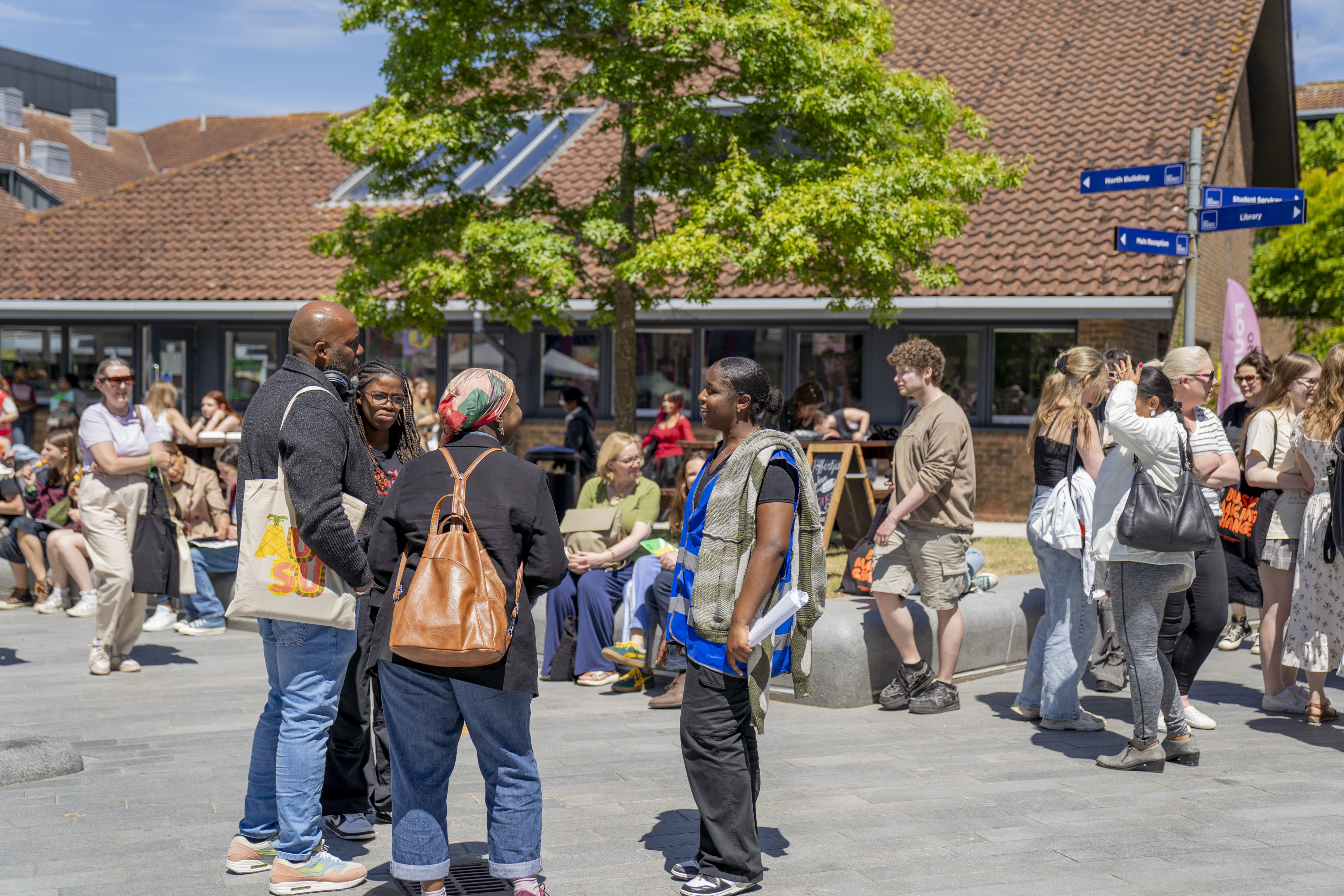
Open Days are a great way to get a feel for undergraduate life at AUB. At an Open Day, you'll be able to explore the campus, talk to course teams and discover our industry-standard facilities.
Visit us on:
- 7 November
- 5 December
AUB SHOWCASE
We're proud of our alumni, and rightfully so.
Explore the incredible work of our graduates in our online AUB Showcase.
Browse work by course, student or theme.
Teaching, learning and assessment
Given the interactive, inclusive and creative nature of the course, lectures are minimised, with a focus instead on collaboration and creation. Delivery is based primarily on weekly seminars and studio practice, with appropriate briefings and inductions throughout the various units. The course also offers opportunities for guest speaker events.
Assessments are designed to be both industry-relevant and enjoyable, encouraging students to you in lateral thinking and problem-solving. Experimentation and artistic risk-taking are actively encouraged, informed by the course’s vision that students and graduates should question established approaches, rather than imitating traditions or current trends. Assignments include presentations, cultural artefacts, collaborative work and written assessments such as reports and essays.
Contact hours involve a combination of teaching, studio work, experimentation, research and independent study. Formative feedback is offered on a regular basis, providing opportunities for you to access tutor support prior to summative submissions.
You'll be guided through self-directed study at Level 4 (also building confidence in study skills, linked to the Library). Progress tutorials will be offered throughout the course, within studio practice hours. By the time you enter your final year, you'll be confident, responsible and independent learners.
Each unit is assessed separately, and the assessment forms part of the unit. Assessment provides a measurement for student achievement and provides students with regular feedback on how their learning is developing.
Each unit, we'll tell you what you're expected to learn; what you need to submit; how your work will be assessed; and the deadline for presenting work for assessment.
You'll receive a final mark for each unit in the form of a percentage, which will be recorded on a formal record of achievement (transcript). Each component of assessment is graded using a notched marking scale, whereby only certain marks are used within each grade. The only marks available within any 10-point band are *2, *5 and *8 (e.g. 62, 65, 68). These marks correspond to a low, mid, and high level of achievement within each grade band.
A minimum of one unit at Level 4 will be assessed on a pass/fail basis, with written feedback but no numerical grade. All other units will be given a percentage mark.
All learning outcomes must be passed to successfully complete the unit.
Course costs
The fee you pay AUB provides the necessary equipment and training for you to complete your course.
In most cases, you don't need to buy any specific items of kit before you start the course. You may also choose to buy some items of personal equipment such as a laptop or tablet computer, but this isn't required – desktop and laptop computers are available for you to use in common study areas, including a loan system in the Library.
It isn't possible to be precise about the likely additional costs that you may incur, because this depends on the choices you make and the projects you undertake. The University provides some basic materials, and you'll be encouraged to work sustainably and to reuse materials where possible, but you should still expect to make some financial investment.
For more information, including costs relating to certain courses, visit our Course Costs page.