






You are using an outdated browser. Most of this website should still work, but after upgrading your browser it will look and perform better.
- Home
- Undergraduate Courses
- BA (Hons) Illustration (Animation)*
- Course details
BA (Hons) Illustration (Animation)*
- Duration: 3–4 years full-time
- Placement year: Optional 1 year
- Course code: To be confirmed
- Institution code: A66 (UCAS)
BA (Hons) Illustration (Animation) course information
On BA (Hons) Illustration (Animation) at AUB, you'll be invited to prioritise both animation and illustrative content across all three years of a combined course. In choosing to focus on combinations of illustration and animation, you'll be invited to engage in wide-ranging opportunities of hybridisation and innovation within both authorship of work and development of skills.
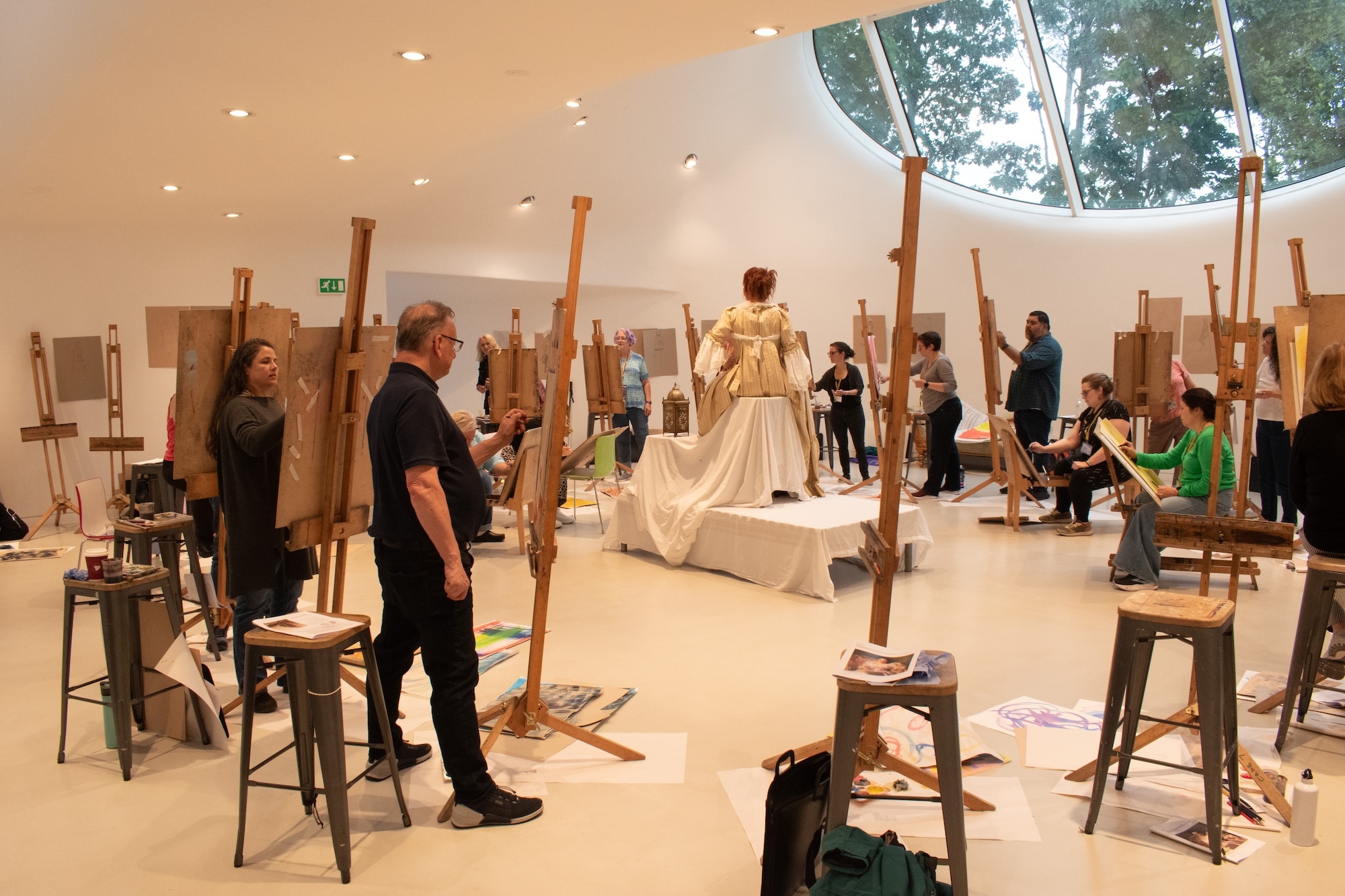
On this course, you'll experiment, test, and develop your creative practice. Curriculum and studio culture is prioritised around the space to build fun and engaging work, to experiment with new ideas and concepts. In this environment, you'll shape your skill set with appropriate tools, media and conceptual approaches. With this aim in mind, you'll take part in workshops, lectures, seminars and more within our curriculum focused illustration studios located on AUB’s exciting specialist campus.
In choosing to access both animation and illustration, you'll be introduced to industry experts and entrepreneurial strategies that put this contemporary hybridisation of practice at the forefront of study. Visiting lecturers and industry partners will also place considerable emphasis on the realities of working within the professional environment and the wider creative community.
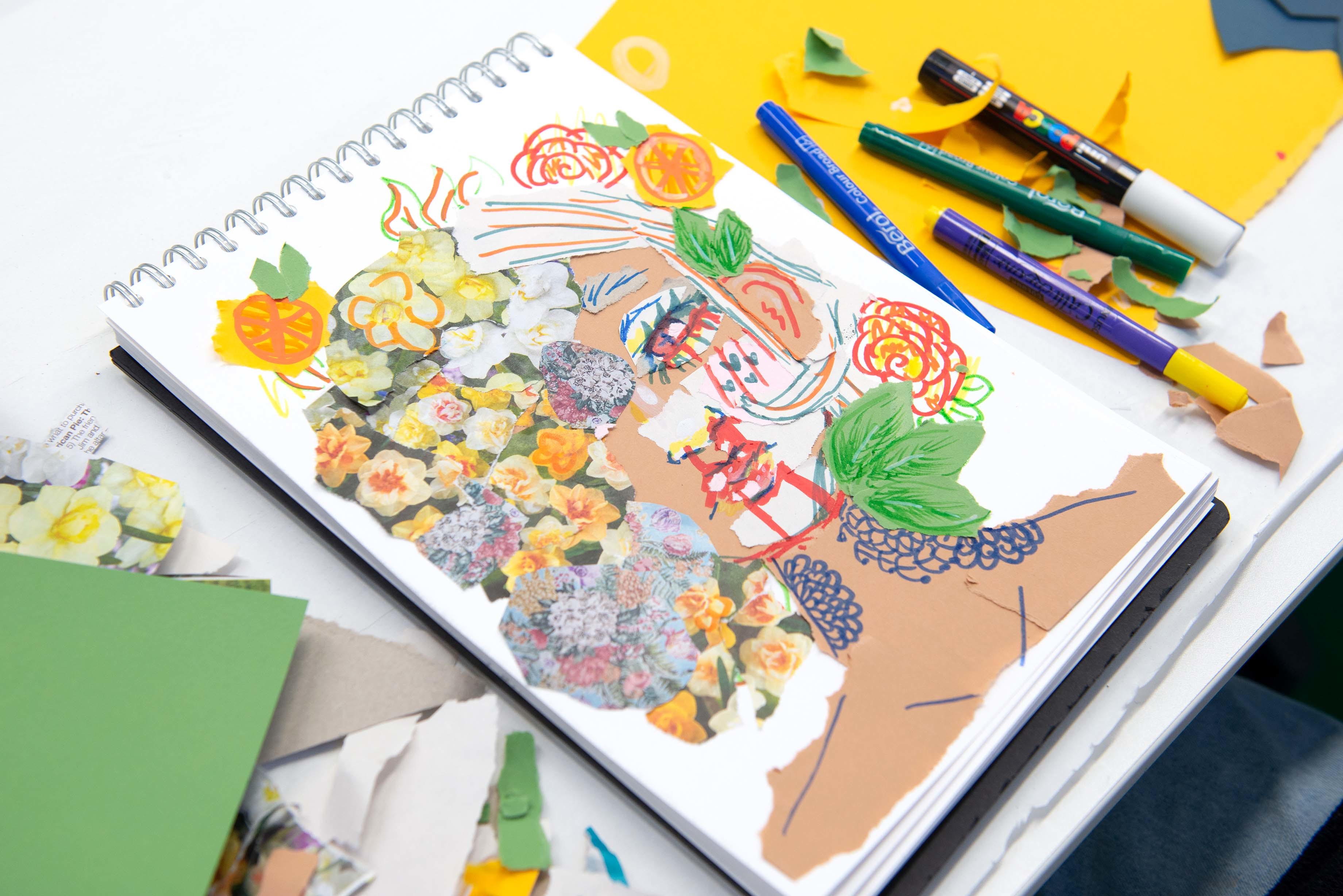
Overall, the course aims to foster distinctive creative practice. You'll explore a range of processes and techniques from drawing, painting, and printmaking, towards frame animation, videography, moving image, games art, CGI and more. You'll be empowered to choose to specialise or cross-reference skills with the aim of authoring new works as well as sustainable and engaging creative practice, built upon your own ideas, passions and interests.
Placement year
All undergraduate courses at AUB offer an optional placement year, to be taken between your second and third years of study.
If you’re unsure about this optional placement, you don’t need to decide now. Once you’re here and studying with us, the course team will discuss the placement options with you, so when the time comes, you can make a decision that’s right for you.
Level 4 (first year)
At Level 4, the emphasis will be on risk-taking and experimentation, and developing core skills – including drawing and image-making strategies essential to the illustrator, as well as reflective and critical abilities.
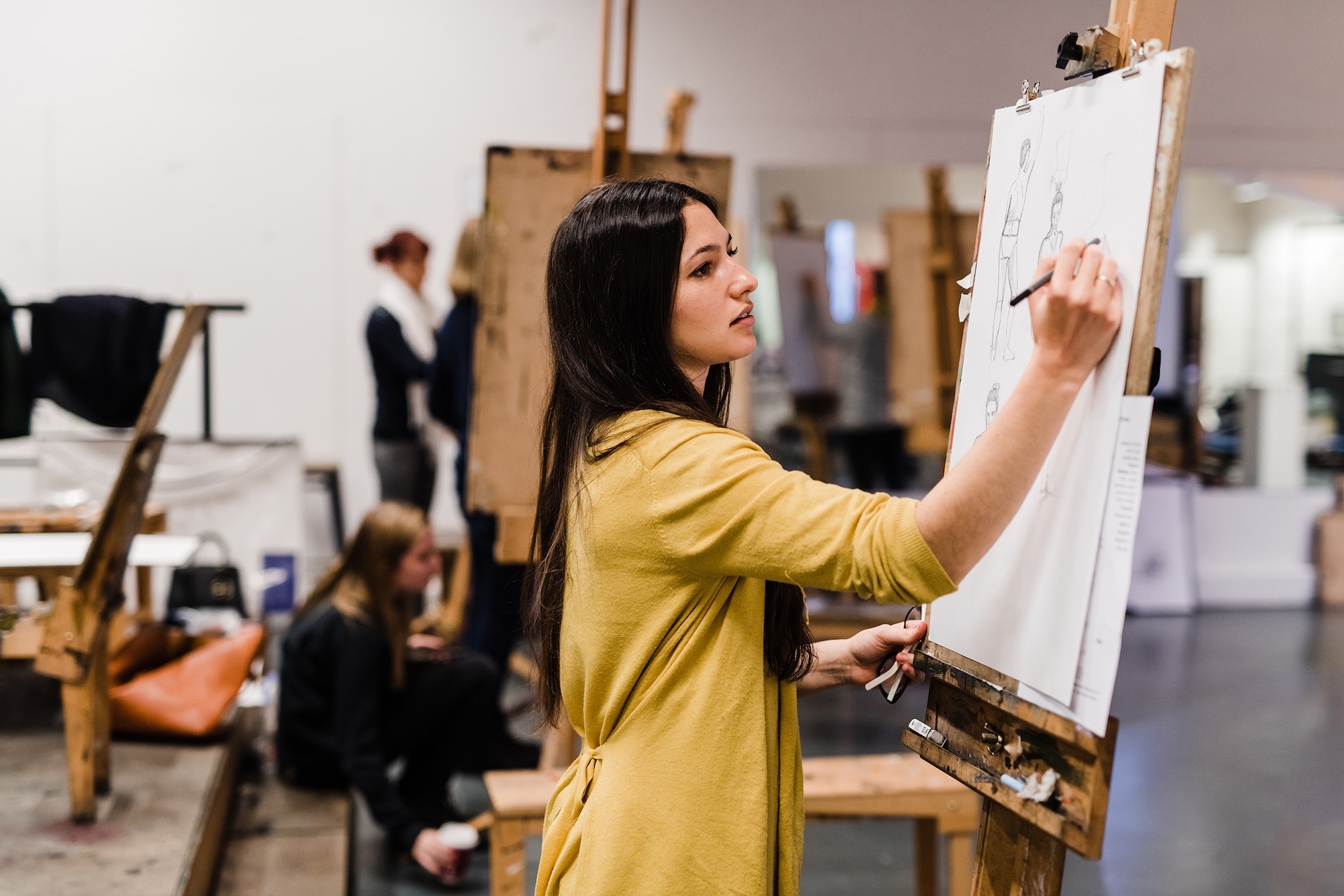
The emphasis is on learning through gaining practical experience and critical reflection, in order to form your own unique visual vocabulary. You’ll attend workshops led by our dynamic group of tutors, as well as visiting lecturers with expertise in specialist areas.
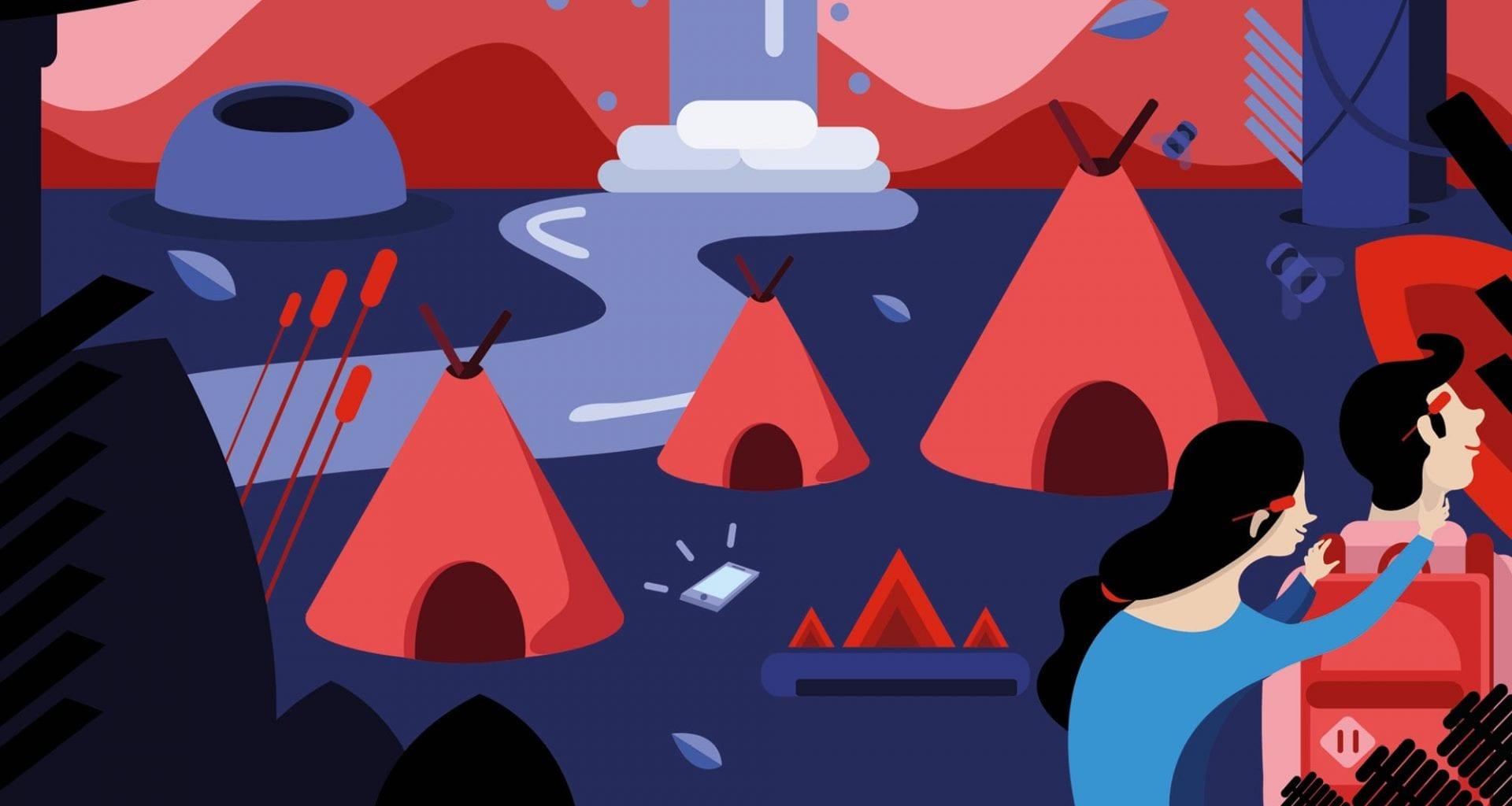
You'll be asked to explore the potential of movement in relation to aesthetics and the creation of illustrated worlds, or in relation to communication and meaning making, getting introduced to core principles of animation. You'll also examine the position of animation – and of your own practice – in the wider landscape of creative practices.
We encourage you to undertake independent research based upon tools and strategies explored in workshops, evaluating and analysing your findings in relation to your Illustration practice.
Level 5 (second year)
At Level 5, you'll continue to expand your visual practice as your test emerging processes, formats and technologies across digital, analogue, 2D or 3D – and collaborative projects – with a focus on experimental approaches to moving image. This year, you'll also develop narrative outcomes, considering issues of adaptation and interpretation, and the relation between text and image, in both authorial and industry-led projects.
Level 5 units give you the opportunity to immerse yourself in the eclectic nature of concept and execution through the synergy between traditional and digital modes. In doing so, we encourage you to challenge the parameters of your illustration practice.
In this exploration of the evolving contents for illustration and the individual place of your practice, you’ll learn the professional skills that provide the foundation for the development of an independent, audience-aware practice, ready for Level 6 study.
Level 6 (third year)
At Level 6, the emphasis is on professionalism, ambition and innovation. You'll ground your animation practice in specific contexts of the creative industries, through theoretical and practical inquiry.
At this stage, you'll become practitioners, developing autonomy and the ability to bring together your specialist knowledge and skills acquired during the course. You'll prepare for your career development and take part in competitions, shows and events.
In this way, you'll be encouraged and supported with locating your work within an external audience; considering the possibilities of what you do as sustainable post-degree practice.

APPLICATIONS ARE OPEN
It's not too late to apply! Now that you've found the perfect course, it's time to join our creative community.
Check out our handy 'how to apply' guide and our portfolio top tips.
OPEN DAYS
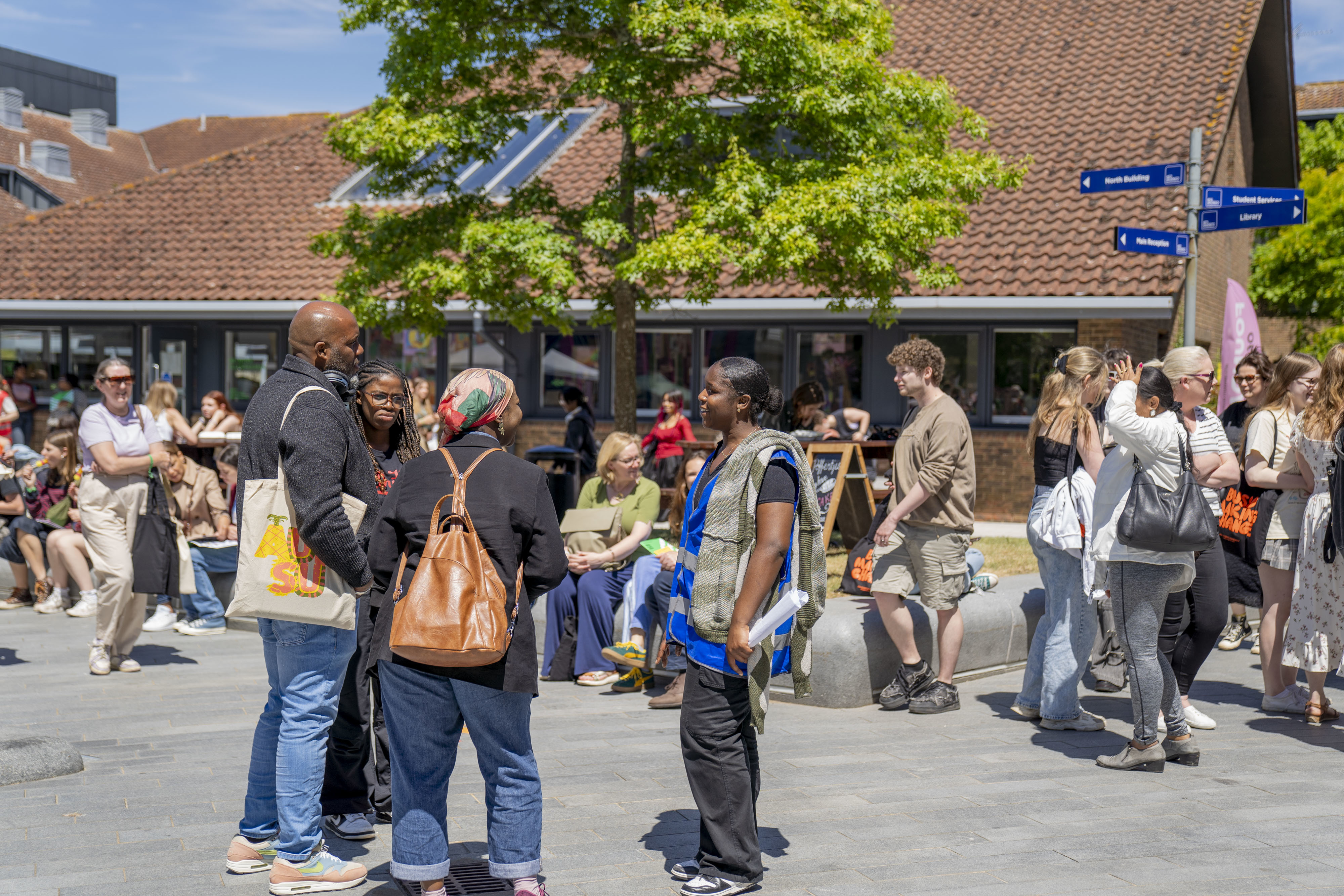
Open Days are a great way to get a feel for undergraduate life at AUB. At an Open Day, you'll be able to explore the campus, talk to course teams and discover our industry-standard facilities.
Visit us on:
- 7 November
- 5 December
AUB SHOWCASE
We're proud of our alumni, and rightfully so.
Explore the incredible work of our graduates in our online AUB Showcase.
Browse work by course, student or theme.
Teaching, learning and assessment
Learning is through intellectual enquiry, research and practice. The course outcomes are met by deploying a wide variety of teaching and learning methods supervised by members of the team, visiting support staff, practitioners and consultants from industry.
Each unit is assessed separately, and the assessment forms part of the unit. Assessment both provides a measure of your achievement, and also gives you regular feedback on how your learning is developing.
In consultation with the Course Leader, Level Leaders are responsible for co-ordinating individual units of study, and for selecting appropriate methods of delivery according to subject matter and the student experience.
The study time allocated to each unit in the course incorporates a balance of formal teaching, tutorial support and independent learning.
Theoretical, contextual, studio and professional practices are embedded within all units. This integration dissolves the artificial barriers between these forms of engagement, such as recognising theory in making, allowing you to fully realise your potential and truly understand the rich relationship between these elements of practice.
The course is structured progressively to provide increased opportunities for independent learning as you reach the later stages of the course. The promotion of independent learning reflects your anticipated maturity as a student and allows you to direct your learning towards individual goals.
Importance is placed upon you acquiring the skills to be able to learn independently and to develop a critical awareness. This is facilitated through a variety of learning and teaching methods such as tutorials, group critiques, discussion groups, peer learning activity, projects, lectures, workshops, seminars, study visits, demonstrations, skills-based workshops, educational visits, on-site learning, ‘live projects’, learning agreements, exhibition and group presentation.
Contact hours include all scheduled teaching sessions and supervised time in the workshop or studio. In line with national guidance, we include in our calculation of contact hours all the time which is scheduled in the studio for independent study which is also supported by staff (either academic staff, or technicians).
The information provided below gives the proportion of your study time which constitutes contact hours. Where there are optional routes through the course, we have used the figures for the most popular option.
For every unit of your course, we'll inform you of what you're expected to learn; what you have to submit; how your work will be assessed; and the deadline for presenting your work for assessment. This is made available through Unit Information, which is on your course Virtual Learning Environment.
You'll receive a final mark for each unit in the form of a percentage, which will be recorded on your formal record of achievement (transcript). Each component of assessment is graded using a notched marking scale, whereby only certain marks are used within each grade. The only marks available within any 10-point band are *2, *5 and *8 (e.g. 62, 65, 68). These marks correspond to a low, mid, and high level of achievement within each grade band.
All learning outcomes must be passed to successfully complete the unit.
On successful completion of your Honours degree course, you'll be awarded a degree classification based on your unit marks. The final classification is determined using all unit marks at Levels 5 and 6 using two different algorithms, which are detailed in the HE Student Regulations. If the two algorithms produce different results, you'll be awarded the higher class of degree.
If you have joined Level 6 through either the Recognition of Prior Learning (RPL) route or having completed a Foundation Degree (FdA), the final classification is determined using only your unit marks at Level 6.
For further information on assessment, progression, awards and classifications, please visit viewpoint.aub.ac.uk.
Course costs
The fee you pay AUB provides the necessary equipment and training for you to complete your course.
In most cases, you don't need to buy any specific items of kit before you start the course. You may also choose to buy some items of personal equipment such as a laptop or tablet computer, but this isn't required – desktop and laptop computers are available for you to use in common study areas, including a loan system in the Library.
It isn't possible to be precise about the likely additional costs that you may incur, because this depends on the choices you make and the projects you undertake. The University provides some basic materials, and you'll be encouraged to work sustainably and to reuse materials where possible, but you should still expect to make some financial investment.
For more information, including costs relating to certain courses, visit our Course Costs page.