





You are using an outdated browser. Most of this website should still work, but after upgrading your browser it will look and perform better.
Colin Graham
Colin Graham
This content can't be displayed, please accept marketing cookies to view
Accept to viewColin Graham
Windrush Dictionoral Portraits
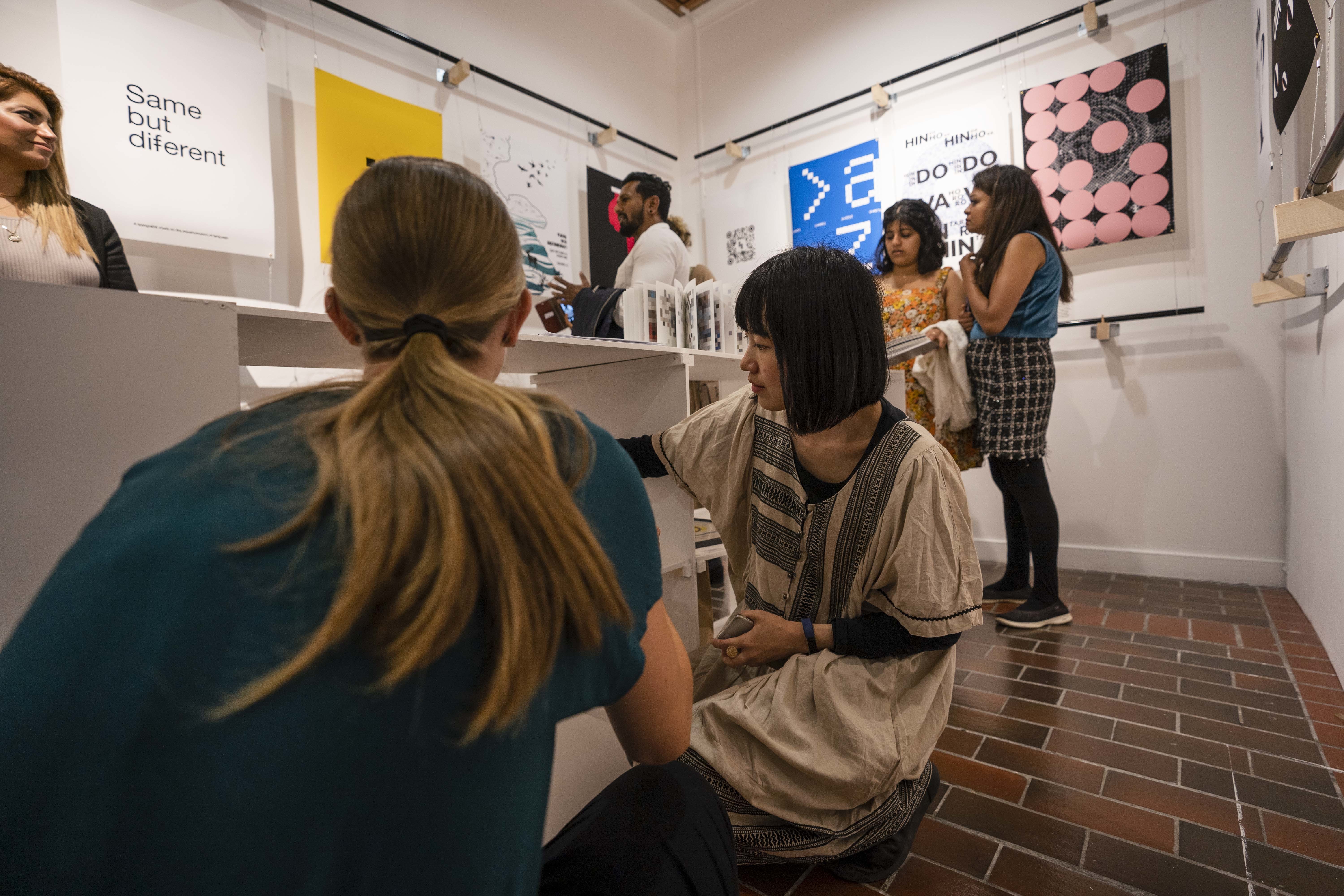
Colin Graham is a UK-based graphic designer whose practice is rooted in cultural memory, diasporic history and socially engaged design. Working within a multilingual educational design environment, he develops visual systems across 12 languages and diverse typographic traditions, foregrounding inclusive communication and cross-cultural dialogue.
Windrush Dictionoral Portraits introduces an original, representational method that merges dictionary structure with oral testimony and material culture. Rather than presenting traditional biographies, the project treats each life as a definitional unit, using classification, narrative fragments, and curated objects to construct layered portraits. This approach challenges conventional archival formats by placing equal value on lived experience, community knowledge and institutional records.
Across his work, Colin explores how design can function as a form of archival infrastructure organising memory, shaping interpretation and enabling new ways of engaging with history. He develops systems that are modular, expandable and adaptable across print, exhibition and digital platforms. His work is driven by a commitment to ethical representation, cultural accuracy and the restoration of stories that have been fragmented or overlooked.
Colin seeks to bridge design and historiography, using visual language to create meaningful, accessible and enduring records of collective experience.
Plans after degree
After completing my degree, I plan to develop my project, Windrush Dictionary Portraits, into a fully realised platform operating across print, exhibition and digital formats. Building on its development in collaboration with the Windrush Foundation, I aim to continue working with cultural institutions, community organisations and heritage bodies to expand the archive, incorporating further testimonies, material artefacts and narratives from the African and Caribbean diaspora in Britain.
An important aspect of this development will be shaped by the direction of the Windrush Foundation and its wider strategic plans. As such, the project may evolve in response to funding and organisational priorities; however, I intend to maintain the core framework and guiding principles of the work.
Alongside this, I plan to continue developing my practice at the intersection of design and historiography, using research-led, design-driven methods to document and critically reframe underrepresented histories. I am particularly interested in creating scalable frameworks that can be applied across different communities and contexts, extending the reach and relevance of this approach beyond a single project.
Ultimately, my goal is to establish a practice that contributes to a more inclusive and critically engaged cultural memory. I aim to use design not only as a visual tool, but as a method for preserving, organising and actively reinterpreting historical knowledge.
Collaborators
The project was developed through ongoing engagement with a range of contributors connected to Windrush history, community organisations and cultural research. It adopts a collaborative, research-led approach, combining interviews, questionnaires and iterative feedback through online co-design methods.
I conducted all interviews and facilitated conversations via Zoom and telephone, alongside designing and distributing structured questionnaires and feedback processes. These interactions not only generated the project’s research material, but also actively informed and shaped its visual language, structure and conceptual direction.
Key collaborators include:
Arthur Torrington CBE (Windrush Foundation) – Provided interview co-design, critical historical insight and guidance, particularly in challenging dominant narratives around the term “Windrush community” and informing the project’s conceptual direction.
Dr Penelope Mendonça – Provided extensive feedback on questionnaire, alongside ongoing support and guidance via email, helping to refine the project’s research approach.
Sally “Sully” Sullivan – Contributed through audio interview, offering lived experience that informed the project’s approach to translating memory into visual form.
Dr Michael McMillan – Contributed interview insights on diasporic space and cultural identity, influencing the project’s spatial and narrative thinking.
Loy Phillips – Contributed through audio interview and co-design, offering insight into trust-building and community engagement that shaped the project’s ethical framework.
Bill Hern – Provided extensive support through co-design, alongside critical review of historical context, helping to ensure the project’s accuracy and strengthen its research integrity.
Tony Fairweather – Contributed interview insights on material culture and preservation, informing the inclusion of objects as “material signifiers.”
Nairobi Thompson – Provided questionnaire input and contextual insight, contributing to the project’s broader understanding of cultural representation and narrative framing.
Jennifer B. – Contributed through responses and/or discussion, helping to highlight gaps in representation and inform the direction of the research.
Roy Francis – Provided generous and sustained support through co-design, questionnaire responses, and follow-up meetings to discuss historical context, contributing significantly to the depth and development of the project’s research.
Alexander D. Great, Audrey Dewjee, Amanda Epe – Provided questionnaire and co-design responses that exposed omissions in public narratives and helped shape the project’s research focus.
While collaborators contributed research, testimony and critical insight, I retained responsibility for initiating and conducting the research, as well as the overall design methodology, visual system and final outcomes. The project is independently led and collaboratively informed, balancing design authorship with meaningful community engagement.