




























Are you starting at AUB this academic year and in need of supplies? Don't worry – I've written all my best tips and advice, from a third-year's perspective, so you can stick to a student-friendly budget.
While I study BA (Hons) Interior Architecture and Design, I’ve kept this advice broad so it can work as a general AUB starter kit. For course-specific requirements, check with your tutors or ask a current student on Unibuddy.
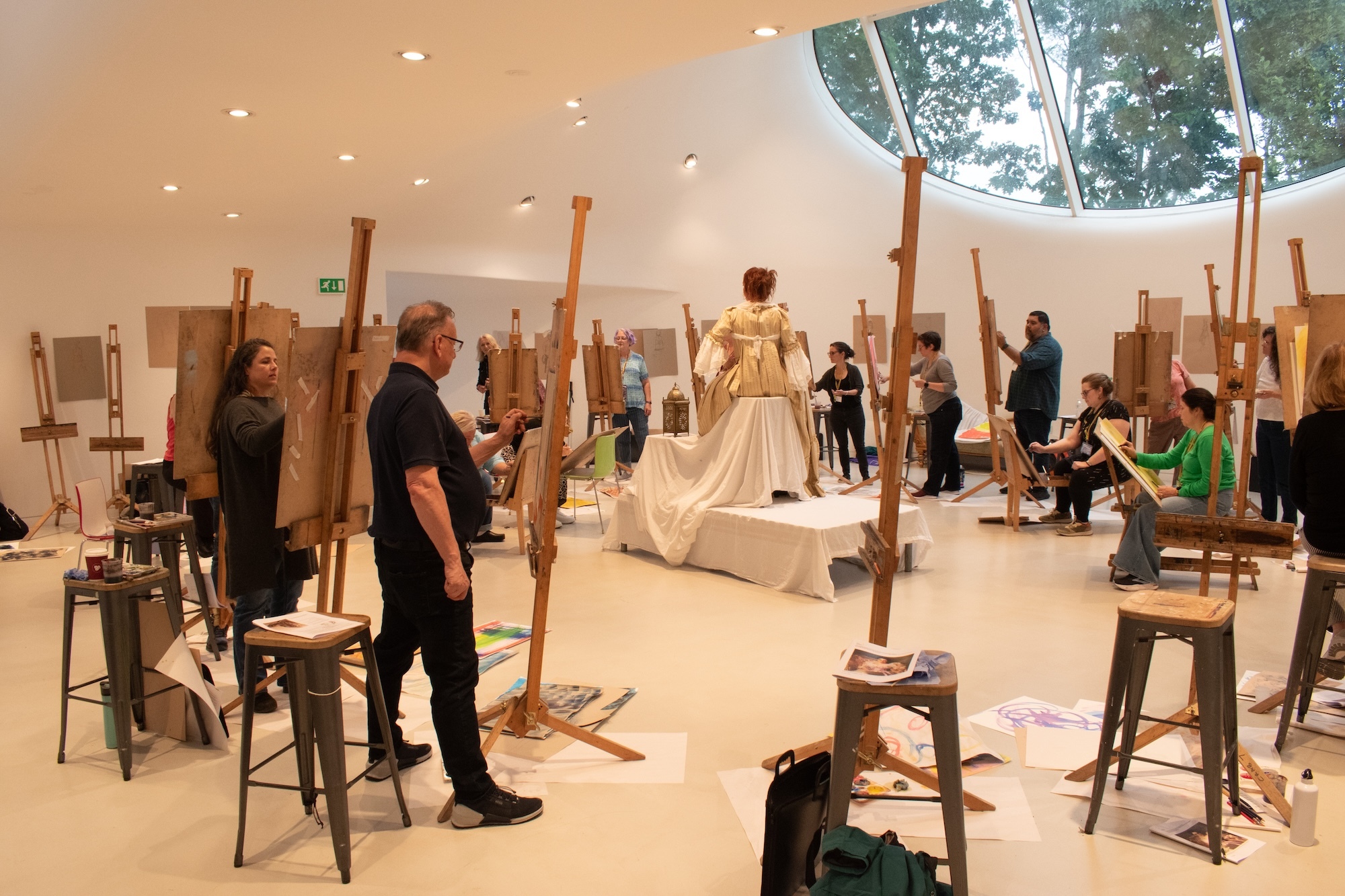
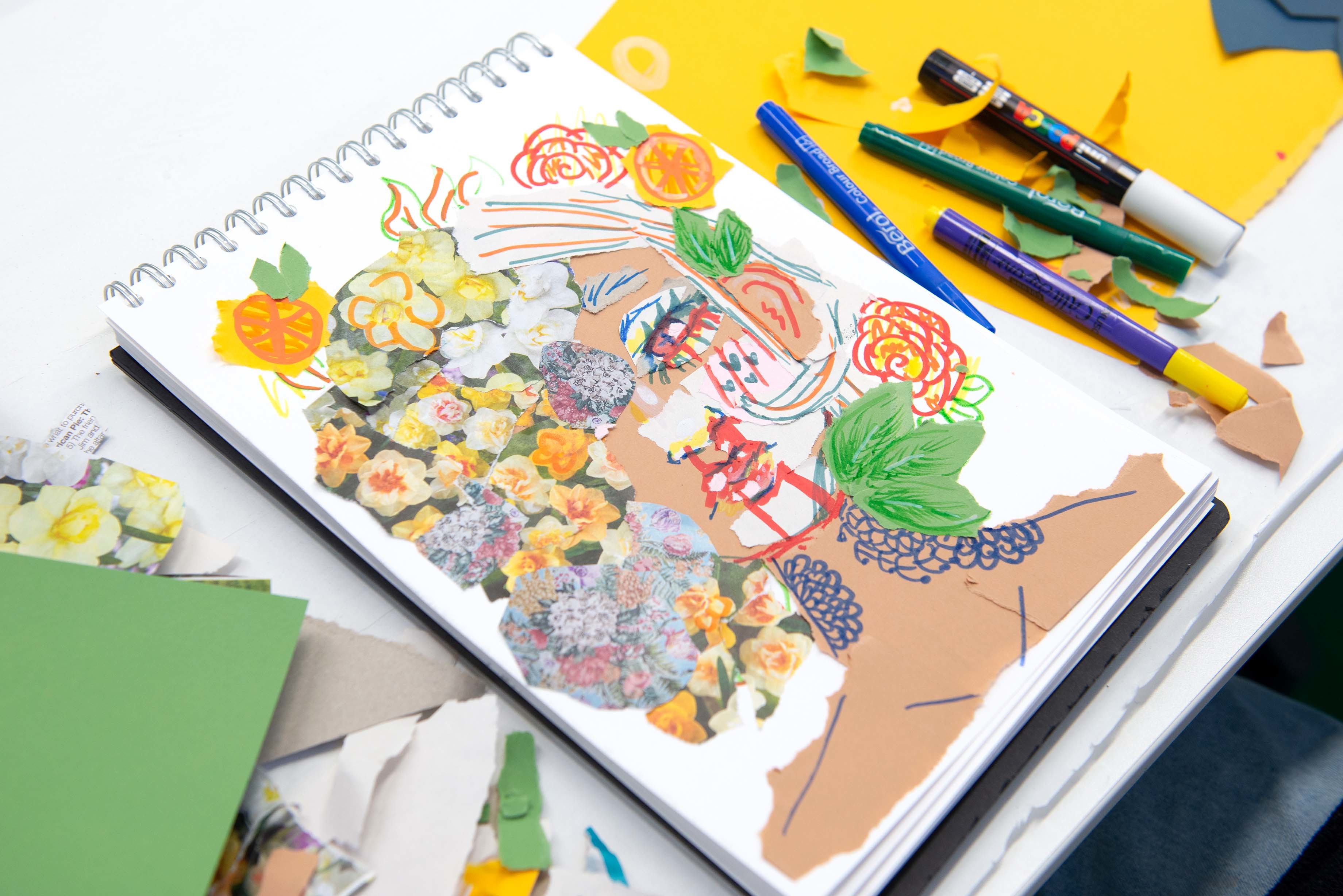
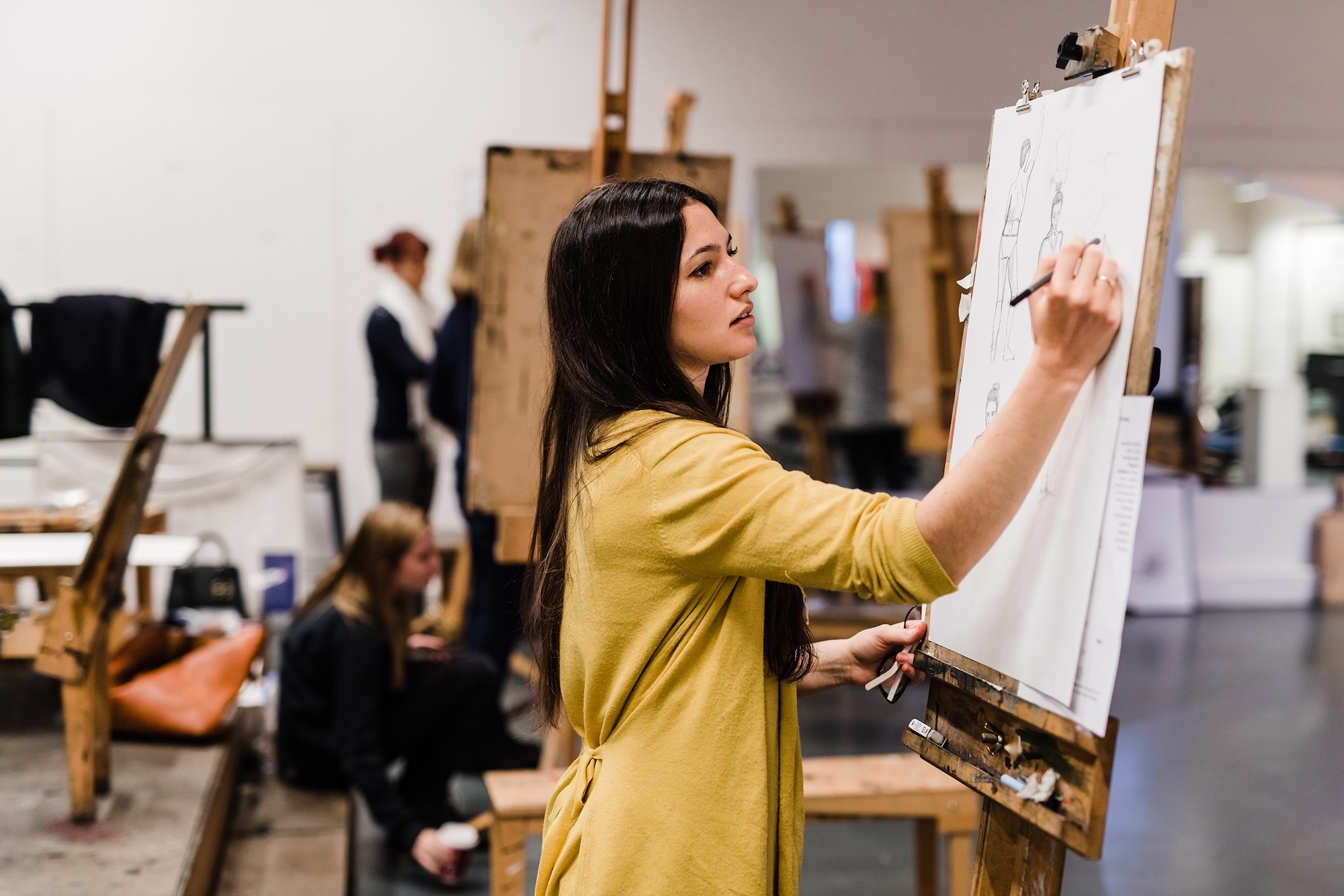
First and foremost, it is important to reassure you that you don't need to spend a fortune before arriving. We all know it – the student budget is low! Fortunately, AUB offers fantastic on-campus facilities, including VectorPrint and its materials shop beside University House. Many studios and workshops, including the Interior Architecture and Design Studios, also provide shared supplies such as glue, rulers, markers, scissors, paper and modelmaking materials. These resources saved me a huge amount of money during my first two years. If your course offers shared materials, only take what you need and return borrowed items so other students can use them.
If you are ever unsure about a particular brand or make of product you need – say a camera, material, or particular paint – it can be useful to ask your course tutors what they recommend. They are always there to help, so don't be shy!
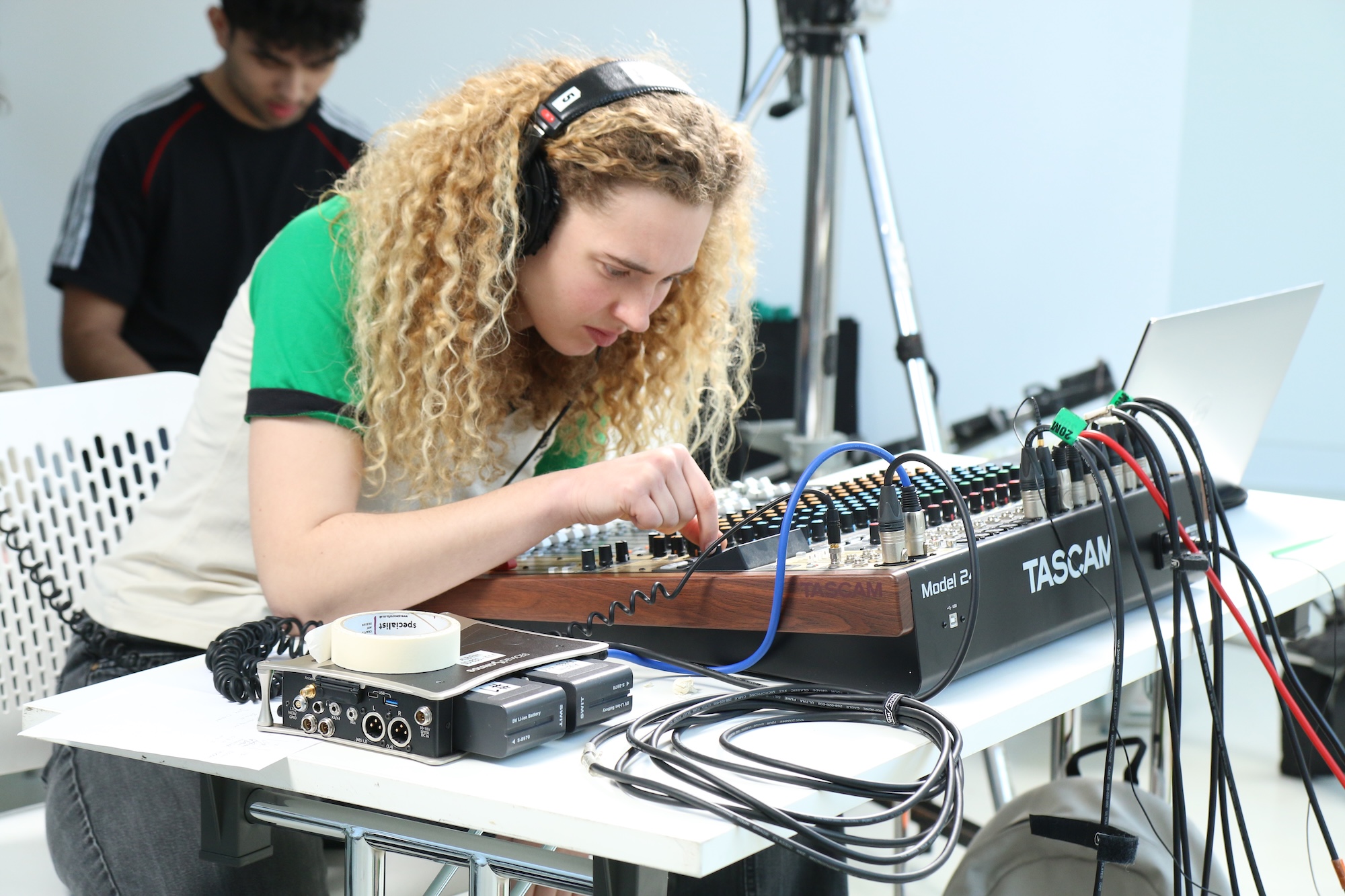
AUB offers the facilities to book out specialist equipment for free, too. If you are unsure, you can test out what is available before deciding about buying your own. I haven't needed to do this yet, but I know many students who found it simple and helpful in deciding what they needed for their projects.
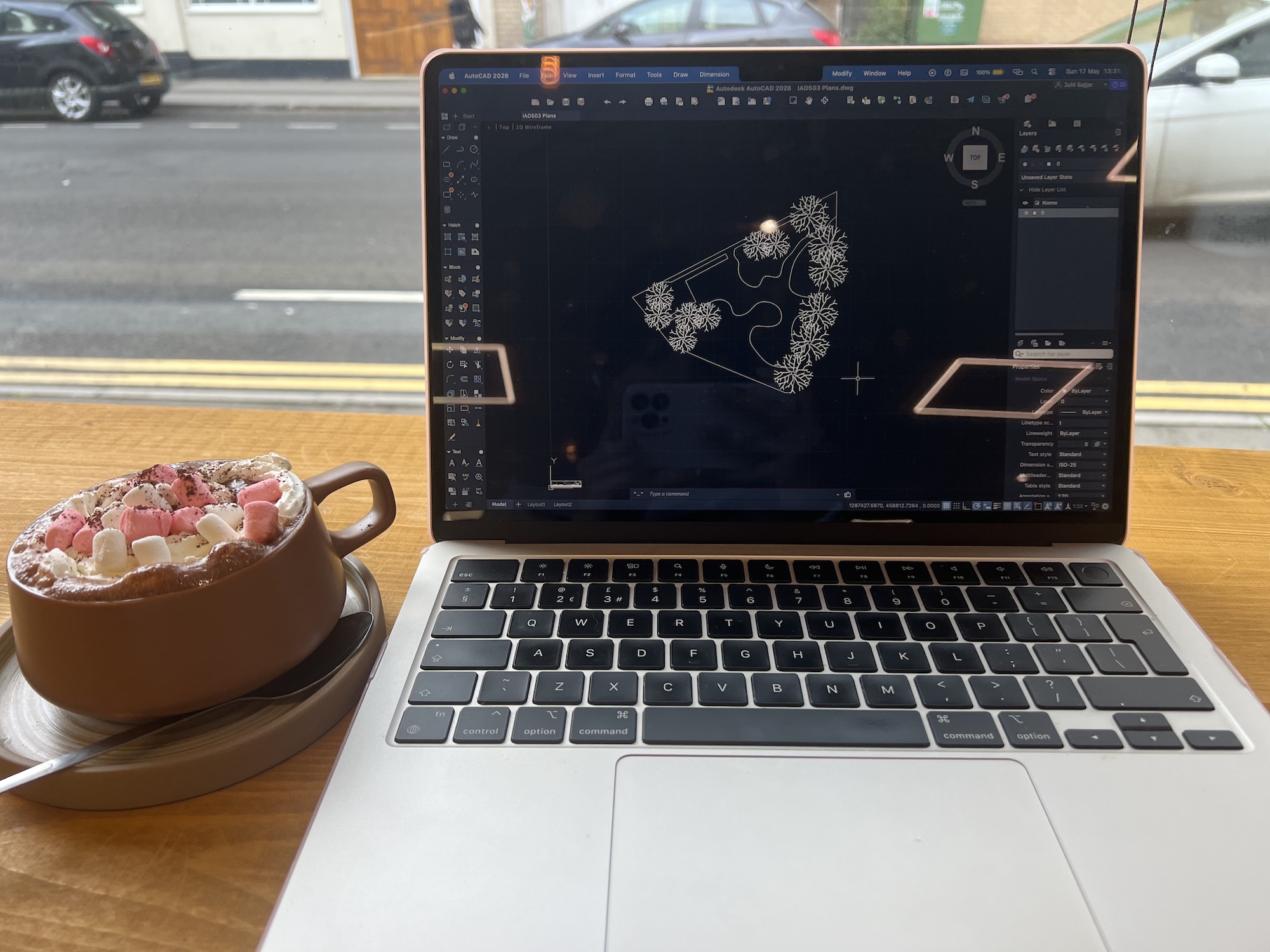
The Digital Suites across campus will be available to you to use if you're unable to access particular software on your own device. As an Interior Architecture and Design student, I often found myself relying on the suite to use software that I couldn't get on my Mac – it was a lifesaver!
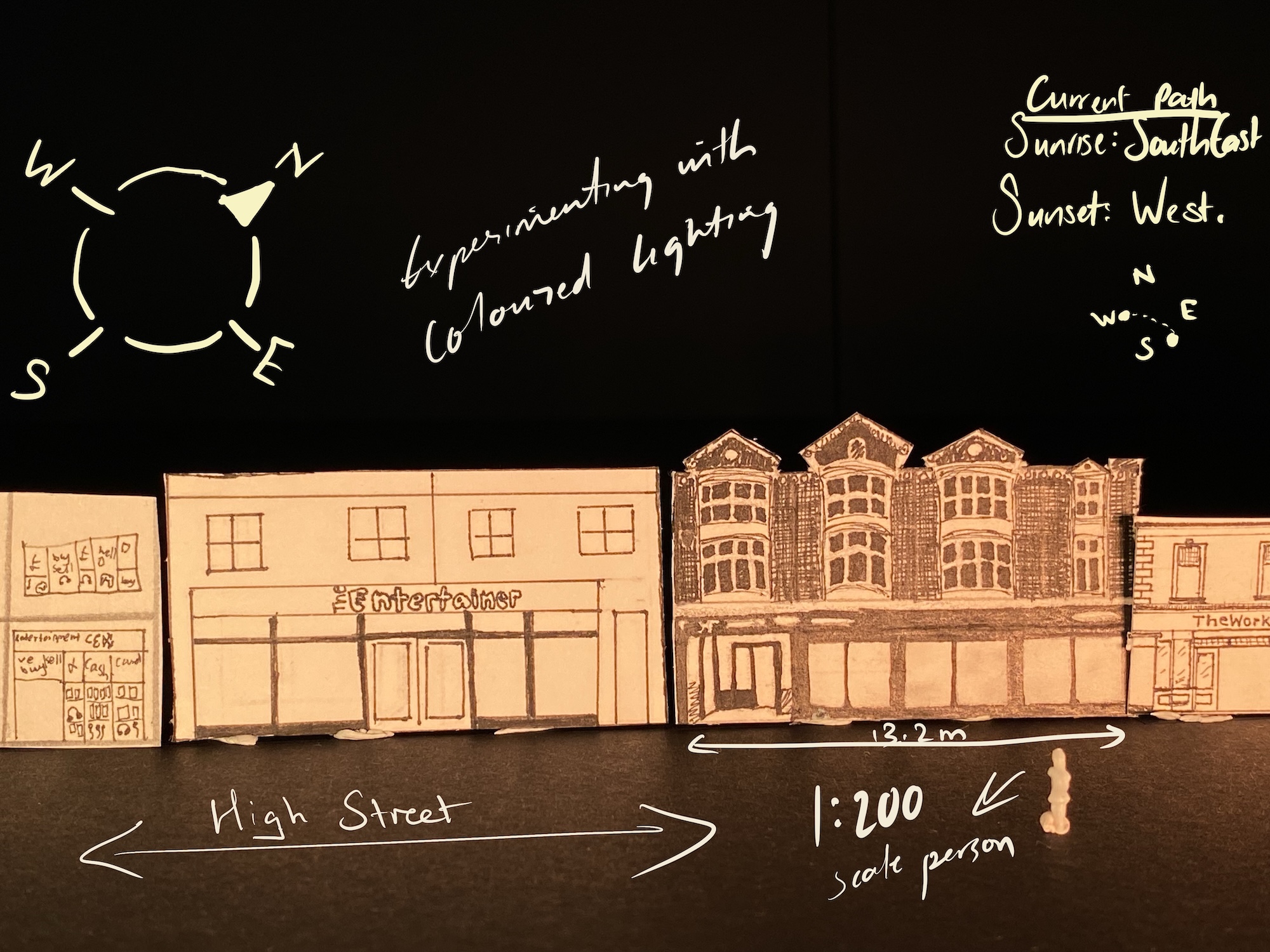
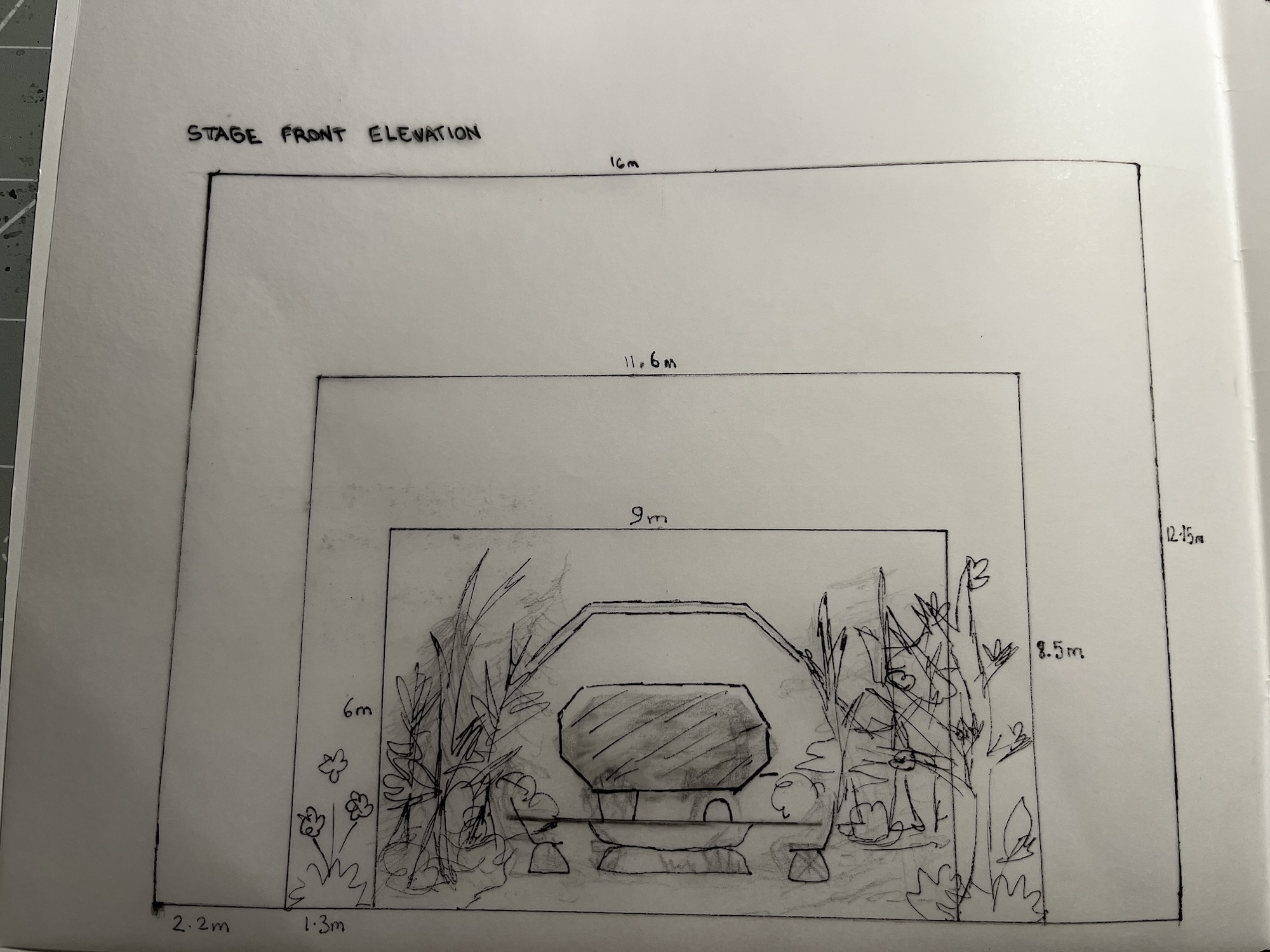
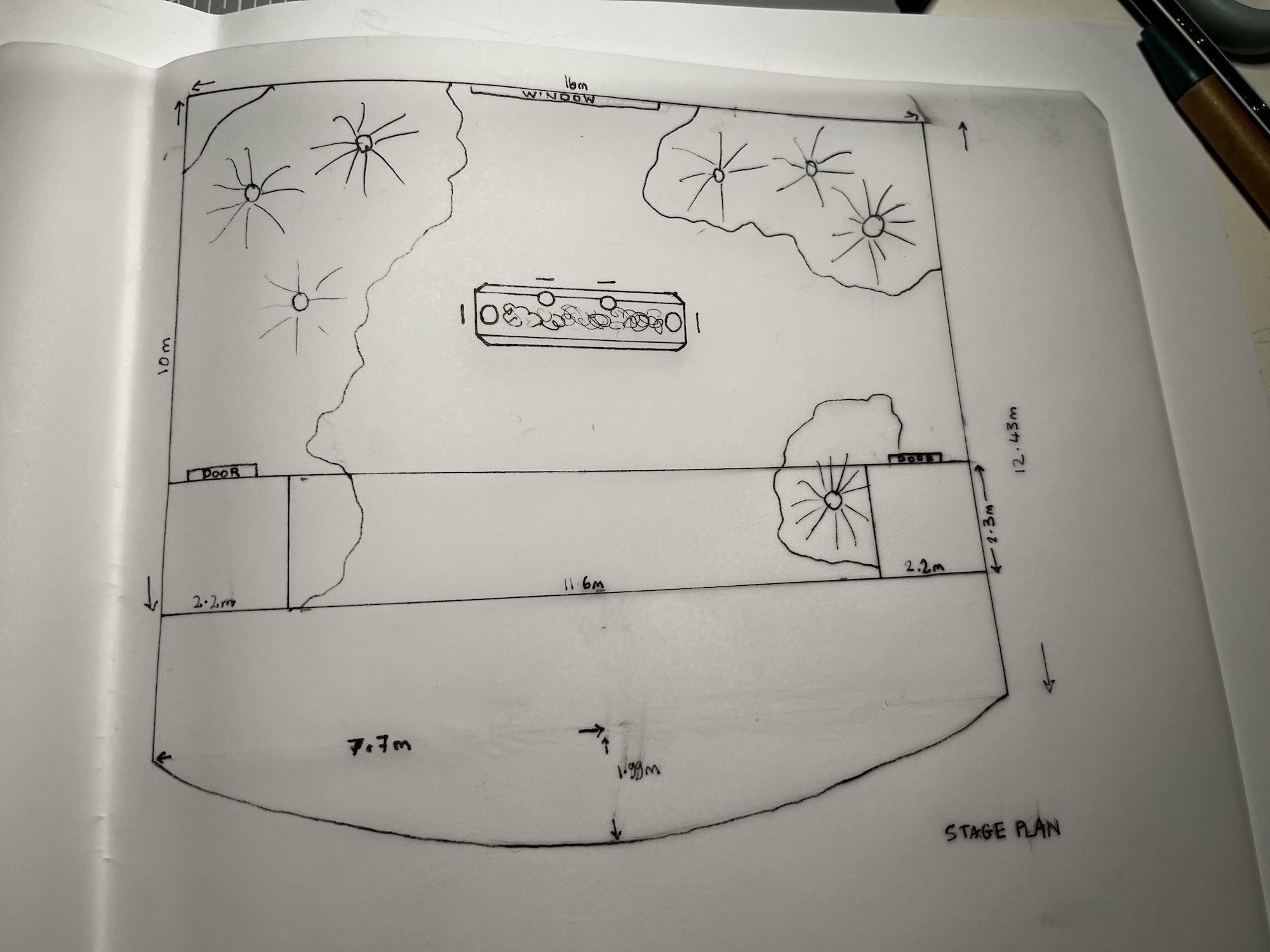
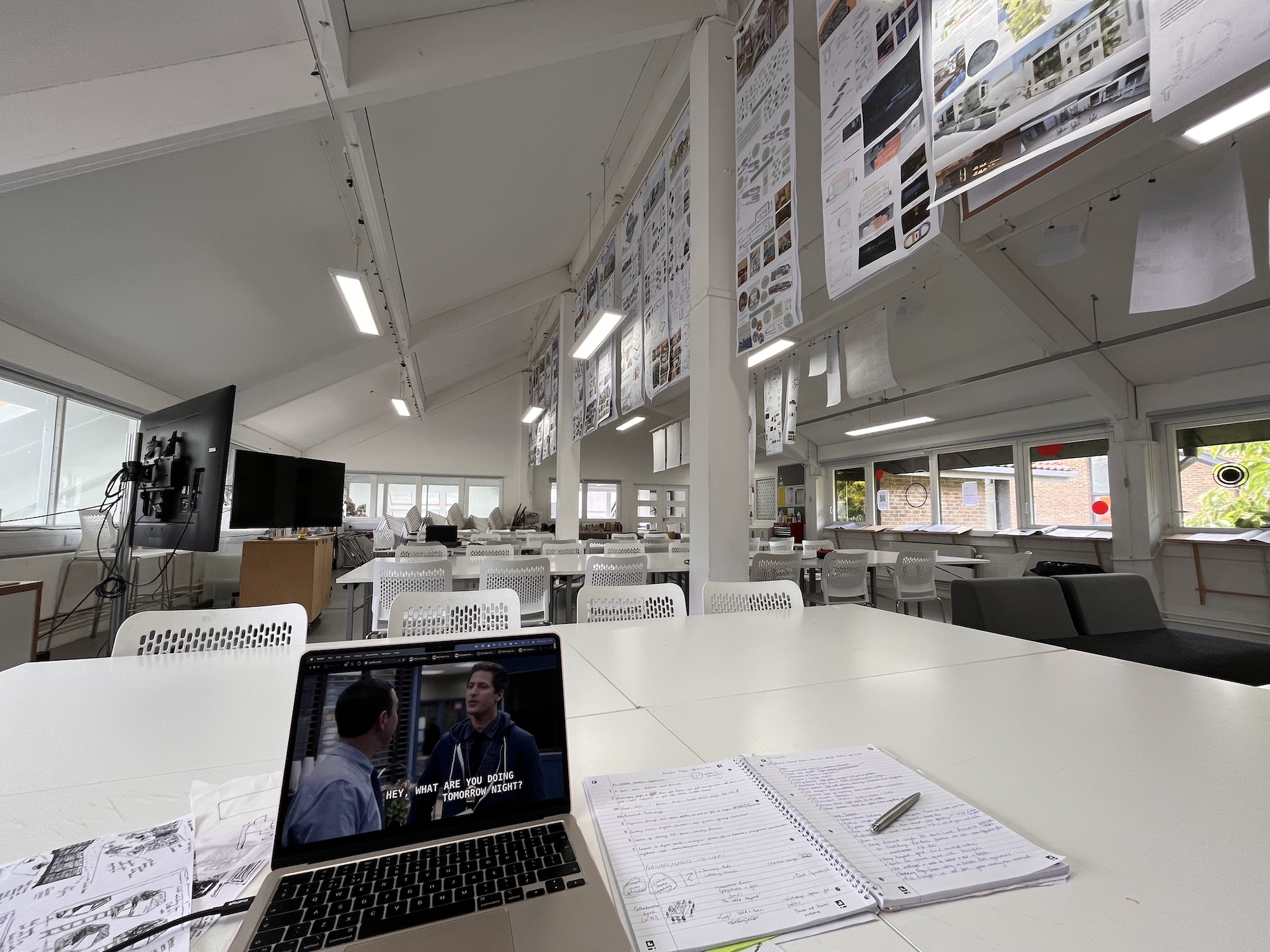
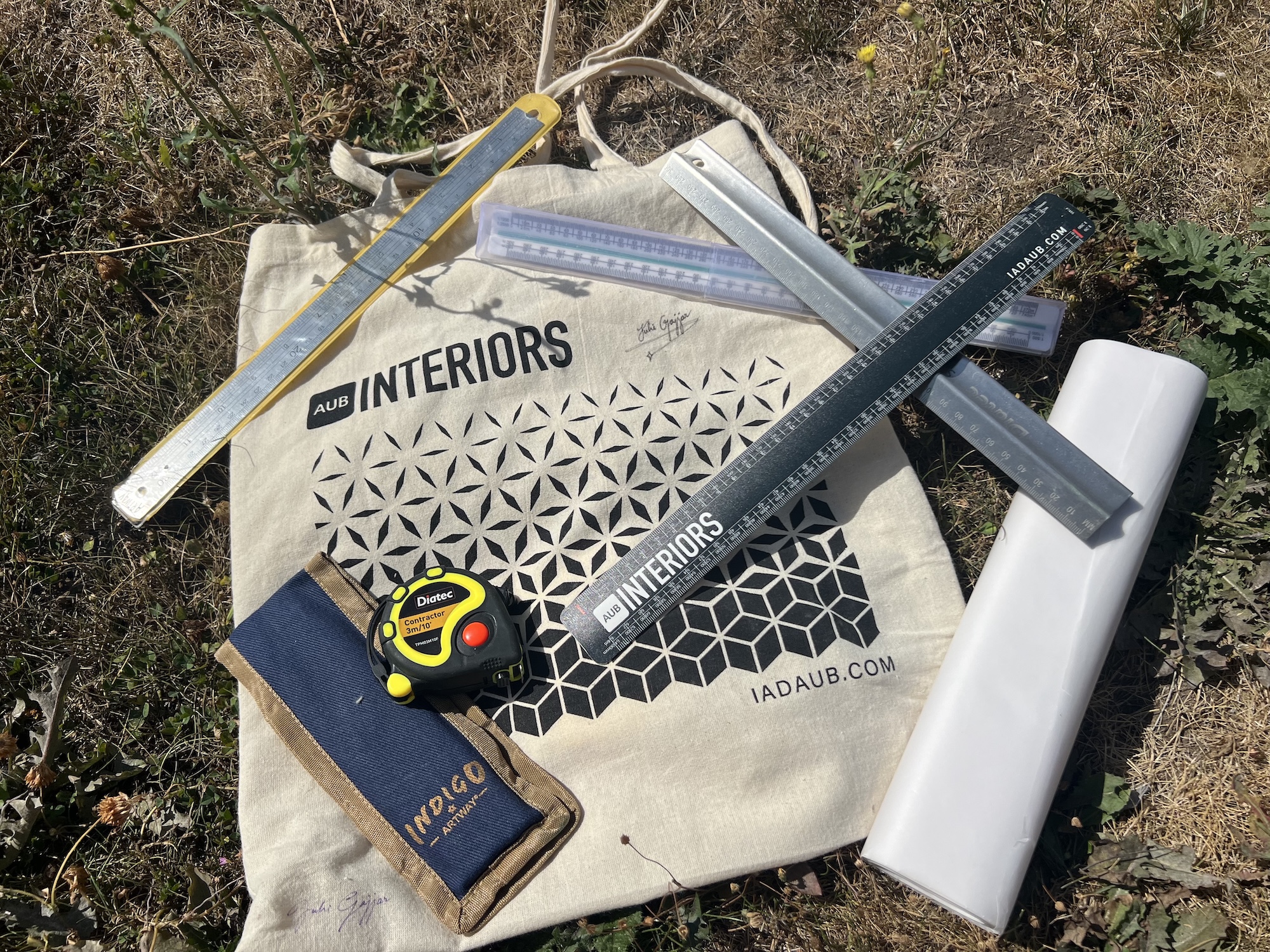
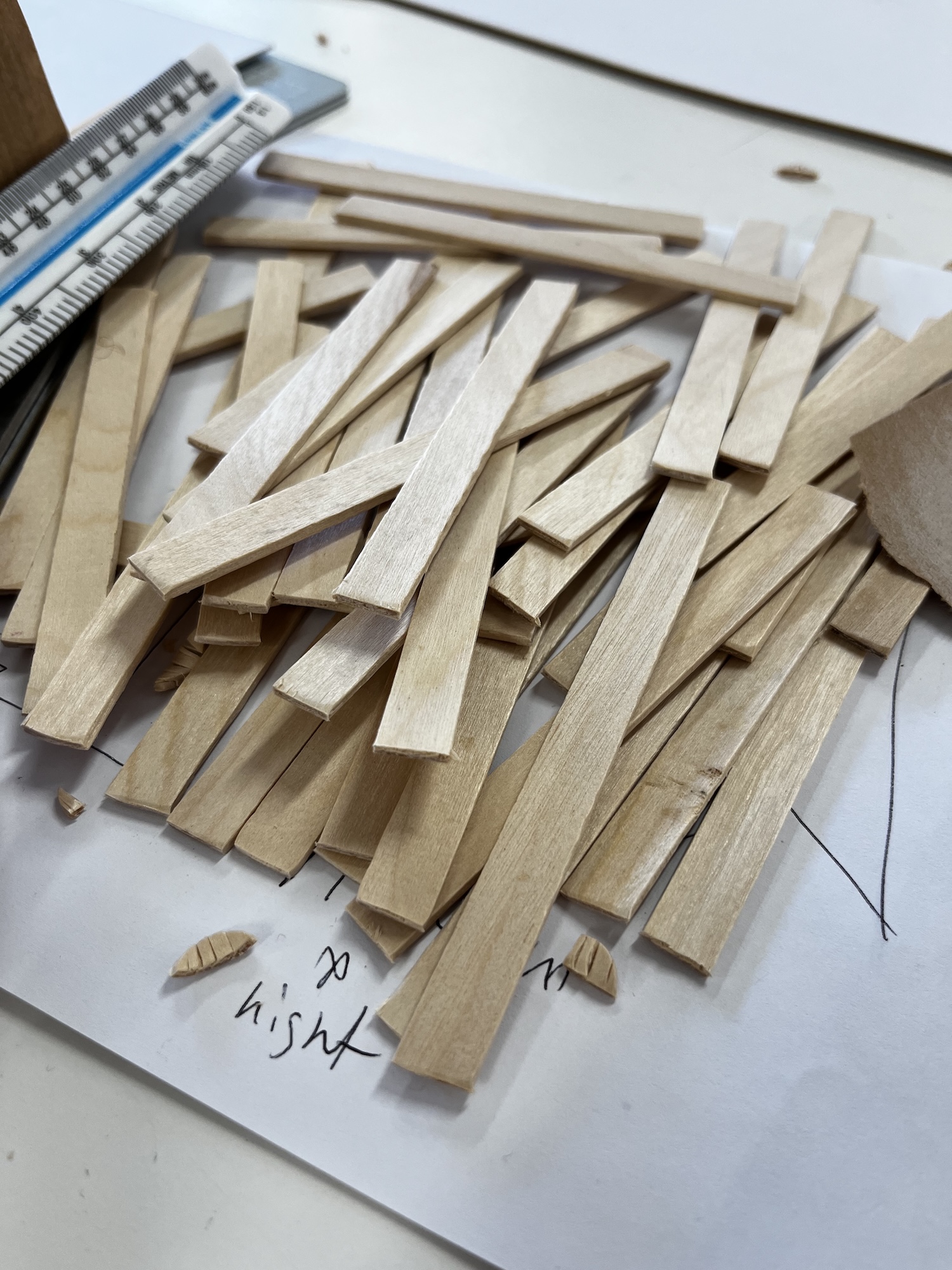
The budget-friendly essentials I would buy first would likely be:
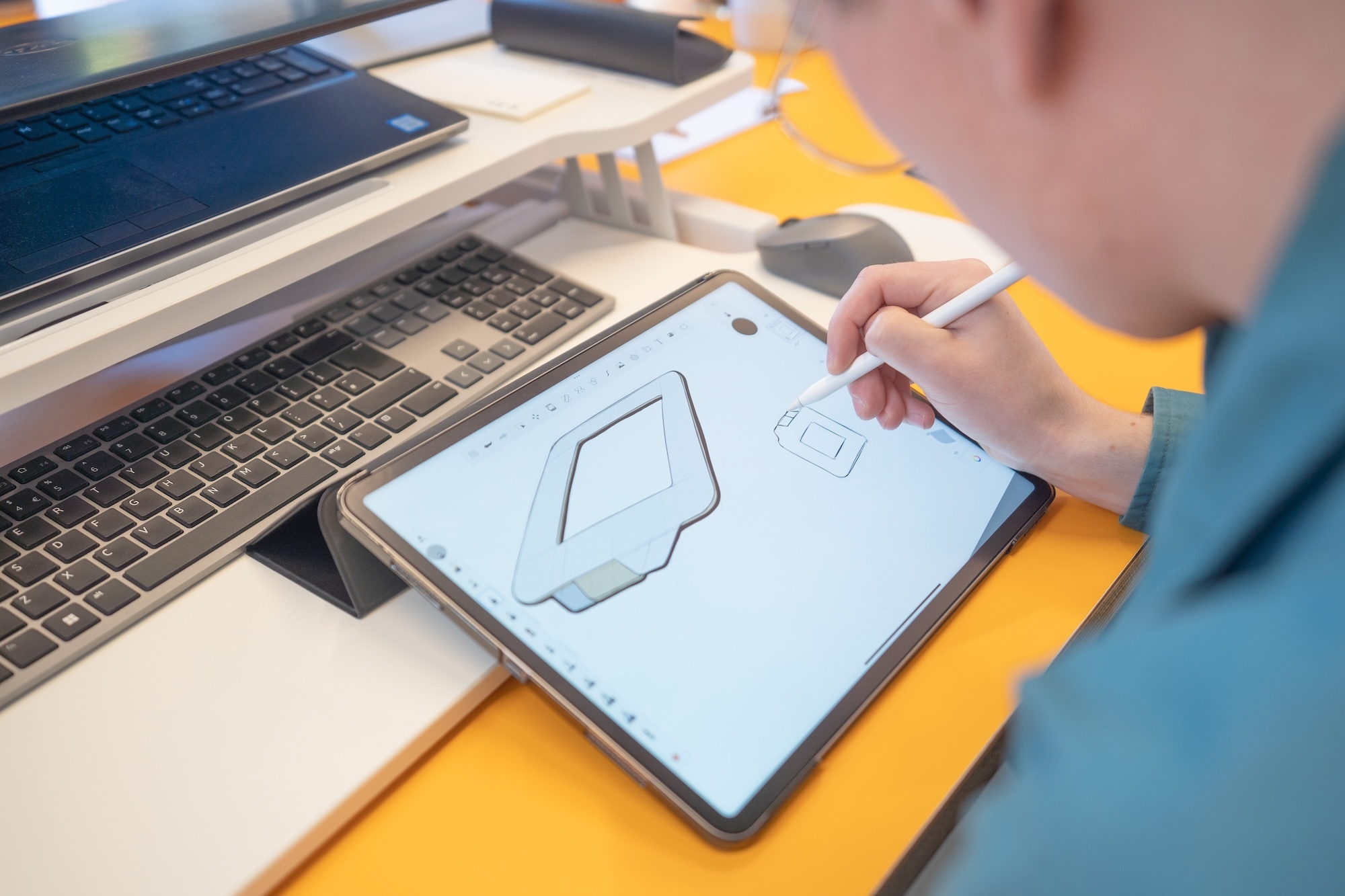
- Sketchbook (do not underestimate physical sketches – an iPad isn't always enough!)
- Notebook for note-taking if a laptop or phone isn't handy.
- A sturdy storage wallet for drawings so they don't end up crumpled at the bottom of your bag.
- Pencils (good-quality), fine liners, erasers (they'll disappear quicker than you think), and a ruler.
- USB stick or external hard drive – if your laptop is anything like mine, the Adobe Suite will chew up storage quick.
- Headphones (ideally noise-cancelling, especially if you are neurodivergent – I couldn't survive a study session without them!)
- A good water bottle and flask (for coffee, tea or sometimes soup for long, cosy study sessions).
- A tote bag – Freshers' Week is often abundant with these, and markets and fairs on campus may have independent artists selling their own.
- A cheap cutting mat (self-healing ones last much longer) and a craft knife you are comfortable with, if your course involves this.
My course offered many of these tools and stationery supplies as part of a Welcome Pack. However, I would recommend double-checking what your own course will provide. You can always add specialist materials later once you know what you will need going forward.
There are many things you might prefer to steer clear from as you begin your journey:
- Expensive marker sets – I luckily got mine at a very good price; some courses may have them available for your use.
- Large packs of card – again, this is something that some courses may provide.
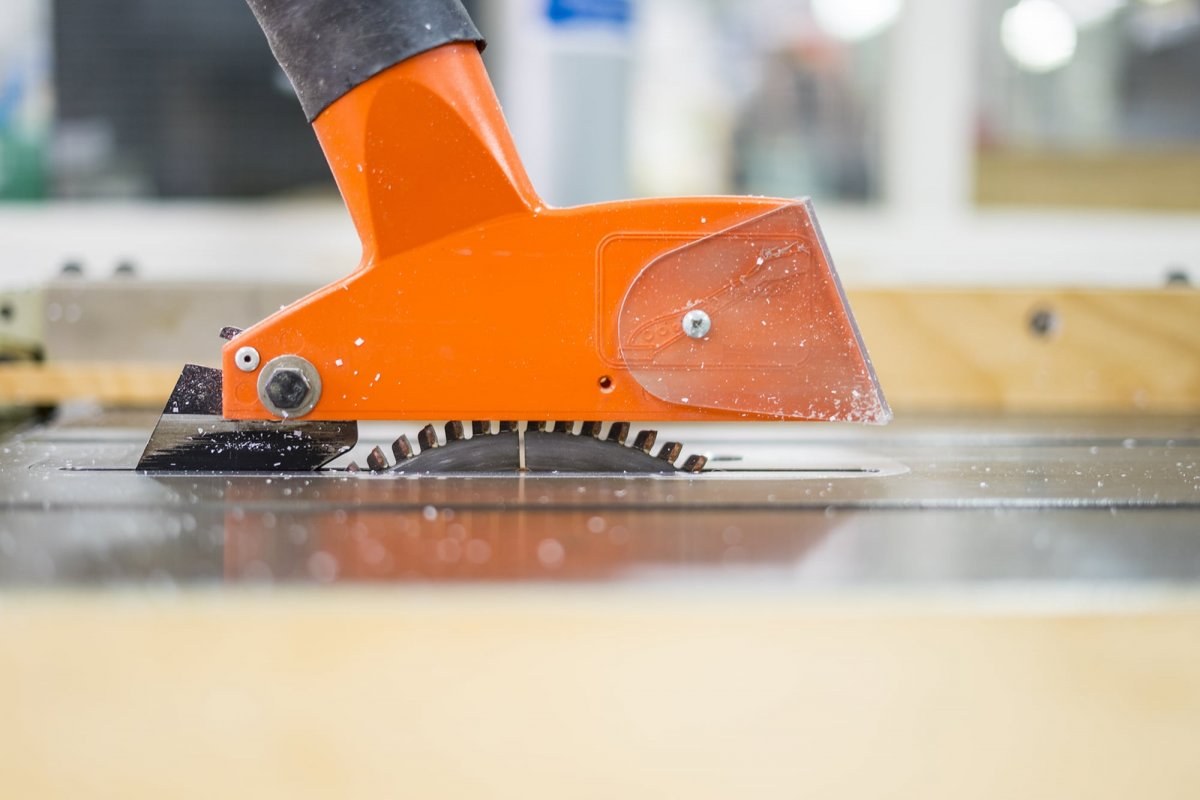
- Professional drafting tools or things like guillotines – you may be able to find these in studios, where a tutor can guide you on safe usage.
- Multiple sketchbooks – start small, or you'll end up with a mountain of them, like me!
- Software subscriptions before checking student access – Adobe is widely used at AUB.
As a final tip, I would always recommend charity shops or creative markets to find budget-friendly items for things like modelmaking, rough work, props or even for upcycling into projects. I've often found ribbons, fabric pieces and more random items there that I use repeatedly in my work. Borrowing things from family and friends may also be ideal to save you money on temporary tools and supplies.
Good luck with your first year!