























When Arts University Bournemouth (AUB) MA Interior Design (Online) student Tracy Drury set out to rethink the future of a 220-year-old Kent landmark, she provided a real-world blueprint for saving local heritage.
Following a presentation of her work, the trustees of Meopham Windmill have praised Tracy’s proposal for the adaptive reuse of the site, expressing a strong interest in using her research and concepts to help inform their future plans for the building’s modernisation.
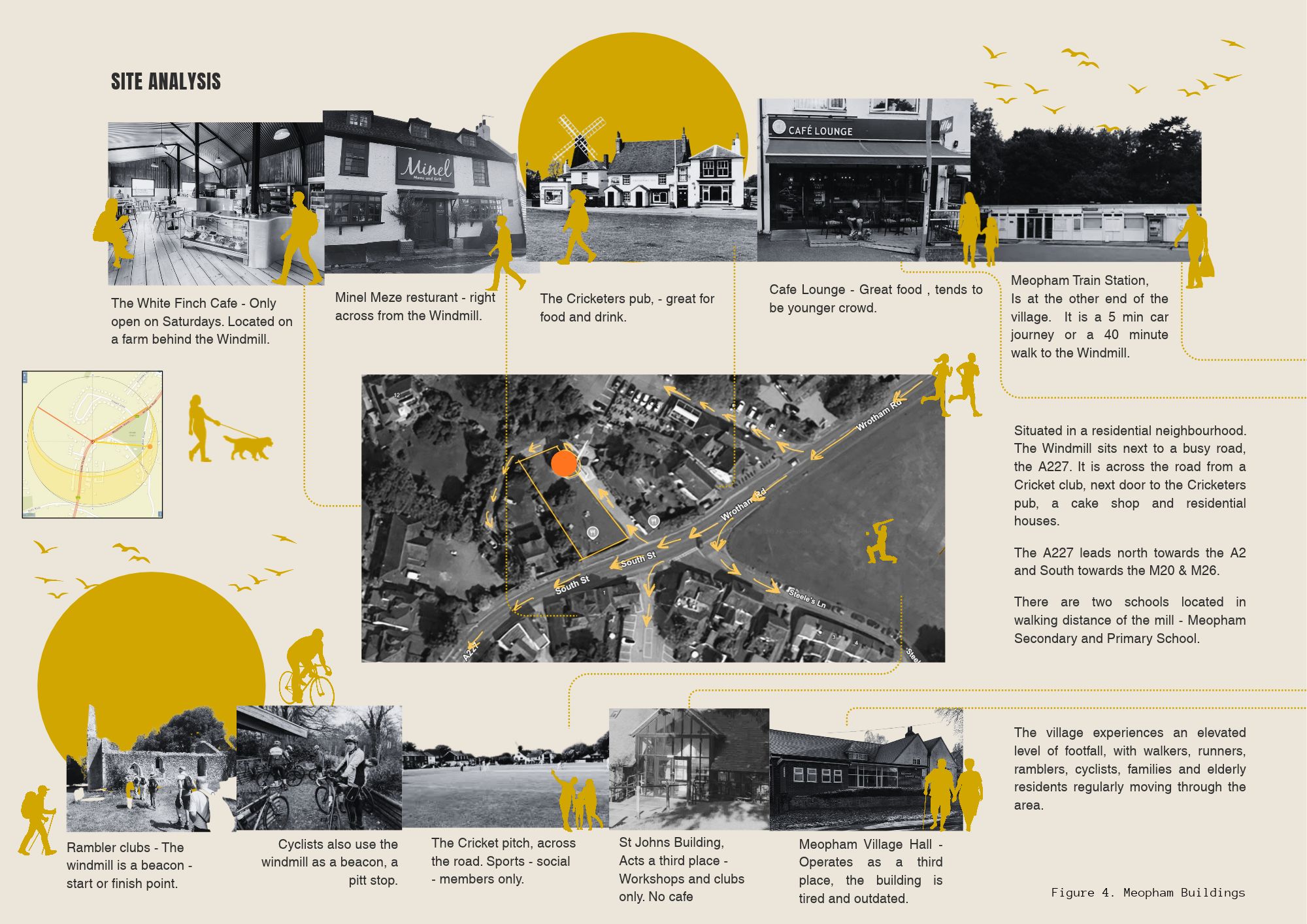
As a Grade II* listed dating back to 1801, Meopham Green Windmill is one of the few surviving hexagonal smock mills in the UK. However, like many historic industrial structures across the country, it faces ongoing maintenance costs and limited public use – putting its long-term viability at risk.
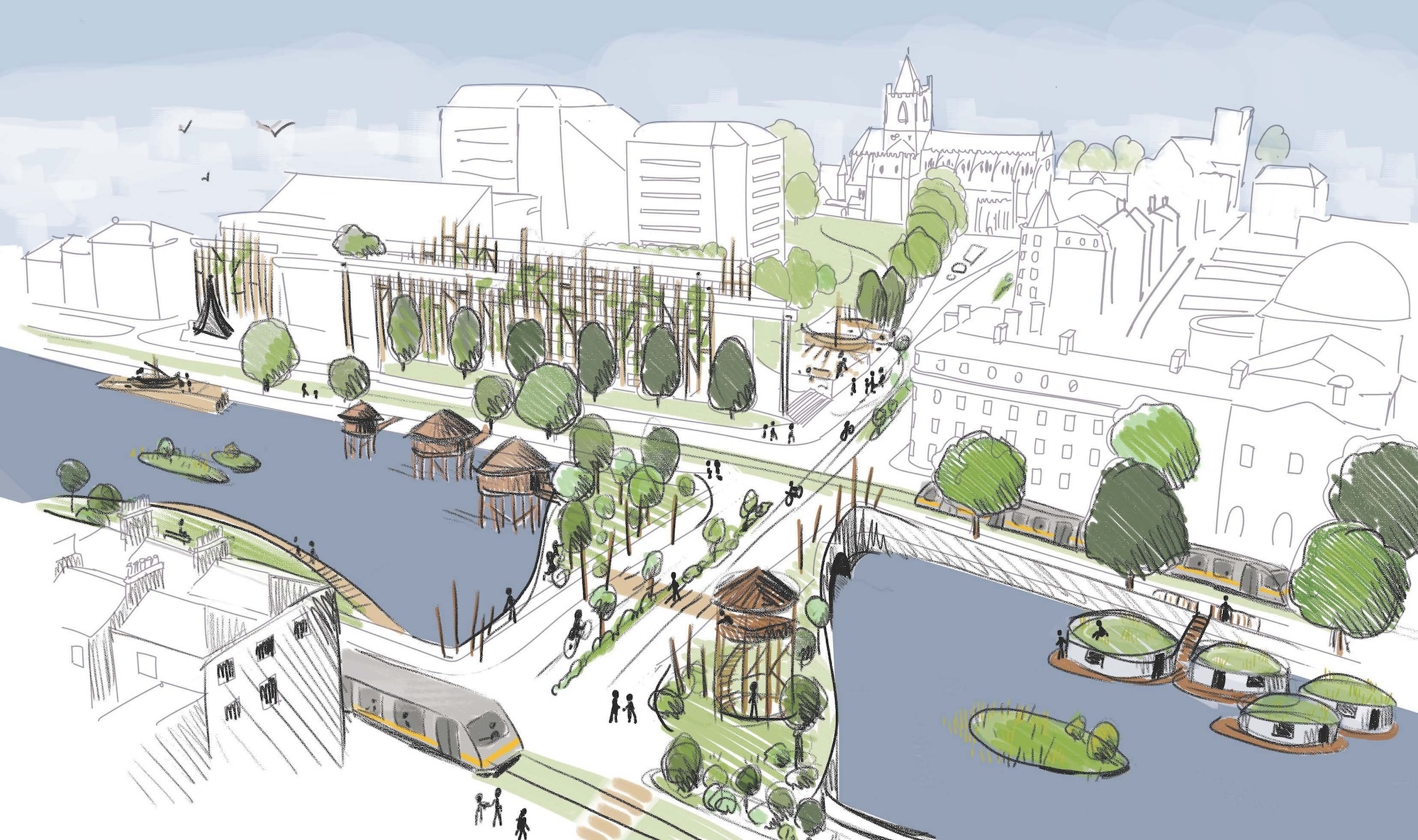
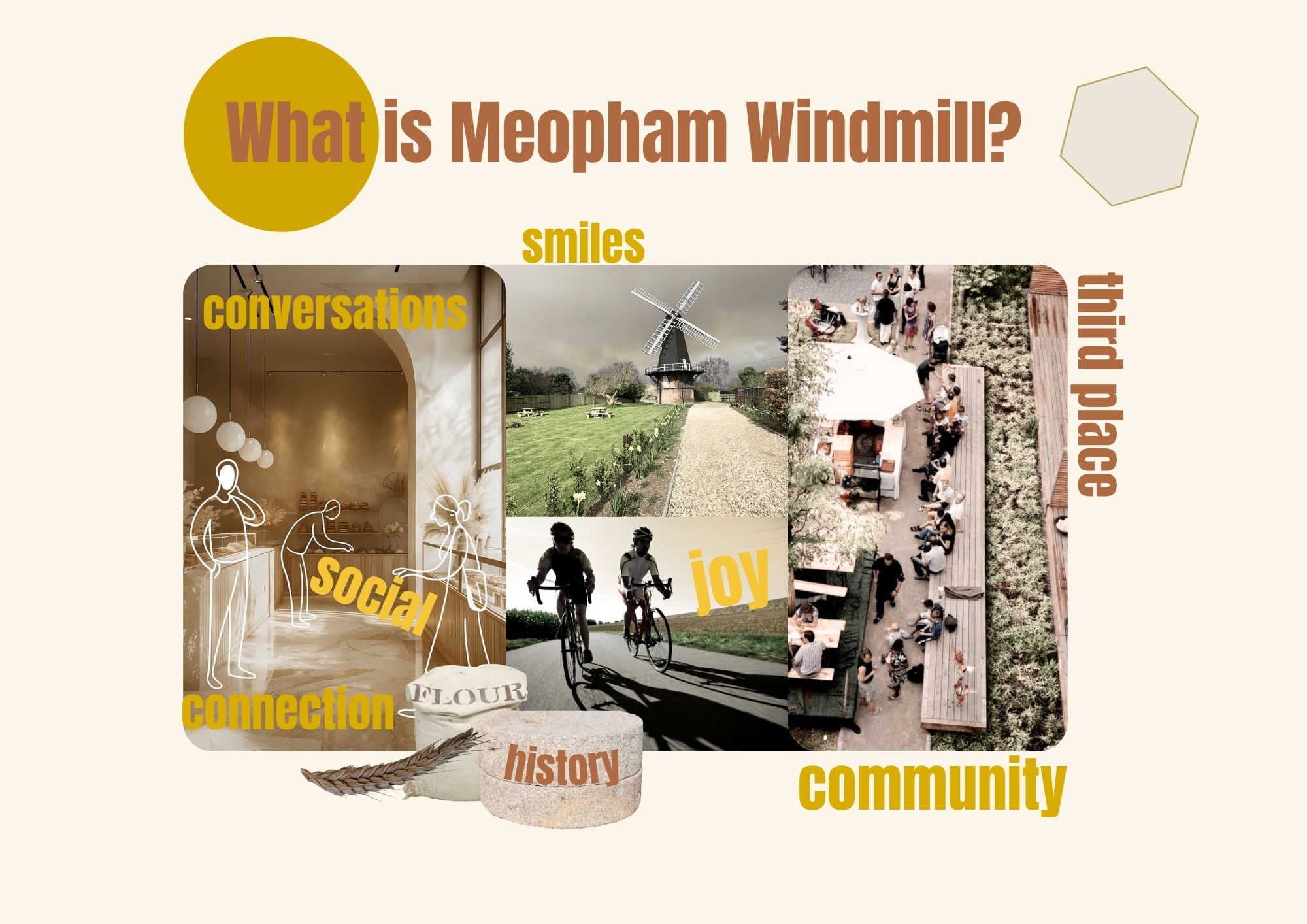
Developed as part of the MA Interior Design Reinvention module, Tracy’s scheme has tackled these challenges by transforming the windmill into a vibrant, accessible “third place” – a public gathering spot combining social connection, history, and local enterprise.
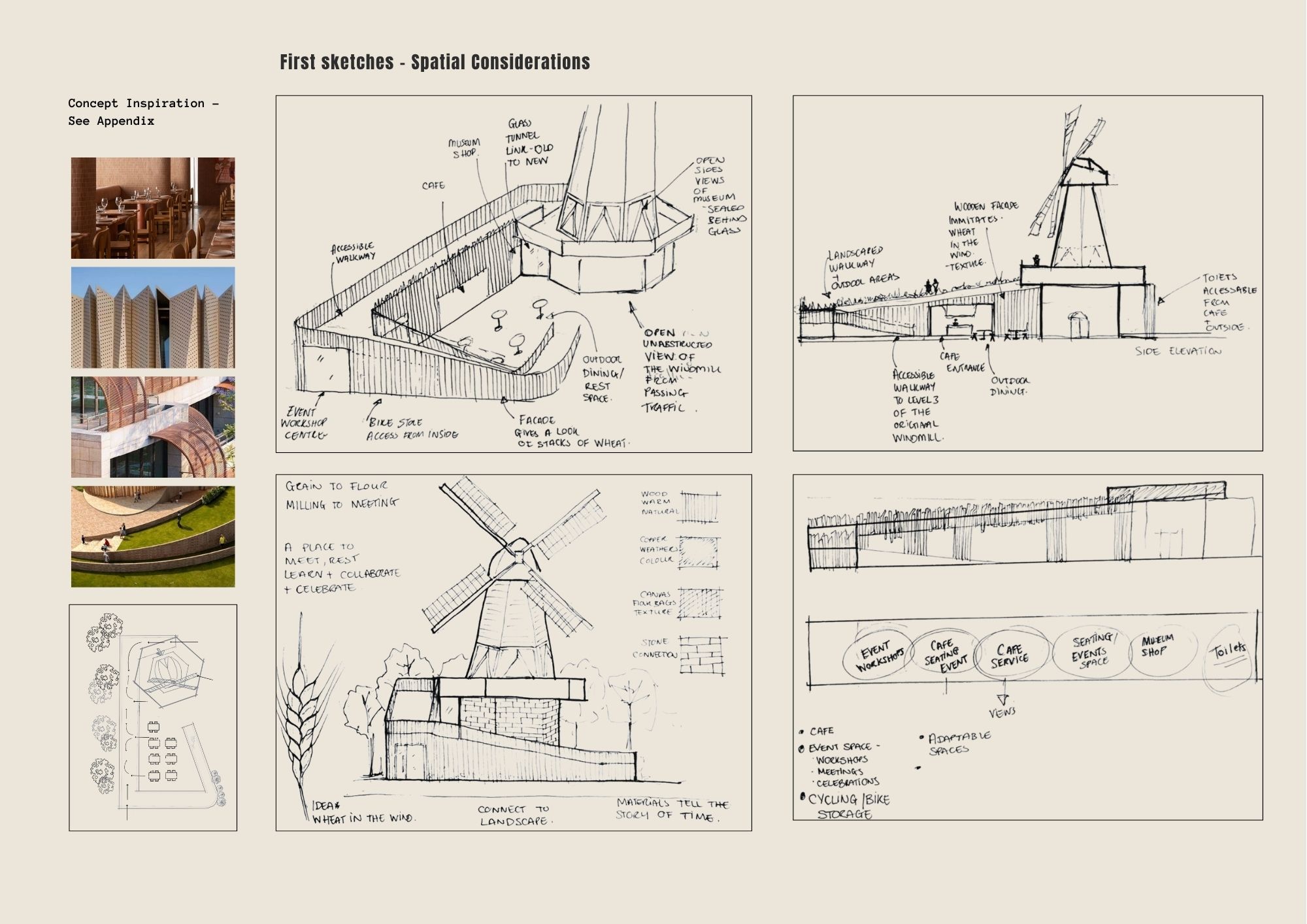
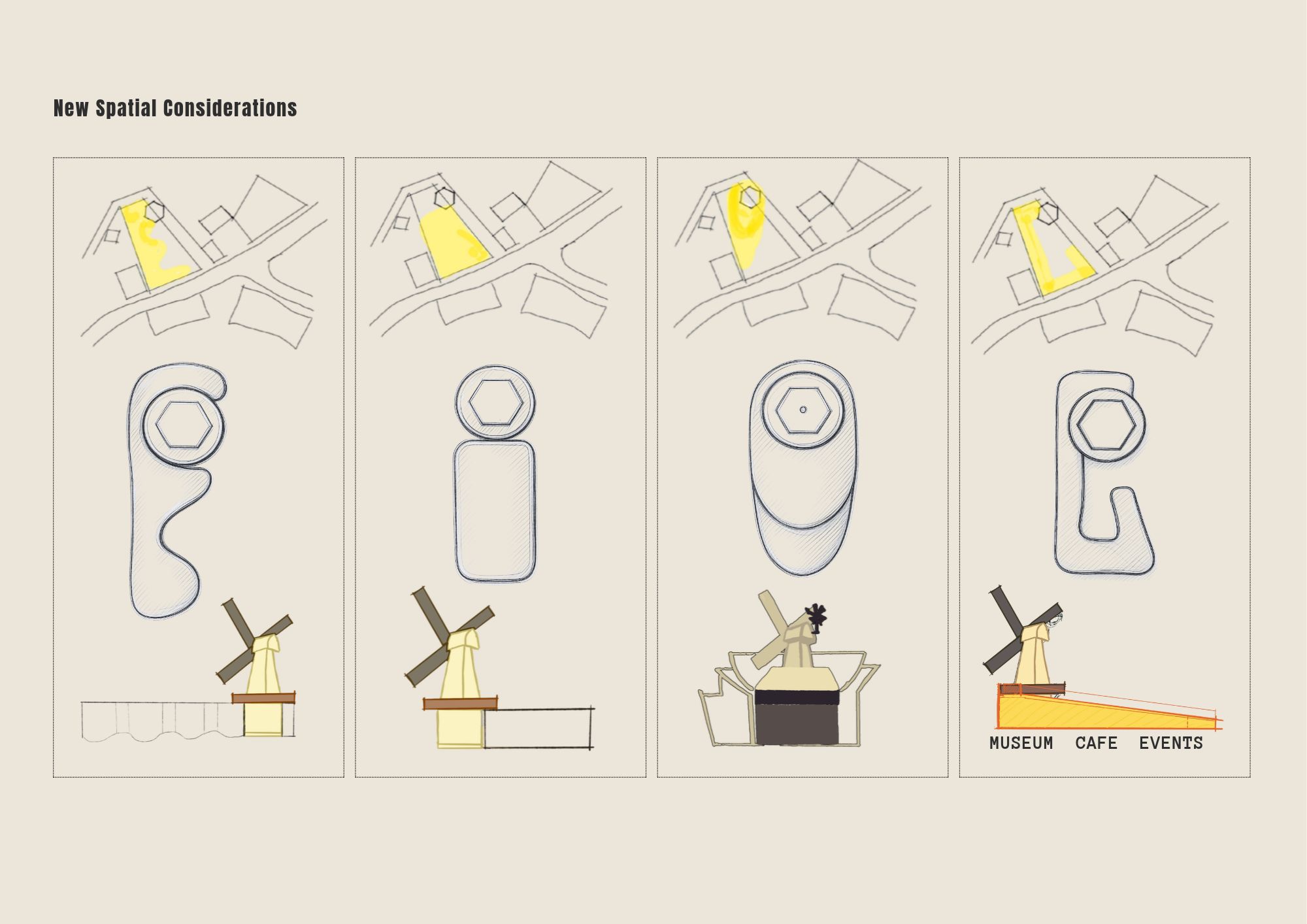
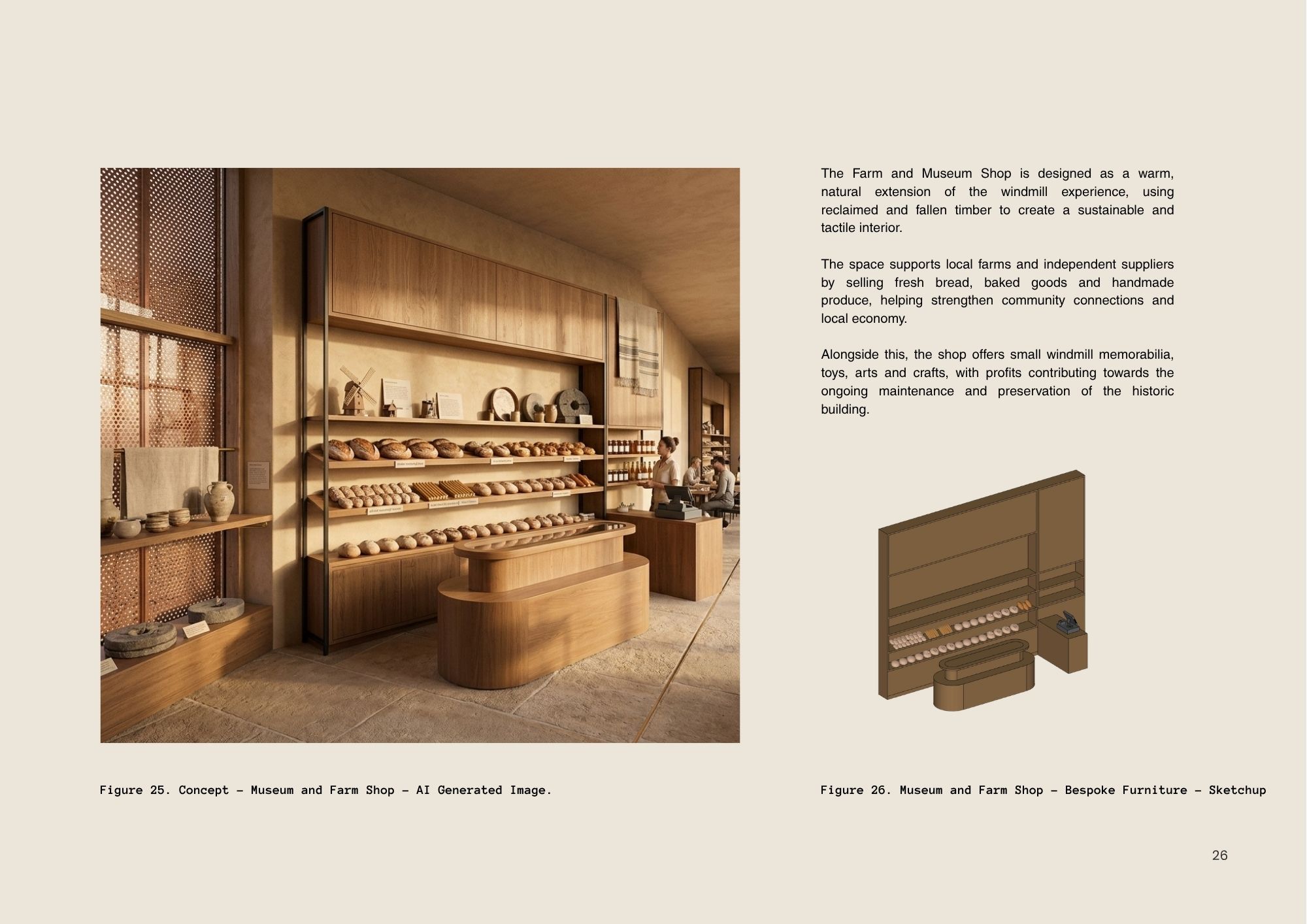
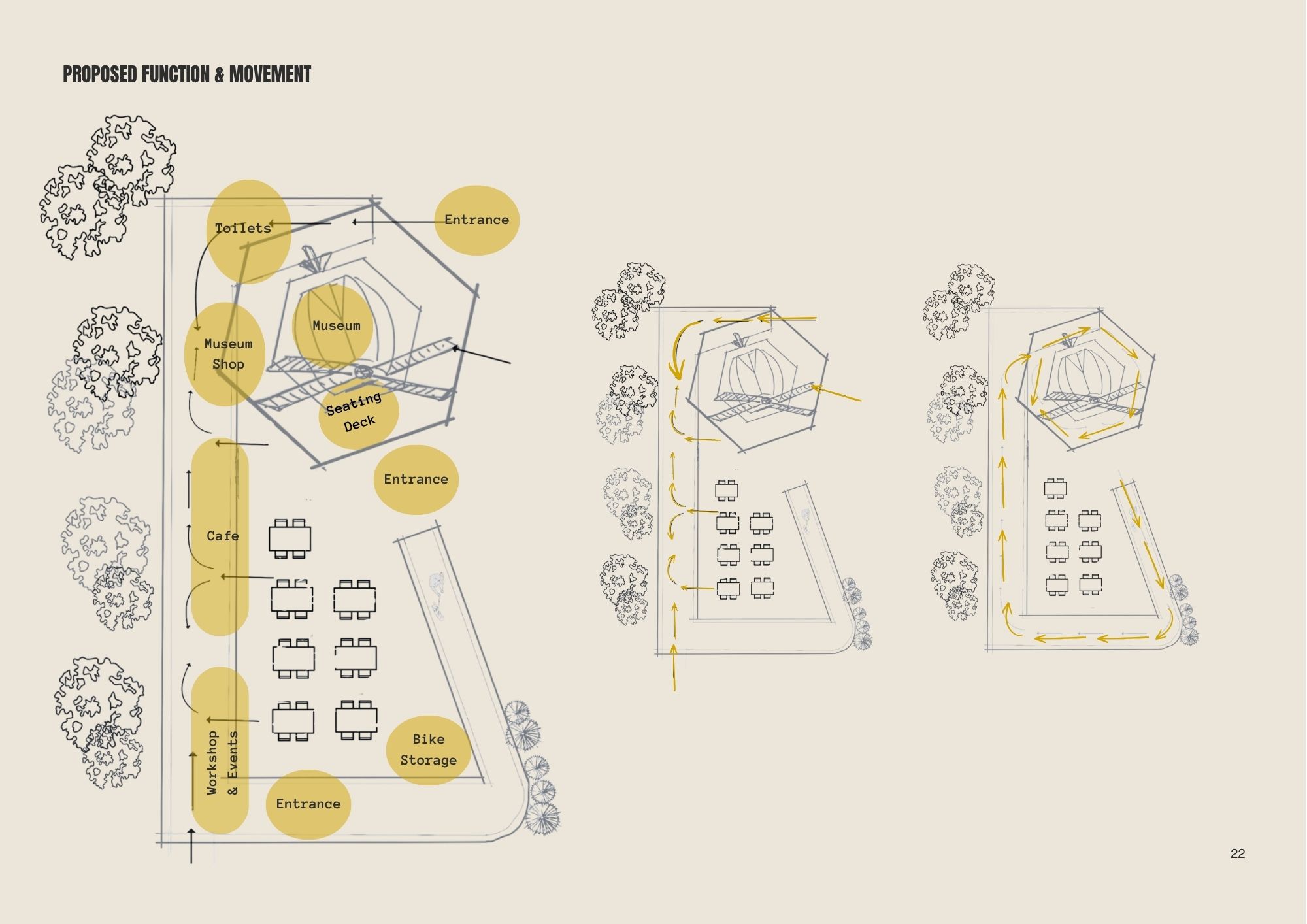
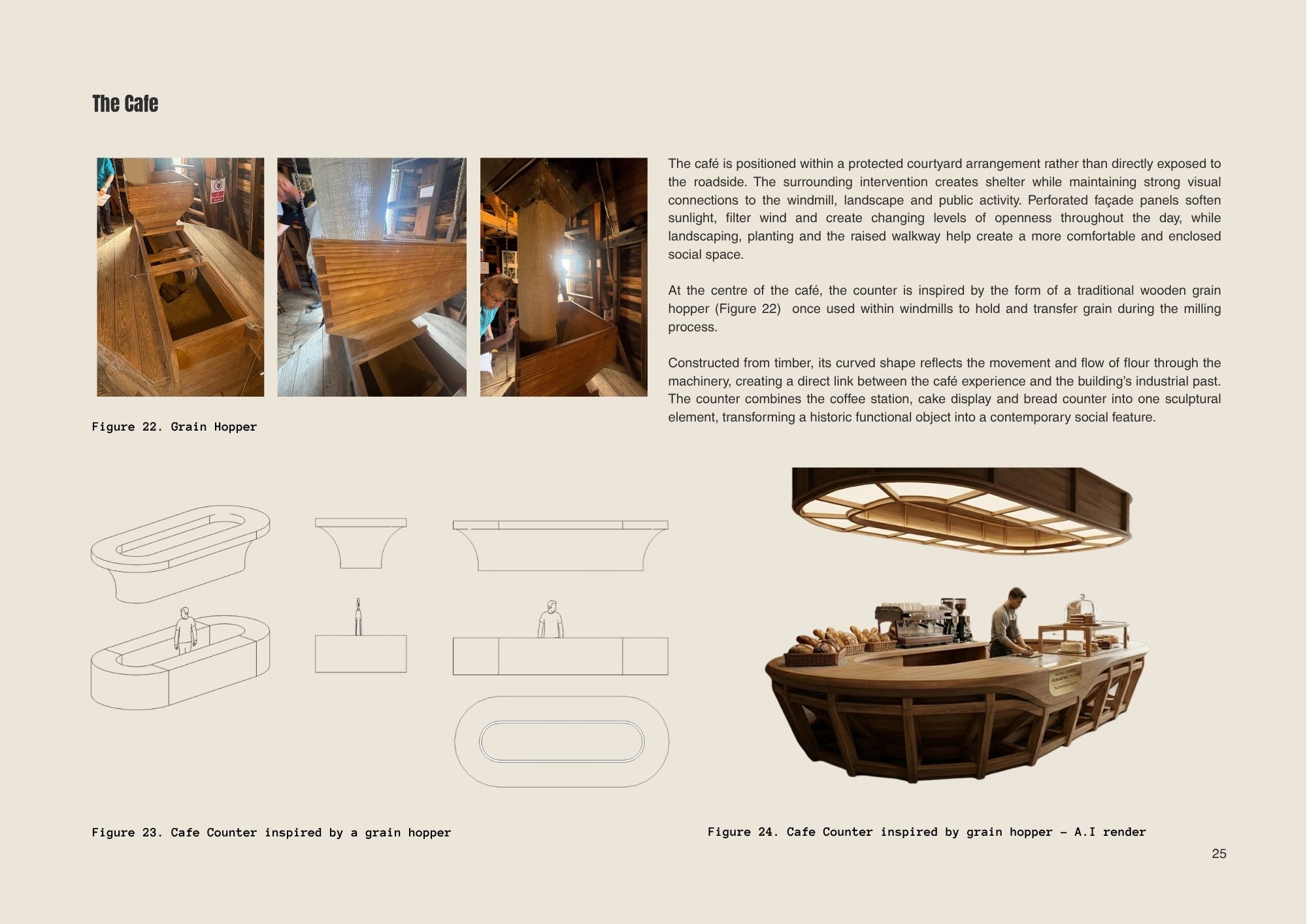
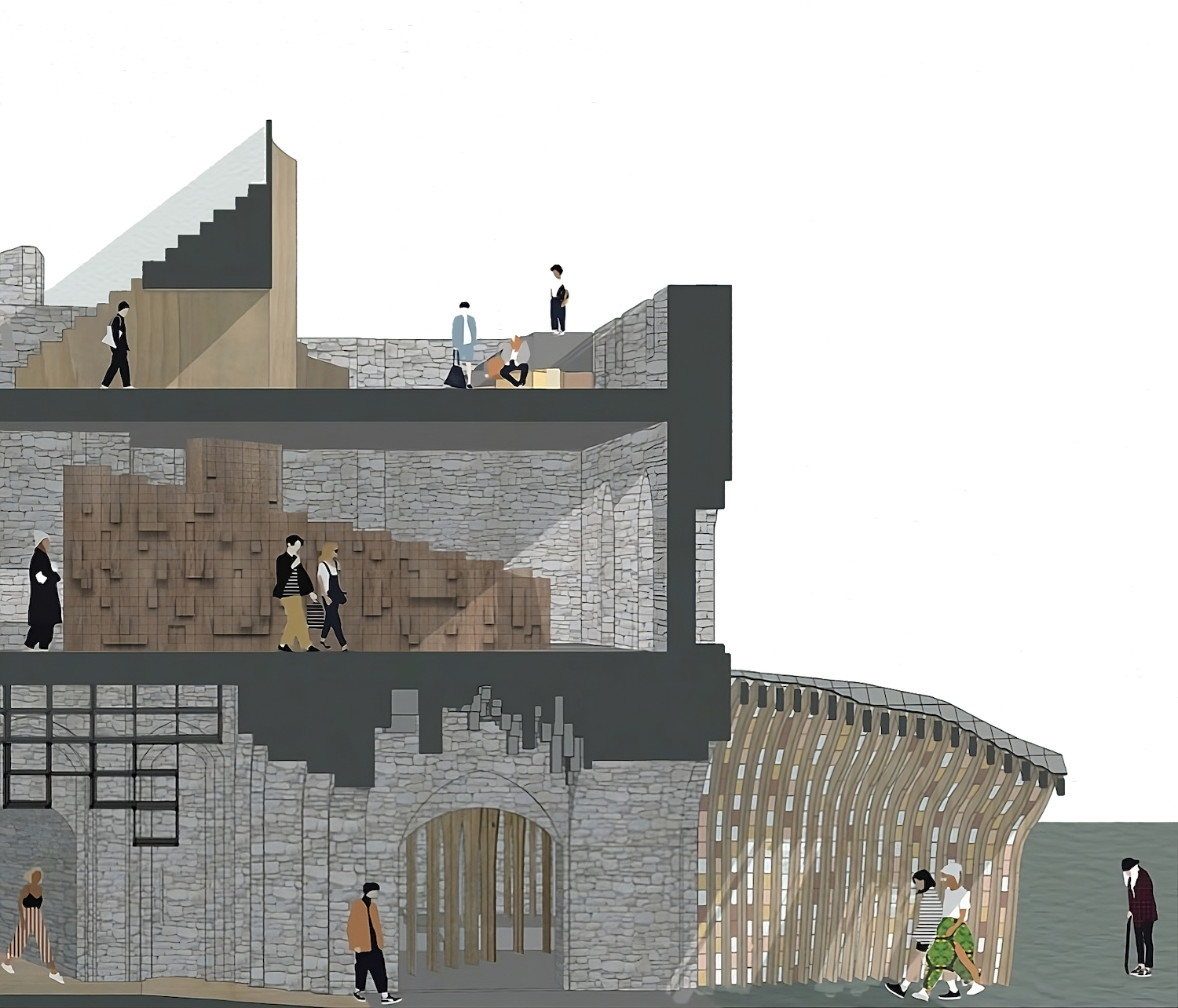
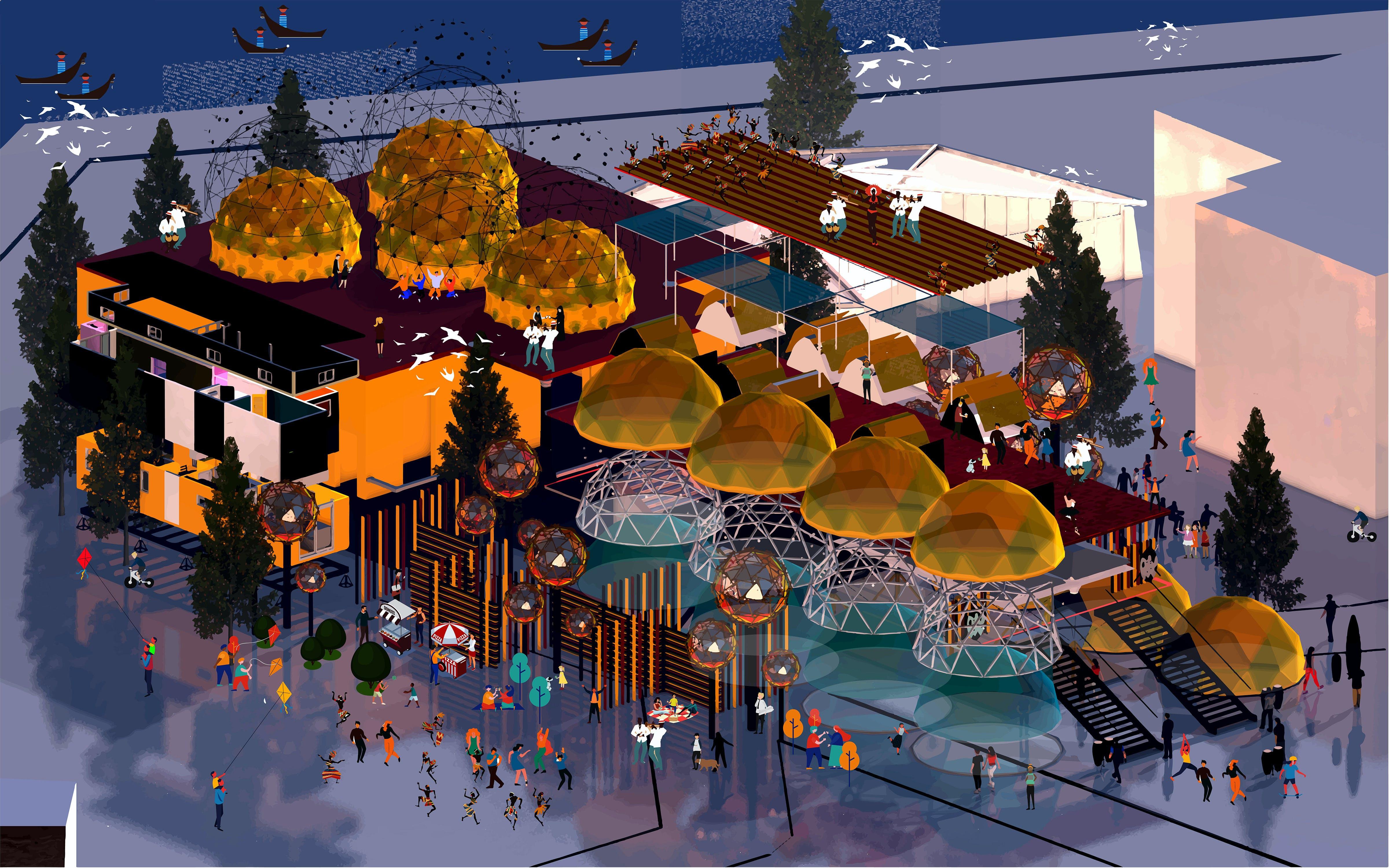
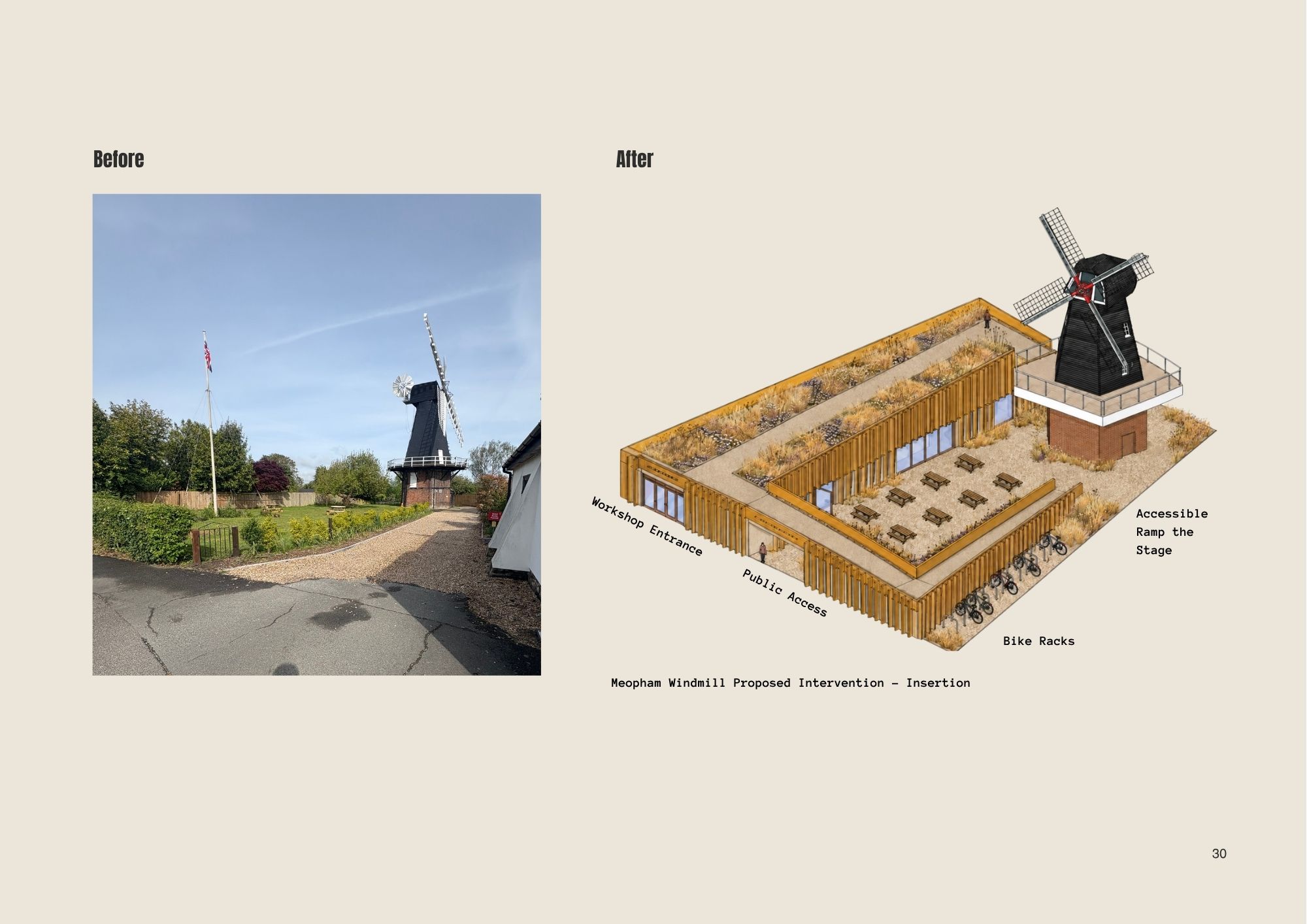
Tracy’s proposal introduces a low-impact extension, housing, a community café, workshop and event spaces, an upcycled timber farm shop and flexible communal areas. Rather than altering or overpowering the original timber frame, she adopted a respectful “insertion” strategy, placing new elements seamlessly alongside the historic mill.
By embedding passive environmental design, low-embodied-carbon materials, and community-focused infrastructure, Tracy demonstrates how heritage, preservation and contemporary functionality can seamlessly coexist.
Reflecting on the reaction from the trustees, Tracy comments: “I’m very grateful that the module gave me the opportunity to work with a real local heritage building and explore ideas that could potentially have relevance beyond the written submission.
“It was exciting to see how positively the trustees engaged with the project, and wonderful to think that some of the research might help inform the windmill’s actual future.”