
Another term has flown by at AUB and I have taken the time to reflect on the previous eight weeks. This live project collaboration between BA (Hons) Textiles Design, Sunseeker Yachts and SUEZ has been great fun, yet quite challenging and also very thought-provoking.
How have I progressed my drawings for possible collection pieces?
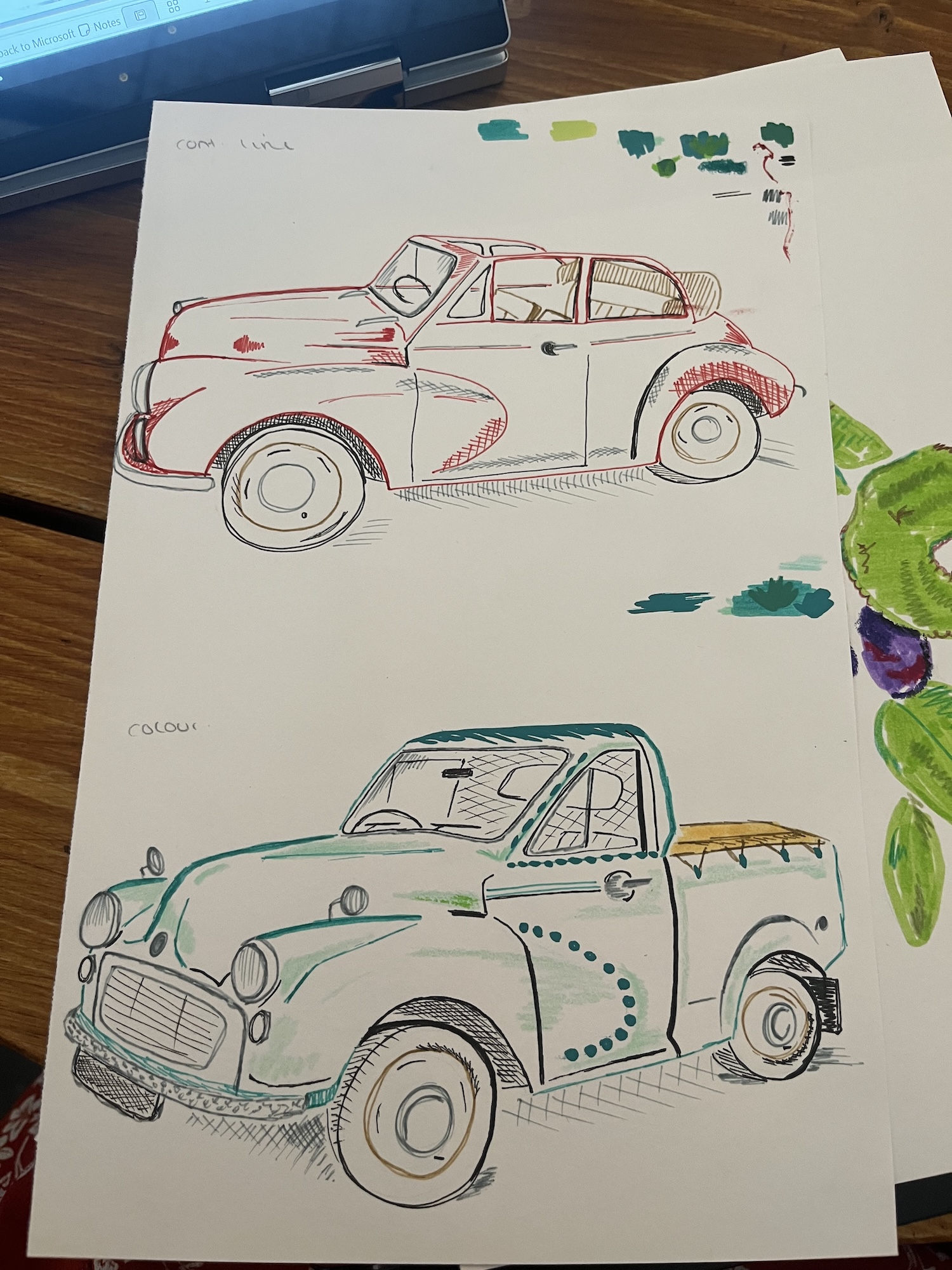
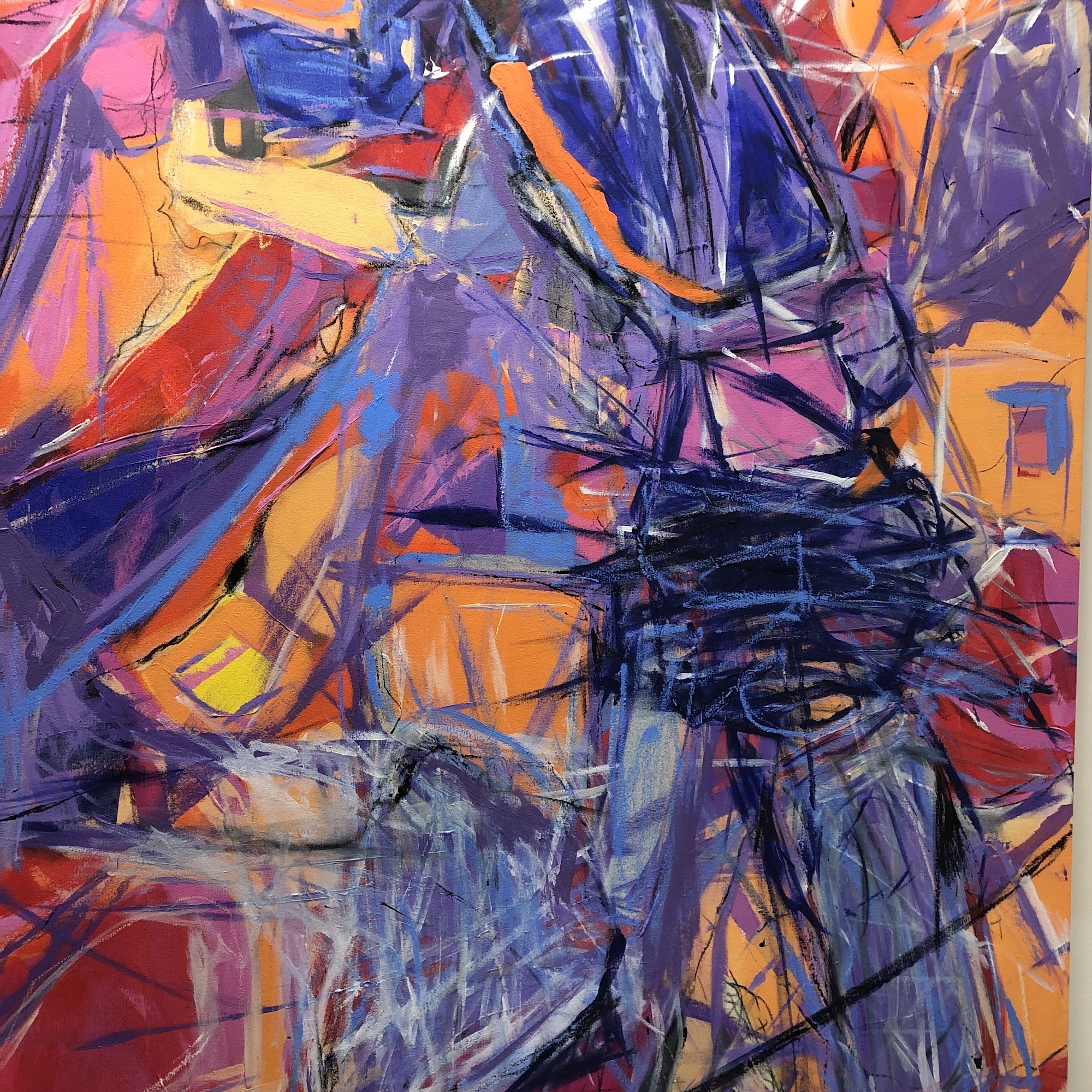
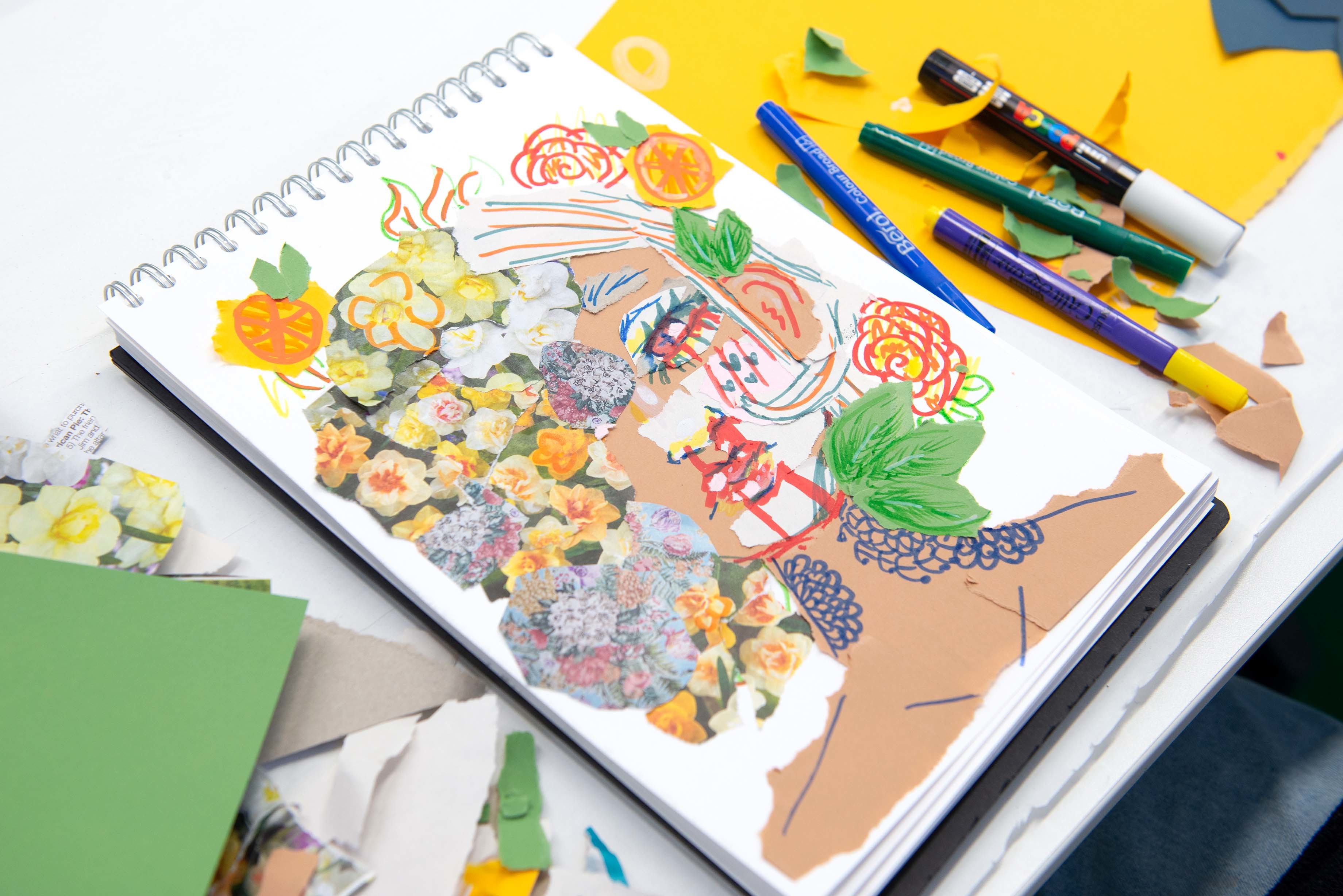
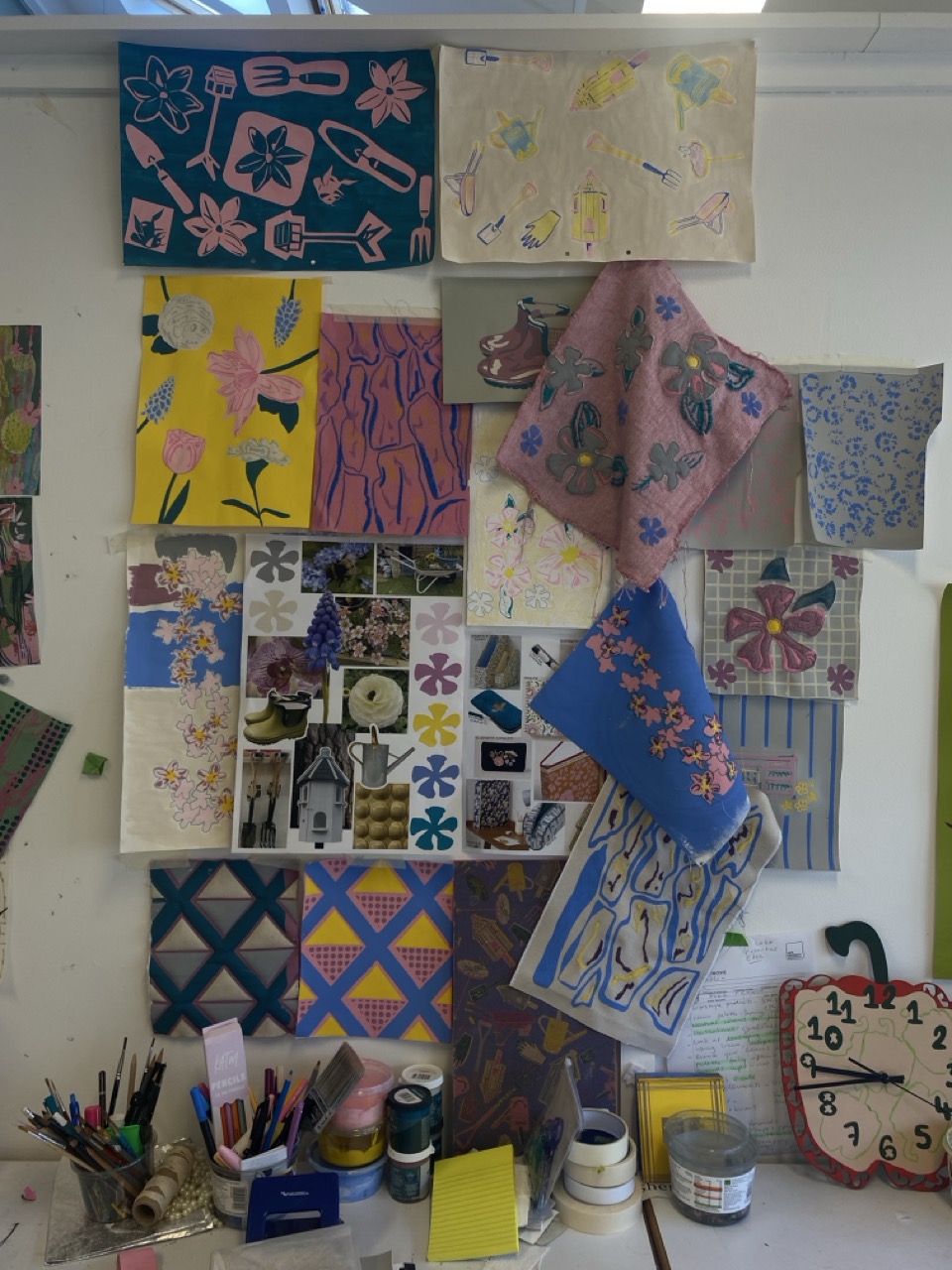
To kickstart my project, based around spring florals and my grandparents’ gardens, I gathered an abundance of primary research photos. I really enjoy the research stage of the project as I find it helps me to consolidate my theme and spark new ideas I might not have first considered. From this, I then began drawing lots and lots. For this project, I wanted to try to push myself by attempting more observational drawings – zooming in on different areas and still life set-ups. I also focused primarily on using paint and pens as my media. Through picking certain approaches, I could keep my drawings more refined and cohesive as they had a similar theme, and this also meant my colour palette was more consistent from the beginning to help demonstrate my intentions.
After an initial period of drawing, I then moved into the trial and sampling stage of my project. This is around the mid-way point in the term, progressing drawings into potential final resolutions.
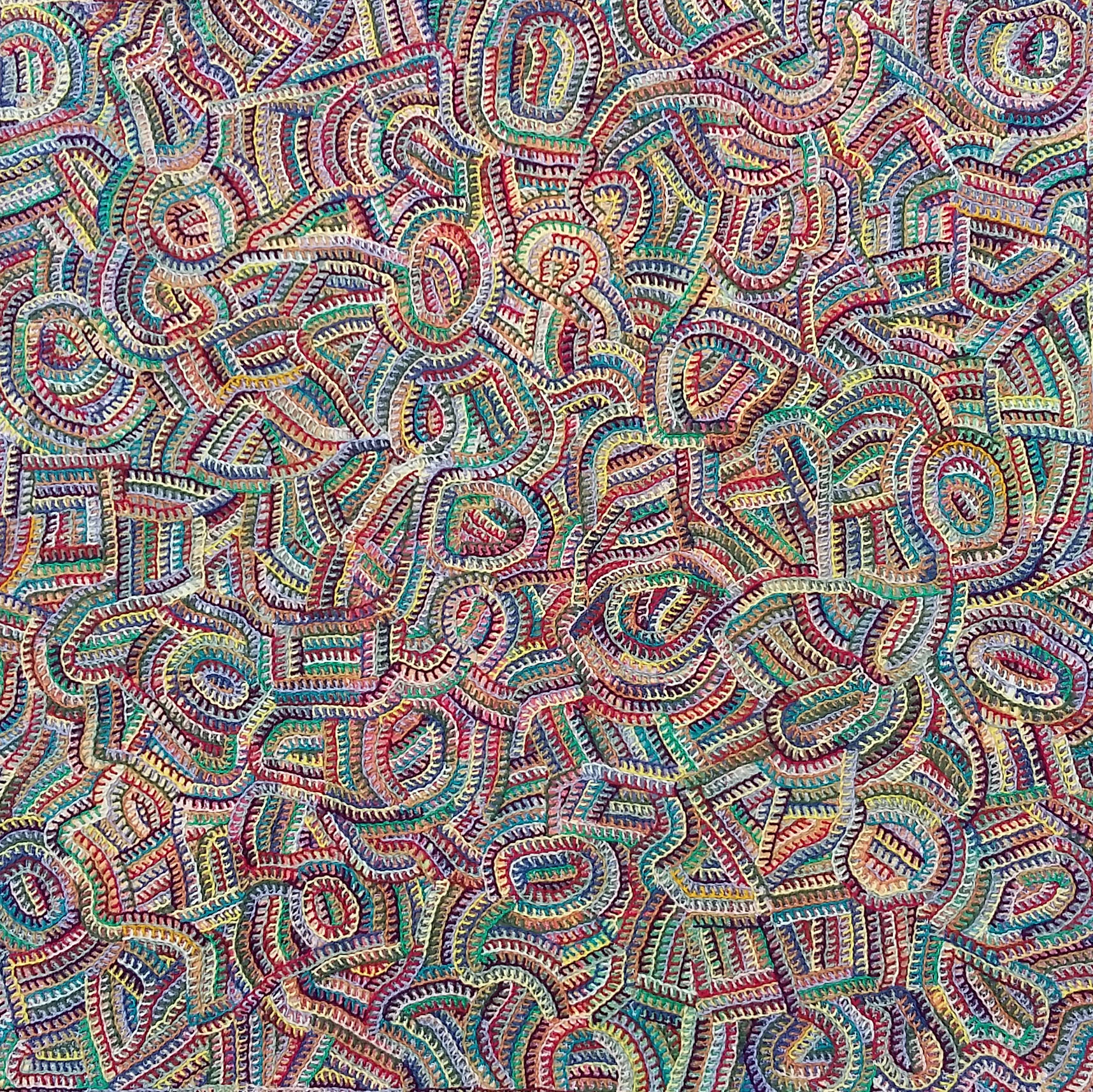
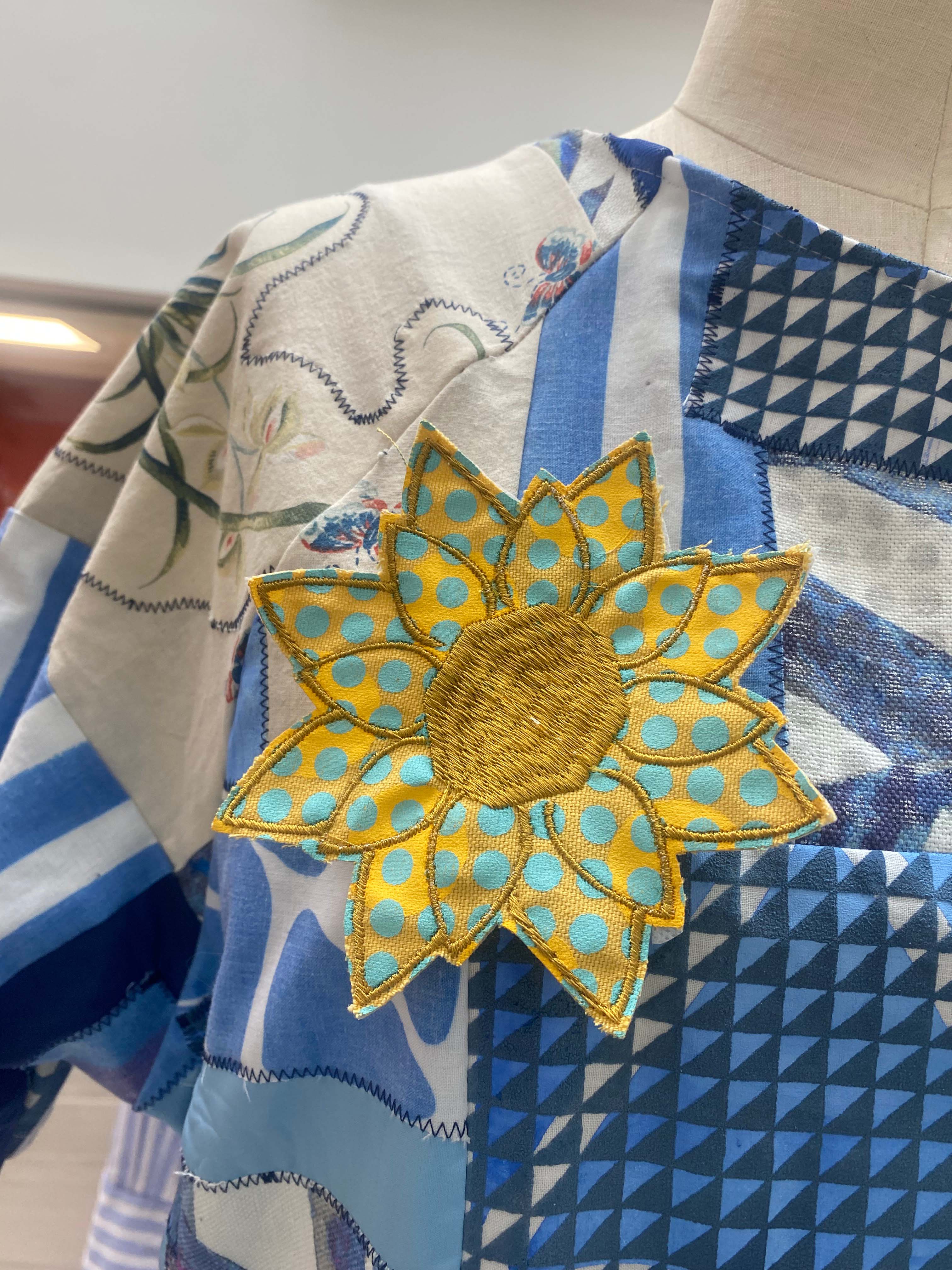
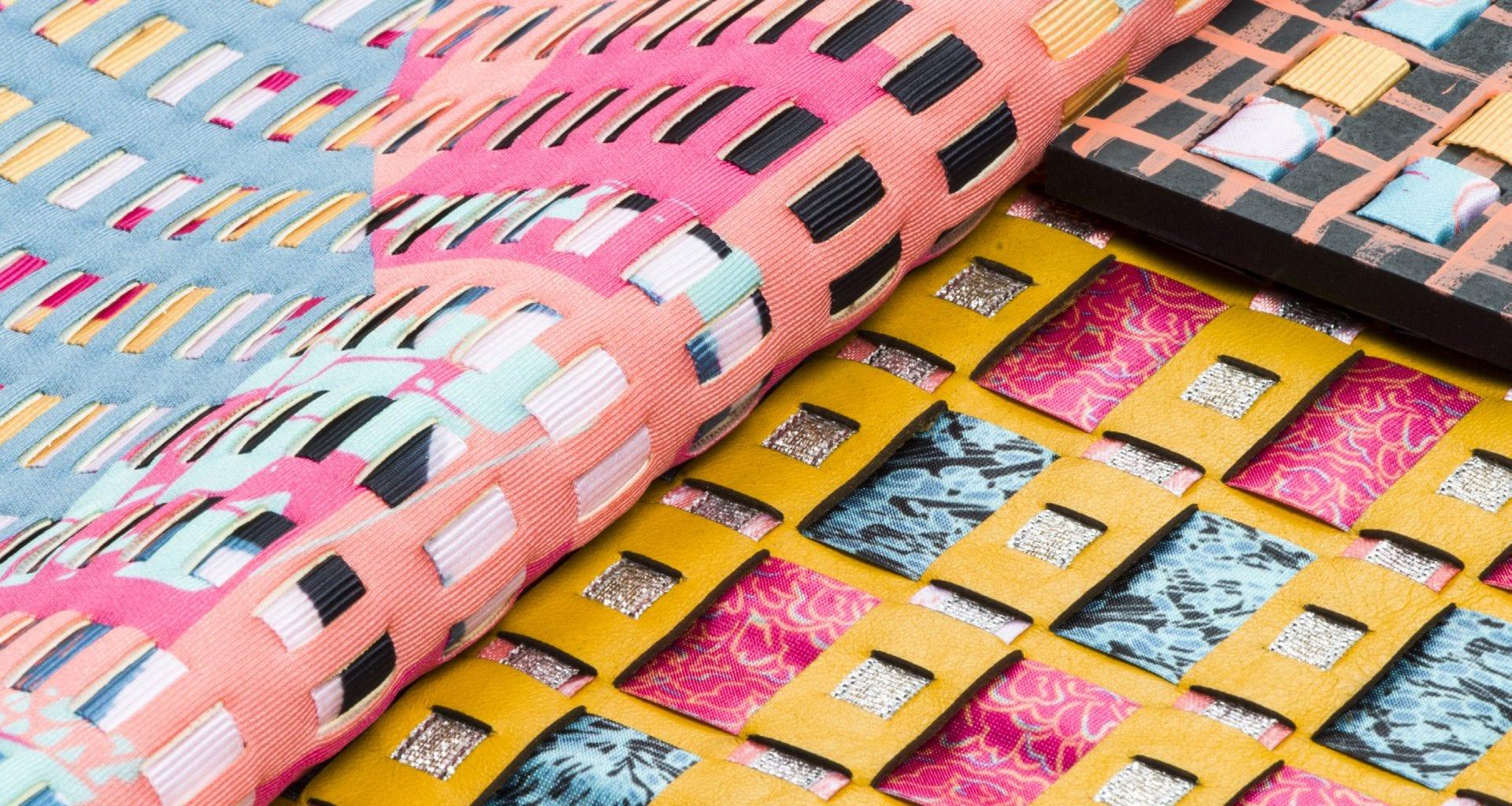
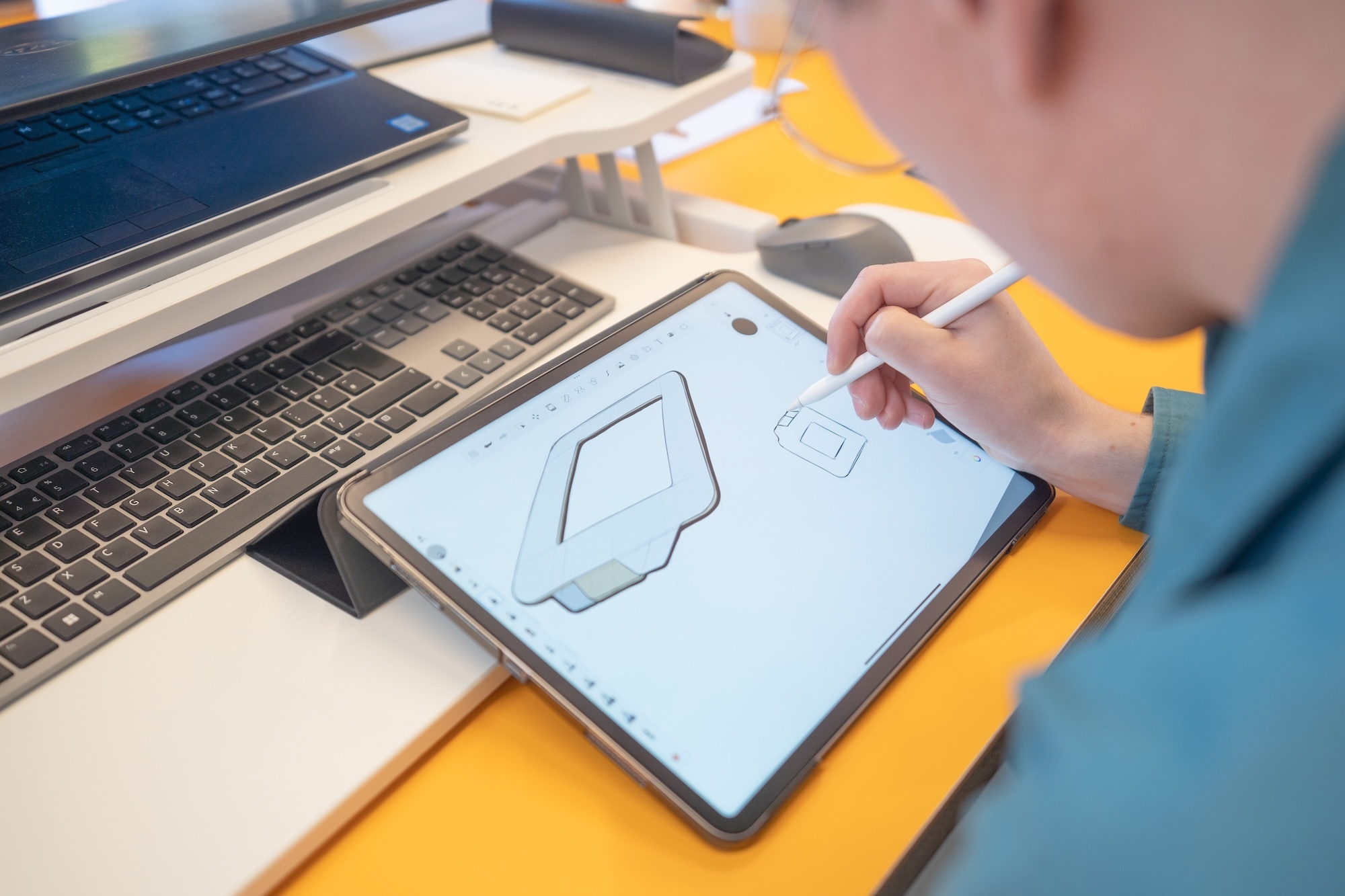
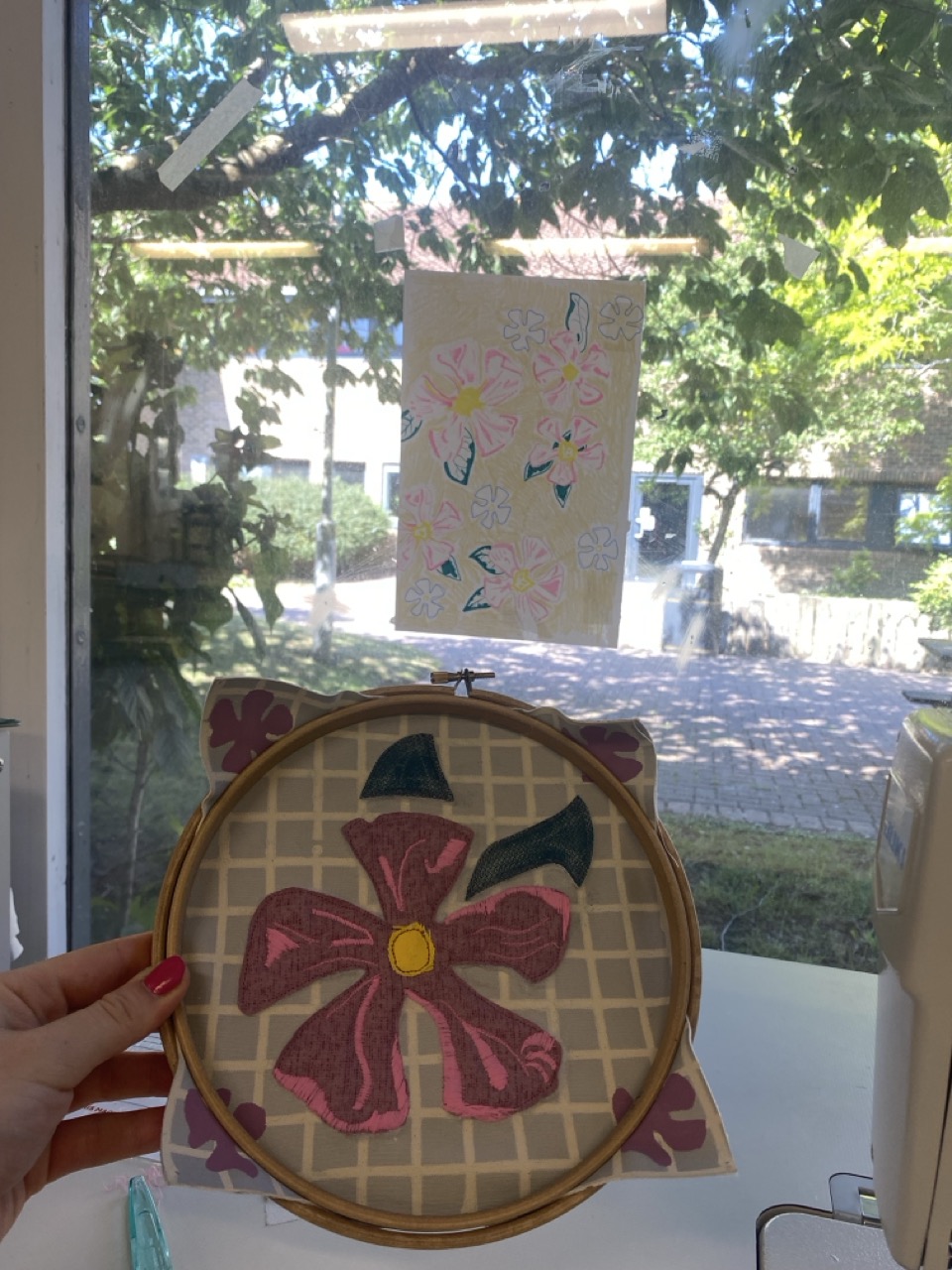
To achieve this, I spent lots of time translating my drawings into digital embroidery files on Wilcom. I tested lots of individual motifs to start so that I could explore different fabrics in the machine and see what could be stitched on, trialled different spools of thread to check which ones colour matched best and tested different scales of motif. By doing small trials and samples, I built up my confidence on the CAD machines, as I was having lots of ‘quick wins’ which always feels good and it helped me become more familiar with re-threading and selecting the colours on the display screen. After these trials, I then had physical samples of my work, which I could present and discuss with my tutor, ready to progress again into repeat patterns and more finalised compositions.
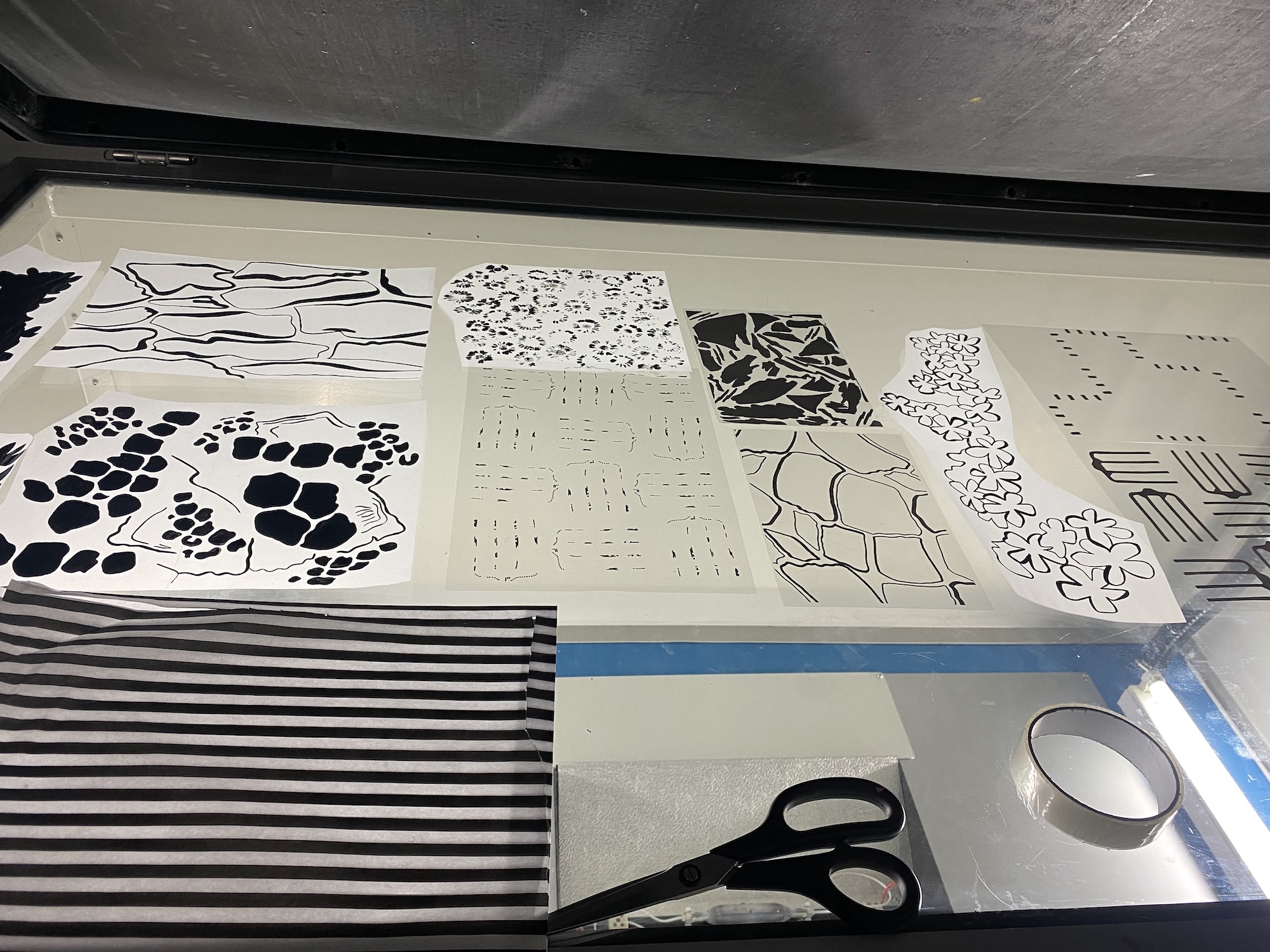
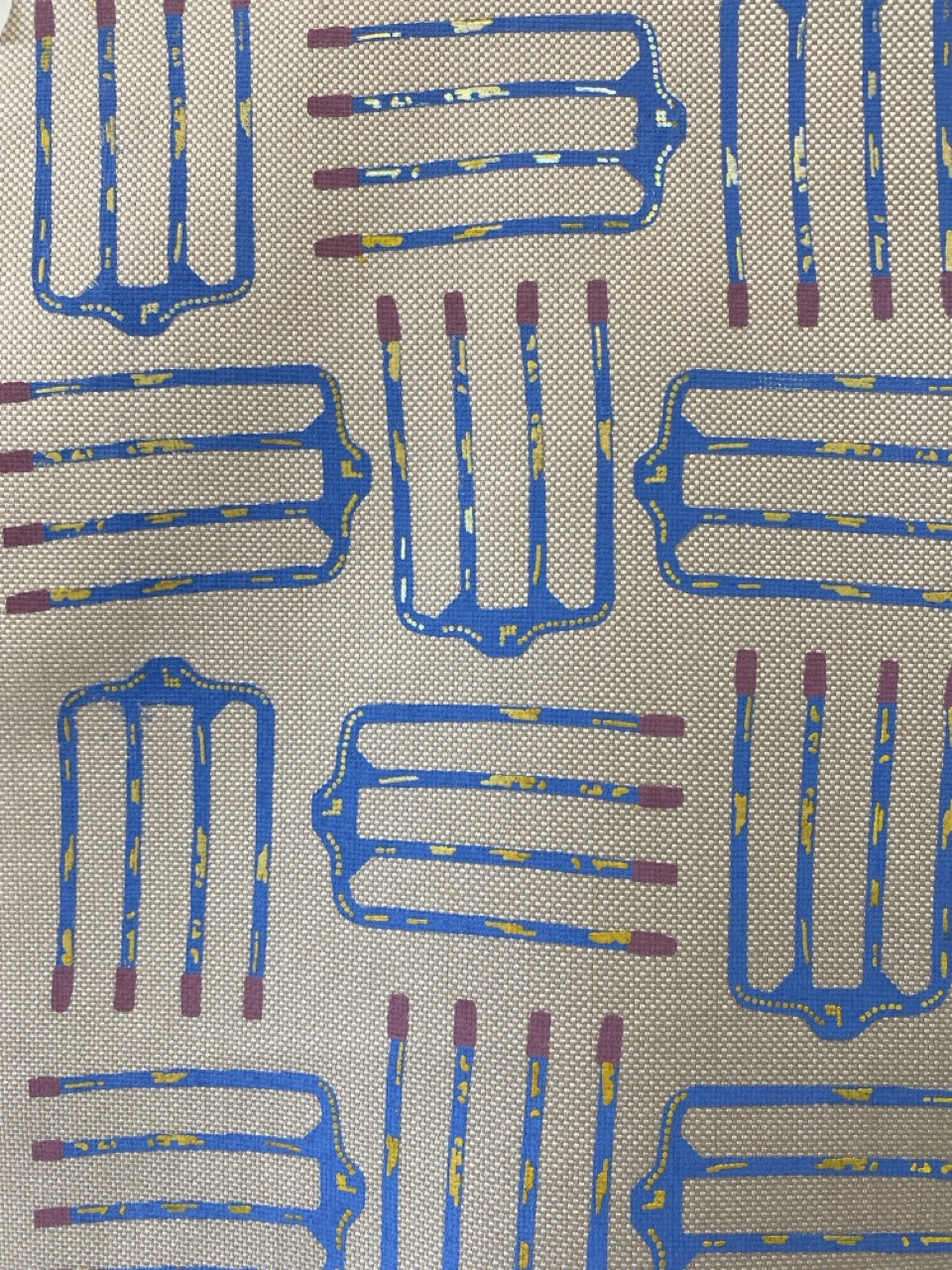
Additionally, I developed one particular drawing on Photoshop to be UV printed. For this piece, I cleaned all the motifs up in Photoshop, then played around with them by re-colouring them, changing the scale and trialling different layouts of the motifs – seeing whether I preferred more ground colour showing or less and which was most impactful. It was a slow process of constantly re-colouring areas, adding in textures or infills and making multiple iterations, but I enjoyed the process, and I think it led me to the strongest outcome as my decisions were considered and methodical.
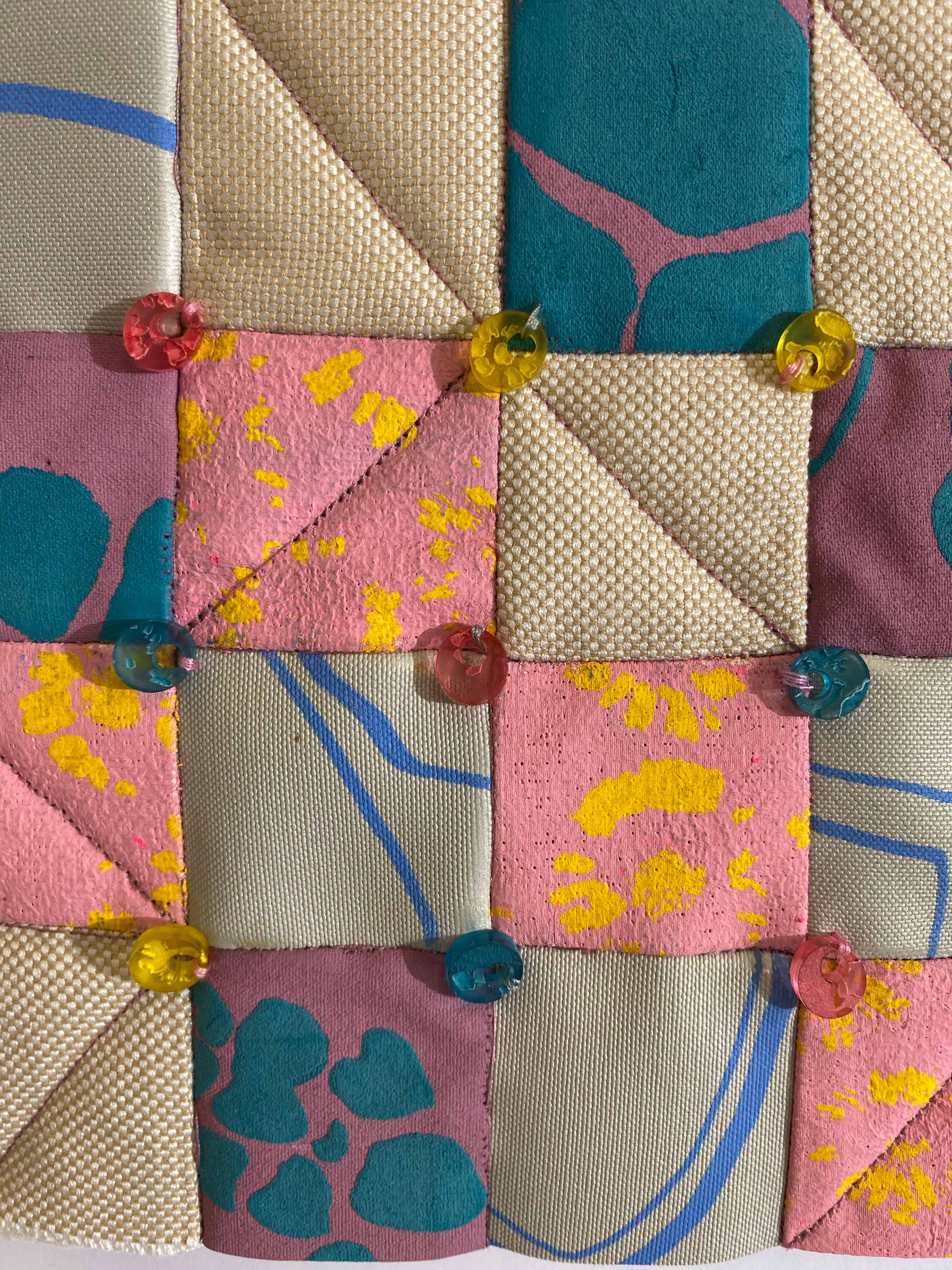
These are a few examples of how I progressed my drawings into more developed ideas; I also exposed two screens to print my artwork with and got stuck in with testing ideas through stitch and applique as well.
How have I developed and refined my concepts?
As my last project of second year, I tried to focus on previous terms’ feedback and improve. This led me to be more refined in my technique selection, predominantly using digital embroidery, screen printing and Irish embellishment for my collection. I tried to think more deeply about the skills I was using, rather than cover all the skills I know. Less is more was my approach. It also challenged me to be more careful with my colour palette, ensuring it was consistent across my sampling and techniques (for example, fabric grounds to pigment binders to threads). This was particularly important in my UV print, matching my colour profile to the one the printer uses (CMYK) and printing out copies first to colour match before editing again and achieving my final piece.
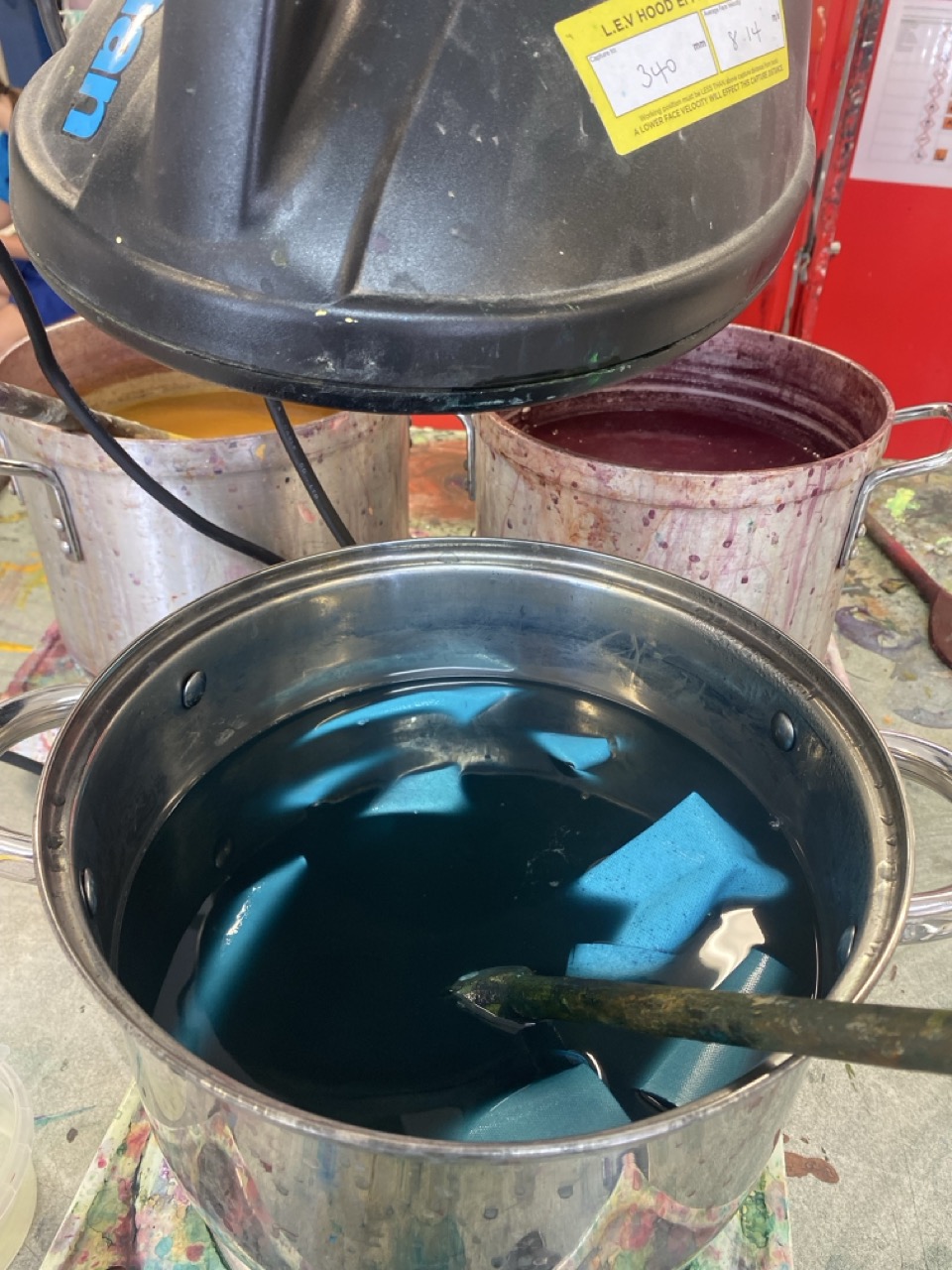
However, it was challenging to keep my colours consistent with the fabrics we had been given. As our project was based around re-imagining offcuts from the superyacht industry, lots of the fabrics were grey, cream or white. Therefore, they had to be dyed before we could work with them in our palette. This meant we couldn’t hit the ground running and had to do more prep work to the materials. As they were all different materials and colours, they didn’t all take the dye the same way, so it was a great deal of trial and error to achieve a consistent match to my colour palette.
How did I find presenting my work to the companies?
To bring the project, and the term, to a close in our final week, we presented our collections to members of the Sunseeker and SUEZ teams. This was an amazing experience! I was slightly nervous before going in, as I had only really presented my work to tutors or peers and a few external people for work placement opportunities, but that was all.
One reason why this presentation was nice is because it had no weighting to it too; it wasn’t an interview for a job or work experience, so I felt I could relax a bit more. But I feel I will definitely go into future presentations more confident because of this practice! Both companies were extremely friendly and interested in my project and I felt at ease right away. It was nice to talk through my project, from beginning to end, and practice verbalising the decisions I had made and the reasoning behind final outcomes. It was a fantastic opportunity to have; I really enjoyed it and came away feeling reassured about presenting my work in the future.
Overall, I have loved this summer term and the challenge this project has brought. I have had to think about my processes differently to usual, which has been nice, and I am pleased with how I have pushed myself to try new things before Level 6 studies. I look forward to returning to AUB after summer to carry on pushing my studies.