















We all get it from time to time – that unmistakable haze of brain fog, where you’re right in the middle of a project and suddenly the bank of inspiration has cashed out. As AUB creative students, it’s something many of us have experienced, but what if there were ways to conquer it, and still be able to be creatively inspired?
My first go-to is Pinterest. It’s essentially a deep dive into the world of creativity, and a great space to make my own boards for each project, creating collections of inspirations from a range of sources, whether that's the work of other designers, colour schemes, or even a vibe that captures the essence of an idea.
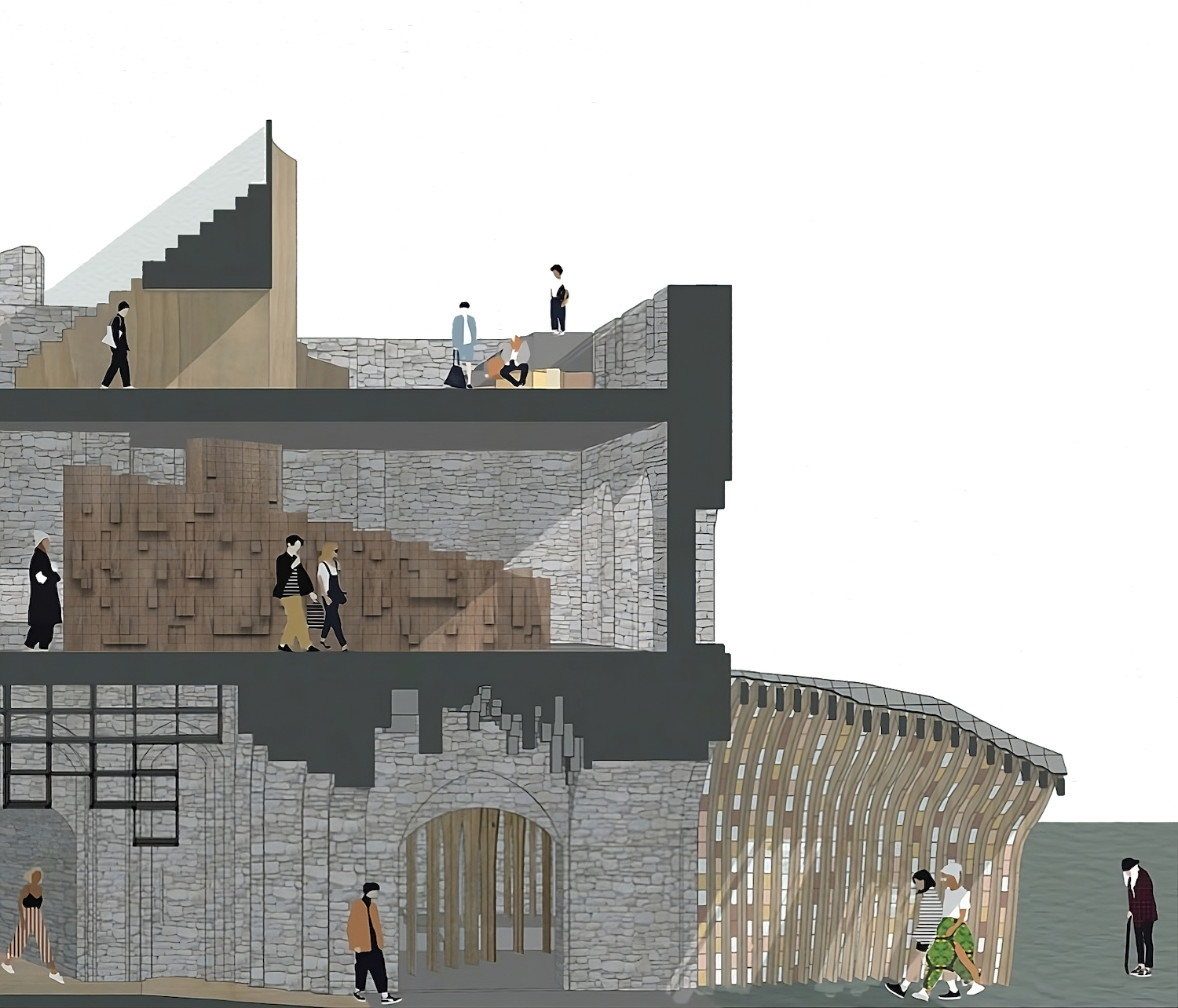
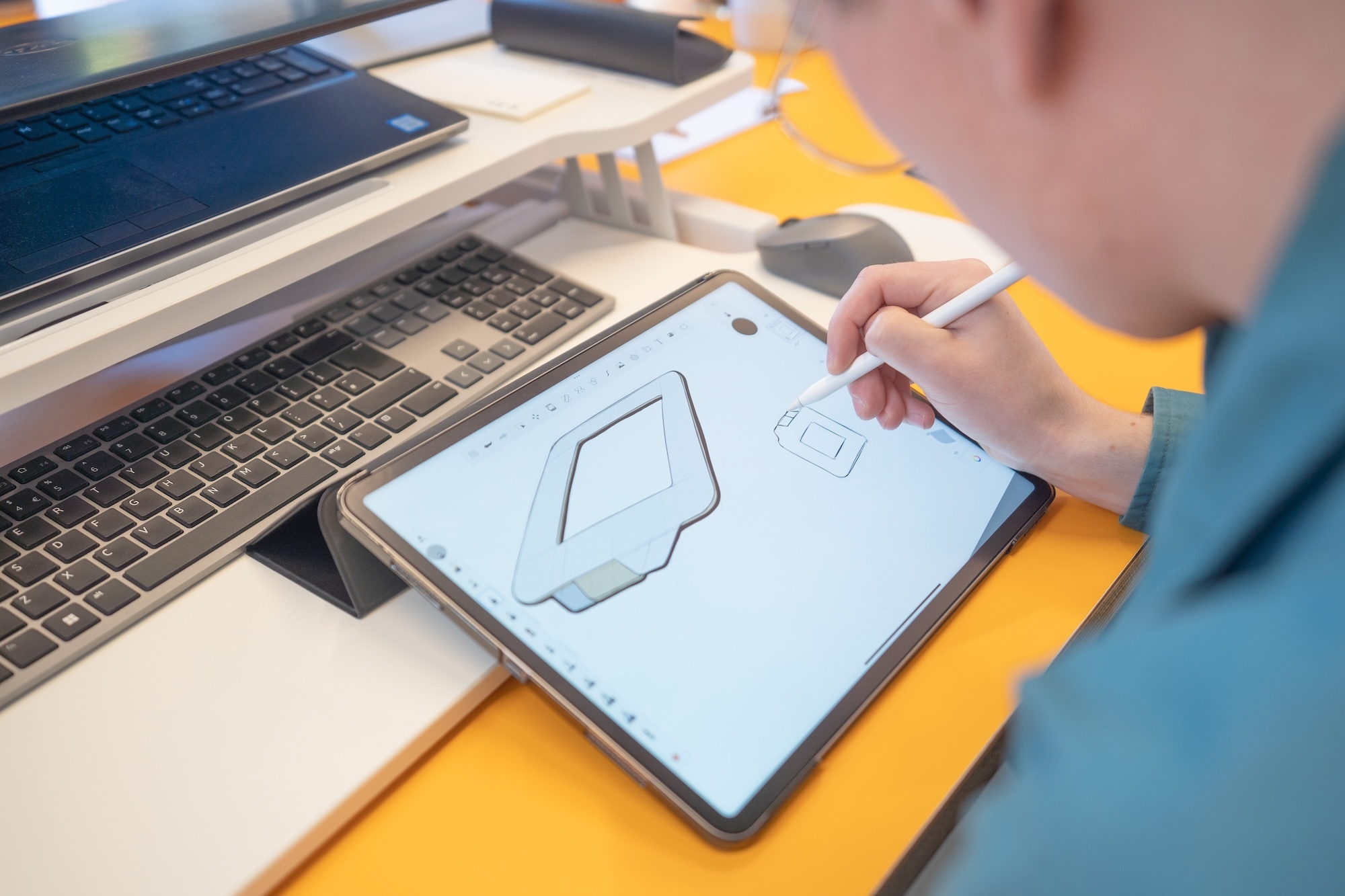
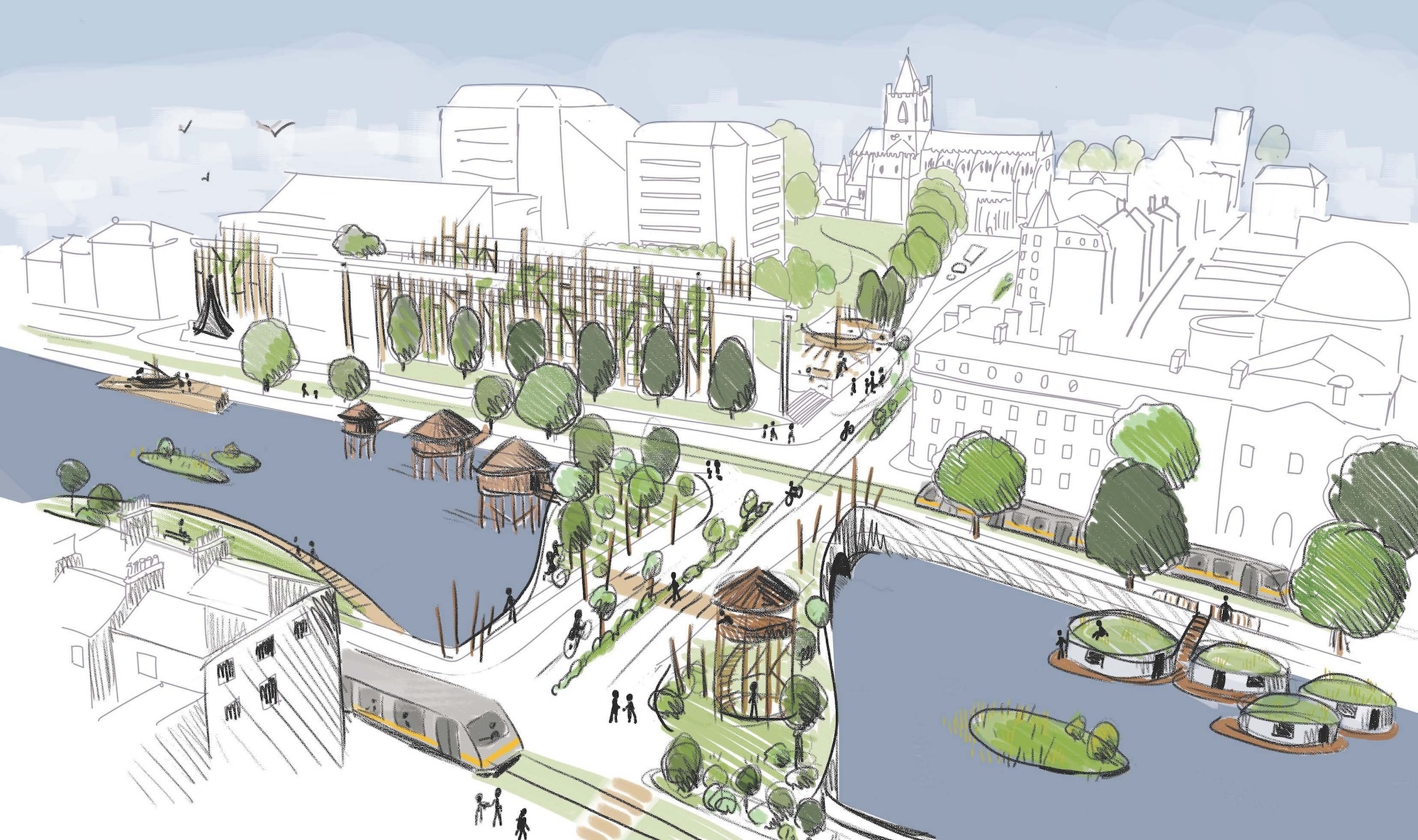
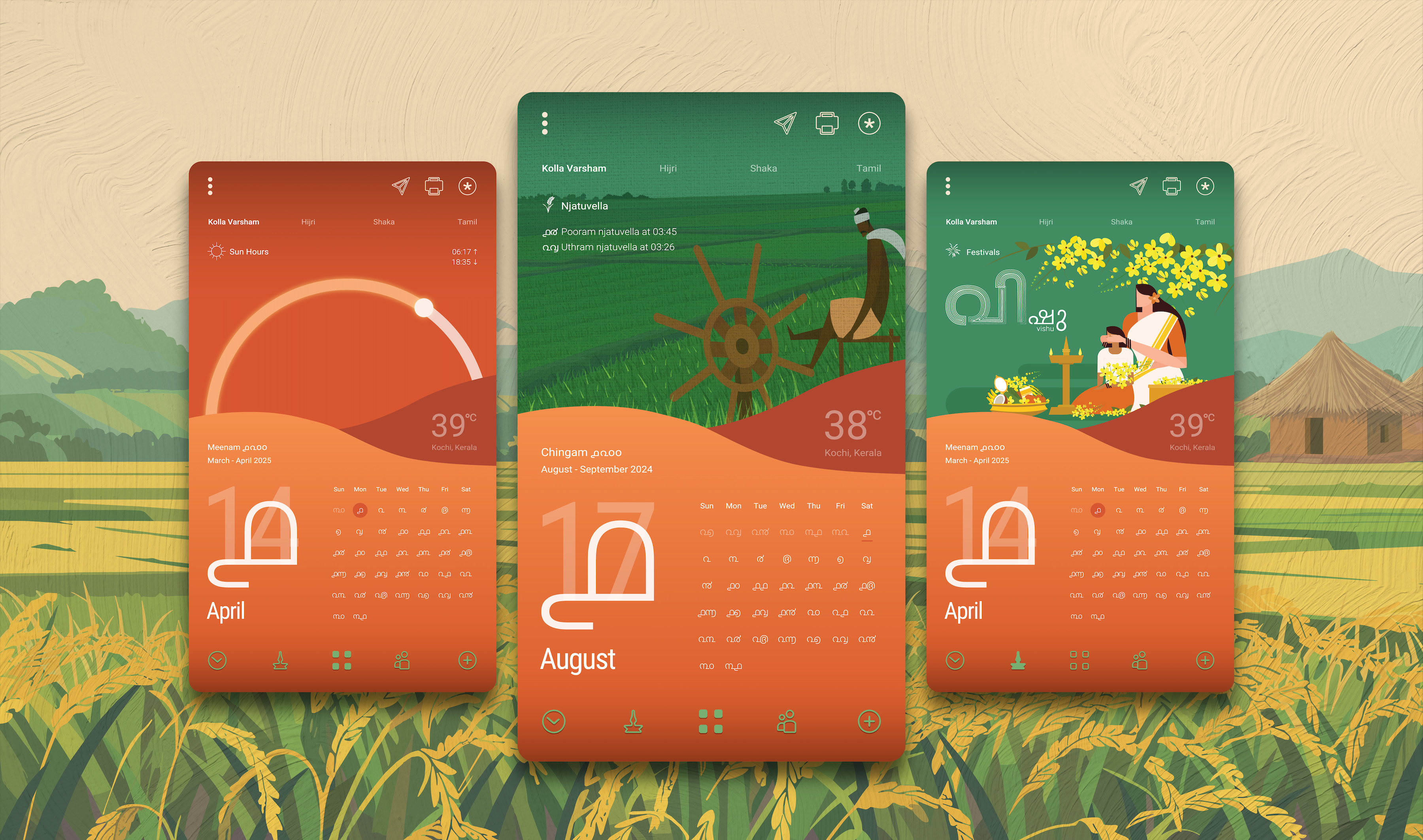
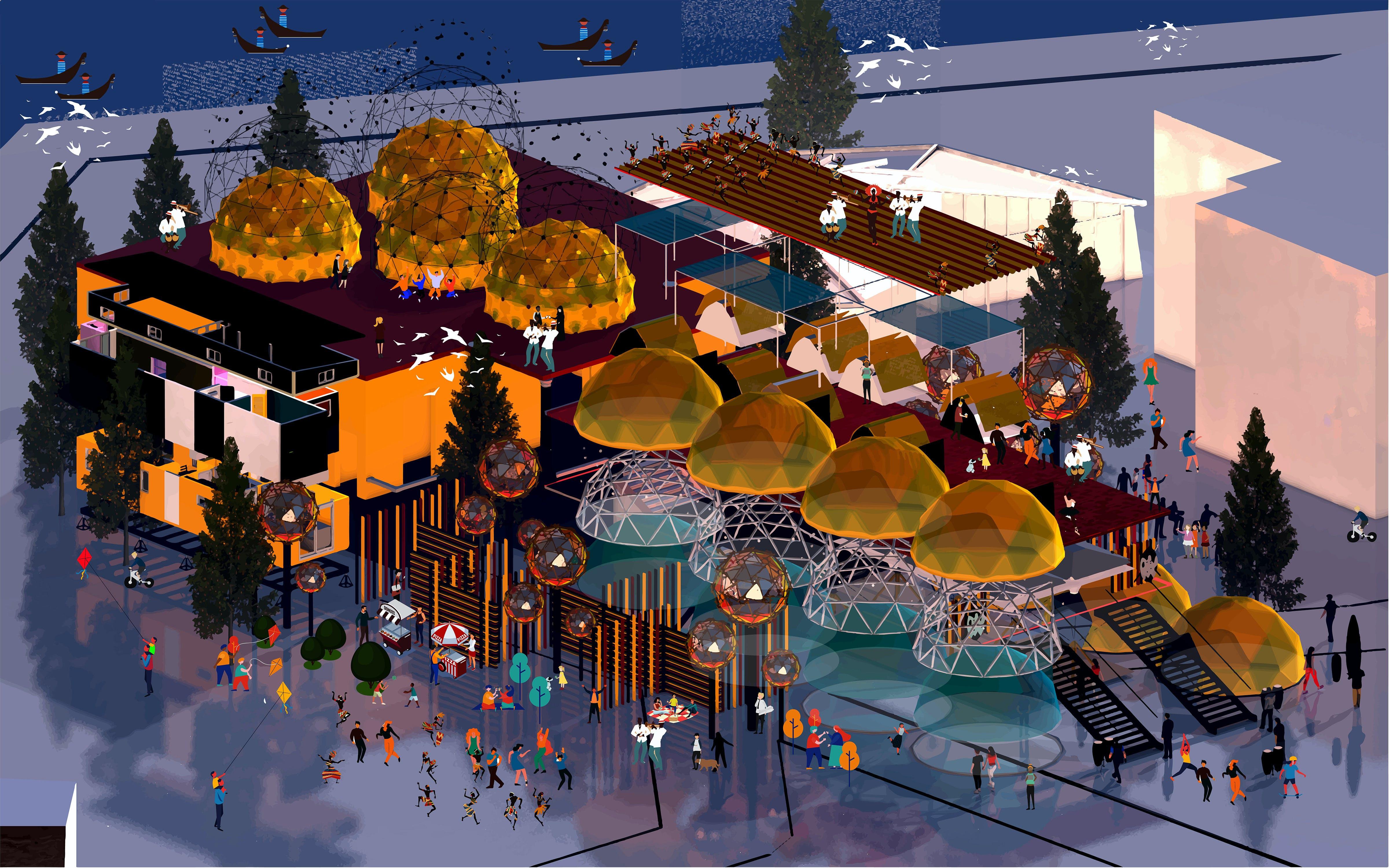
Most of us as creative students are very familiar with Pinterest, but you can never look at it too much when it comes to days you’re not feeling the ideas flowing. There’s also a professional version too, where I have found more tailored inspirations from the industry that have helped me visualise medium, diagrams and skills, called Behance. Many of my progress works (for my course, BA (Hons) Interior Architecture and Design, this would include user interaction diagrams, technical drawings and final renders as examples) have been inspired to some degree by the work on Behance. Exploring finished portfolios published there by industry professionals and graduates also highlights opportunities for improving final work presentations. The most crucial parts about using Pinterest and Behance is that they’re ideal even when you haven’t got a clue what to start with in your project’s progress. Just searching a keyword can ignite a myriad of options that others have posted, to inspire a new idea that could break through brain fog.
AUB Futures regularly offers sessions and advice using LinkedIn, whether that’s to enhance your profile, boost impressions, and even assist with other social media platforms. A recent LinkedIn Headshots drop-in session I attended was informative in helping me navigate my profile and improve it, which helped me notice where I was perhaps lacking. The best part was that I could add this experience to my portfolio for the term, too! And when you aren’t feeling creatively motivated to complete coursework, giving your professional profile a tweak here and there can work wonders for how other professionals see you, and give you a sense of fulfilment.
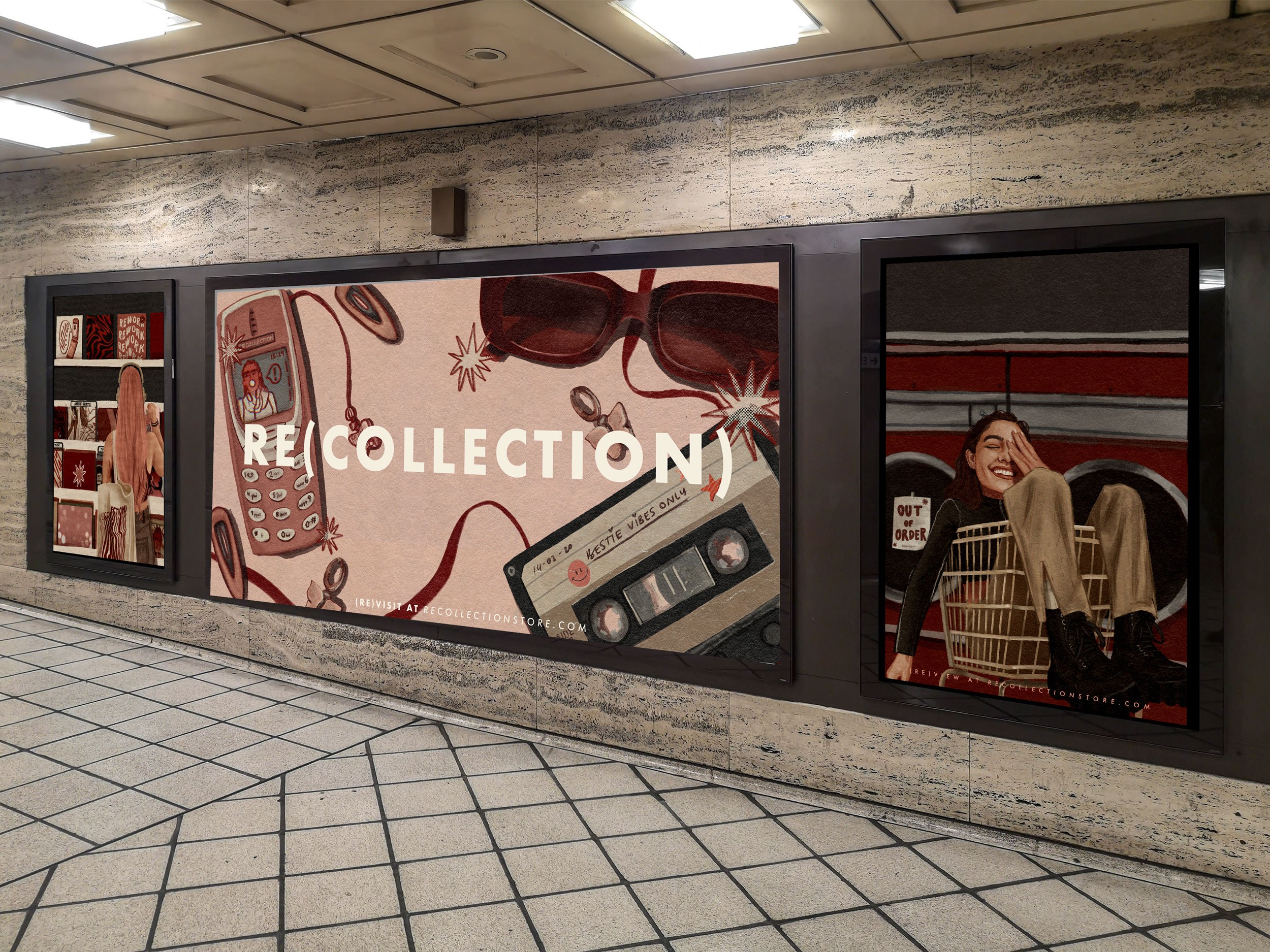
Our generation of artists embraces platforms like Instagram and TikTok to advertise their work and post relatable content about the student experience, and if you teach the algorithm right, you’ll soon be shown projects and ideas that are more relevant to you. With my social media, I have followed relevant companies, brands and designers whose projects come up even when I am not looking for them. Even simpler things like modelmaking channels and technical drawing reels give me ideas I never sought out for, but needed.
YouTube also provides full, free tutorials on software that we learn in class that I am not too familiar with. This is so helpful when you have no idea where to start and are a bit lost on the way this new thing works. Seeing others producing incredible work using a software I know nothing about gets me excited thinking about the potential I have if I experiment in my spare time. And for those days when you genuinely have no work to do, but you're keen to stay acquainted with the industry, YouTube can be great for visualising final projects and how people marketed and advertised their ideas, through walkthroughs or exhibitions. You never know – the next time a project comes up at university, there will almost certainly be something you looked at once that can give you a head start.
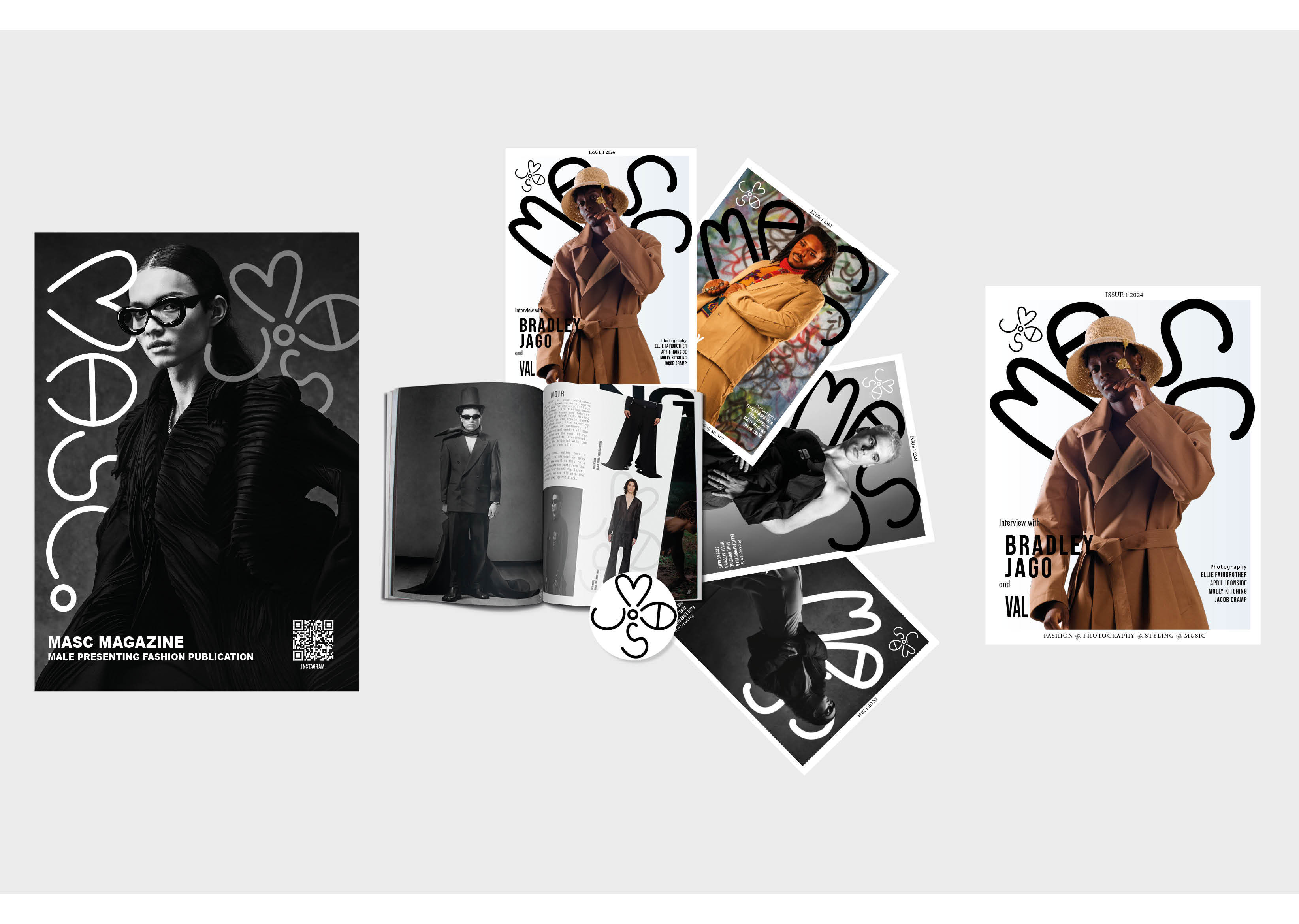
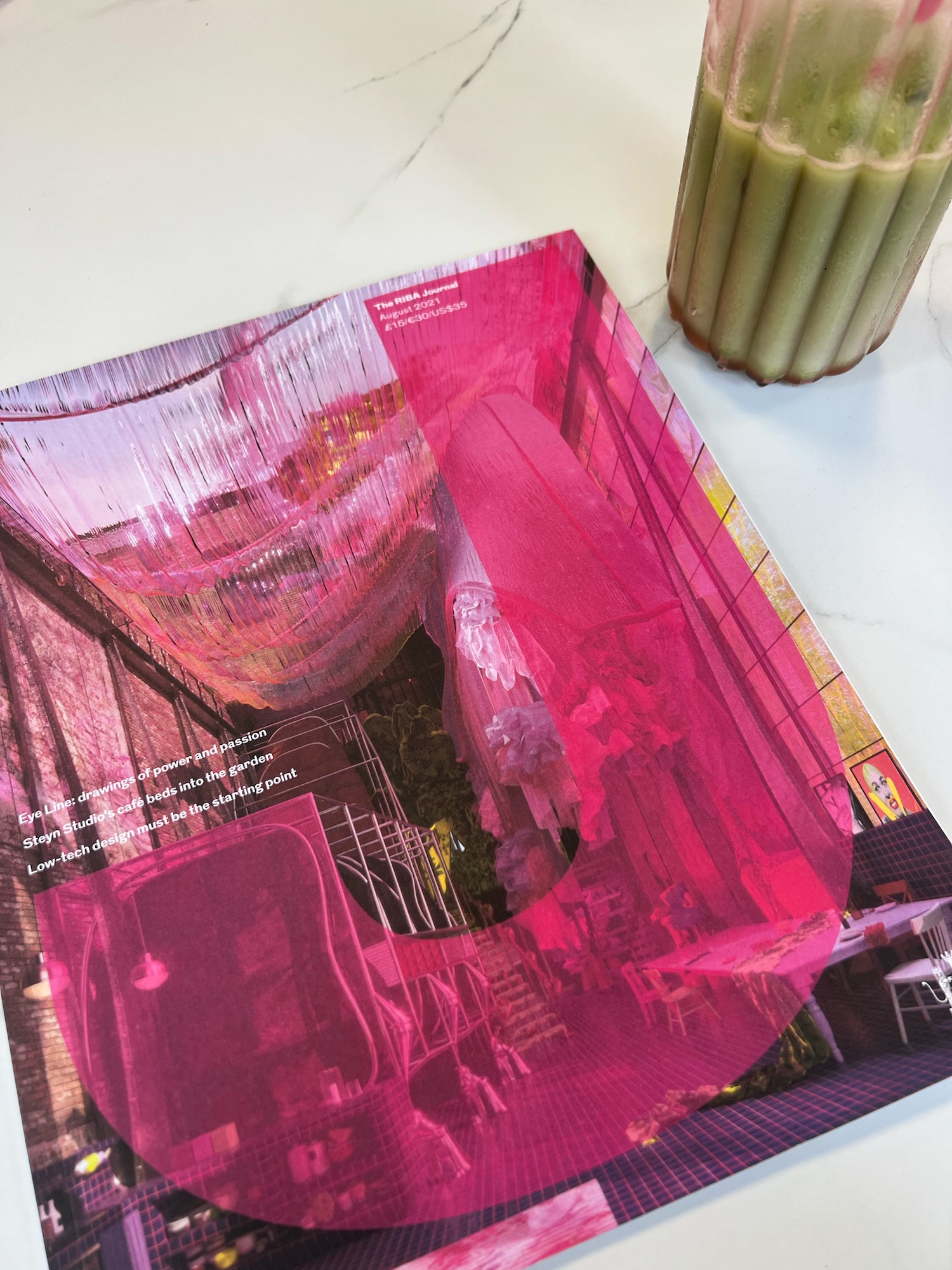
Magazines such as RIBA Journal and Dezeen have been lifesavers when I’ve experienced brain fog. For other courses I have heard Pier Journal is also a good shout. No search or prompt needed – just flipping through each page, looking at the designs photographed, keeps me inspired without pressure. Keeping up to date with current design breakthroughs and news is important in knowing where we will stand as graduates new to the industry, but on days when you’re not feeling inspired or motivated at all, or just burnt out, there are still ways to prevent that inevitable guilty voice that tells us we are not working. Staying visually stimulated is key, even if the brain stays silent.
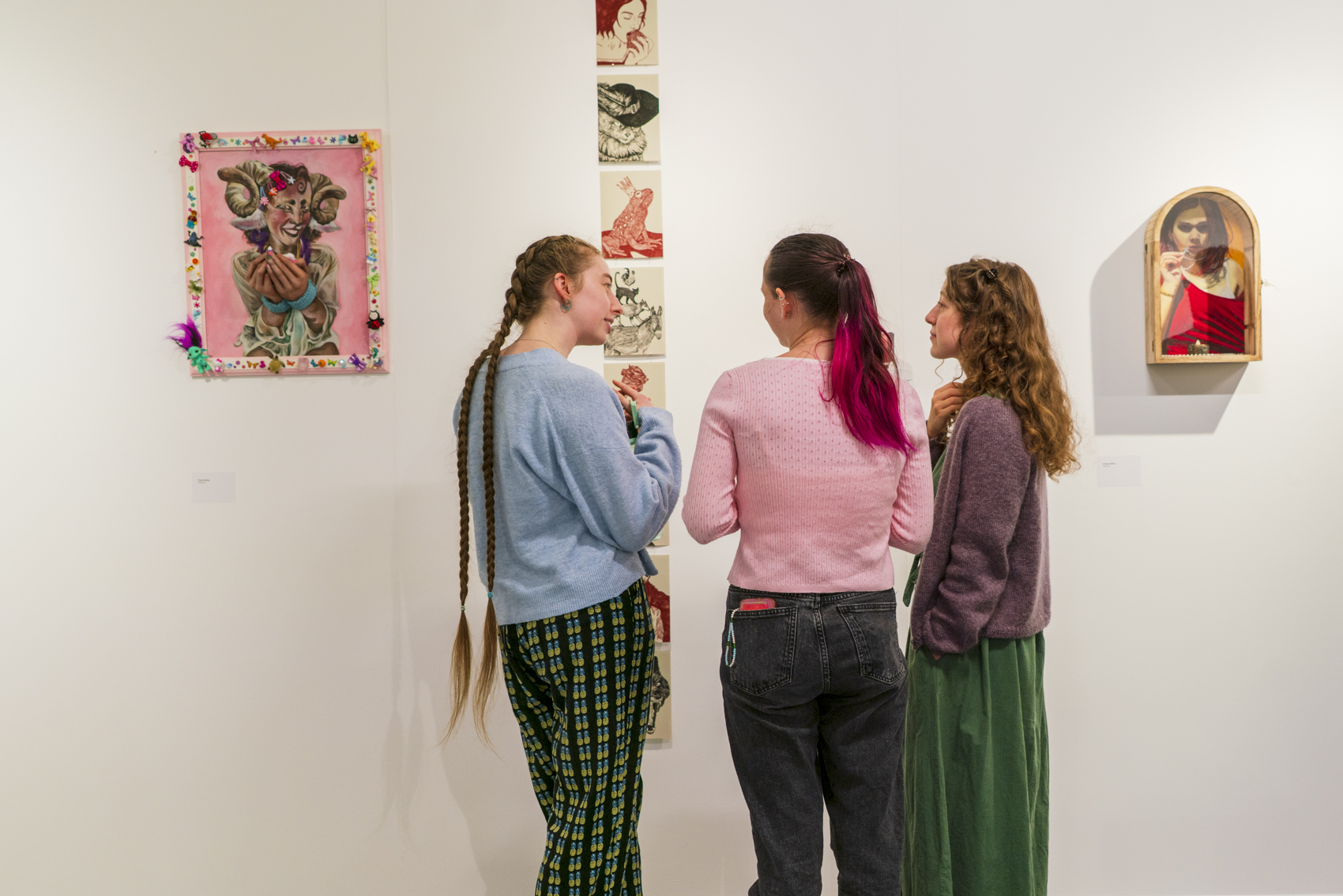
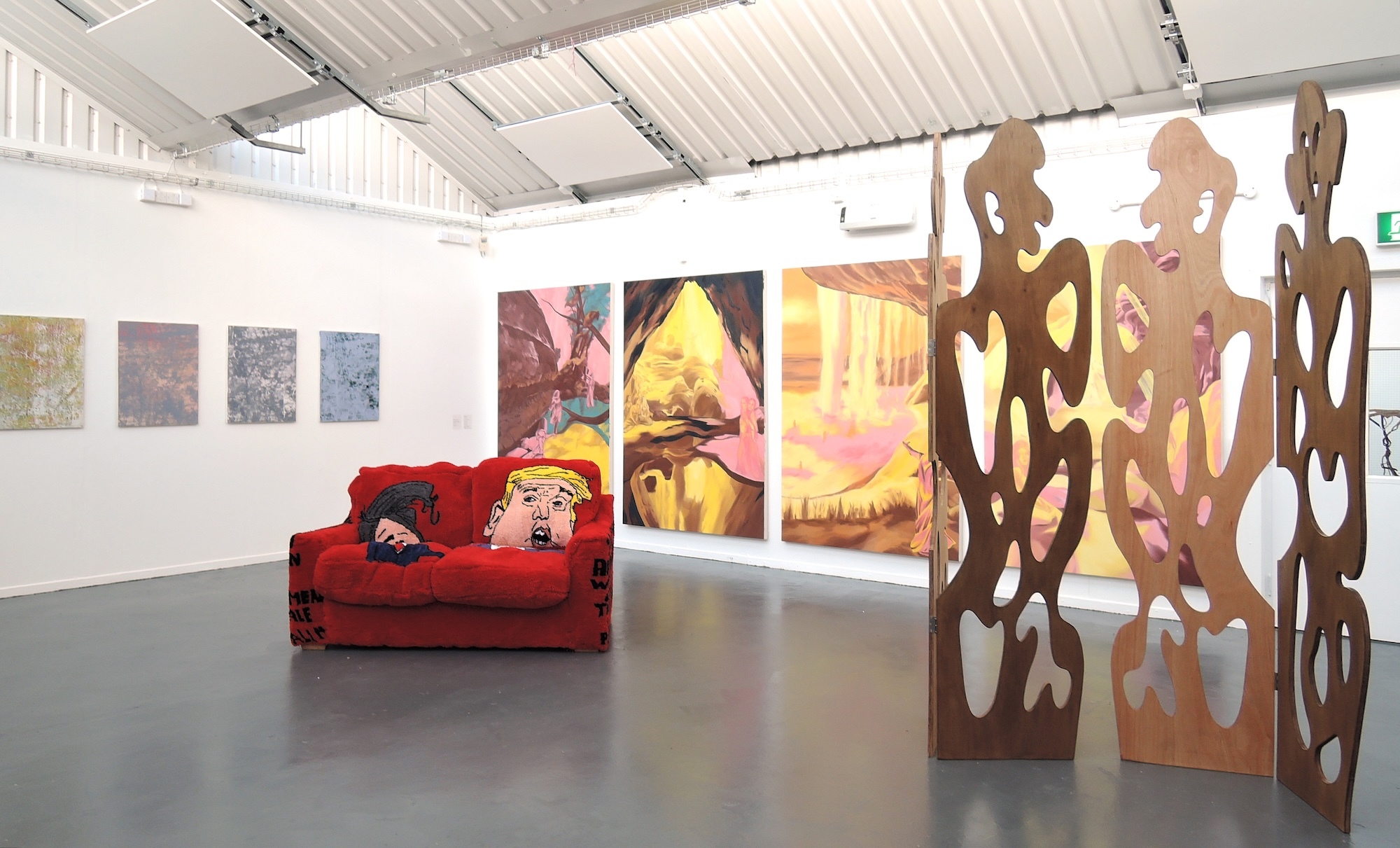
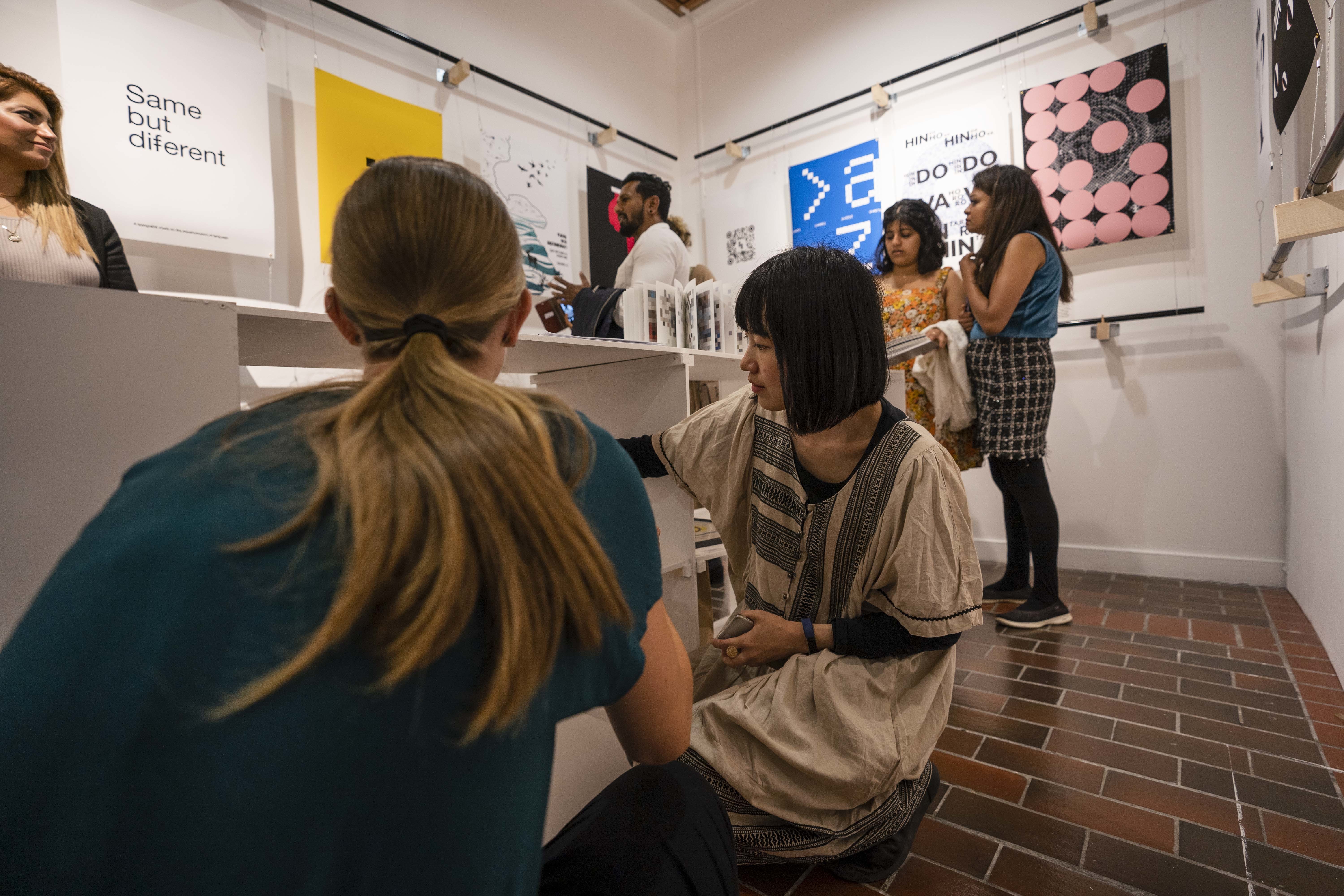
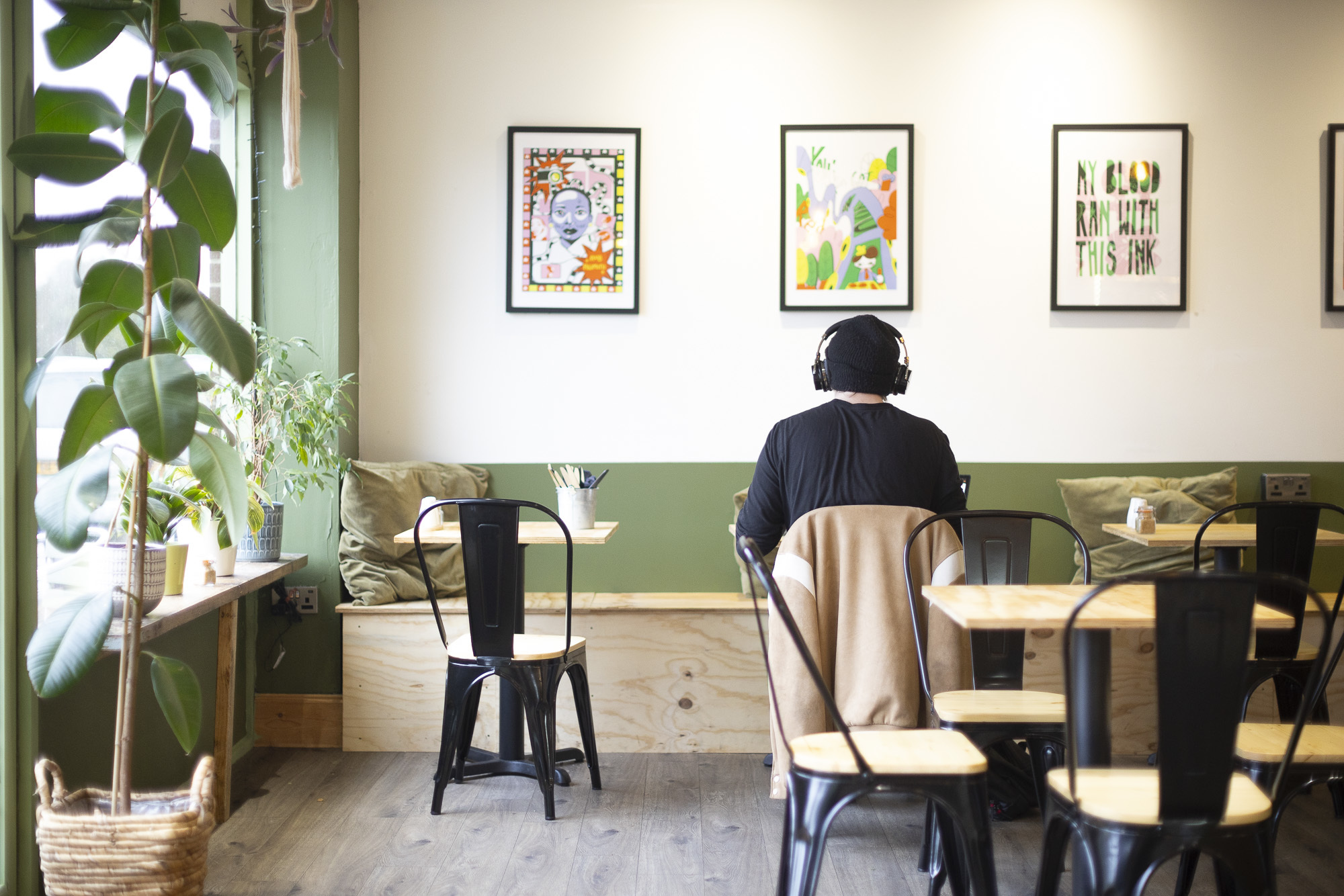
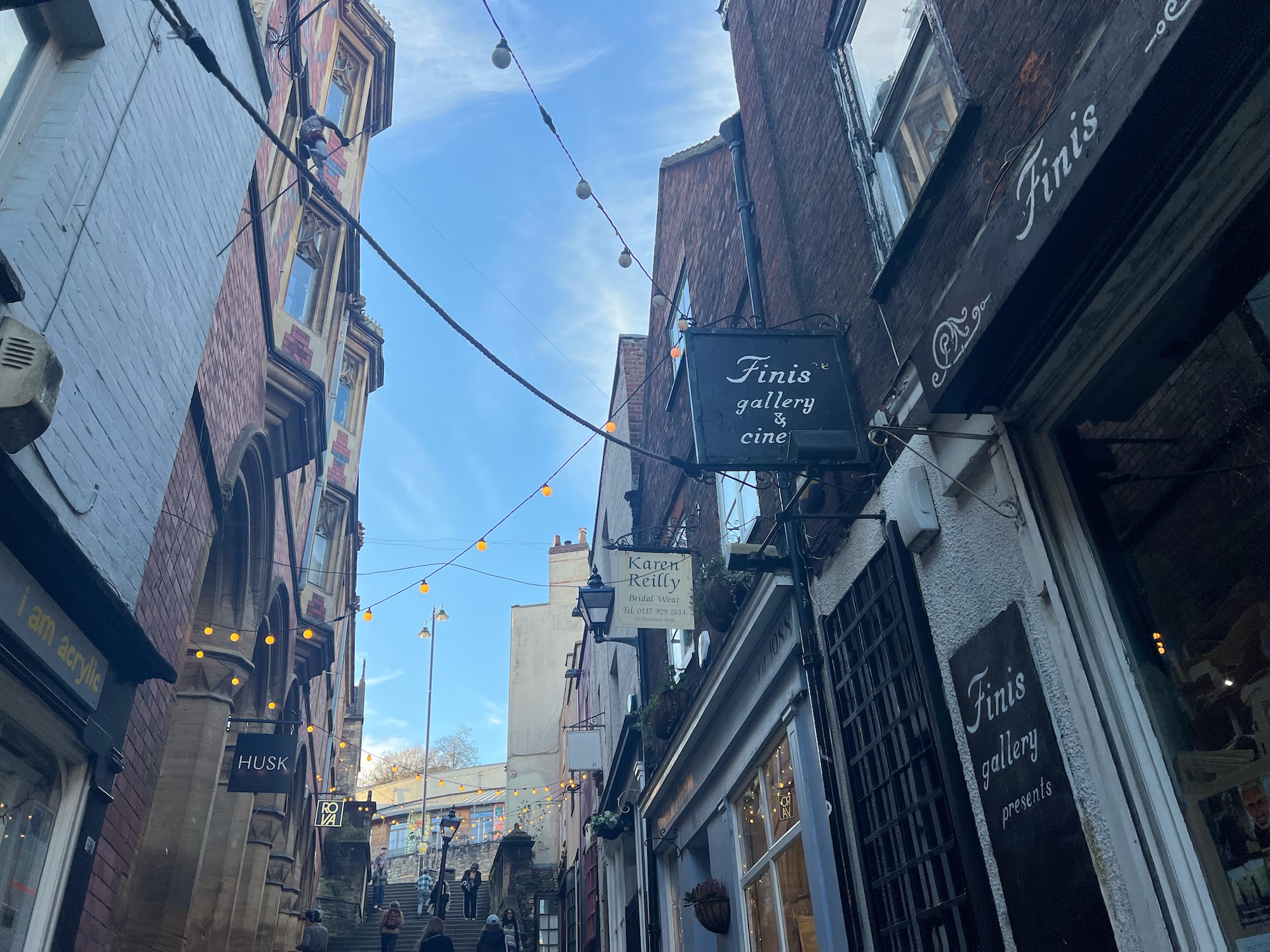
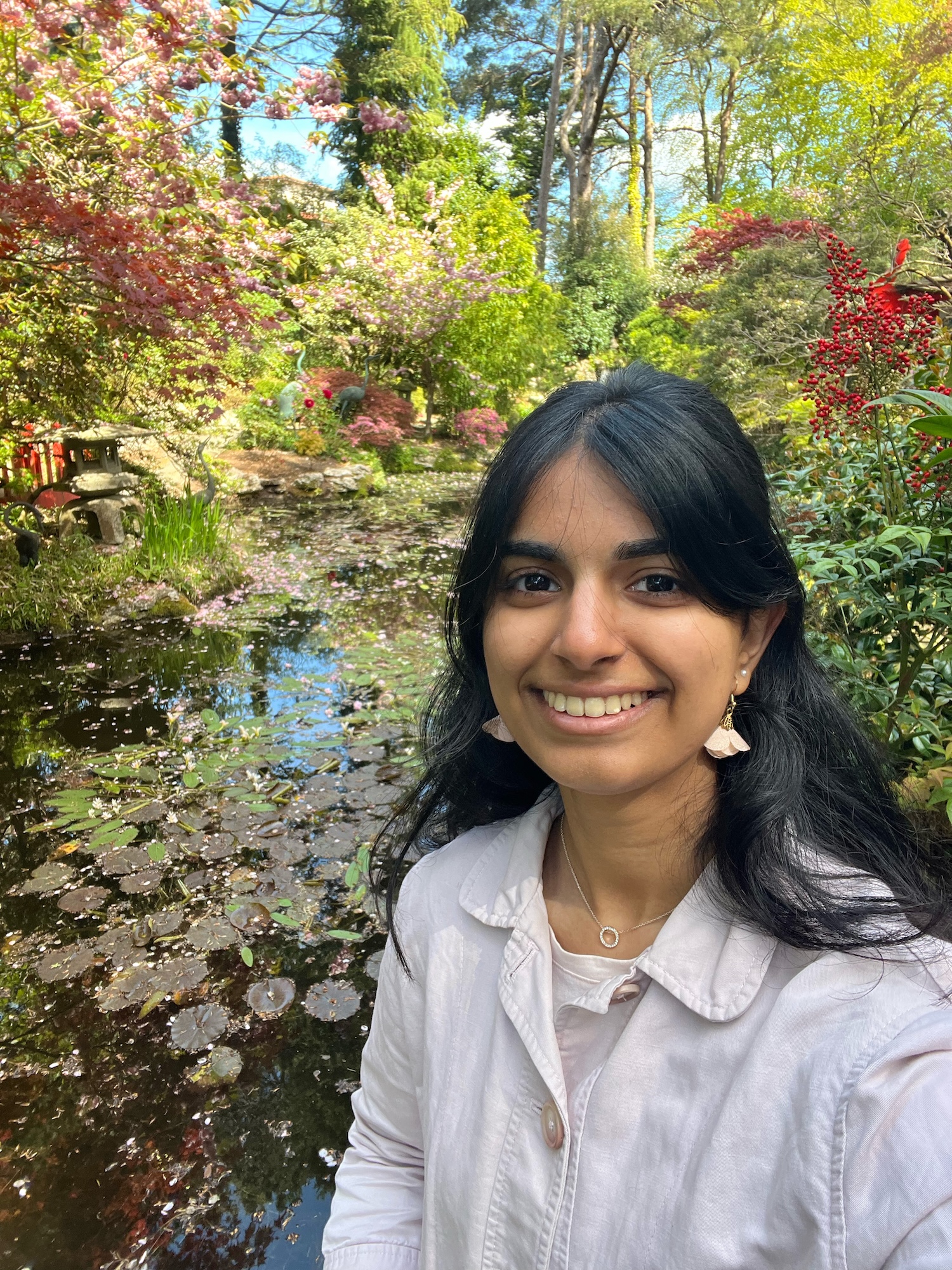
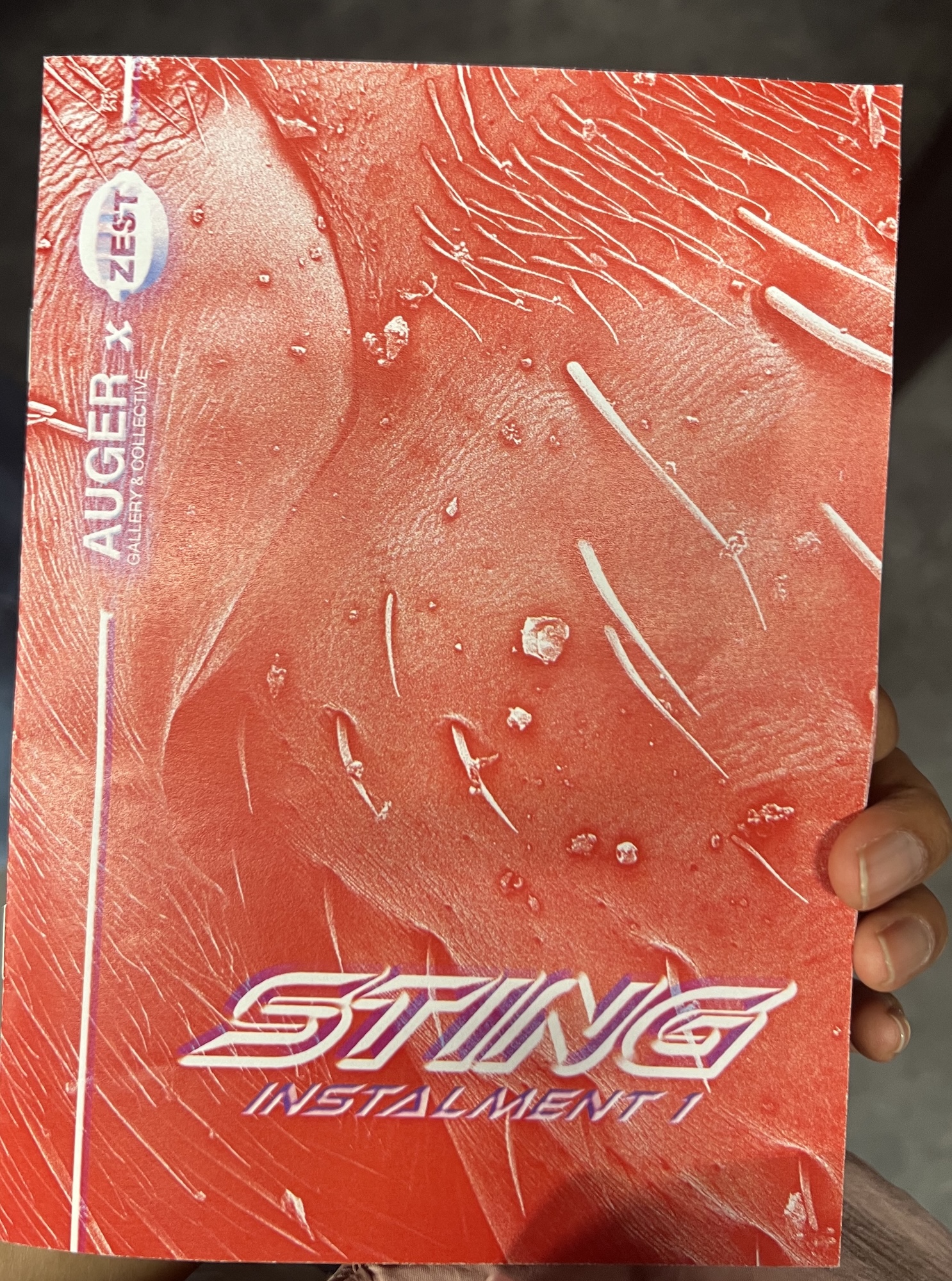
Lastly, I’ve found that exploring what’s out there in person, combining it with a fun trip so it feels less like work, is a good alternative to staring at a screen or page for too long. As a student studying interior architecture and design, I find that visiting any commercial space, like shops, high streets, or even natural landscapes, can be enough to make me think about my design style and opinions on the spaces around me. There’s always a voice in my head telling me, ’That wall would look better there’ or ‘Why did they design it like that?’ or even, ‘Maybe I could try that style in this project’. That voice informs many directions of thought for me that can get me inspired, wherever I am, and regardless of the brain fog. I would also recommend any exhibitions in the local area, such as one I visited in Boscombe called Sting. Even though it wasn’t directly relating to my course, it got me thinking about political, emotional, social and historical influences on creative work as a whole.
Where will you journey to conquer the brain fog? A magazine, social media, or the great outdoors?