



Before AUB, I never imagined I would become an academic. At school, I was frequently absent and disengaged with little interest in education. As a warehouse worker after college, it was much the same – no interest beyond getting through the week and spending evenings in a pub. That changed when I began working as an Art Specialist Teaching Assistant in a provision school.
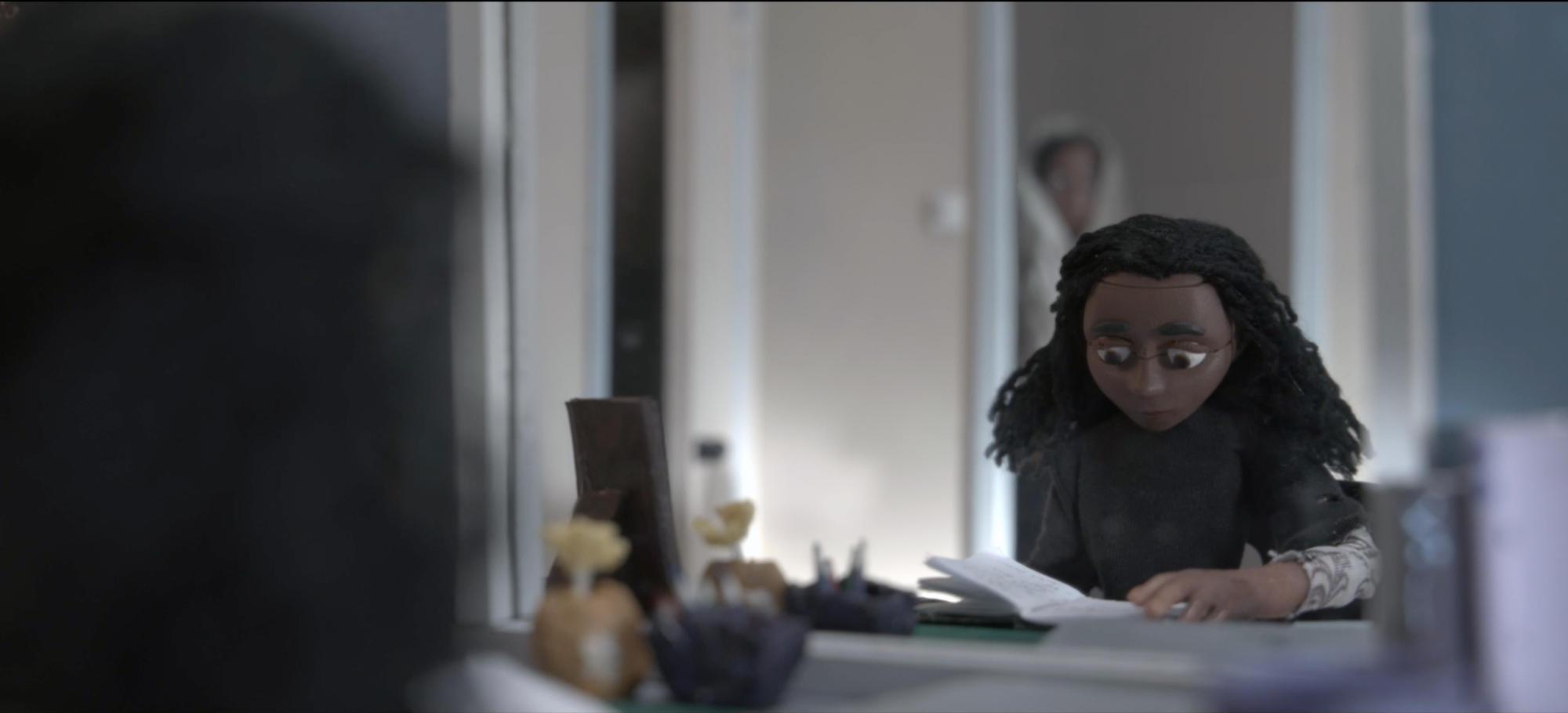
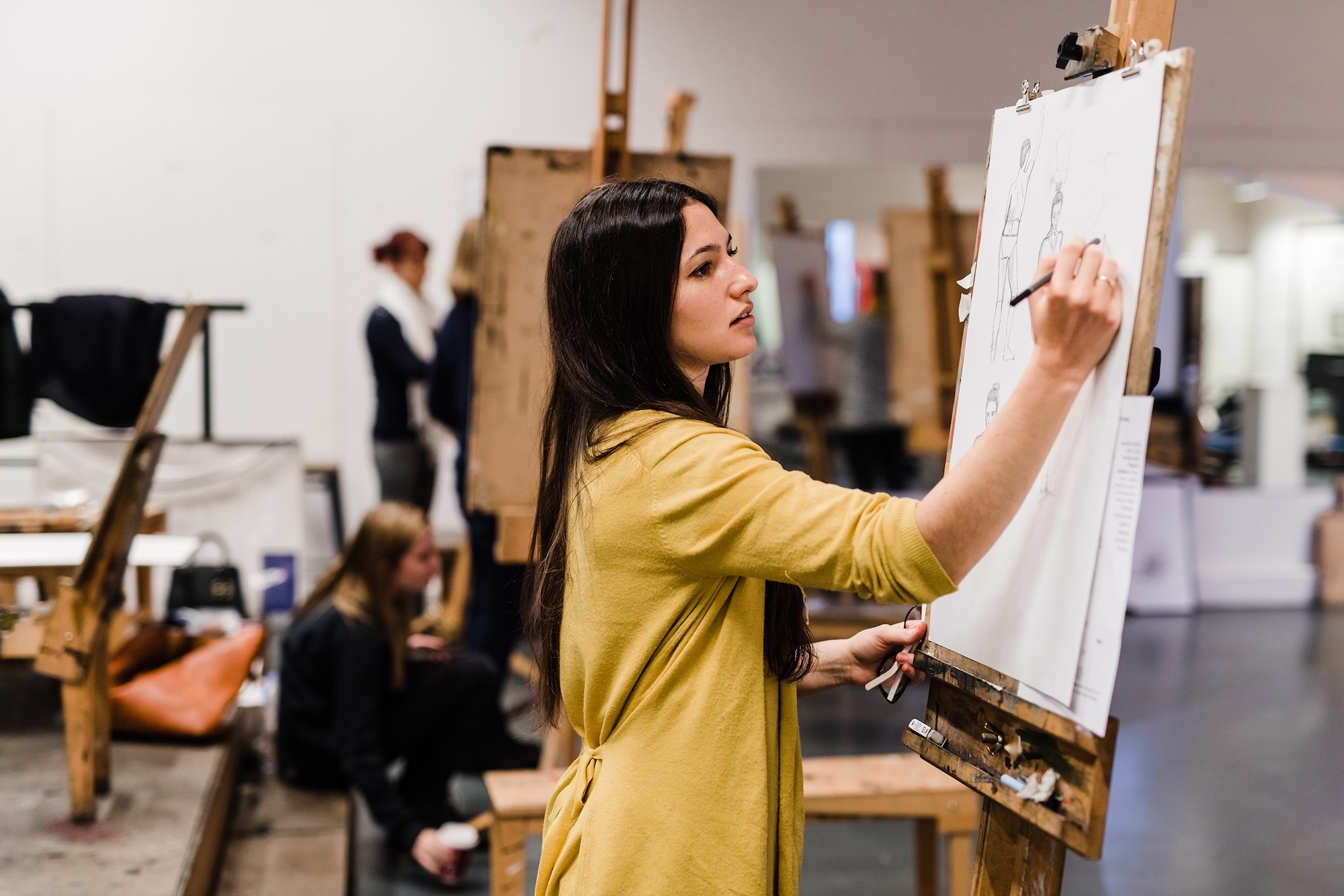
Working with young people, who were not far removed from where I had once been, made me realise the impact that creativity could have. Inspiring students to engage with art gave me a renewed sense of purpose, while my own evenings became filled with painting, filmmaking and composing music. Those quiet hours of making gradually turned into a desire not only to develop my own practice, but to one day teach at university level.
I had visited AUB as a child, and years later I returned with my own students. Walking around the campus again confirmed that this was where I wanted to study. From that moment, getting into AUB became my focus, and receiving my offer felt like the beginning of an entirely new chapter.
Rather than being inspired by a particular artist, my work has always been driven by an interest in how people think, experience emotions and construct meaning. That curiosity naturally led me towards philosophy, particularly the writings of Merleau-Ponty, Descartes, Sartre and Heidegger, which became central to the way I approached my practice.
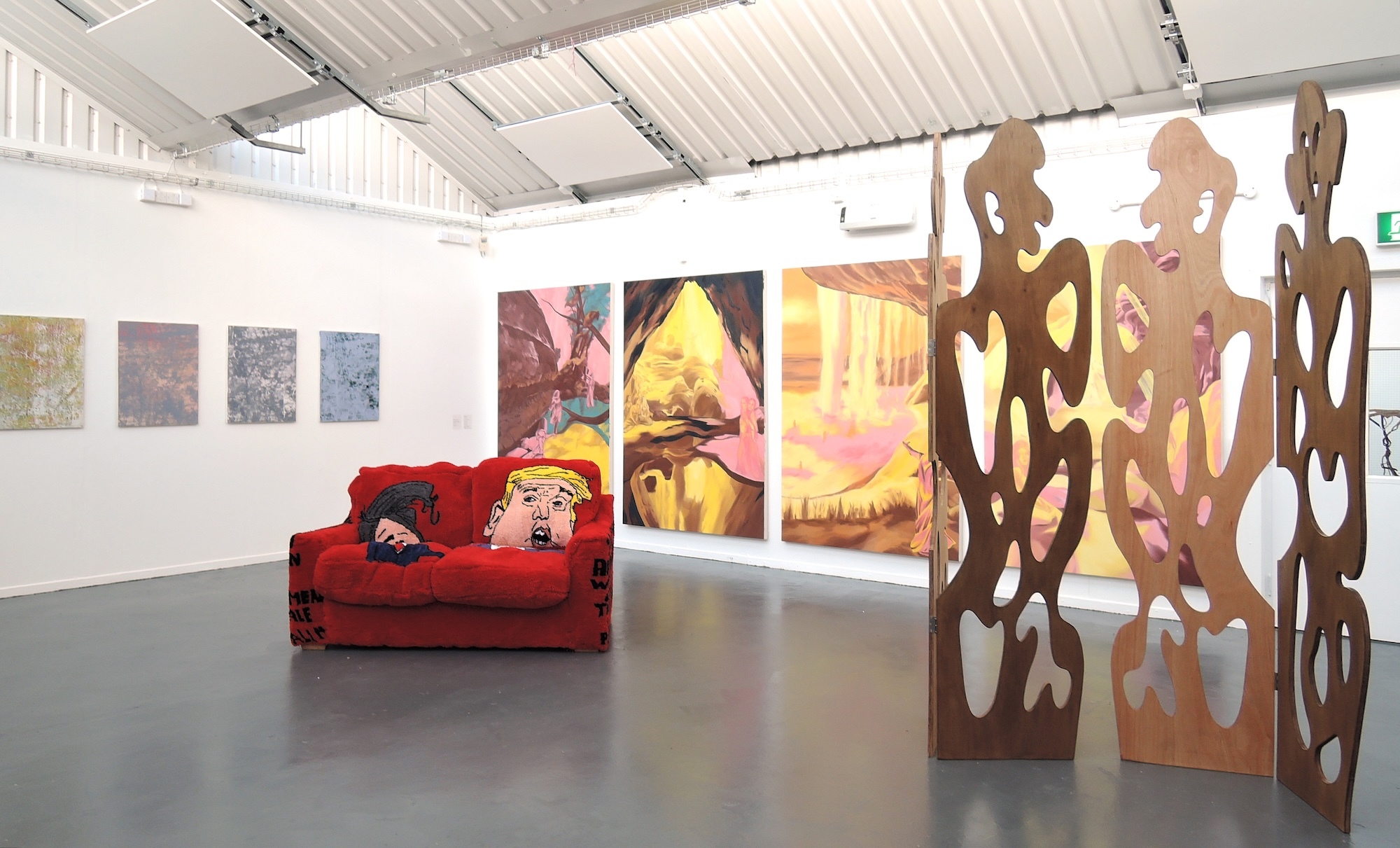
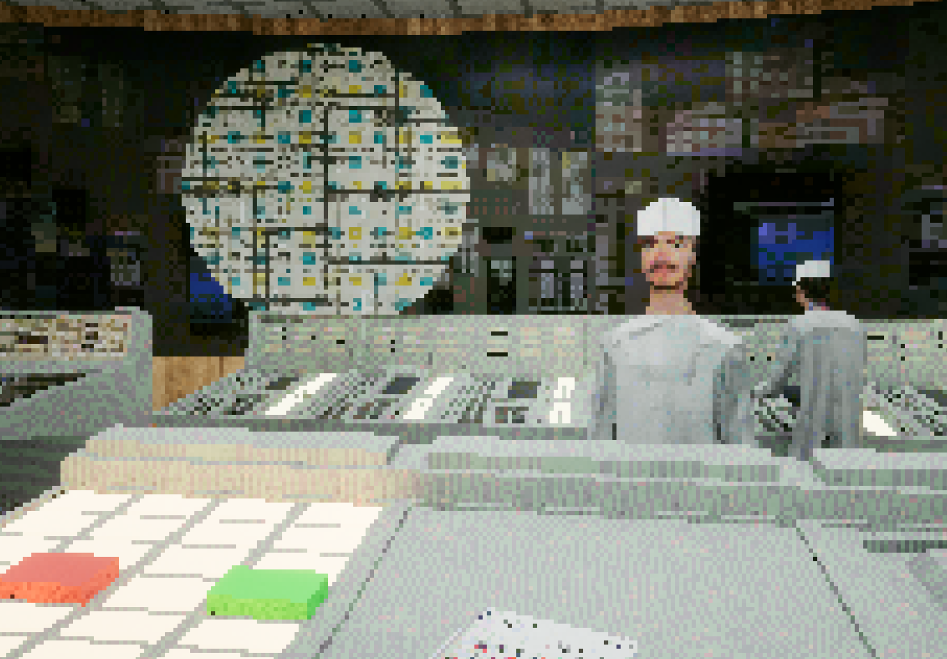
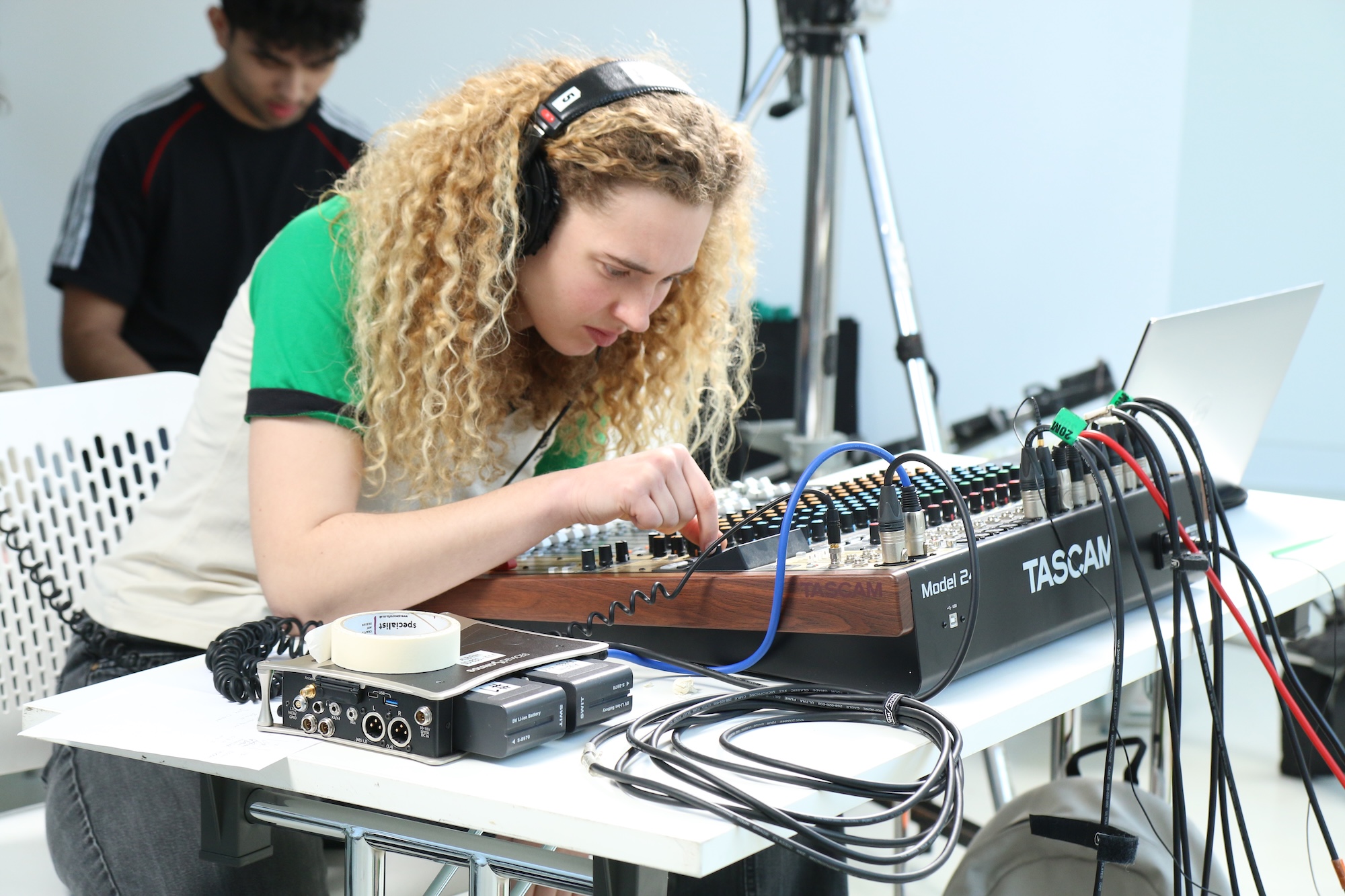
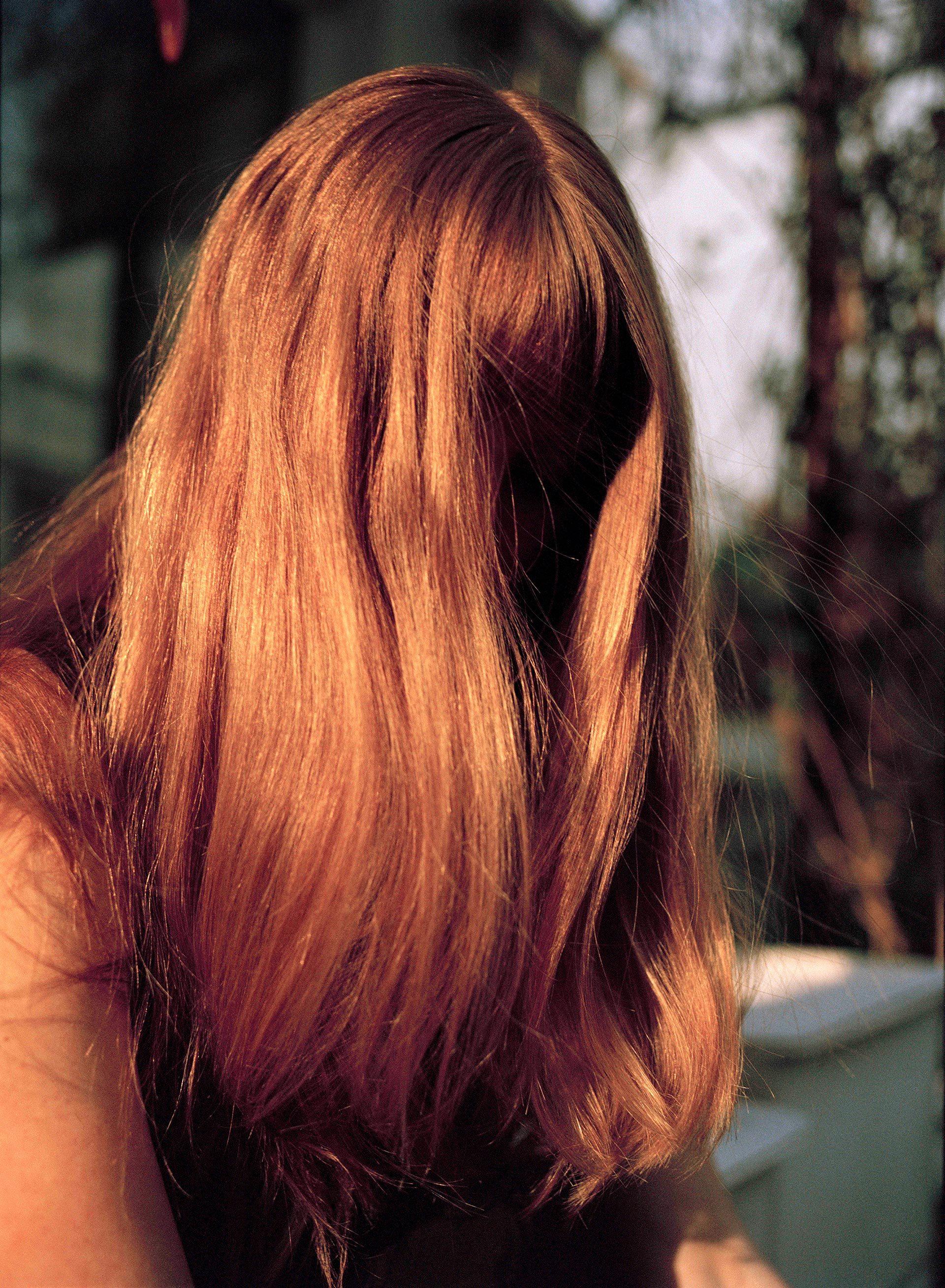
Throughout my degree, my work evolved into expanded cinema and music, exploring how sound, image and space could shape a viewer's phenomenological experience. As I continue onto an MFA (Master of Fine Arts) at Newcastle University, my practice is moving beyond moving image, incorporating perfumery, smithing and multisensory installation, with a particular focus on the role of the olfactory in artistic experience.
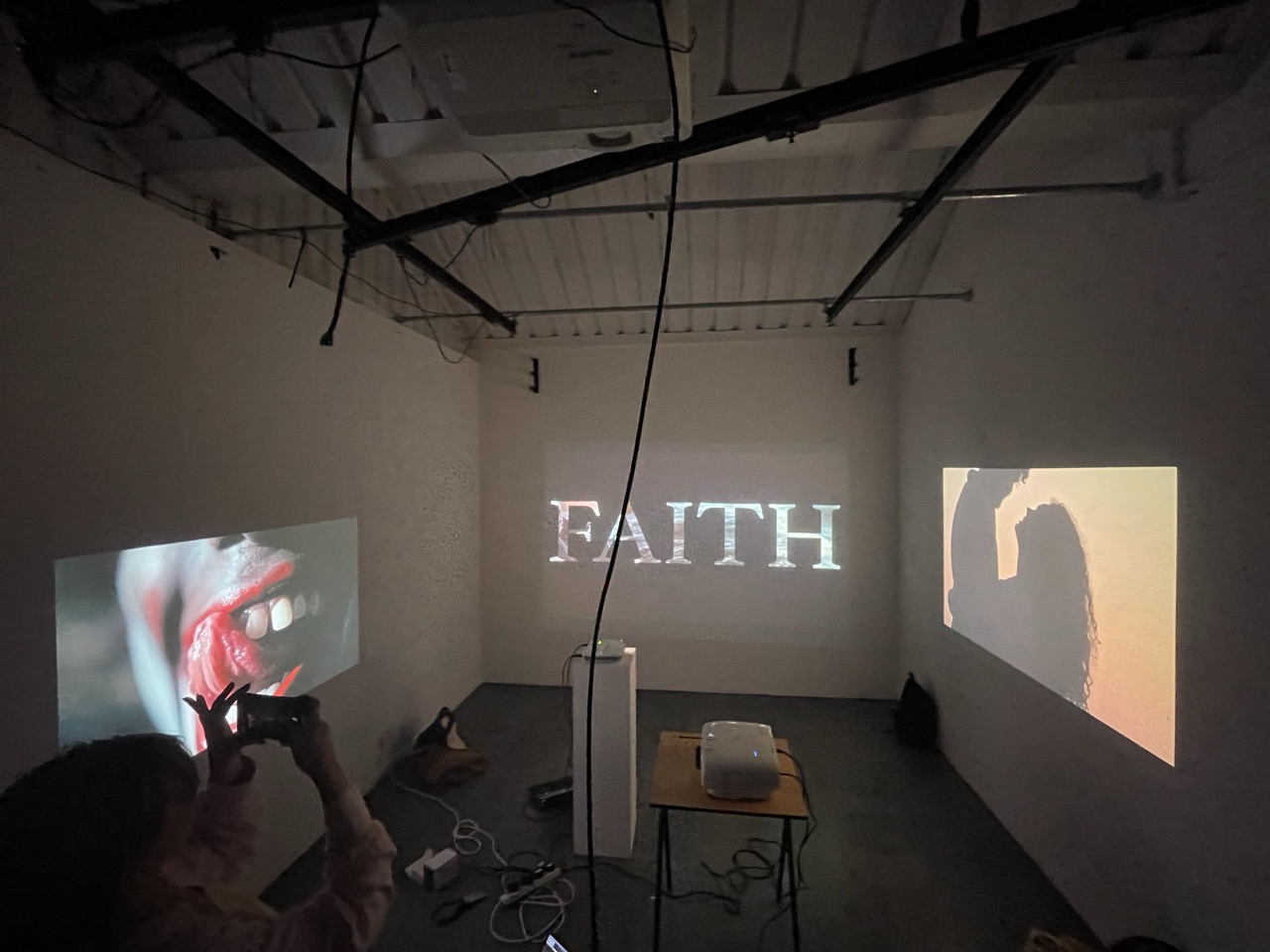
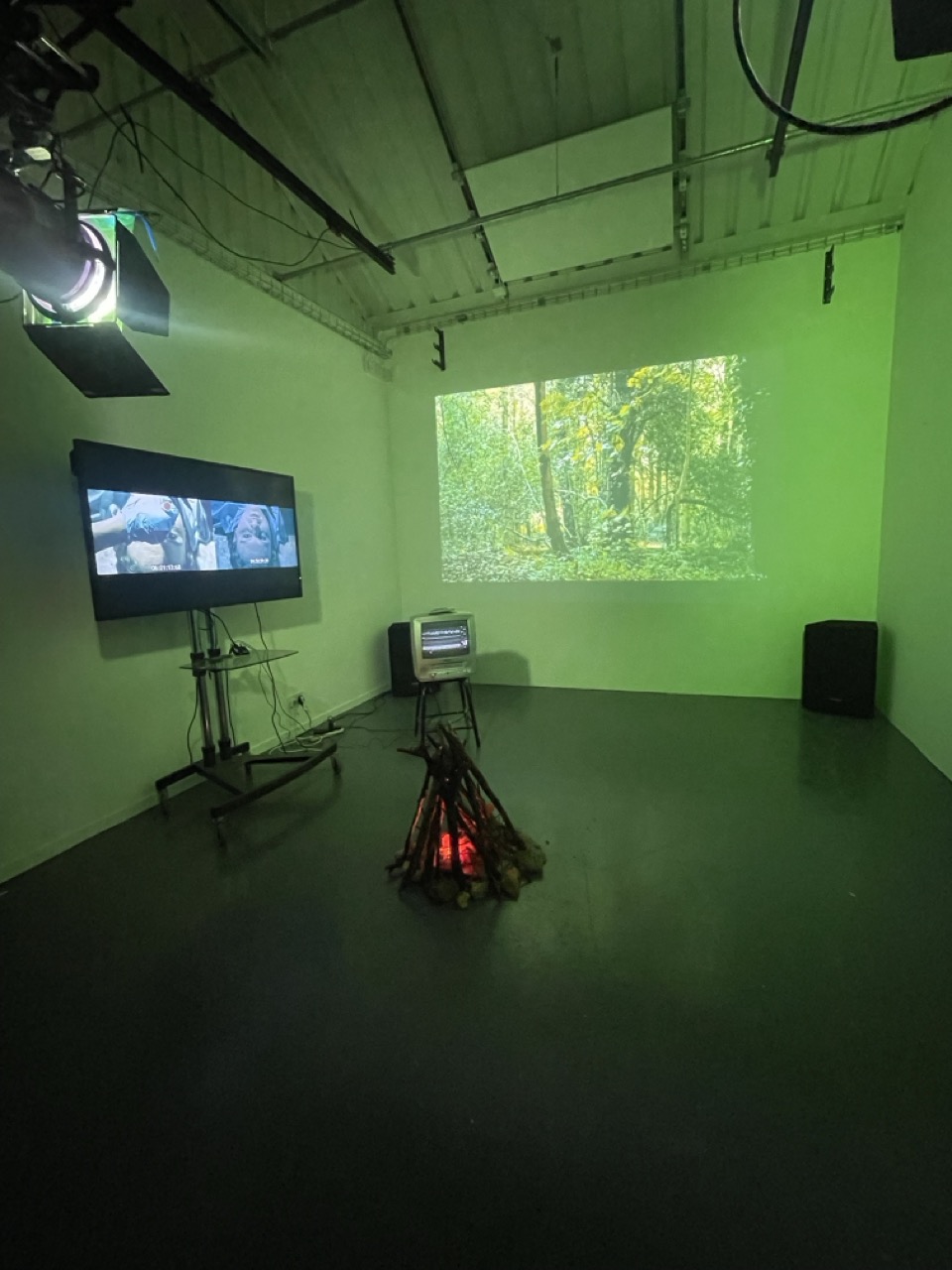
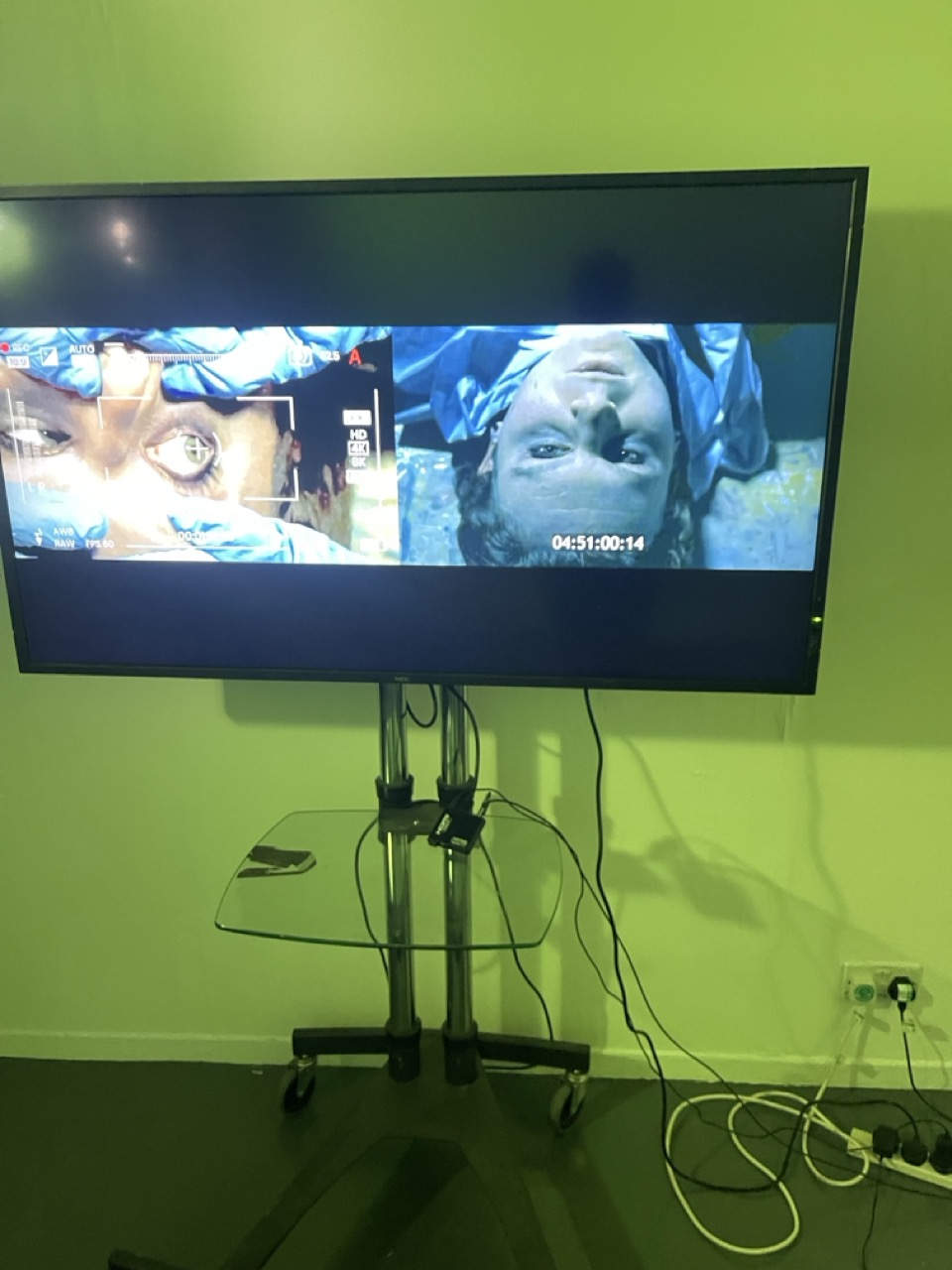
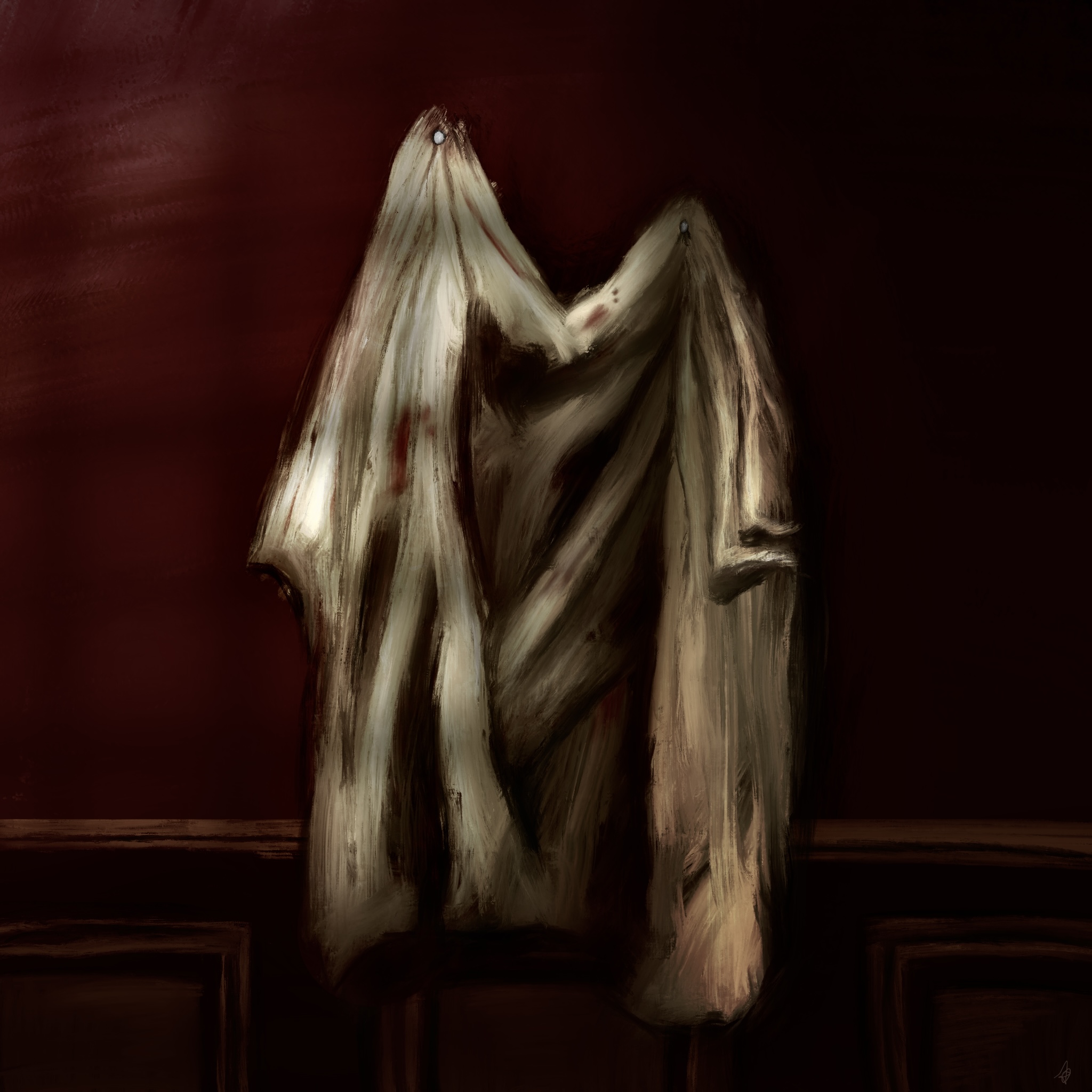
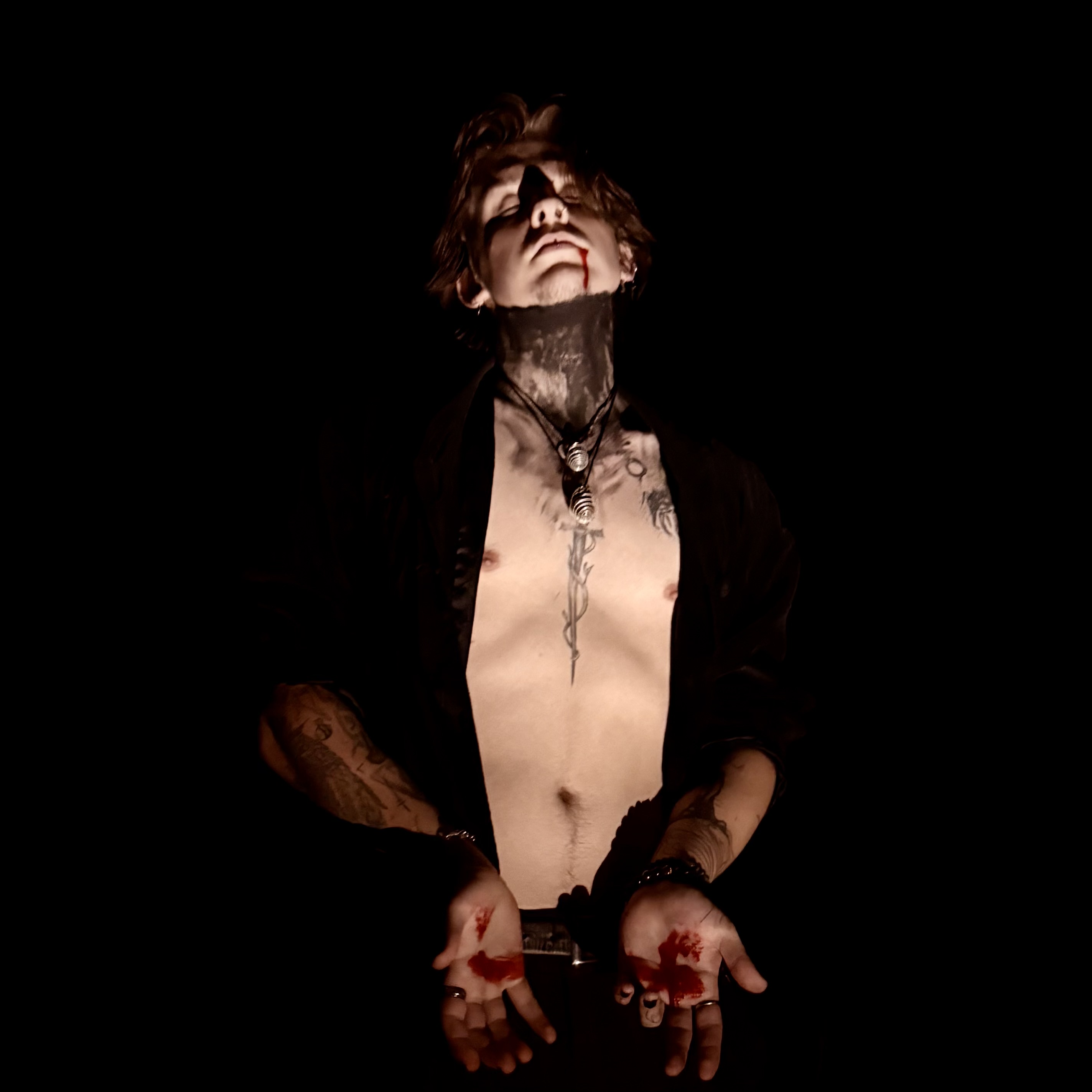
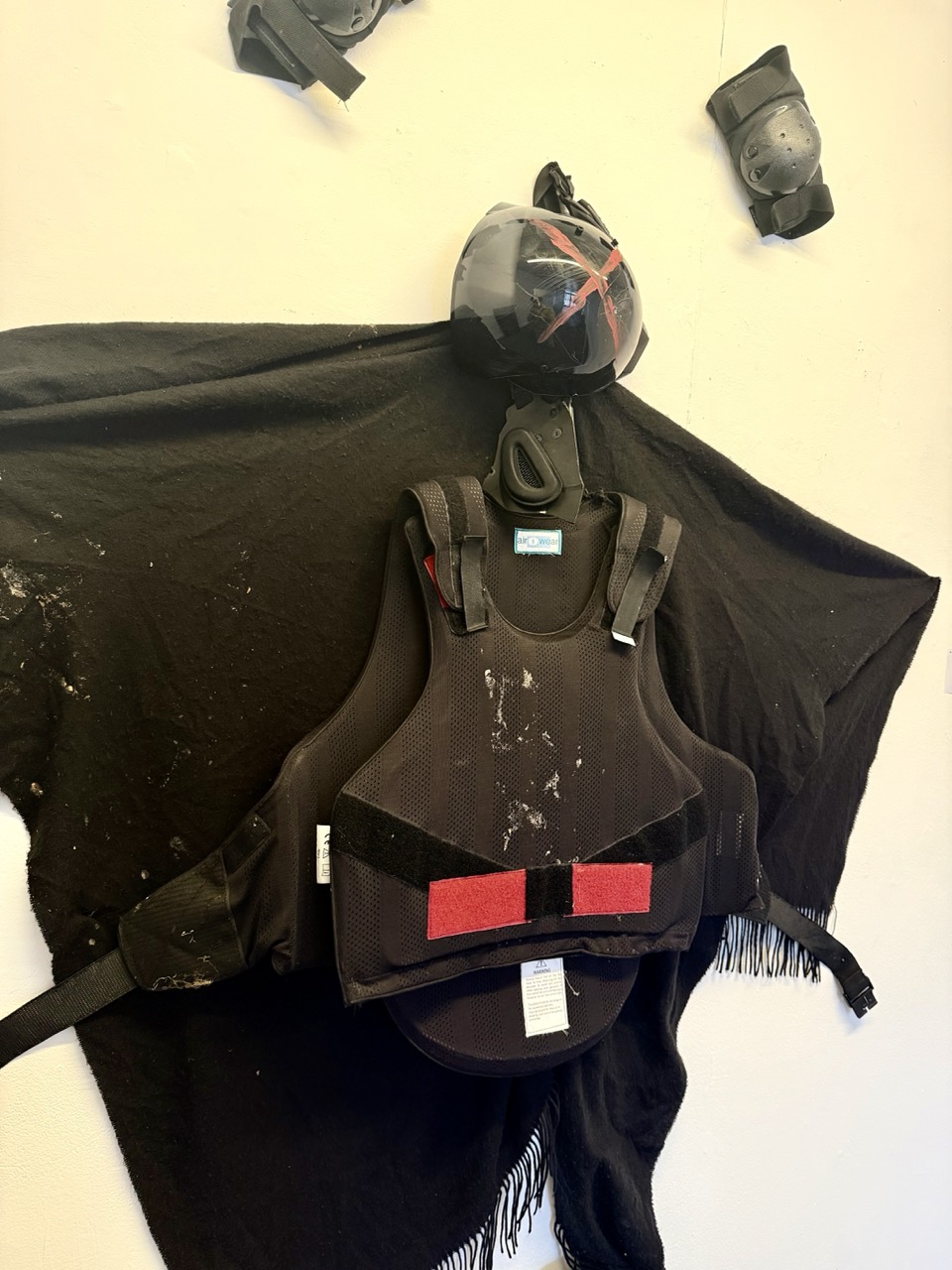
One of the most valuable things I learnt at AUB was how to communicate ideas with clarity while embracing experimentation. Every project became an iterative process of testing concepts, responding to theory and refining work through critical feedback. I became fascinated with how an audience constructs meaning and how artists can influence emotional responses through sequencing, atmosphere and presentation.
That development would not have been possible without the support of the staff. Senior Lecturer Colin Perry continually challenged my theoretical thinking, while Technician Demonstrator Robin Price helped ground my ambitious ideas in practical reality through his knowledge of sculpture. Alongside them, every lecturer and technician contributed something unique to my development, often encouraging me to consider possibilities I would never have reached alone.
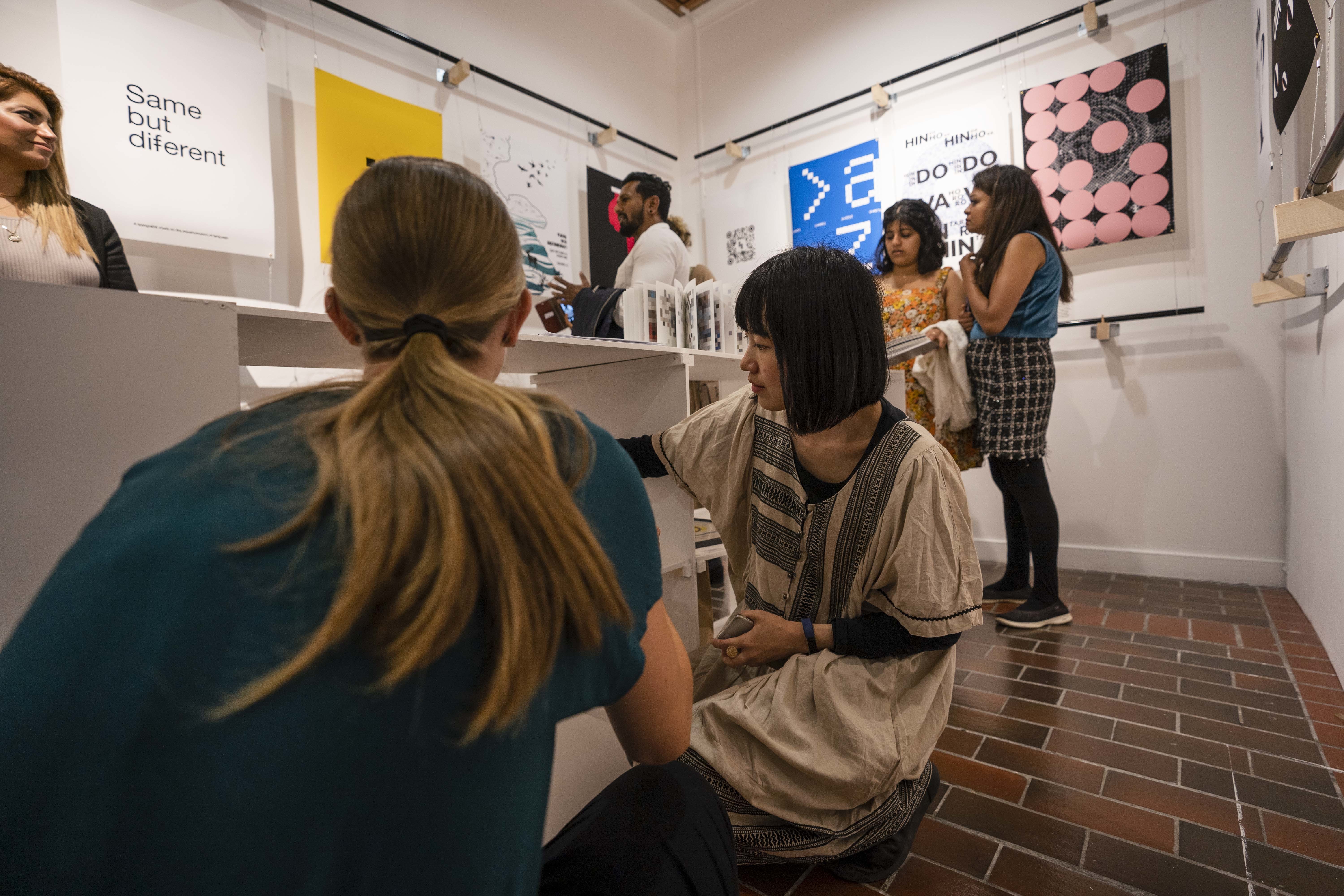
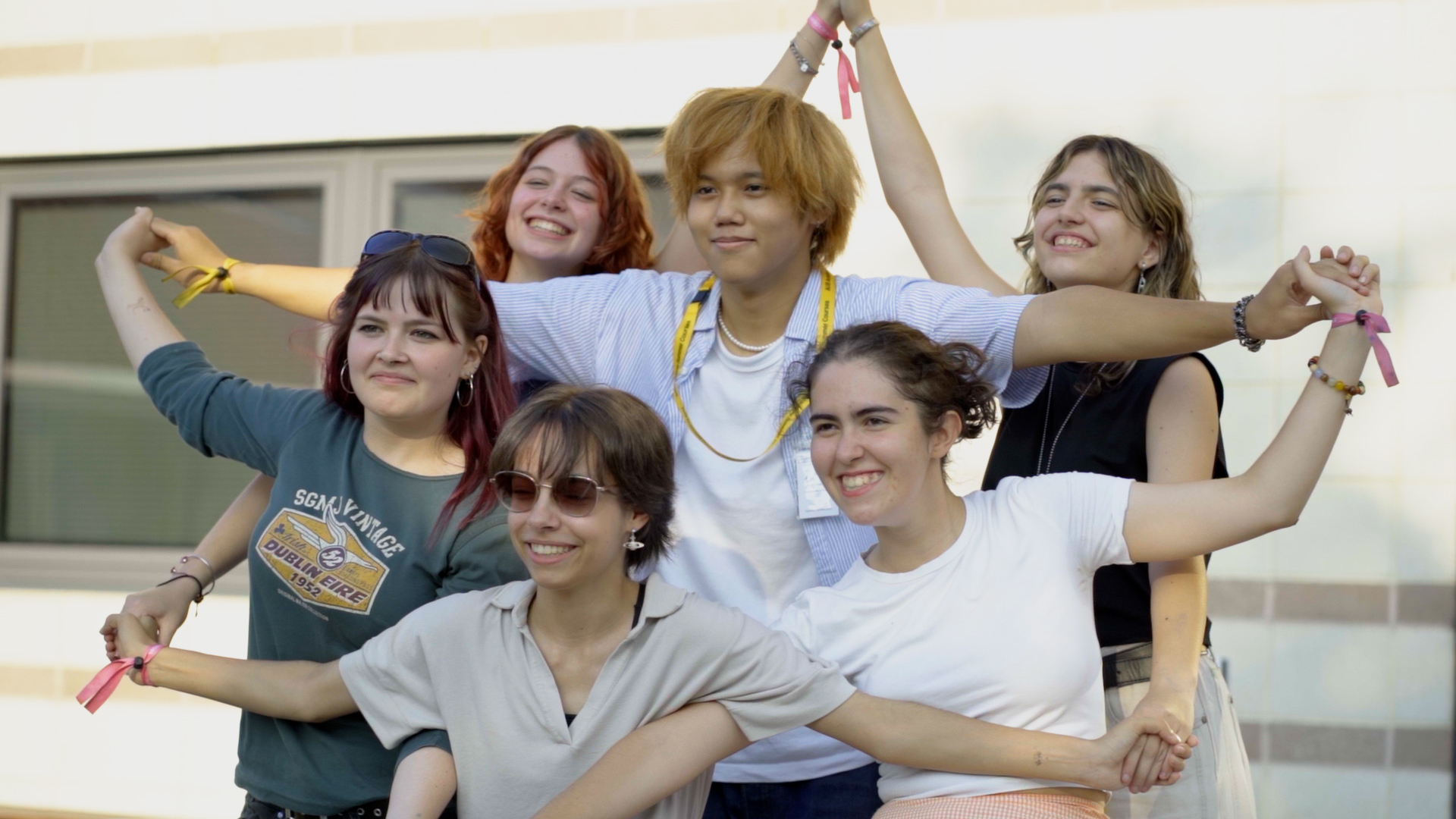
Outside the studio, AUB gave me friendships that have lasted far beyond graduation. Although I wish I had taken part in even more Students' Union events, the experiences I did have were fantastic. Some of my favourite memories came from simple days spent exploring the New Forest, walking along the beach and gathering with friends for our weekly Dungeons and Dragons sessions. What started as a university hobby has become a tradition that continues today. Those friendships are among the things I value most from my time at AUB.
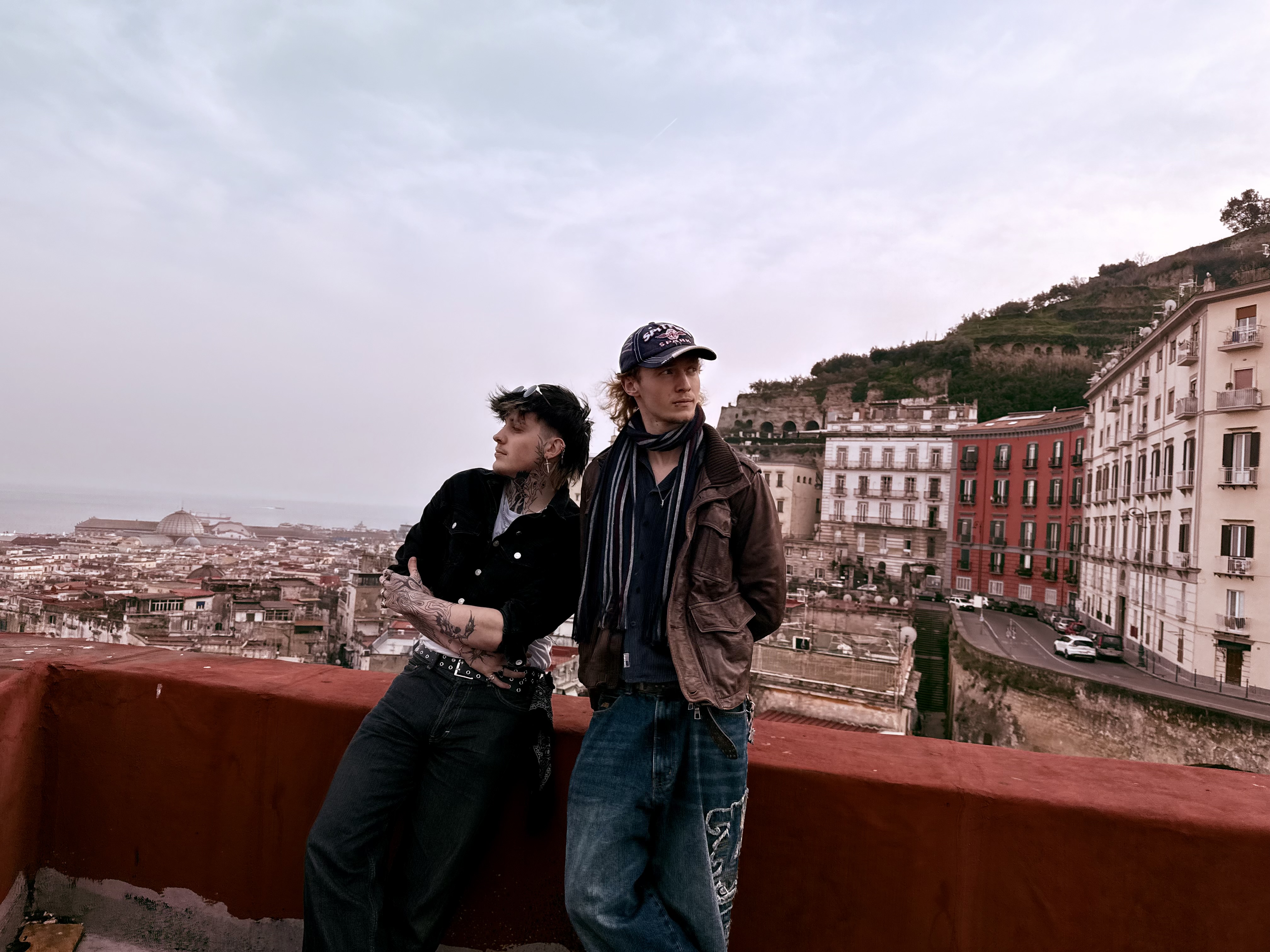
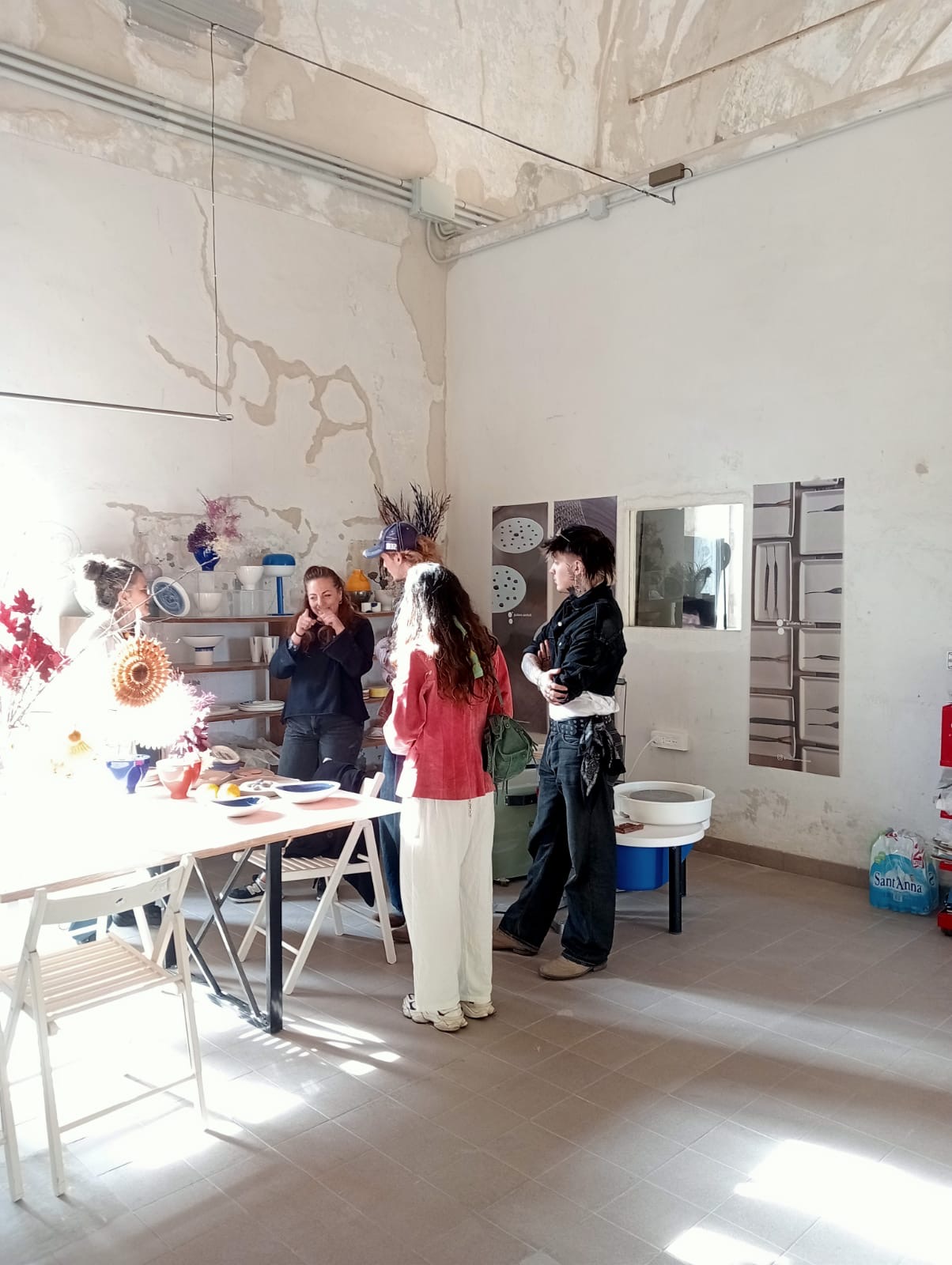
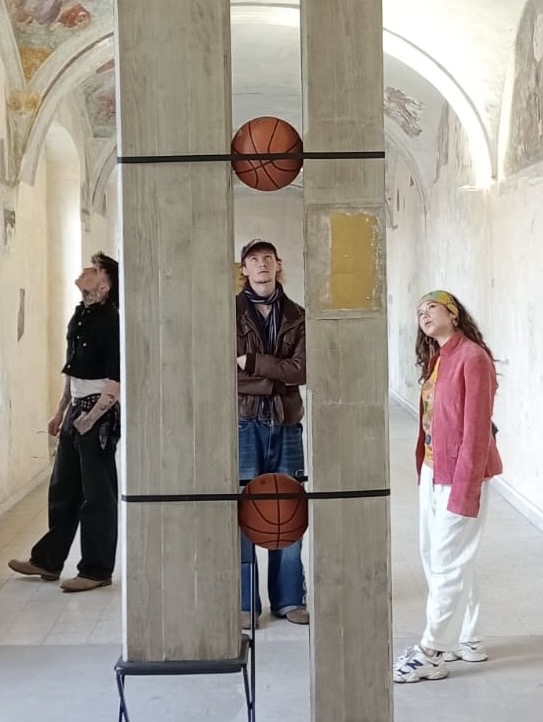
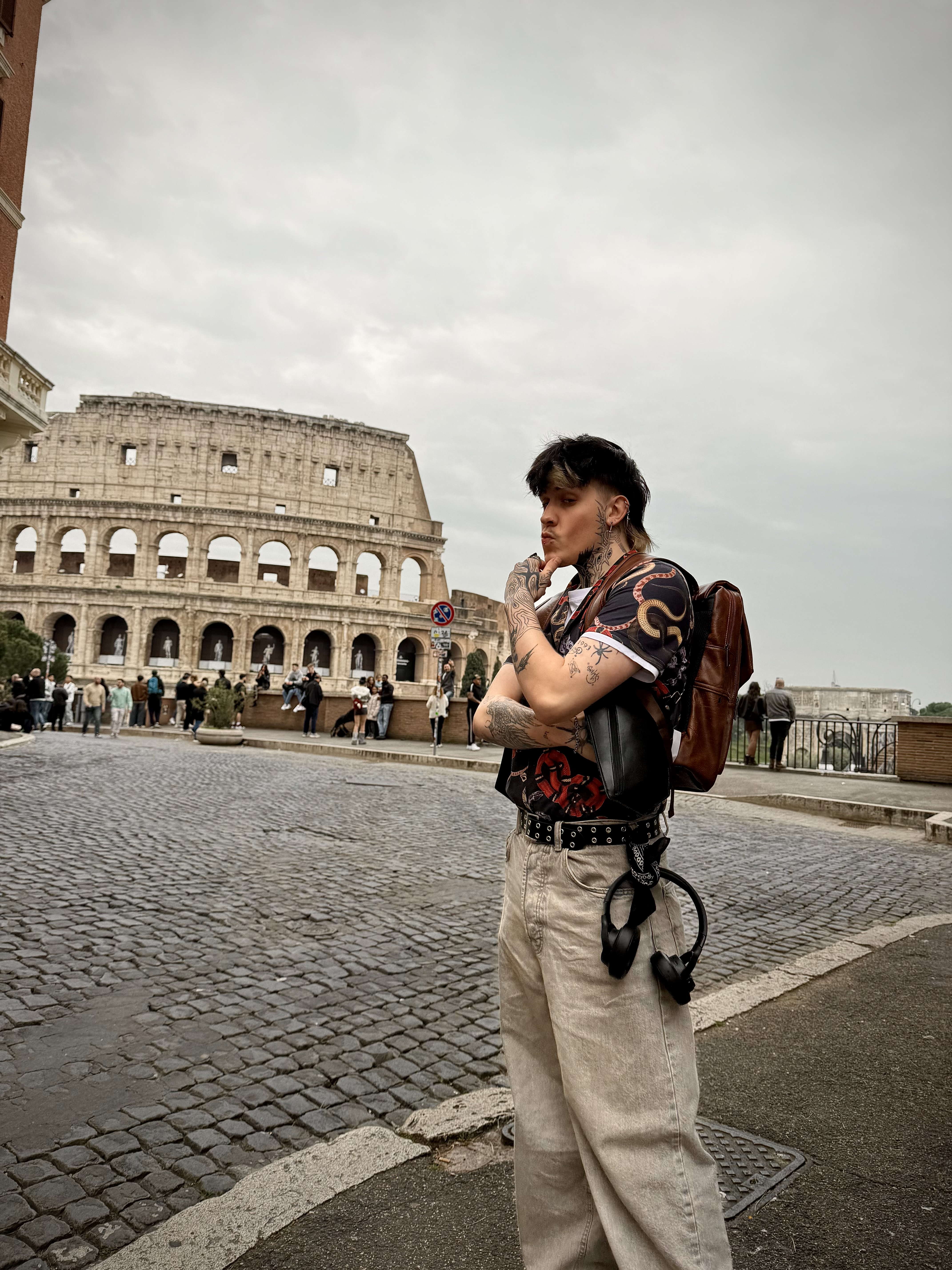
I was also fortunate enough to take part in the VVV Residency in Naples, hosted by artists Simona Da Pozzo and Alessandra Arno. Alongside fellow BA (Hons) Fine Art students Tristan Robinson and Bridget Phillips, I developed my first international professional artwork which was exhibited at SuperOtium. It was an unforgettable experience that expanded both my creative practice and my confidence as an artist. I would encourage any student interested in moving image or experimental practice to apply for opportunities like it.
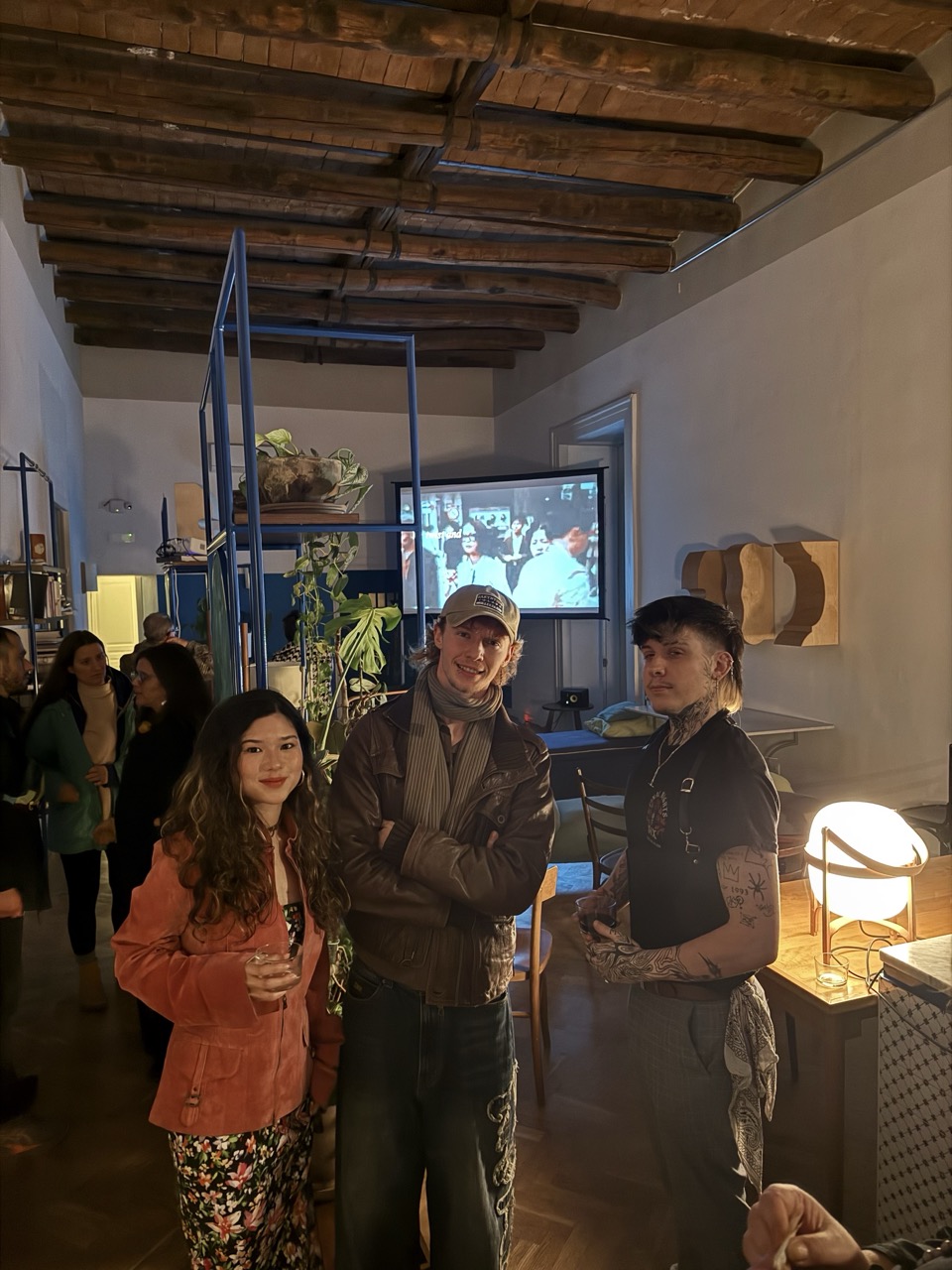
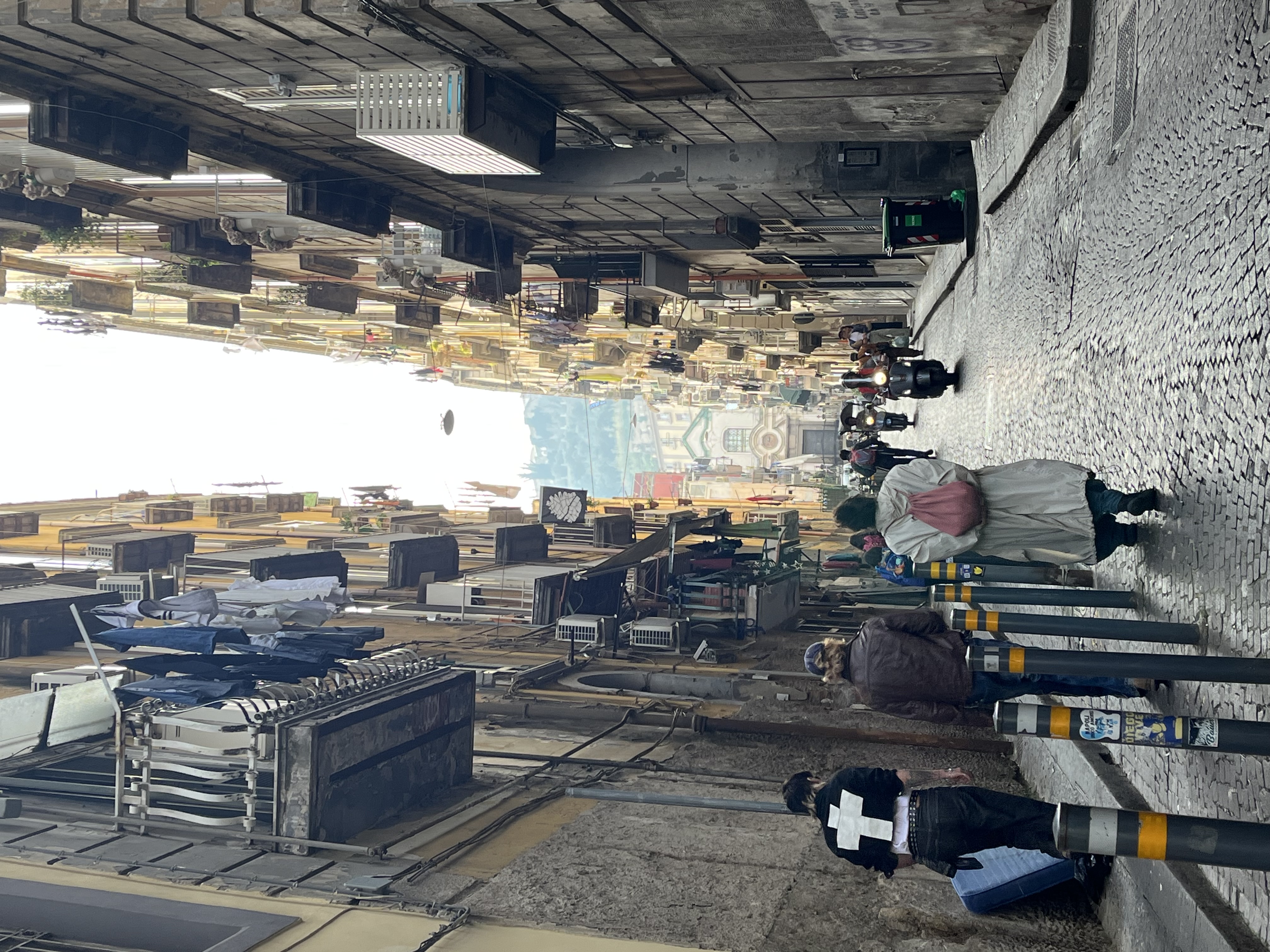
If I could offer one piece of advice to future students, it would be this: dive in completely. It can feel intimidating, but university rewards curiosity. Be brave enough to attempt projects you don't yet know how to make. Engage with theory, even if it feels unfamiliar at first, because you may discover ideas that completely transform the way you think about your practice. Finding the philosophers and writers that resonated with me gave structure to what had once been a very instinctive, creative process.
Just as importantly, make time for the people around you. You don't need elaborate plans or expensive nights out; some of the best memories come from wandering around with friends, talking for hours and building the relationships that will define your university experience.
Most of all, be proud of yourself. Walk around campus knowing that you belong here. Whether you are an artist, designer, architect, performer or writer, you have earned your place. Trust yourself, embrace the opportunities in front of you and enjoy every moment – you may be surprised by how much you grow.
Good luck!