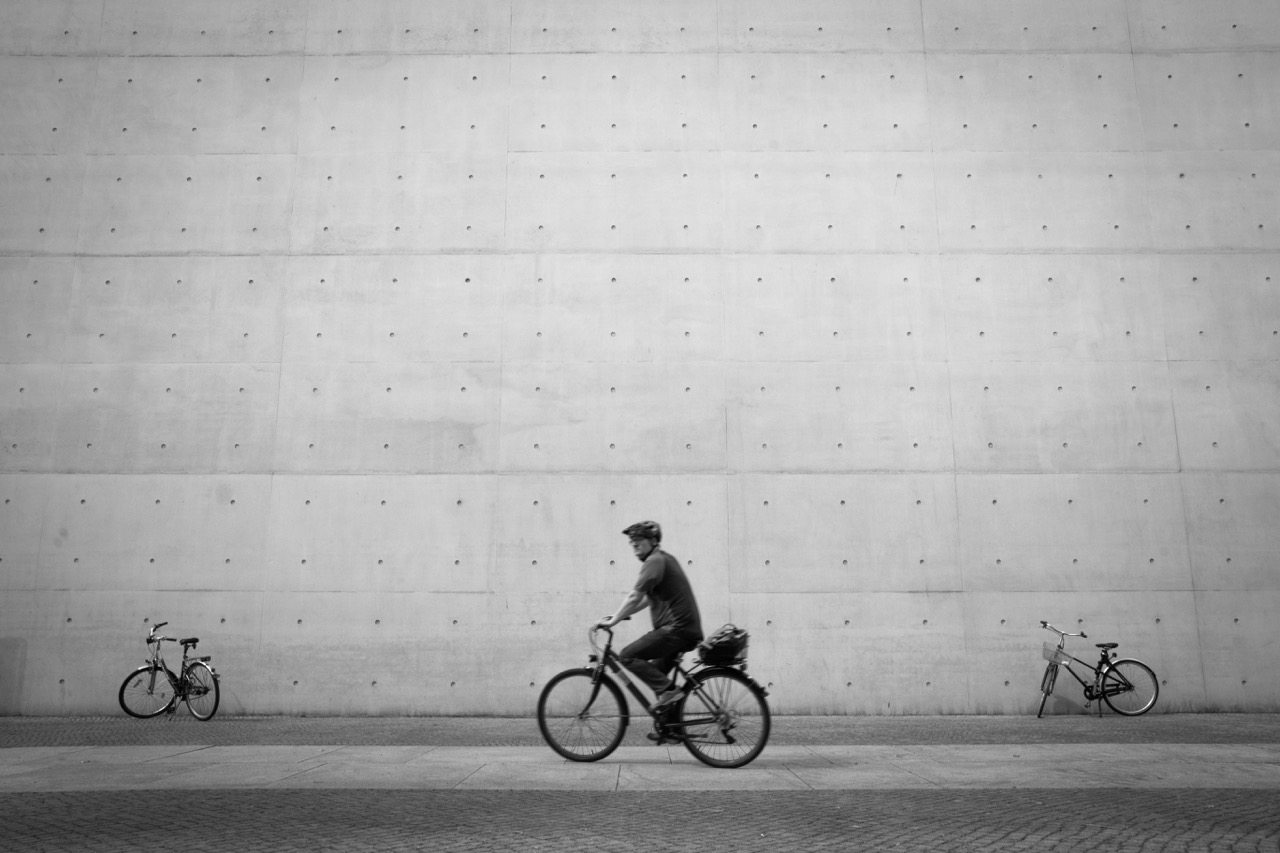
BA (Hons) Film Production graduate James McFarlane shares how an Instagram following, a love of black-and-white street photography and a live brief with independent wine brand the heretics led to his artwork landing on two upcoming bottles.
James, you studied BA (Hons) Film Production at AUB and graduated this summer, so designing wine labels feels like an intriguing creative crossover. How did the collaboration with the heretics come about?
I actually found the opportunity through the Students’ Union’s experience and opportunities board. I sent in an email application and later jumped on a call with Gareth Maxwell from the heretics and Jimmy Hunter from creative studio, We Are Noisy.
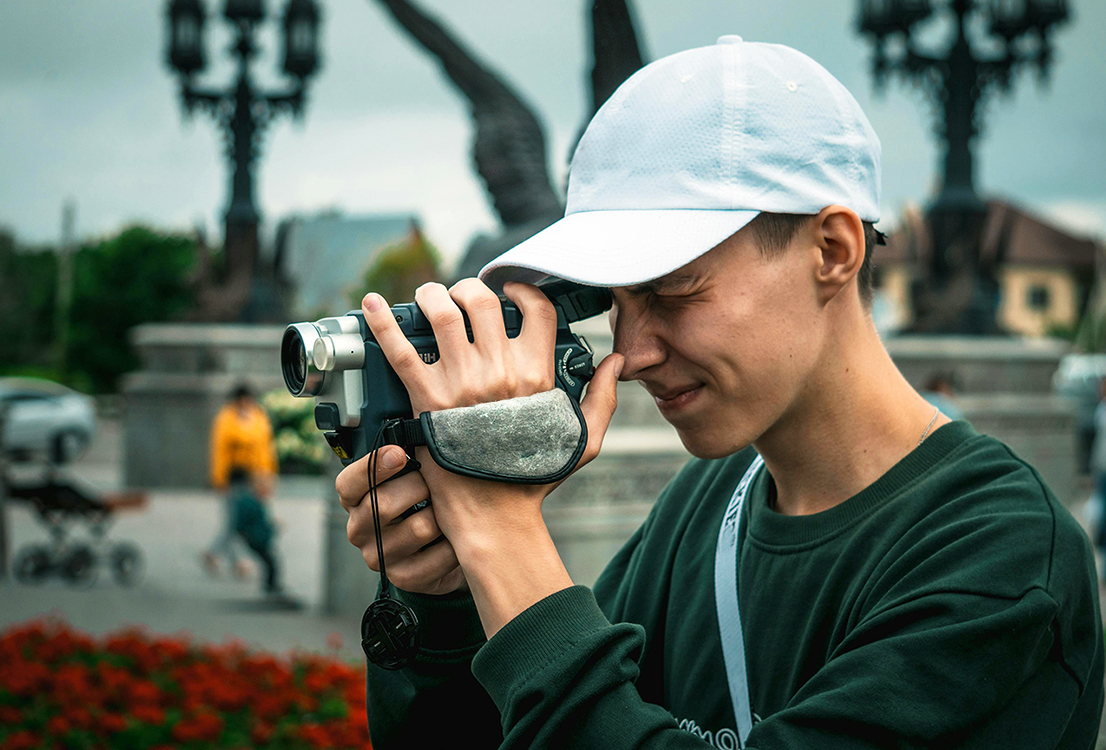
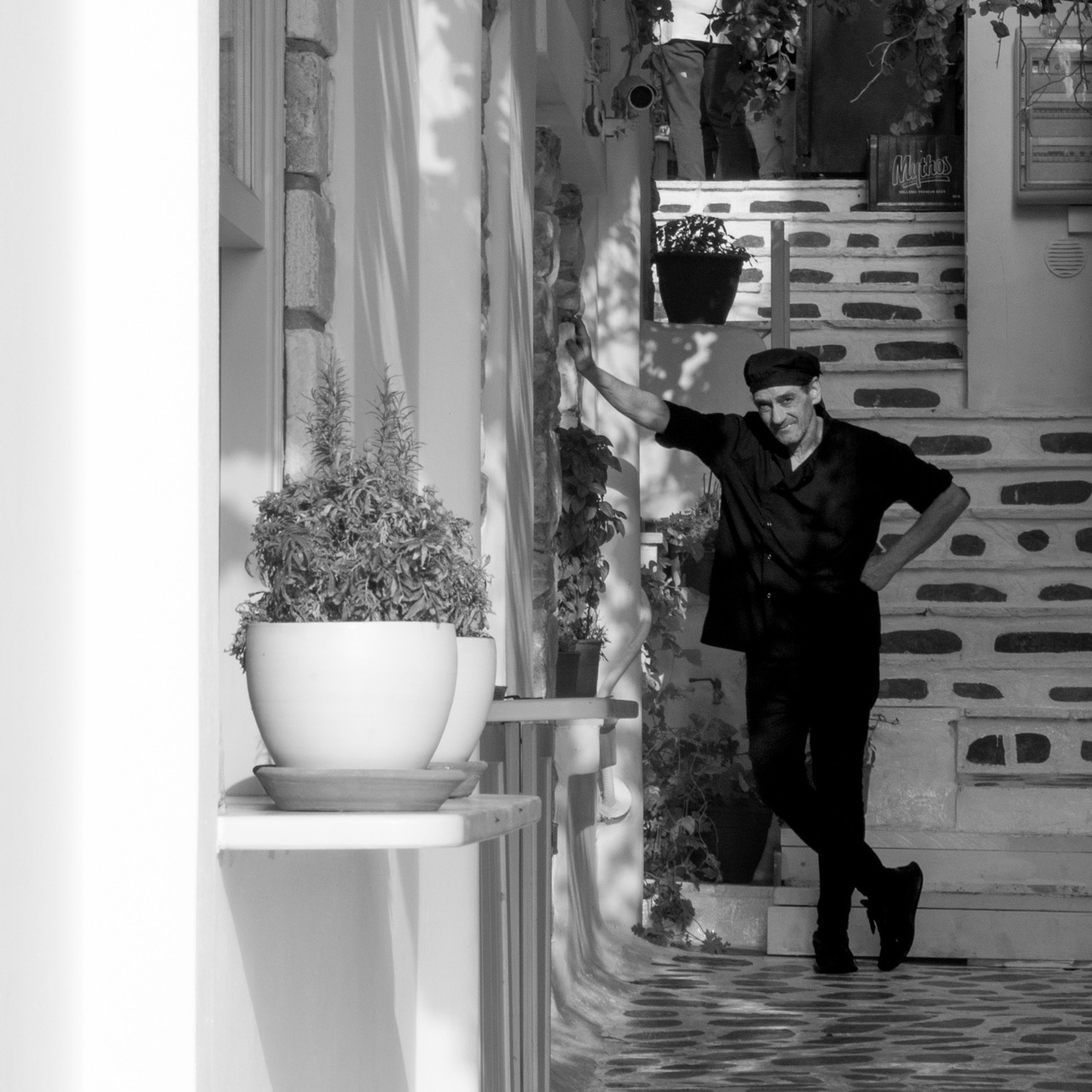
When we spoke, we put two and two together: Jimmy’s son, Louis, is a photographer who shot the artwork for their first bottles, and he already followed me on Instagram. I started out in street photography before coming to uni and had built up a big body of black-and-white work on my page.
Jimmy said they loved my style and thought I was the right fit. Their brand is quite cheeky and boisterous, and my photography is all about playing with lines, shapes and striking moments when I travel, so it matched what they were looking for.
Have they used existing photographs from your portfolio, or did you shoot something completely new for the bottles?
We actually did one of each. There are two wines, a Chardonnay and a Rosé, and they each had very different briefs. For the first one, they wanted something new and striking to match the brand's playful edge. My usual street photography is very unplanned and in-the-moment, so shooting to a specific commercial brief was a fun sideways step.
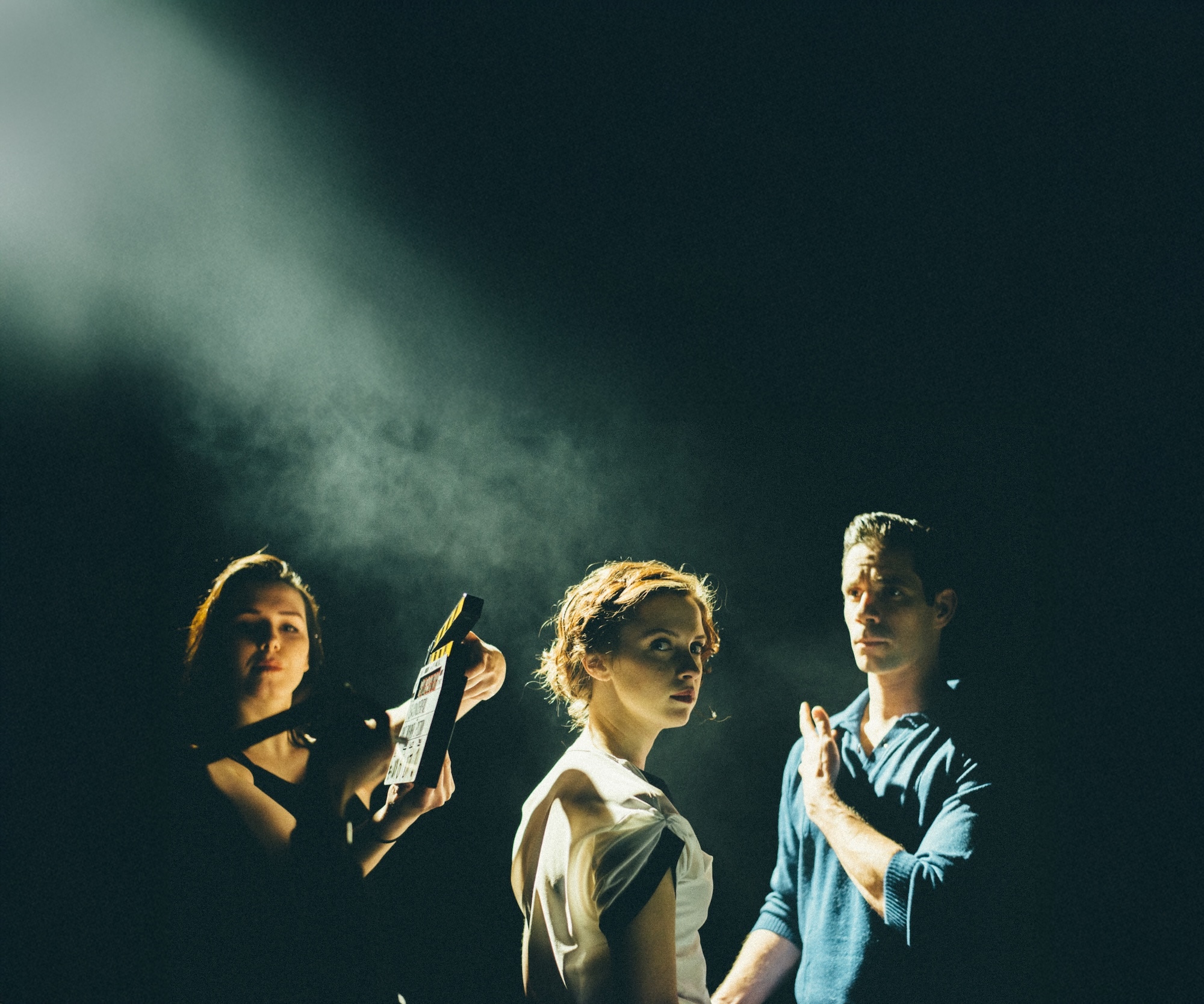
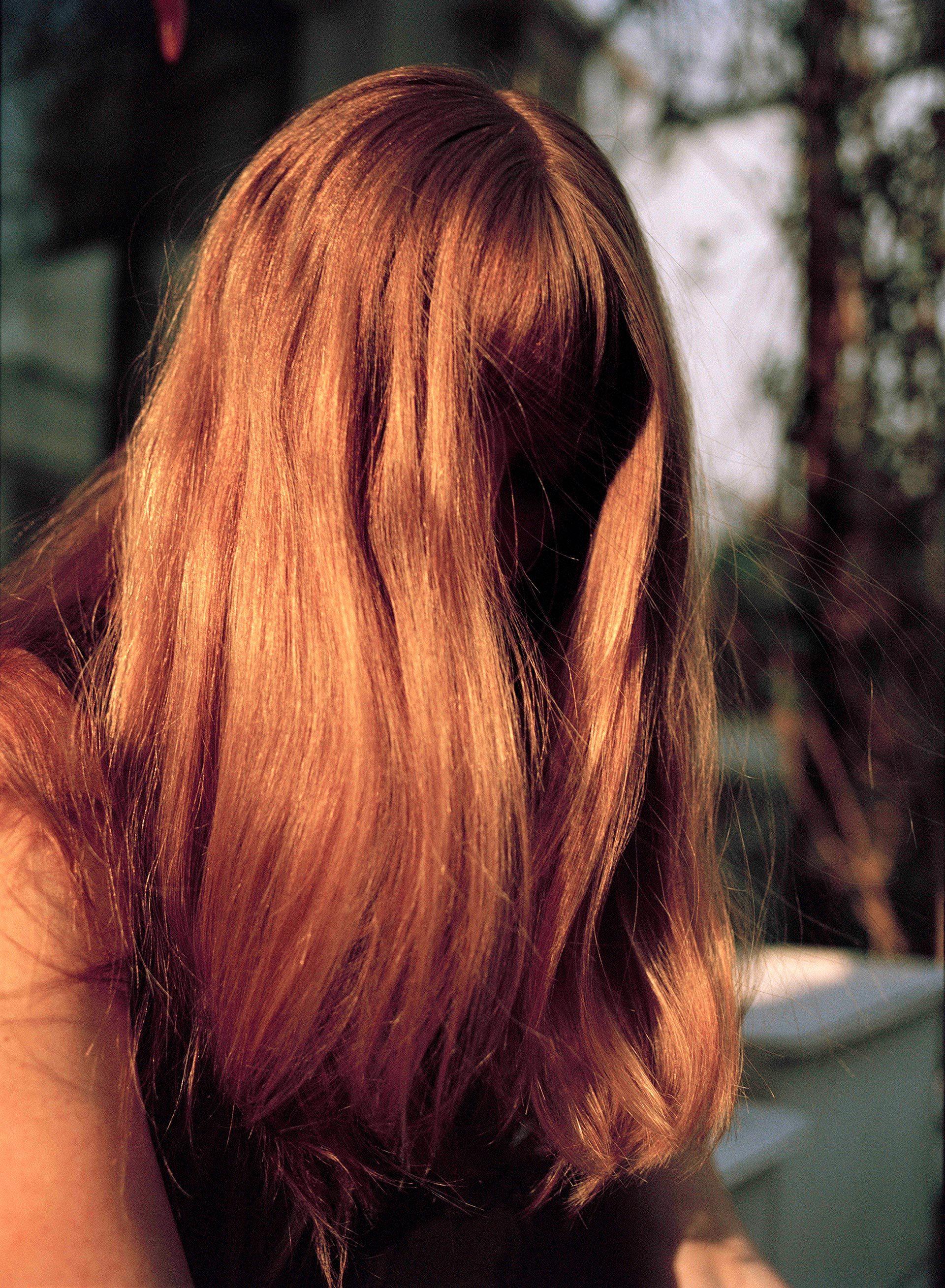
I went up to London with two friends from AUB, Jess Grogan and Milo Smith, with Jess modelling for the shoot. I was aiming for a Wong Kar-wai feel, using double exposures and motion blur. To give it a bit more depth, I blended one of my older Bournemouth night shots over the top to create a layered cityscape effect. We went through about six iterations before landing on the final image.
For the second bottle, the brief was much more open. I went interrailing over the summer hoping to capture something new, but everything I loved was in colour, which didn’t fit their monochrome aesthetic. So, we went back through my archive and picked one of my favourite shots, taken at the Barbican Centre a couple of years ago. It has a natural architectural line running straight down the middle that makes it look like two separate photographs stitched together.
What was the design process like when adapting photography for a physical bottle?
the heretics keep their labels really clean and minimal – a simple white background that lets the photography take centre stage – with their branding at the top and the wine’s name underneath. The biggest technical challenge was getting the aspect ratio right so the composition sat neatly within the label template.
With the first wine, there was a lot of back-and-forth, refining six different versions until we nailed it, whereas with the second I curated six of my strongest archive shots and they immediately knew which one they wanted.
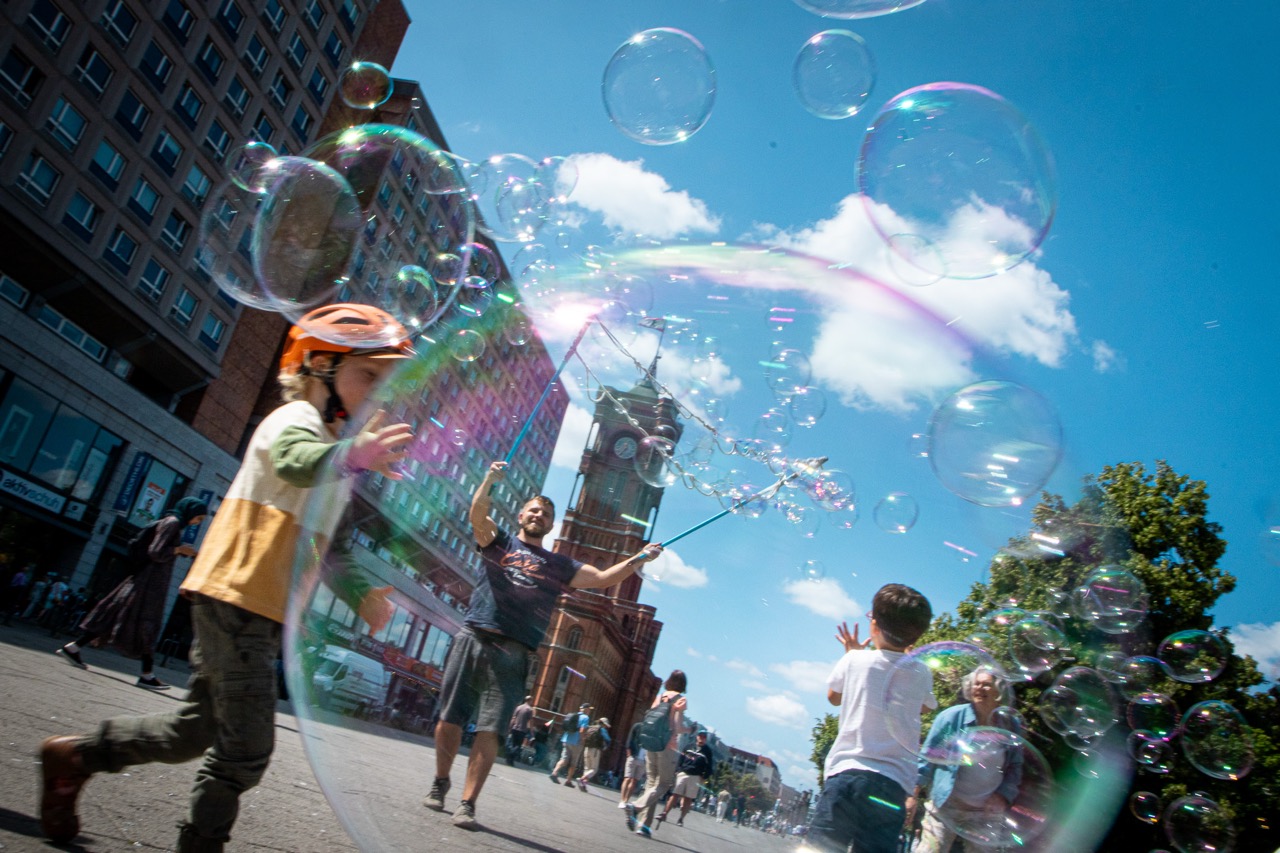
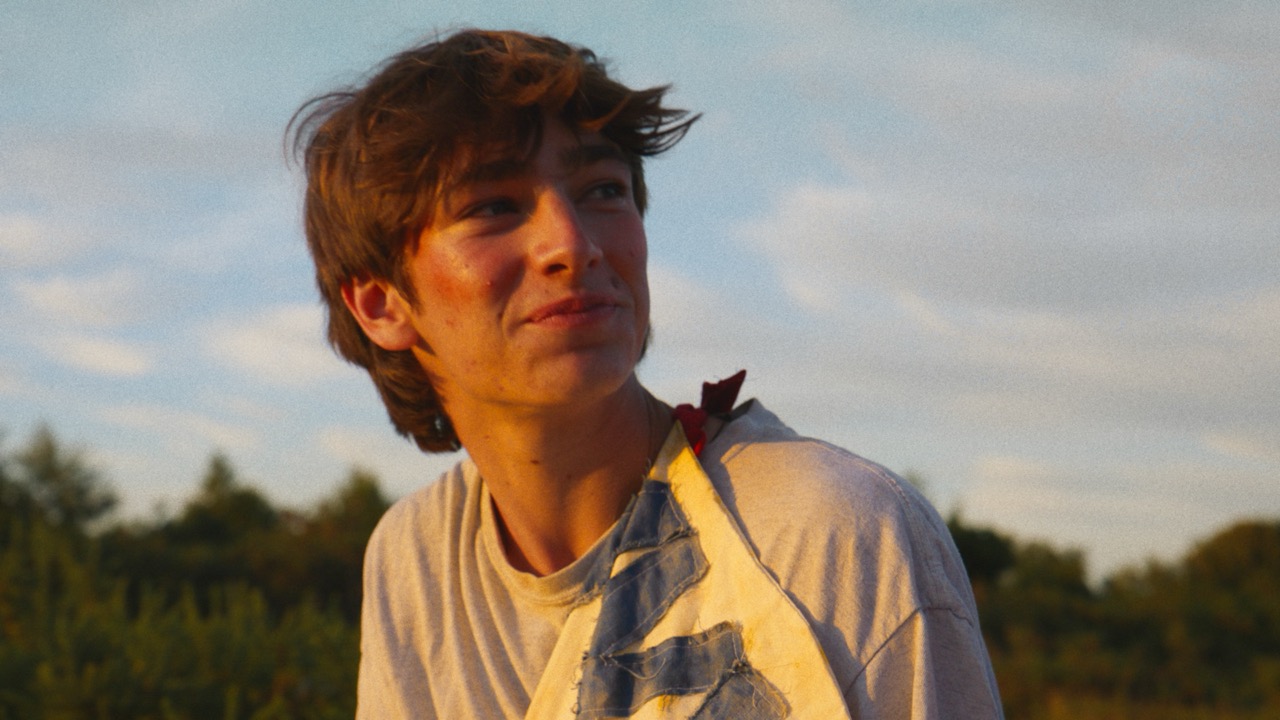
How does it feel knowing your work’s about to hit bars and restaurants?
It feels great, and I’m definitely excited to get a few boxes in time for Christmas! When I was working on the bar in a Bournemouth restaurant recently, I looked up and spotted the heretics’ bottles behind the bar. Knowing my own photography is going to be sitting on those shelves soon is a real buzz. They do a brilliant job partnering with independent restaurants, so it’s amazing exposure.
How does your background in photography feed into your filmmaking?
One of my film tutors at AUB, Gyorgy Laszlo, was always adamant that you can’t be a good cinematographer unless you also practise still photography, and the more films I made, the more I realised how right he was. At university, I sometimes found studio lighting quite restrictive because of my background in street photography, where you have no kit and just have to work with natural light and whatever the environment gives you.
Now that you’ve graduated, what’s next for you?
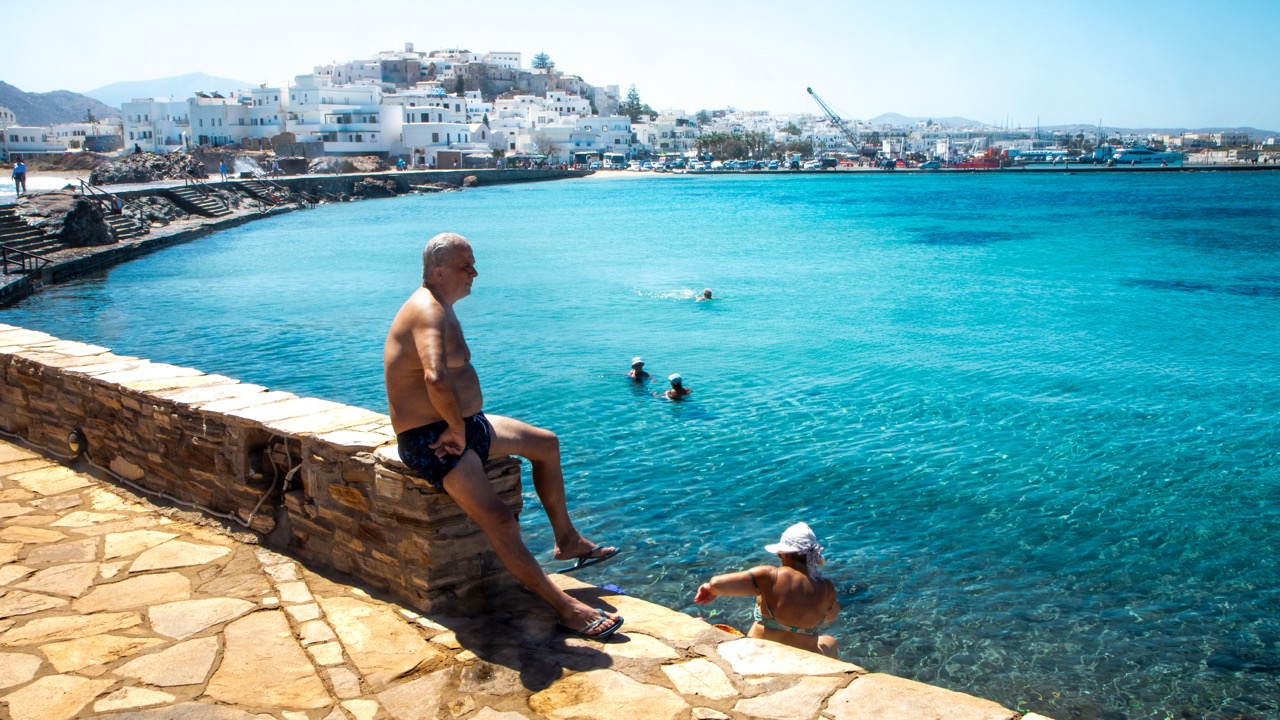
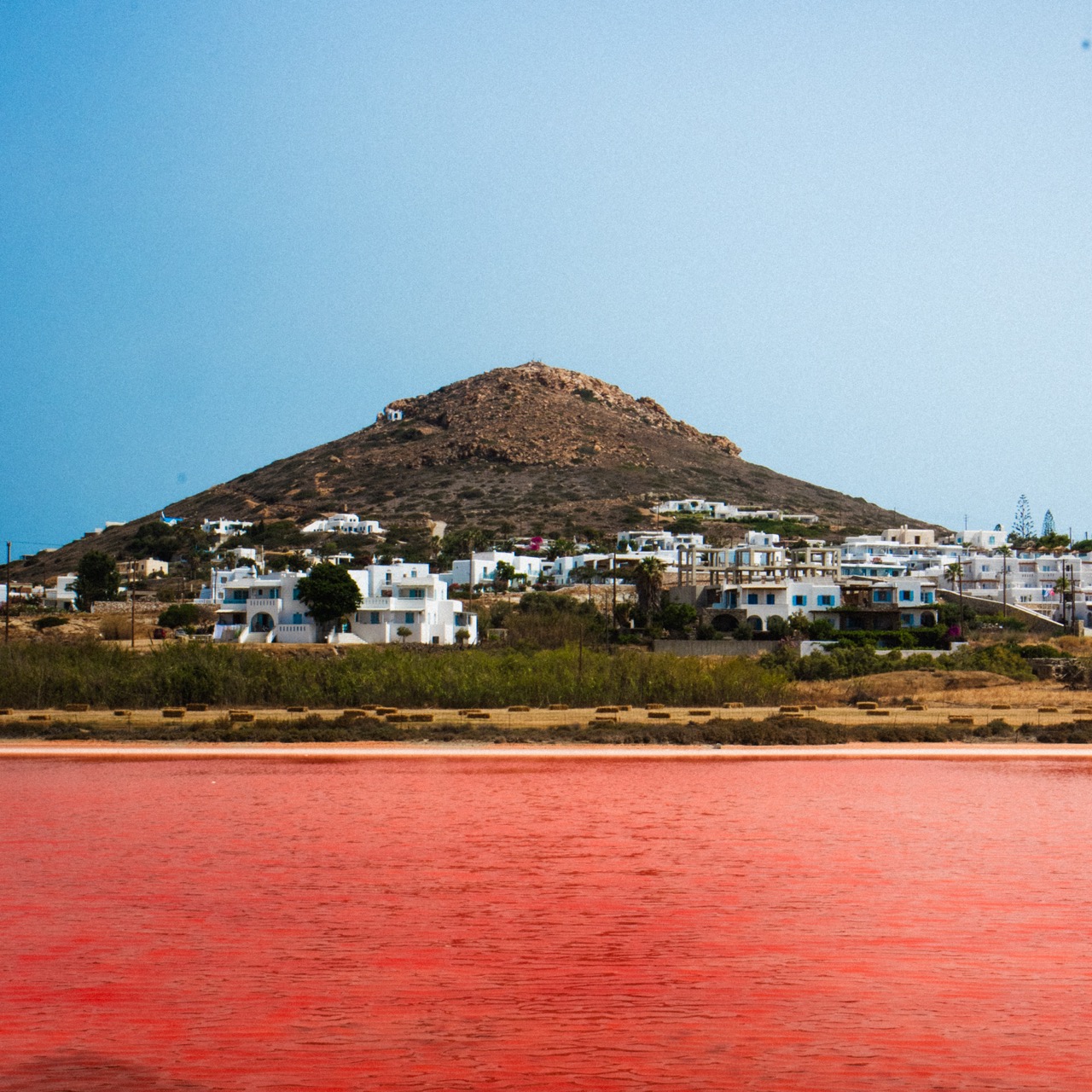
Stepping out of university has really clarified where I want to take my work. I’m drawn to projects that blend an artistic eye with documentary storytelling and journalism. A couple of years ago, I visited the Greek island of Naxos and became fascinated by the environmental strain that over-tourism is putting on the island’s water supply, and the irony of me being there as a tourist photographing it.
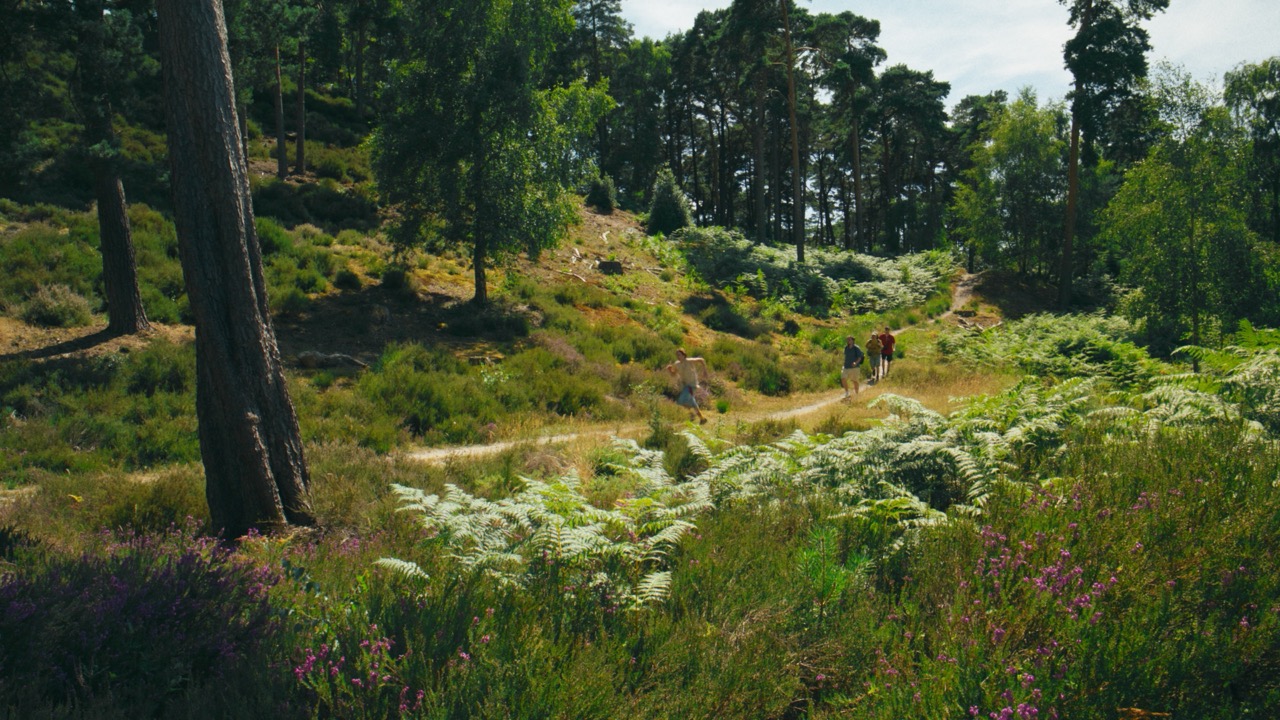
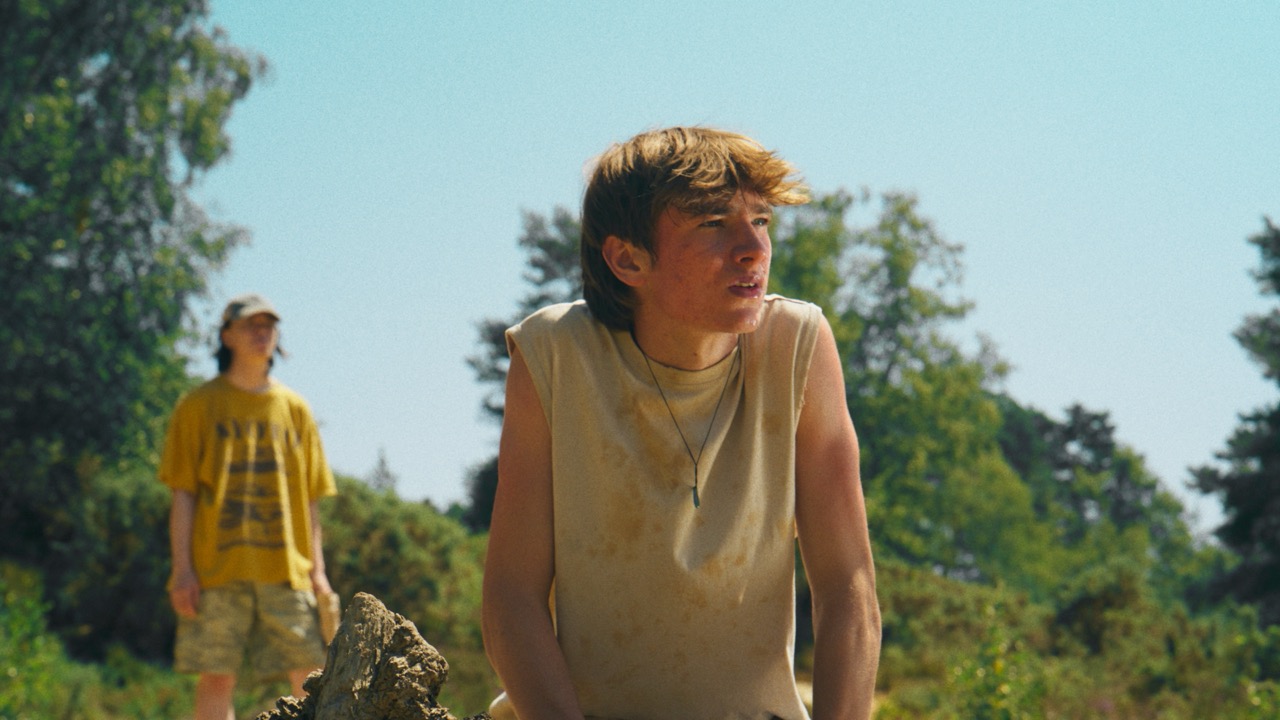
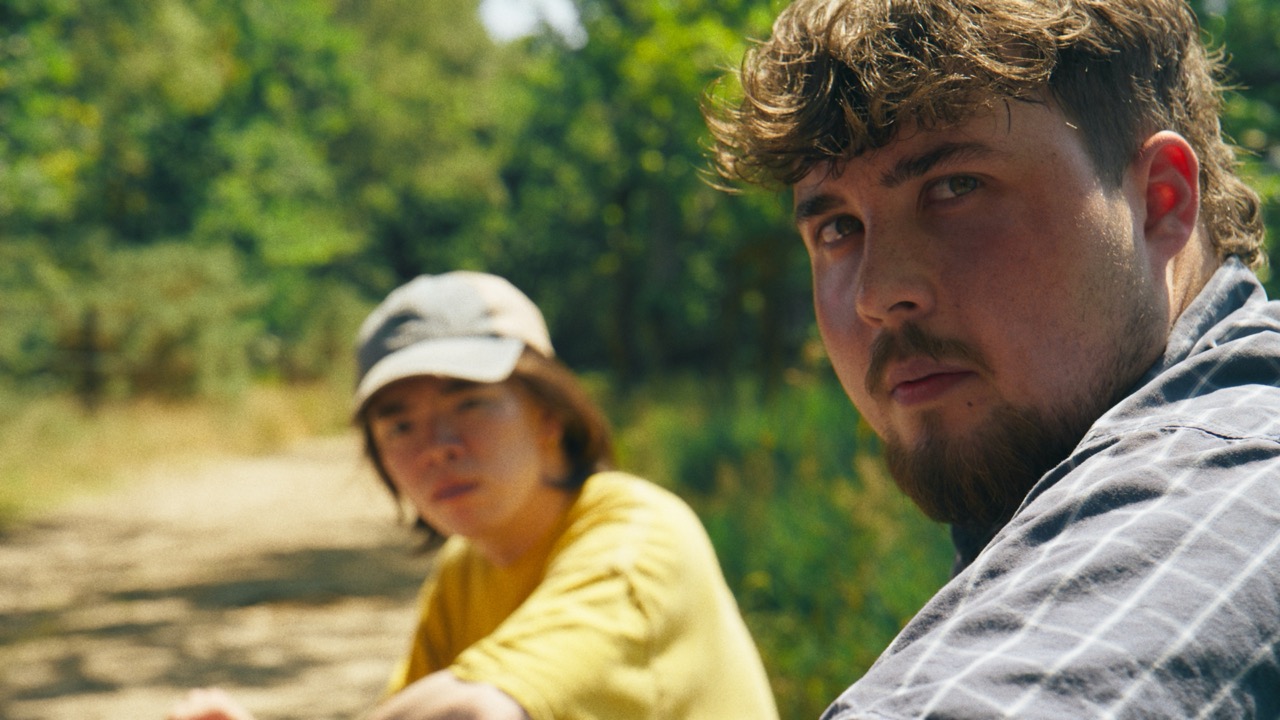
I’m leaning much more into that documentary photography space now. I’ve been working on a portrait and interview series with local craftspeople, including a blacksmith and a potter, alongside finishing a short coming-of-age film called MARS about a group of friends searching for a meteorite, that I shot using natural light on St Catherine’s Hill. Mainly though, I’m focused on growing my photography portfolio and taking an entrepreneurial approach to sharing my work online. This wine project is proof that putting your work out there really does pay off.
You can follow James’s photography on Instagram at @jamesmcfarlane_film