




- Home
- Student Stories
- James Chen – "There are no rigid dogmas ...
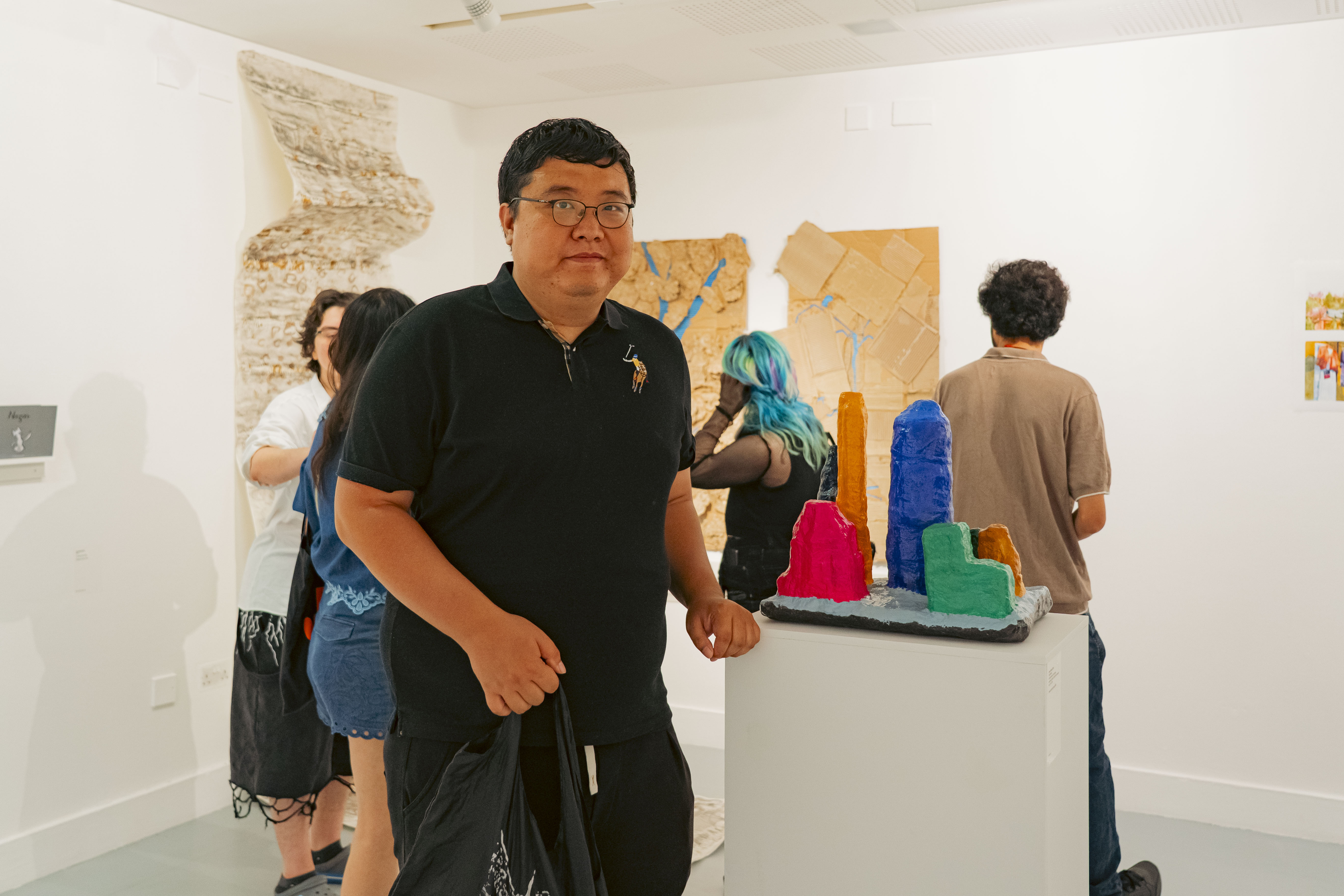
在英国伯恩茅斯艺术学院这一年多的学习时光很快。回首这段经历,我感觉价值远超过我本科三年的积累,这不仅是专业能力的进步,是我对艺术认知与自我定位的重塑。伯恩茅斯艺术学院给予我的,是一种全然不同的学习氛围。这里没有刻板的教条,没有僵化的评分标准,有的只是对创作自由的最大尊重与对个体表达的无限包容。工作室里永远弥漫着专注而松弛的气息,同学们来自世界各地,带着不同的文化背景与艺术语言,在学校共享的空间中碰撞、交流、彼此启发。导师们不给我们强加某种正确的创作路径,而是以提问和对话的方式,让我不断追问:你为什么这样做?你究竟想表达什么?这种教学方式,让我体会到了以学生为中心的艺术教育。
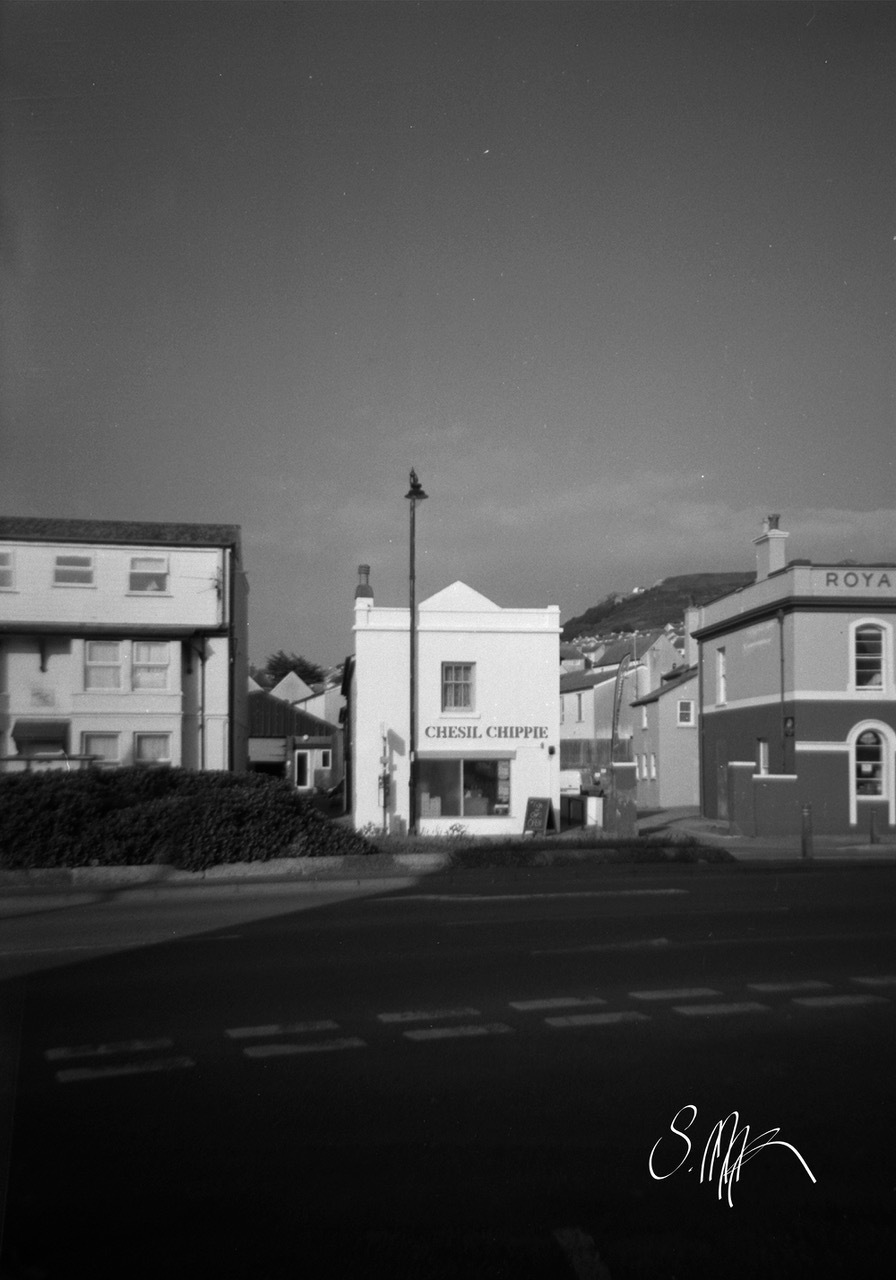
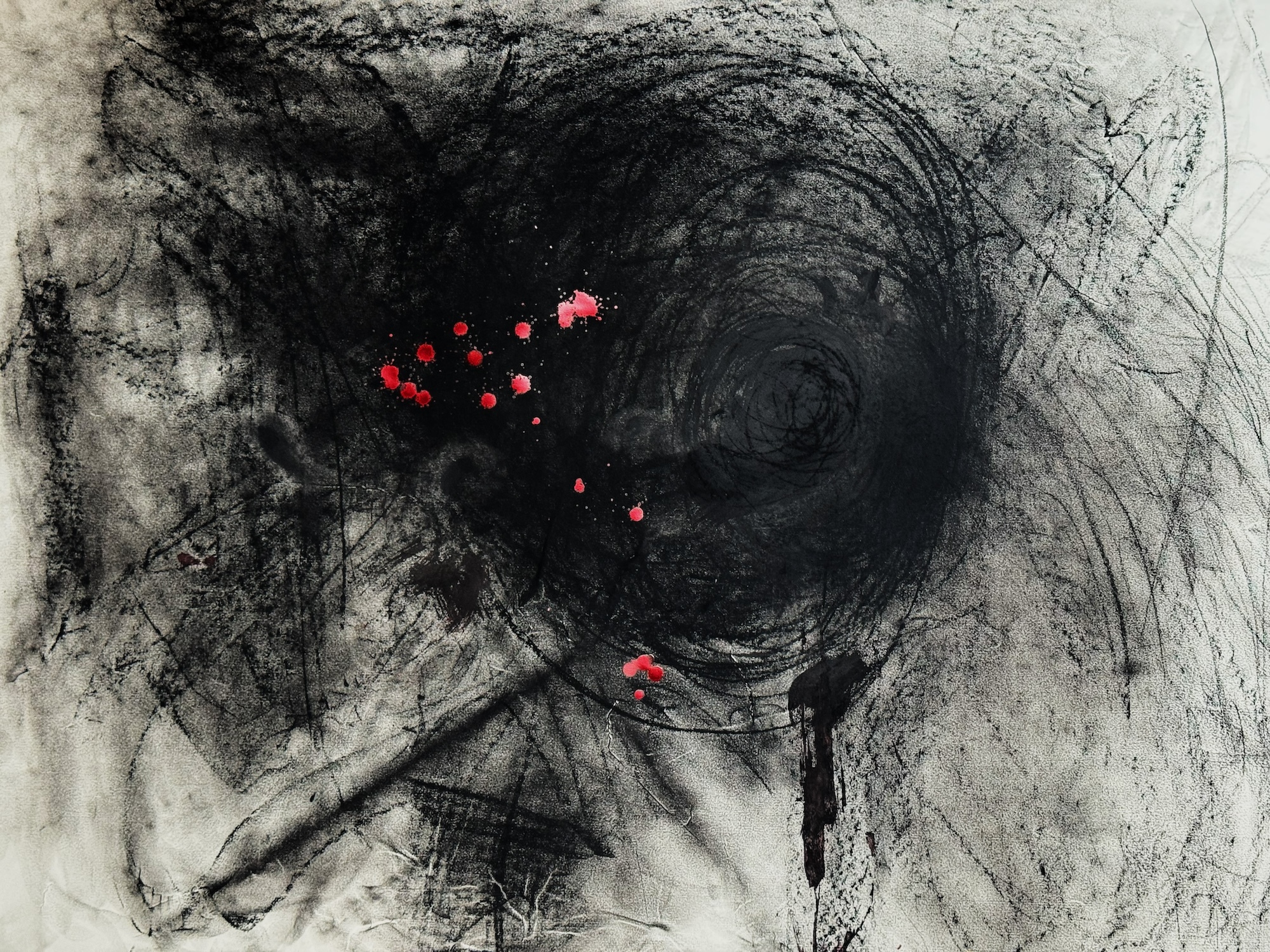
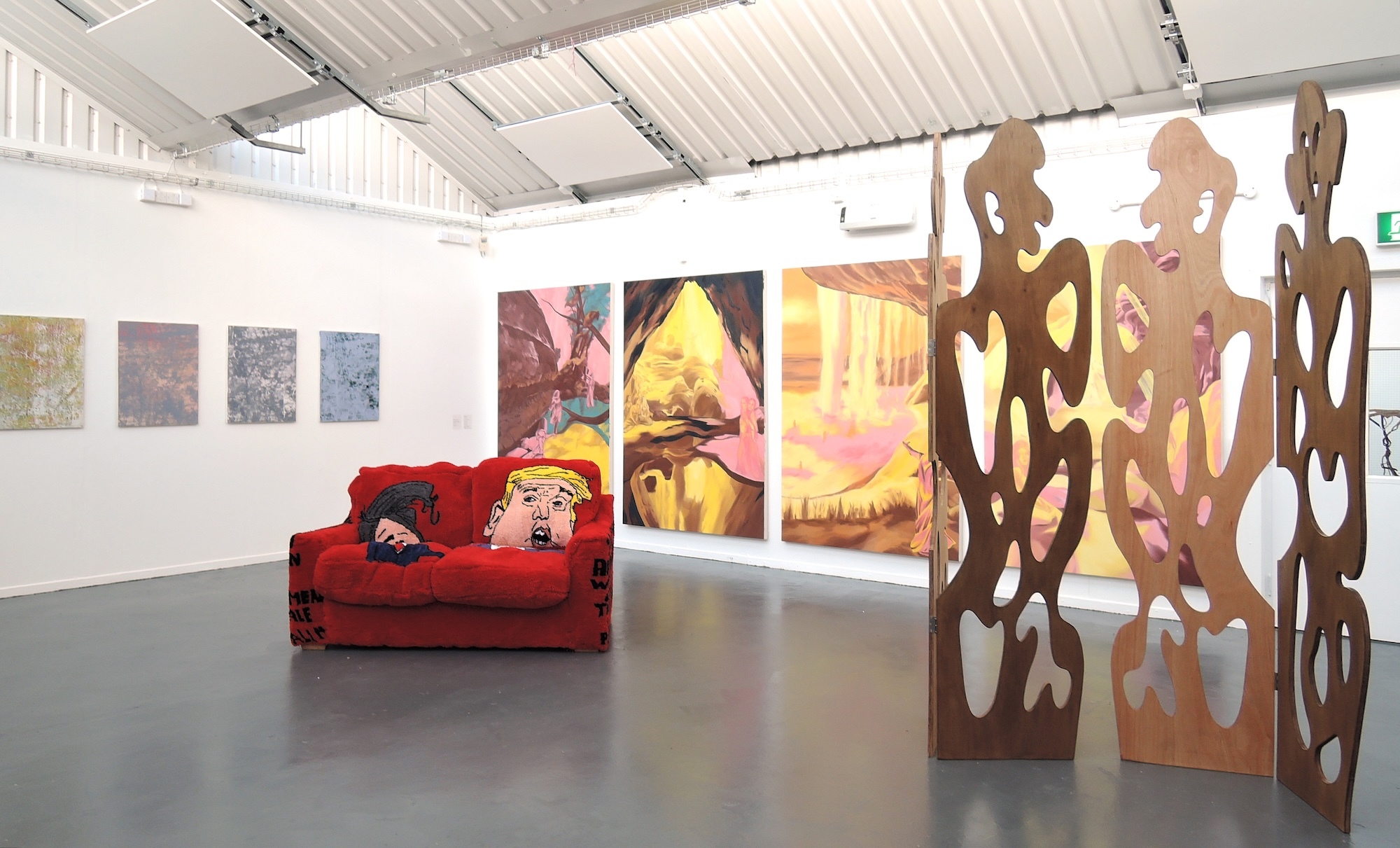
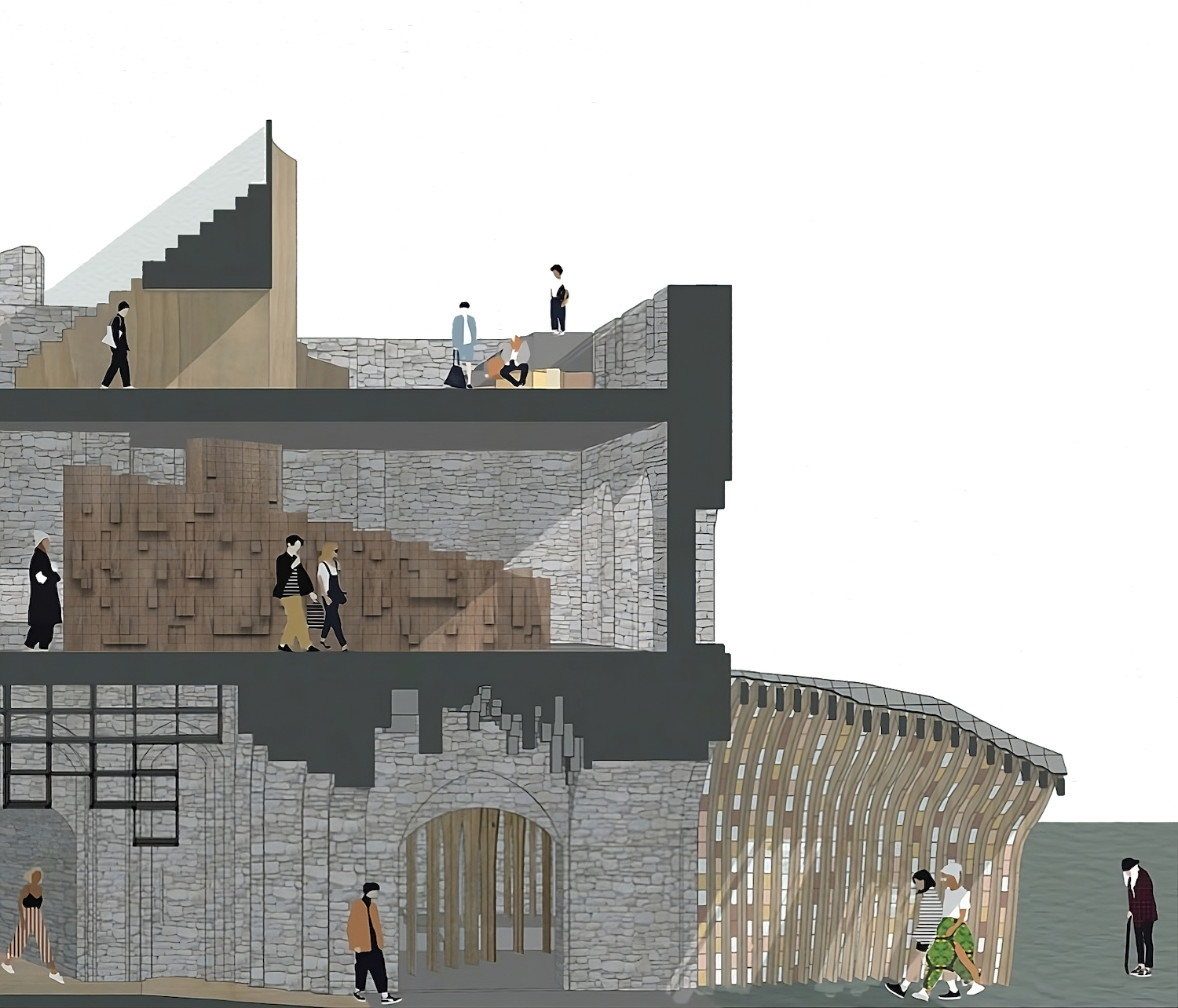
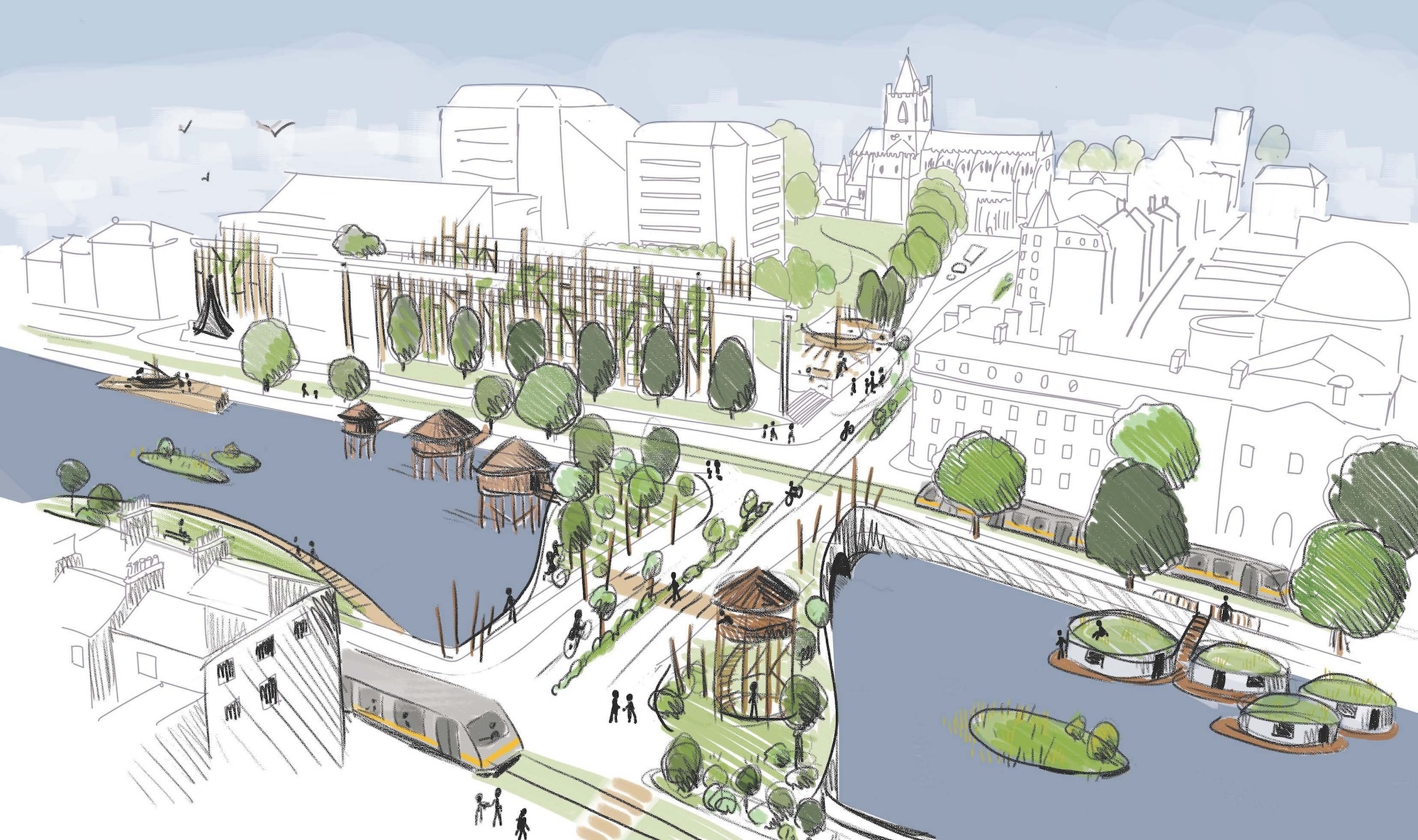
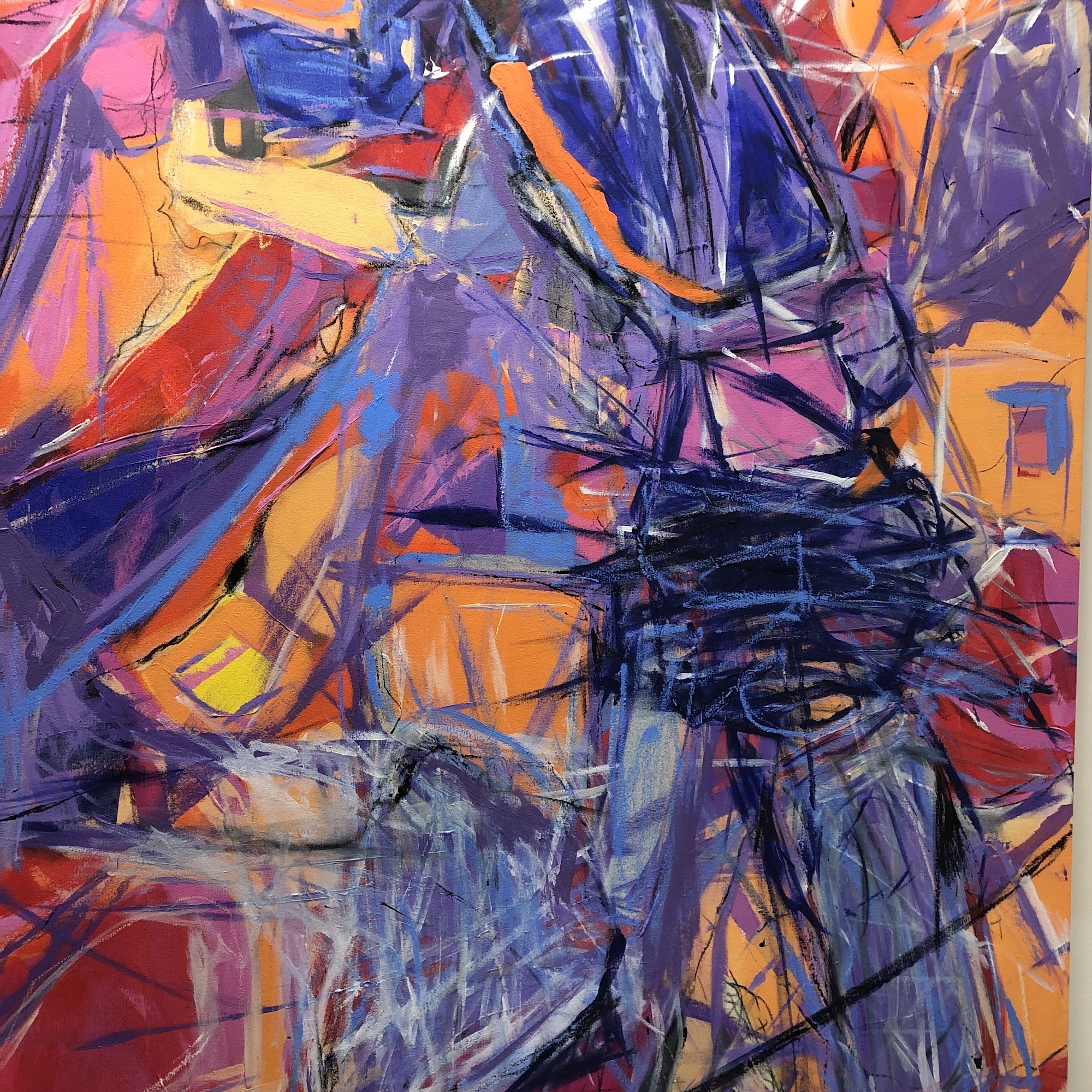
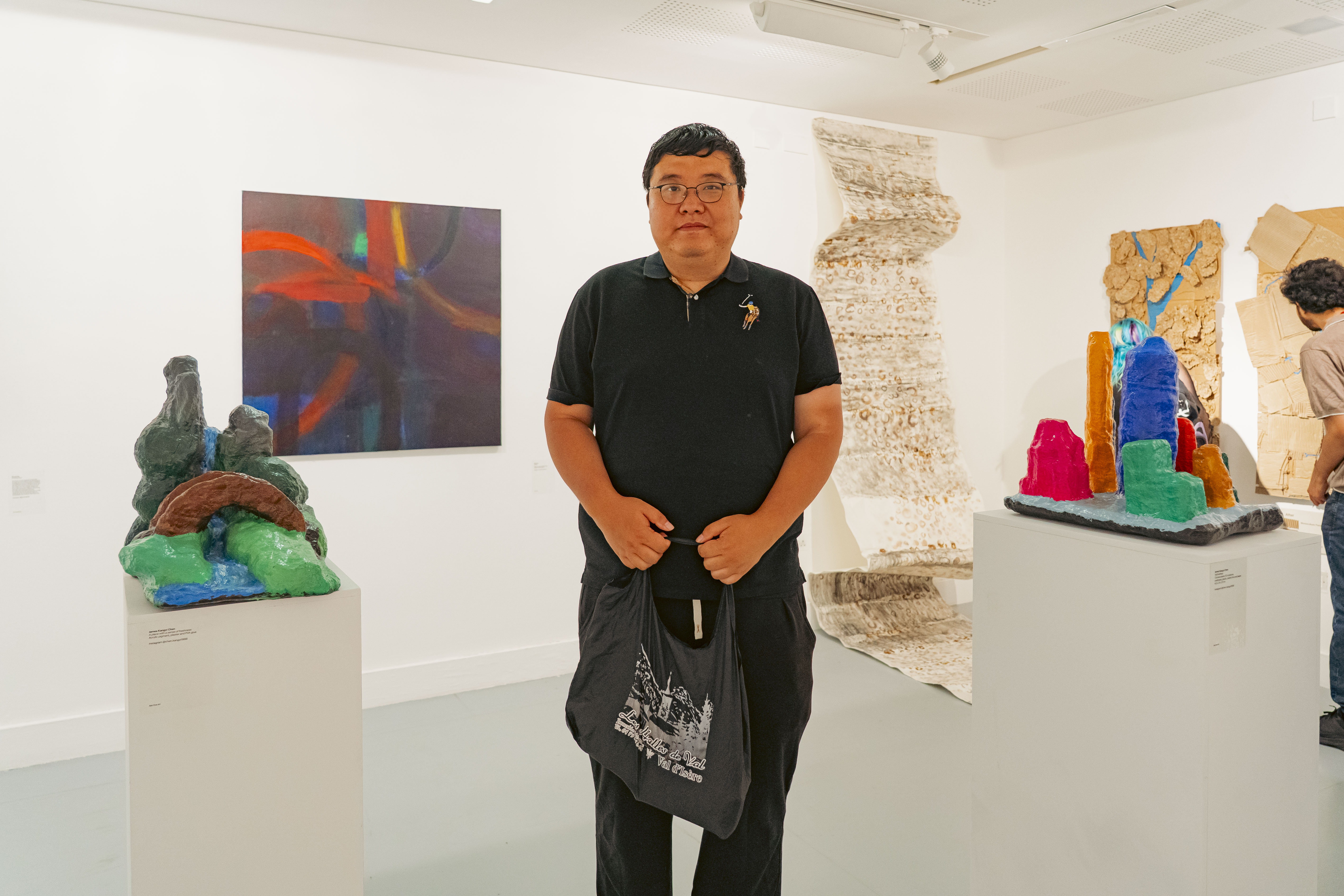
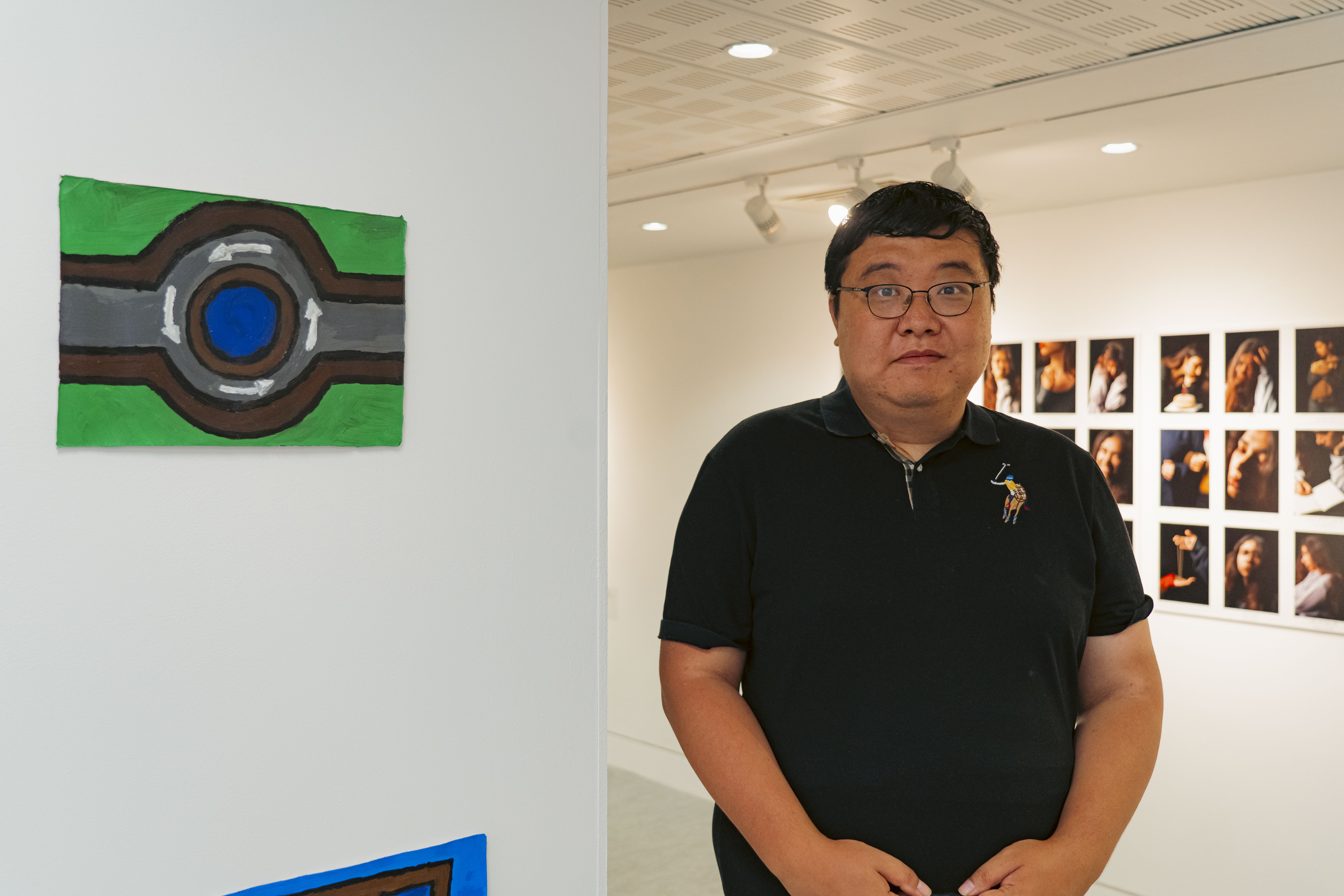
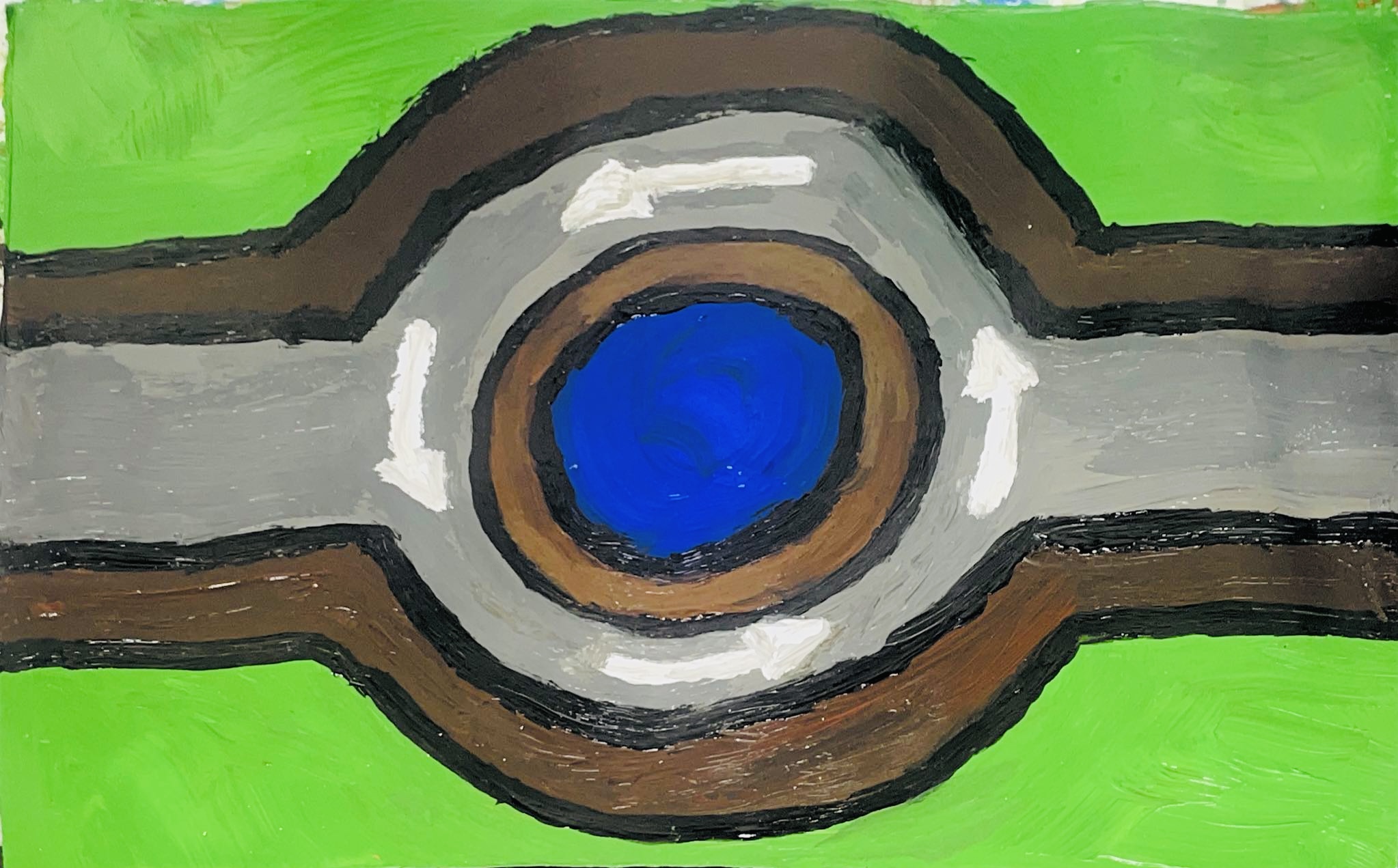
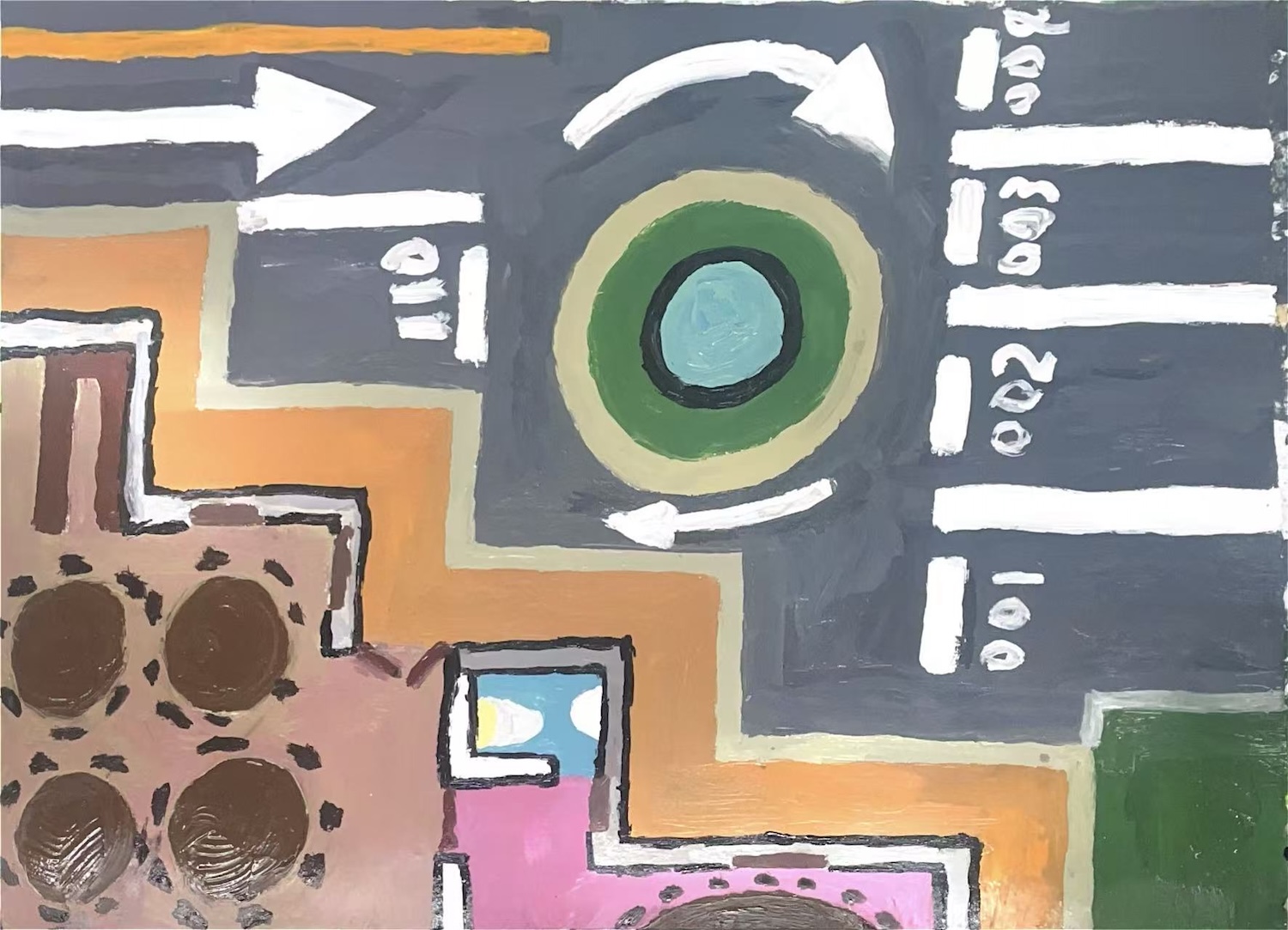
在这一年多里,我对纯艺术这一学科的理解终于从模糊走向清晰,从表象深入肌理。本科阶段,我常被困于表达够不够深刻或者技法好不好的迷思中,在这里,我逐渐明白,纯艺术的核心从来不是某种既定的技巧或风格,而是一种思维方式,一种围绕主题自由选择媒介、形式和方法的综合实践。它没有那么多不能错的规则。我可以用绘画、雕塑、装置、任何我能想到的形式去回应我的关切。这种自由,不是无序的放任。我的创作主题,始终围绕着空间与城市展开。在MA阶段,这课题终于从零散的兴趣凝聚为系统性的实践。我开始有意识地将绘画与雕塑并置,让二维的平面与三维的实体在同一个场域中对话,画布上的线条延伸至雕塑的棱角,雕塑的阴影又投射回画面的空白处。我研究城市中被遗忘的角落,那些介于建筑与废墟之间的过渡地带,那些被规划图忽略的缝隙空间。它们既是物理的存在,也是心理的隐喻。我的作品不再是对城市的再现,而是对城市经验的再构造,一种通过材料、体积和光线去重新书写空间的方式。每一次创作,都是对我们如何栖居这一命题的又一次追问。
这段学习即将画上句号,但艺术的旅程远未结束。回国后,我决心继续保持高强度的艺术实践,不让这份在伯恩茅斯点燃的热情因环境的转换而熄灭。同时,我有一个越来越强烈的愿望:与儿童一起创作。孩子们尚未被规则驯化的直觉,他们对色彩、形状和空间的天然敏感,常常蕴含着最本真的艺术力量。我希望能引导他们用自己的方式表达世界,也从他们的视角中重新学习观看的方式。为此,我正考虑将艺术教育、艺术疗愈或继续攻读博士学位作为未来的方向,三者并非互斥,而可能是相互滋养的路径。无论最终走向哪一条,我都会坚持我的创作主轴:空间与城市,绘画与雕塑,以及它们之间无穷的交织可能。艺术不是职业,而是我存在的方式。
English translation
My time at Arts University Bournemouth in the UK, spanning a year, has passed as swiftly as a white pony's fleeting shadow across a crevice. Looking back on this experience, I deeply feel that its value far exceeds the accumulation of my three-year undergraduate studies. It has been not only a leap in professional ability, but also a profound reshaping of my artistic cognition and self-positioning.
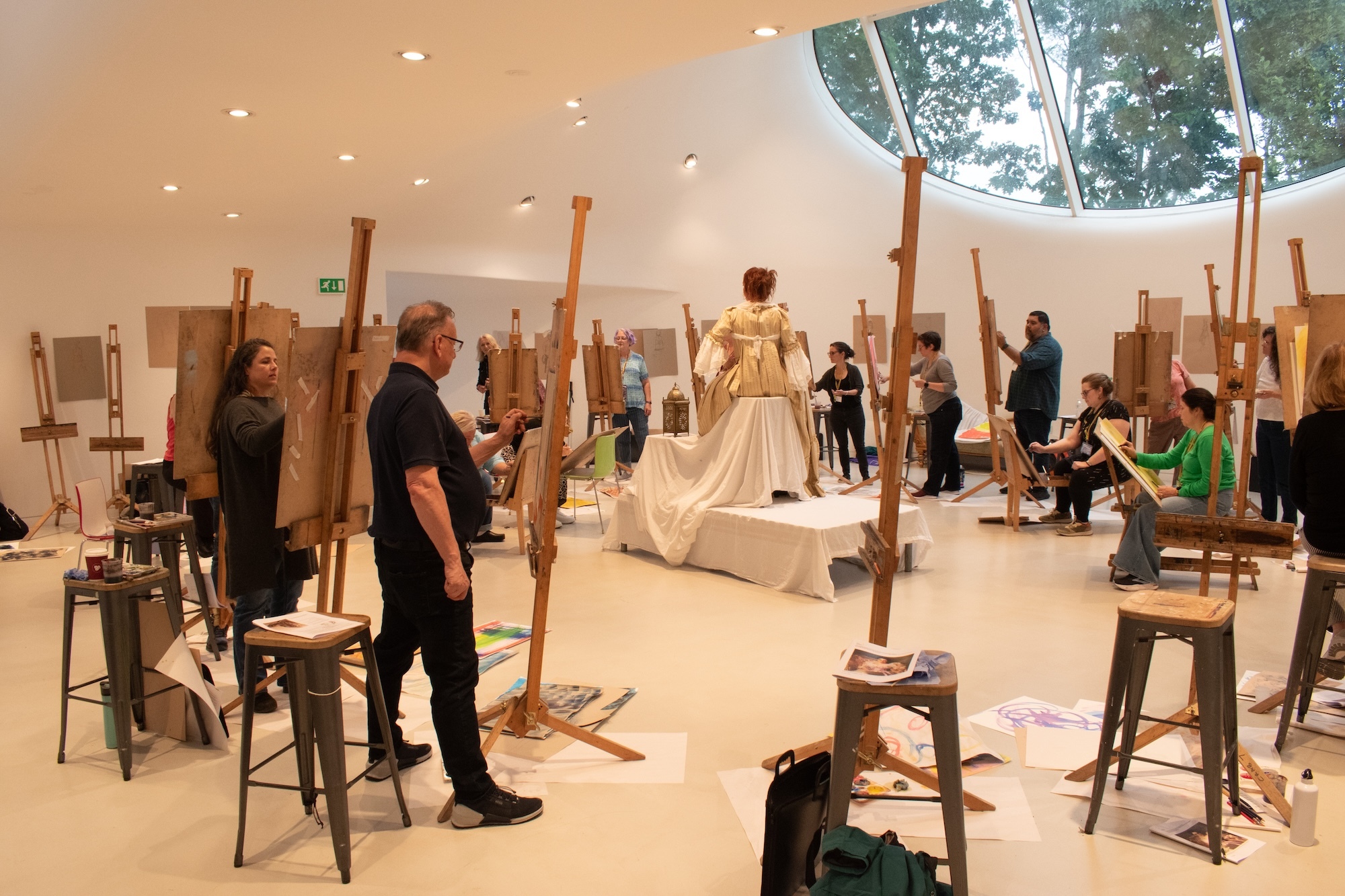
What Arts University Bournemouth gave me was, first and foremost, a completely different learning atmosphere. There are no rigid dogmas here, no inflexible grading standards – only the utmost respect for creative freedom and boundless tolerance for individual expression.
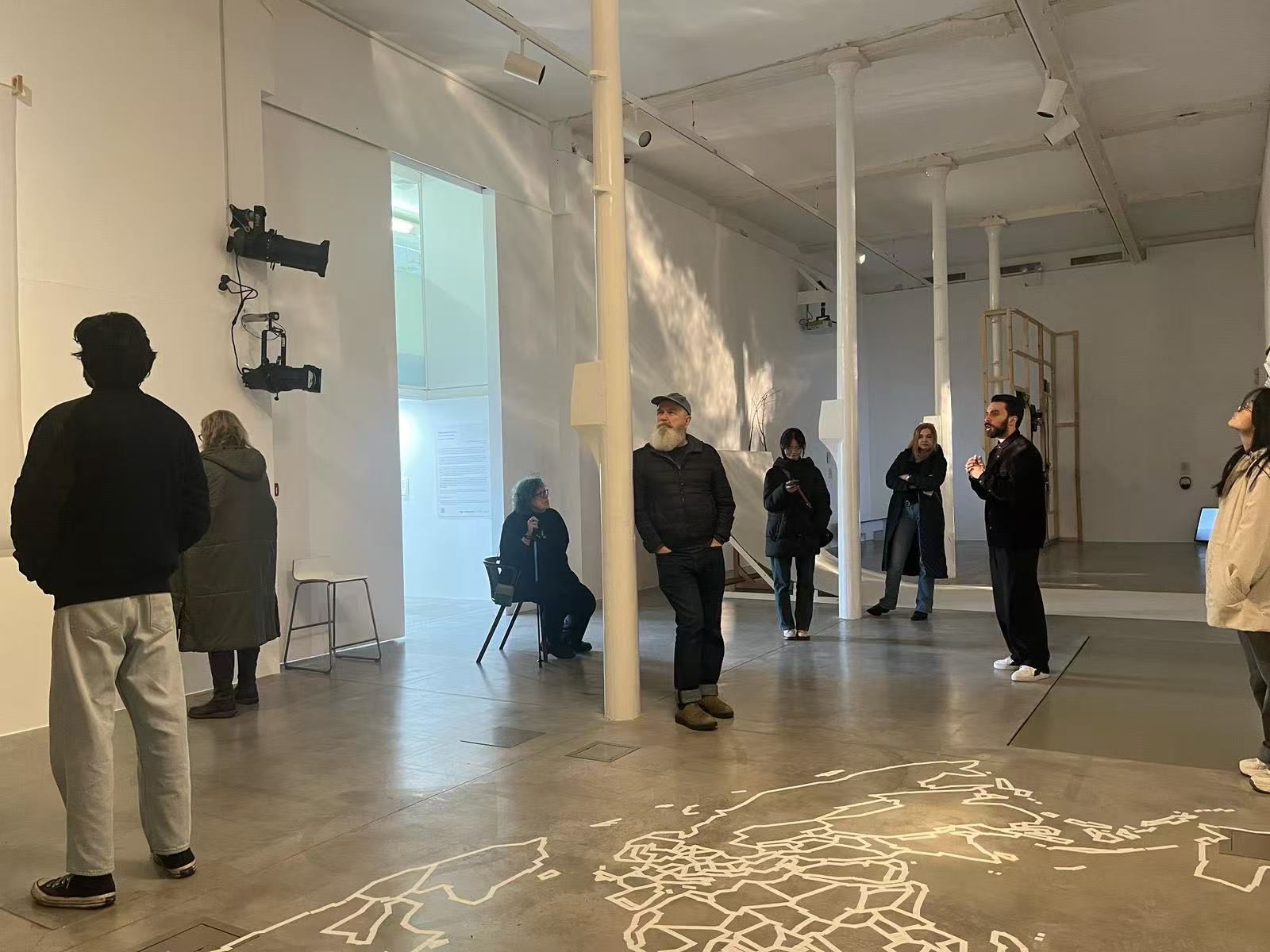
The studio is perpetually filled with an air of focused relaxation. Students come from all over the world, bringing with them their own cultural backgrounds and artistic languages, colliding, exchanging, and inspiring one another in a shared space. Tutors never impose some “correct” creative path; instead, they guide me through questioning and dialogue, constantly prompting me to ask myself: “Why are you doing this?”, “What is it that you truly want to express?”. This teaching approach has allowed me to truly experience what it means to be a “student-centred” art education.
Over this year, my understanding of the discipline on MA Fine Art has finally moved from vagueness to clarity, from surface to substance. During my undergraduate years, I was often trapped in the obsession of whether my expression was profound enough or whether my technique was “good enough”. But here, I gradually came to realise that the core of fine art has never been about some predetermined skill or style. It is a way of thinking, a comprehensive practice of freely choosing media, forms and methods around a central theme.
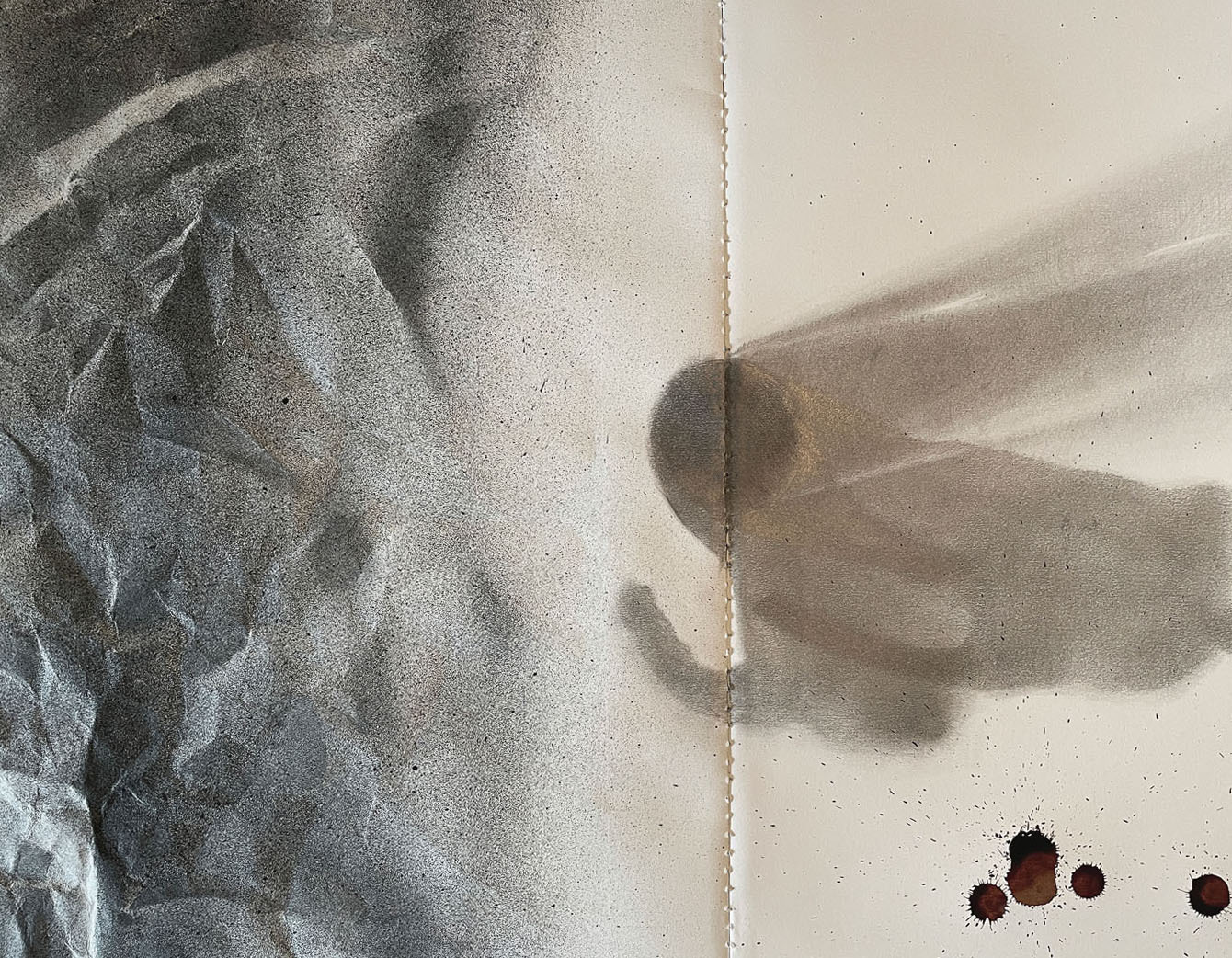
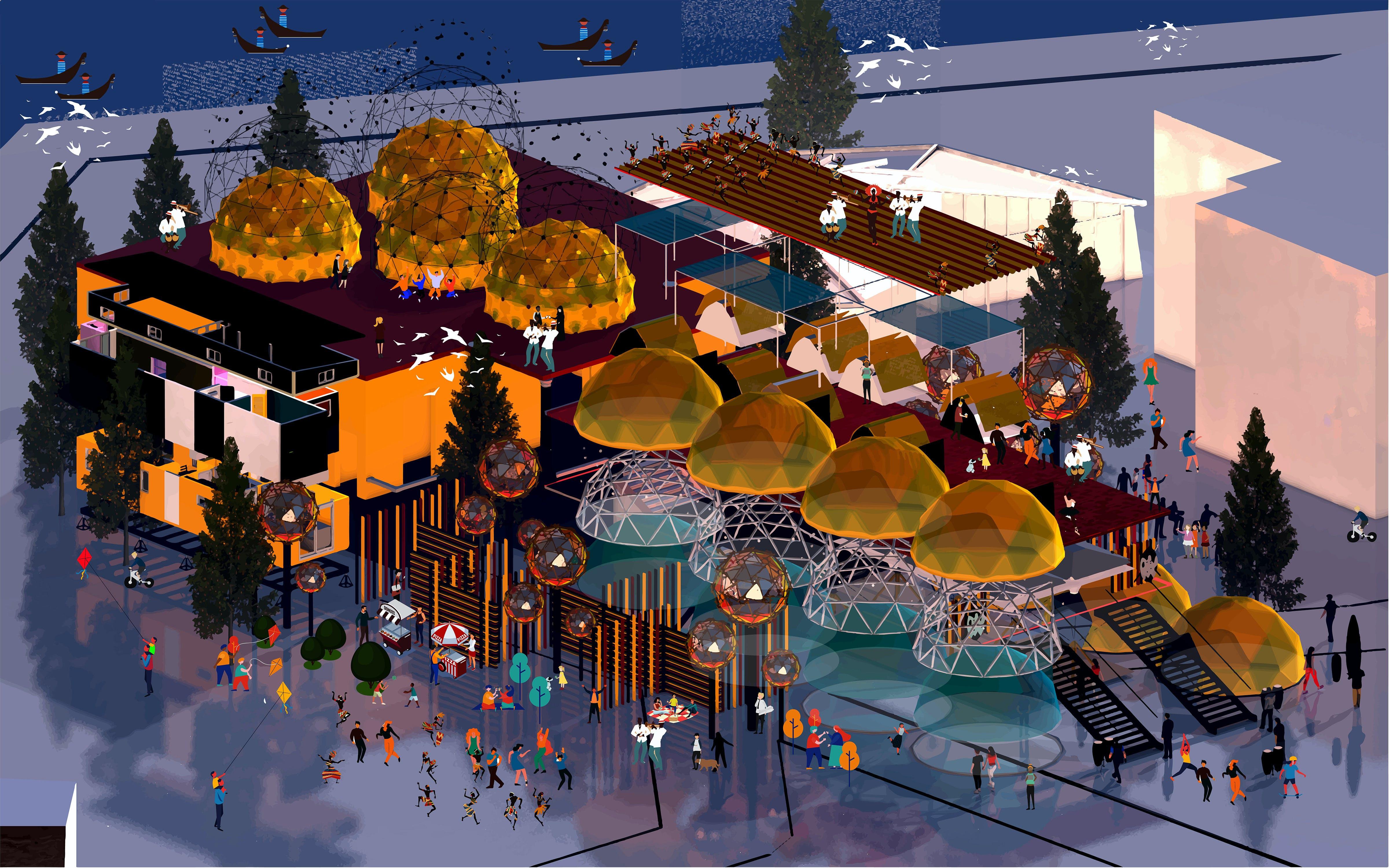
There aren't so many “must-not-be-wrong” rules. I can use painting, sculpture, installation or any form I can imagine responding to my concerns. This freedom is not unbridled indulgence. My creative theme has always revolved around “space” and “the city”. During the MA, this subject finally coalesced from scattered interests into systematic practice. I began to consciously juxtapose painting and sculpture, allowing two-dimensional planes and three-dimensional entities to converse within the same field lines on the canvas extending to the edges of sculpture, and the shadows of sculpture casting back onto the blank spaces of the painting.
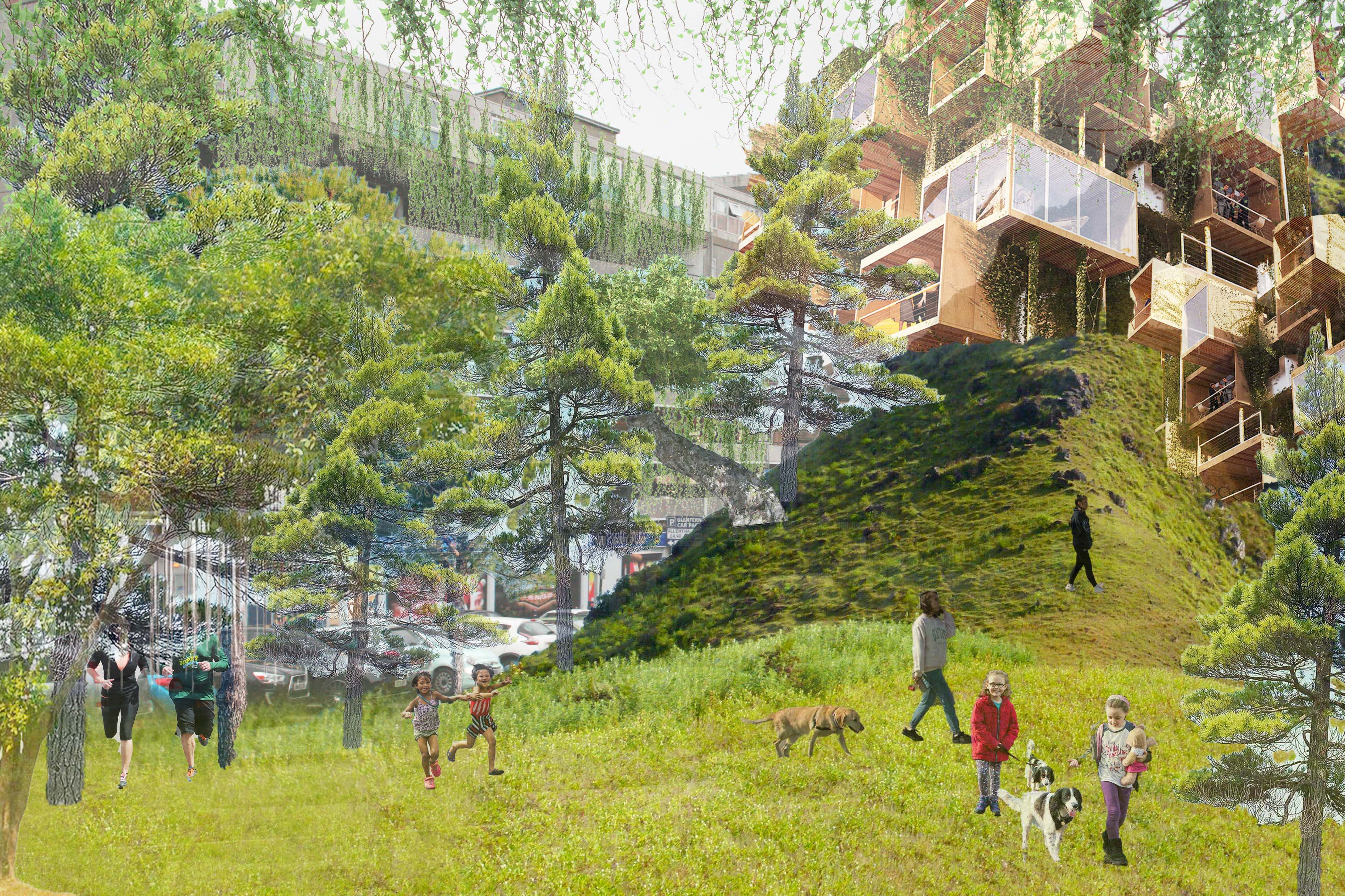
I study the forgotten corners of the city, those transitional zones between architecture and ruins, those interstitial spaces overlooked by planning maps. They are both physical existences and psychological metaphors. My works are no longer a reproduction of the city, but a re-construction of urban experience, a way of re-writing space through materials, volume, and light. Every creation is another inquiry into the proposition of how we inhabit.