

When I first started studying Interior Architecture and Design at AUB, I wasn't really sure which direction I wanted to take – something more specialised in interior architecture, or interior design.
The course offered an opportunity to explore both architectural and design thinking, and I was curious to discover which aspects would resonate with me most. Now, as I approach the final stages of my degree, I've begun to recognise a particular interest in designing spaces around the people who experience them.
Over the course of two-and-a-half years at AUB, I've found my passions drawn quite magnetically towards the vast possibilities of design: championing individual aesthetic identities and moving beyond market trends towards spaces that feel more personal, meaningful and narratively connected to the people who create and experience them.
That isn't to say I haven't enjoyed the architectural side of the course. I've particularly appreciated learning how technical drawings can communicate spatial relationships, and I've found the integration of building services, lighting and sustainable practices fascinating. I've always been a practical, do-it-yourself person, so understanding how these elements work – even the aspects some might consider less exciting – feels useful not only for a future career, but also for everyday life and a greater appreciation of the spaces around us.
I'm also drawn to architectural structures with organic forms, intricate detailing and carving. There's something fascinating about seeing a structure that seems incredibly complex to draw or construct in real life, knowing that it has been brought to life through the dedication of an individual or team. However, I've gradually realised that my strongest interest lies in what happens within a space: how it feels, how people navigate it, whether intuitively or through more directed guidance, and how its design can respond to their individual needs.

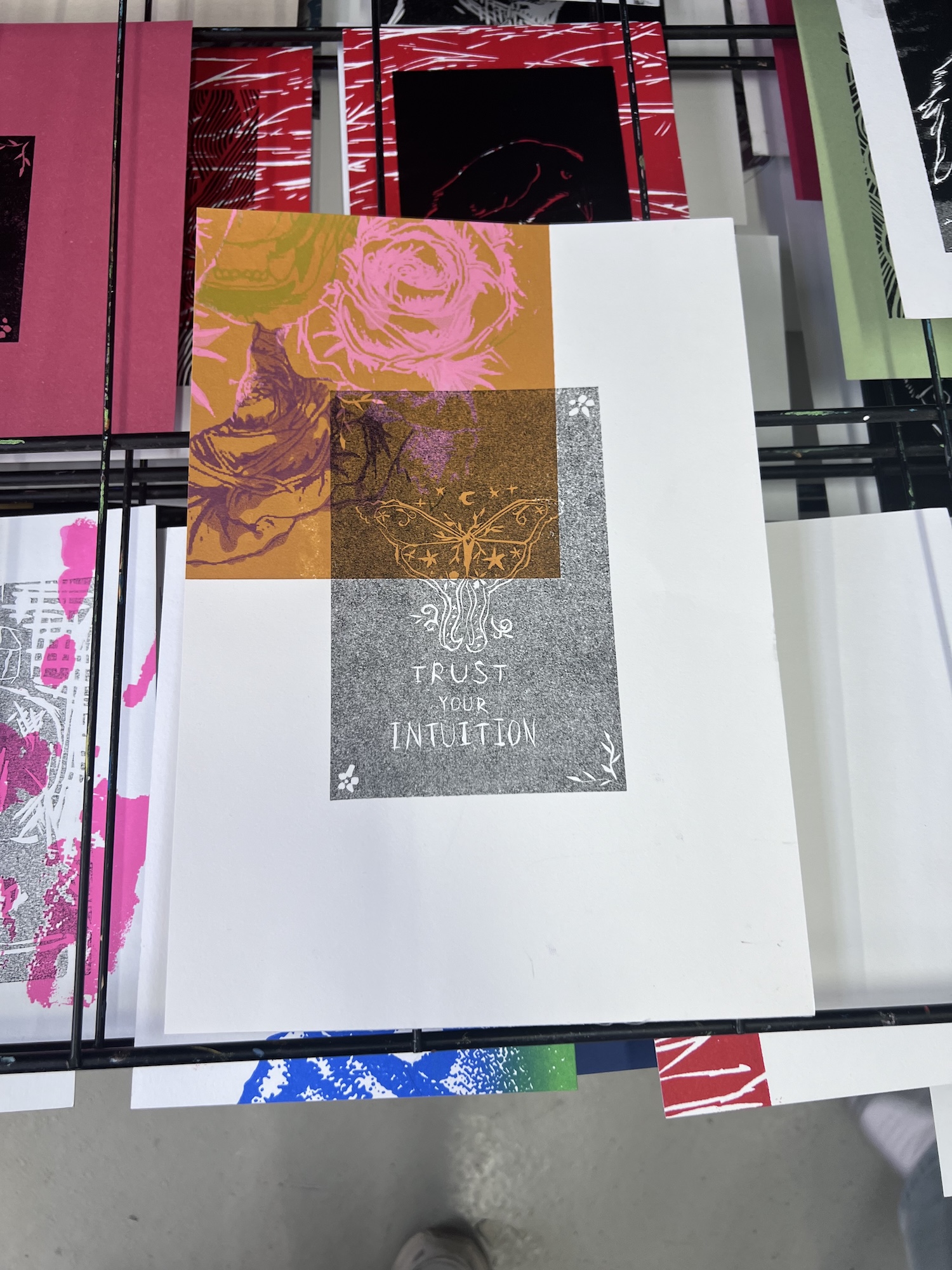
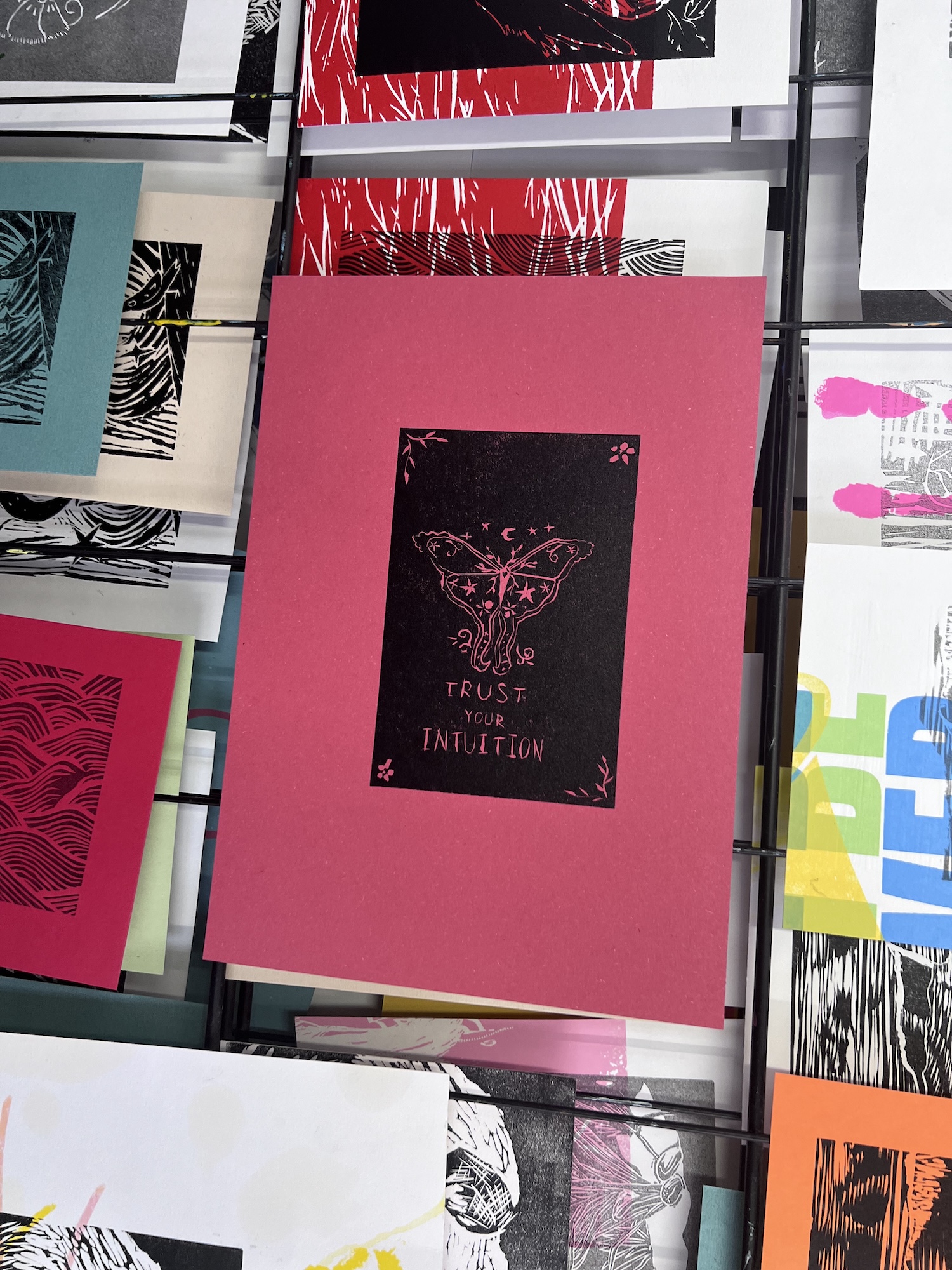
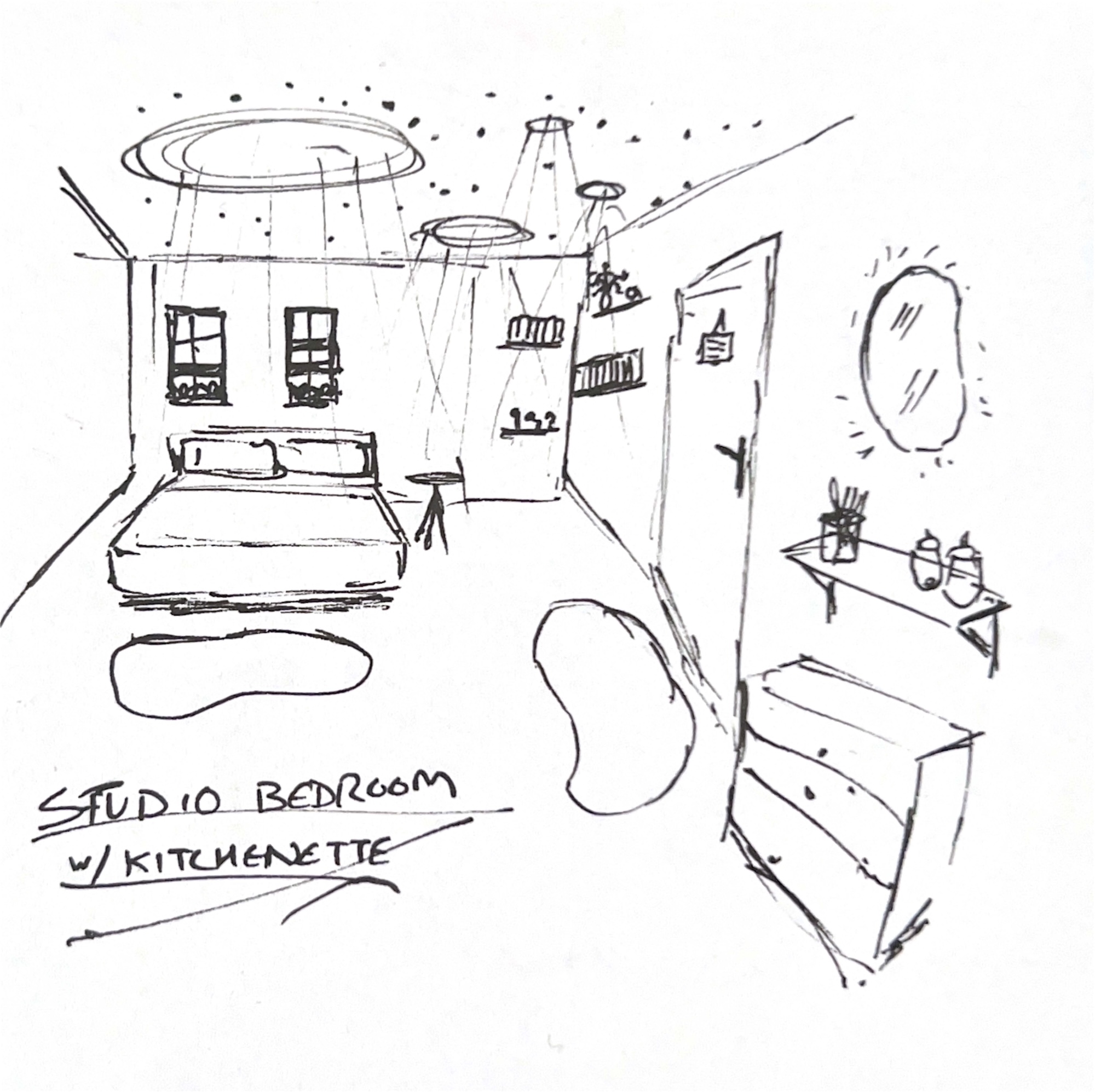
I'm particularly interested in how an interior can tell a story. That might be the story of an individual, a community, a particular culture or the history of a place. I want to understand how materials, objects, lighting, textures and spatial arrangements can communicate something meaningful, perhaps even a little escapist.
Equally, I'm interested in how a space makes someone feel: whether it offers comfort, encourages interaction, supports independence or provides somewhere to retreat. I'm especially drawn to considering people whose needs are often overlooked in the design of everyday environments, including neurodivergent people, older individuals and other vulnerable users. Thoughtful design should give people a fair, comfortable and engaging experience, rather than creating environments they must simply tolerate or endure. For me, successful interior design should consider the person experiencing it just as carefully as the space itself.
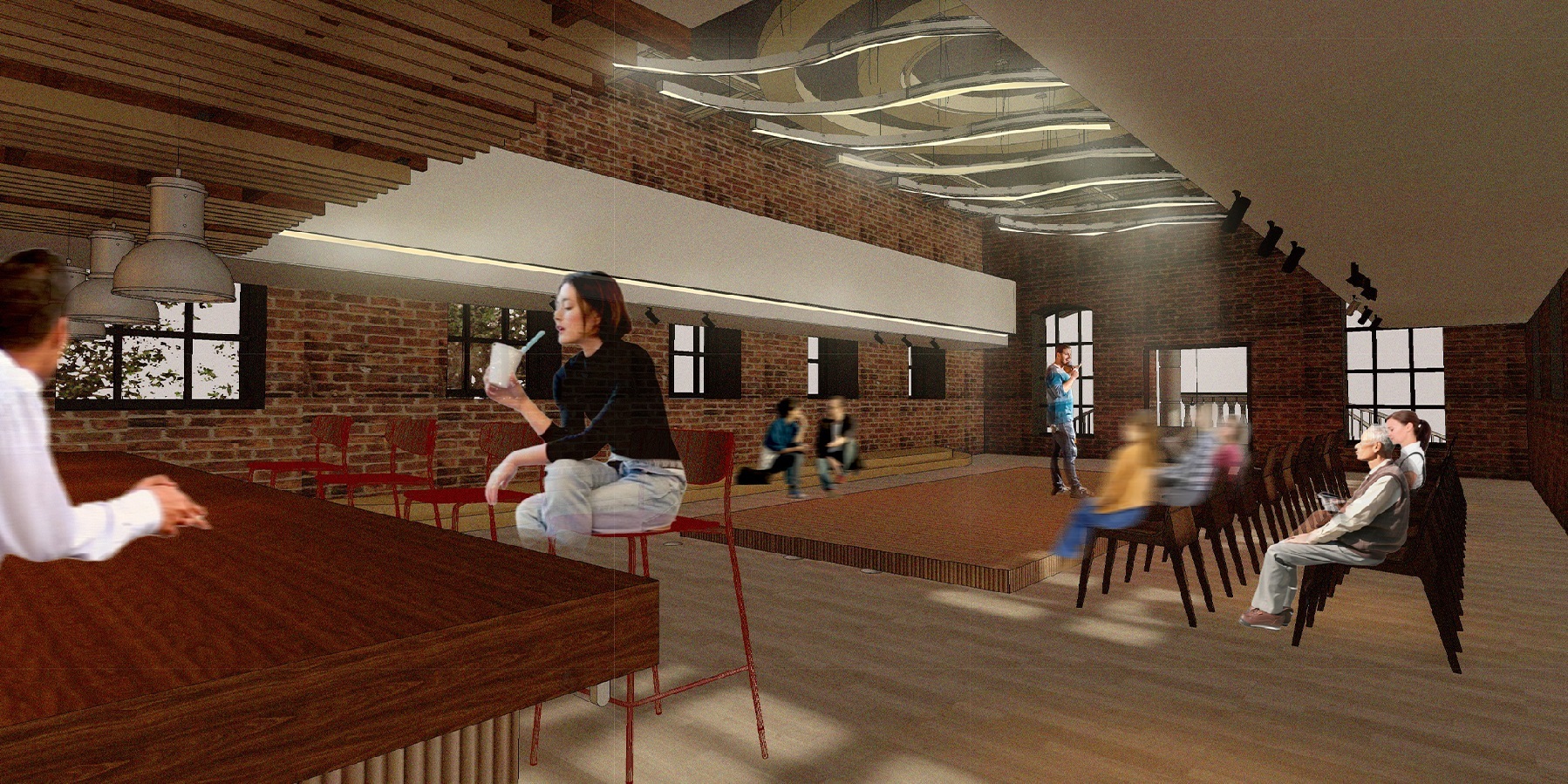
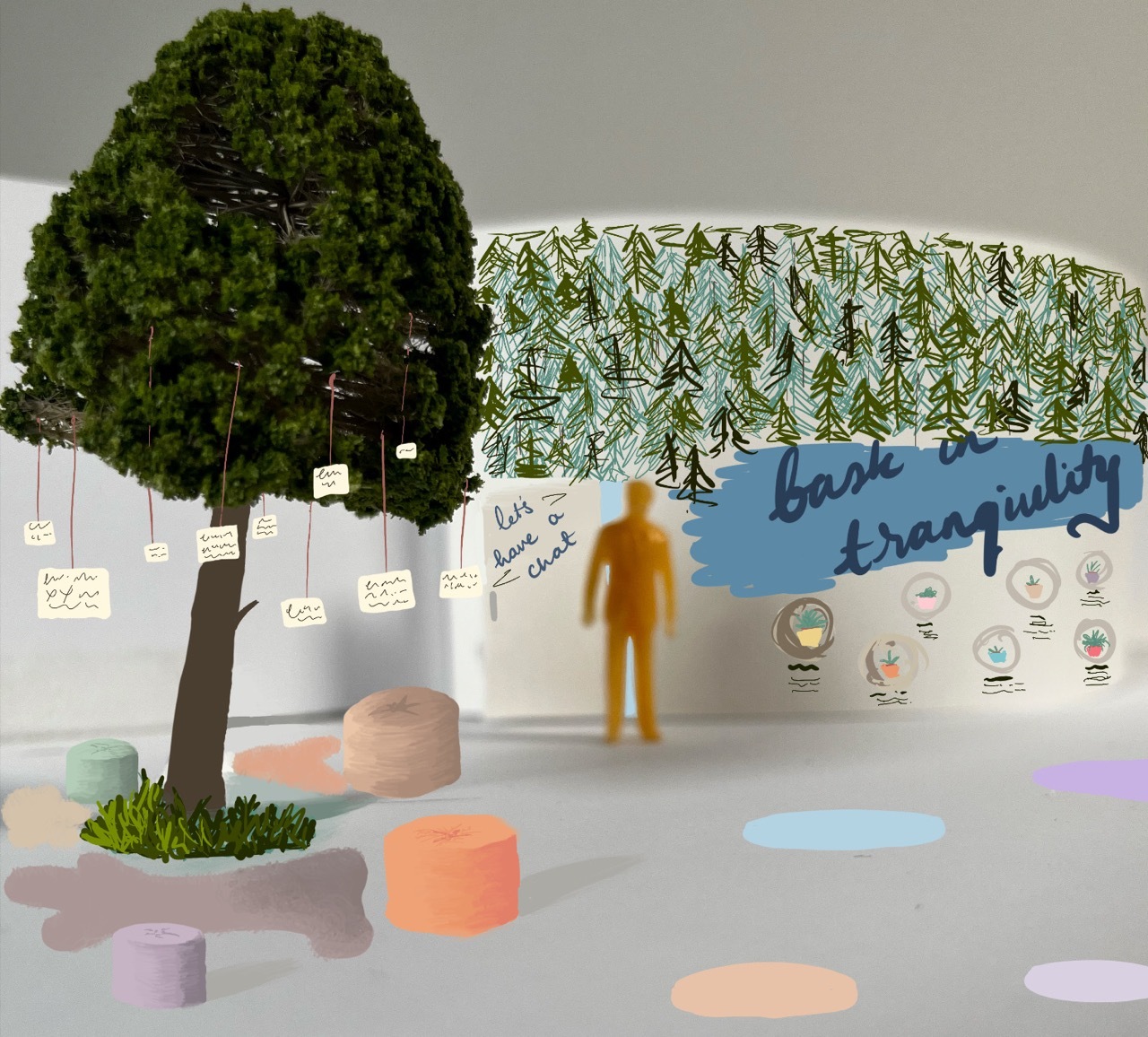
Looking back, I can recognise that these interests have been present in my work from quite early on. In my first-year project, Safe Haven Project, I explored the design of a youth homelessness prevention centre, with a particular focus on vulnerable teenage girls who might be experiencing difficulties at home, social isolation or a lack of belonging. I wanted to create an environment where young people could access counselling, take part in creative activities and games, meet others and find support for themselves and their families.
One of the features I developed was a tree installation where visitors could leave letters of encouragement for one another, alongside walls dedicated to positive messaging, artwork and information about the centre. I wanted the space to become more than somewhere to access a service – it could also encourage connection, reassurance and a sense of community.
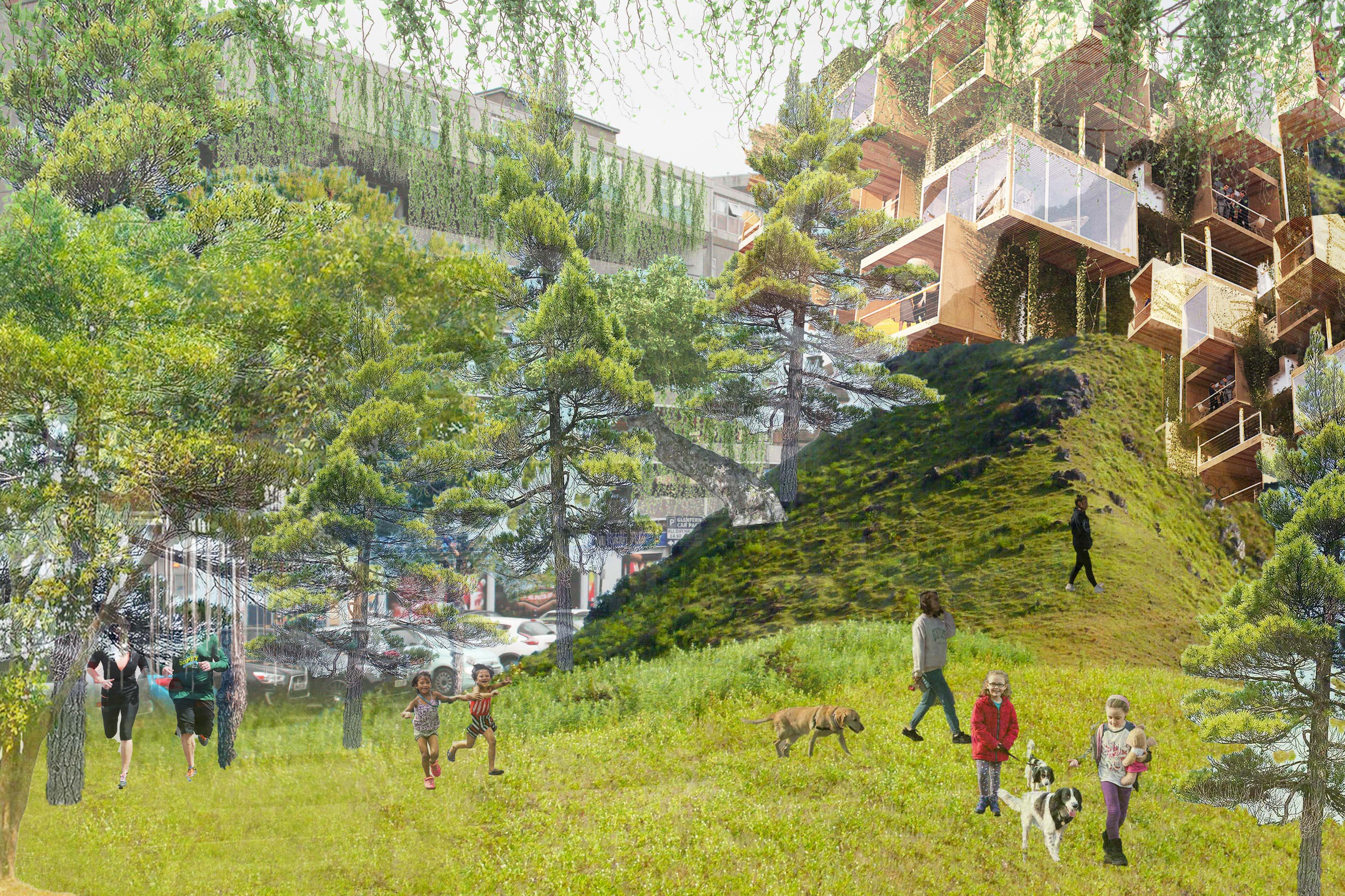
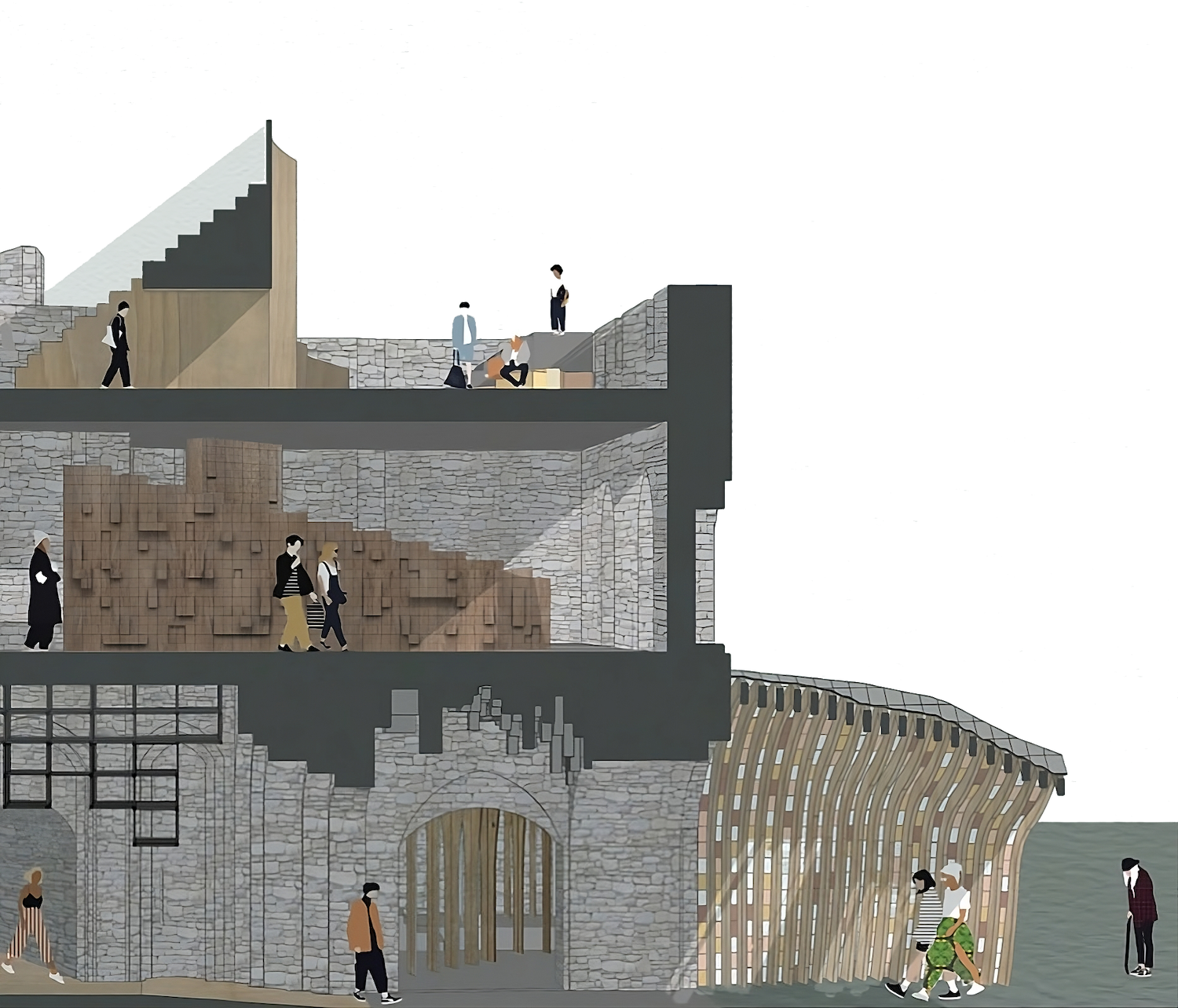
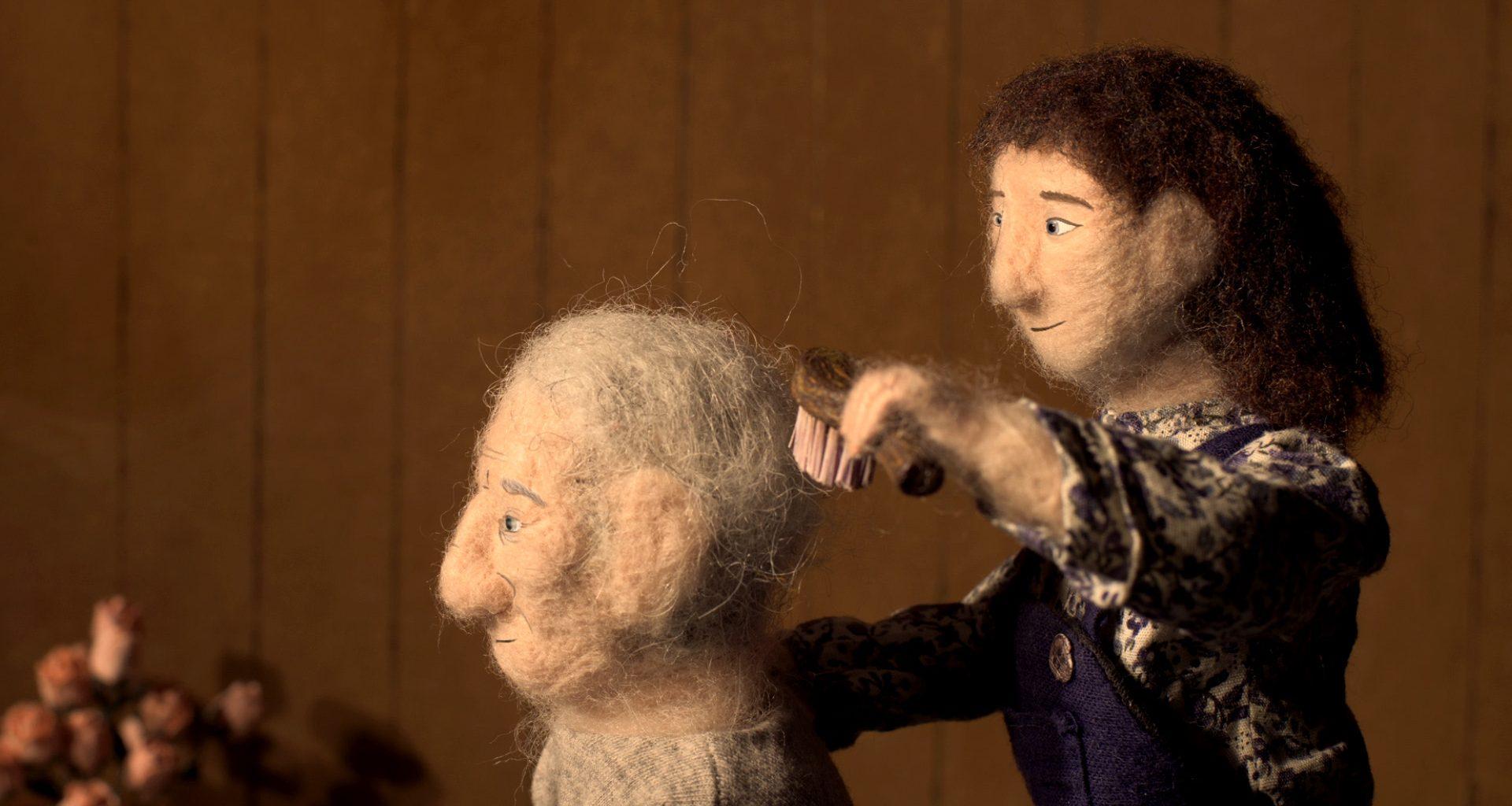
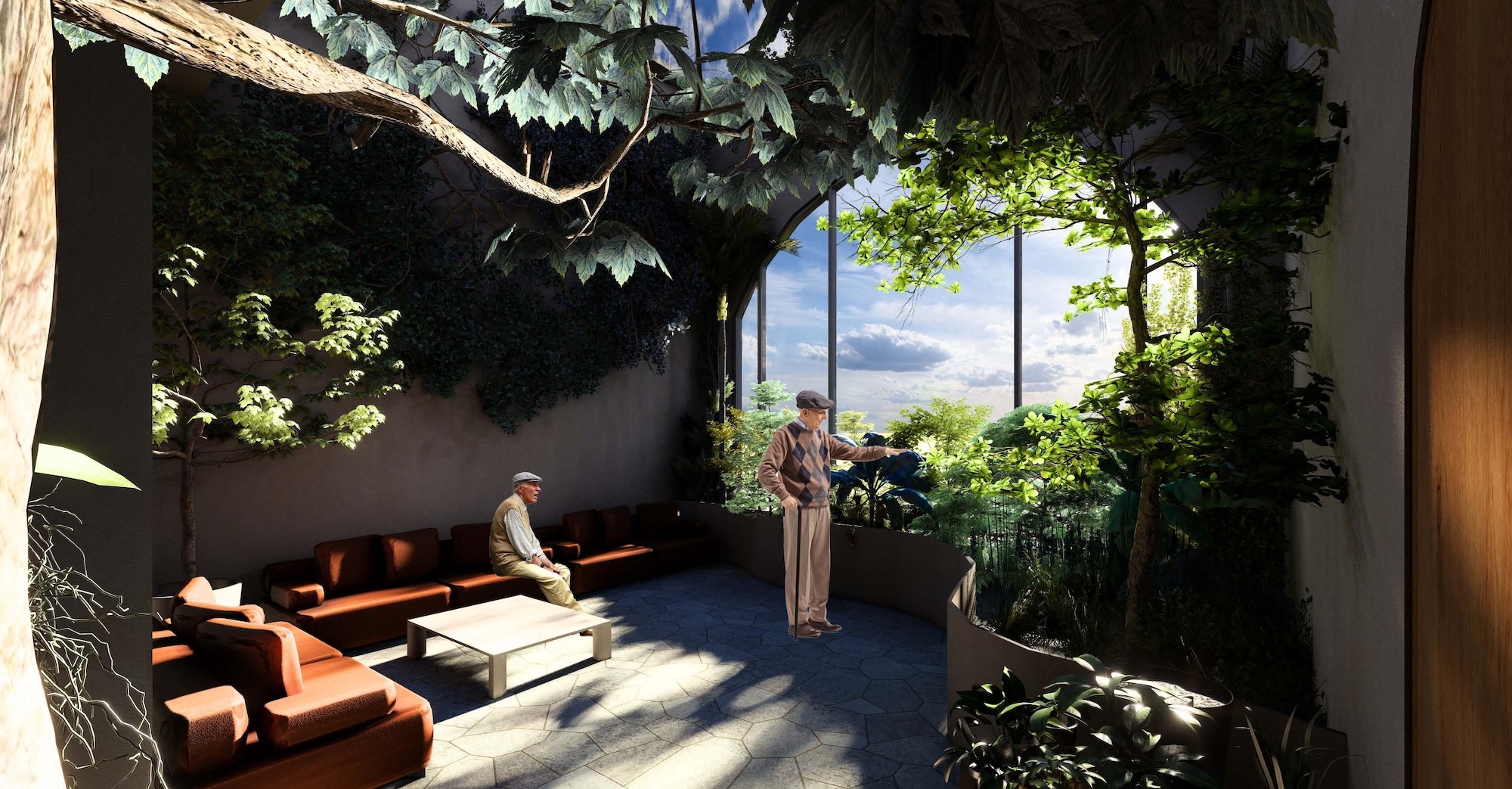
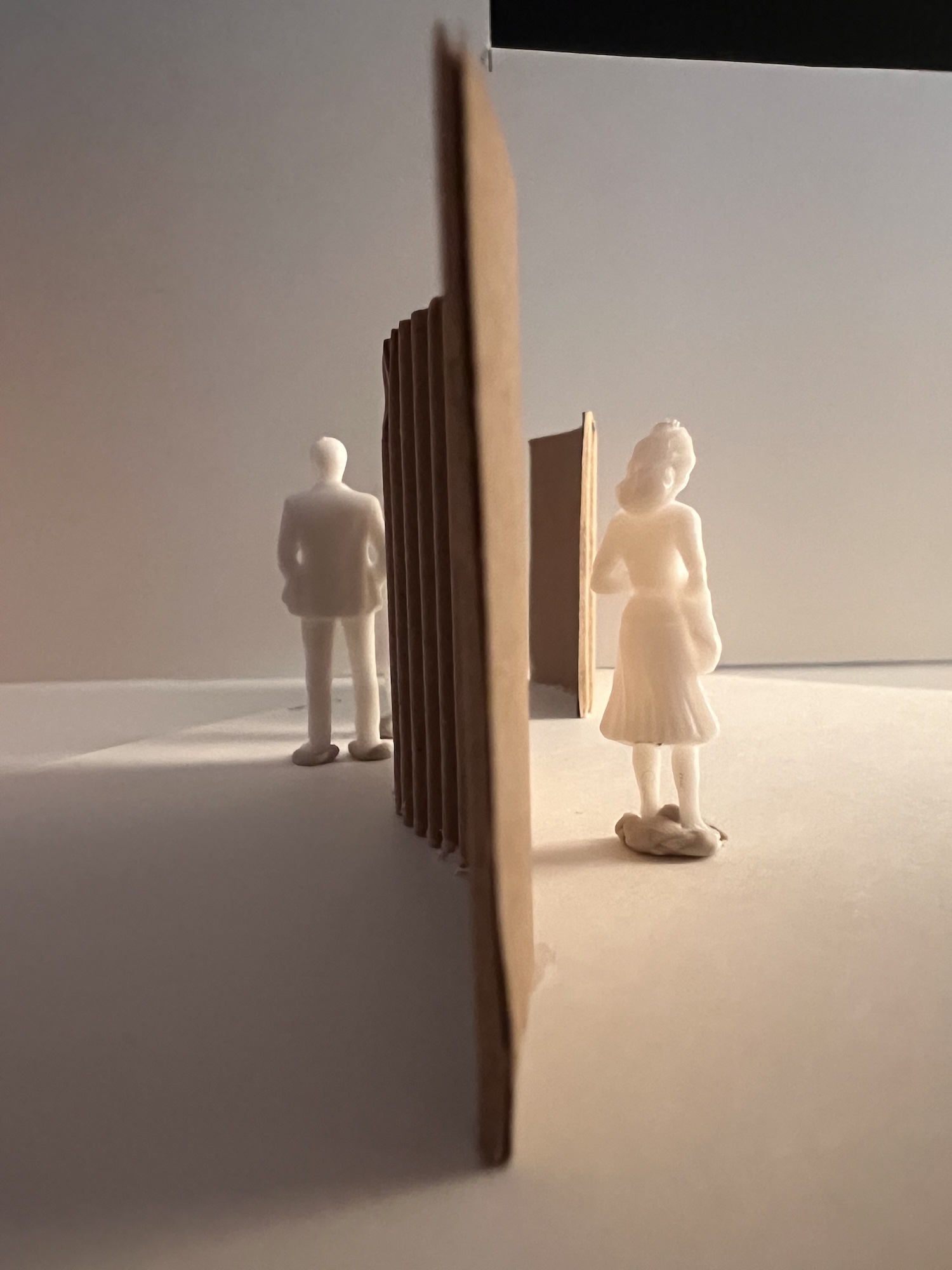
Now, in my final-year project, Poem, I'm exploring similar questions through a different lens. Situated at Hengistbury Head, the project considers how an interior can provide a sense of safety and calm within a more challenging microclimate. I'm looking at how spaces might better support people experiencing sensory changes, particularly older individuals and those living with conditions such as dementia, while also considering neurodivergent users.
Through natural partitions, intuitive wayfinding, tactile creative activities and quieter spaces for reflection, I'm exploring how design can encourage independence, connection and reassurance. Although the two projects address very different circumstances, both have encouraged me to consider how environments can make people feel understood, supported and connected.
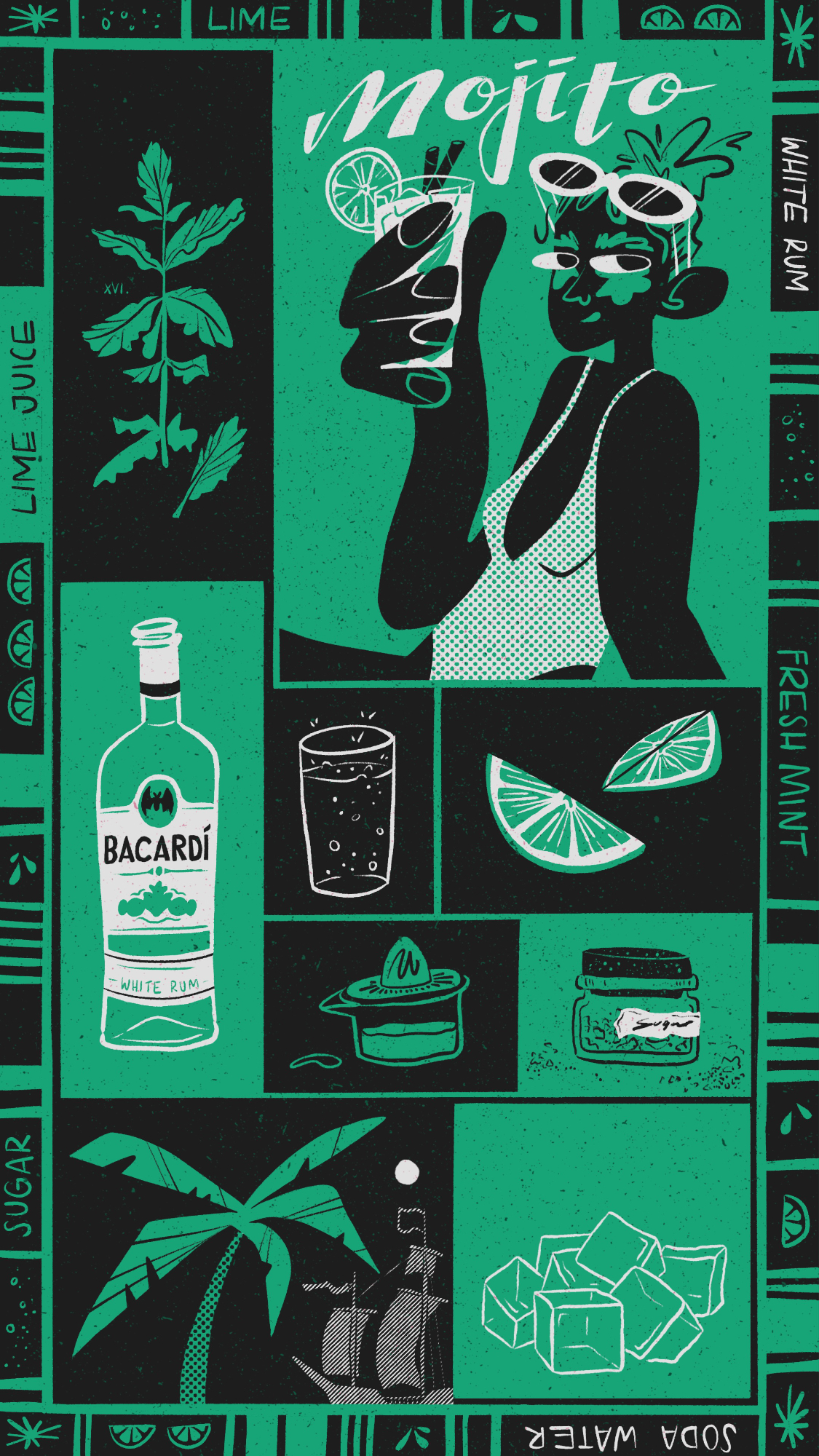
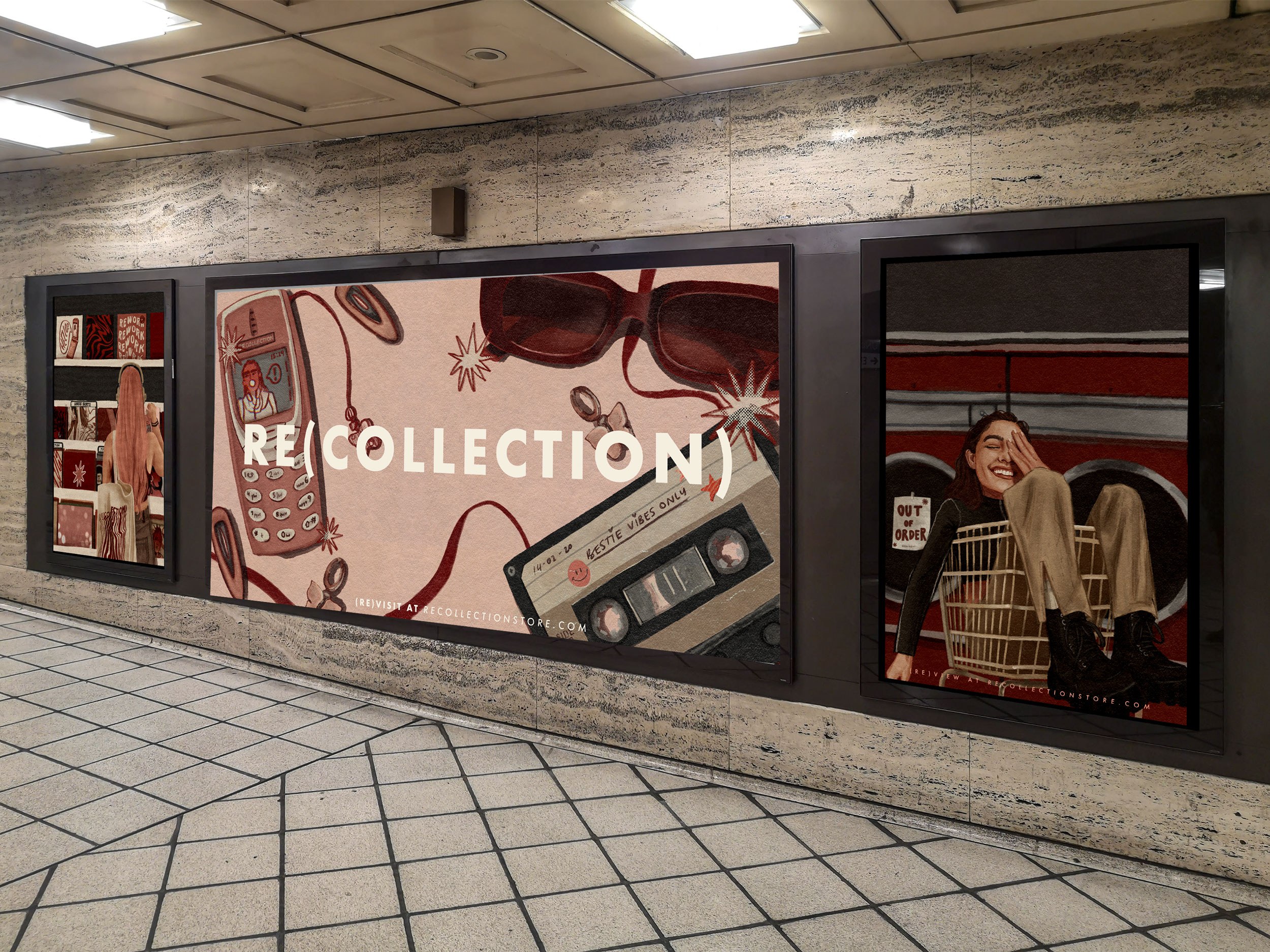
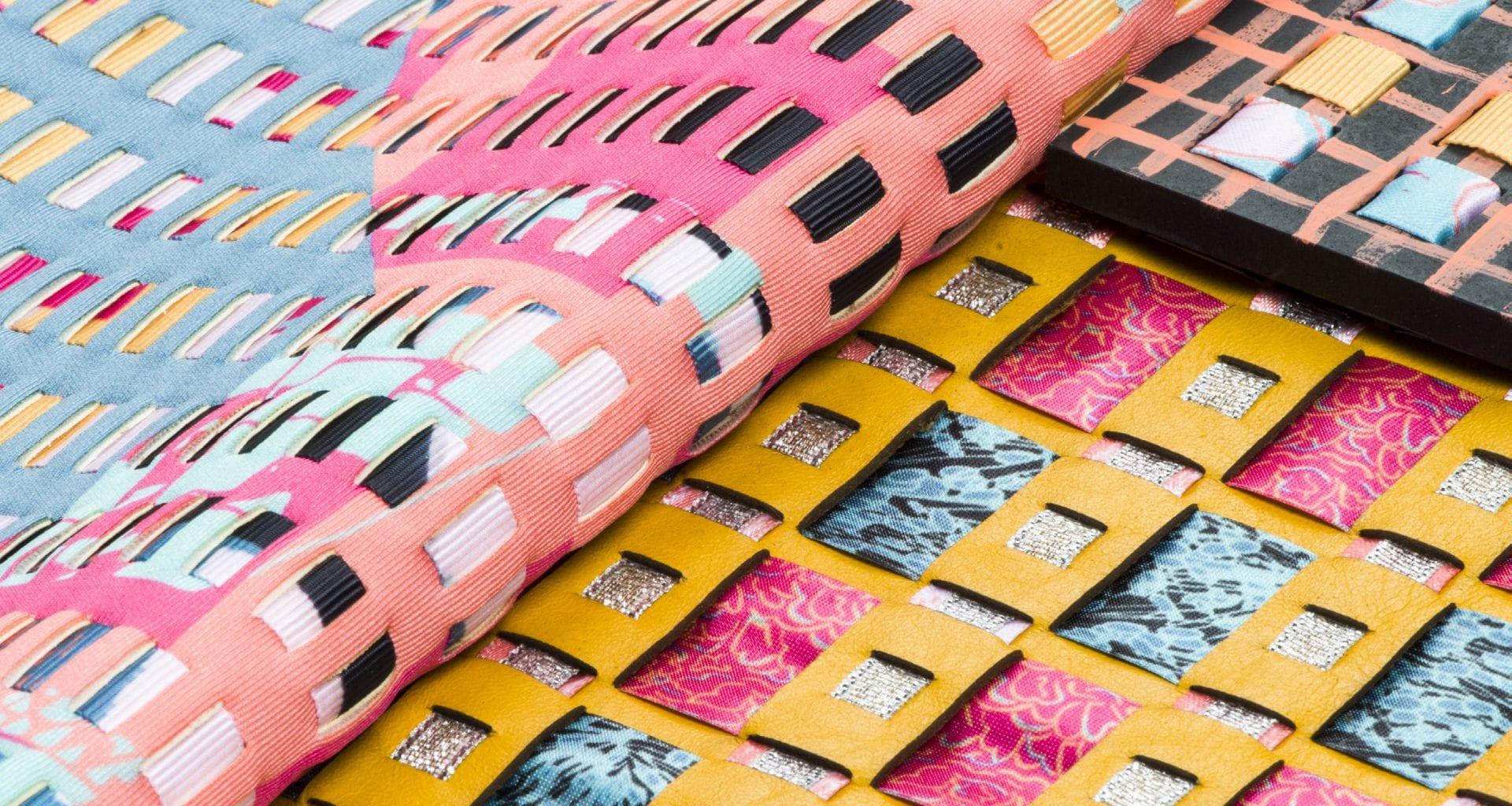
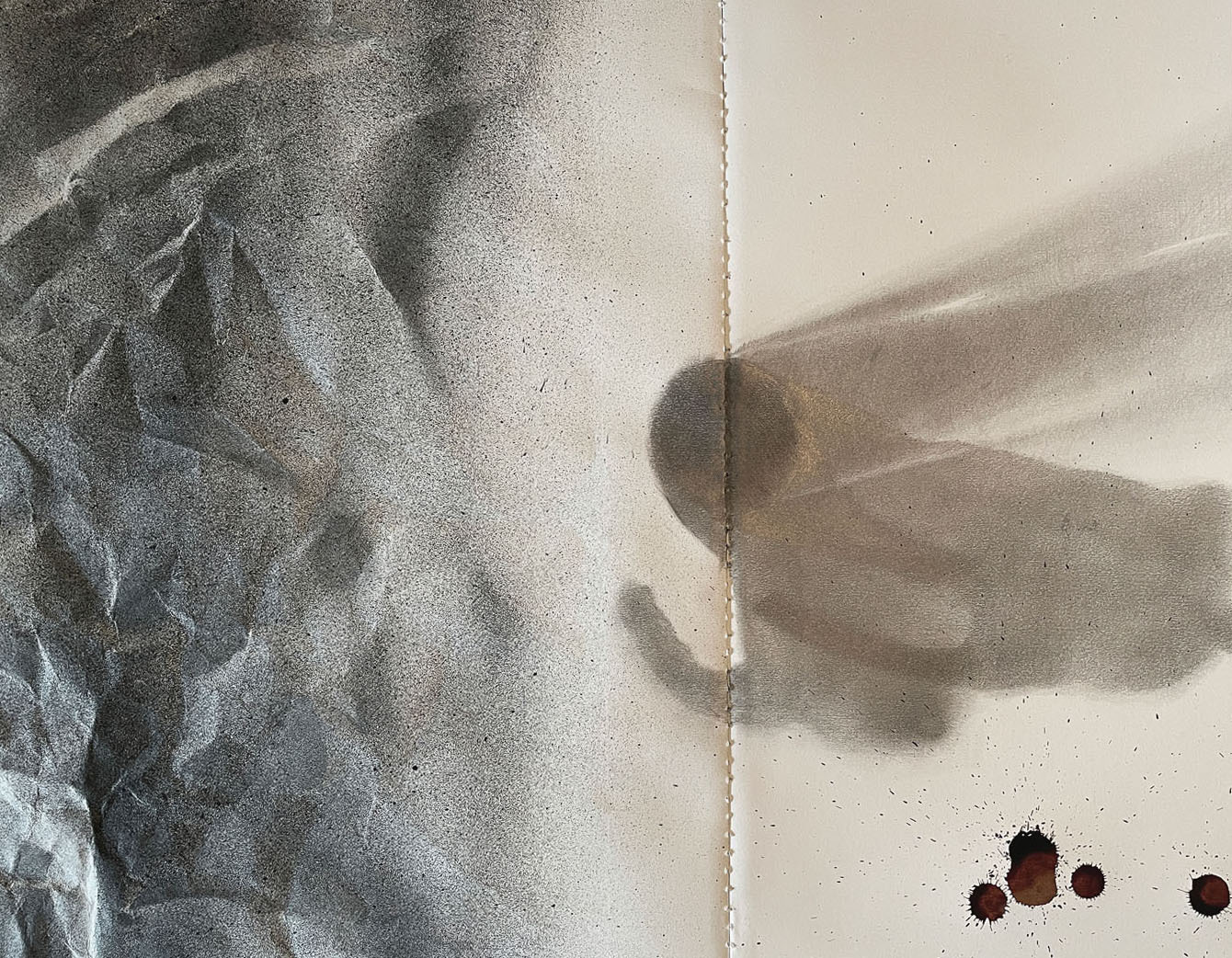
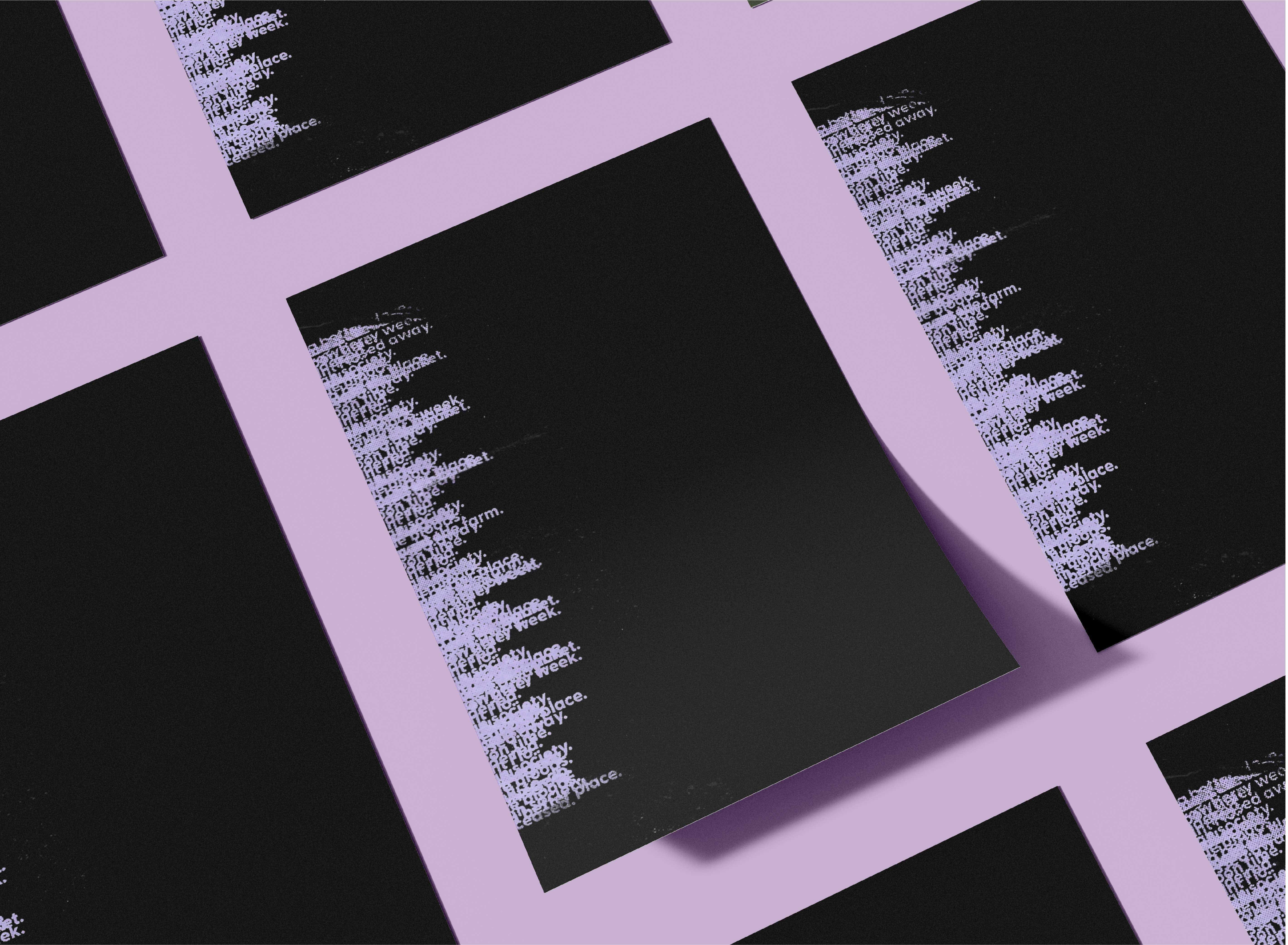
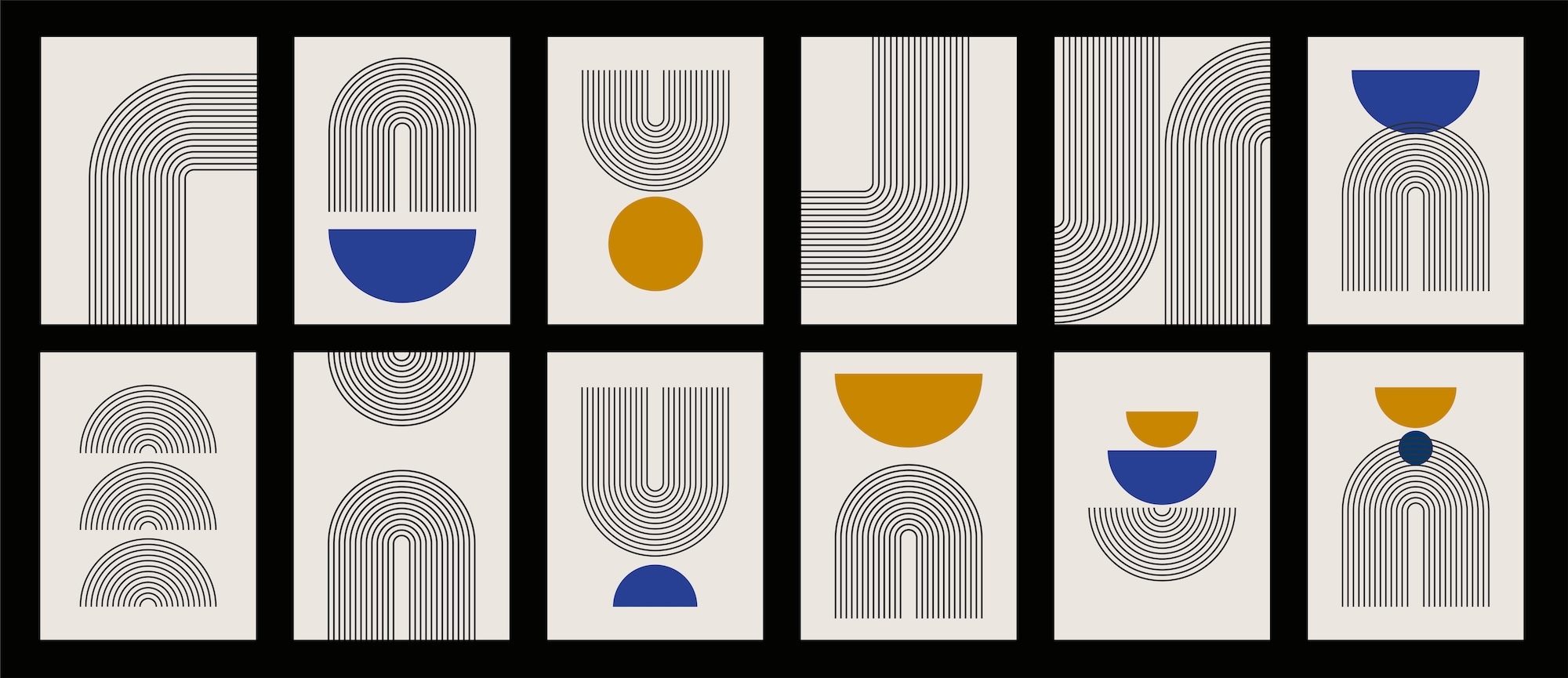
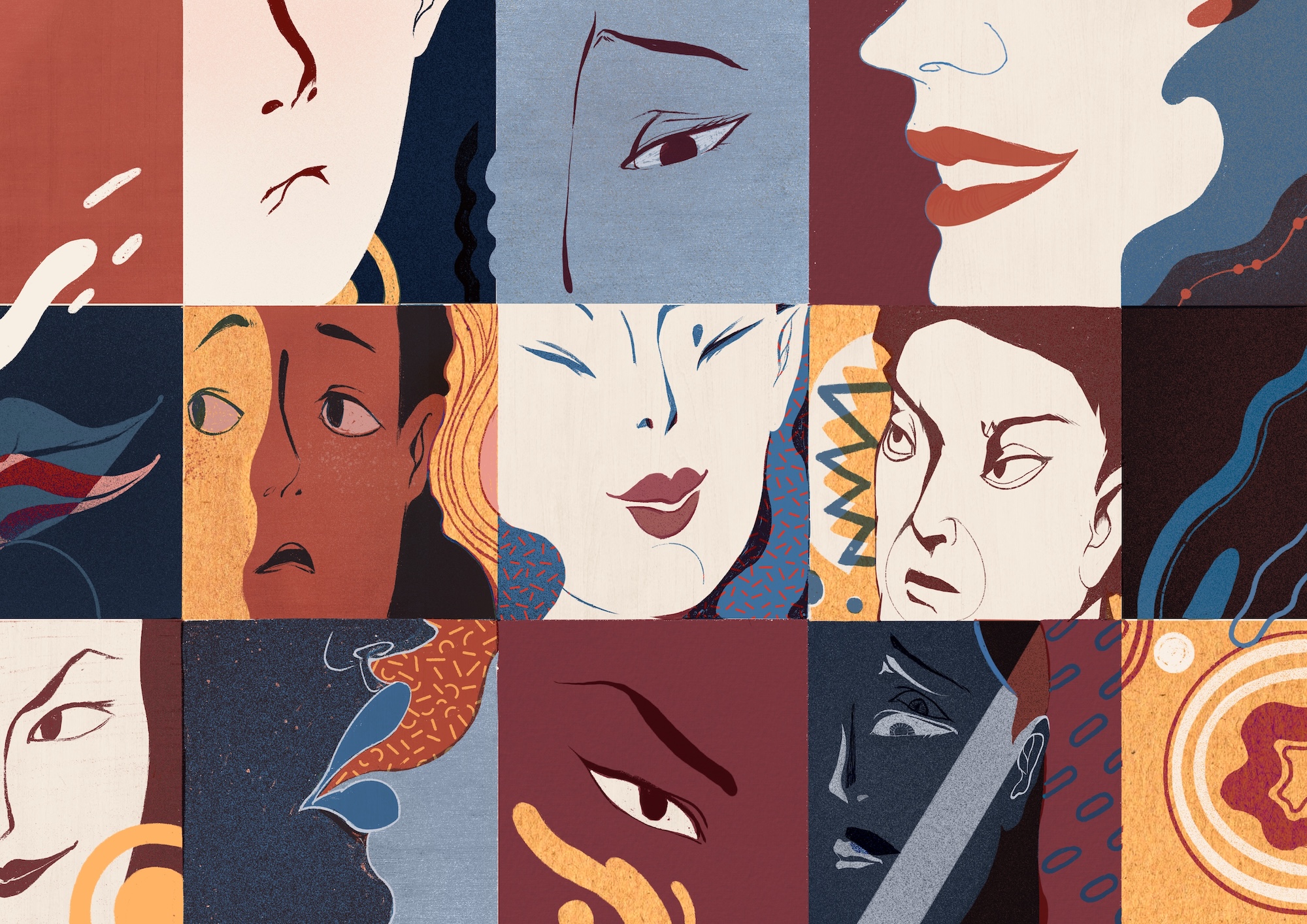
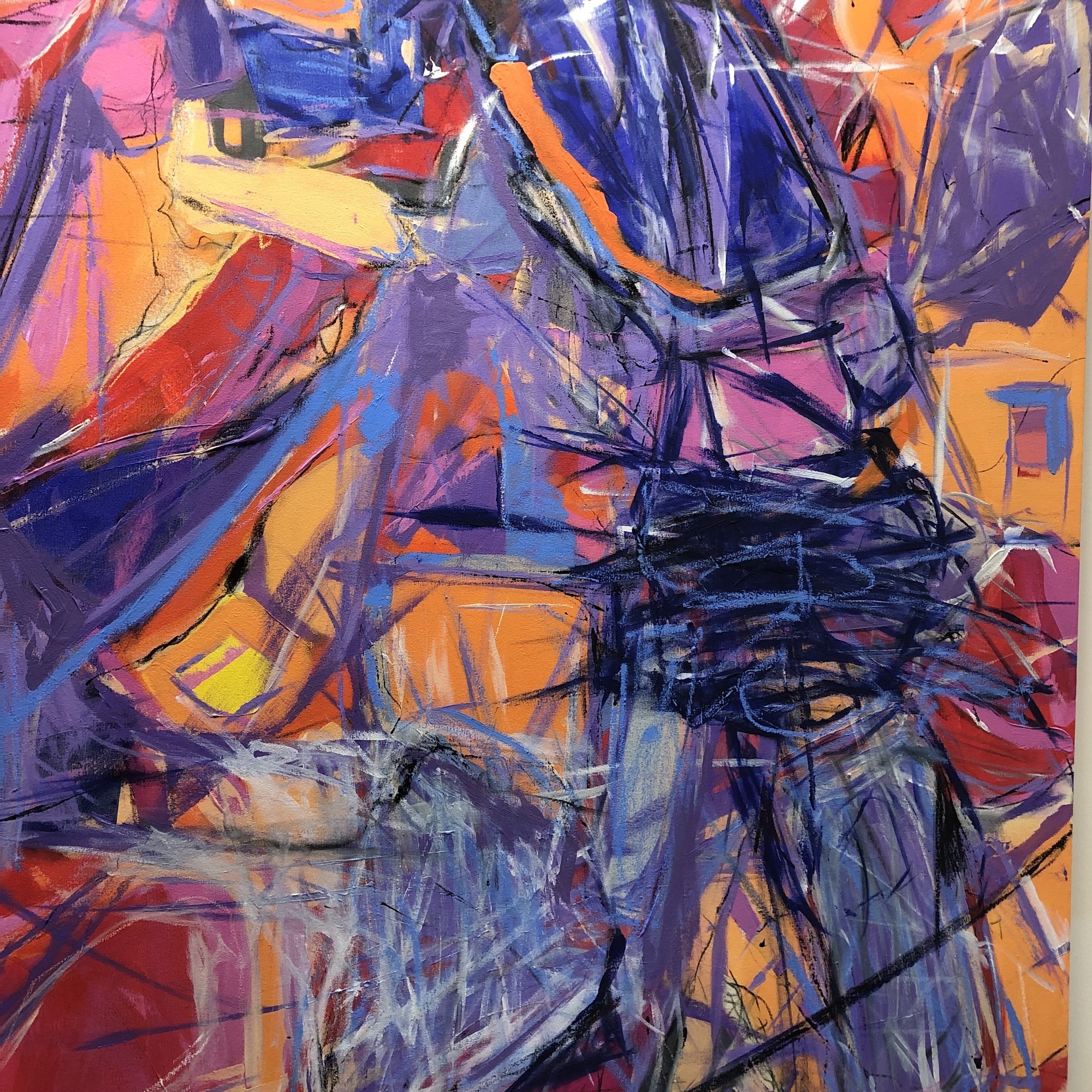
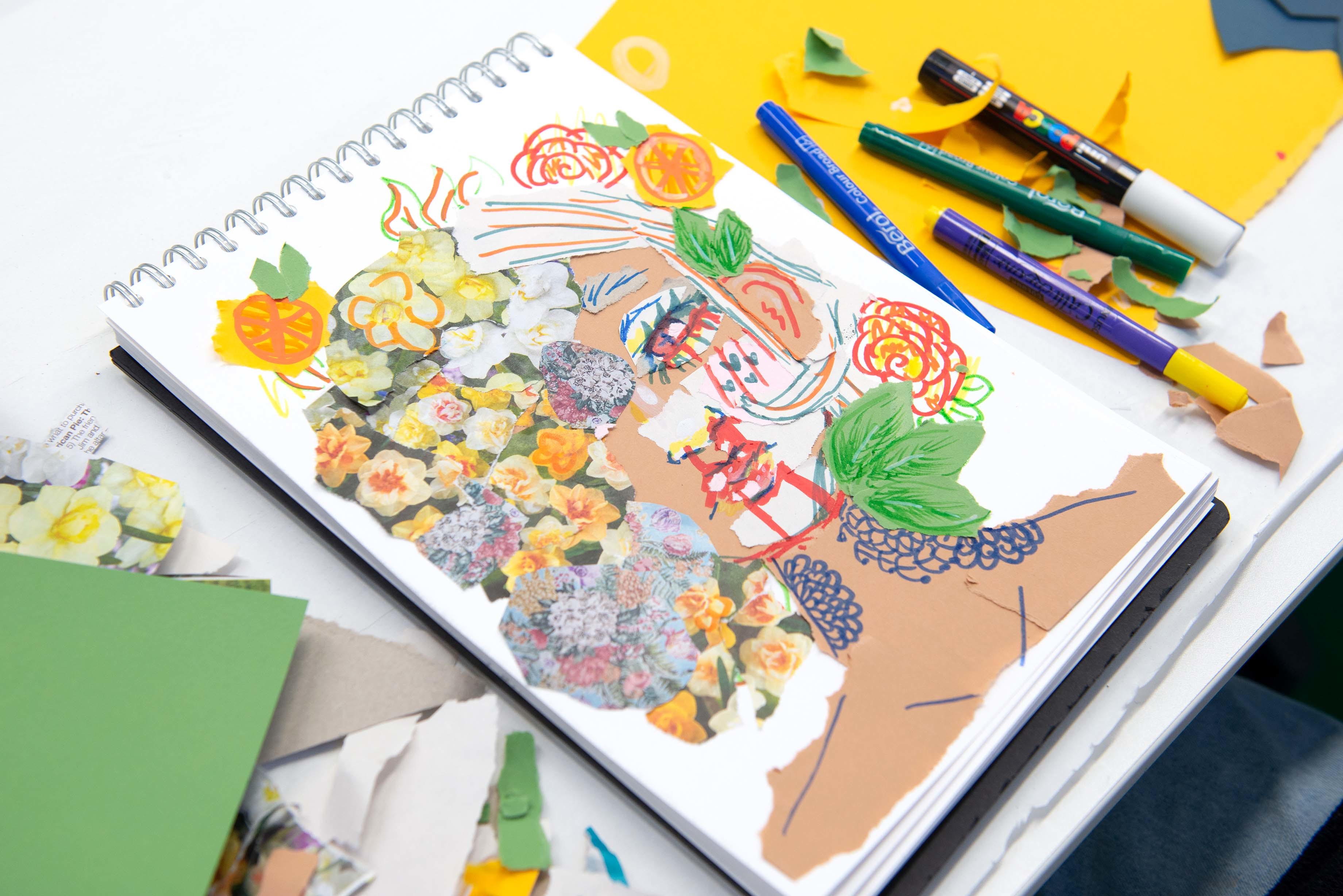
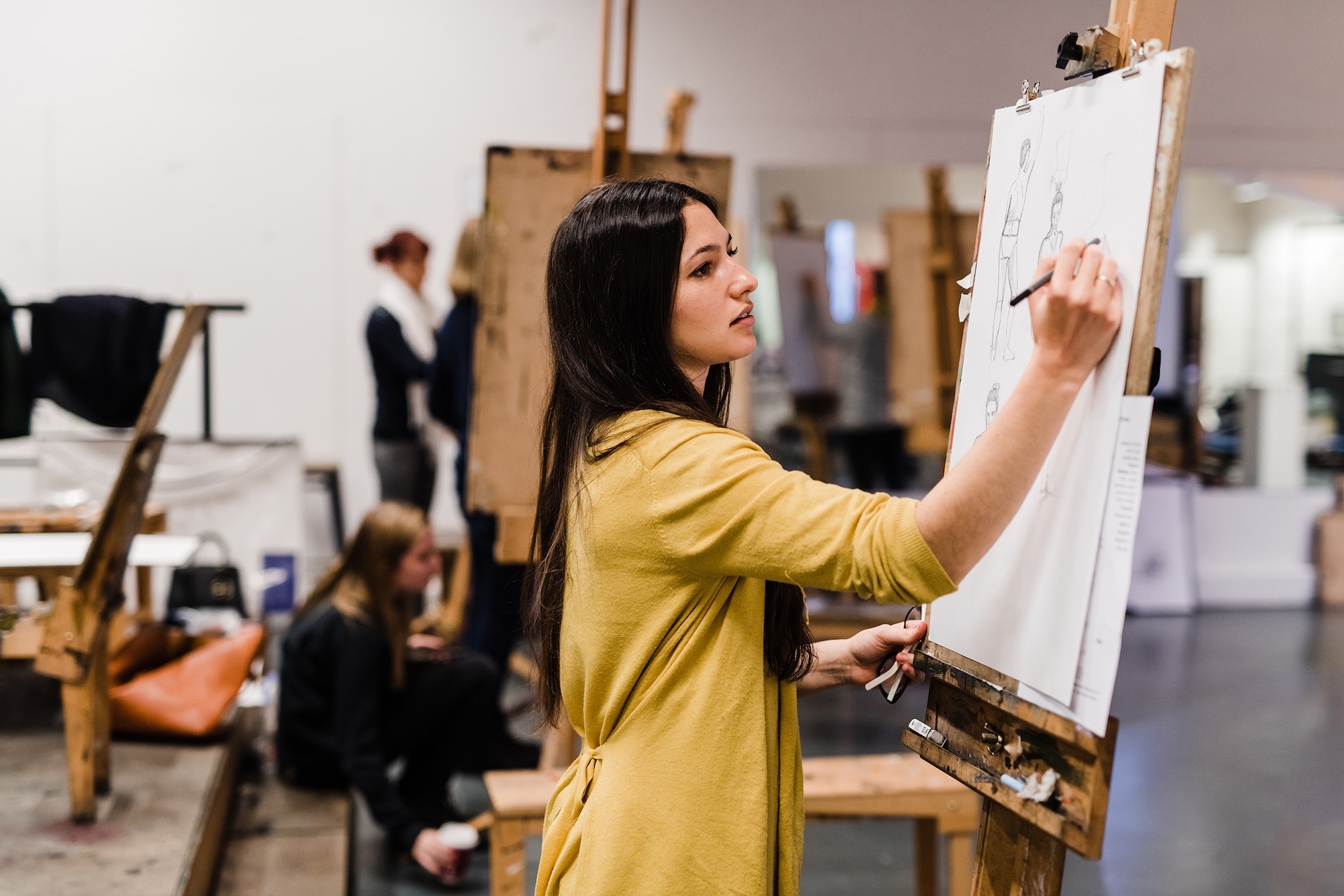
Another important part of my creative direction is the opportunity to bring more hands-on making into my work. I've always enjoyed illustration and traditional forms of artwork, including painting, sketching and collage, which I explored during the earlier stages of my degree as well as long before, back in secondary school. More recently, I've begun developing these interests through printmaking in third year. I've also frequently incorporated illustrative elements into my interior design portfolios, with many of my visuals being hand-drawn from the very beginning of the course. I've come to appreciate how these approaches can communicate ideas in ways that feel more personal and expressive, while complementing the technical and spatial aspects of design.
I'd love to continue exploring this through other tactile disciplines, such as ceramics, jewellery and bespoke printed pieces. Looking ahead, I can imagine developing a creative practice that brings together spatial design, illustration and more hands-on forms of making, while creating opportunities to engage with and showcase the work of independent makers. I'm still discovering exactly what this might look like, but the possibility of working across different creative disciplines is something that genuinely excites me. I don't necessarily see my future as being confined to one particular area, and I'd like to keep exploring how these interests might complement one another.
I don't think I've discovered every aspect of my creative direction just yet, and that's something I quite like. Studying at AUB has given me the freedom to experiment, question what interests me and gradually understand the kind of designer I want to become. Rather than feeling that I need to fit into one particular category, I'm excited by the possibility of bringing different creative disciplines together and seeing where they might take me.