I had one workshop introducing me to Blender in my first year at AUB, promptly declared that I hated it, and that was that. I would avoid it forever. It was decided.
My third-year projects (which I had full control over) were almost entirely Blender and 3D work.
I’ve heard that this is often how it goes on the BA (Hons) Illustration course at AUB, and I feel a little embarrassed that I seem to be just one of many. But to be honest, as stubborn as I may be, I cannot deny that learning 3D art has actually been really quite fun, introducing me to a whole new world of creating that before had seemed so impossible.
Perhaps being open-minded is the best advice you can offer an illustration student – we are so often encouraged to branch out of our comfort zones, always learning new things about illustration, the current market, and ourselves in the process.
It was during the Convergence/Divergence unit in second year that I contemplated the possibility of trying 3D art again. The unit encouraged us to consider how we could combine different aspects of illustration practices, and I had decided to combine printmaking with 2D animation, with digital 3D art used to compliment my final piece. It was maybe a little ambitious – but, with a lot of determination (and a little dismay) it began.
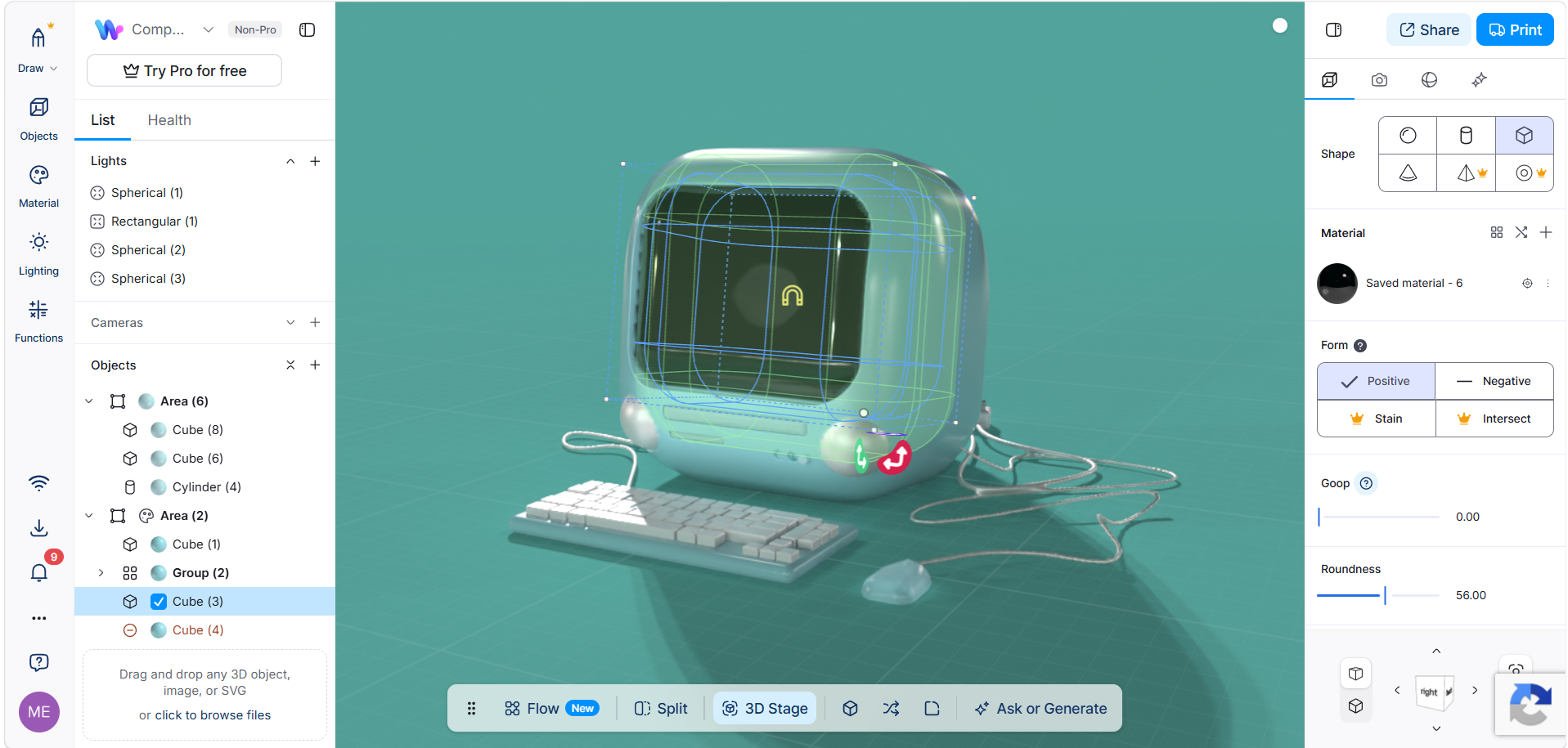
I started off with WOMP – the free software that used simple 3D shapes and user-friendly controls. In terms of aesthetics, this was perfect for my project’s rather boxy, nostalgic replications of 2000s technology. I would absolutely recommend WOMP to anyone vehemently avoiding Blender, since I found it a great introduction to simple 3D modelling.
It was after I had modelled in WOMP that I ventured into the dreaded world of Blender, importing models from WOMP and composing them within an actual scene to start properly animating. I spent quite a long time learning the absolute basics, experimenting with my renders, and learning simple nodes to create a proper scene that brought together all the elements I was aiming to include. I found that it was significantly less daunting trying to learn the general basics of Blender without the convoluted modelling process, and, whilst now favouring Blender (despite how I’ve been describing it so far), I am eternally grateful for my start in modelling with WOMP.
After learning these basics through my second-year project, I took on the task of actually modelling within Blender during third year. I continued with lots of the skills I had learnt during second year – building on my understanding of Blender nodes and growing my animation skills. I also learned the actual Blender modelling tools – and could now create more complex models with these newfound skills. It was really exciting to see how my 3D skills had developed over the span of just two projects – once you get the hang of it, it doesn't seem so bad anymore.
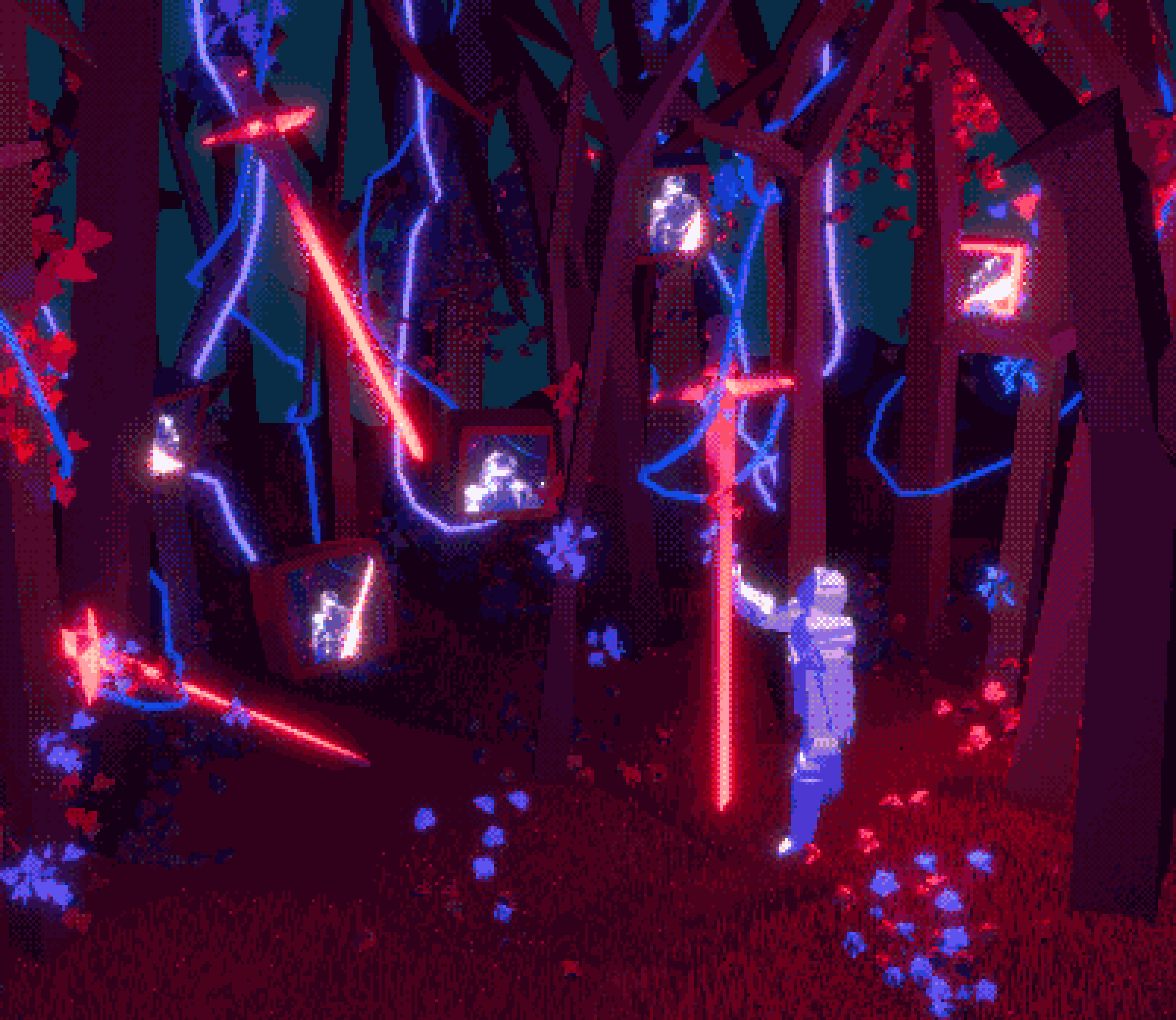
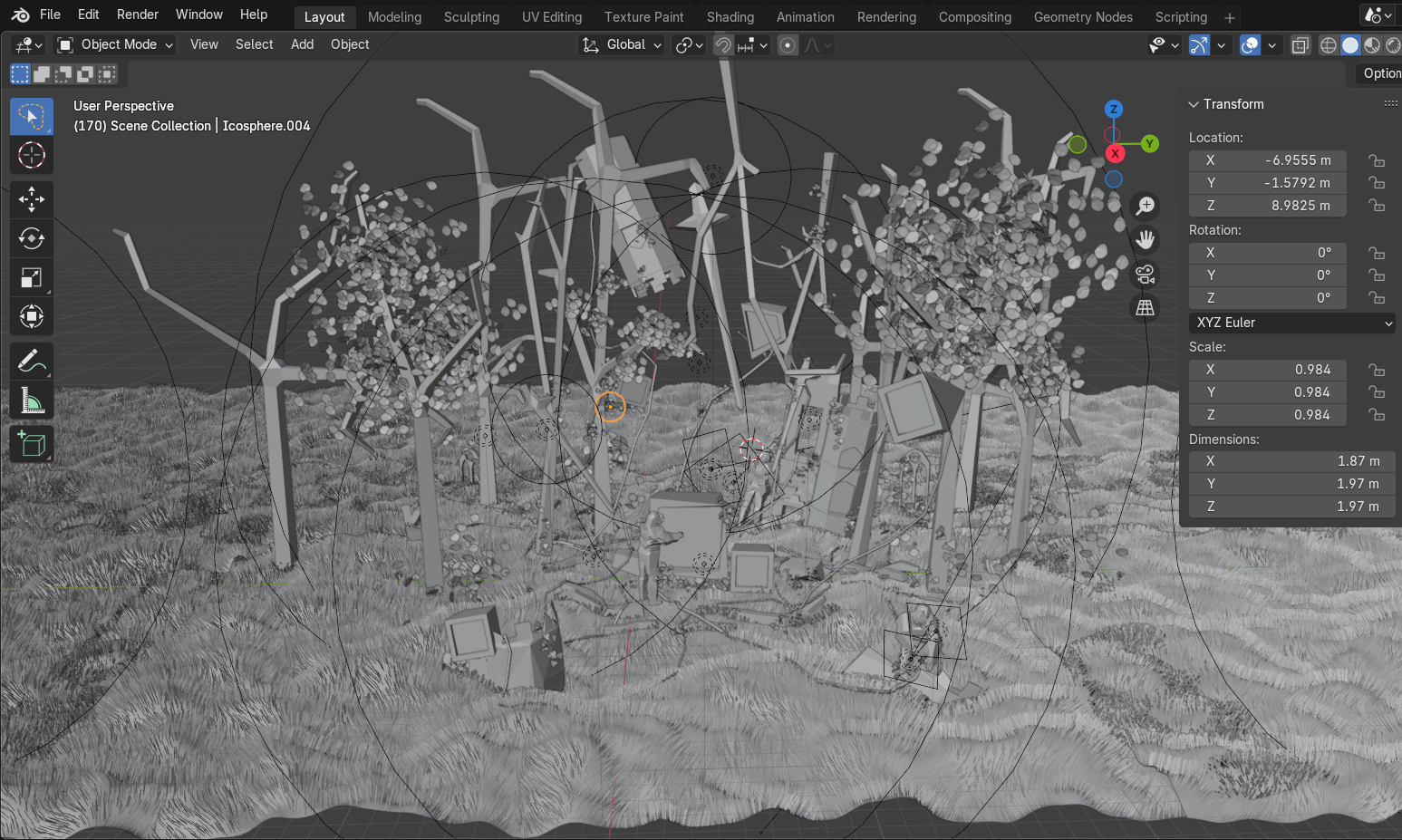
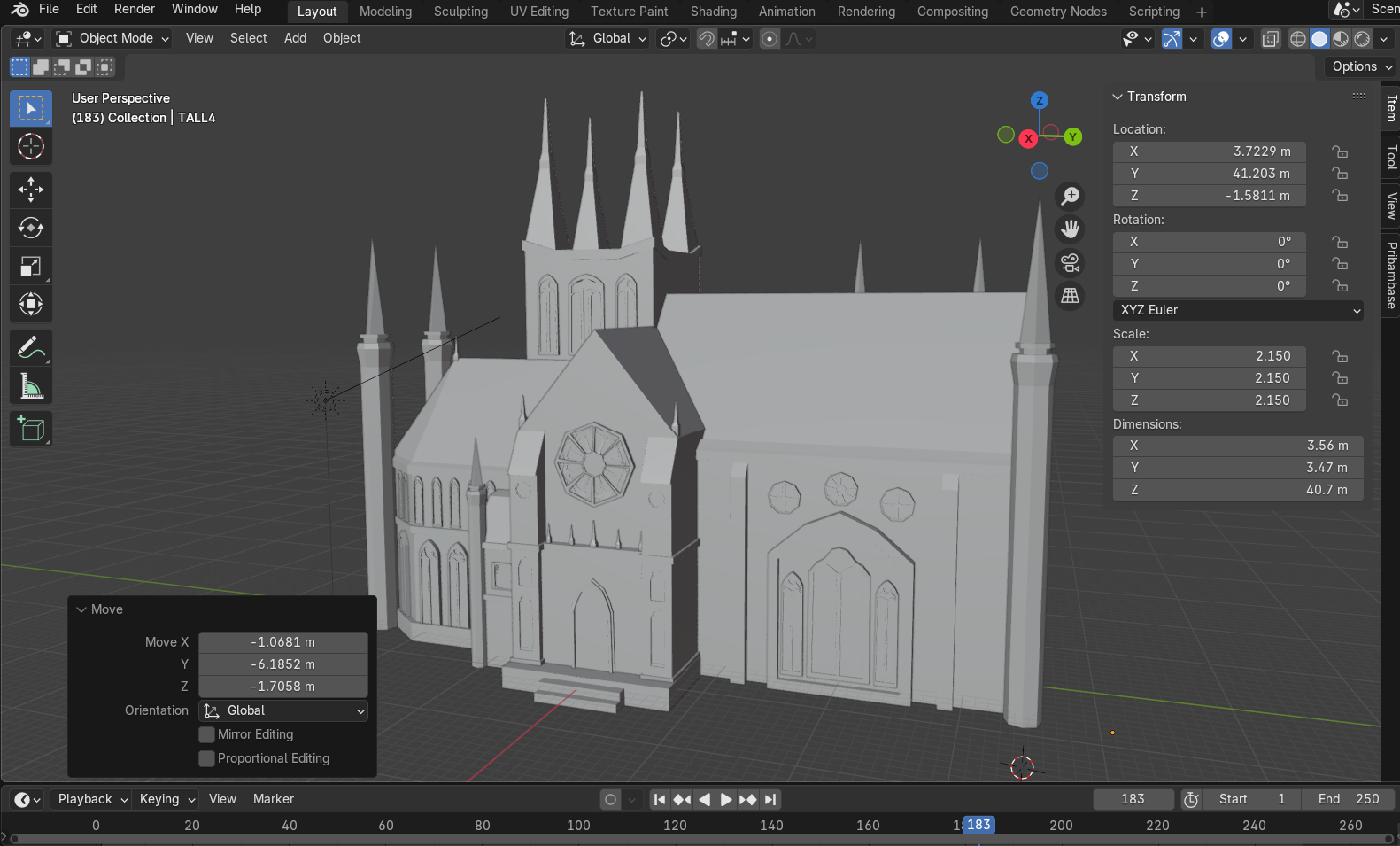
I also decided to rig one of my own 3D models for my pre-major project! It was certainly a challenge to create a skeleton that moved the way I wanted my character to, but seeing my character animation come to life within an actual environment was really exciting! It was also great to hear some feedback in studio practice and my critiques – everyone was very supportive and had some fantastic advice and suggestions for the aesthetic my animations were moving towards. I also found that the challenge of 3D Blender work involved some problem-solving, as I learned to navigate the software as well as the art process.
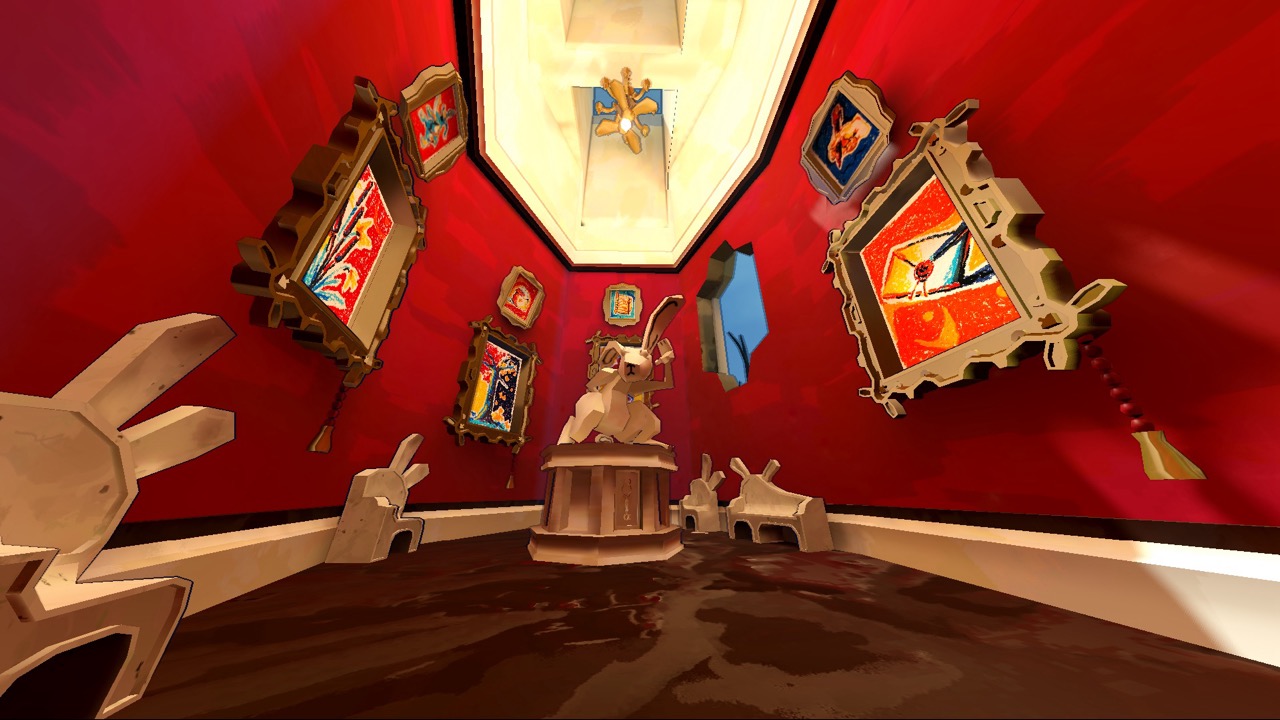
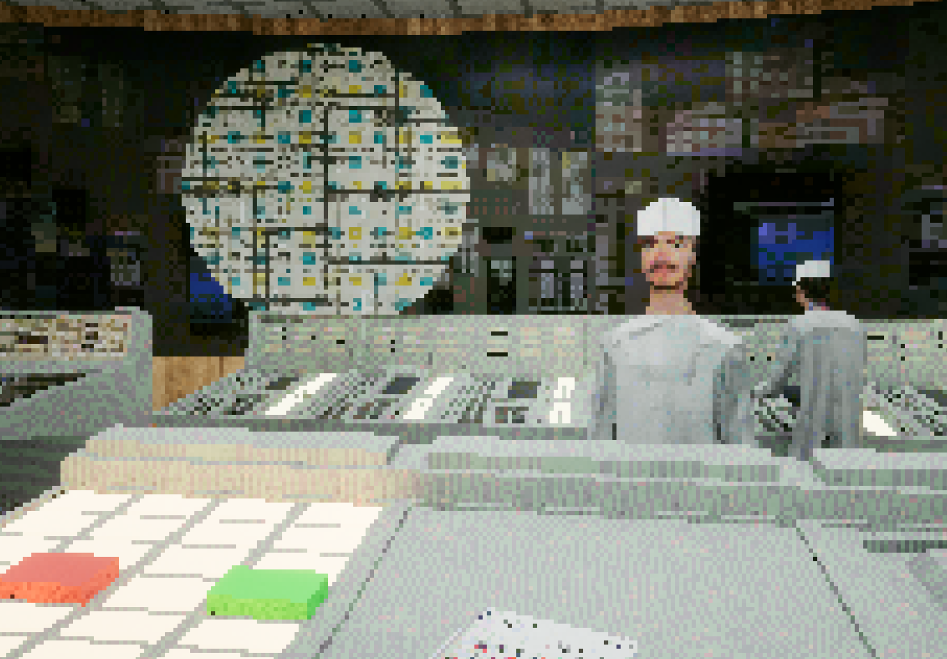
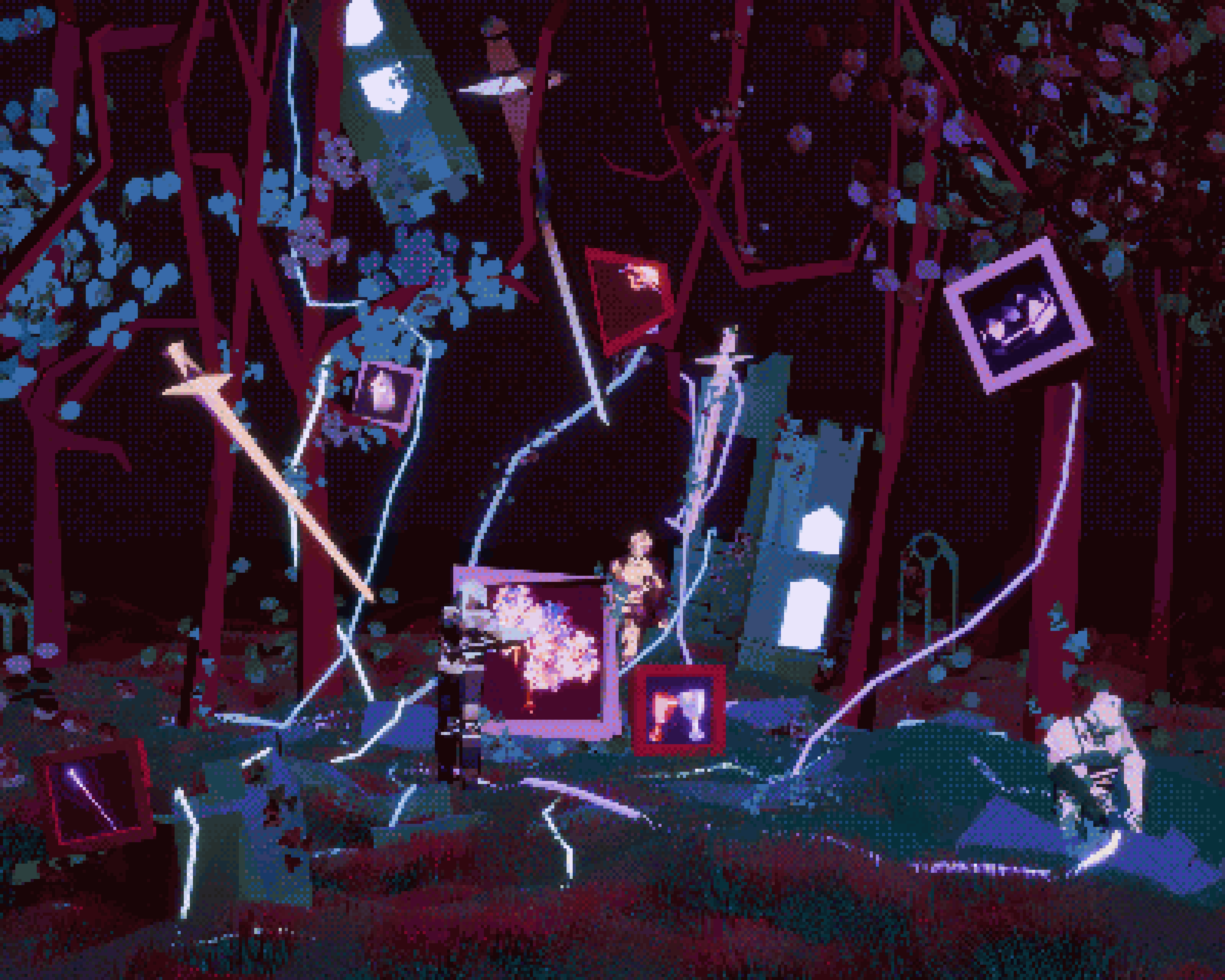
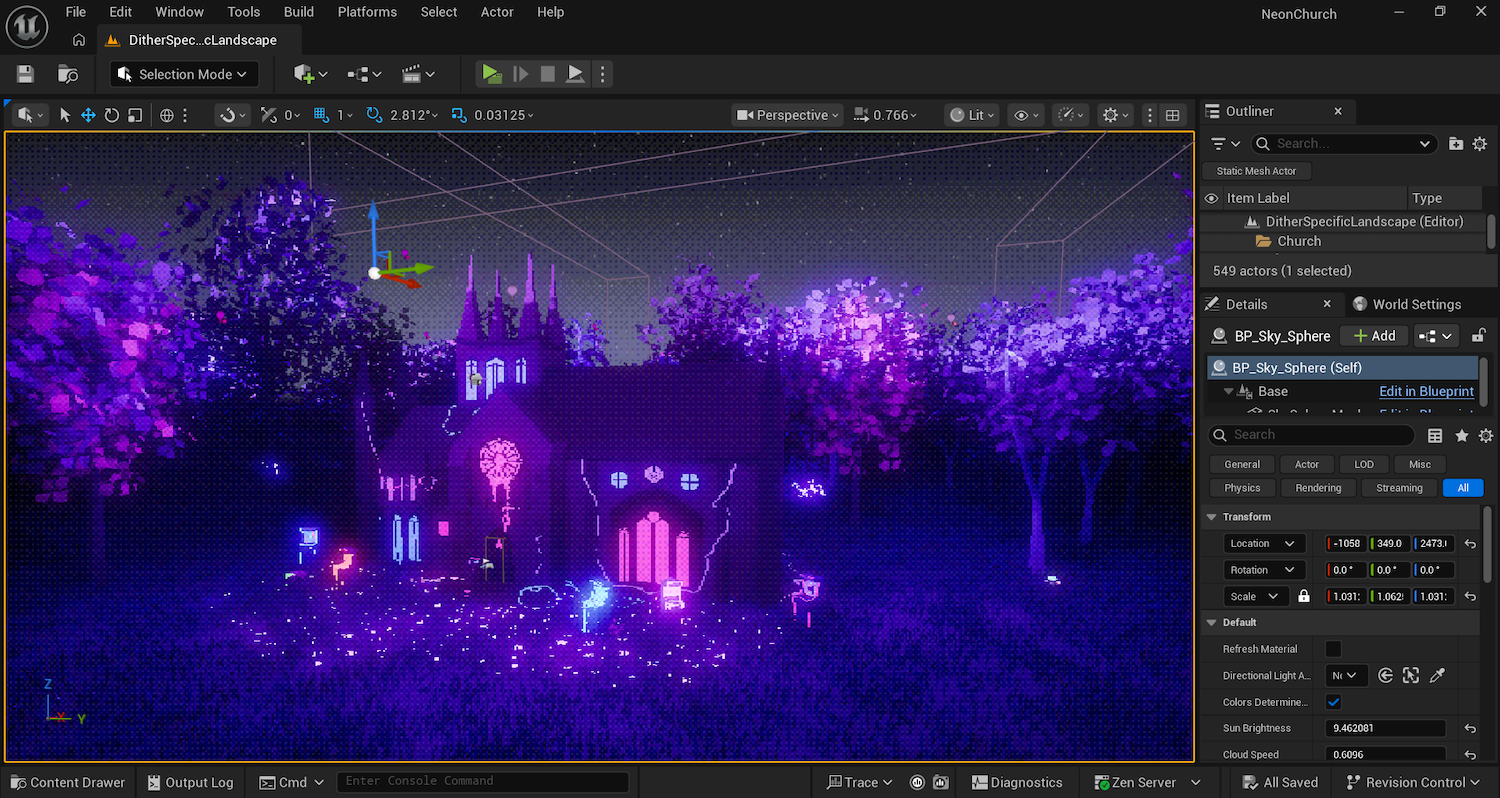
My final pieces from my pre-major project weren’t perfect; with only a few months to create the project, and my developing skills, I still had a way to go. I finally felt a little more confident in my 3D art, however, and decided for my final major project to create an actual, in-game, explorable 3D environment, combining Blender models with Unreal Engine 5.
Once more, it was a bit of a task to learn another software; Unreal is also pretty confusing, with the possibility to code within the 3D space. I learned some very basic aspects of Unreal’s Blueprints coding system, along with the importance of ‘post-processing volumes’, which really altered the aesthetic outcome of my game.
I had a lot of fun developing my niche within this 3D world; following the pixellated, neon aesthetic I had established in my pre-major and taking this into a properly developed space. Learning to translate aesthetics between the software and combining both processes has definitely felt like a development in my journey as an illustrator, and I have begun to consider further 3D art and games art possibilities as I near my graduation, which has been pretty exciting.
Whilst before, everything I had yet to learn felt quite overwhelming, after slowly opening up to the possibilities of 3D, it’s been such an exciting experience to actually develop these skills and create works that are unique to me in a tangible space. I have to admit, I’m quite proud of the work I’ve created and the way I’ve managed to find my own style within this 3D world; creating spaces in 3D software I hadn’t even heard of three years ago is pretty cool!
So, yeah, I thought that I hated Blender. But also, I really respected it. It’s… complicated?
Maybe, as cheesy as it is, that’s the fun of being an illustrator – experiencing so many different things and eventually realising that maybe you really enjoy what seems impossible at first.
Keeping an open mind! This is absolutely what I would advise prospective illustration students to go into the course with. With the right support, and some determination alongside your fantastic creative minds, you never know how far you might go.