

















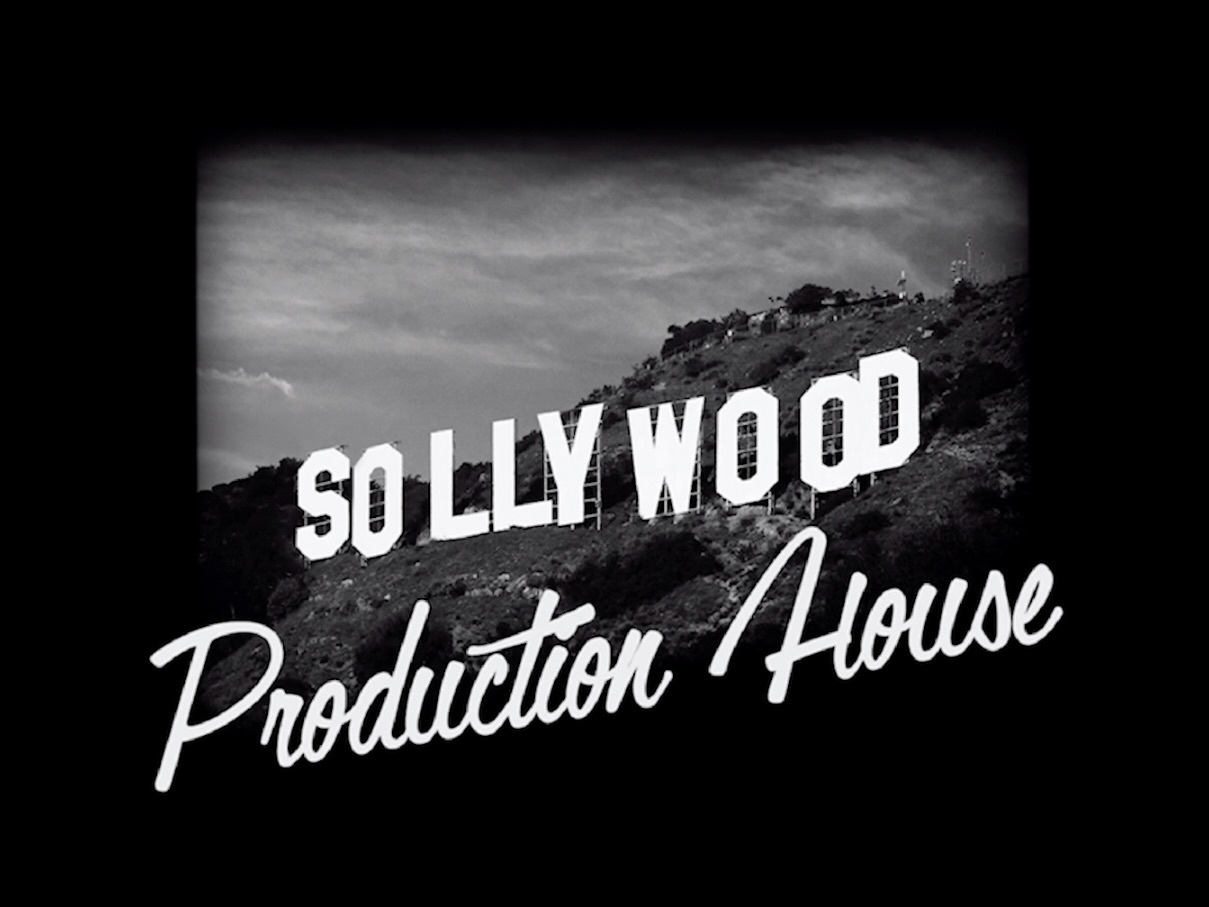
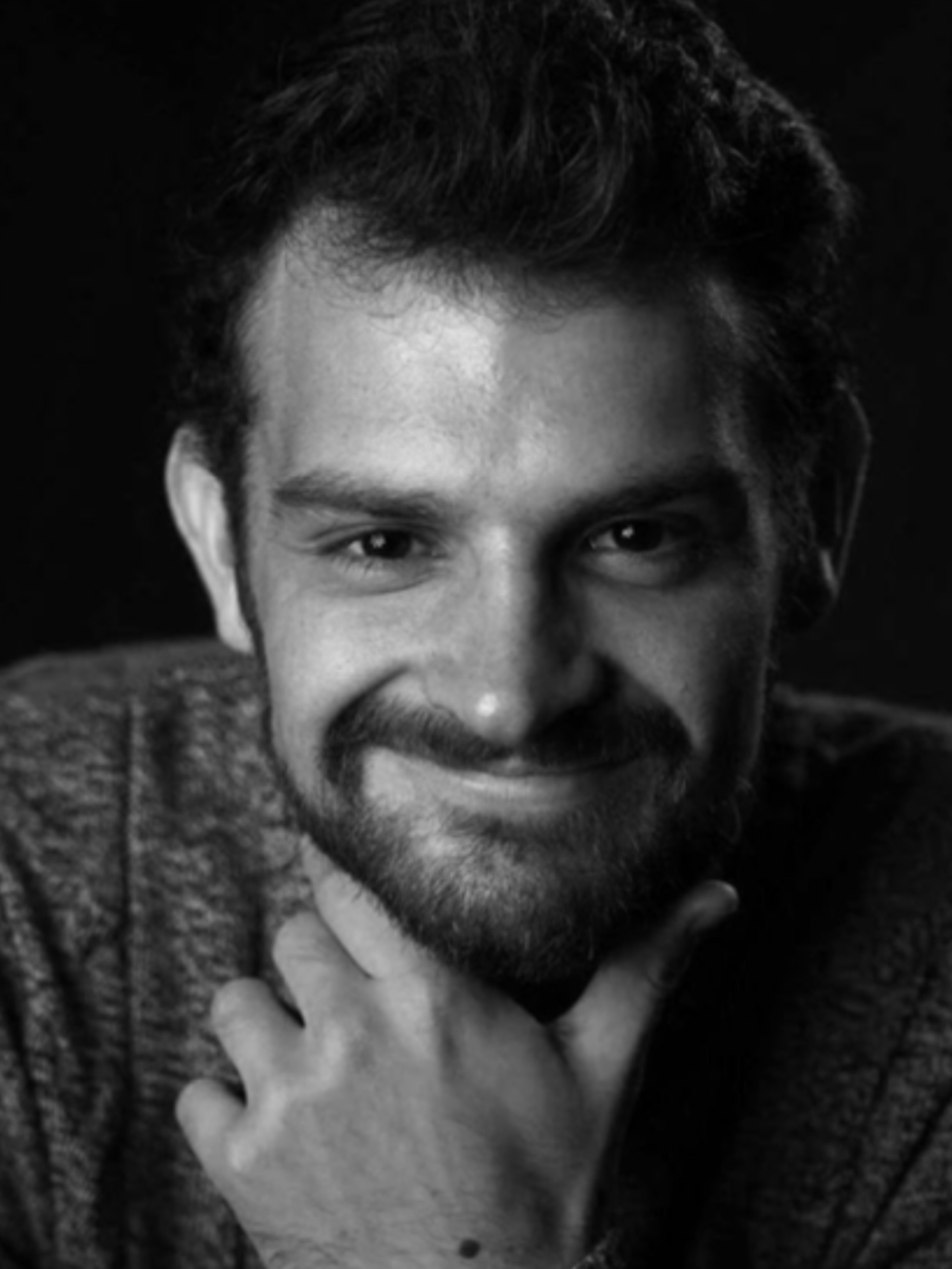
Since studying film during his Foundation Diploma in Art, Design and Media year at AUB, Charles Solly’s passion hasn’t dimmed. He now runs Sollywood Production House alongside his brother – inspired by the larger-than-life grandeur of classic Hollywood productions – while “working with what’s available, committing to a vision and seeing it through”.
For Charles, cinema has always been more than working in a studio or commercial filmmaking. It represented something elevated that combined adventure, imagination and ambition:
“It occupied the same mental space Disneyland did when I was younger. Spielberg, George Lucas, James Cameron felt like distant mentors, igniting my imagination. As I’ve grown older, I’ve been humbled by how difficult it is to ground those dreams in reality, especially in the shifting sands of the industry at present, but the impulse itself has never gone away.”
Studying on AUB’s Foundation Diploma year drilled in the fundamentals of film technology, alongside an appreciation for early filmmaking and how far it’s come, followed by his studies at the University of Westminster. During this time, Charles truly discovered his identity as a creative.
“That perspective stayed with me. Before film was formalised in universities, the industry filtered itself through risk and that selection pressure still exists – it’s just less obvious at the entry point. Learning where you sit within that reality is uncomfortable, but invaluable, and being given full responsibility to complete my own projects during that year was particularly satisfying. It confirmed that I genuinely loved creating within this immersive audiovisual medium.”
This lifelong passion, along with the knowledge and drive to create his own filmmaking work, is what led to the birth of Sollywood:
“The name felt strangely inevitable – my surname is Solly, and I grew up in a house called Robinswood – so it landed as both playful and personal. It came from a joking moment among friends that immediately stuck. Someone said during a freestyle rap, 'Hollywood? Bollywood? More like Sollywood!' and that was that.”
Let's get this done.
Sollywood is best summarised by this line, which runs over the brand logo when it plays on screen. As Charles explains, “It’s about working with what’s available – time, people, budgets, and resources – while still going for gold and aiming high. It’s about committing to a vision and seeing it through.”
After leaving university, Charles began producing under the Sollywood name – from commercials including entries for competitions like Doritos: Crash the Super Bowl in 2009, to over 20 music videos and live events before diving into the film medium.
“Those projects were invaluable training grounds. Designing stories (or punchlines) that are made to land within a 30- or 60-second window sharpens your instincts fast – you learn how to communicate an idea efficiently, visually, and with intent. Music video and event projects are looser, faster, and ideal for experimenting. Without the pressure of dialogue, you can focus on rhythm, tone, and visual storytelling, skills that transfer directly into narrative work.”
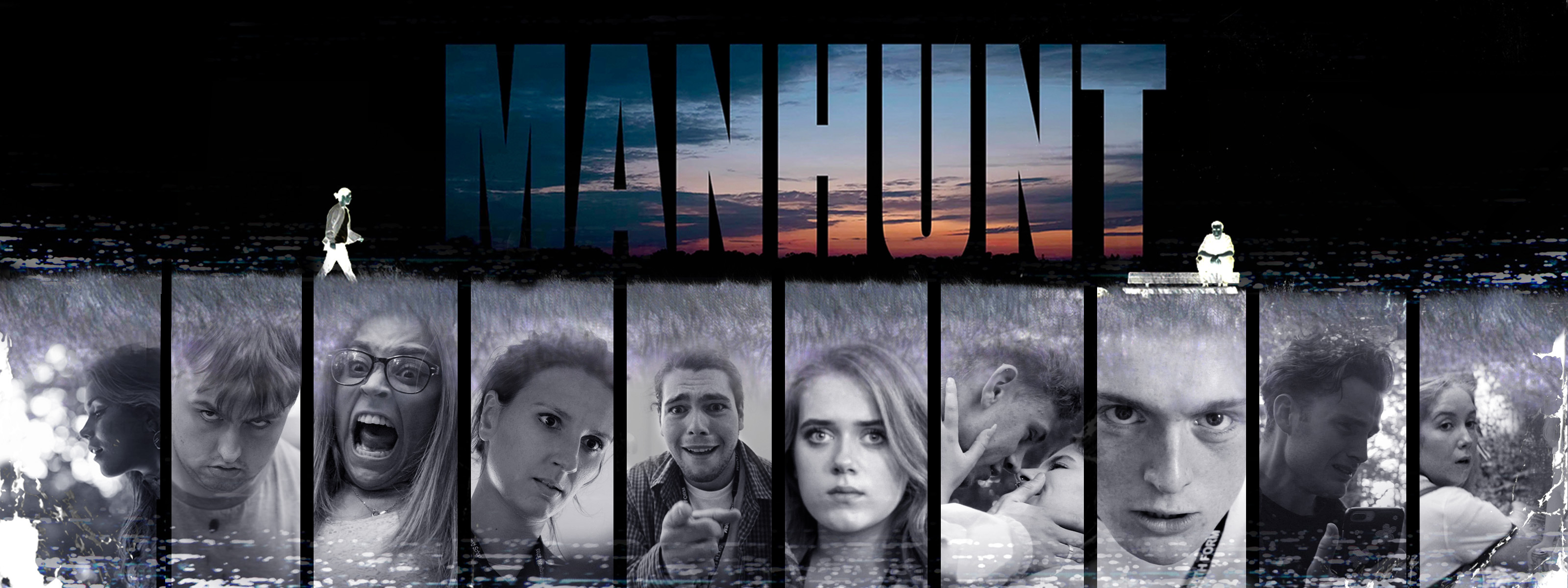
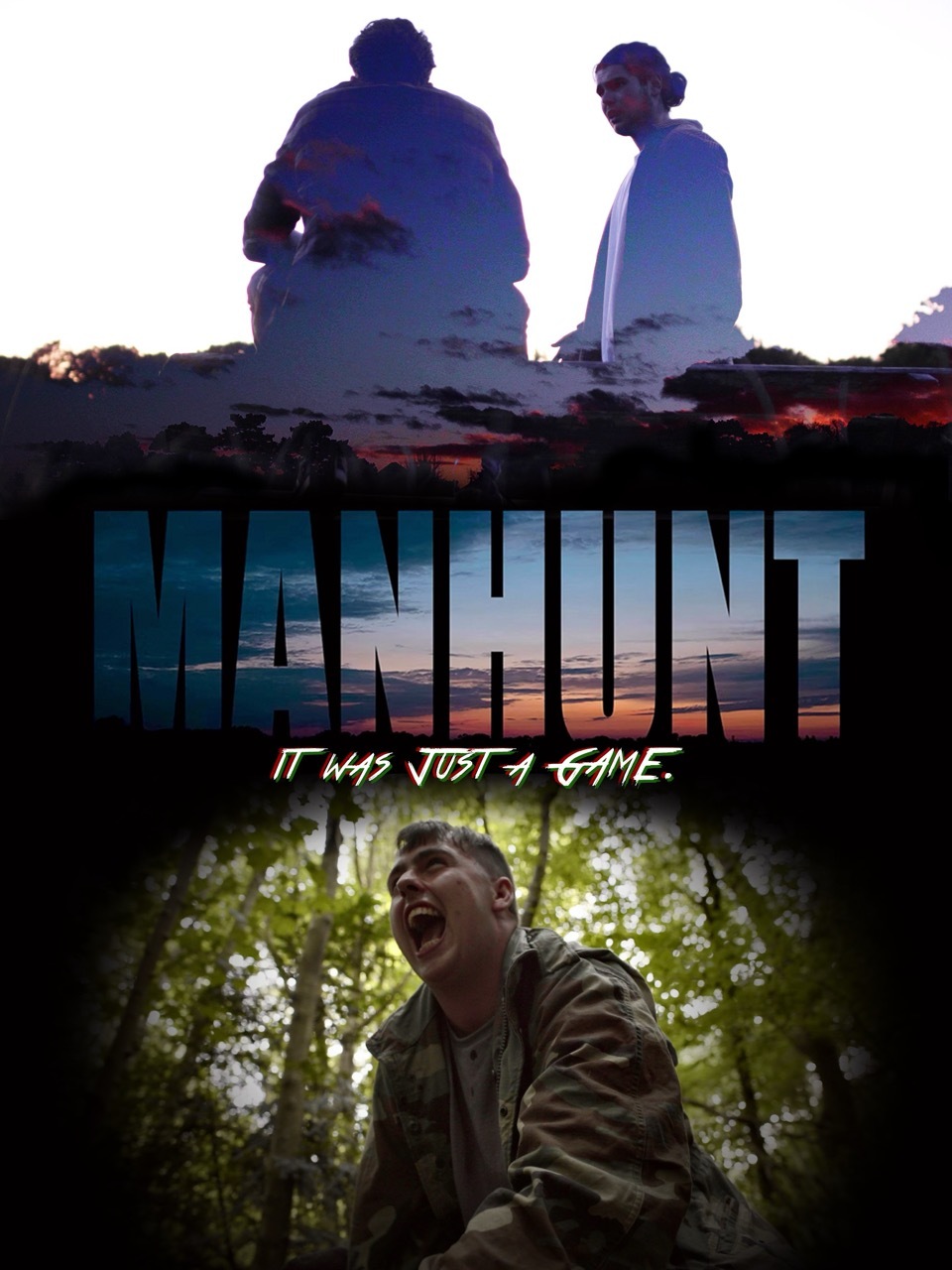
Sollywood’s major milestone was Manhunt, a teen drama that pivots into a psycho-slasher, supported with £5,000 in funding from the National Youth Film Academy, which is now available as an Amazon Prime featurette with the soundtrack on Spotify. Charles describes this as “the final major project I wished to have made in my last year of university”.
"That film is probably worth £70K in time equity, A.K.A. blood, sweat and tears. It was my first project of that scale, made when I was 24, and it taught me what you have to muster to let your ambitions confront reality – and how essential preparation is. I lost nearly two stone shooting that film.”
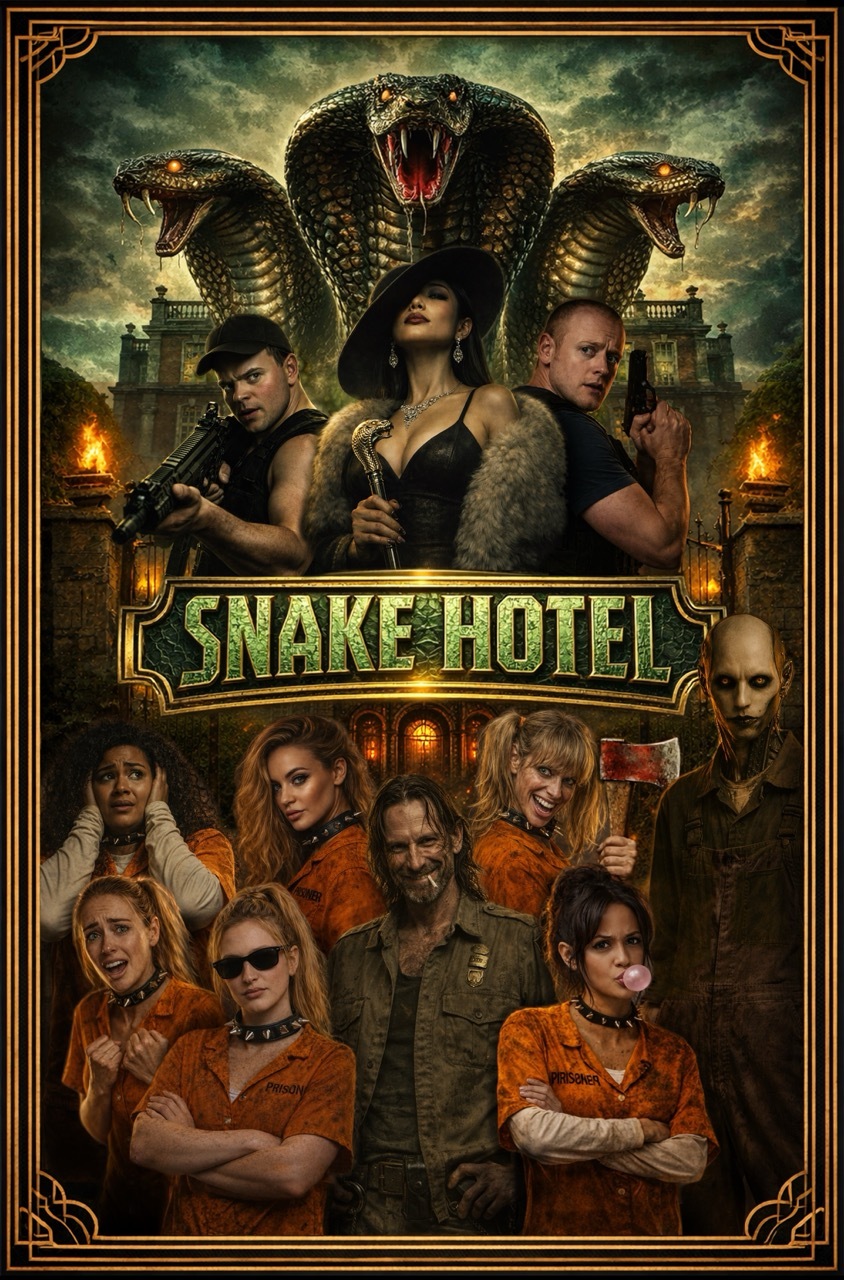
Following Manhunt came Snake Hotel, one of the most challenging and formative experiences of Charles’ career. This experience, however, also taught Charles some important lessons about the industry – especially working with external companies.
“We shot the entire film in seven days, averaging around 55 shots a day, inside an old English mansion just off the Welsh border. It was a true baptism of fire. The film itself was a deliberately wild, heightened fantasy-horror: six female convicts trapped in a hotel overrun by giant snakes, run by an eccentric, old-money dominatrix and her sadistic animatronic butler.
"Creatively, I’m proud of what we achieved, especially under those constraints. But the distribution company took full control of the marketing and released a ‘clickbait’ poster that advertised a completely different film. It showed a King Kong-sized snake scaling a city skyscraper while being attacked by helicopters and missiles. None of that, understandably, appeared in the actual movie. The result was predictable confusion, and reviews expressed disappointment.
“That experience was painful, but instructive. Distribution is very much a creative force in its own right, and misalignment can undo years of work in a single image.”
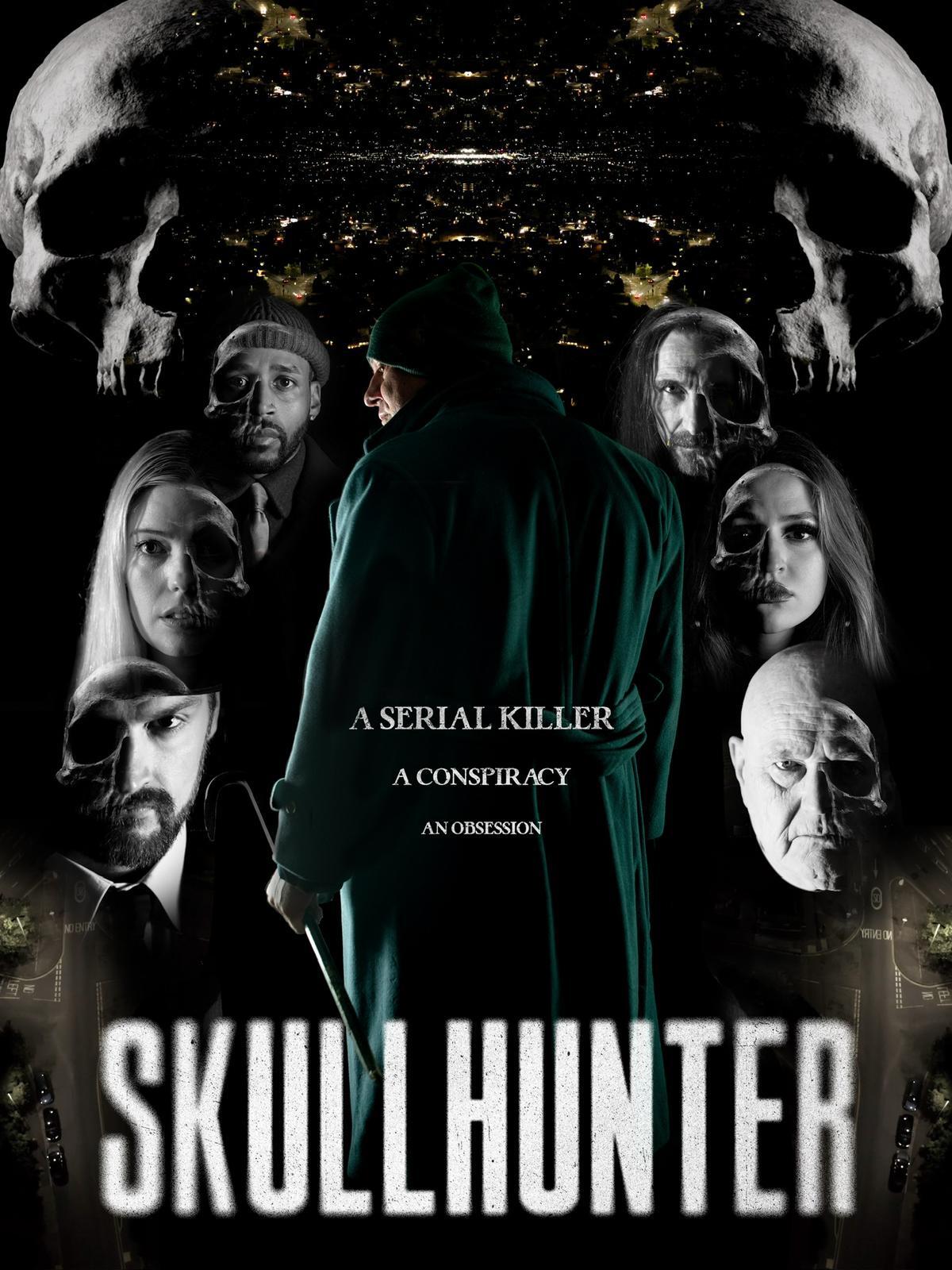
Charles’ experience with Snake Hotel has allowed Sollywood to produce Skullhunter – their first fully in-house funded, completed, privately screened and distributed feature film. Charles took the creative lead as producer, co-director and co-editor, but also produced the score as the film’s composer: “one of the most demanding projects I’ve taken on, and one of the most satisfying.”

On collaboration
Charles views film as an “inherently social act [...] humans have always shared stories – around campfires, on stages, through ritual and performance – and film is simply the modern extension of that impulse.”
Under Sollywood, he’s worked most closely with his brother, which allows them to share a more unique, direct honesty when brainstorming ideas. That being said, he still emphasises the importance of balancing the workload with other collaborators and creatives, as well as “clarity over optionality”.
“When something doesn’t land, that’s information too. Every project teaches you more about your instincts, your process and the kinds of people you work best with. I would suggest for independent projects not asking people to equally share the responsibility with you at 50/50. Instead, you can front-load and demonstrate you’ll be doing 80% of the work and you may have six people who are all happy to contribute 20% each – the Pareto Principle.”
Charles’ collaboration and personal creative practice extends beyond the medium of film. He’s been a Course Leader for the National Youth Film Academy working with students aged 16–25, where he’s noticed similar dynamics developing: “Older, more ambitious students could lead projects with younger, highly motivated crews, while the younger participants learned rapidly through proximity and responsibility.
"With self-funded projects, everyone is more of a ‘stem-cell’ where you get involved, understand the vision and muck in, bearing the weight of more responsibility within skeleton crews. So go your own way alongside it. Make space for your own work. That responsibility never disappears.”
While he’s made space to create the soundtrack and score for Skullhunter, music has always been a passion and another way of understanding film for Charles – “it was the glue that held great films together”.
Alongside a large body of music that’s soon to be released, he’s also recently self-published his first poetry collection, An Excellent Mess, inspired by fragments of poetry throughout his life and growing up dyslexic while still having a passion for writing. In-between projects, Charles is also a fan of performing stand-up comedy, and using new ideas and technology to develop his work:
“The immediate reactions from the audience are electrifying, and a good contrast to the long turnovers of making feature films. I’ve also been exploring AI as a visual development tool. While it’s not a replacement for filmmaking, or moving images, the ability to generate detailed still imagery is powerful, and for a highly visual industry – and one with a high proportion of dyslexic creatives – this kind of tool has real potential.”
Sollywood’s top tips
For students and creatives who want to write, direct, produce, edit or score films, Charles’ advice is twofold.
“On one hand, develop your own creative voice, skill set, and body of work: something that is distinctly yours. On the other, learn how to be useful on other people’s projects, including ones where you’re not especially creative or important in the grand scheme. Both paths matter, and they work best in parallel – balancing the two is key. Apply for internships, seek out mentors, and keep learning from people with more experience than you. Opportunities like this are built for people in their 20s.
“Finally, try to understand the film industry as a business. If you can learn how to make your work viable – how to get films funded and finished, (and profitable) – you’ll be among the very small percentage of creatives who manage to build a sustainable career doing what they love.”