












































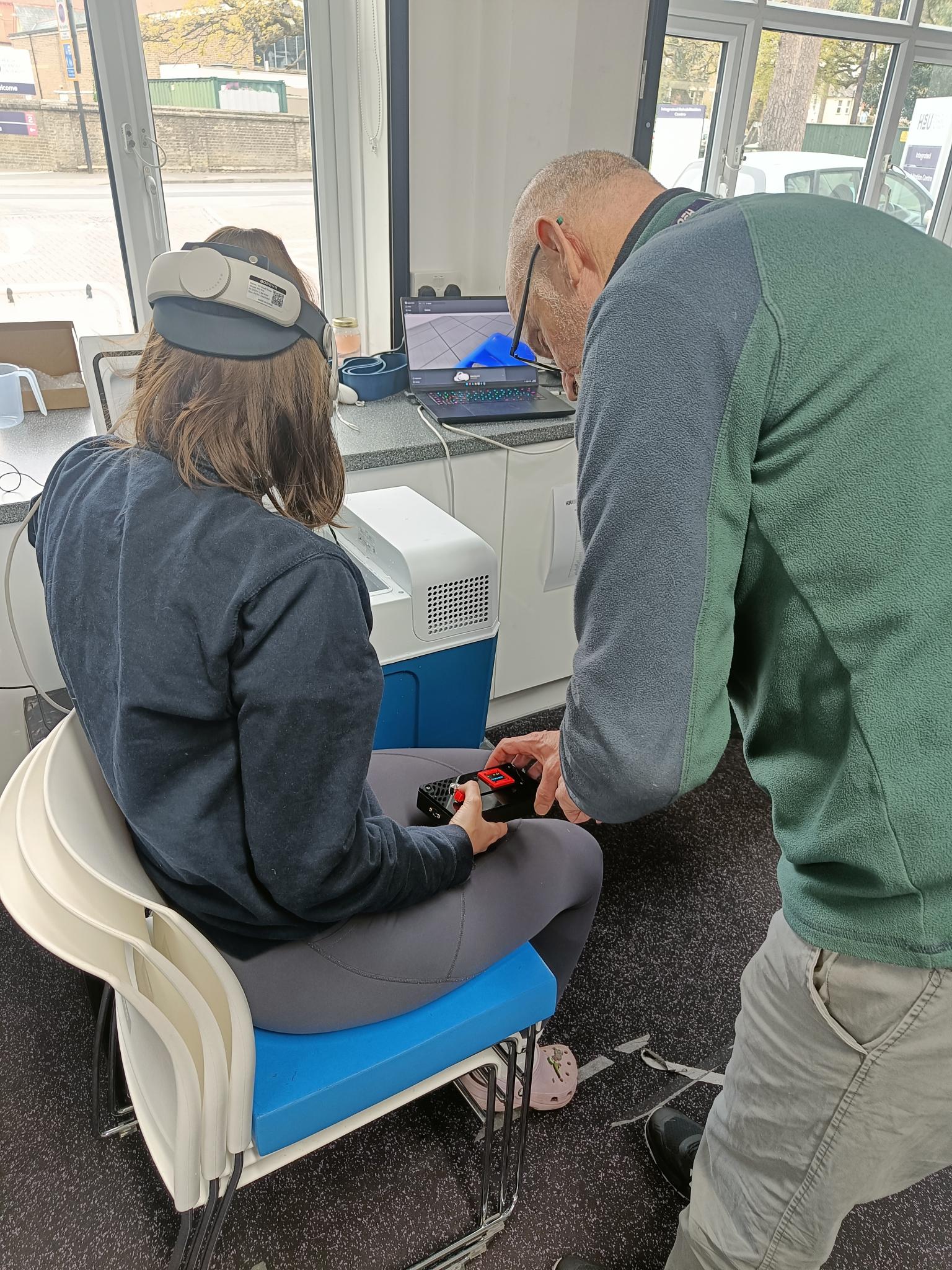
Arts University Bournemouth (AUB) and Health Sciences University (HSU) have secured new research funding to advance a pioneering project that uses Mixed Reality (MR) to potentially help patients manage chronic musculoskeletal pain.
The project, titled Mixed Reality embodiment as therapeutic interventions for chronic musculoskeletal (MSK) pain: Leveraging body illusions in therapeutic encounters, has been awarded a grant from the XR Network + XR Labs Fund.
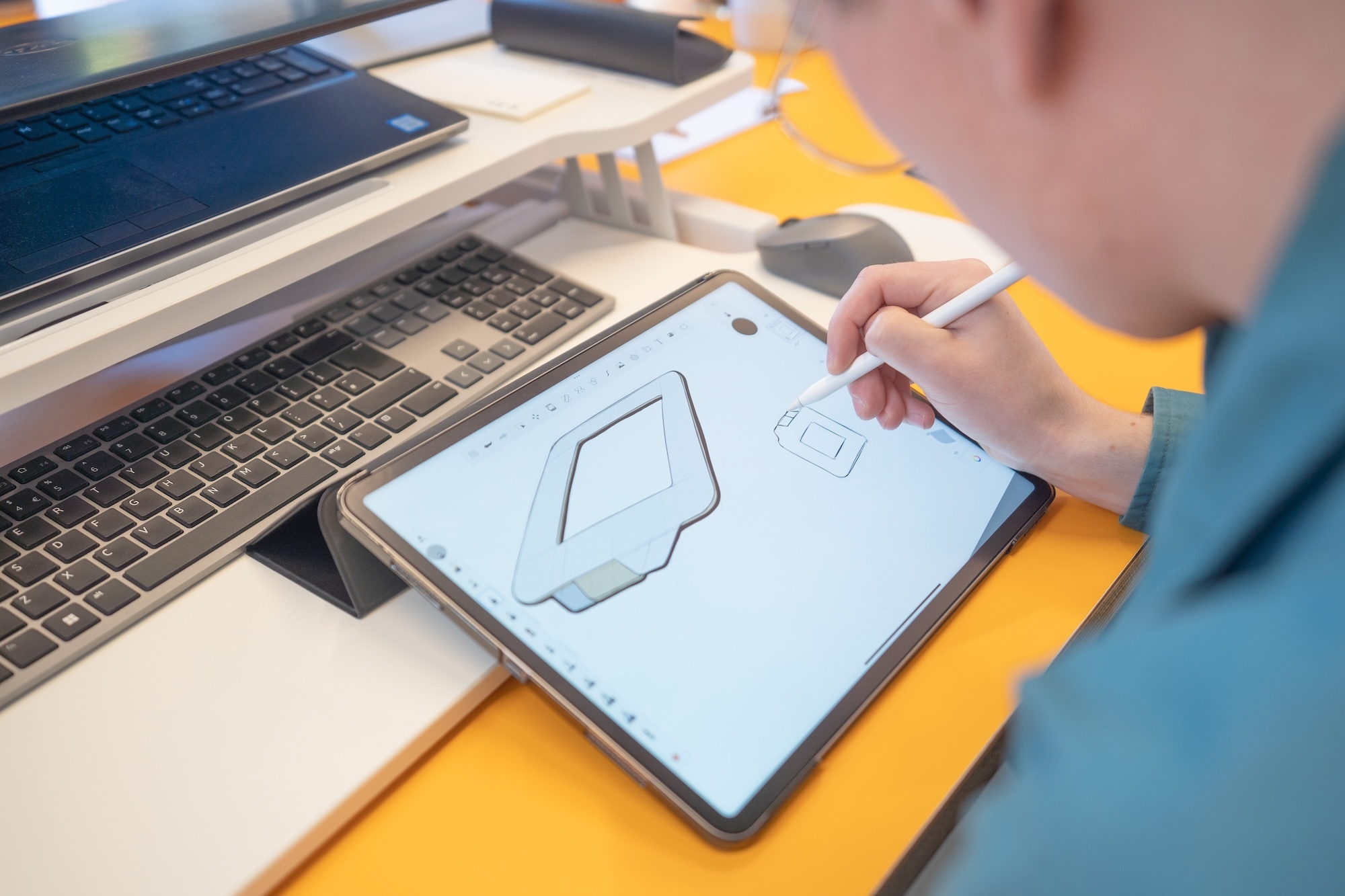
This funding will enable the cross-institutional team to develop a prototype that makes the often "invisible" experience of pain visible and dynamic through immersive technology.
The research is led by Dr Asha Ward, a Research Fellow in Creative Technology at AUB’s Innovation Studio, serving as the project’s Principal Investigator.
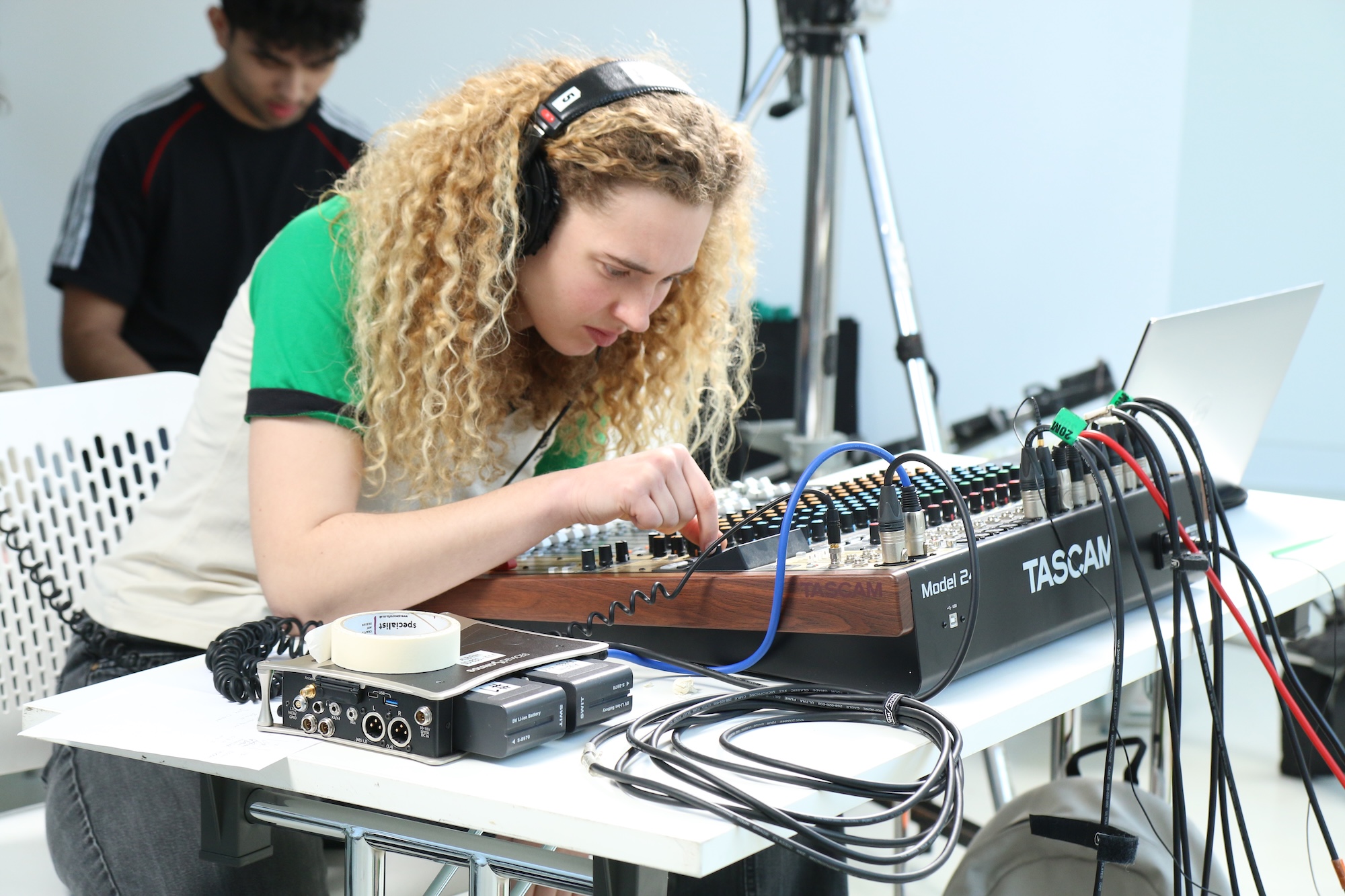
Asha is joined by Dr Jon Burgess, Research Fellow at AUB, who assists in project management and planning. The technical development will leverage AUB’s state-of-the-art Innovation Studio and Creative Technology Research Group facilities.
This local partnership bridges the gap between creative technology and clinical healthcare with AUB leading on the technical infrastructure and prototype design while HSU provides the essential clinical framework.
Operating out of HSU’s Centre for Pain and Active Inference Research, Professor Dave Newell leads the scoping for clinical testing and ethics approval and ensuring the technology is grounded in real-world medical practice.


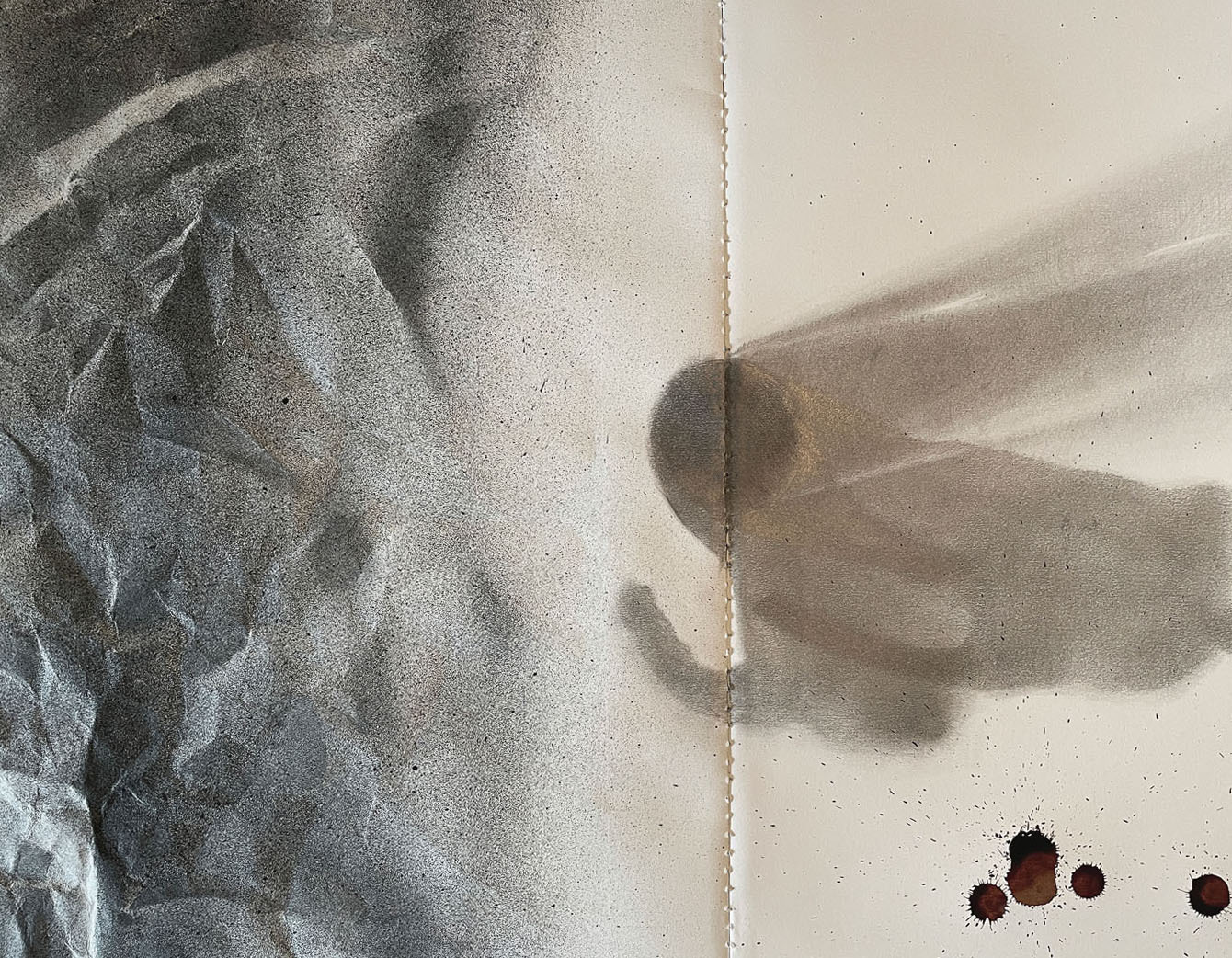
The project aims to create a mixed reality system where patients can map their pain onto a digital body avatar. Pain might be visualised as glowing red areas or metaphorical imagery, such as swarming bees. During manual therapy, these visuals will be manipulated in real-time using shifting colours or fading away to reinforce the patient’s expectation of relief and strengthen the ‘embodiment’ of the treatment.
Asha comments, “We are thrilled to receive this support from XR Network+. By combining AUB’s expertise in creative technologies with the clinical excellence at HSU we can explore how digital avatars can fundamentally change a patient's relationship with their pain. This is about using technology to make the therapeutic encounter more engaging and effective.”
This collaboration highlights Bournemouth as a hub for innovation, bringing together two specialist institutions to solve global health challenges. The project is one of only eight university-led collaborations in the UK to receive this Research and Development funding, marking a significant milestone for the local research community.
The successful development of this proof-of-concept will lay the groundwork for future self-management tools, serious games for health, and advanced training simulators for healthcare professionals.