


- Home
- Student Stories
- Akua Agyekumwaa – From a lifelong storyt...
Content warning: this story contains references that some readers may find distressing.
I have always been a storyteller.
Long before I thought of myself as a filmmaker, I was writing. As a young girl in Ghana, I would send articles and poems to newspapers such as the Mirror and Junior Graphic. In junior secondary school, my English teacher, Mr Otoo, told me that he loved the plots of my essays. That encouragement stayed with me and made me want to write even more.
By senior secondary school, I had joined the Debaters and Writers Club, eventually becoming its Vice President and Deputy Editor-in-Chief of our school magazine. At university, I studied Theatre Arts and Computer Science, where I discovered that I loved the totality of theatre, not just writing, but acting, costume, production and all the elements that come together to tell a story.
While at university, I interned at Net 2 TV, working in the newsroom, directing and producing news and reporting entertainment stories. Later, after joining the banking industry, I moved into marketing at Stanbic Bank, where I supported video production whenever we had projects that required it.
Looking back, I realise I was collecting the different pieces of filmmaking without knowing where they would lead me. I had writing, theatre, production, photography and a technical background in computer science. But I didn't know what to do with all these skills.
Then there was the dream.
I had always wanted to build a studio like Tyler Perry Studios. Even before I knew how I would get into film school, I kept saying it. It was a vision that never left me.
After more than a decade in banking, I knew that if I was going to make a serious transition into filmmaking, I needed more than enthusiasm. I needed structure. I explored film schools in Canada, the UK and the United States, but scholarships and the financial requirements of studying abroad made the traditional route difficult. Then a friend told me about distance education. I started looking online for a film programme I could study while continuing to work.
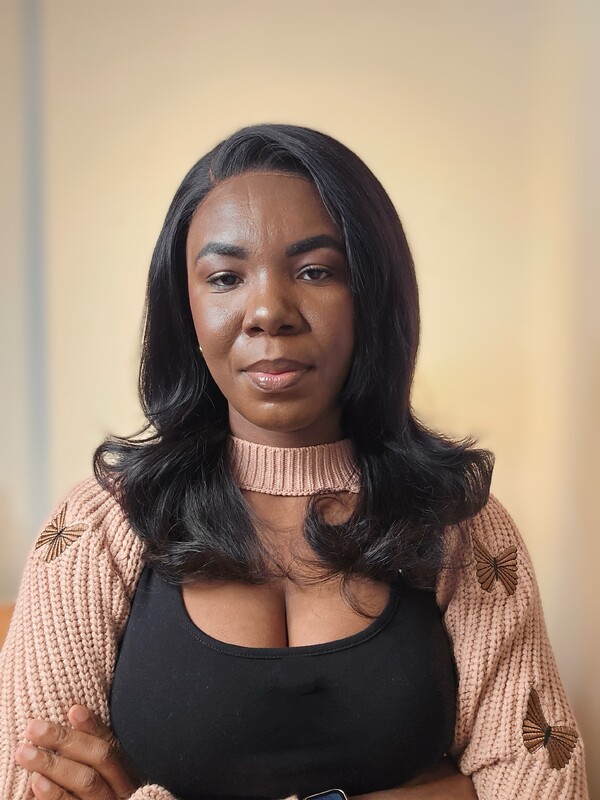
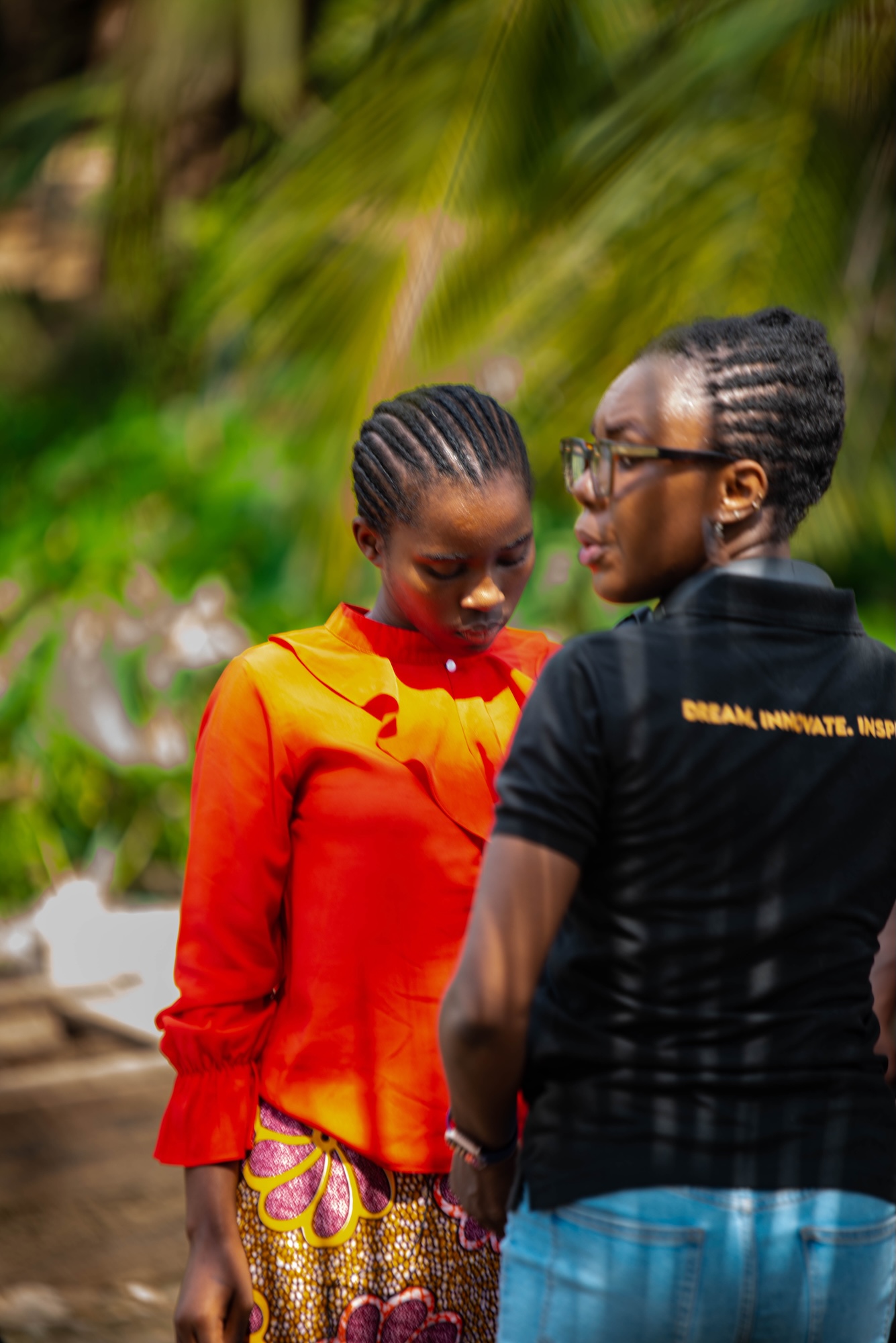
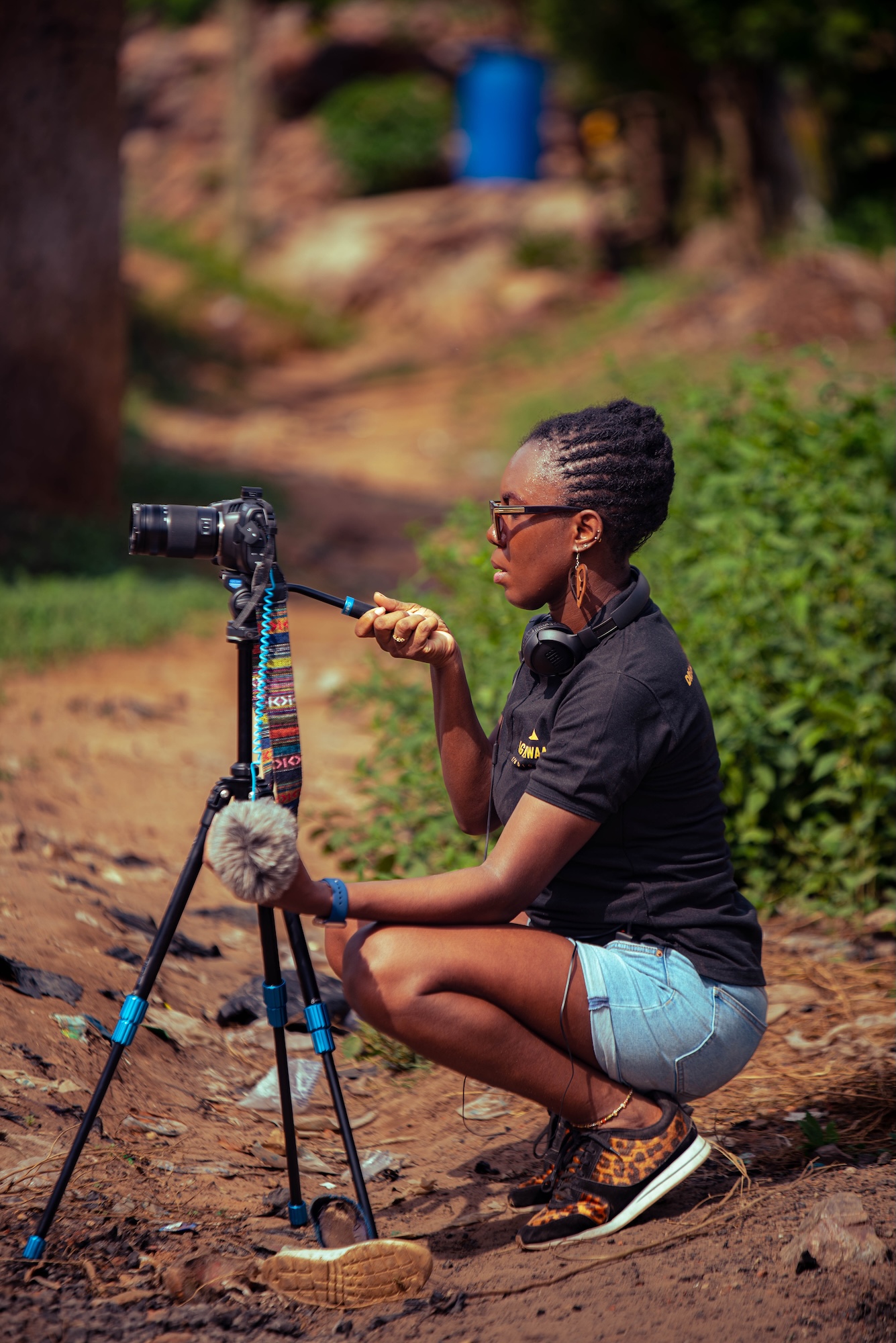
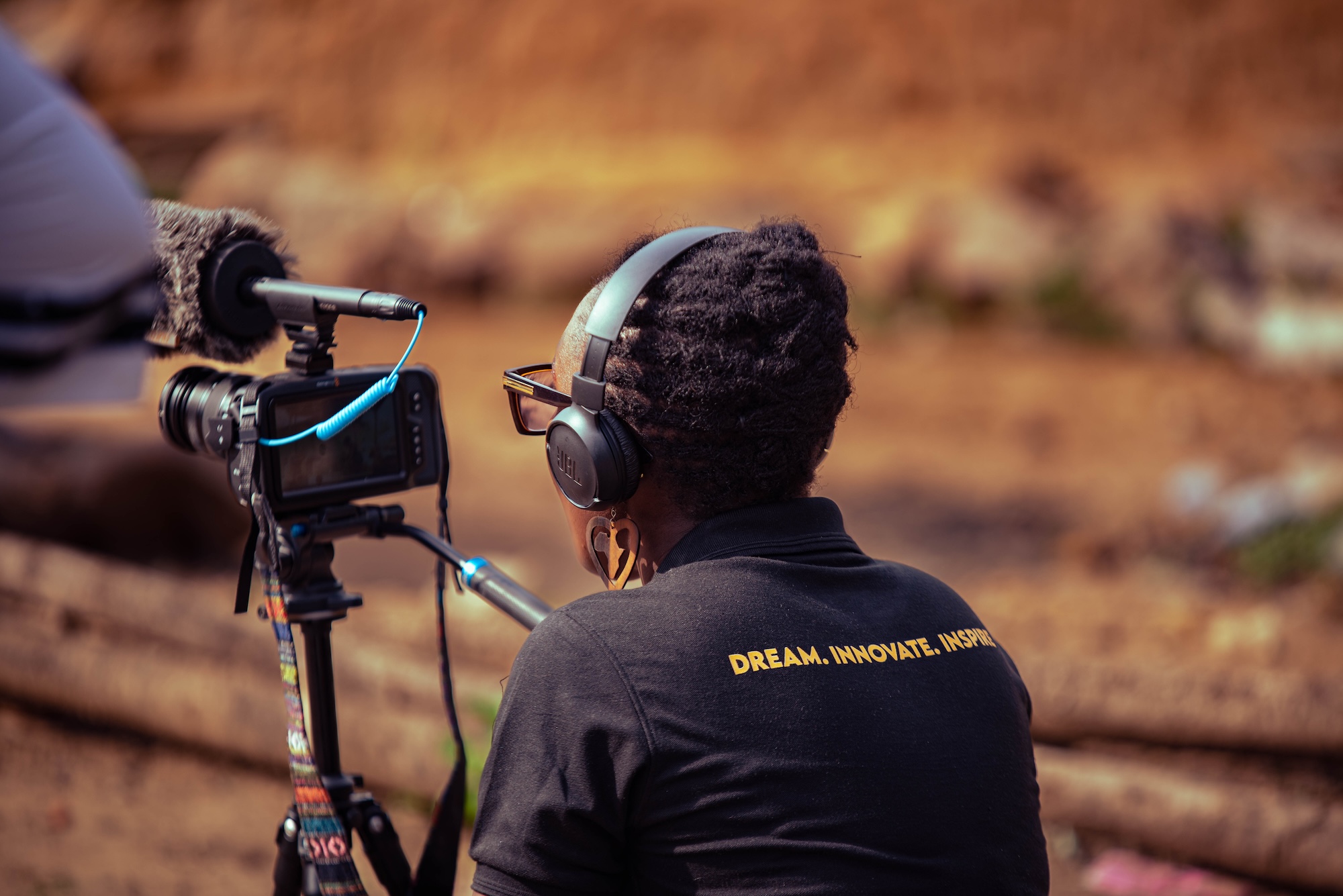
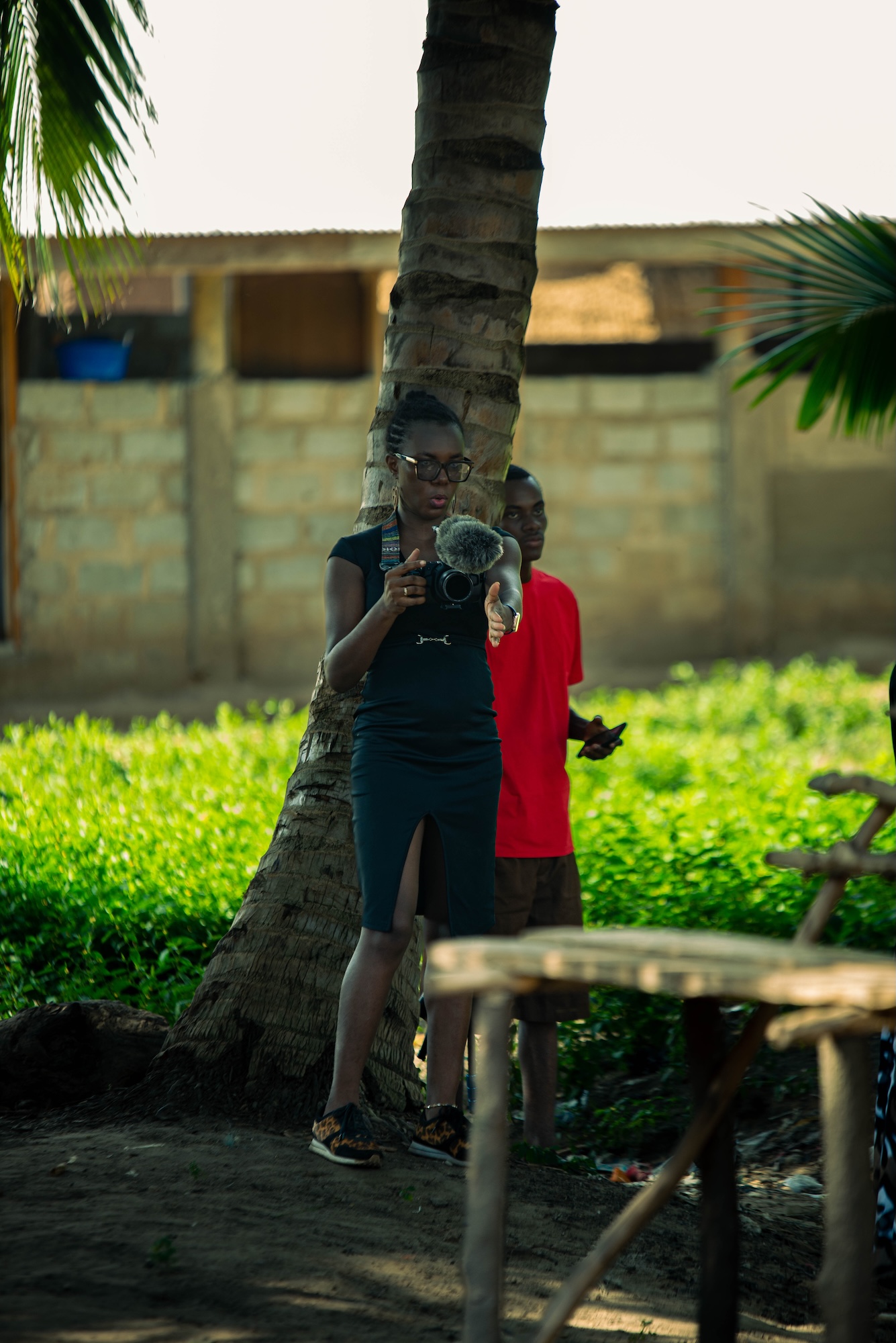
That was how I found Arts University Bournemouth.
Initially, I was simply scouting for options. I filled out an online enquiry form, and the person who responded encouraged me to start sooner than I had planned. I was travelling in October and had thought I would wait until January, but his encouragement convinced me to take the chance.
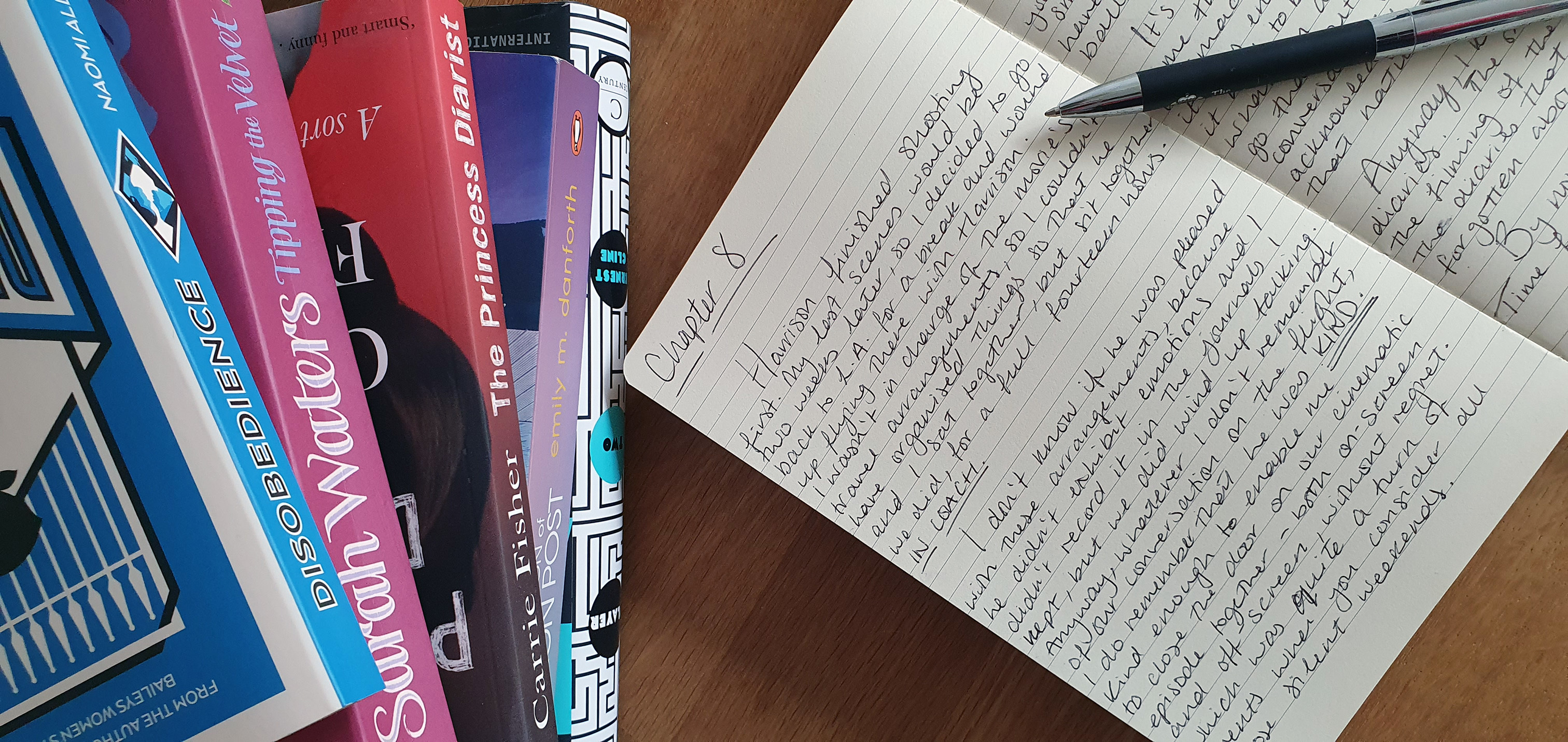
When I started MA Film Practice (Online), I quickly realised how much I didn't know. Many of my classmates already had backgrounds in film or acting, while I was coming in as a complete novice. I didn't even know what a Director of Photography was. Cinematography, lighting, research notebooks and documentation were all new to me. I questioned myself constantly.
I remember one of my first cinematography assignments involved taking photographs by applying lessons in composition we had previously learned. I wasn't confident in what I had done, but my lecturer, Andy, told me it was good work. That was one of the first moments I began to believe that perhaps I could actually do this.
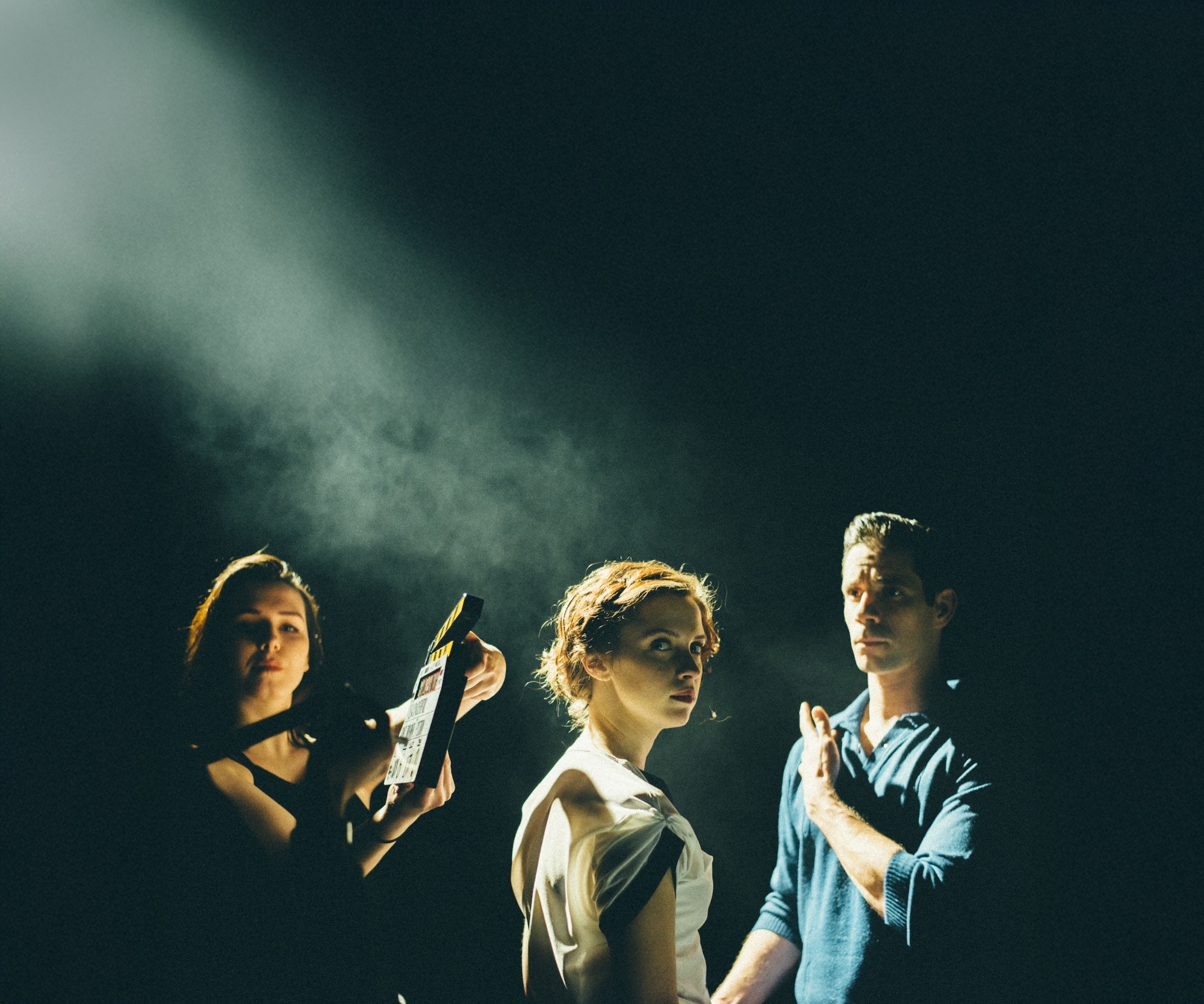
AUB gave me the structure I needed. I learned how to research, document and structure a project professionally, including contracts, location permits and working with other people. I also discovered the business side of filmmaking and film festivals; things I had never encountered before.
My thesis film, Unbroken, became a major part of that journey.
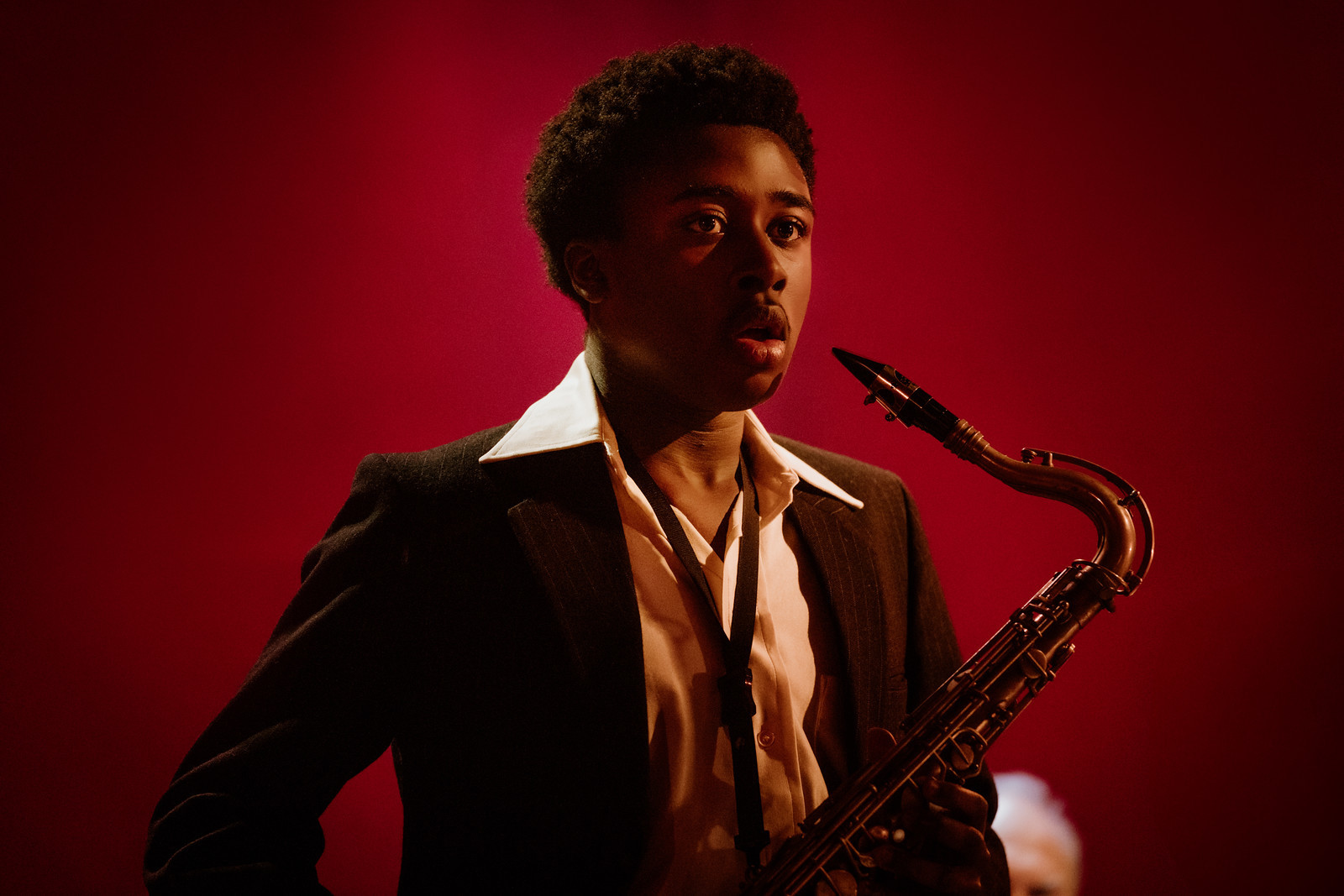
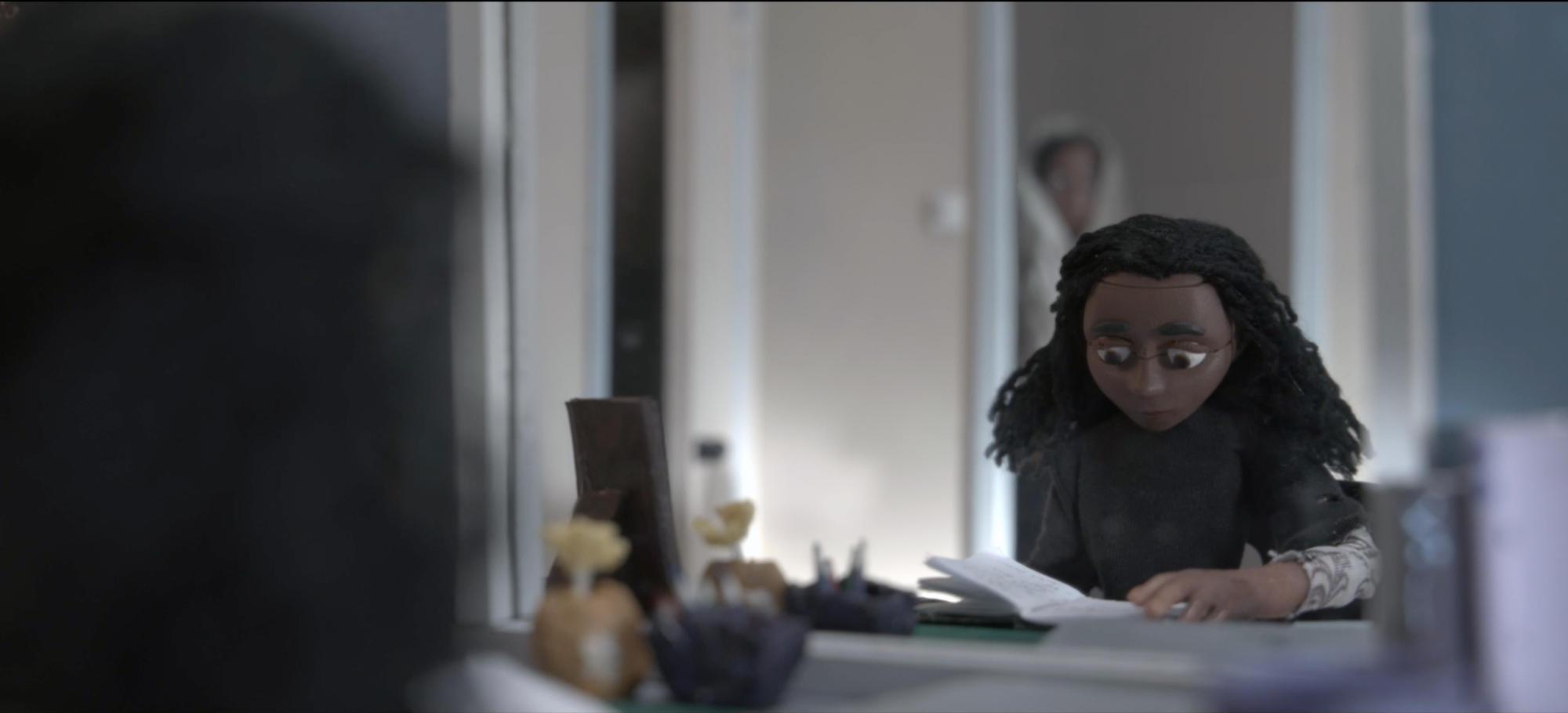
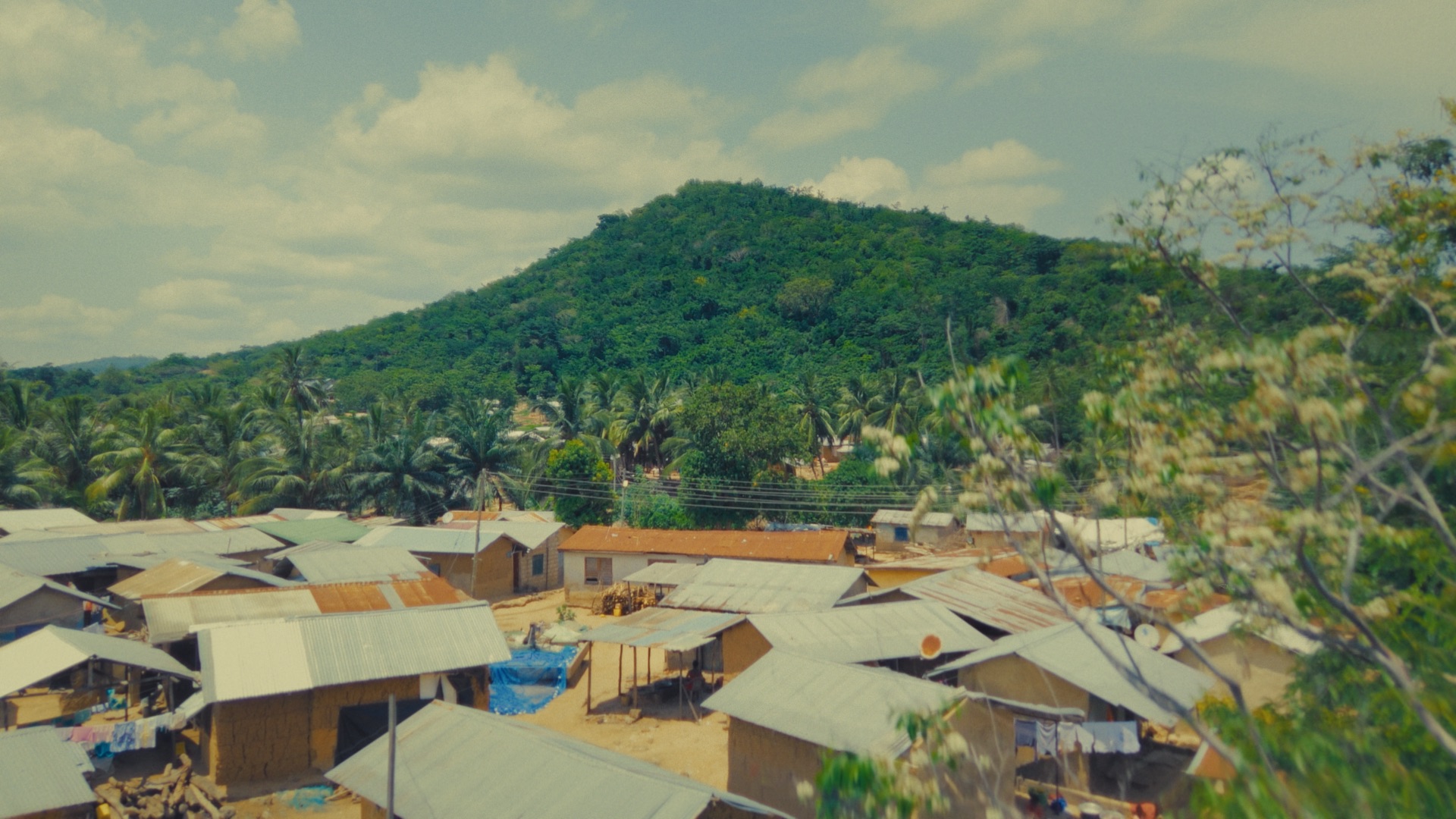
Unbroken explores sexual abuse and the way victims are treated within Ghanaian society and, by extension, Black communities. I wanted to hold up a mirror to society and ask, "Are we the perpetrators? Are we those who enable them? Are we those who victimise the victims?"
The story follows a girl who is raped and goes to her mother for help, only to be blamed and shamed. Yet despite what she has endured, she finds the courage to carry out an assignment that ultimately liberates her community. I didn't want her to exist only as a victim. I wanted to show her courage and the possibility of liberation even after trauma.
I also wanted the film to carry something of my cultural heritage. Having attended Yaa Asantewaa Girls' Secondary School, I incorporated elements inspired by Yaa Asantewaa as a way of paying homage to where I came from.
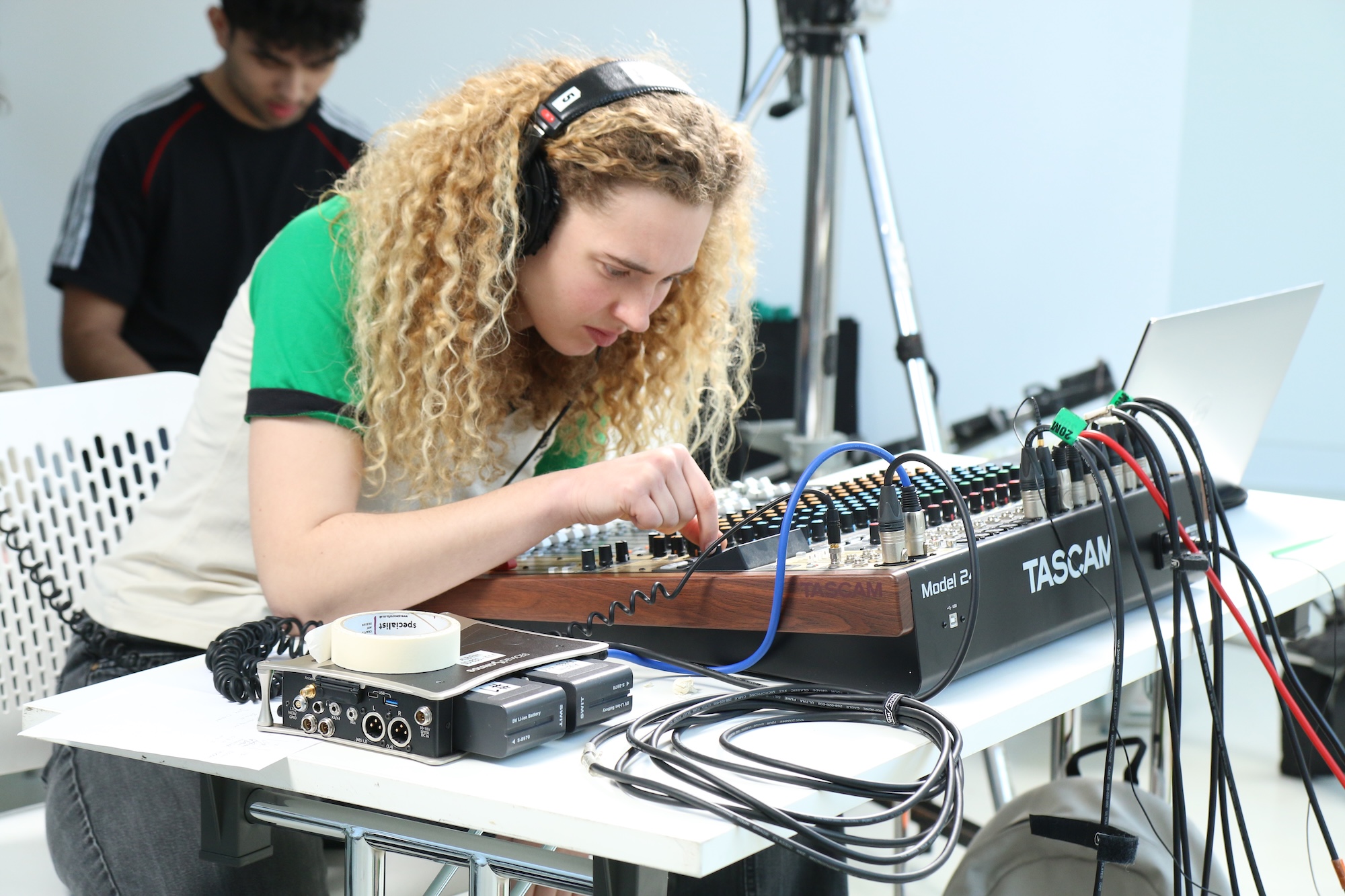
Making the film was not easy. One of my biggest challenges was colour grading and sound mixing. I didn't have a colourist and didn't know how to grade the film myself. Some shots were overexposed, so I searched online and on Facebook for help. Eventually, someone in India agreed to help me with the colour work, while a musician friend helped with the sound. I had to learn to find solutions with the resources available to me.
Then came the moment everything changed. After editing Unbroken and adding the soundtrack, I watched it and thought, “Yes. I made a film.” That moment gave me the confidence to continue.
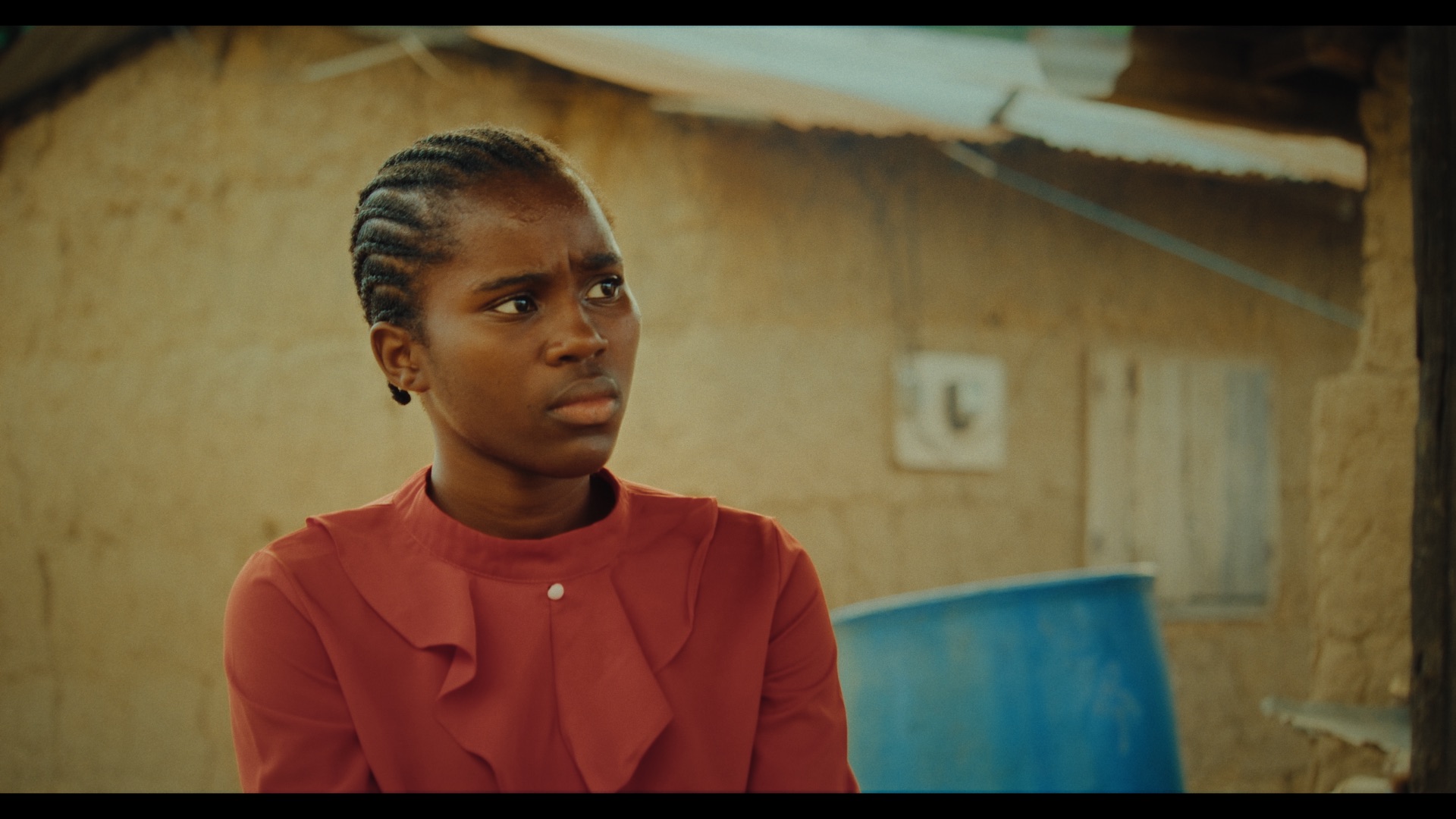
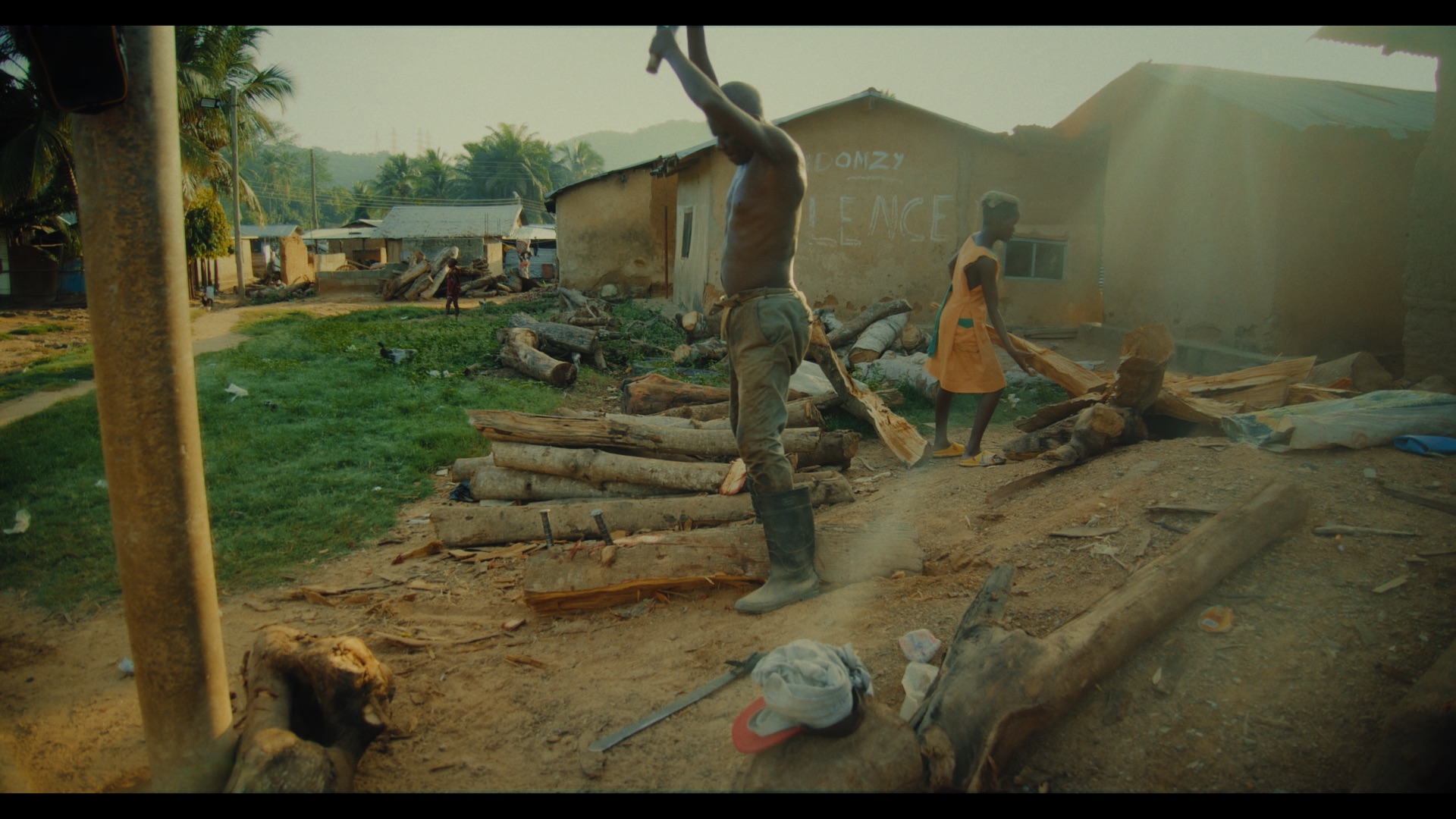
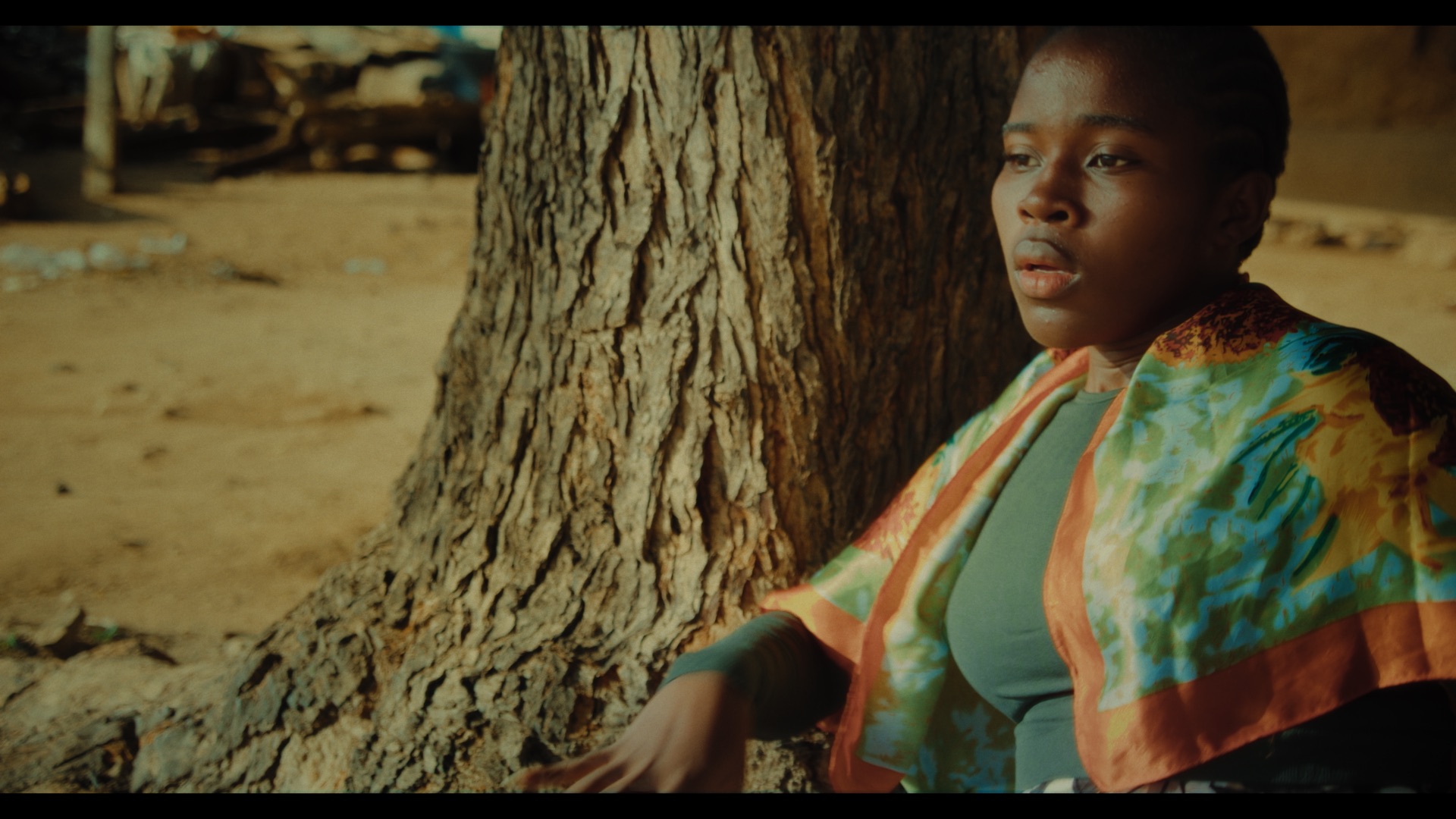
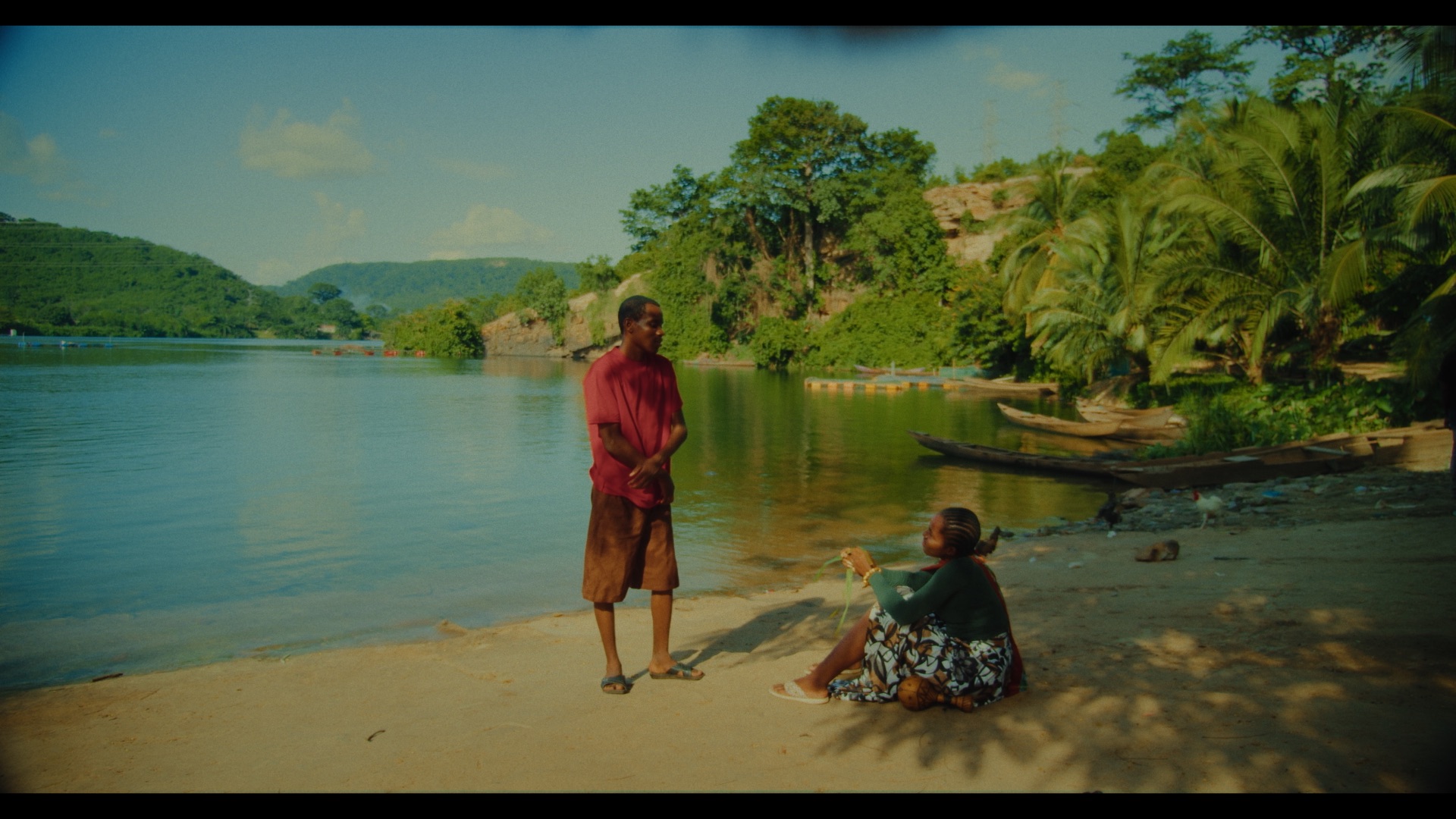
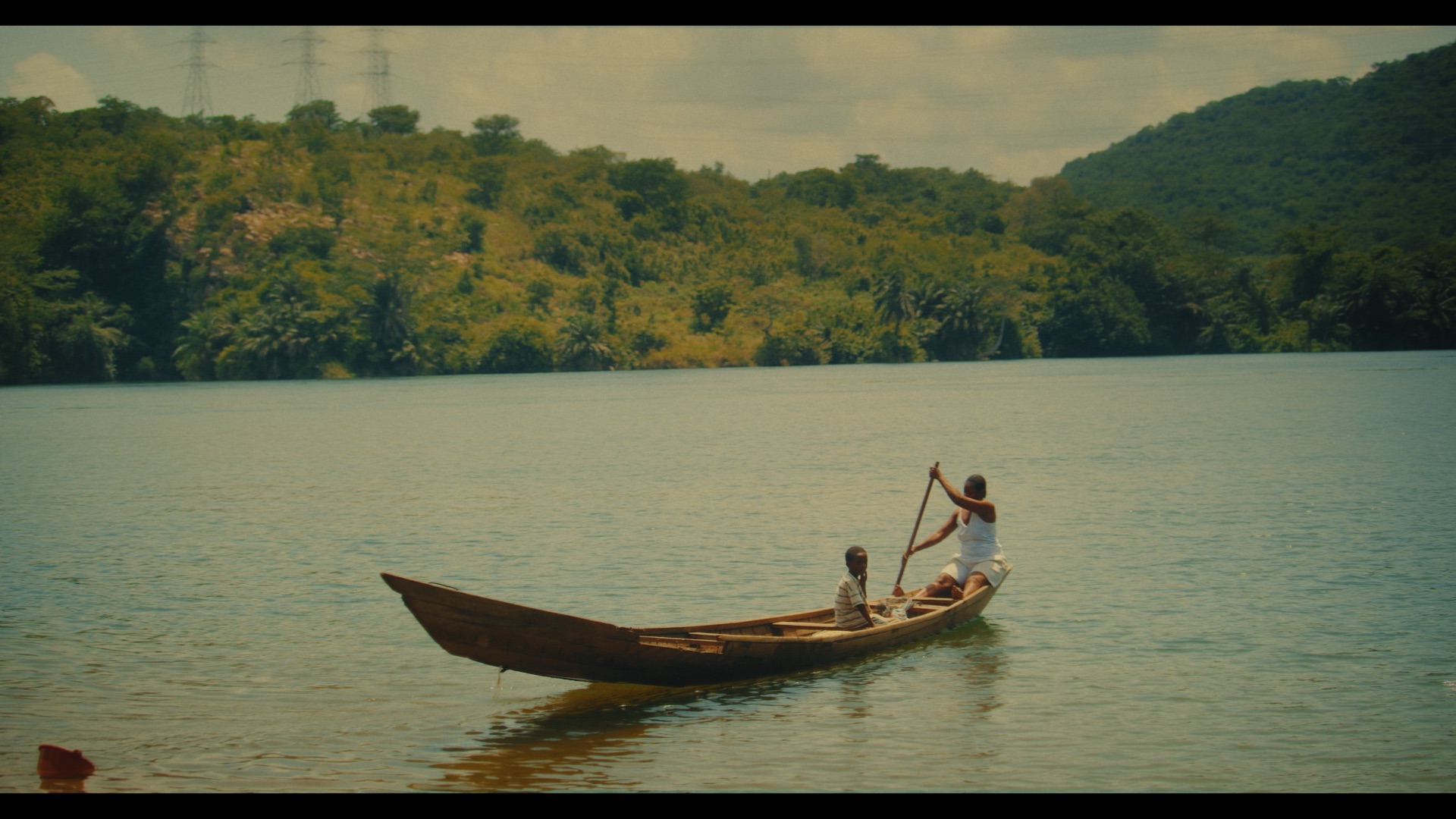
When I received my MA result and saw that I had graduated with a distinction, I was elated. I had entered film school without a film background and left with a distinction. Over a decade after my first degree, I had started again in a completely different field and proved to myself that I could do it.
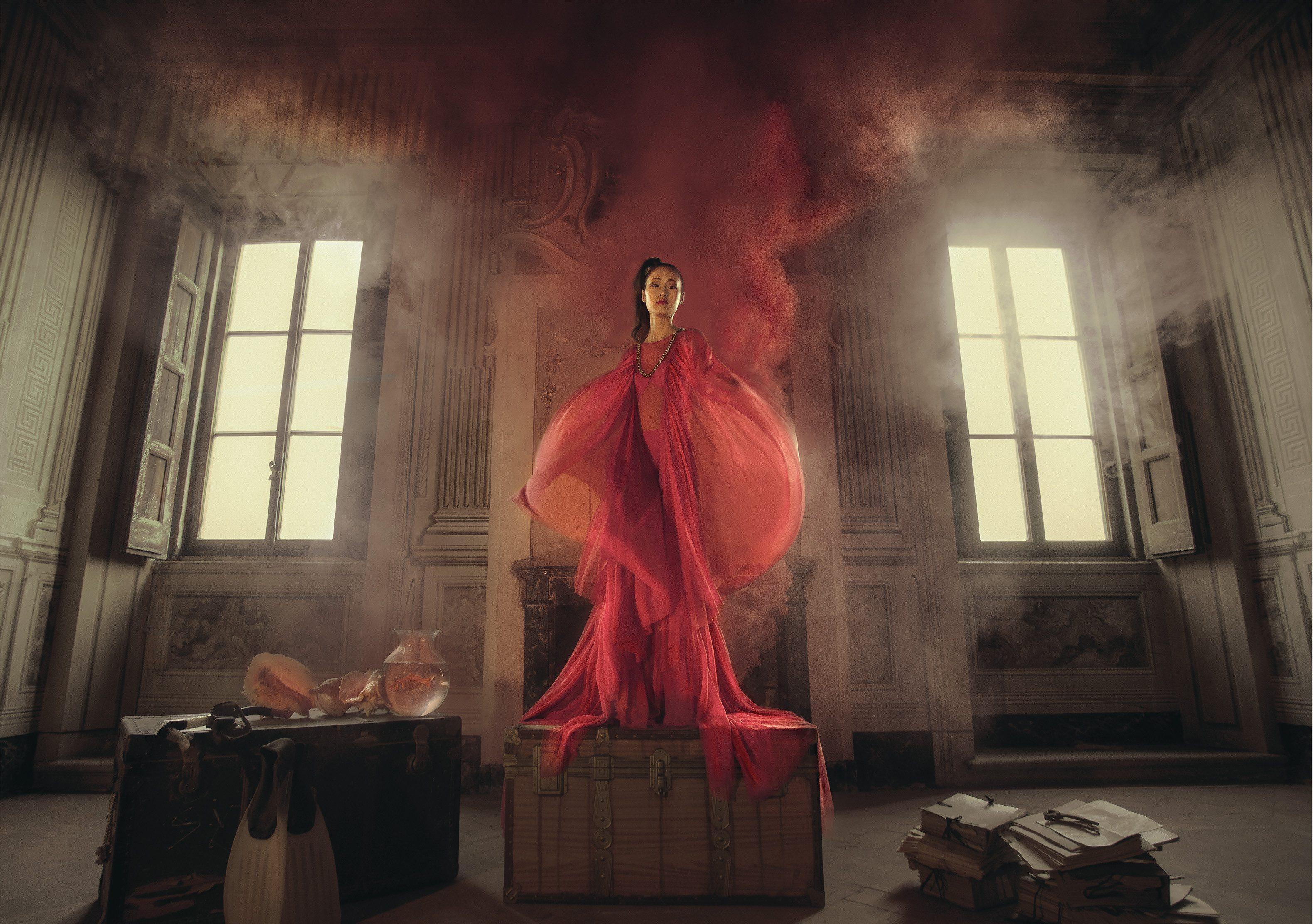
Since graduating, I have established Agyekumwaa Studios and made another film, Unread, which has been selected by three film festivals. I am now developing my next project, Shadows in the Water, a feature-length story told through six interconnected short films that can also be experienced as one complete film.
The bigger dream is still there. I still want to build a studio like Tyler Perry Studios. The vision is evolving, but it is clearer now.
For anyone considering MA Film Practice (Online), particularly someone working in another industry and thinking about a creative pivot, my advice is simple: don't assume your circumstances disqualify you. I was in Ghana studying at a university in the UK while working and paying my fees. I didn't come from a traditional film background. In fact, the film I submitted as part of my application was shot on my phone. I was the actress and did everything myself.
You don't have to be an expert before you begin. Learn the basics, be willing to learn and be prepared to put in the work.
For me, AUB was important because it gave me the structure to turn a dream into a practice. After more than a decade in banking, I knew I couldn't simply wing my transition into filmmaking. I needed something concrete that would teach me how to research, document, structure and approach filmmaking professionally.
AUB gave me that structure, and the confidence to finally say, "I am a filmmaker."