

Skip to main content Go to Site Map

Student Services : Faith and reflection

No matter how big or small the problem, we're here to help

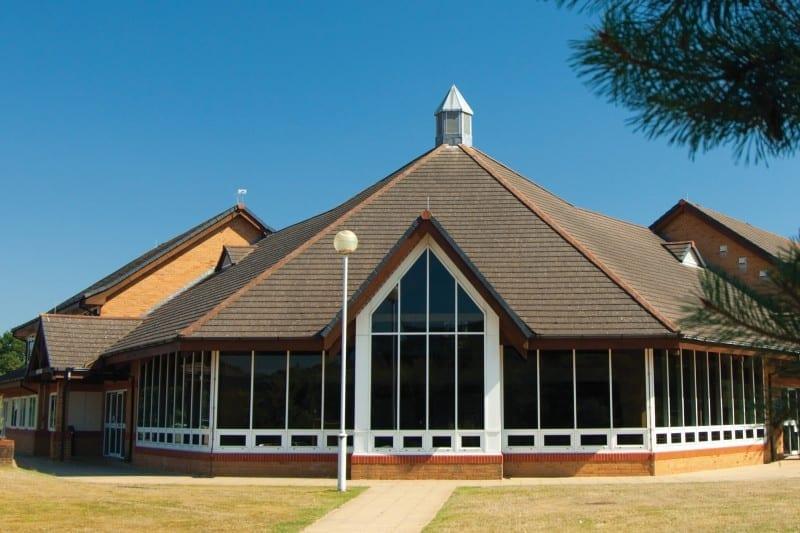
A rounded single-storey building with a path leading towards and around it. A lawn is either side of the path.

Faith and reflection

Whether you have questions about your faith or beliefs, need someone to talk to, or simply want a quiet space to pause and reflect, we're here to help.

The Faith and Reflection Centre is open to all AUB students and staff. Shared with Bournemouth University, it's a welcoming, inclusive space for people of all faiths and beliefs, as well as those with no faith.

The chaplaincy team offers confidential, non-judgemental support, providing a listening ear, guidance, friendship and, where appropriate, spiritual support and prayer. Whether you're settling into university life, facing personal challenges or looking to explore your faith or beliefs, the team is here to support you. They can also help you connect with local faith communities and advisers from a range of faith traditions.

The centre includes a welcoming communal space, a Quiet Room for reflection, meditation or prayer, an Islamic Prayer Room, and shared kitchen facilities. Throughout the year, the team organises events and activities that bring people together, encourage conversation, and celebrate different faiths, beliefs and cultures.

Need a quiet space on campus? The centre has rooms which are available for all students and staff during opening hours.

You'll find the Faith and Reflection Centre on the first floor of Talbot House on Bournemouth University's Talbot Campus, next door to the AUB Campus. The centre is open Monday to Friday, 08.00–20.00.

Contact Faith and Reflection

2027 Interfaith calendar

Please note, any dates marked with an asterisk (*) are to be confirmed.

  • 5–6 January* | Lailat ul-Isra Wa'l-Miraj (Islam) – This festival celebrates the journey of the Prophet Muhammad, in the 10th year of his prophethood, from Makkah to Jerusalem, and through the heavens to the presence of God, all in one night.
  • 6 January | Epiphany (Christianity) – Commemorates the revelation of Jesus' divinity.
  • 7 January | Orthodox Christmas (Orthodox Christianity) – Christmas observed by Orthodox churches.
  • 18 January | World Religion Day (Multi-faith) – Promotes understanding between religions.
  • 22–23 January | Tu B'Shevat (Judaism) – New Year for trees, celebrating the start of spring growth.
  • 24–25 January* | Lailat ul-Bara'ah (Islam) – Also known as the night of forgiveness.
  • 27 January | Holocaust Memorial Day (Multi-faith) – Remembers victims of the Holocaust and genocide.

  • 1 February | Imbolc (Paganism) – Celebrates awakening of the land and coming spring.
  • 2 February | Candelmas (Christianity) – Marks presentation of Jesus in the Temple.
  • 7 February – 8 March* | Ramadan (Islam) – Month of fasting from dawn until sunset and increased prayer.
  • 8 February | Lunar New Year (Cultural) – Celebration of spring and start of the Lunar calendar year.
  • 10 February | Ash Wednesday (Christianity) – Start of the observance of Lent.
  • 10 February – 25 March | Lent (Christianity) – Period of fasting and religious observance in the 40 days leading up to Easter.
  • 14 February | Vasant Panchami (Hinduism) – Celebrates the onset of spring and Saraswati
  • 21 February | Magha Puja (Buddhism) – This festival commemorates two occasions, one that took place in the month of Magha, seven weeks after the Buddha’s enlightenment; the other occasion was 45 years later, when 1,250 enlightened personal disciples of the Buddha came spontaneously to the Bamboo Grove at Rajagaha on the full moon of Magha (usually in late February or early March).
  • 26 February – 6 March | Ayyám-i-Há (Bahá'í) – Also known as the Interclary Days, this is a period dedicated to socialising, being hospitable, giving generously to the poor and needy, and preparing for the upcoming month of fasting.

  • 6 March* | Lailat ul-Qadr (Islam) – Muslims "looking for" Lailat ul-Qadr tend to gather at sunset and then spend the rest of the night till dawn in the mosque or some other place of worship.
  • 7 March | Mothering Sunday (Christianity) – Traditionally a day set aside to connect with people's mother church.
  • 9–11 March* | Eid al-Fitr (Islam) – Festival marking the end of the Ramadan fast.
  • 21 March | Nowruz/Spring Equinox (Cultural, Persian, Paganism) – Nowruz is the Persian New Year. The Spring Equinox is also celebrated across many Pagan traditions, including Slavic and Celtic faiths, marking renewal and the return of spring.
  • 21 March | Palm Sunday (Christianity) – Celebration of Jesus' entrance to Jerusalem. Marks the beginning of Holy Week.
  • 21–27 March | Holy Week (Christianity) – The most solemn week of the Christian year, in which Christians recall the events of the week in which Jesus was crucified. Particularly significant are Maundy Thursday and Good Friday.
  • 22–23 March | Purim (Judaism) – Purim is a carnival festival that recalls how the Jewish community of Persia was saved.
  • 24 March | Holi (Hinduism) – Festival of colours celebrating victory of good over evil.
  • 28 March | Easter Sunday (Christianity) – Easter Sunday is the most important festival of the Christian year, as it is when Christians celebrate the resurrection of Jesus.

  • 14 April | Vaisakhi (Sikhism) – Sikh New Year and founding of Khalsa.
  • 15 April | Ram Navami (Hinduism) – This is the birthday of Rama, the seventh avatar of Vishnu.
  • 21–29 April | Passover (Judaism) – Commemorates Exodus from slavery in Egypt.

  • 1 May | Bealtaine (Paganism) – One of the major Celtic fire festivals marking the beginning of summer; one of the principal festivals of the Wheel of the Year.
  • 2 May | Orthodox Easter Sunday (Orthodox Christianity) – Pascha is the name for Easter in Orthodox Christianity.
  • 3–4 May | Yom HaShoah (Judaism) – Jewish Holocaust remembrance day.
  • 6 May | Ascension Day (Christianity) – Marks Jesus' ascension to heaven.
  • 14–19 May* | Hajj (Islam) – Hajj is an annual religious pilgrimage to Makkah (Mecca) undertaken each year by 2–3 million people.
  • 16 May | Pentecost (Christianity) – Commemorates the gift of the Holy Spirit.
  • 16–20 May* | Eid al-Adha (Islam) – This major festival (al-Eid al-Kabir) marks the end of the Hajj (Pilgrimage to Makkah) on the 10th day of the 12th month of Dhul-Hijja.
  • 20 May | Vesak (Buddhism) – On Vesak, Theravadin Buddhists celebrate the birth, the enlightenment under the Bodhi Tree in Bodhgaya in North India, and the final passing away of Gautama Buddha.
  • 24–25 May | Lag B'Omer (Judaism) – The Omer is a period of 49 days lasting from Pesach to Shavuot.
  • 24–25 May* | Eid al-Ghadeer (Islam) – This is a festival observed by Shi'a Muslims.
  • 30 May | Corpus Christi (Christianity; Catholic) – Celebrates the institution of the Mass/Eucharist.

  • 5/6 June* | Al-Hijra/Ra's ul 'Am (Islam) – Islamic New Year.
  • 10–12 June | Shavuot (Judaism) – Two-day festival that falls seven weeks after Pesach.
  • 14–15 June* | Ashura (Islam) – For Sunni Muslims, this is one of the two days of a minor fast that the Prophet kept in his lifetime.
  • 21 June | Midsummer Solstice (Paganism) – Longest day of the year.
  • 28–29 June | Eid al-Adha (Islam) – Festival of sacrifice during the Hajj pilgrimage period.

  • 19 July | Asalha Puja (Buddhism) – Dhammacakka day – ‘The turning of the wheel of teaching’. This is a Theravada celebration of the First Proclamation by Gautama to five ascetics in the Deer Park near Benares.

  • 1 August | Lughnasadh/Lammas (Paganism) – First harvest festival. Lughnasadh is the original Gaelic name; Lammas is the later, Christianised name, though it's also used by many Wiccans.
  • 11–12 August | Tisha B'Av (Judaism) – Day of mourning for the destruction of temples.
  • 15 August | Assumption of Mary (Christianity; Catholic) – On this day, many Christians celebrate the "taking up" of Mary, body and soul, to heaven.
  • 17 August | Raksha Bandhan (Hinduism) – This festival celebrates brother-sister relationships and sibling love.
  • 24/25 August* | Milad Un Nabi (Islam) – The Prophet Muhammed's birthday.

  • 1 September | Installation of the Guru Granth Sahib in the Harmandir Sahib (Sikhism) – In 1604 CE, in the place of worship where the Golden Temple now stands, Guru Arjan Dev, the Sikhs’ fifth Guru, installed the Adi Granth, a newly compiled volume of scripture.
  • 11–13 September | Rosh Hashanah (Judaism) – Jewish New Year marking 10 days of repentance and self-examination.
  • 20–21 September | Yom Kippur (Judaism) – Holiest Jewish day marked by fasting and prayer for forgiveness.
  • 22 September | Autumn Equinox (Paganism) – Day and night are equal; honours ageing and the approach of winter.
  • 25 September – 2 October | Sukkot (Judaism) – This is an eight-day-long harvest festival that commemorates the 40 years the Jews spent in the wilderness on the way from slavery in Egypt to freedom in the Promised Land.

  • 3–4 October | Simchat Torah (Judaism) – Celebration marking the completion and restarting of the Torah reading cycle.
  • 4 October | World Quaker Day (Quaker) – The end of Quaker week, celebrating the world community of Friends, doing something together all in common.
  • 20 October | Conferring of Guruship on the Guru Gobind Singh (Sikhism) – On 6 October 1708, the day before his death, Guru Gobind Singh (the Sikhs’ 10th Guru, 1666–1708) declared that, instead of having another human Guru, from now on, Sikhs would regard the scripture, the Guru Granth Sahib, as their Guru.
  • 31 October | Samhain (Paganism) – Last harvest festival of the year originating in the Goidelic faiths, also celebrated by many Brythonic and other Celtic traditions. Honours ancestors and the transition to winter.

  • 1 November | All Saints' Day (Christianity) – Gives thanks for the witness of all saints, known and unknown.
  • 2 November | All Souls' Day (Christianity) – Day to remember the departed and offer prayers.
  • 8–15 November | Interfaith Week (Multi-faith) – Promotes interfaith understanding and co-operation in the UK.
  • 8 November* | Diwali (Hinduism/Sikhism) – Festival of lights celebrating victory of good over evil.
  • 11 November | Remembrance Day (Cultural)
  • 24 November | Birthday of Guru Nanak (Sikhism) – Although the first Sikh Guru, Guru Nanak, was born in April 1469, his birth anniversary is still generally celebrated on the full moon day of the lunar month of Kartik.
  • 29 November – 24 December | Advent (Christianity) – Period of observance in the lead-up to Christmas.

  • 4–12 December | Hanukah (Judaism) – Festival of lights celebrating Temple rededication.
  • 21 December | Winter Solstice (Paganism) – Longest night; symbolises rebirth of the sun.
  • 25 December | Christmas Day (Christianity) – Celebrates the birth of Jesus Christ.

Explore more

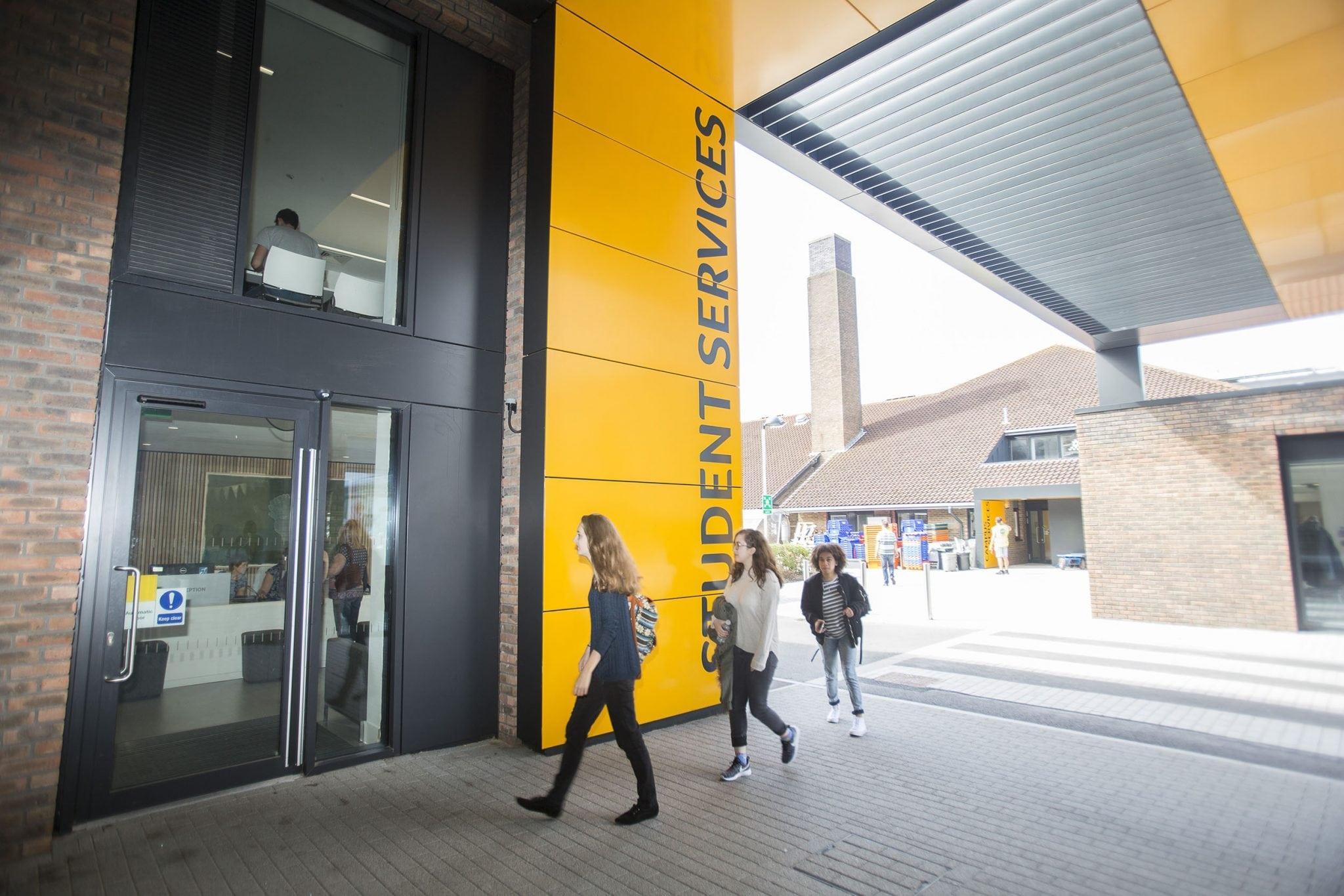
Students walking into a university building. There are yellow panels on the wall with Student Services written vertically across them.

Overview

We believe people learn best in a vibrant, caring environment, and we want to help you thrive while you’re here

Student Services on AUB Campus

Sexual misconduct

AUB is committed to promoting and maintaining a culture in which incidents of harassment or sexual misconduct will not be tolerated...


Close-up of some blinds at a window with sunlight shining through.

Report + Support

Our online Report and Support tool enables anyone to report concerns anonymously, make a formal complaint, and receive support

Close-up of coloured pencils in a pencil holder, sitting on a table.

Conflict Resolution

The Conflict Resolution Service is a non-judgmental, confidential and voluntary service which can help you resolve any conflict...

Corner of a staircase with a big window on the landing.

Medical Care

We work in partnership with the local Village Surgery to provide a dedicated medical surgery each week
A person's hand by some mint leaves in a box full of soil.

Cost of Living

Take a look at the average monthly spend for a student in private rented accommodation

Obscure angle of the Drawing Studio

Worried about a student?

You may be a fellow student, a member of staff, a concerned parent, friend, family member, or a medical professional wishing to make a...
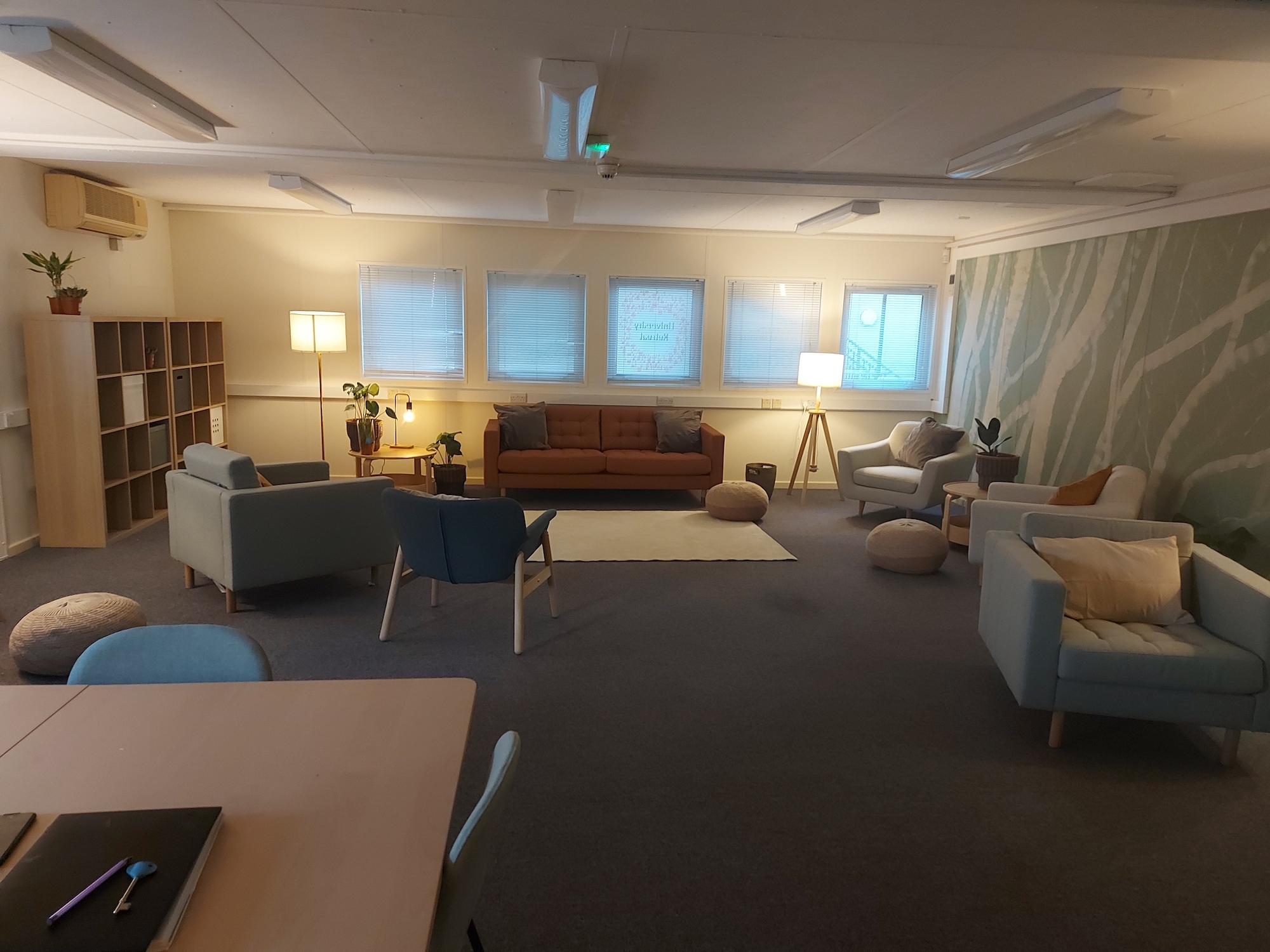
A large and well-lit living space with several sofas and chairs

University Front Room

The University Front Room is a mental health drop-in service for students from Arts University Bournemouth and Bournemouth University...

Graduates throwing their hats into the air on Bournemouth beach, blue sky.

Life after university

As you approach graduation, you may feel some apprehension about the journey ahead of you. It’s understandable to feel overwhelmed...