




















You are using an outdated browser. Most of this website should still work, but after upgrading your browser it will look and perform better.
Farhana Tabassum Amety
Farhana Tabassum Amety


Farhana Tabassum Amety
I began the MA Historical Costume course with great expectations to enhance my understanding of costume construction, career advancement, and achieving particular goals through independent study and research, where I could participate. Being from Bangladesh, I am using my Master’s degree studies to research the impact and utilisation of muslin (mainly dacca muslin) in different historical periods, significantly affecting British museum exhibits, artwork, theatre productions, historical movies, and artistic creations.
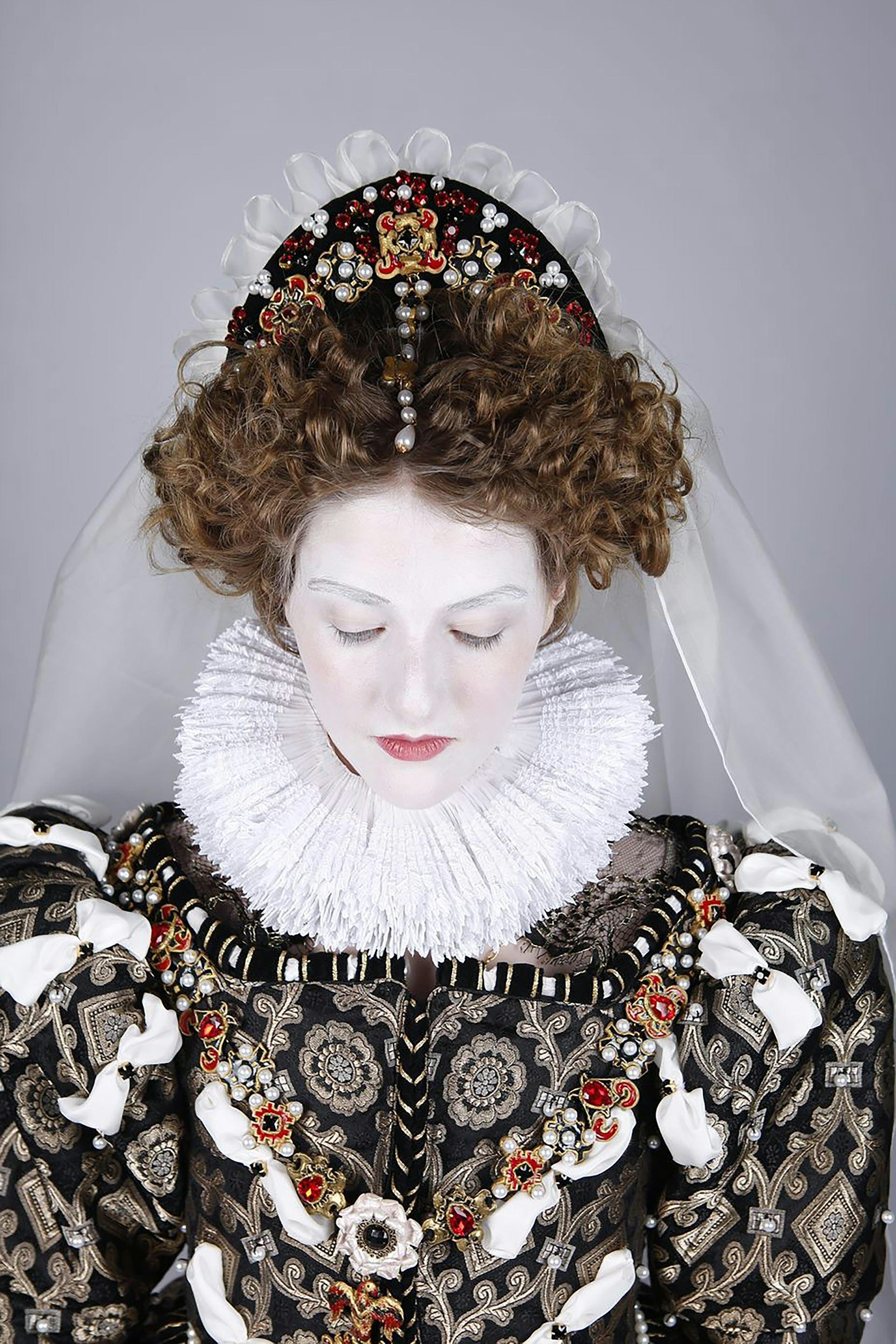
I aimed to recreate the 1869 day outfit (from the V&A Museum) to explore the link between British cultural heritage and present-day Bangladeshi resources. The way I see things is influenced by my deep emotional connection to British costume and art. The 1869 day dress popularised Indian muslin globally, shaping garment and textile history between the late 17th and early 18th centuries.
The day dress from 1869 represents the charm of cultural exchange. During my MA studies, I also worked on creating a man's waistcoat, trousers, and smoking jacket from 1850s.
Plans after degree
I intend to carry on with my career as a military tailor while employed at Buckinghamshire New University as a technical demonstrator in the fashion and textiles department. A career in costume making is something else I'm interested in pursuing. I'm currently looking for different wardrobe positions in theatre and cinema.