
Adobe Lightroom and Photoshop for Photographers – an Introduction
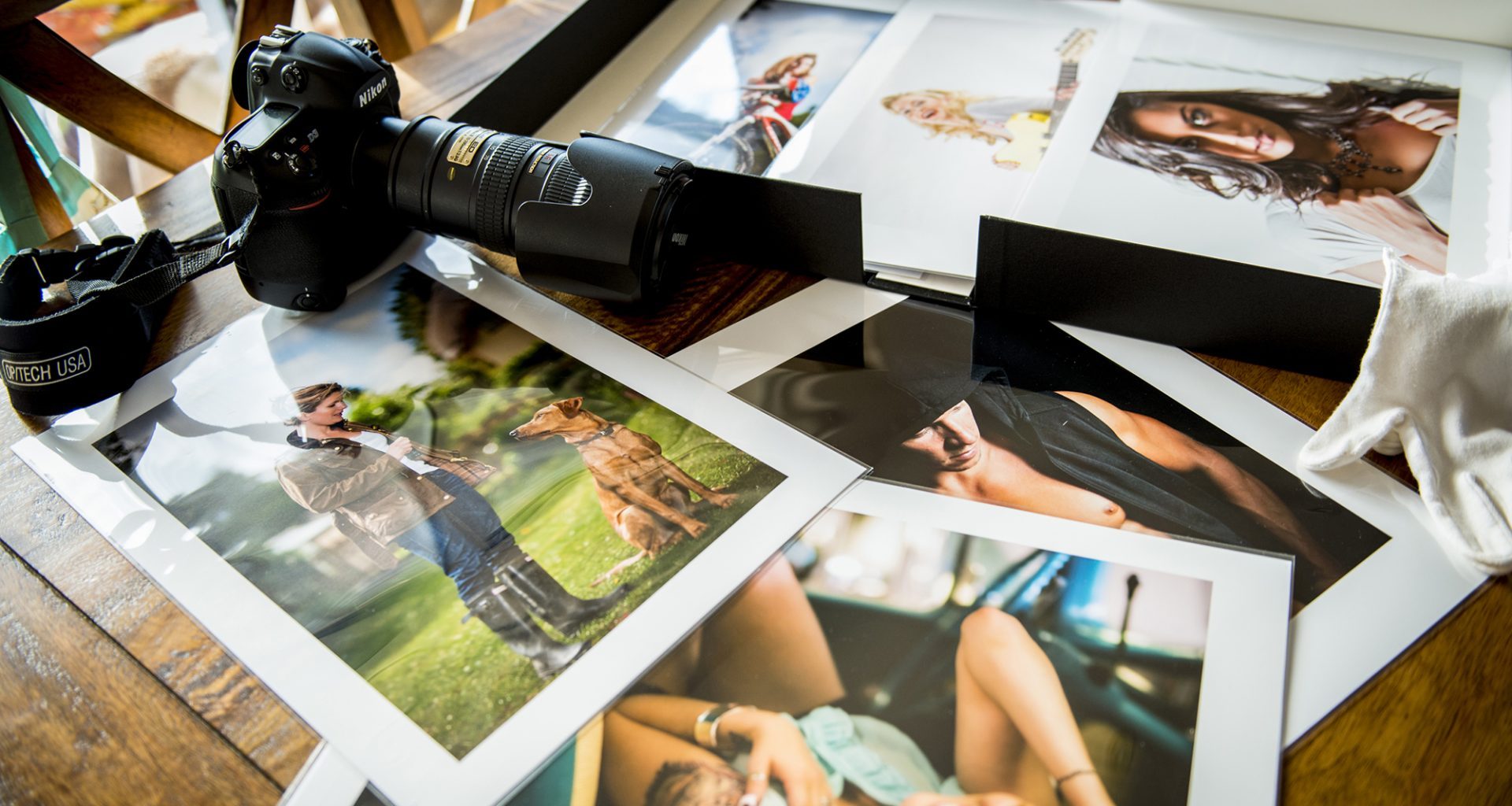
In this 10-week practical course you'll learn professional techniques exploring Adobe Lightroom and Photoshop for post-production purposes.











If you feel like one of our creative courses is the right fit for you, you can start making your application.
Visit our campus and see creativity in action.
Experience a campus built for creativity and collaboration.
You are using an outdated browser. Most of this website should still work, but after upgrading your browser it will look and perform better.
Take control of your camera and establish yourself as a true specialist with our photography short courses.
Capturing images is more than just tapping the shutter button. It takes time, practice and skill to discover what drives your passion for photography, how you document moments and why. On these short courses, you’ll learn essential techniques such as shutter speed, aperture and ISO to snap those perfect initial shots, followed by creative editing through software like Adobe Lightroom and Photoshop to develop your style and practice further.
Some of photography’s most recognisable names studied photography at AUB, such as Nick Knight and Wolfgang Tillmans – a short course here could be the start of your photography journey too.
Find out more about each of our photography courses below.
In this 10-week practical course you'll learn professional techniques exploring Adobe Lightroom and Photoshop for post-production purposes.
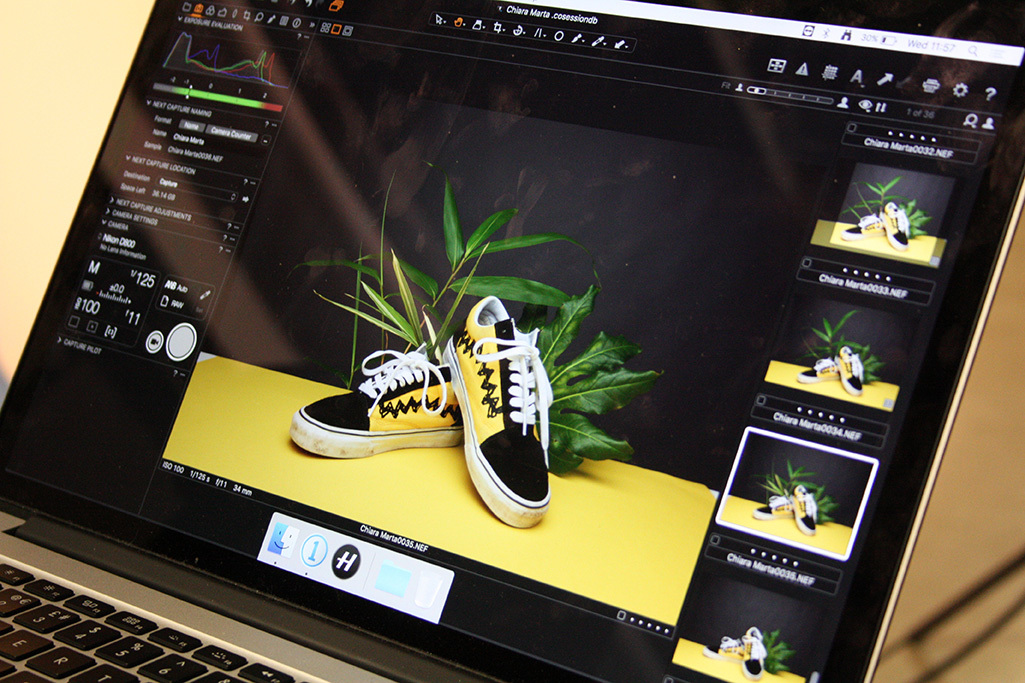
On this 20-week course, you'll develop an understanding of technical and creative processes, practices, and the photo-imaging industry.
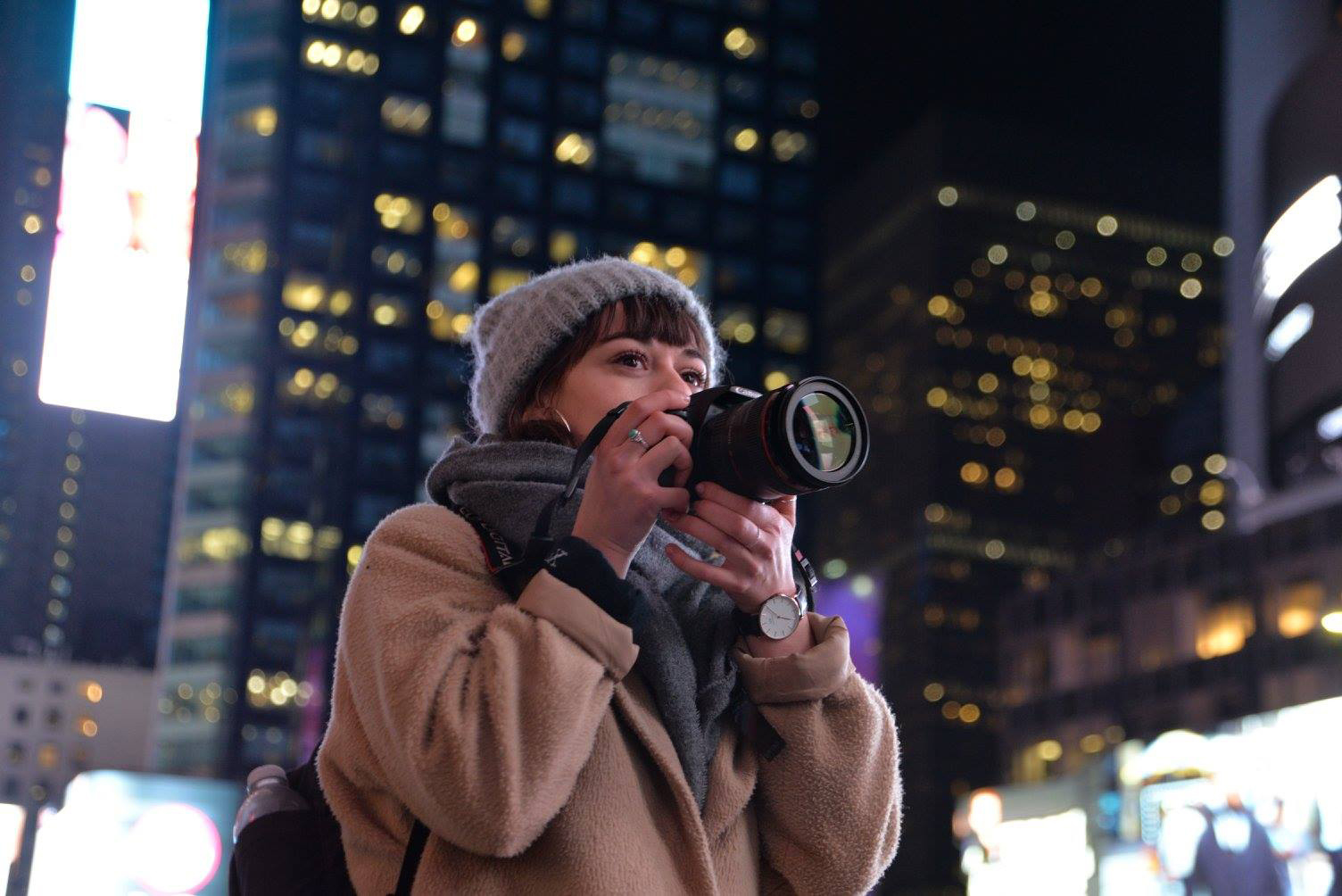
Master your camera, take creative control, and learn to take photos with confidence with this practical course.
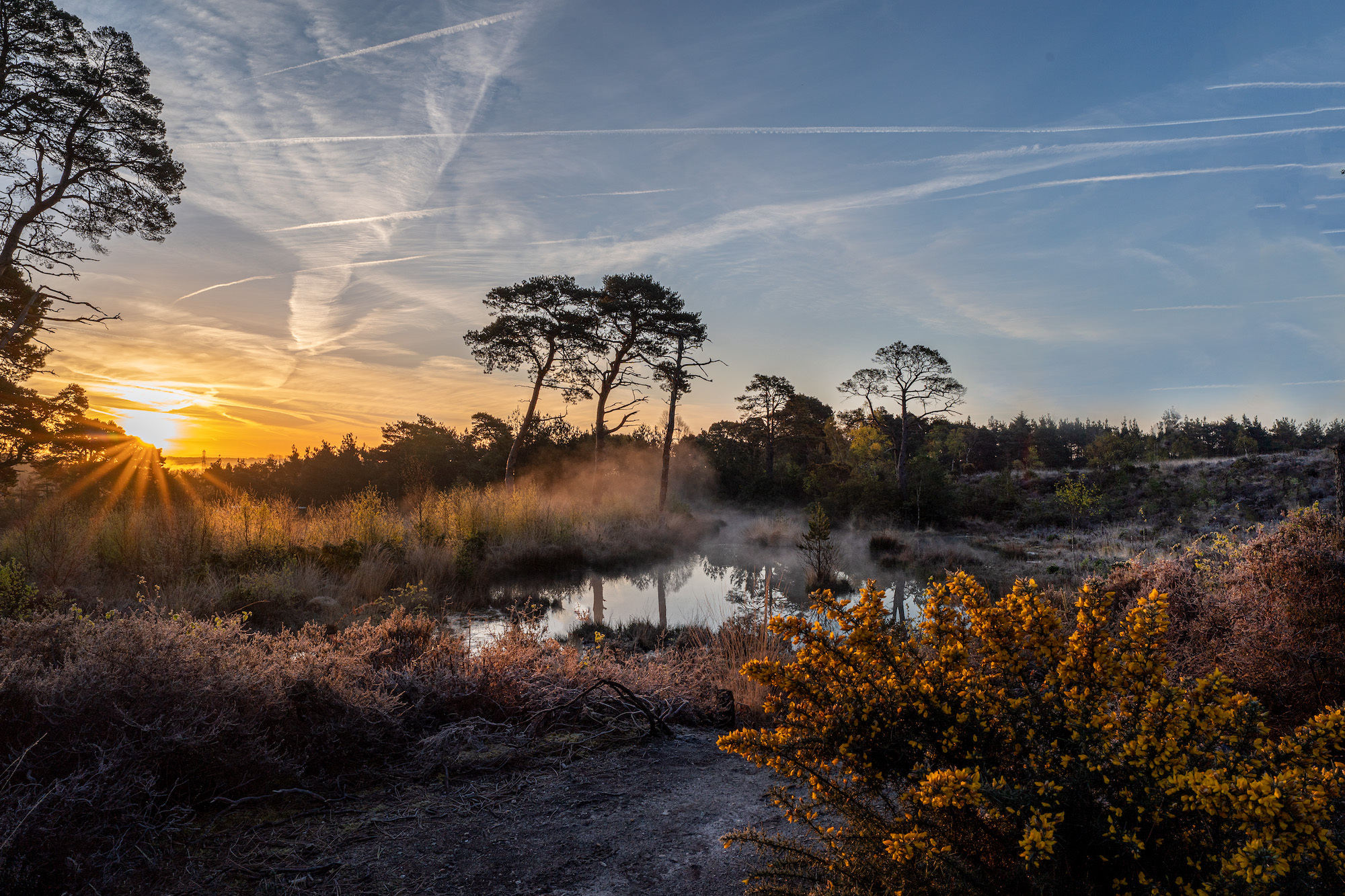
Discover the beauty of the outdoors and the art of landscape photography in this engaging part-time course...
Unlock the storytelling potential of your photography in this immersive Photojournalism and Visual Storytelling course.
This 30-week Level 2 accredited course gives you an understanding of photographic processes and practices in the photo-imaging industry...